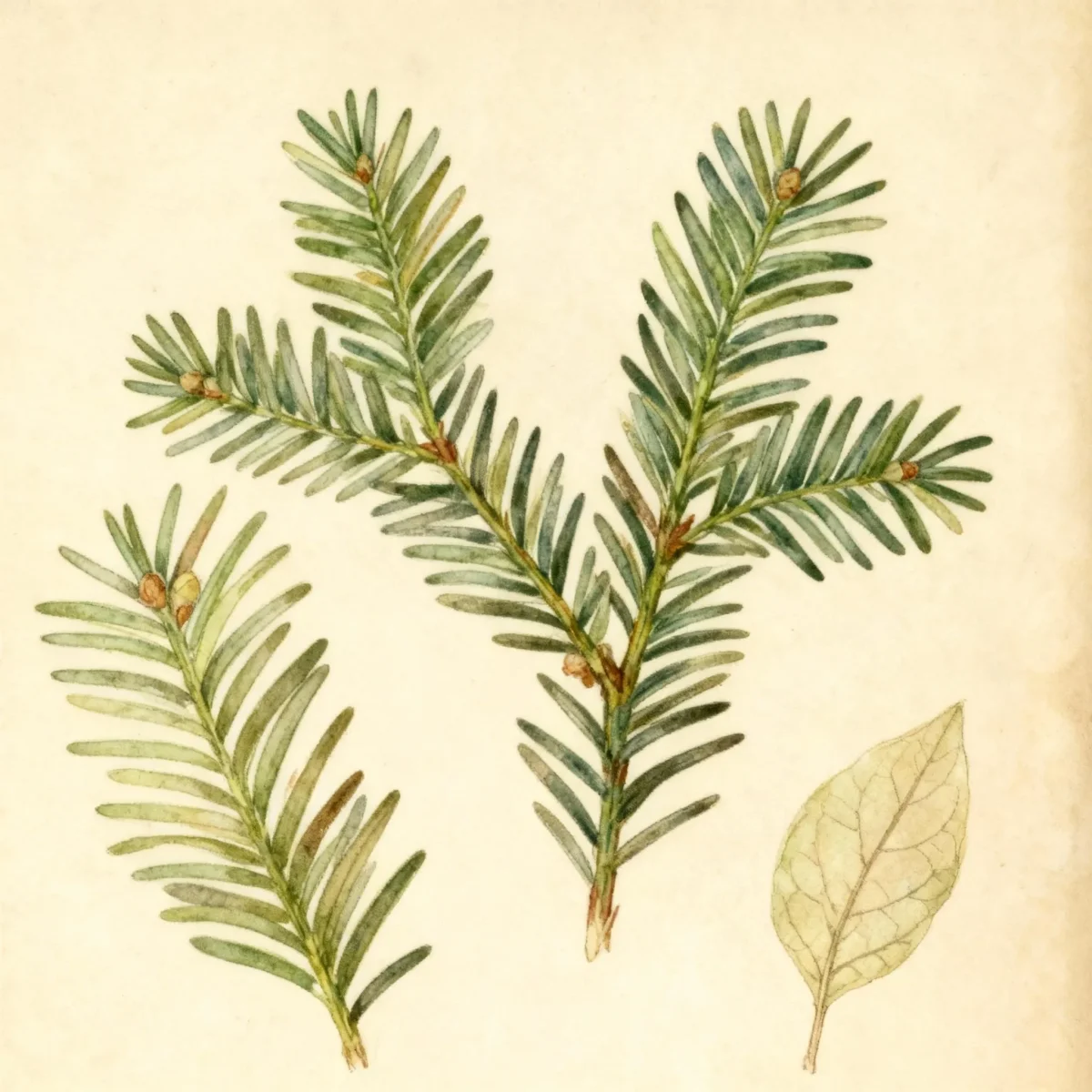
Japanese yew (Taxus cuspidata 'Bright Gold')
Taxus cuspidata 'Bright Gold' is a golden Japanese yew offering low maintenance and beautiful color contrast in zones 4-7.
Scroll down to discover growing tips, care requirements, companion plants, and more
Complete Plant Information
Overview
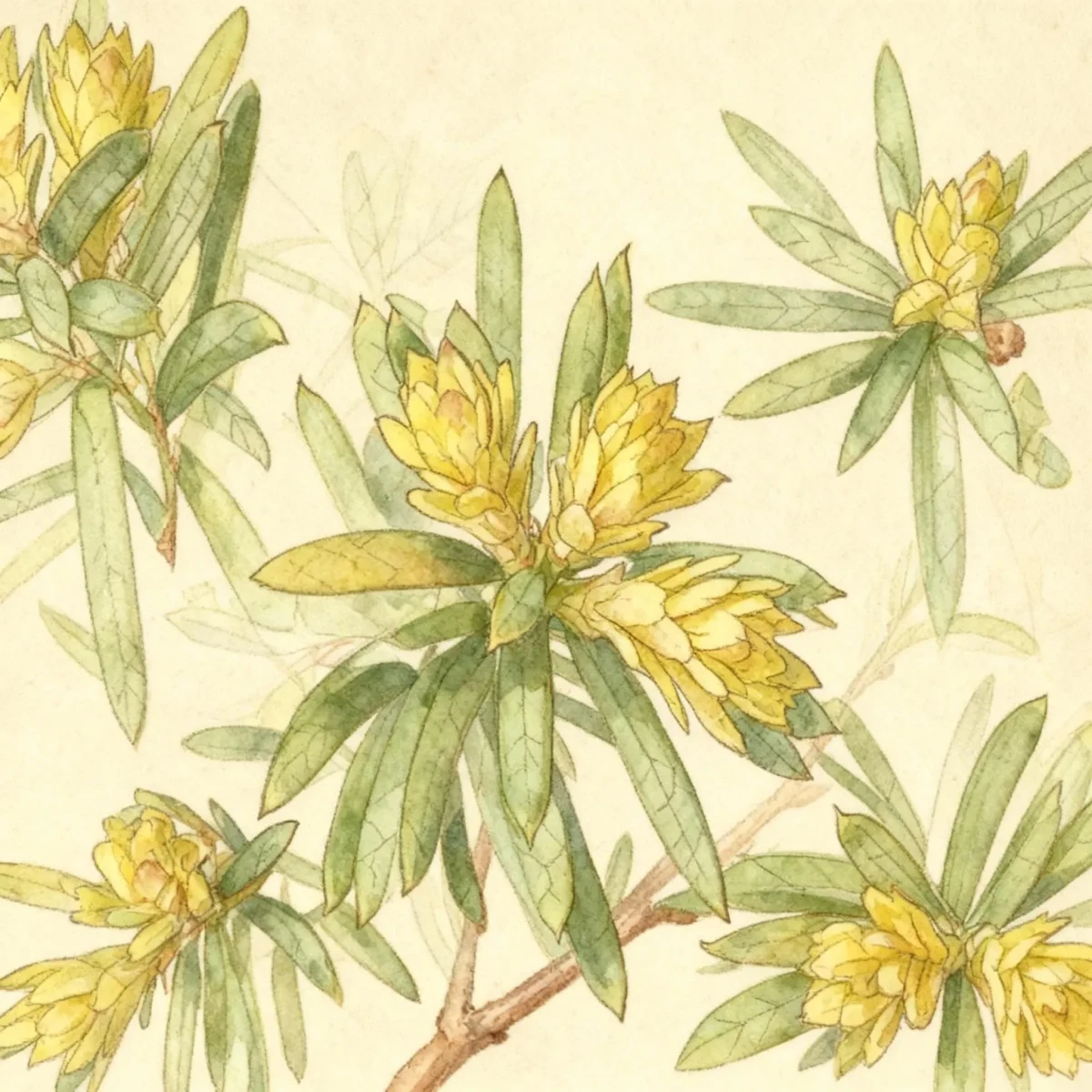
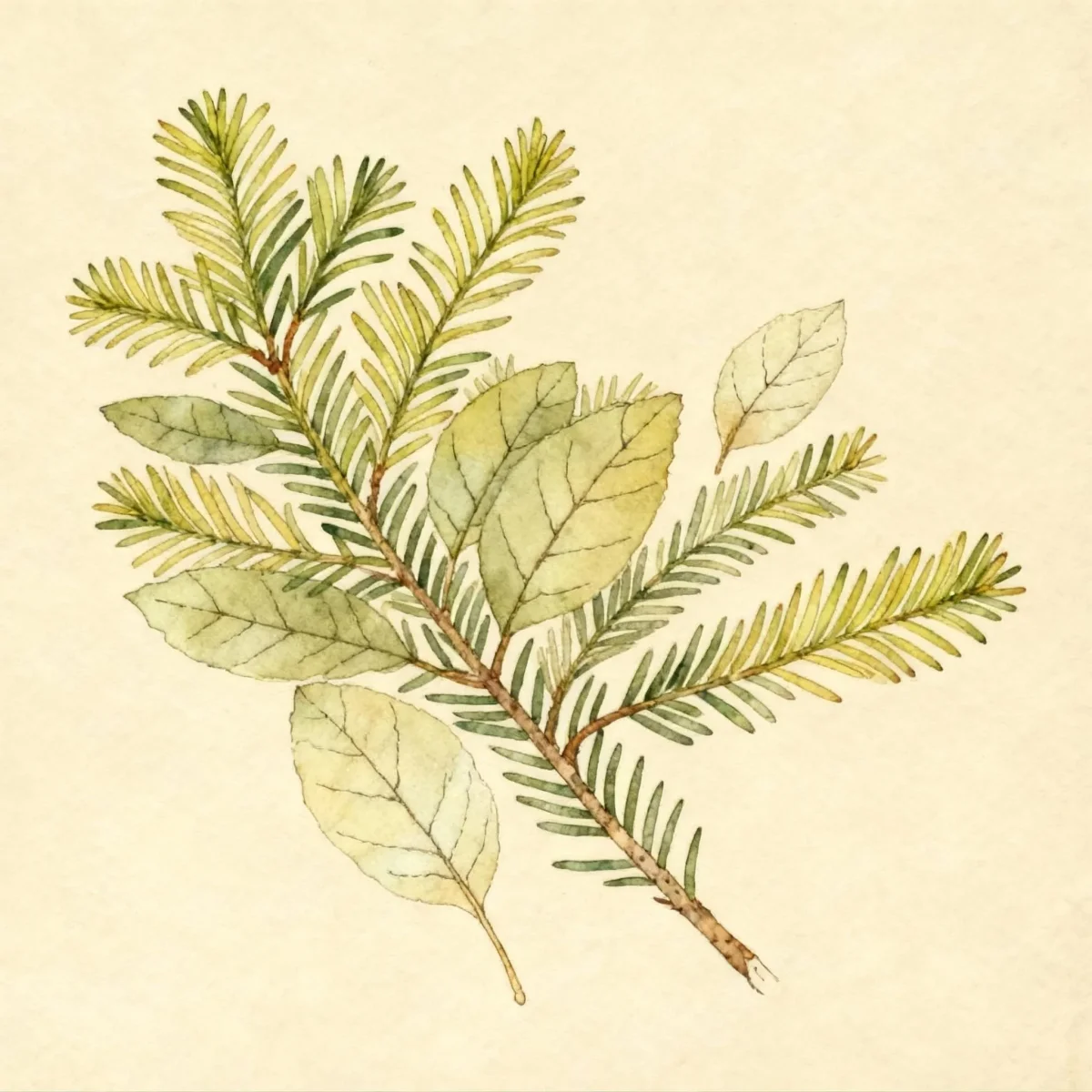
The Taxus cuspidata ‘Bright Gold’, commonly known as Japanese yew, is prized in the landscape for its vibrant, golden-yellow new growth that offers striking color contrast against darker evergreens. This cultivar forms a dense, upright-spreading shrub, providing consistent texture and year-round interest with relatively low effort from the gardener. As a needled evergreen, Japanese yew is an excellent choice for foundational plantings or as a specimen where year-round structure is required.
While native Taxus cuspidata can grow quite large, the ‘Bright Gold’ cultivar remains manageable, typically maturing between 4 and 6 feet tall with a spread of 5 to 7 feet over time. Its adaptability allows it to thrive in a range of light conditions, although specific color retention depends heavily on sun exposure. Gardeners value the Taxus cuspidata ‘Bright Gold’ for its excellent tolerance to pruning, allowing it to be shaped into hedges or formal accents.
This slow-growing shrub offers fantastic architectural presence. The golden foliage truly shines when sited correctly to avoid deep shade, which dulls the color. For reliable performance and year-round color, the Taxus cuspidata ‘Bright Gold’ is a dependable, low-maintenance feature for temperate gardens.
Fast Facts
- Plant Family: Taxaceae
- Plant Type: Needled evergreen
- Hardiness Zones: USDA Zones 4-7
- Size at Maturity:
- Height: 4-6 ft
- Spread: 5-7 ft
- Bloom Time: Non-flowering
- Bloom Description: Non-flowering
- Sun Exposure: Full sun to part shade
- Water Needs: Medium
- Maintenance Level: Low
How to Grow
Planting the Japanese yew should occur when conditions are mild, ideally in spring or fall, ensuring the plant establishes roots before extreme temperatures hit. Success hinges on excellent site selection regarding moisture and drainage, as this species has zero tolerance for wet, poorly drained soils; sandy loams are preferred. While it tolerates shade, remember that for the best golden coloration, the ‘Bright Gold’ cultivar needs morning sun followed by afternoon part shade, especially in hotter climates.
Once established, water needs are medium; ensure consistent moisture but allow the soil surface to dry slightly between deep waterings. Good soil drainage is the single most critical cultural requirement to prevent root rot. Maintenance for this cultivar is low, though annual feeding is rarely necessary unless the soil is extremely poor. Pruning is well-tolerated and should be performed in early spring or any time of year to maintain desired shape, but avoid planting in areas exposed to harsh winter winds which can cause burn.
The golden foliage characteristic of Taxus cuspidata ‘Bright Gold’ is best maintained by avoiding deep shade, where the golden tones revert to a dull yellow-green. By placing this shrub where it receives ample, bright, indirect light or morning sun, you maximize its ornamental impact throughout the growing season.
Landscape Uses
The rich, golden-yellow foliage of Taxus cuspidata ‘Bright Gold’ makes it an outstanding accent piece in the landscape, perfect for breaking up monotonous green evergreen masses. Its manageable, upright-spreading habit lends itself well to use in foundational plantings near structures where year-round form is appreciated. Furthermore, this cultivar is well-suited for rock gardens, providing necessary structure and brightness among low-growing perennials and alpines.
As a specimen, the unique coloring of the ‘Bright Gold’ Japanese yew draws the eye, especially when contrasted with deep purple or blue-leafed companions. It performs excellently in containers, where its structured form can anchor patio displays; ensure containers have superior drainage when growing this species in pots. Its ability to handle urban conditions also makes it suitable for planting near sidewalks or in commercial landscapes that require hardy, formally shaped screening.
Standout Features
Fruit Qualities
- Showy
Noteworthy Characteristics
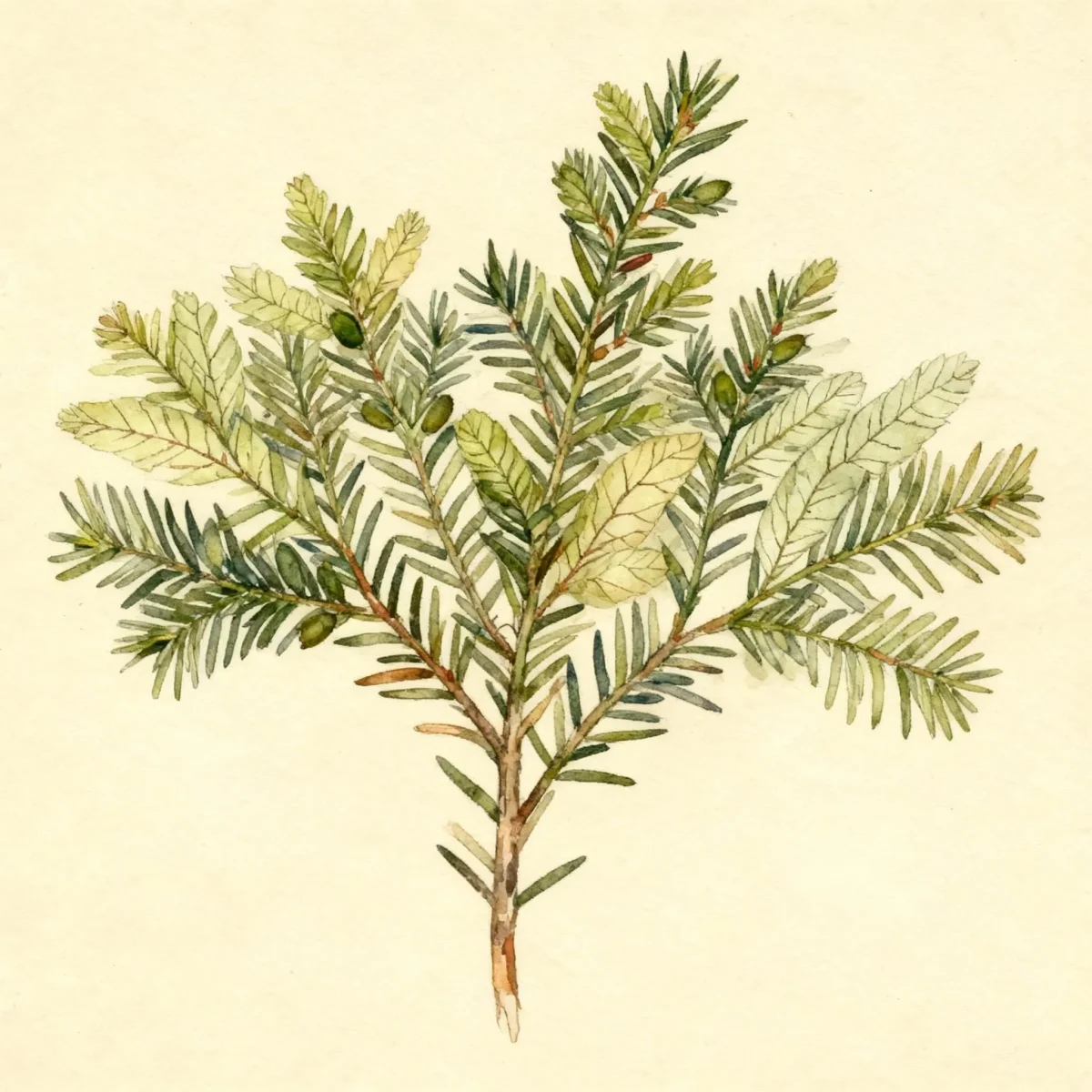
Taxus cuspidata, commonly known as Japanese yew, is a broad-columnar needled evergreen tree or multistemmed shrub. In cultivation, it grows much smaller than its native stature, particularly when regularly pruned. The selection ‘Bright Gold’ is an upright-spreading dwarf form that matures to about 4-6 feet tall and wide, known for needles that emerge golden yellow in spring, often showing a green striation. If male and female plants are present, female plants produce red, berry-like cones (drupes) in the fall which cover the arils.
Tolerances
- Susceptible to winter burn, particularly in exposed sites.
- Twig blight and needle blight are occasional problems.
- Root rot may occur in poorly-drained soils.
Potential Problems
Several diseases and pests can affect your Japanese yew if cultural conditions are not ideal. The primary aesthetic issue, winter burn, occurs when foliage experiences desiccation from cold, dry winter winds, especially in exposed locations. Twig blight and needle blight are occasional fungal problems against which proper air circulation and prompt removal of infected material can help manage.
Poor drainage is a guaranteed pathway to root rot, which can severely weaken or kill the plant. For insect control, watch for weevils, scale, and mealybugs in some regions, which can generally be managed with horticultural oils or targeted insecticides if infestations become severe. Maintaining the correct sun exposure (part shade) helps the foliage resist stress that invites secondary issues.
Frequently Asked Questions
What hardiness zones is Japanese yew suitable for?
The Taxus cuspidata ‘Bright Gold’ is suitable for USDA Hardiness Zones 4 through 7.
How large does Taxus cuspidata ‘Bright Gold’ grow?
This cultivar typically reaches a mature height between 4 and 6 feet, with a corresponding spread of 5 to 7 feet.
What sun exposure does Japanese yew need?
This plant requires full sun to part shade for best performance; however, morning sun with afternoon shade is ideal to maintain the brightest golden foliage color.
When does Taxus cuspidata ‘Bright Gold’ bloom?
This needled evergreen is non-flowering; it does not produce noticeable flowers.
Conclusion
The Taxus cuspidata ‘Bright Gold’ offers exceptional value due to its relatively low maintenance requirements paired with brilliant golden foliage that brightens the winter and spring garden. Ensuring proper drainage remains the most critical factor for long-term success with this Japanese yew cultivar. Before planting, confirm that your location falls within USDA Zones 4-7 and provides adequate light exposure compatible with achieving peak golden color.
Companion Planting
Selecting companions that share cultural requirements, particularly high drainage needs, will enhance the display provided by the Taxus cuspidata ‘Bright Gold’. Consider pairing this golden shrub with dark-leaved broadleaf evergreens, such as certain varieties of Japanese Holly (Ilex crenata), for maximum color contrast. Low-growing groundcovers that thrive in partial shade, like Lenten Rose (Helleborus orientalis), can be placed at the base to mask any exposed lower branches while enjoying similar soil moisture levels.
For seasonal interest beneath the evergreen structure, spring bulbs like golden yellow daffodils or white snowdrops look excellent emerging around the base of the Japanese yew. As the summer progresses, plants that enjoy bright, dappled light and do not require heavy fertilization will thrive alongside this tough shrub.
Common Mistakes
The most frequent error when growing Taxus cuspidata ‘Bright Gold’ relates to water management; planting in heavy clay soils or depressions where water pools will almost certainly lead to root rot. Always amend heavy soil heavily with grit or organic matter to improve outward drainage before installation. Planting taxads too deeply is another common oversight that suffocates the root flare.
Another mistake is placing the cultivar in deep, dense shade, which leads to disappointment with the foliage color. While the species tolerates shade, the ‘Bright Gold’ requires sufficient light intensity to express its desirable yellow hues; in deep shade, the plant will appear dull green or yellow-green. Conversely, overly exposed sites in harsh winter winds encourage significant winter burn, so locate the plant where it gets some wind break from prevailing winter weather.