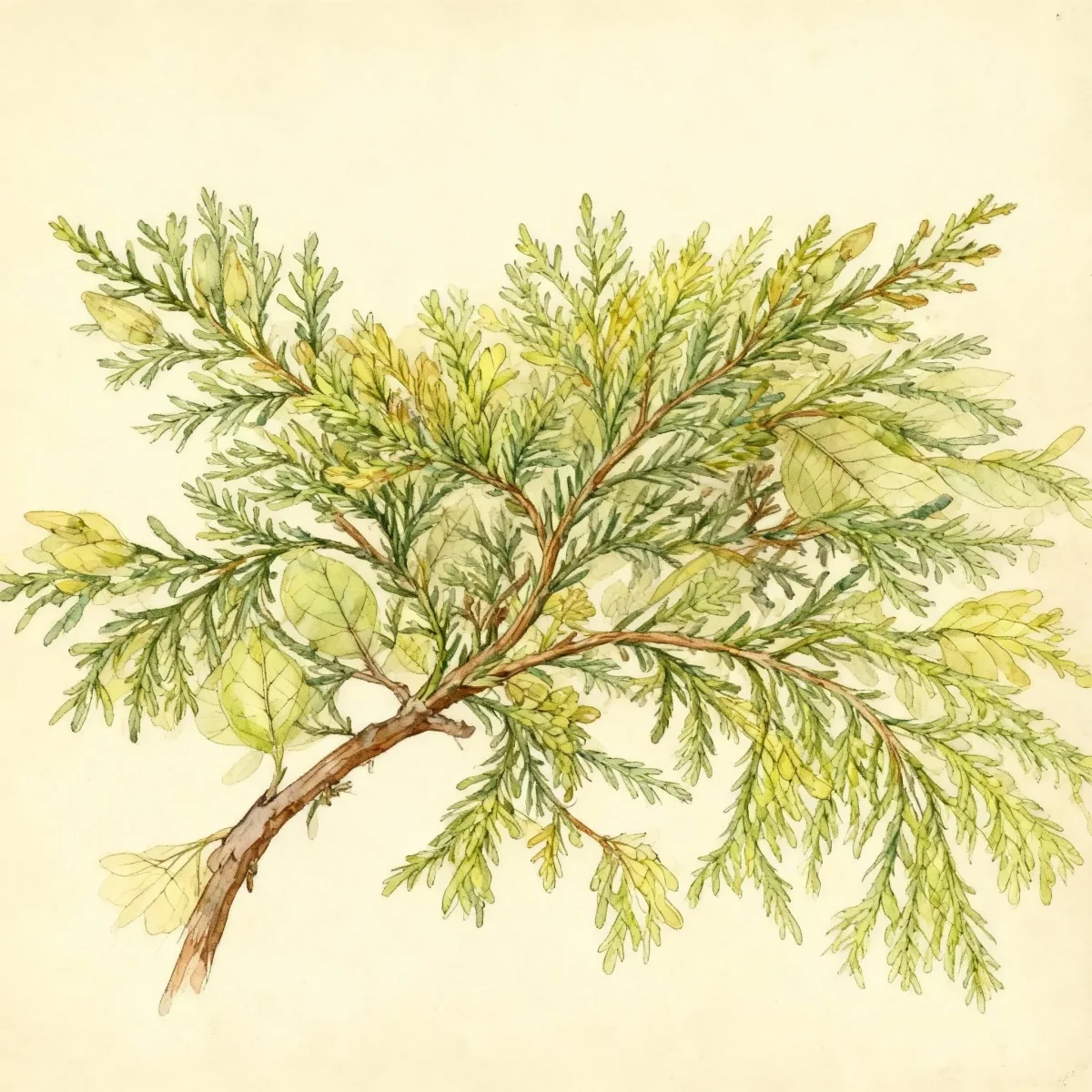
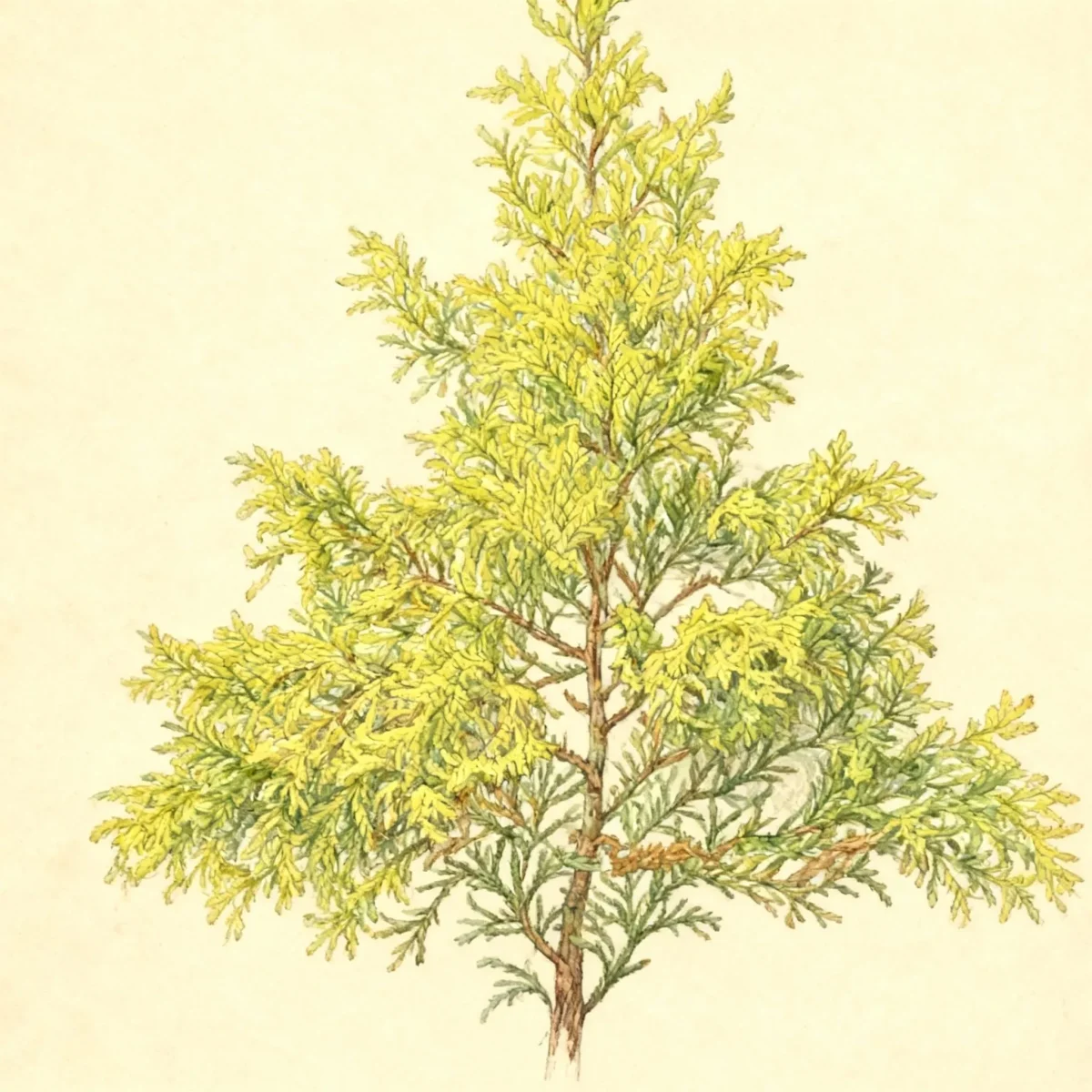
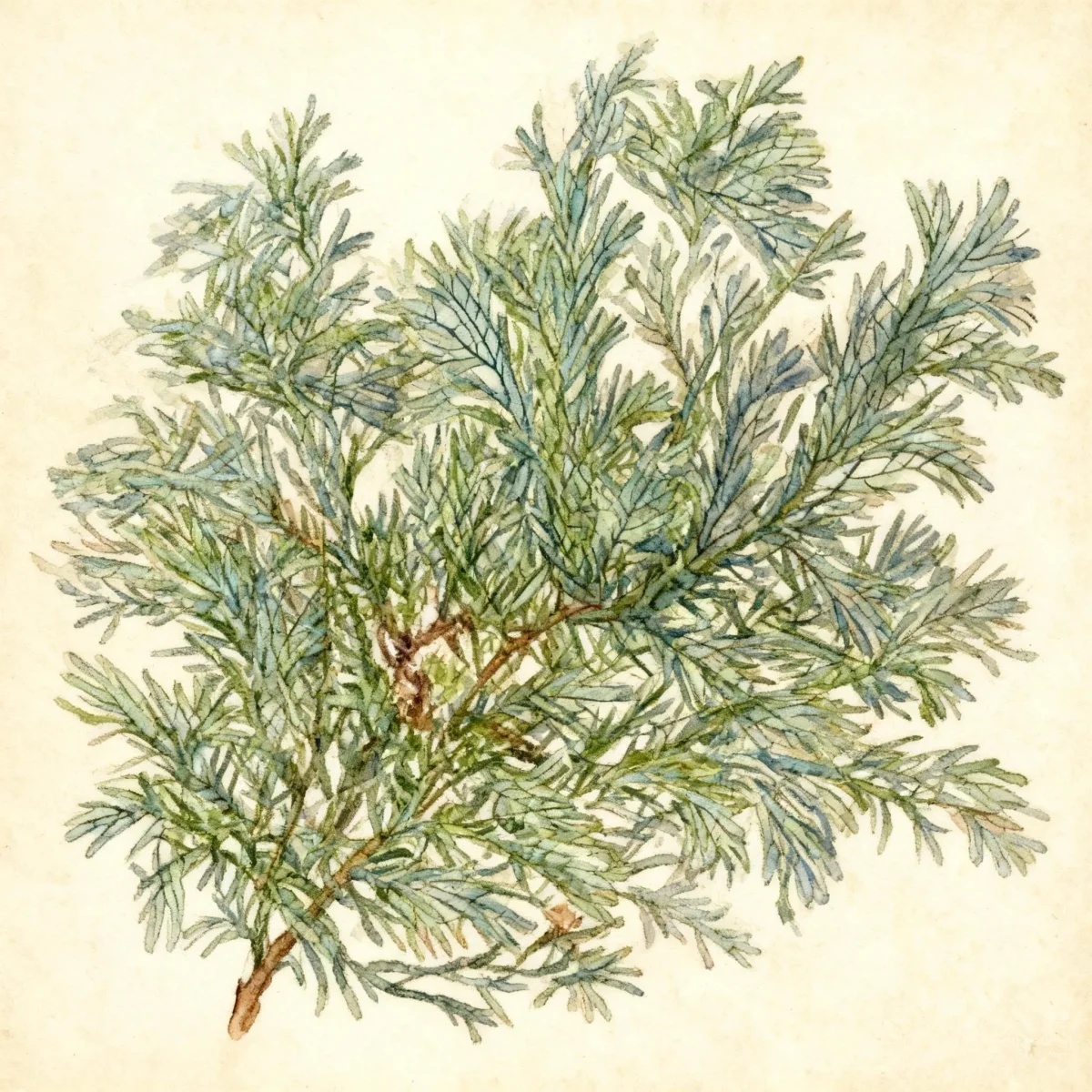
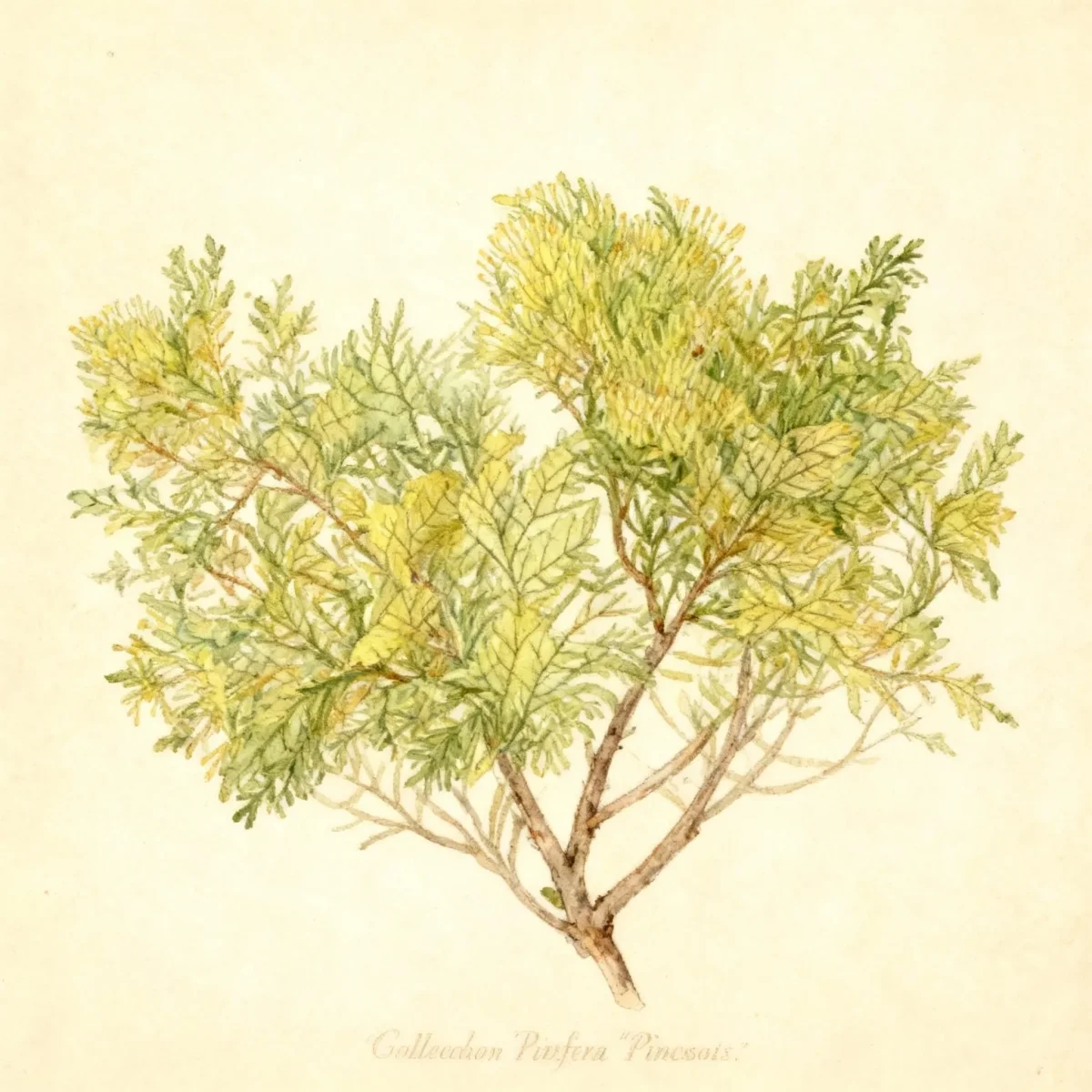
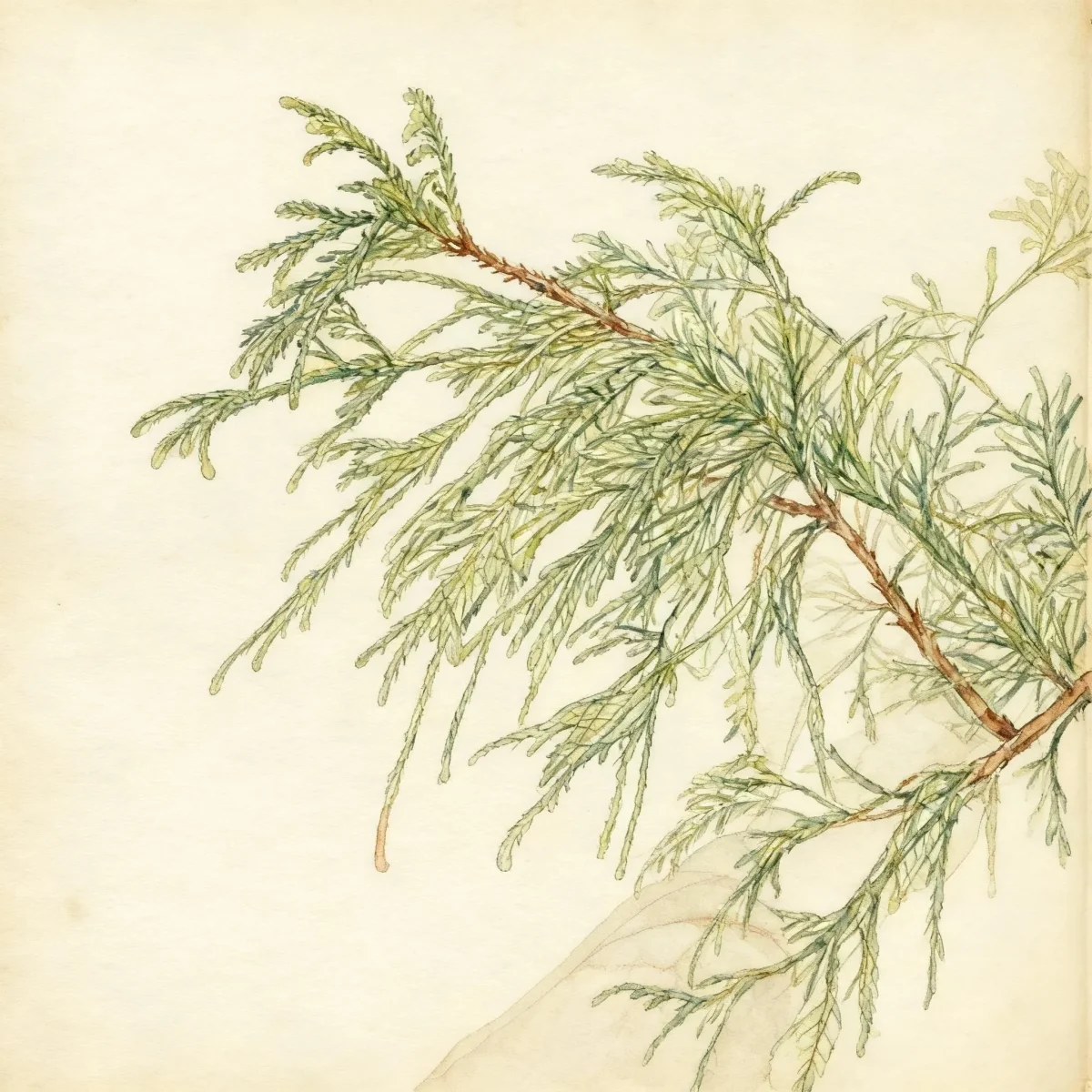
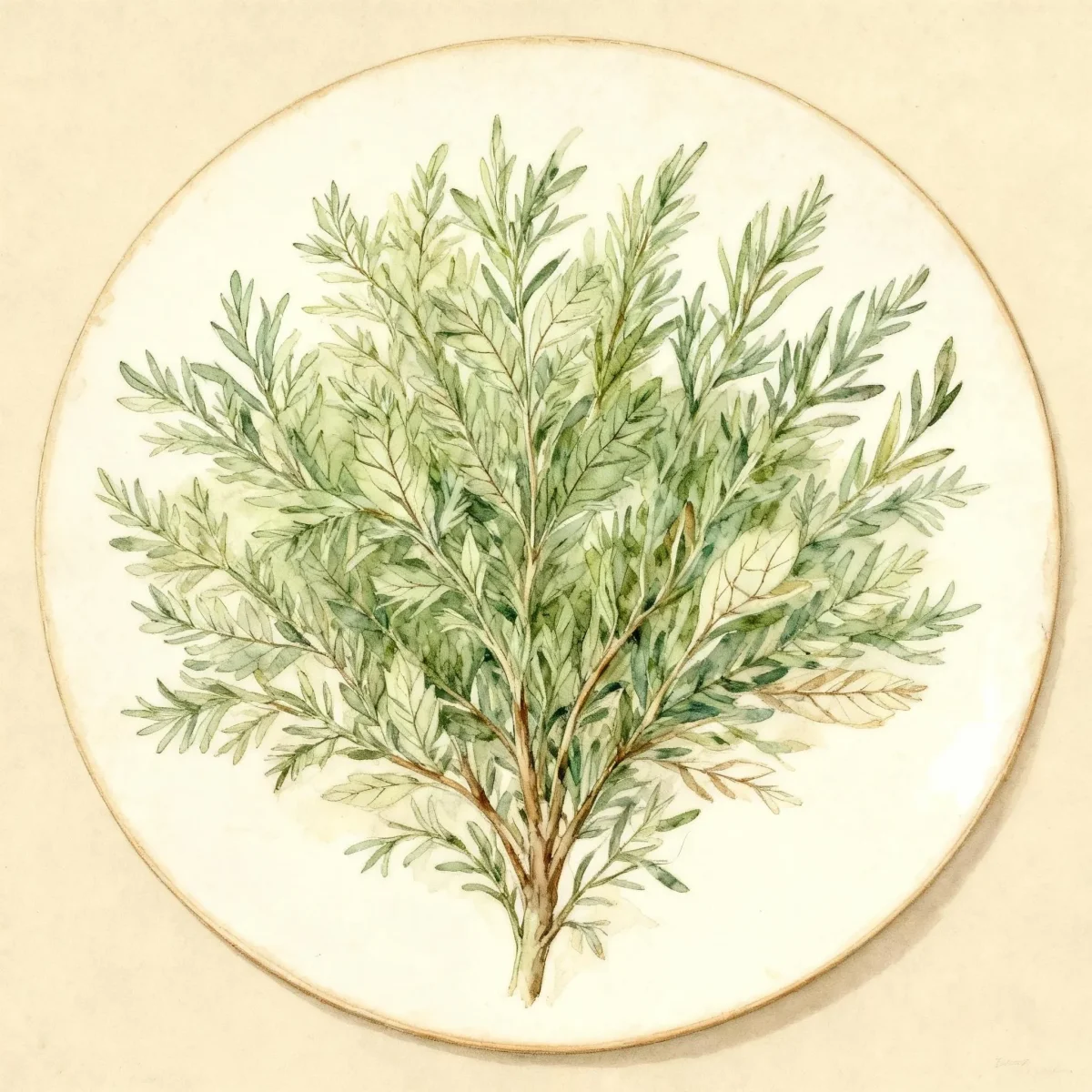
Japanese falsecypress (Chamaecyparis pisifera 'Gold Spangle')
Chamaecyparis pisifera 'Gold Spangle' is an upright evergreen conifer offering bright yellow thread-like foliage. This Japanese falsecypress excels in zones 5-7.
Scroll down to discover growing tips, care requirements, companion plants, and more
Complete Plant Information
Overview
The graceful Chamaecyparis pisifera ‘Gold Spangle’, commonly known as Japanese falsecypress, provides outstanding year-round color and texture in the landscape. This cultivar is highly valued for its fine-textured, thread-like foliage that exhibits a striking bright yellow hue, offering a vivid contrast to richer green plantings. While it is relatively slow-growing initially, the mature Chamaecyparis pisifera ‘Gold Spangle’ forms a substantial, upright, broad-pyramidal evergreen structure. Its low maintenance needs make it an excellent selection for gardeners seeking dramatic, long-term architectural interest without demanding excessive care.
Fast Facts
- Plant Family: Cupressaceae
- Plant Type: Needled evergreen
- Hardiness Zones: USDA Zones 5-7
- Size at Maturity:
- Height: 25-35 ft
- Spread: 15-25 ft
- Bloom Time: Non-flowering
- Bloom Description: Non-flowering
- Sun Exposure: Full sun to part shade
- Water Needs: Medium
- Maintenance Level: Low
How to Grow
Planting Chamaecyparis pisifera ‘Gold Spangle’ is best achieved when the ground is workable, typically in spring or fall, ensuring consistent moisture during establishment. This Japanese falsecypress thrives in average, medium moisture, well-drained soils, though it prefers them moist and fertile. Full sun encourages the best golden coloration, but providing afternoon shade protects it from potential scorching.
Watering should remain consistent, meeting its medium needs, especially through dry spells, but critically ensure the soil drains well. Avoid overly wet or waterlogged conditions, which can quickly lead to root rot issues in this conifer. Pruning is rarely necessary for Chamaecyparis pisifera ‘Gold Spangle’; allow its natural pyramidal shape to develop.
When sited in exposed locations, shelter this variety from strong winds, as these conditions, combined with full sun exposure, can increase the risk of winter burn on the foliage. Inspect the plant periodically for signs of stress, particularly after harsh winters or intense summer heat.
Landscape Uses
The upright and architectural habit of Chamaecyparis pisifera ‘Gold Spangle’ lends itself beautifully to use as a specimen planting where its bright yellow foliage can be fully appreciated. Larger growing cultivars of Japanese falsecypress, including this one, are effective when used to create vertical accents in shrub borders or as semi-formal screens due to their dense structure.
For smaller landscapes, or when utilizing younger specimens, this variety works well near foundation plantings, drawing the eye against neutral siding. The rich gold of the thread-like foliage acts as an excellent focal point or “yellow punctuation mark” alongside deep green or blue conifers and broadleaf evergreens.
Standout Features
Noteworthy Characteristics
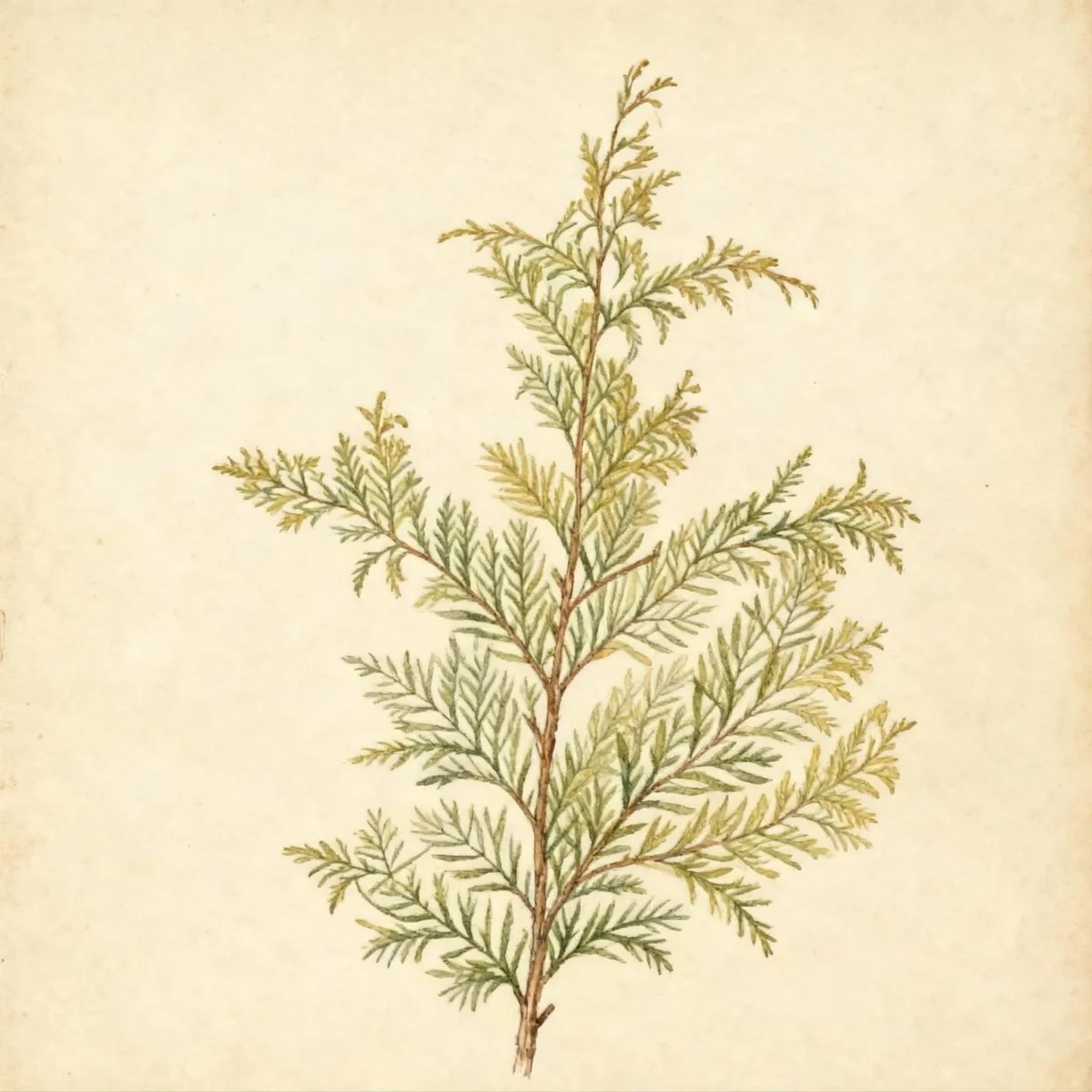
Chamaecyparis pisifera, commonly known as Sawara cypress, is an evergreen conifer that develops a large pyramidal shape in nature, though cultivated varieties mature smaller. Its fine-textured needles are medium green, often tinted white beneath, contrasting with the reddish-brown bark that peels in strips. The cultivar ‘Gold Spangle’ specifically boasts bright yellow, thread-like foliage, starting shrubby before maturing into an upright broad-pyramidal form that can reach 25 to 35 feet tall over time.
Tolerances
- Shelter from strong winds.
Potential Problems
This Japanese falsecypress generally exhibits low disease and insect pressure, making the Chamaecyparis pisifera ‘Gold Spangle’ a relatively reliable evergreen. However, gardeners should watch for some susceptibility to juniper blight, a fungal issue that can cause dieback.
Root rot remains a possibility if cultural requirements are ignored; ensure excellent drainage, as standing water is detrimental. Periodically scout for general insect pests, such as bagworms, which can defoliate branches if left untreated. Correct cultural conditions are the best defense against most potential problems.
Frequently Asked Questions
What hardiness zones is Japanese falsecypress suitable for?
Chamaecyparis pisifera ‘Gold Spangle’ is suitably hardy for USDA Zones 5 through 7.
How large does Japanese falsecypress grow?
This cultivar typically matures to a height between 25 and 35 feet, with a spread ranging from 15 to 25 feet wide.
What sun exposure does Chamaecyparis pisifera ‘Gold Spangle’ need?
It prefers full sun but will tolerate partial shade, though light levels directly influence the intensity of its desirable yellow foliage color.
When does Japanese falsecypress bloom?
This conifer is classified as Non-flowering; ornamental interest comes solely from its foliage structure and color.
Conclusion
For brilliant, low-maintenance evergreen structure, the Chamaecyparis pisifera ‘Gold Spangle’ is an outstanding choice, offering luminous yellow texture for nearly the entire year. Its adaptability to partial sun, combined with its slow-to-moderate maturation rate, makes the Japanese falsecypress an investment in long-term landscape beauty. Before planting, confirm your site offers well-drained soil and consider winter wind protection to ensure vibrant results.
Companion Planting
Selecting companions that complement the fine texture and golden color of the Chamaecyparis pisifera ‘Gold Spangle’ elevates the overall design. Pair it with deep purple or dark green broadleaf evergreens, such as Japanese Holly (Ilex crenata) or certain dwarf hemlocks, to maximize the contrast of the yellow thread-like foliage. Blue-needled conifers, like low-growing Blue Spruce cultivars, also create a stunning complementary color scheme.
Since this feature conifer prefers medium moisture but demands excellent drainage, ensure companion plants share similar soil and water requirements. Avoid planting it directly next to moisture-loving bog plants unless the soil mound is expertly prepared to prevent water stagnation around the cypress roots.
Design Ideas for Yellow Foliage
The bright yellow needles of the Chamaecyparis pisifera ‘Gold Spangle’ make it an ideal anchor plant in mixed evergreen borders, providing year-round brightness, especially in winter when many other plants are dormant. Use it strategically to illuminate dark corners of the garden where its golden glow can reflect available light.
As this Japanese falsecypress matures, its pyramidal form is excellent for defining vertical lines near entryways or at the corners of defined garden rooms. For contemporary designs, allow a specimen to stand alone against smooth paving stones or modern hardscaping materials to emphasize its distinctive airy texture.