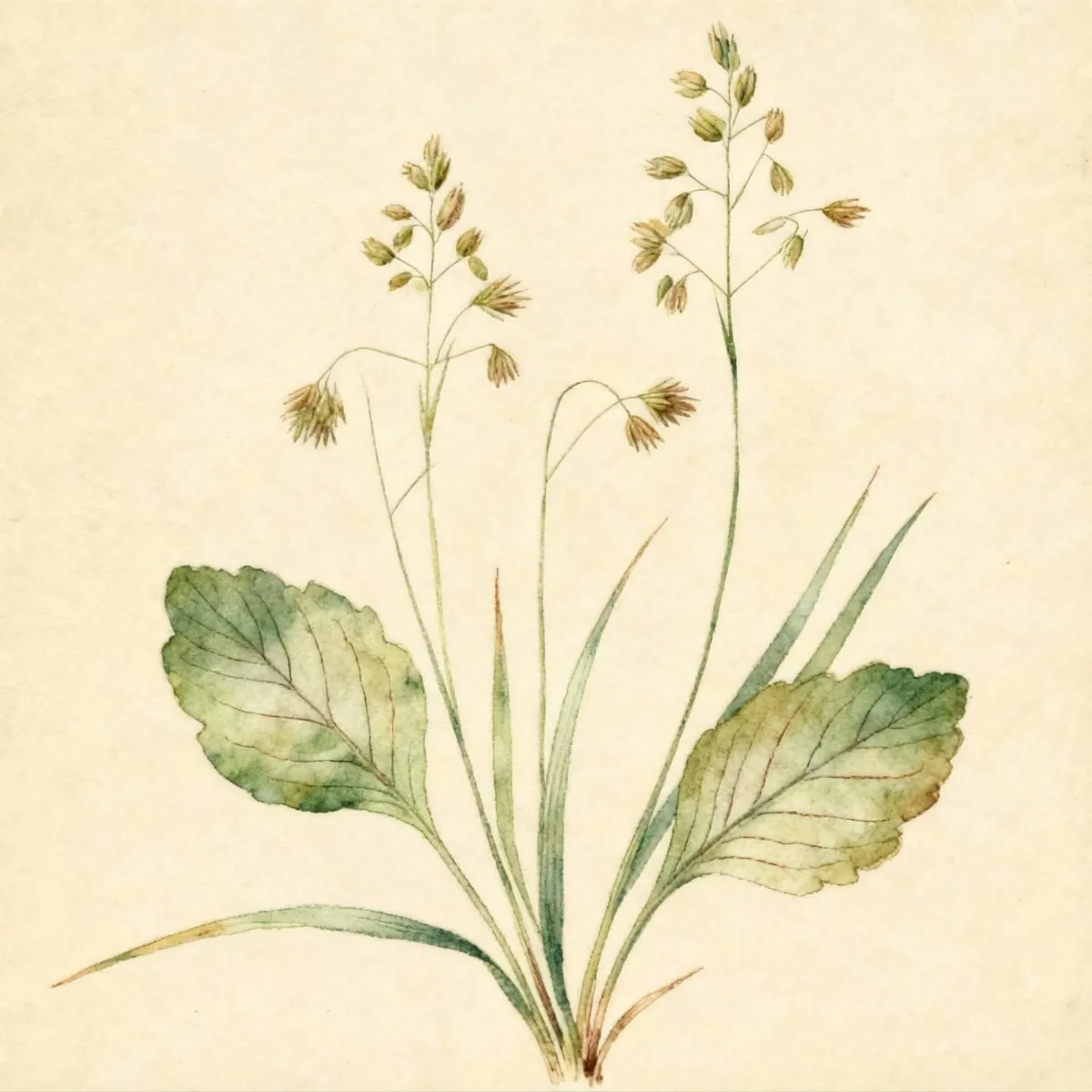
Creeping bent grass (Agrostis palustris NO MOW)
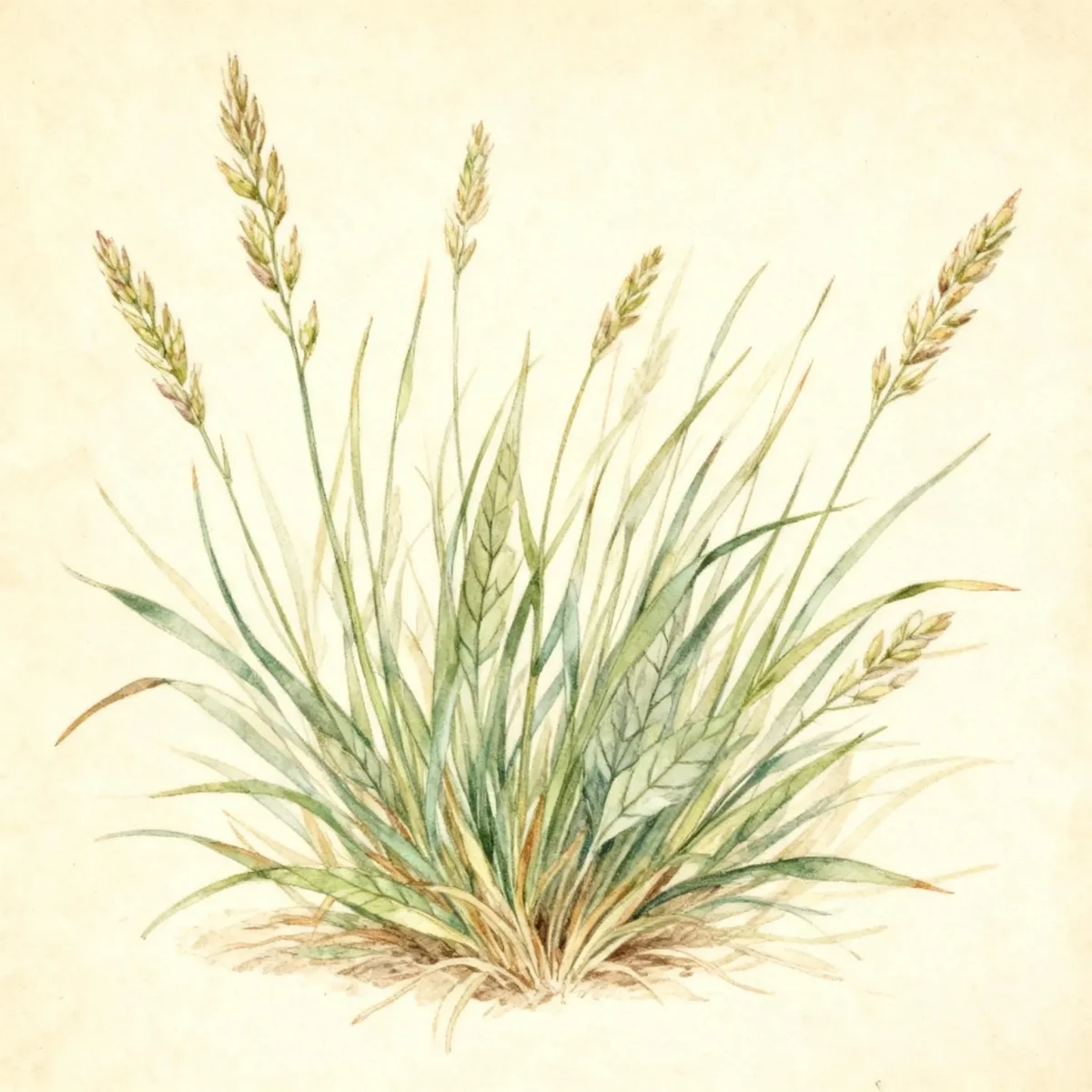
Agrostis palustris NO MOW, or Creeping bent grass, forms soft, dense turf. Ideal for northern cool climates, this high-maintenance grass offers a superior manicured look.
Scroll down to discover growing tips, care requirements, companion plants, and more
Complete Plant Information
Overview
Creeping bent grass, scientifically known as Agrostis palustris NO MOW, creates an exceptionally fine-textured and soft mat, highly prized for its superior surface quality. While historically reserved for high-end golf greens, it can be cultivated as a residential lawn, provided the gardener is equipped to meet its demanding needs. This grass thrives in cool, humid conditions, establishing a dense carpet that instantly elevates the aesthetic of the landscape.
This variety of Agrostis palustris NO MOW is distinct due to its rapid stoloniferous growth, allowing damaged areas to quickly repair themselves, ensuring a uniformly green appearance. Although generally classified as high maintenance, the NO MOW designation hints at reduced requirements once established, especially when compared to standard bentgrass cultivars grown outside ideal conditions. Gardeners should note that while Creeping bent grass performs best in northern regions, its demands for consistent feeding and moisture are non-negotiable for optimal density.
The value of Agrostis palustris NO MOW lies in its unparalleled uniformity and softness, making it ideal for areas requiring a top-tier turf surface suitable for outdoor activities. Understanding its specific climatic needs—cool, northern zones are paramount—will distinguish successful installations from struggles with disease and thinning.
Fast Facts
- Plant Family: Poaceae
- Plant Type: Turfgrass
- Hardiness Zones: USDA Zones 3-6
- Size at Maturity:
- Height: 0.25-0.5 ft
- Spread: 0.25-0.75 ft
- Bloom Time: Non-flowering
- Sun Exposure: Full sun
- Water Needs: Medium
- Maintenance Level: High
How to Grow
Planting Creeping bent grass is best done in spring or fall when temperatures are cool, allowing the fine roots to establish before intense summer heat or winter freeze arrives. It is crucial to select a site offering full sun and ensuring the soil provides excellent drainage, as standing water quickly leads to cultural issues. High-quality soil that can retain moisture without becoming boggy is essential for healthy Agrostis palustris NO MOW growth.
Care for Creeping bentgrass requires dedication, particularly in fertilization; it is a heavy feeder requiring high nitrogen inputs, often 3-4 lbs of nitrogen per year, to maintain its dense, vibrant color. Watering must be frequent to keep the soil consistently moist, especially during establishment. Though the NO MOW label implies less cutting, traditional bentgrass management often requires mowing heights between 1 and 2 inches for residential lawns to prevent thatch buildup.
If you are cultivating Agrostis palustris in the cooler parts of USDA Zones 3-5, it will perform best. While the NO MOW designation suggests optional mowing, consistently cutting it back slightly prevents excessive thatch accumulation, which is a major factor in promoting fungal disease susceptibility in humid conditions. Provide regular aeration to encourage deep root development and nutrient uptake.
Landscape Uses
Creeping bent grass is fundamentally utilized as a performance ground cover, designed to create an immaculate surface rather than purely aesthetic accents. Where cultural requirements—cool climate, full sun, constant moisture—can be met, this grass provides a lawn with a uniform and highly manicured appearance unmatched by many common turf selections. While it functions excellently as a ground cover, its intense requirements mean it is rarely suitable for mixed plantings or borders where lower-demanding species grow.
Due to its tendency to spread aggressively via stolons, Agrostis palustris NO MOW is incompatible with most other common turf types like bluegrass or fescue; it quickly establishes itself as a dominant feature, often viewed as a desirable weed in those settings. Therefore, landscape design should focus on dedicated areas where its fine texture and density can be appreciated, such as high-activity family areas or specialized amenity zones requiring an extremely smooth surface.
Standout Features
Noteworthy Characteristics
Agrostis palustris, commonly called creeping bentgrass, is more commonly used for golf greens, but can be grown as a residential lawn in cool, northern areas though not highly recommended because of it’s high maintenance requirement. It grows as a dense carpet and produces a fine-textured and very soft surface desirable for outdoor activities. Bentgrass needs frequent watering and can be mowed closely to achieve a uniform, even look. Because bentgrass is considered a heavy feeder, it’s fertilizer requirements are high (3-4 lbs nitrogen/year). Bentgrass produces stolons that can quickly repair damaged spots. It is not compatible with other grass selections and often found as a weed in lawns of bluegrass and fescue. NO MOW, as the name suggests, means that mowing is optional, making this specific blend a potentially lower-maintenance turf alternative in suitable zones.
Tolerances
- Drought
Potential Problems
Bentgrass is susceptible to several fungal diseases, especially when grown in humid, warm climates outside its ideal cool-season range. Dollar spot and brown patch are the two most prominent diseases affecting Creeping bent grass, frequently requiring preventative or curative applications of fungicide, especially during hot, wet periods common in late spring and summer. To delay the buildup of excessive thatch—a prime breeding ground for these fungi—maintaining a shorter cutting height, even with the Agrostis palustris NO MOW variety, is often recommended cultural practice. Ensure good air circulation around the turf area to minimize humidity stress.
Frequently Asked Questions
What hardiness zones is Creeping bent grass suitable for?
Agrostis palustris NO MOW is suitable for USDA Zones 3 through 6, thriving particularly well in the cooler conditions of 3 through 5.
How large does Creeping bent grass grow?
This turfgrass typically reaches a low height between 0.25 and 0.5 feet and spreads to a width of 0.25 to 0.75 feet at maturity.
What sun exposure does Agrostis palustris NO MOW need?
It requires full sun for the best performance, although the NO MOW variant can tolerate some partial shade once fully established.
When does Creeping bent grass bloom?
This grass is non-flowering.
Conclusion
Agrostis palustris NO MOW offers an unparalleled, dense, and exceptionally soft turf surface, making Creeping bent grass a premier choice for specialized lawn applications in cool northern climates. Successful cultivation hinges on meeting its high demand for consistent fertilization and moisture while managing humidity to prevent disease. Always confirm your USDA zone compatibility before attempting to establish this demanding, yet beautiful, turf.
Common Mistakes
A common pitfall when growing Agrostis palustris NO MOW is assuming the “NO MOW” label means zero maintenance. It remains a high-demand turf that requires significant nitrogen feeding to maintain density. Skimping on fertilizer will result in thinner turf that is less resilient and more prone to invasion by competitive weeds like bluegrass.
Another frequent error is planting this grass outside the recommended cool, humid zones (3-6). In hot, southern climates, the grass suffers tremendously, thatch builds up rapidly, and fungal diseases become almost impossible to control without constant intervention, quickly turning a planned manicured lawn into a management nightmare for Creeping bent grass.
Companion Planting
When installing Agrostis palustris NO MOW, select companions that tolerate frequent watering and heavy feeding, although mixing it with other grasses is generally discouraged due to its invasive stoloniferous nature. Instead, focus on border plants tolerant of cool, moist soils that enjoy the high nutrient levels provided by heavy fertilizer applications meant for the turf. Consider low-growing, acid-loving shade perennials that can handle the occasional shade cast by surrounding structures, as Agrostis palustris NO MOW can handle some part shade once established.