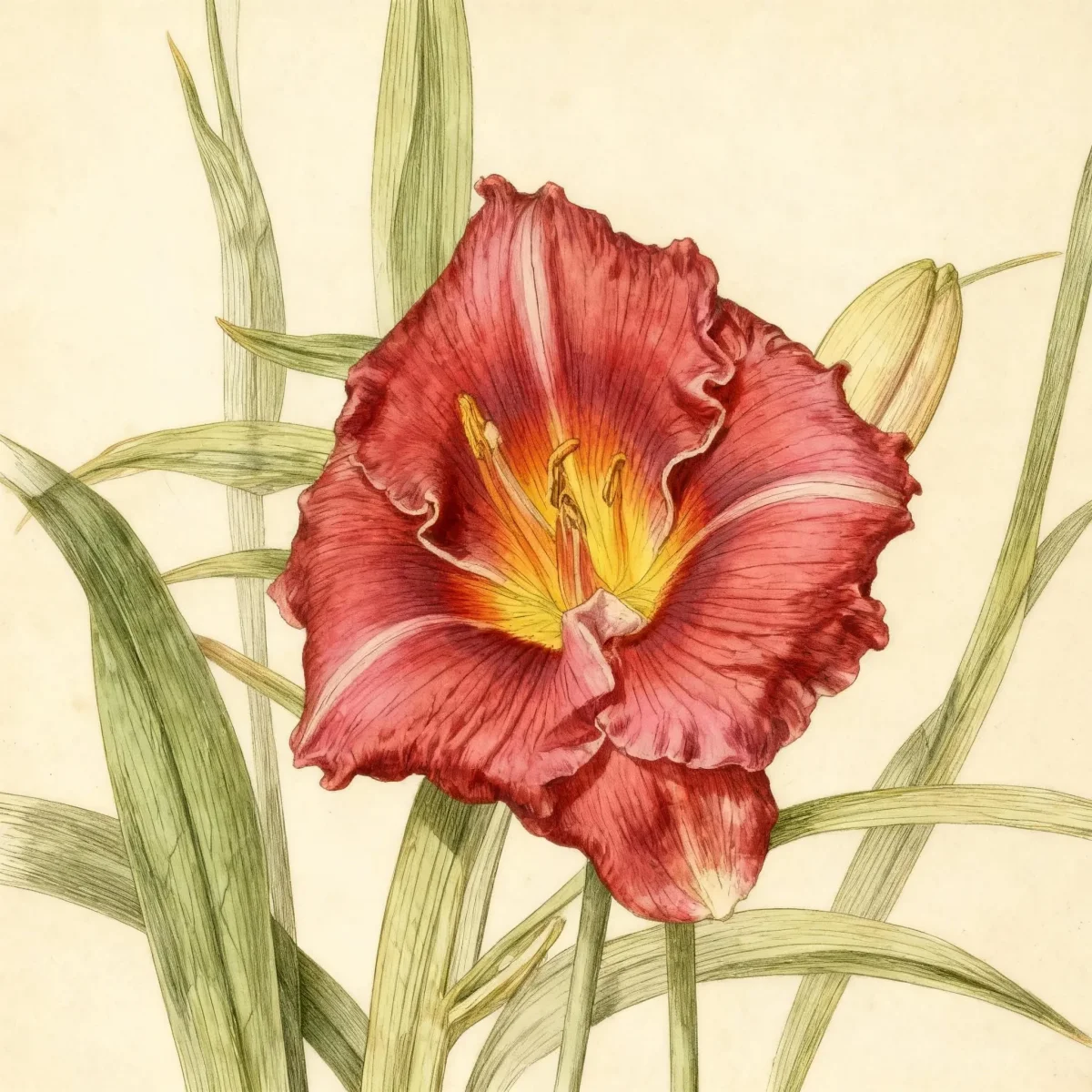
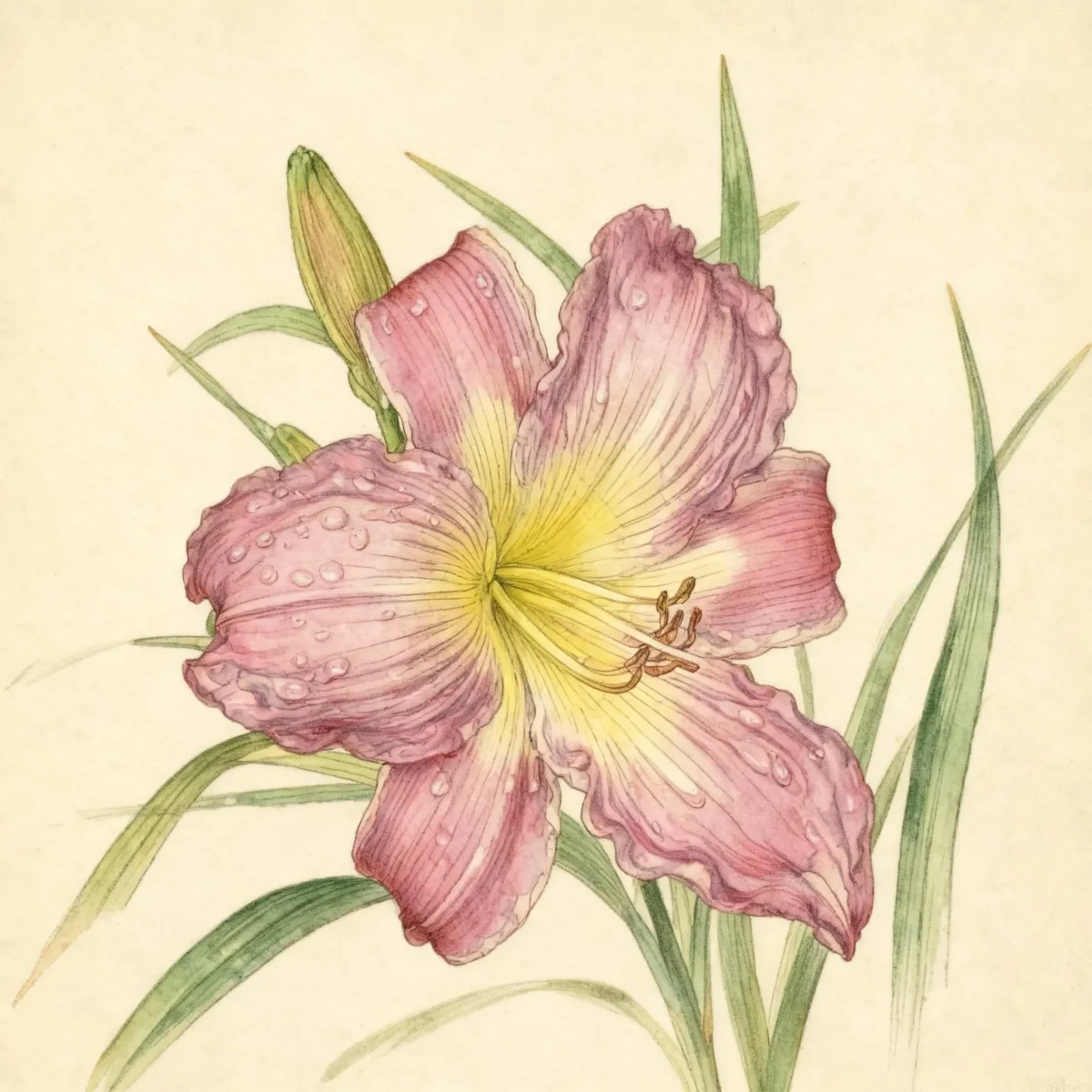
Daylily (Hemerocallis 'Apricot Beauty')
Hemerocallis 'Apricot Beauty' is a low-maintenance Daylily offering apricot blooms from June to July in zones 3-9.
Scroll down to discover growing tips, care requirements, companion plants, and more
Complete Plant Information
Overview
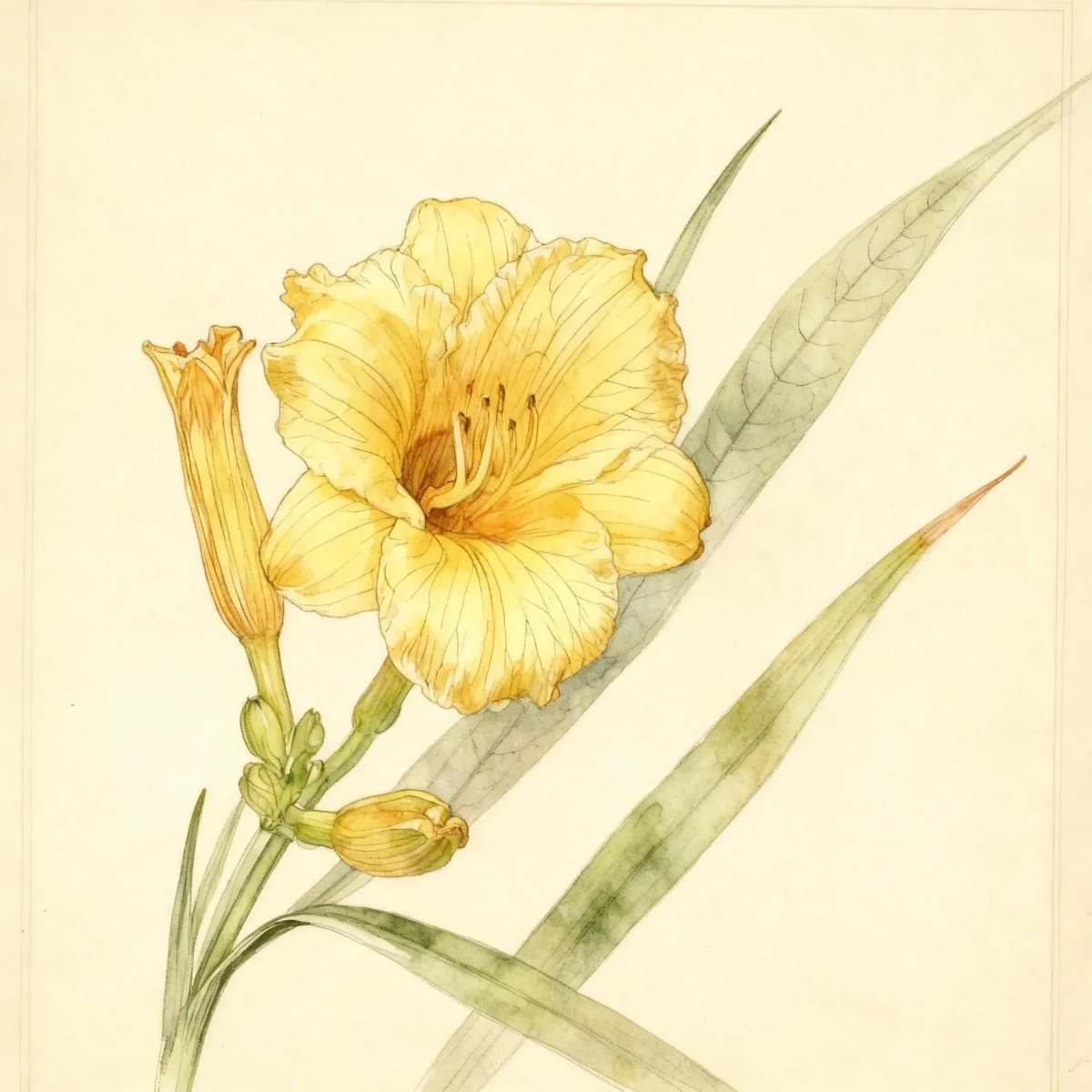
The Hemerocallis ‘Apricot Beauty’ Daylily brings reliable, vibrant color to the summer garden. As an essential herbaceous perennial, this cultivar is recognized for its ease of cultivation and attractive apricot-colored flowers that appear robustly throughout midseason. Gardeners value this Daylily for its low maintenance requirements and its ability to thrive across a broad range of hardiness zones.
Hemerocallis ‘Apricot Beauty’ typically grows to about 2 to 2.5 feet tall, producing its namesake blooms on slender scapes above clean, arching foliage. These plants present a significant aesthetic return on minimal input, making them foundational choices for borders, mass plantings, and perennial beds.
This specific Daylily hybrid exhibits significant vigor, tolerating heat and humidity well provided adequate moisture is maintained. Its adaptability in sun exposure, from full sun to partial shade, further expands its usefulness in diverse garden settings, ensuring that this popular Daylily remains a favorite for both novice and experienced horticulturalists.
Fast Facts
- Plant Family: Asphodelaceae
- Plant Type: Herbaceous perennial
- Hardiness Zones: USDA Zones 3-9
- Size at Maturity:
- Height: 2-2.5 ft
- Spread: 1.5-2 ft
- Bloom Time: June to July
- Bloom Description: Orange
- Sun Exposure: Full sun to part shade
- Water Needs: Medium
- Maintenance Level: Low
How to Grow
Planting your Hemerocallis ‘Apricot Beauty’ is best accomplished in average, medium moisture, well-drained soils. While Daylilies are adaptable to many soil types, they perform optimally when situated in deep, fertile loams. Ensure the location receives at least partial sun for best flowering performance, though they tolerate full sun locations.
General care for this Daylily remains straightforward. Deadhead spent flowers daily to maintain neatness, and remove the entire flower scapes once blooms have finished. Although tolerant of summer heat, deep watering during dry spells is essential to keep the foliage healthy and vibrant.
For long-term performance, plan to divide clumps of Hemerocallis ‘Apricot Beauty’ every three to four years. This division is best done in the spring in colder climates, such as the St. Louis area, or in the fall. Remember that hybrid Daylilies will not produce identical plants if grown from seed, so division is the reliable propagation method for maintaining this specific cultivar.
Landscape Uses
The adaptability of this Daylily makes it an excellent foundational plant across countless landscape designs. Hemerocallis ‘Apricot Beauty’ is commonly utilized as an easy-to-grow component for defined garden borders and edging, where its upright foliage creates structure even when not in bloom. Planting them en masse allows for dramatic sweeps of midsummer color.
These perennials also serve well when grown in clumps within mixed perennial borders, pairing nicely with later-blooming summer flowers like coneflowers or phlox, which can follow the main flush of Daylily color. Given their moderate size, they work easily in general garden settings, providing reliable structure without overwhelming smaller spaces.
Standout Features
Flower Qualities
- Showy
Noteworthy Characteristics
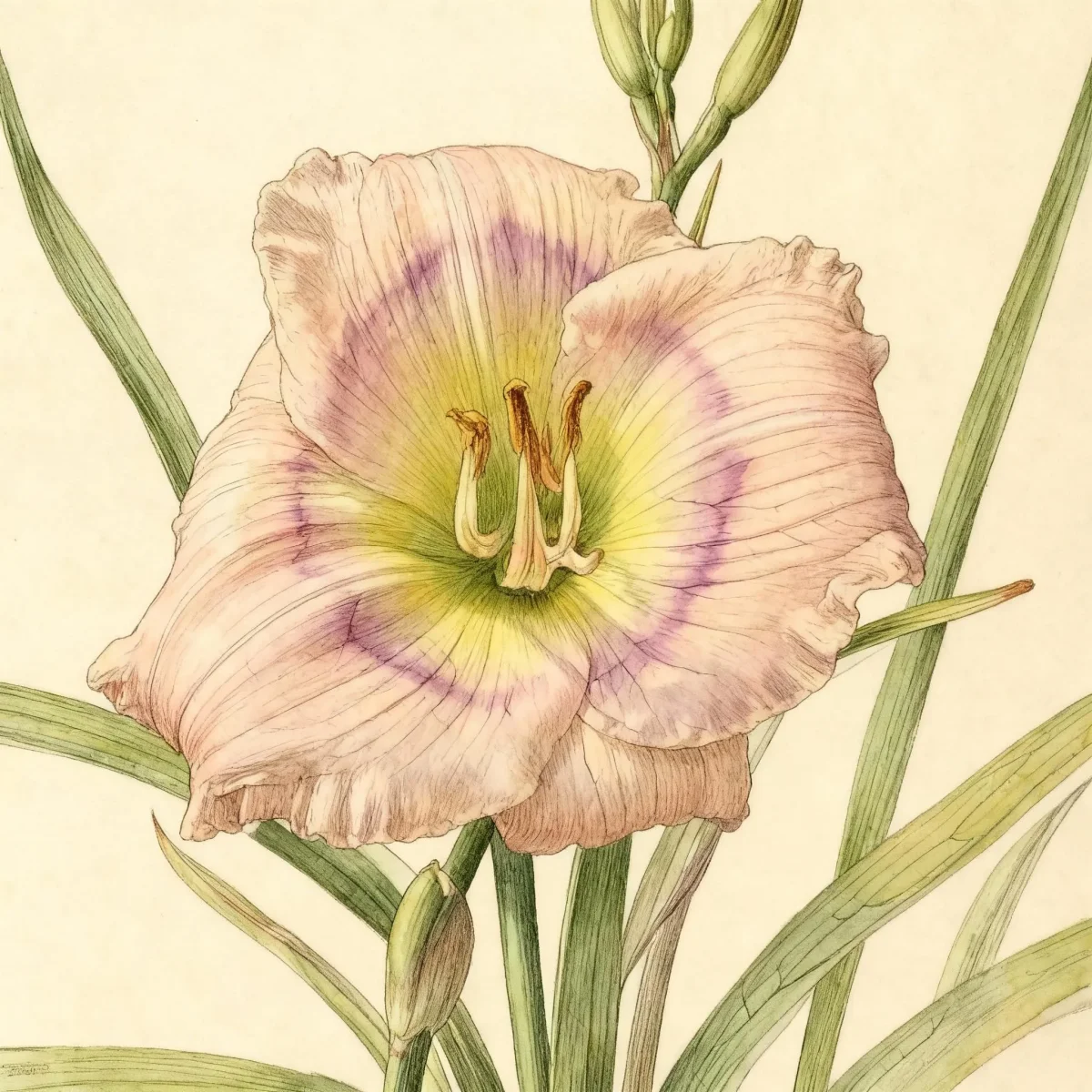
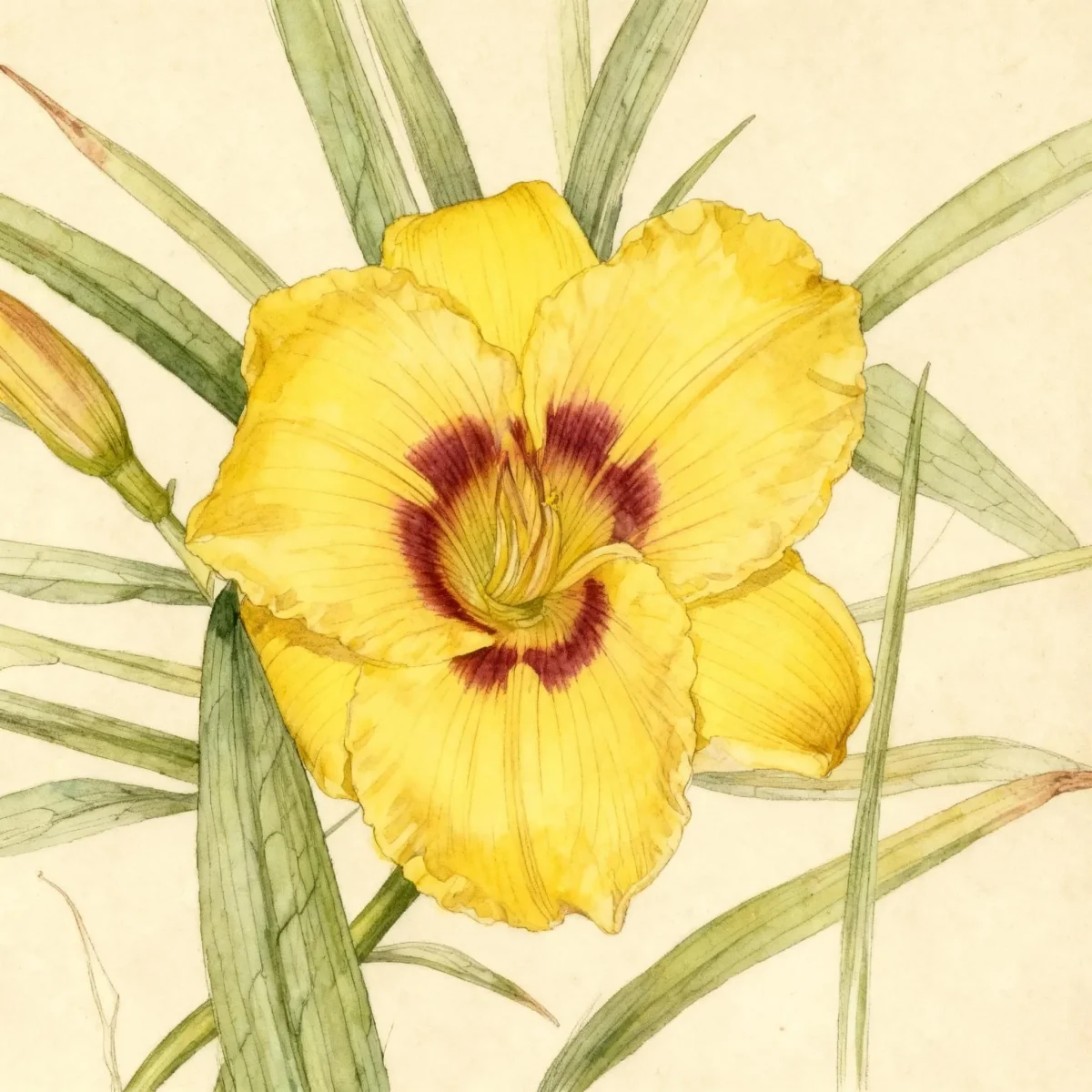
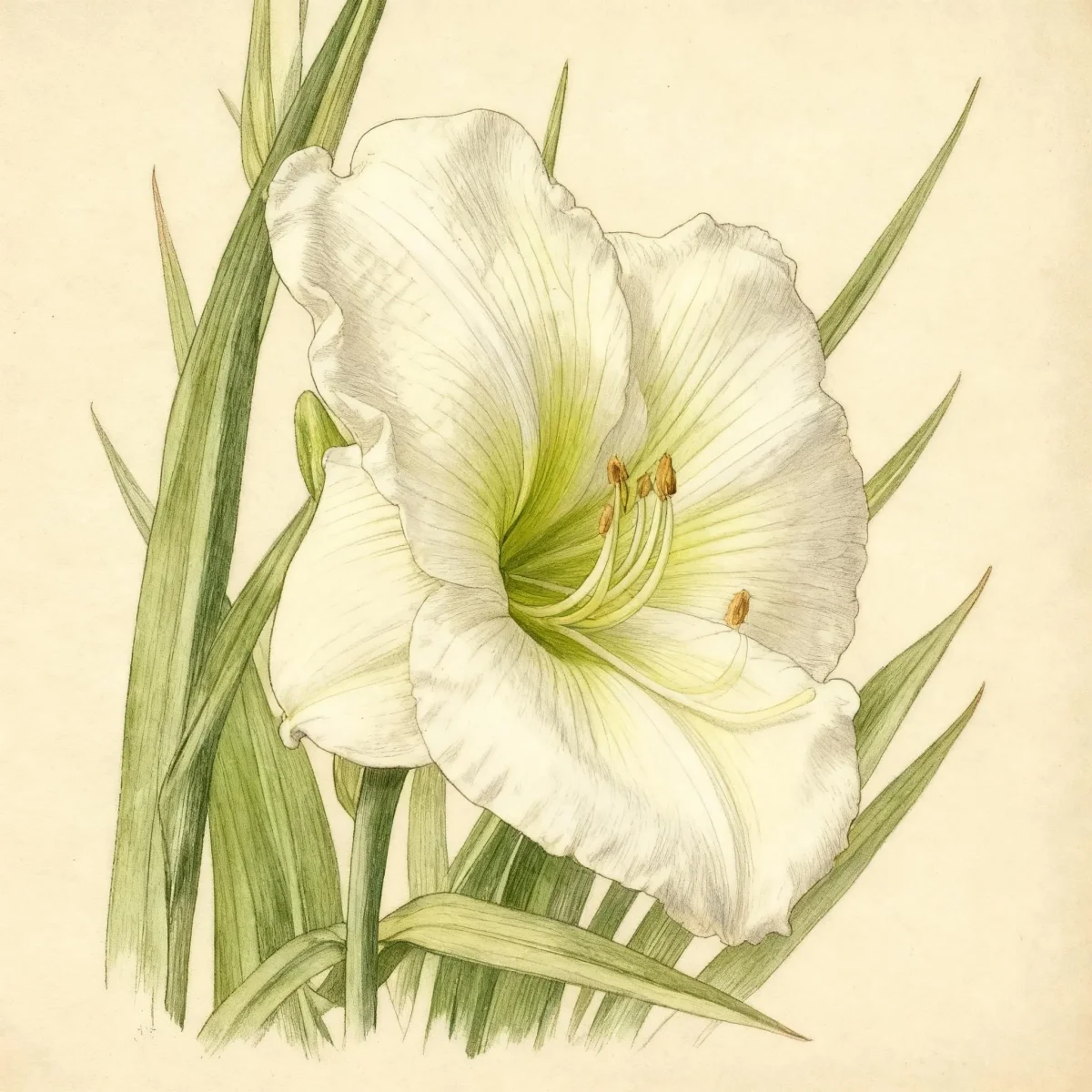
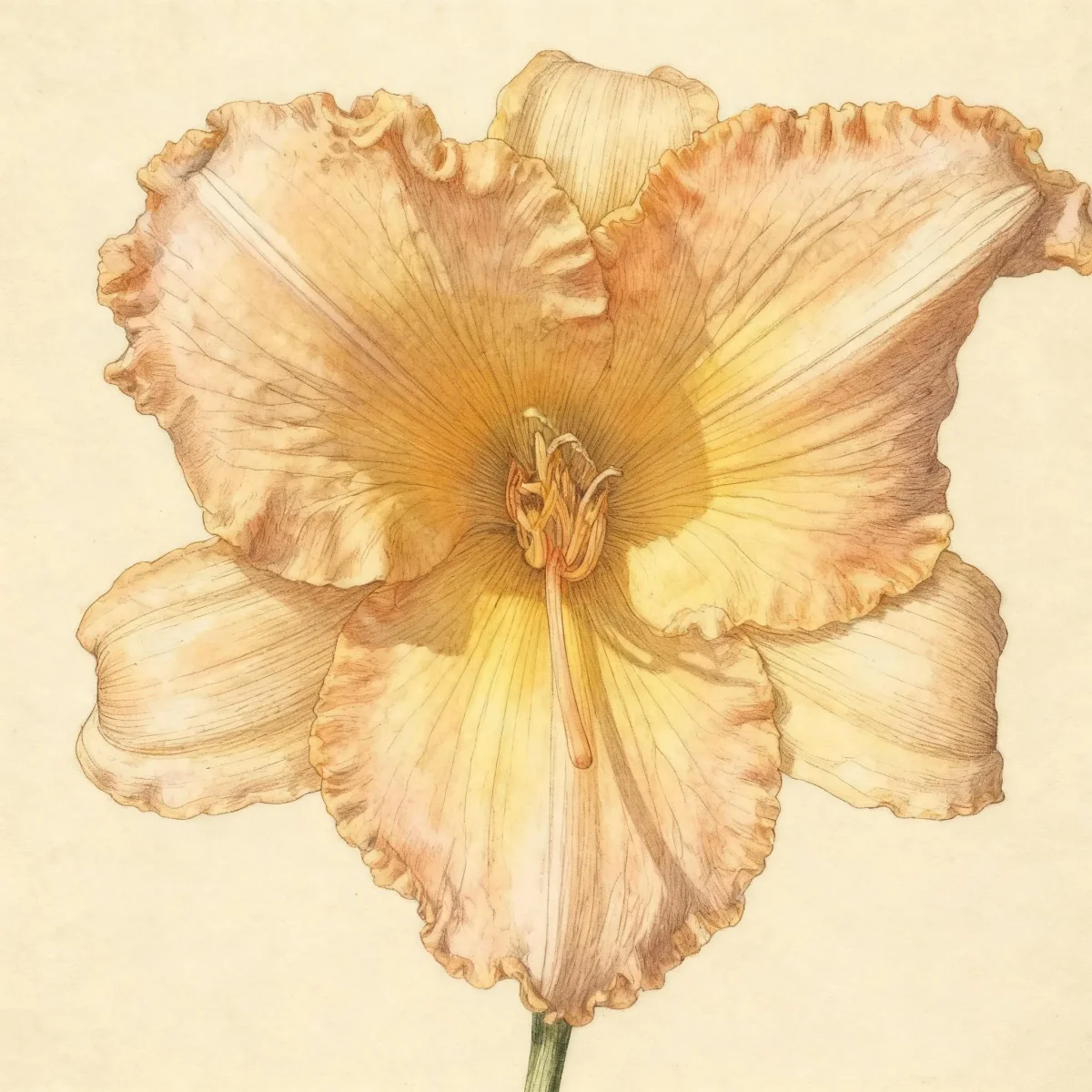
Hemerocallis is a vast genus known for hybridizing, resulting in over 60,000 registered cultivars offering incredible variance in color and form. Each flower, typically funnel-shaped, opens for only a single day, though they are produced successively over a long blooming period. Hemerocallis ‘Apricot Beauty’ specifically displays apricot flowers with lightly ruffled edges carried atop scapes reaching about 30 inches high, emerging from linear, blade-like green foliage.
Tolerances
- Rabbit
- Erosion
- Air Pollution
Potential Problems
Daylilies are generally considered extremely adaptable and are relatively pest-free, making them an easy choice for gardeners. However, monitor for occasional pest incursions such as mites, aphids, or thrips. In specific regions, Daylily rust can become a problematic fungal issue requiring preventative fungicides. Thankfully, rabbits typically avoid consuming the foliage of this Daylily.
Frequently Asked Questions
What hardiness zones is Daylily suitable for?
Hemerocallis ‘Apricot Beauty’ is reliably hardy in USDA Zones 3 through 9.
How large does Daylily grow?
This Daylily cultivar typically reaches a height of 2 to 2.5 feet and spreads between 1.5 and 2 feet wide at maturity.
When does Daylily bloom?
The bloom time for Hemerocallis ‘Apricot Beauty’ is June to July, featuring showy orange flowers.
What sun exposure does Daylily need?
This variety performs best when given full sun to part shade conditions.
Conclusion
The Hemerocallis ‘Apricot Beauty’ Daylily offers dependable, low-maintenance beauty, gracing the garden with apricot blooms during the peak of summer. Its tolerance for various conditions and ease of division solidify its role as a garden staple. Before planting, verify that your local conditions fall within USDA Zones 3-9 to ensure the optimal display of this wonderful Daylily.
Companion Planting
Successful companion planting near Hemerocallis ‘Apricot Beauty’ often focuses on partners that hide spent foliage or bloom after the Daylily season concludes. Consider pairing them with late-season bloomers like Russian Sage or taller ornamental grasses that offer vertical contrast without competing heavily for nutrients. Since Daylilies prefer medium moisture, select companions that share similar watering requirements.
Seasonal Care Calendar
Caring for this Daylily follows a clear seasonal rhythm. In early spring, clean up any remaining dead foliage from the previous year to encourage new growth. Midseason care involves deadheading the spent Daylily blooms daily for aesthetic appeal. In the fall, particularly in colder zones, ensure the foliage is tidied up, and be prepared to divide overcrowded clumps if necessary, ensuring the plant is ready for its winter dormancy.