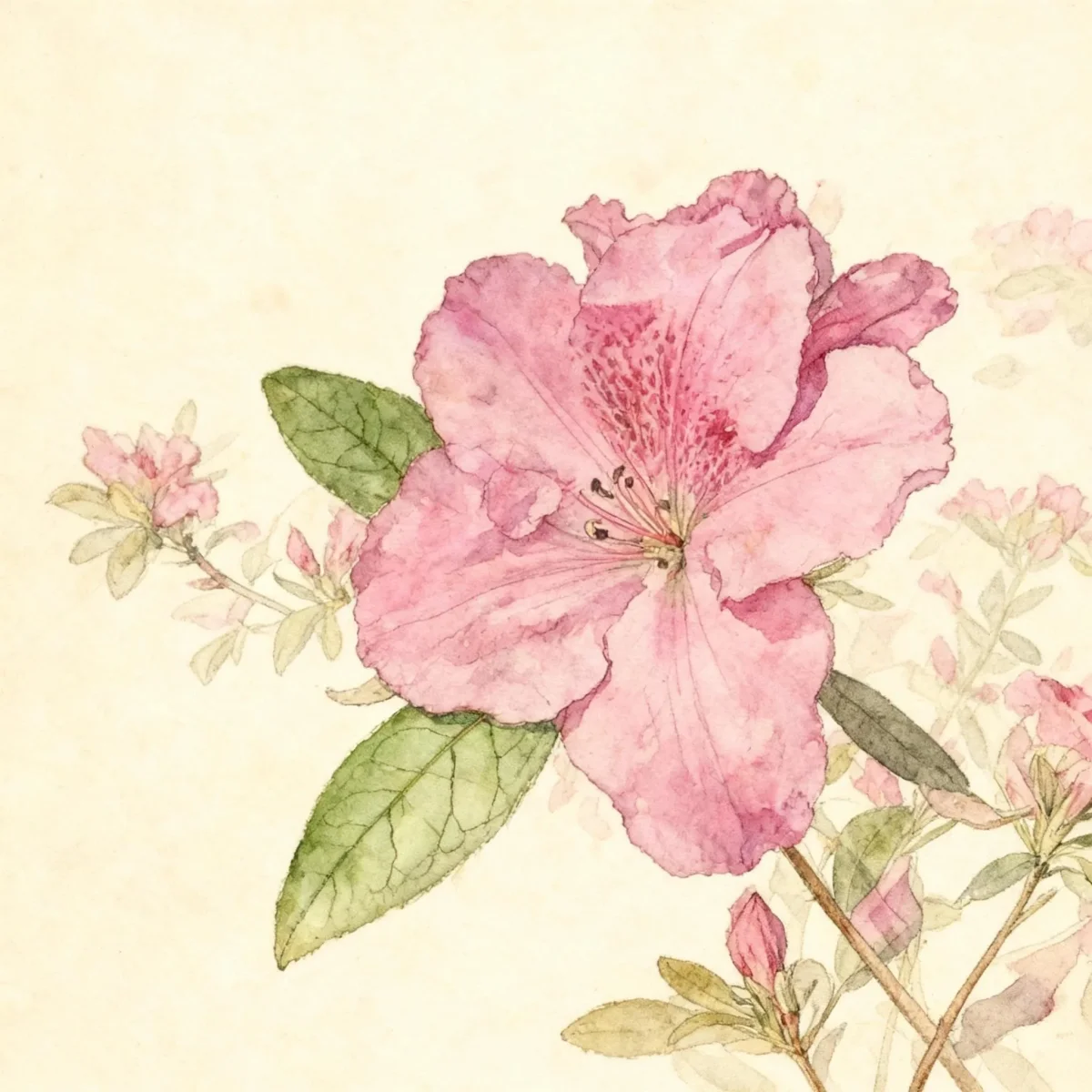
Azalea (Rhododendron 'Girard's Karen')
Rhododendron 'Girard's Karen' is a showy, broadleaf evergreen Azalea offering lavender-pink blooms in May, perfect for Zone 6-9.
Scroll down to discover growing tips, care requirements, companion plants, and more
Complete Plant Information
Overview
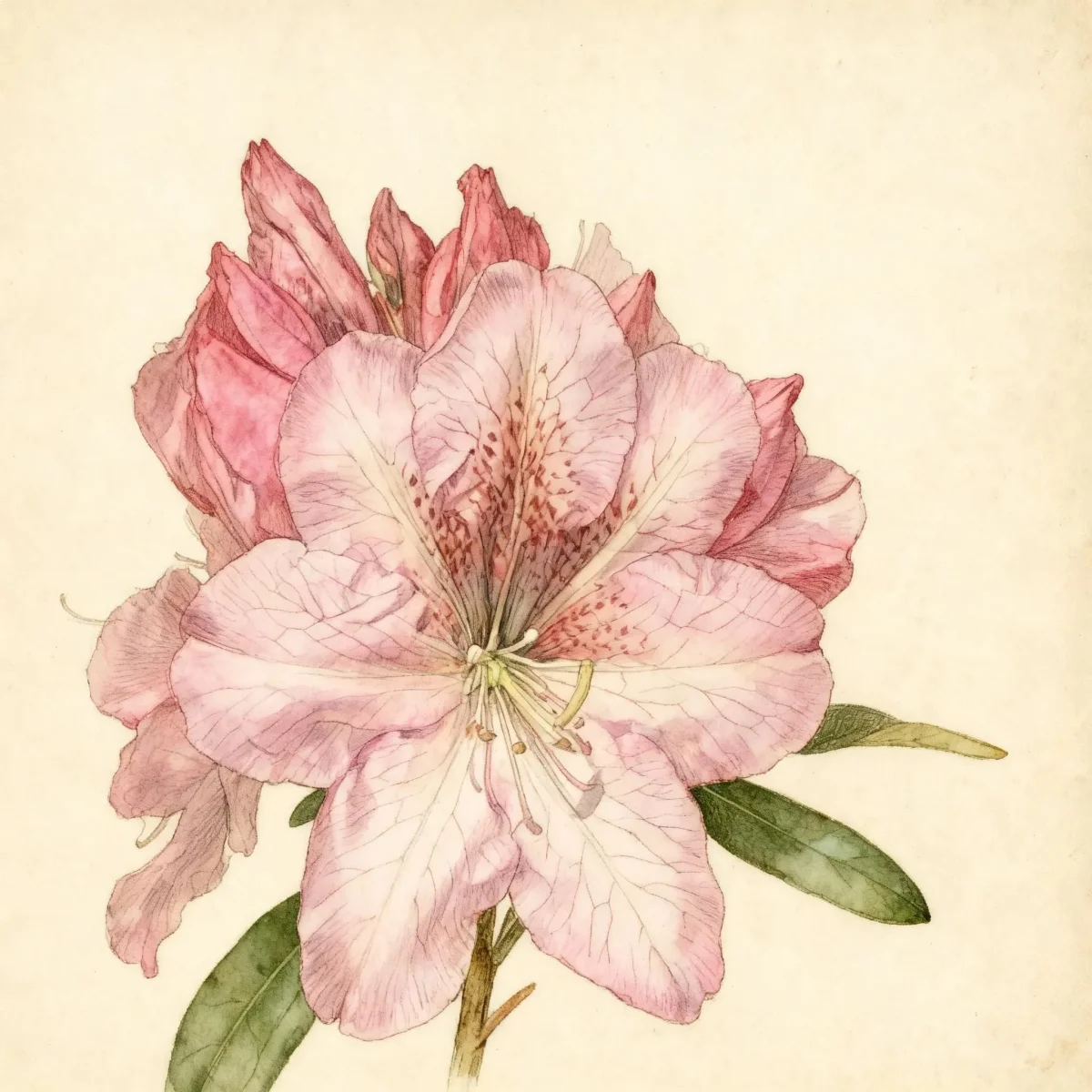
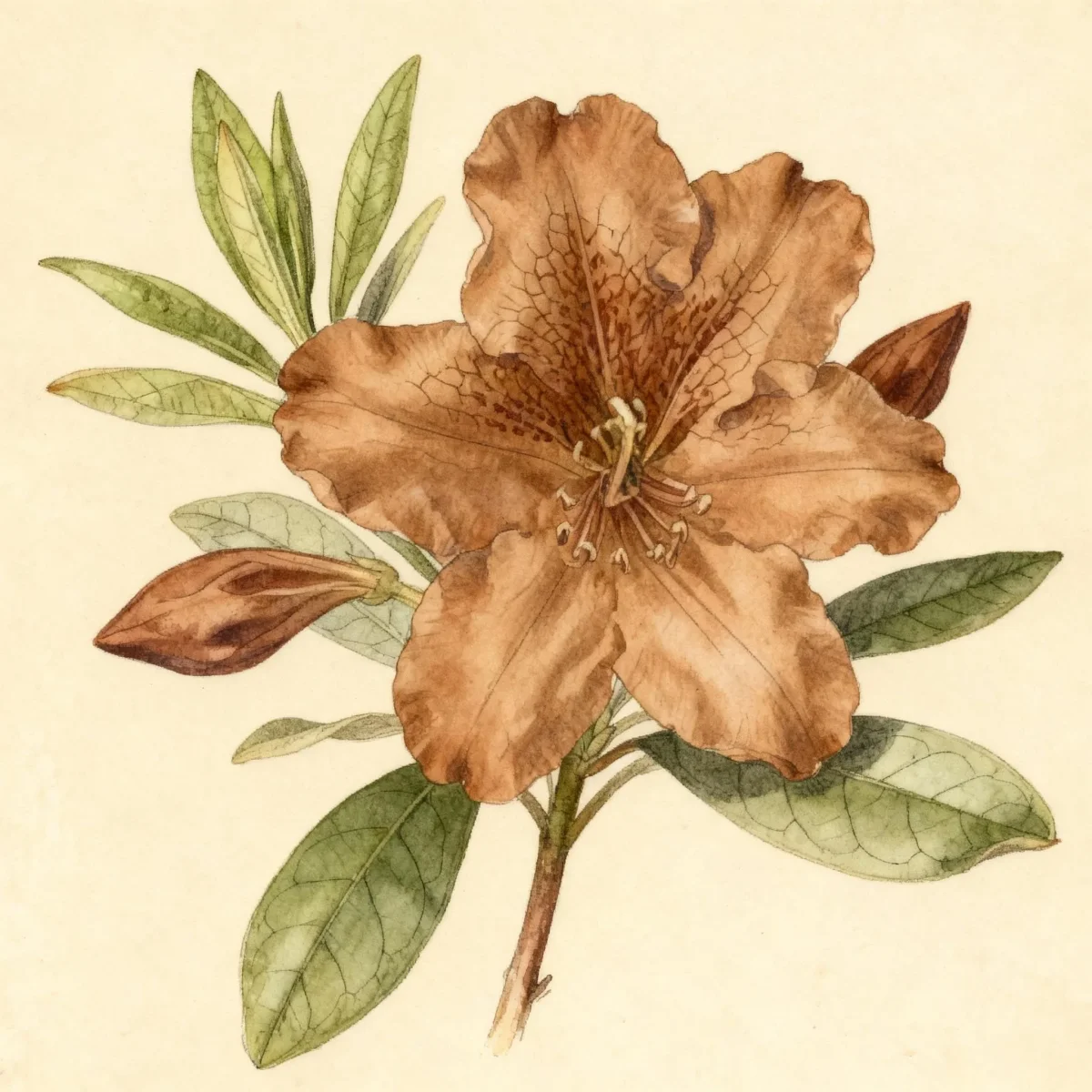
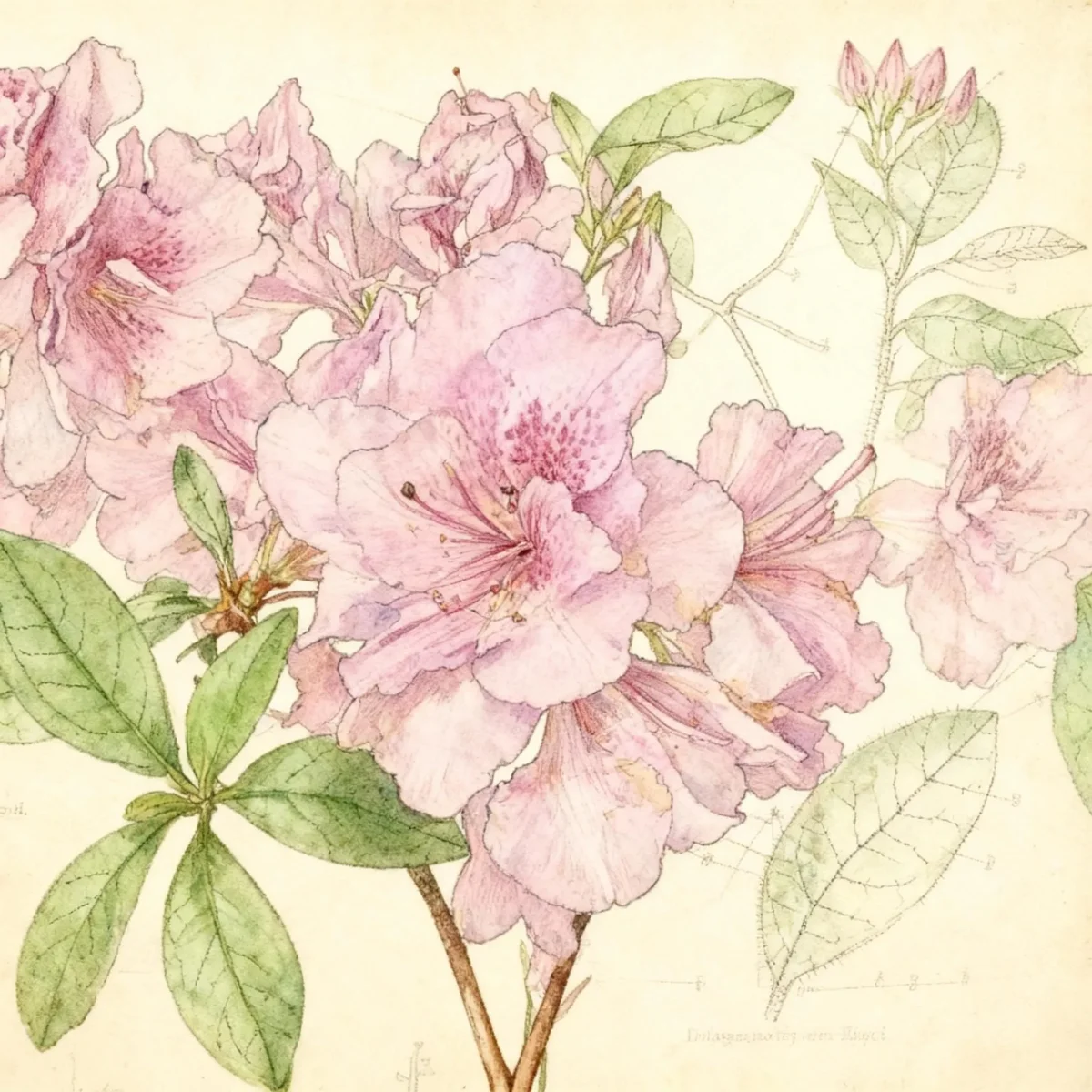
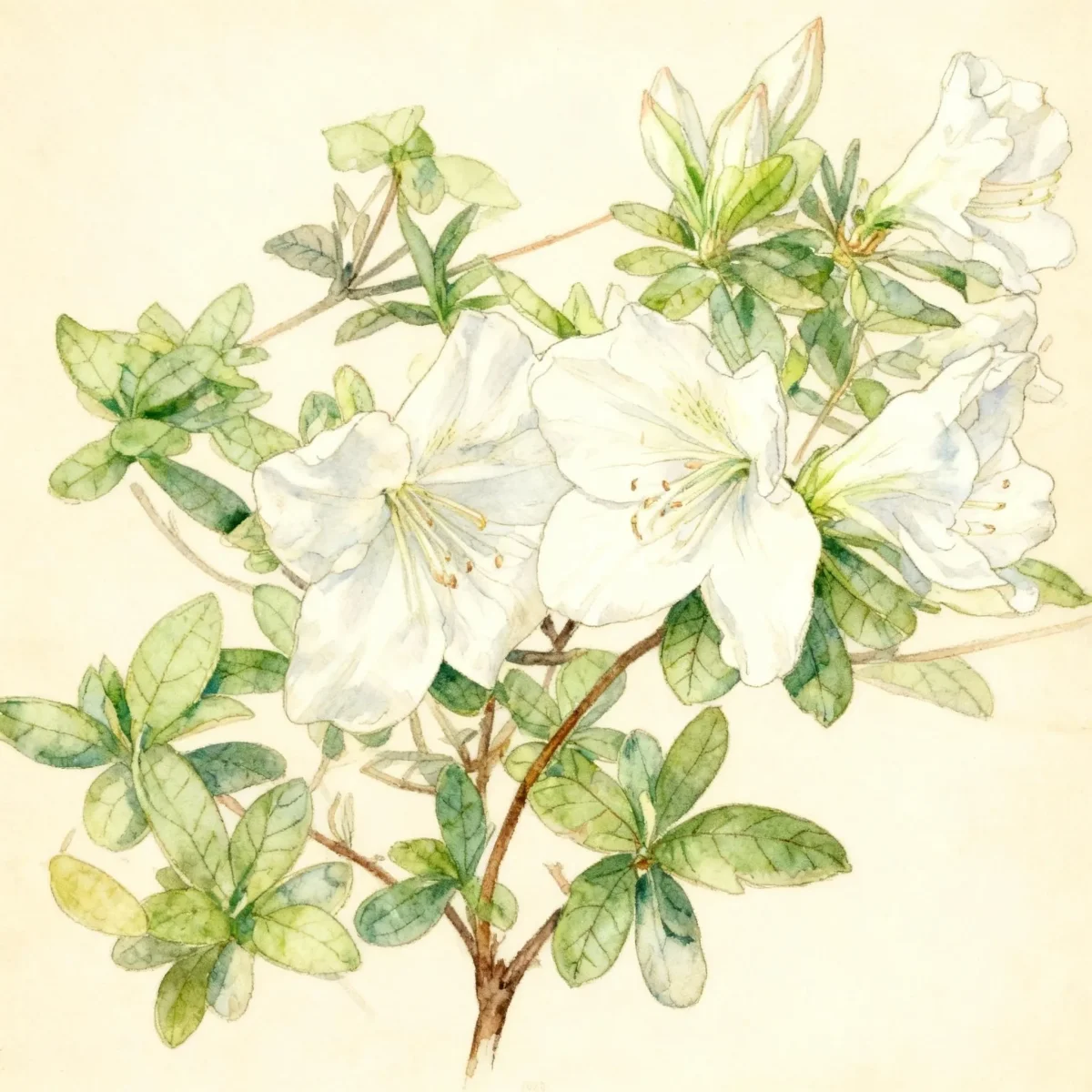
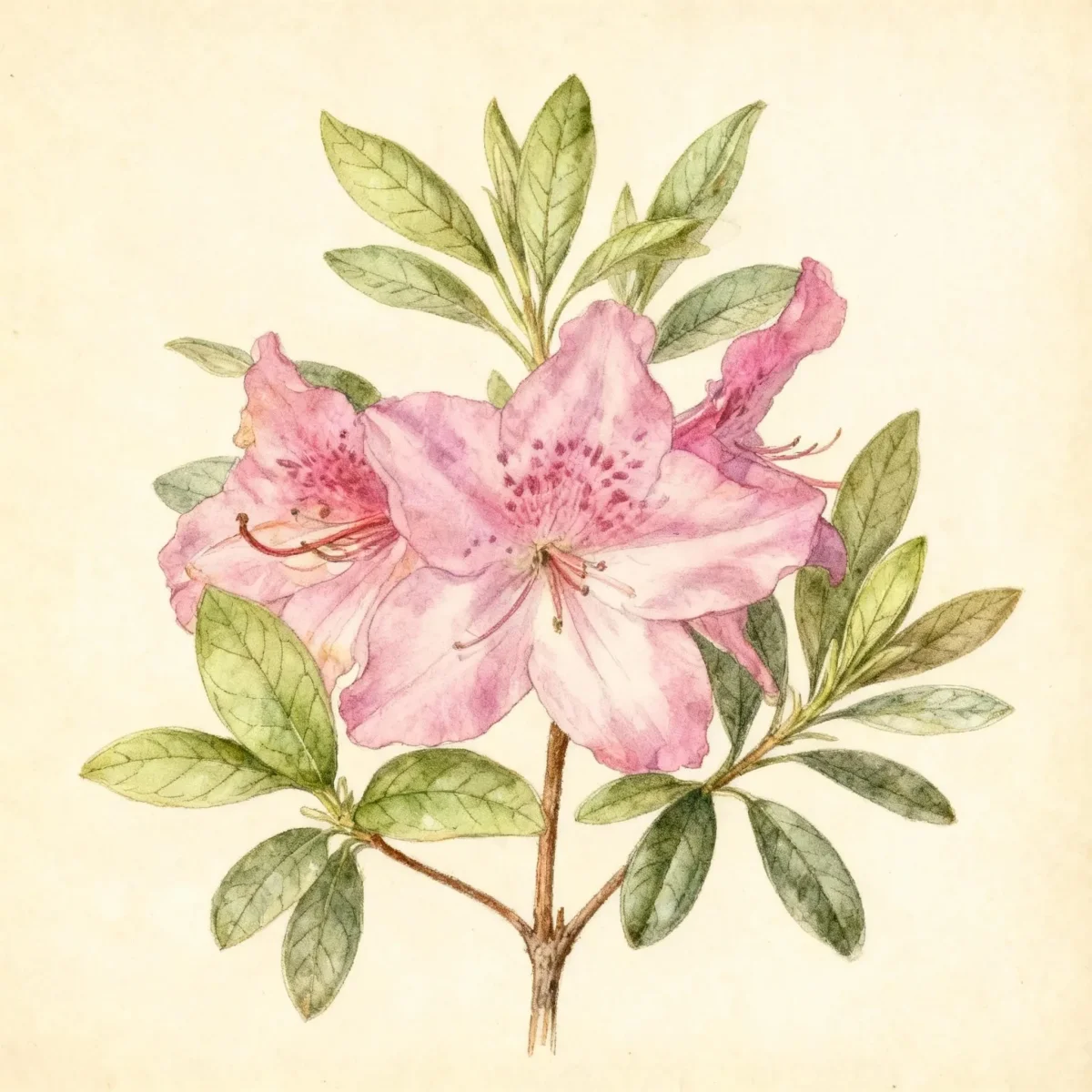
Rhododendron ‘Girard’s Karen’ is a popular, reliable Azalea cultivar cherished for its dense coverage of funnel-shaped, lavender-pink flowers that appear mid-season in May. As a broadleaf evergreen, it provides valuable year-round structure and deep green color to the landscape, setting it apart from deciduous varieties.
This specific Girard hybrid grows into a compact, upright-spreading shrub, maturing typically between 3 to 4 feet tall with a spread of 4 to 5 feet. It adapts well to dappled sunlight, making it an excellent addition to woodland settings or shaded borders where color and form are desired throughout the growing season.
For successful cultivation, gardeners must prioritize excellent drainage and consistently acidic soil conditions, which are critical for the health of this Azalea. Rhododendron ‘Girard’s Karen’ offers significant aesthetic value, maturing into a rounded shape ideal for specimen planting or formal hedging.
Fast Facts
- Plant Family: Ericaceae
- Plant Type: Broadleaf evergreen
- Hardiness Zones: USDA Zones 6-9
- Size at Maturity:
- Height: 3-4 ft
- Spread: 4-5 ft
- Bloom Time: May
- Bloom Description: Lavender pink
- Sun Exposure: Part shade
- Water Needs: Medium
- Maintenance Level: Medium
How to Grow
Planting Rhododendron ‘Girard’s Karen’ should occur when conditions are cool, typically spring or fall, ensuring the roots have time to establish before summer heat or winter frosts. Optimal placement requires acidic, organically rich, and humusy soil that retains moisture but drains exceptionally well; avoid areas where water pools, as these Azaleas are highly susceptible to root rot. Protect this shrub from harsh, strong winds, and ideally site it where it receives morning sun followed by afternoon shade, especially in warmer regions where intense sun can scorch the leaves.
Maintain moisture levels consistently, as the shallow, fibrous root system of Rhododendron ‘Girard’s Karen’ must never be allowed to fully dry out. Apply a thick layer of organic mulch, such as pine needles or wood chips, to help stabilize soil temperature and conserve moisture. Soil pH management is crucial; aim for a pH between 5.0 and 5.5, using iron sulfate or sulfur to lower alkaline soils, and avoiding the drip line of walnut trees entirely due to juglone sensitivity.
Pruning should be minimal. After the lavender-pink flowers fade in May, promptly deadhead spent blooms (known as ‘clipping off spent flower clusters’) to encourage energy use toward next year’s bud formation rather than seed production. Avoid deep cultivation near the root zone; instead, rely on the protective layer of mulch.
Landscape Uses
The medium size and dense habit of Rhododendron ‘Girard’s Karen’ make it highly versatile in landscape design. It functions perfectly as a formal hedge, providing a defined, evergreen boundary throughout the winter months. It is also excellent for mass plantings, where groups create drifts of color in May, or as an individual specimen to highlight a shaded corner of the garden.
Consider incorporating this Azalea into mixed evergreen borders, pairing it with plants that share similar needs for acidic soil and part shade, such as ferns, hostas, or Japanese maples. Its reliable performance in foundation plantings means it can soften the hard lines of structures while providing dependable seasonal interest. Woodland gardens thrive with the inclusion of Rhododendron ‘Girard’s Karen’ planted slightly off-center near woodland margins.
Standout Features
Flower Qualities
- Showy
Noteworthy Characteristics
Rhododendron is a genus containing both rhododendrons and azaleas, with this specific cultivar, ‘Girard’s Karen’, being a Girard hybrid celebrated for retaining its glossy, dark green leaves all year. It produces a magnificent, shrub-covering annual display of lavender-pink, funnel-shaped flowers that mature into a compact, upright-spreading form that lends structure to the garden even when not in bloom.
Tolerances
- Rabbit
Potential Problems
Rhododendrons and azaleas are susceptible to many insect and disease problems. Common insect pests include aphids, scale, lacebugs, and borers, while diseases like root rot, blights, and canker pose threats, often exacerbated by poor drainage or environmental stress. Chlorosis, characterized by yellowing leaves, frequently signals an iron deficiency caused by soil pH that has become too high, requiring acidification treatments. Ensuring proper soil pH (5.0-5.5) and excellent drainage is the best defense; a healthy Rhododendron ‘Girard’s Karen’ in optimal conditions will naturally resist most major outbreaks.
Frequently Asked Questions
What hardiness zones is Azalea suitable for?
Rhododendron ‘Girard’s Karen’ is suitable for USDA Zones 6 through 9.
How large does Azalea grow?
This Azalea typically reaches a mature height of 3 to 4 feet and spreads 4 to 5 feet wide.
What sun exposure does Azalea need?
Rhododendron ‘Girard’s Karen’ thrives best in part shade, preferring dappled sunlight or high open shade.
When does Azalea bloom?
This cultivar blooms prominently in May with lavender pink flowers.
Conclusion
Rhododendron ‘Girard’s Karen’ remains a cornerstone of the evergreen Azalea collection, offering vibrant lavender-pink spring color and consistent foliage texture. Its manageable size and suitability for hedging or specimen planting ensure its long-term popularity. Before planting, confirm your existing soil can sustain the necessary acidic pH, and plan your location to ensure protection from harsh afternoon sun and wind.
Companion Planting
Selecting appropriate companions ensures you create a thriving microclimate suitable for this Azalea. Companion plants should naturally prefer acidic soils and appreciate protection from intense sun, mirroring the needs of Rhododendron ‘Girard’s Karen’. Consider planting alongside acid-loving shrubs like Camellias or varieties of Pieris to layer height and texture in a shaded border.
Groundcovers that tolerate dry shade, once the Azalea is established, can help maintain the necessary cool, moist soil conditions around the shallow root systems. Avoid using lime-loving species near this plant, as their conflicting soil pH needs will inevitably lead to chlorosis in the Azalea.
Seasonal Care Calendar
Spring care centers around observing the emerging blooms and ensuring adequate moisture delivery as the plant pushes new growth. Immediately after flowering in May, perform light pruning to shape the shrub and remove spent flowers to redirect energy.
Summer requires vigilant monitoring of soil moisture, recognizing that the medium water needs become critical during dry spells; never let the roots dry out. Apply or refresh mulch liberally in late spring to buffer root temperatures against summer heat.
In fall and winter, focus on protection; while robust, the foliage of this evergreen Azalea can suffer winter burn in harsh cold. Consistent monitoring for pests like scale or mites is prudent during these dormant times, allowing for early intervention if necessary.