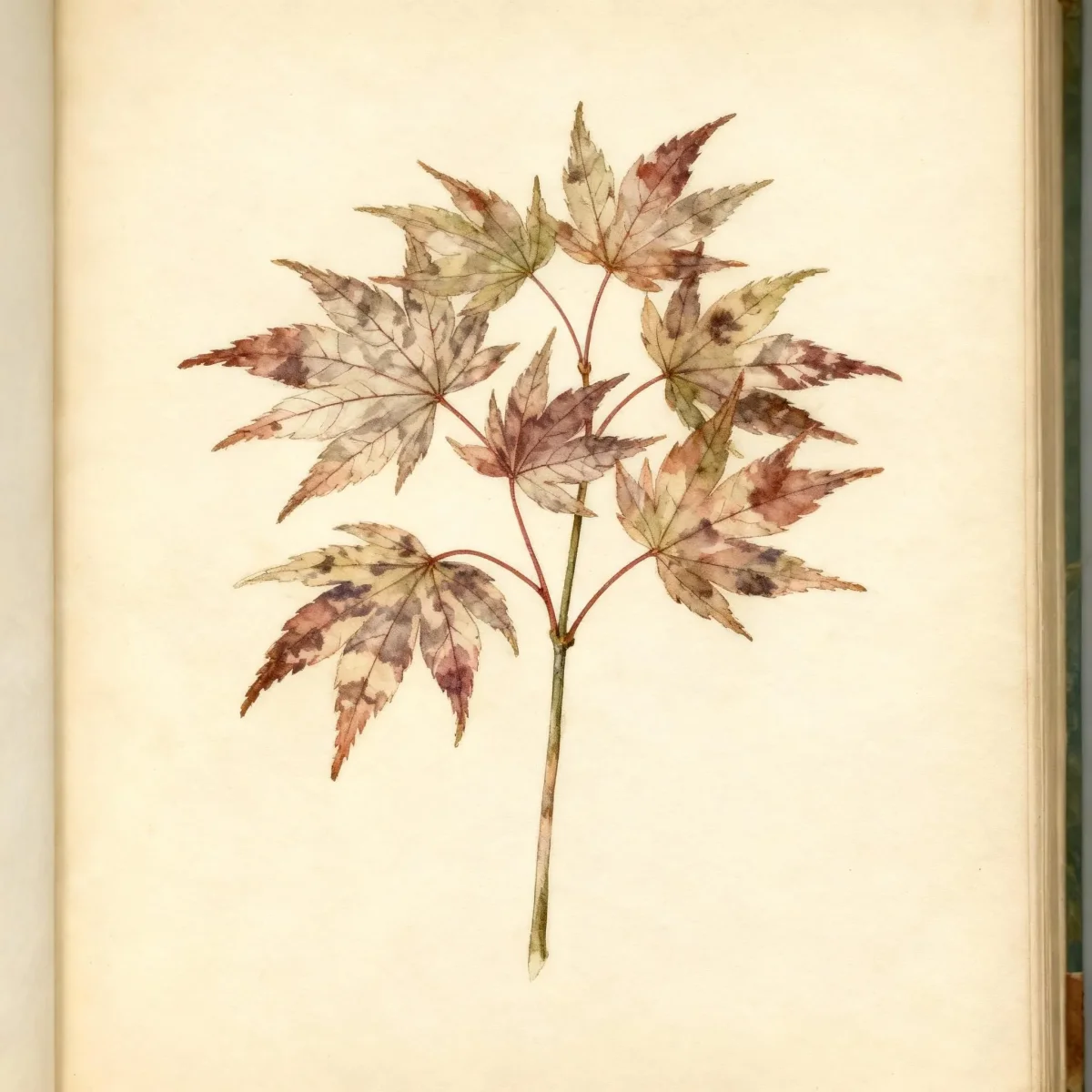
Japanese maple (Acer palmatum 'Nishiki Gawa')
Acer palmatum 'Nishiki Gawa' is a striking Japanese maple prized for its distinctive cork-textured bark and manageable 15ft size.
Scroll down to discover growing tips, care requirements, companion plants, and more
Complete Plant Information
Overview
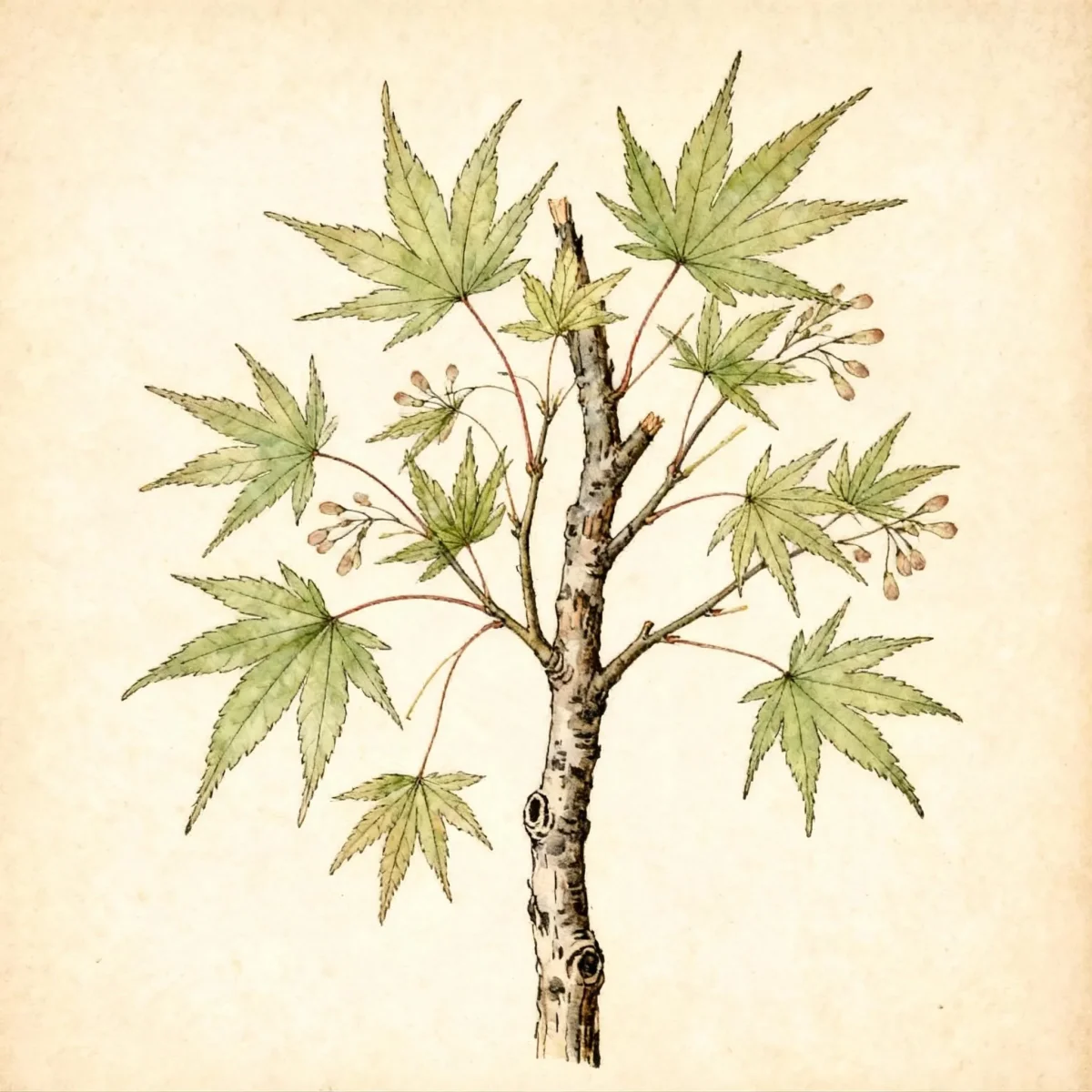
Acer palmatum ‘Nishiki Gawa’, commonly known as a Japanese maple, is a treasured small tree admired primarily for its exceptional exfoliating bark structure. The cultivar ‘Nishiki Gawa’ develops a rough, coarsely fissured, cork-textured bark after only a few years, resembling that of a Japanese black pine, which provides crucial visual interest throughout the winter months. This deciduous specimen reaches a pleasing, manageable height, suitable for many residential landscapes where larger trees are impractical.
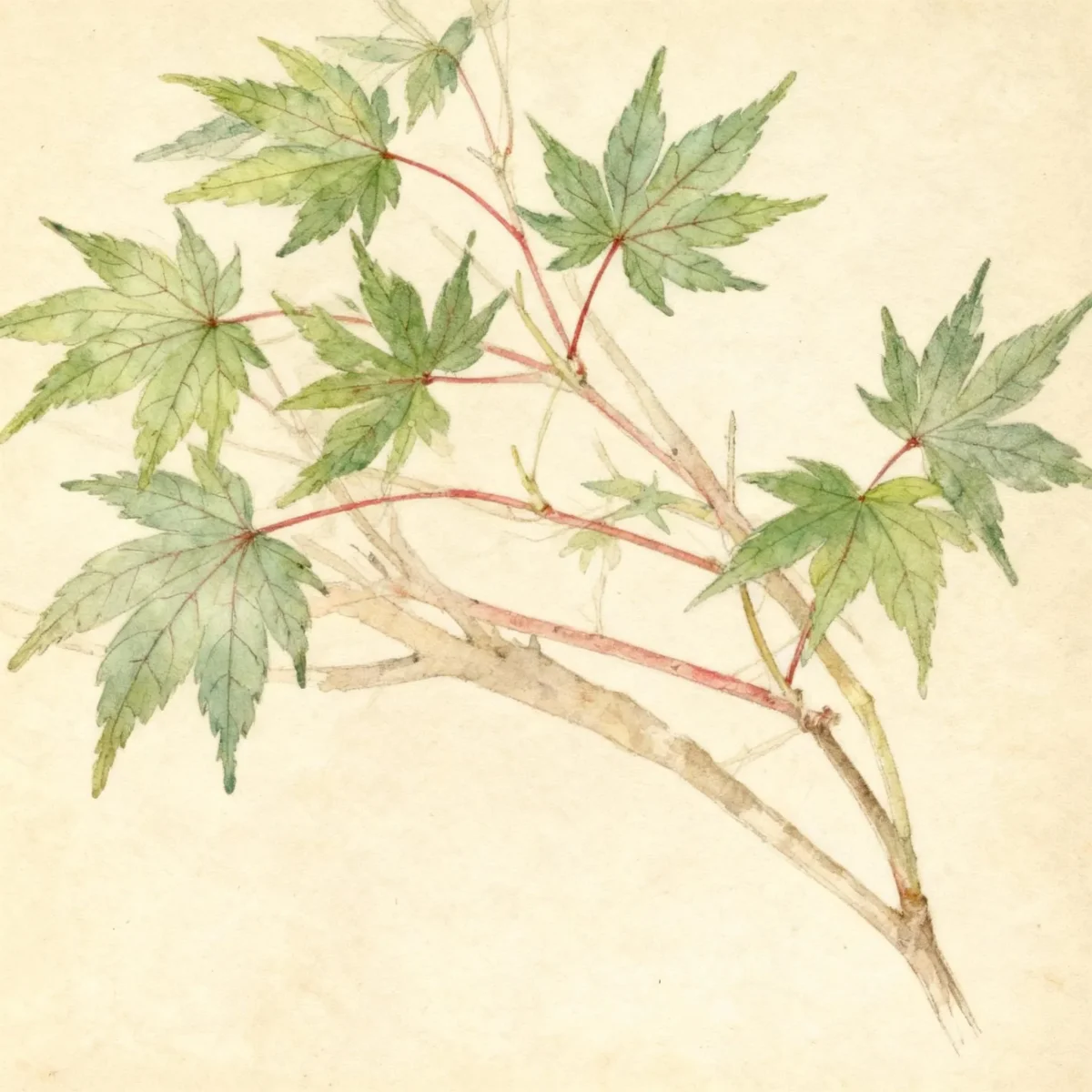
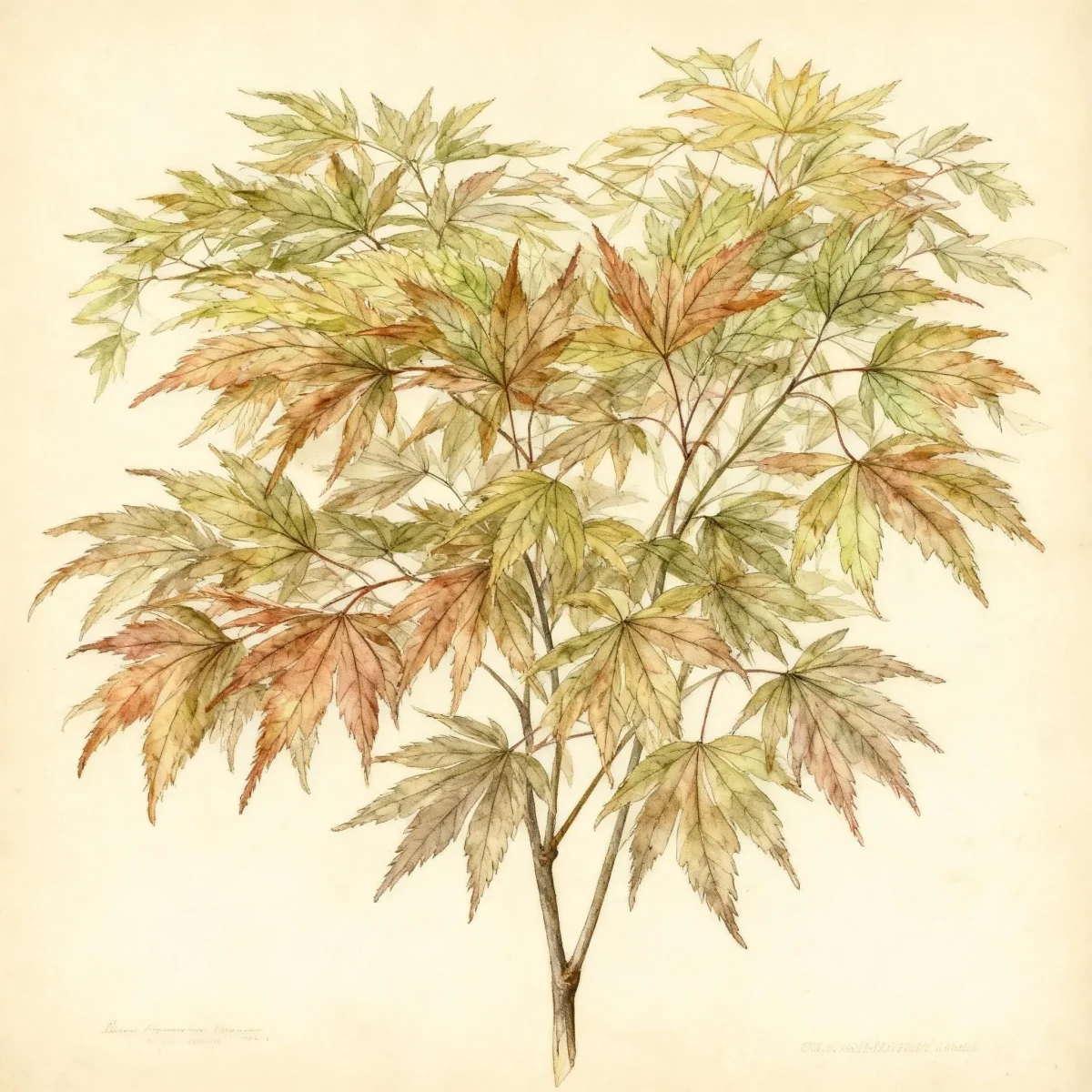
Beyond its remarkable trunk, this Japanese maple offers light green palmate foliage, often with red petioles, which transitions into attractive yellow and red hues in autumn before leaf drop. Valued for its low maintenance needs and adaptable growth habit, Acer palmatum ‘Nishiki Gawa’ is an excellent choice for gardeners seeking year-round focal points that maintain an elegant form.
Fast Facts
- Plant Family: Sapindaceae
- Plant Type: Tree
- Hardiness Zones: USDA Zones 5-9
- Size at Maturity:
- Height: 12-15 ft
- Spread: 12-15 ft
- Bloom Time: April
- Bloom Description: Red
- Sun Exposure: Full sun to part shade
- Water Needs: Medium
- Maintenance Level: Low
How to Grow
Plant your Acer palmatum ‘Nishiki Gawa’ in a location that provides protection from harsh, drying winds. The ideal cultural condition involves moist, organically rich, slightly acidic, and consistently well-drained soils. While this Japanese maple tolerates full sun in cooler northern zones, gardeners in hotter regions, such as the southern parts of its range, should provide afternoon shade to prevent leaf scorch, especially during hot summers.
Maintain sufficient soil moisture, as the foliage is susceptible to scorching if allowed to dry out. Applying a layer of mulch around the root zone is highly beneficial; this helps retain crucial soil moisture and keeps the sensitive roots cool during peak heat. Fertilize lightly in the spring just before the leaves begin to emerge.
Pruning for the Acer palmatum ‘Nishiki Gawa’ should be kept to an absolute minimum to preserve its natural, desirable shape. If pruning is necessary, schedule it for the late fall or deep into winter. Avoid pruning during the spring or summer, as this can cause significant sap bleeding from the cuts, detracting from the plant’s appearance instantly.
Landscape Uses
Japanese maples are celebrated as specimen or accent plants, offering structure and fine texture to any garden design. Acer palmatum ‘Nishiki Gawa’ is perfect for anchoring a mixed border, serving as a focal point near an entry, or creating seasonal interest in woodland margins where dappled sunlight filters through taller trees. Its relatively compact size also makes it suitable for grouping around the periphery of a home foundation, softening hard lines.
Consider pairing this unique Japanese maple with understory shrubs that thrive in similar light conditions, such as Japanese forest grass or various shade-tolerant ferns, to emphasize the texture of the bark in winter. Its structure also lends itself well to grouping with evergreen foundation plants that contrast with its seasonal color changes, ensuring visual appeal throughout the year.
Standout Features
Flower Qualities
- Insignificant
Noteworthy Characteristics
The defining feature of ‘Nishiki Gawa’ is its rough, corky bark, which offers fantastic texture and visual weight, especially after the deciduous leaves drop. This bark development usually becomes evident after the specimen is a few years old, transforming the small tree’s appeal. The palmate green foliage provides classic Japanese maple beauty, culminating in yellow and red tones during the autumn transition before the winter bark takes center stage.
Tolerances
- Black Walnut
Potential Problems
Potential issues for this Japanese maple, like other cultivars, often involve fungal diseases and insect infestations. Be watchful for potential stem canker, various leaf spots, and the severe threat of Verticillium wilt, which can be fatal. Ensure excellent drainage to mitigate root rots.
Insect pests such as aphids, scale insects, bagworms, and bothersome mites may occasionally require treatment. A practical measure against mite issues is ensuring consistent soil moisture, as dry conditions exacerbate mite activity. Because the foliage leafs out early, late spring frosts pose a risk; if frost damage occurs, prune out the blackened leaves only after the danger of further hard freezes has passed. Chlorosis (yellowing of leaves) indicates the soil pH might be too high; amend with acidifying materials if necessary.
Frequently Asked Questions
What hardiness zones is Japanese maple suitable for?
The Acer palmatum ‘Nishiki Gawa’ is reliably hardy in USDA Zones 5 through 9, making it adaptable across a wide range of temperate climates.
How large does Japanese maple grow?
This specific Japanese maple cultivar typically matures to a height spread between 12 and 15 feet, maintaining a rounded to slightly spreading canopy.
What sun exposure does Japanese maple need?
It performs best receiving full sun or partial afternoon shade. In hotter climates, providing protection from the intense afternoon sun is highly recommended for this beautiful Japanese maple.
When does Japanese maple bloom?
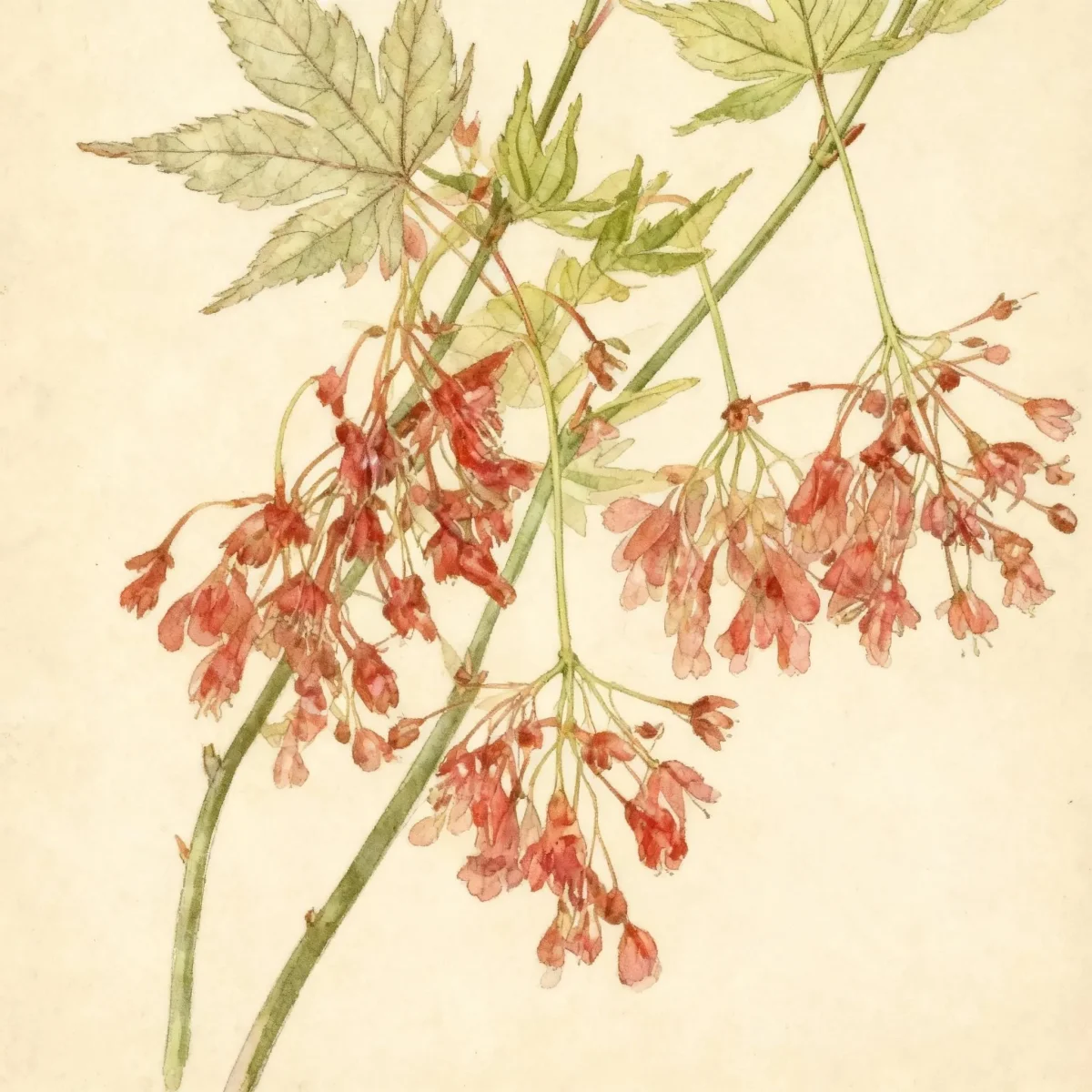
Acer palmatum ‘Nishiki Gawa’ produces small red flowers, generally blooming in the month of April before its main foliage flush.
Conclusion
The Acer palmatum ‘Nishiki Gawa’ stands out in the world of ornamental trees due to its unique, exfoliating bark, which ensures multi-season interest far beyond the standard fall color display. This low-maintenance Japanese maple fits beautifully into diverse garden settings, delivering texture and elegance reliably. Before planting, confirm that your site offers medium water delivery and protection from strong winds to ensure the best performance from your new Acer palmatum ‘Nishiki Gawa’.
Companion Planting
Selecting appropriate companions is key to success when planting Acer palmatum ‘Nishiki Gawa’. Because this Japanese maple thrives in rich, moist, slightly acidic soil and prefers protection from intense sun, pair it with other acid-loving woodland plants. Good partners include Azaleas, Rhododendrons, and native Ferns, which all tolerate similar filtered light conditions.
Avoid placing it near thirsty lawn grasses that aggressively compete for water at the drip line, or near concrete structures that leach alkalinity into the soil, both of which can stress the maple and interfere with its acidic soil preference. Focusing on texture contrast—using finely textured groundcovers or broad-leafed hostas—will help emphasize the unique corky bark of the ‘Nishiki Gawa’.
Seasonal Care Calendar
Early spring, just before bud break, is the optimal time to apply a balanced, slow-release fertilizer to nourish the Acer palmatum ‘Nishiki Gawa’ for the growing season. Be vigilant during spring frosts; if new foliage is damaged, resist the urge to prune immediately; let summer approach before trimming off any blackened growth.
Summer care focuses entirely on moisture management. Ensure the soil remains consistently damp but never waterlogged, especially during heatwaves, as drought stress leads to scorched leaf margins and invites pest issues. Apply fresh mulch during this time to conserve cool temperatures around the shallow roots.
Late fall through mid-winter is the correct window for structural pruning, if required. This is crucial because pruning during the active growth season can result in significant bleeding of sap. Protect the base of the trunk from rodents or mechanical damage during this dormant period.