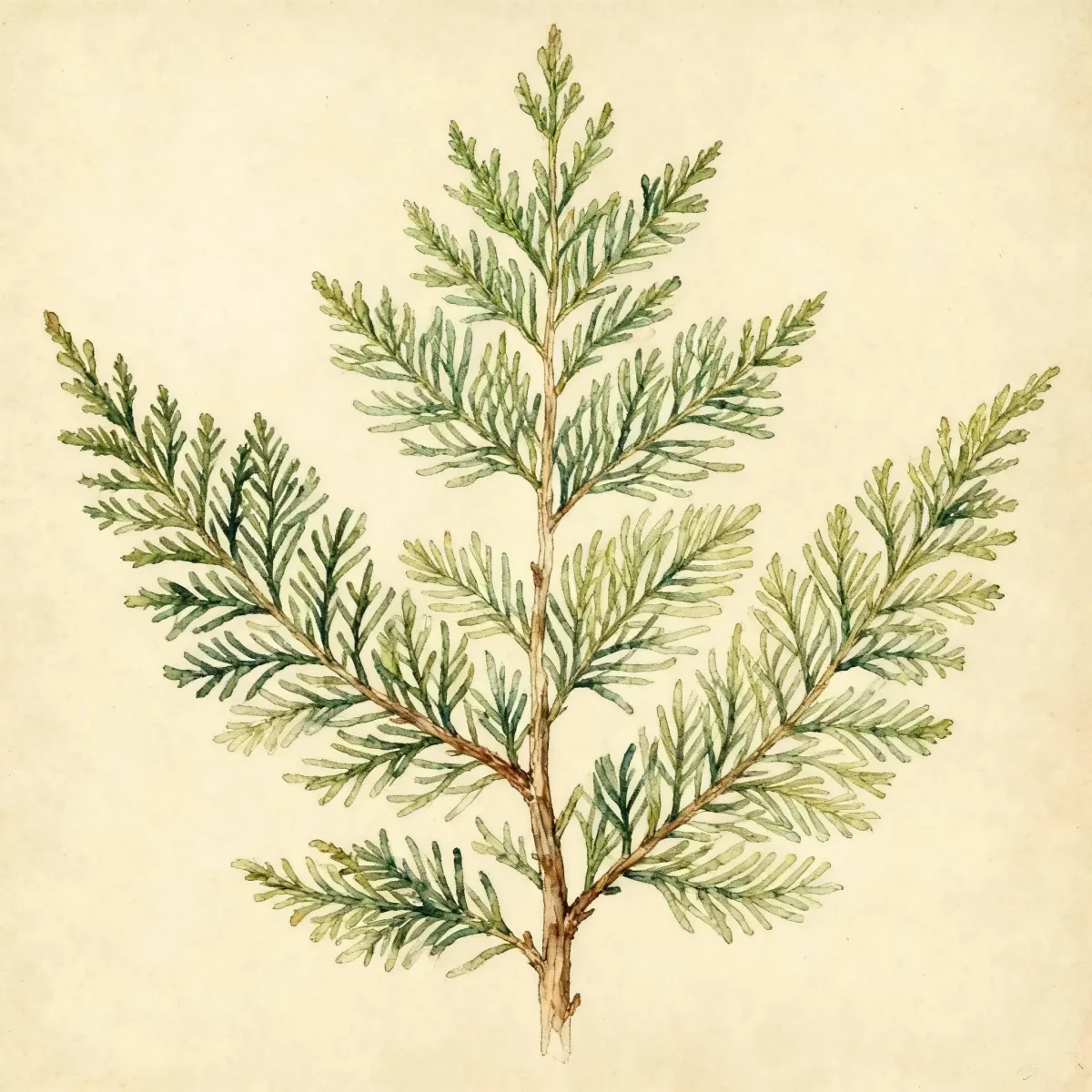
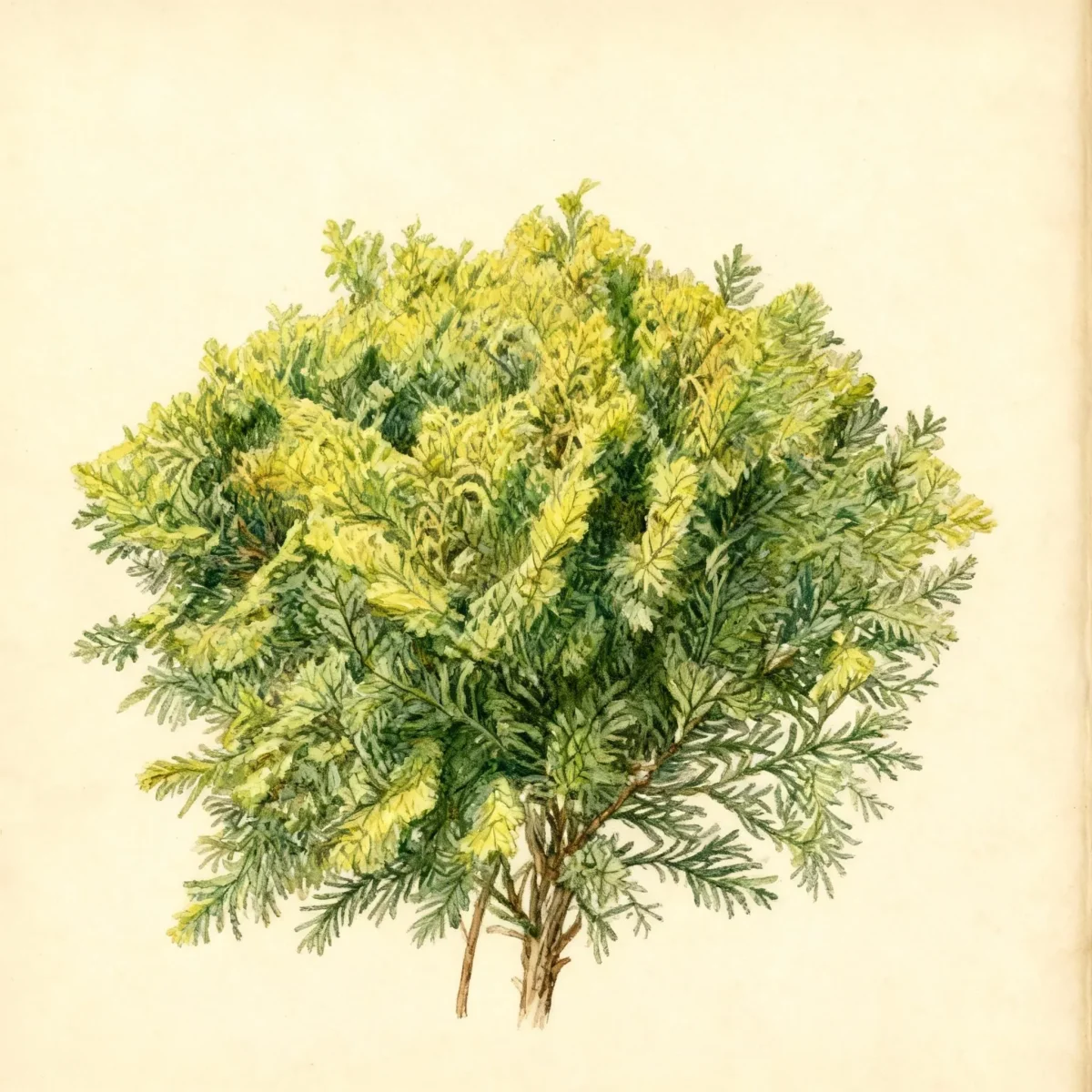
Hinoki cypress (Chamaecyparis obtusa 'Lycopodioides')
Slow-growing, uniquely shaped Chamaecyparis obtusa 'Lycopodioides' offers mossy blue-green foliage perfect for specimen use in zones 4-8.
Scroll down to discover growing tips, care requirements, companion plants, and more
Complete Plant Information
Overview
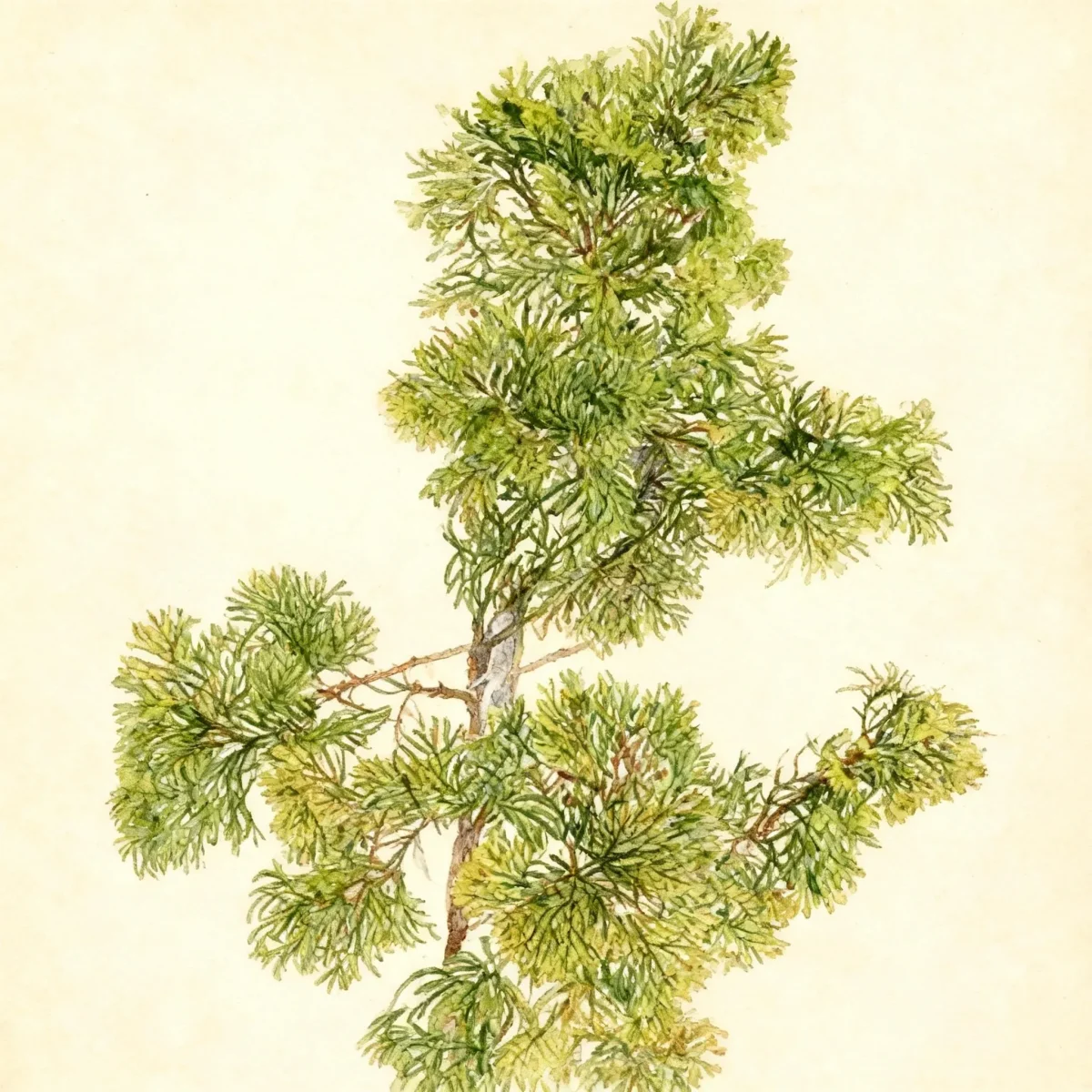
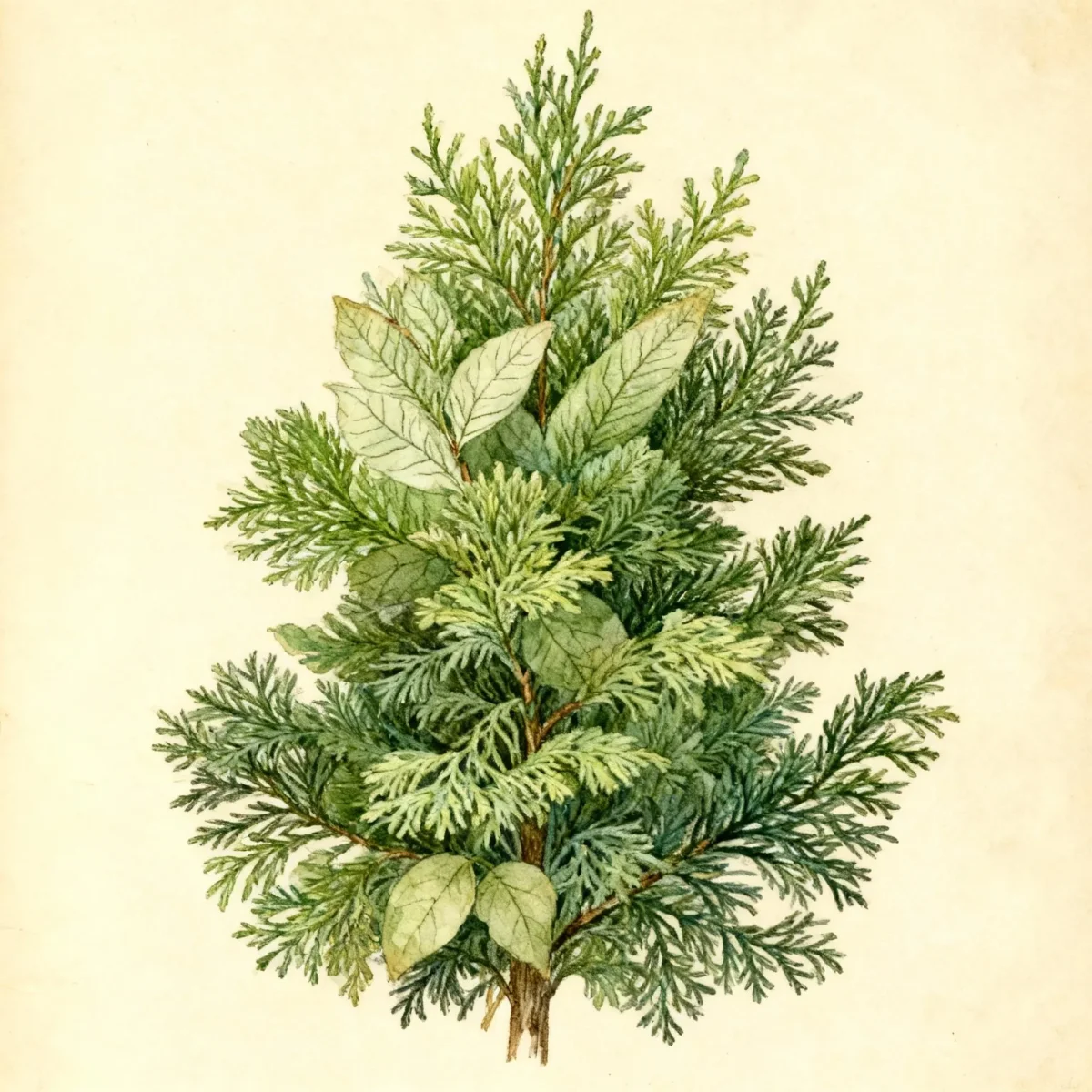
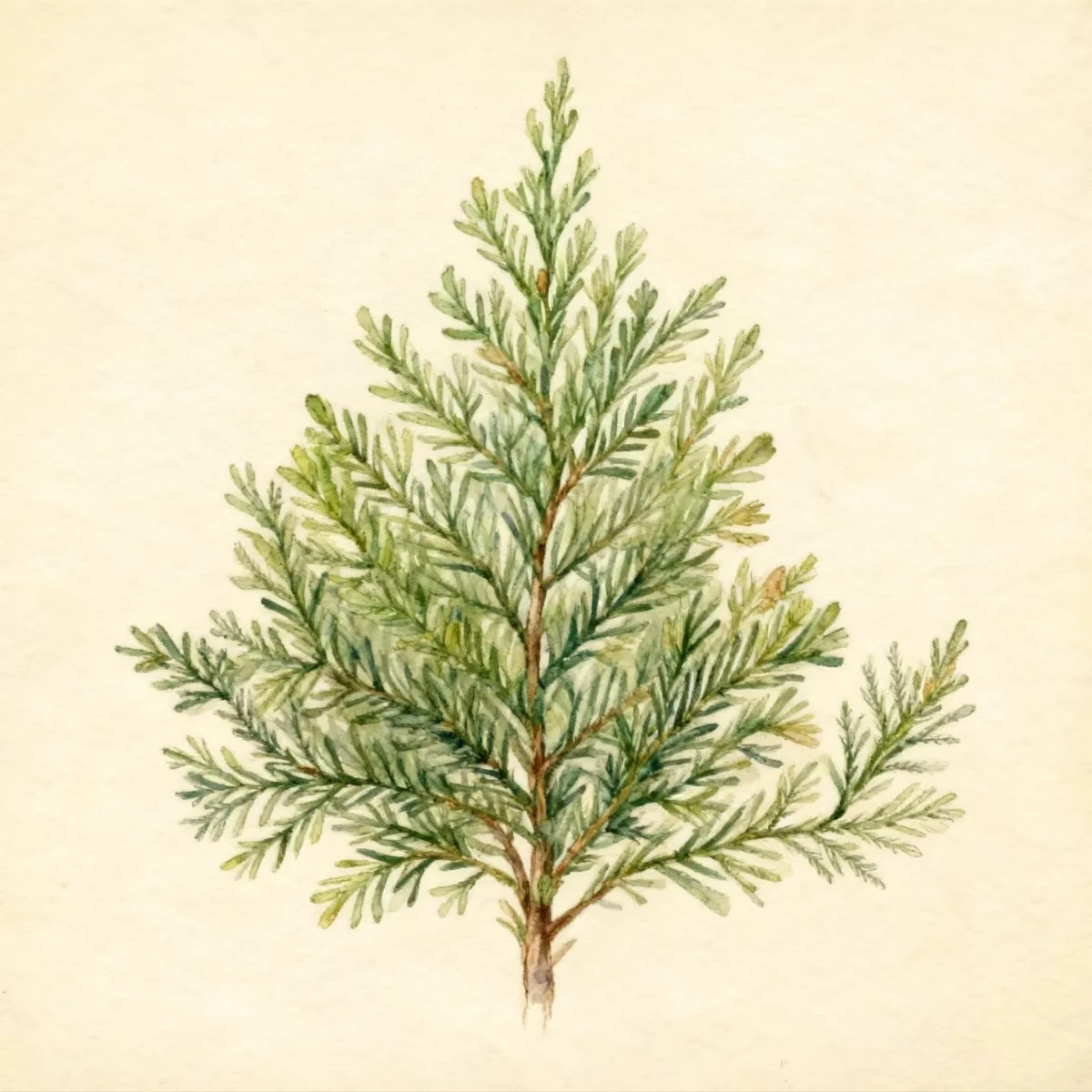
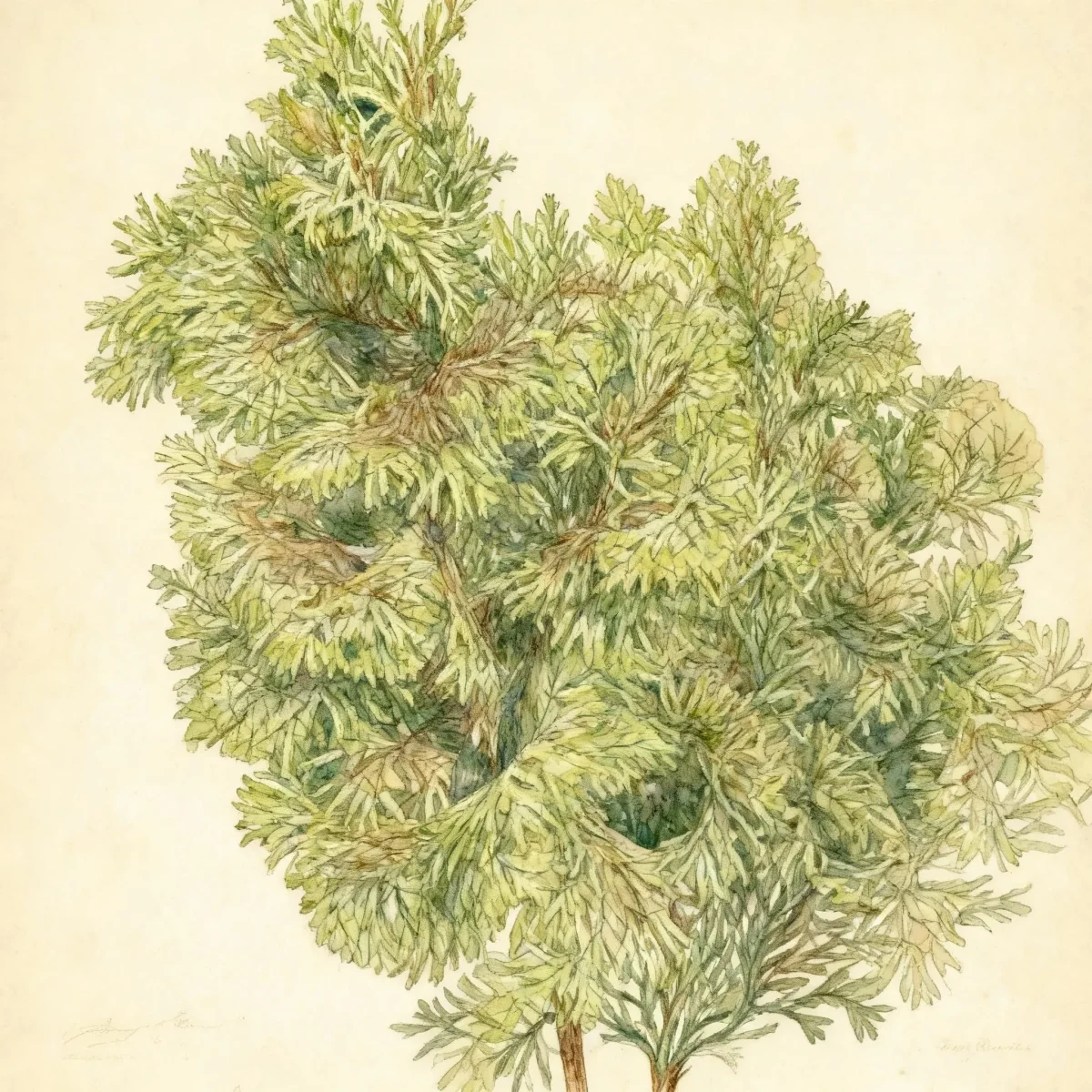
The Hinoki cypress, specifically the cultivar Chamaecyparis obtusa ‘Lycopodioides’, offers a unique texture highly sought after in contemporary and traditional gardens. This slow-growing conifer is valued for its open, irregularly shaped structure adorned with thick stems bearing mossy, blue-green foliage that is distinctly different from the typical flattened sprays of other cypresses. As a needled evergreen, it provides essential year-round structure and visual interest without demanding significant intervention from the gardener.
This particular selection, sometimes known as clubmoss cypress, matures at a moderate height, making it a superb choice for anchoring smaller garden spaces or acting as a distinctive accent plant. Its unique growth habit ensures that the Chamaecyparis obtusa ‘Lycopodioides’ remains a focal point, even when viewed against the backdrop of more robust, pyramidal Hinoki cypress relatives. Low maintenance requirements contribute to its appeal for homeowners seeking high aesthetic impact with minimal upkeep.
Fast Facts
- Plant Family: Cupressaceae
- Plant Type: Needled evergreen
- Hardiness Zones: USDA Zones 4-8
- Size at Maturity:
- Height: 10-20 ft
- Spread: 8-16 ft
- Bloom Time: Non-flowering
- Bloom Description: Non-flowering
- Sun Exposure: Full sun to part shade
- Water Needs: Medium
- Maintenance Level: Low
How to Grow
Planting the Chamaecyparis obtusa ‘Lycopodioides’ is best done in the spring or fall to allow the root system to establish before experiencing summer heat or winter cold. Select a location offering full sun for the densest foliage color, though the plant tolerates part shade. Crucially, ensure the soil is average, medium moisture, and extremely well-drained, as this Hinoki cypress strongly dislikes wet or soggy conditions which can lead to significant root rot issues.
Once established, maintenance is generally low. Provide medium, consistent moisture, especially during dry spells; do not allow the soil to dry out completely, but avoid boggy areas. While fertilization is rarely necessary if the soil is rich, you can apply a balanced, slow-release fertilizer in early spring if growth seems stunted. Shelter from strong winds is recommended, particularly when young, to protect the somewhat irregular branching structure.
Pruning should be light and strategic; the appeal of the Chamaecyparis obtusa ‘Lycopodioides’ lies in its natural, open form. Focused pruning can be used to address any stem fasciations or to control size slightly, but heavy shearing will spoil the distinctive “mossy” texture sought in this cultivar. Mulch around the base to help conserve moisture and moderate soil temperatures.
Landscape Uses
The primary recommended use for this slow-growing cultivar is as a specimen evergreen conifer, capitalizing on its unusual, irregular silhouette and unique foliage texture. Because it doesn’t become massive quickly, it serves well as a focal point in smaller foundation plantings or among mixed shrub borders where its blue-green tones can contrast against darker green evergreens. Gardeners using Japanese garden elements will find that the Chamaecyparis obtusa ‘Lycopodioides’ blends perfectly with mosses, rocks, and refined water features.
The moderate size range (10 to 20 feet tall) also makes it an excellent vertical element that doesn’t overwhelm the space. Consider placing it where it can be viewed up close, perhaps near a patio or entry walk, allowing visitors to appreciate the detail in the mossy stems. While not used for formal hedging due to its irregular shape, it can define the corner of a taller screen composed of other Hinoki cypress varieties.
Standout Features
Noteworthy Characteristics
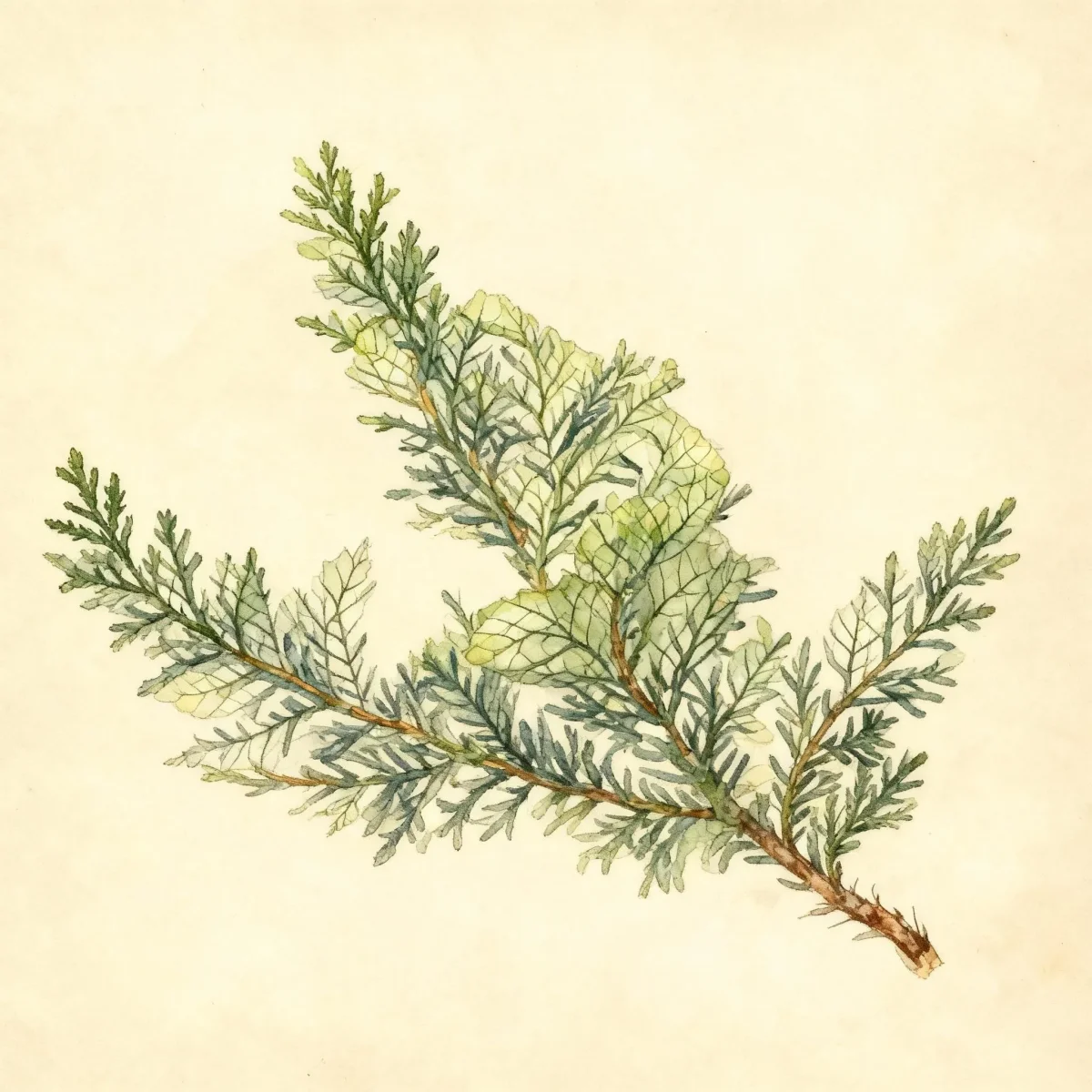
Chamaecyparis obtusa is native to Japan. It is commonly called hinoki cypress or hinoki falsecypress. It is an evergreen conifer that grows 50-75’ tall (to 120’ tall in its native habitat) with a pyramidal shape. It features spreading branches with flattened horizontal branchlets that droop at the ends. Dark green scale-like leaves in two sizes have white markings beneath. Crushed foliage is aromatic. Reddish brown bark will peel on mature trees. Small, 8-scaled, greenish-brown (female) to orange brown (male) cones. Although species trees are uncommonly planted in the home landscape, a large number of compact and dwarf cultivars have become very popular for use as small accents/specimens, hedges, screens and foundation/rock garden plants.Genus name comes from Greek chamai meaning dwarf or to the ground and kyparissos meaning cypress tree.Specific epithet means rounded in reference to its leaves being blunt/rounded at the tips.In Japan, hinoki means fire tree.‘Lycopodioides’ (sometimes commonly called clubmoss cypress) grows slowly as an open, upright, irregularly-shaped shrub. It features thick stems bearing mossy blue-green foliage. Some stems become fasciated. Shrubs typically grow to 6-10’ tall over the first 10 years, eventually maturing to as much as 25’ tall. Lycopodoioides means resembling Lycopodium (clubmoss)
Tolerances
- Some susceptibility to juniper blight
- Root rot
Potential Problems
This cultivar of Hinoki cypress shows some susceptibility to common cypress issues. Be vigilant for signs of juniper blight, which can cause browning and dieback on twigs. Root rot is a risk if soil drainage is inadequate, emphasizing the need for well-drained soil during planting.
Insect pests can occasionally be an issue, with bagworms sometimes noted as a sporadic pest. Regularly inspect the branches, especially during the growing season, and manually remove any early infestations of bagworms. Proper air circulation, sometimes achieved through strategic thinning of crowded stems, can help reduce fungal pressure.
Frequently Asked Questions
What hardiness zones is Hinoki cypress suitable for?
Chamaecyparis obtusa ‘Lycopodioides’ performs best in USDA Hardiness Zones 4 through 8, offering reliable year-round performance across this range.
How large does Hinoki cypress grow?
This cultivar typically reaches a height between 10 and 20 feet, with a spread generally ranging from 8 to 16 feet, though it is quite slow to reach maturity.
What sun exposure does Chamaecyparis obtusa ‘Lycopodioides’ need?
For optimal health and density, this conifer prefers full sun, although it can successfully tolerate partial shade conditions in the garden.
When does Hinoki cypress bloom?
As a needled evergreen conifer, Chamaecyparis obtusa ‘Lycopodioides’ is not known for decorative flowers and is classified as non-flowering.
Conclusion
The Chamaecyparis obtusa ‘Lycopodioides’ provides a truly sculptural element to the landscape, distinguished by its low maintenance needs and unique mossy texture, setting it apart from standard conifers. Integrating this Hinoki cypress into your garden plan guarantees year-round structure with unusual character. Before planting, confirm your site offers excellent drainage and sufficient space for its eventual 20-foot reach, ensuring this specimen thrives for years to come.
Companion Planting
When placing Chamaecyparis obtusa ‘Lycopodioides’, consider plants that will contrast its fine, blue-green, mossy texture. Hostas with large, solid green or variegated leaves create an excellent, contrasting ground layer, provided the Hosta site has sufficient moisture retention without becoming waterlogged near the cypress roots. Deciduous Japanese maples (Acer palmatum) offer beautiful seasonal color nearby, complementing the evergreen provided by the Hinoki cypress.
For structural neighbors in evergreen arrangements, choose plants that possess sharp, pointed needles or deep, dark green coloration, such as certain cultivars of Japanese holly (Ilex crenata) or dwarf pines. These companions allow the open, irregular habit and lighter color of the ‘Lycopodioides’ to stand out prominently as a specimen piece.
Design Ideas
The irregular shape of the ‘Lycopodioides’ makes it an excellent anchor for Zen or informal Asian-inspired garden designs. Place it slightly off-center in a woodland border to draw the eye toward its unique form. In contemporary designs, use its blue-green hue to break up monochrome planting schemes relying heavily on deep greens and grays.
Because the species tree can grow quite large, this slower-growing cultivar offers a sustainable vertical element for courtyards or semi-formal entryways where space is limited. Allow several feet of space around the base to fully appreciate the texture emanating from the low-hanging, thick stems that characterize the clubmoss cypress appearance.