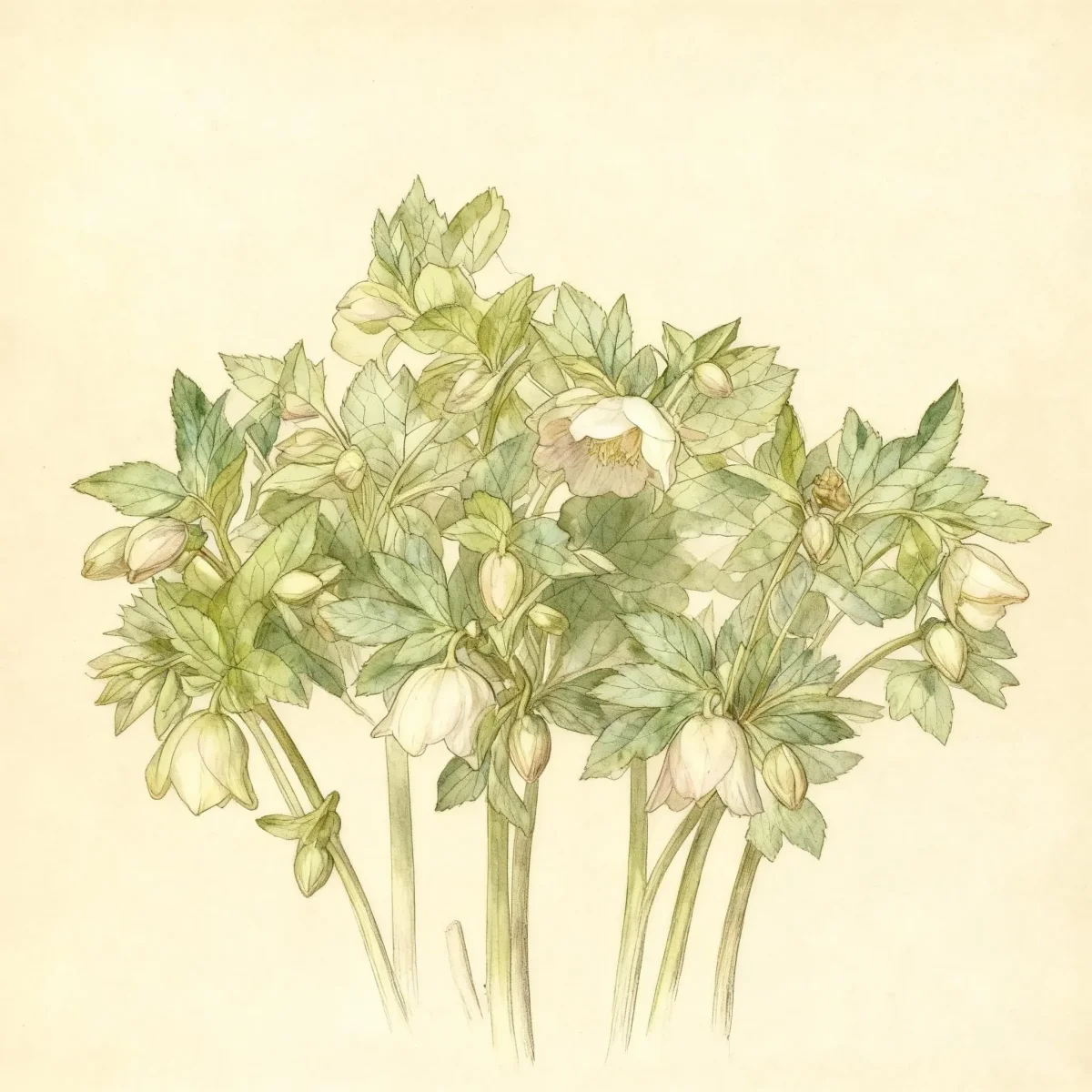
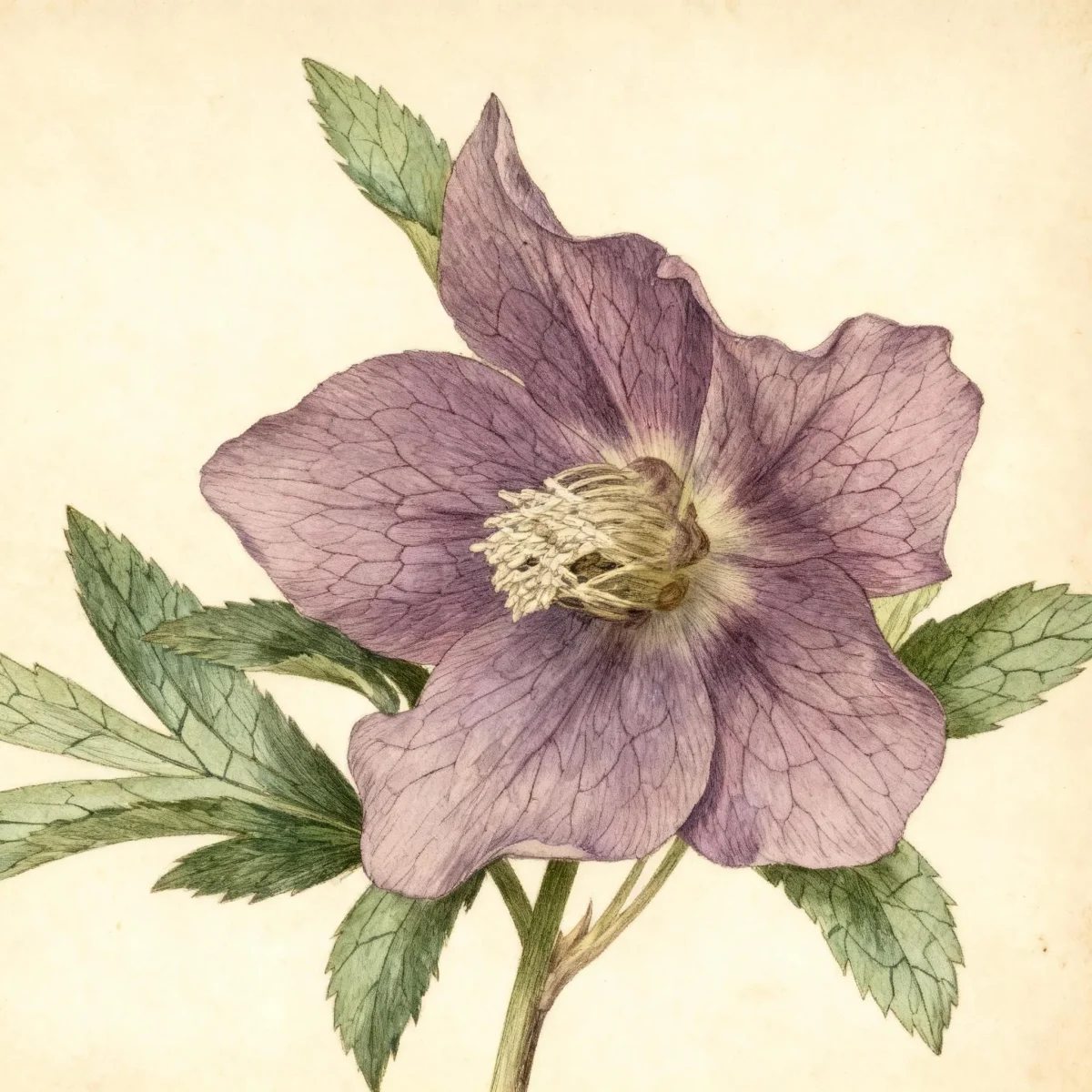
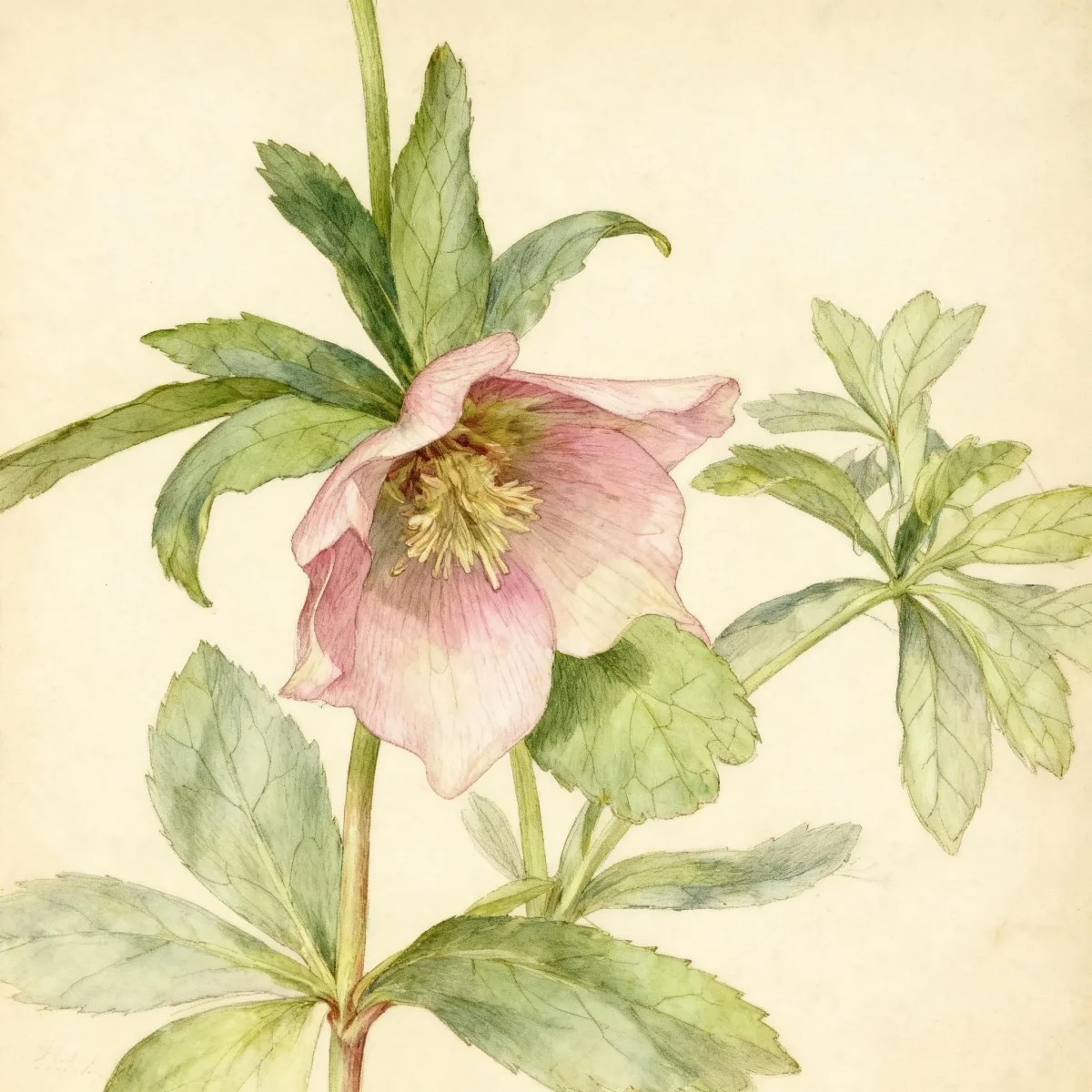
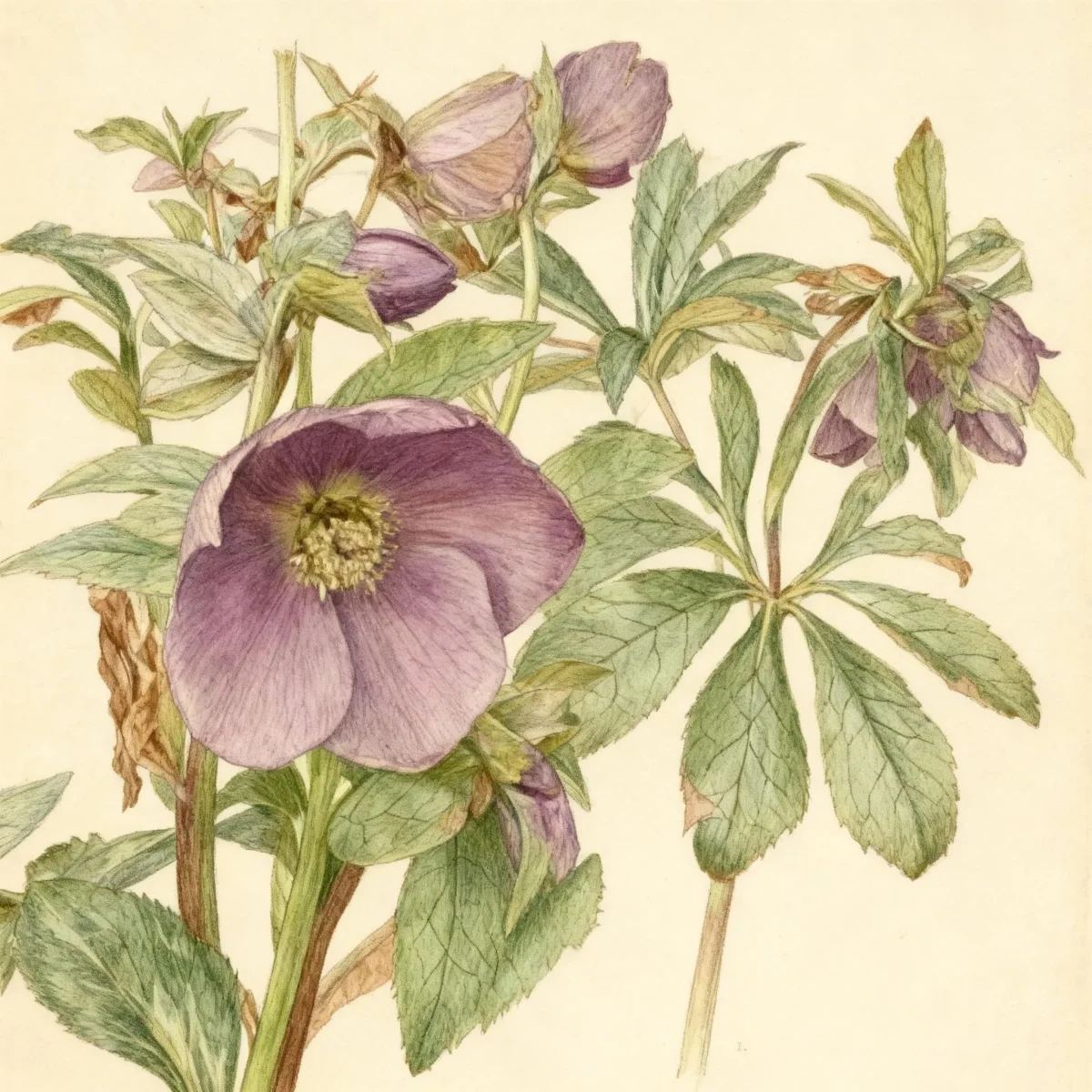
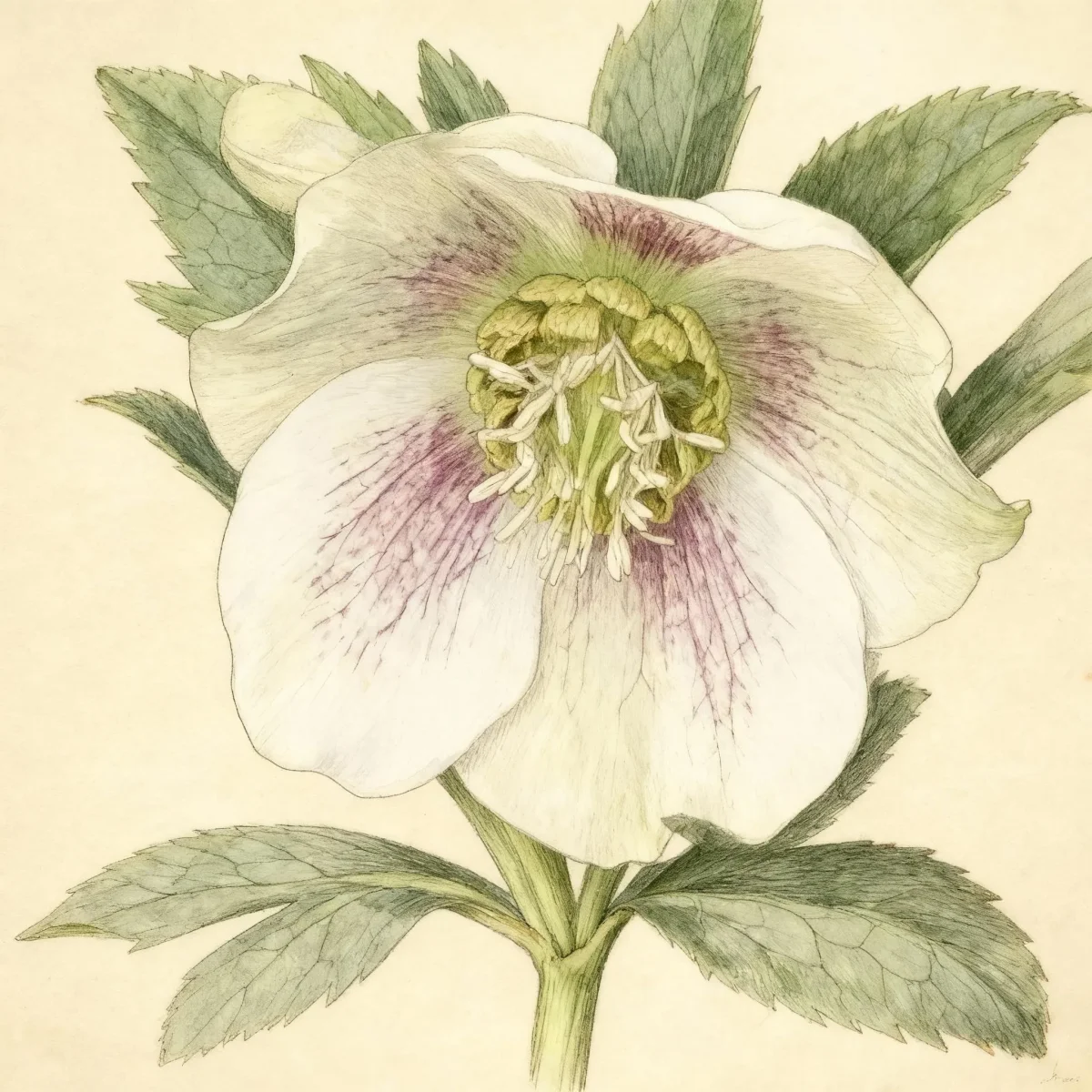
Hellebore (Helleborus × hybridus 'Pine Knot Best R & C')
Enjoy the early bloom of Helleborus × hybridus 'Pine Knot Best R & C', a low-maintenance Hellebore with stunning rhubarb red and creamy custard flowers.
Scroll down to discover growing tips, care requirements, companion plants, and more
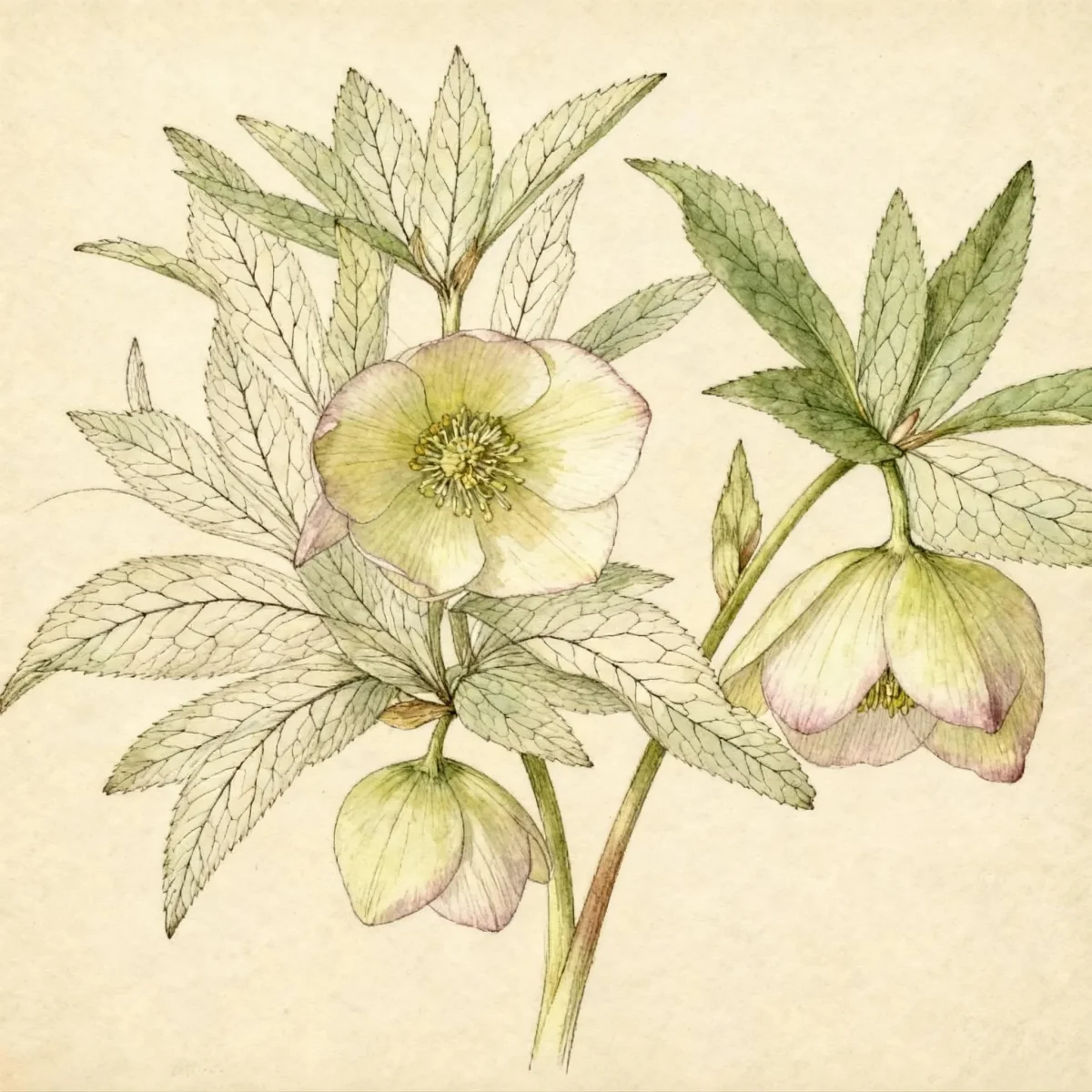
Complete Plant Information
Overview
The Helleborus × hybridus ‘Pine Knot Best R & C’ offers exquisite, early-season color, making it a cherished addition to winter and early spring gardens. As a type of Hellebore, commonly known as Lenten rose, this cultivar provides reliable visual interest when little else is actively growing. Its evergreen foliage ensures structure, while the distinctive flowers provide a vibrant display.
These bushy, clump-forming perennials are exceptionally valued for their low maintenance requirements once established. Helleborus × hybridus ‘Pine Knot Best R & C’ thrives in shaded conditions, making it perfect for woodland borders and underplanting beneath taller shrubs. Gardeners prize the unique flower coloration described as rhubarb red and creamy custard, which signals the transition towards spring.
This Hellebore selection reliably brings cheer to the landscape, often blooming as early as February. Siting these plants in visible areas is highly recommended so their early emergence can be fully appreciated before deciduous trees leaf out and create deeper shade.
Fast Facts
- Plant Family: Ranunculaceae
- Plant Type: Herbaceous perennial
- Hardiness Zones: USDA Zones 4-9
- Size at Maturity:
- Height: 1-1.5 ft
- Spread: 1-1.5 ft
- Bloom Time: February to April
- Bloom Description: Rhubarb red and creamy custard
- Sun Exposure: Part shade to full shade
- Water Needs: Medium
- Maintenance Level: Low
How to Grow
Planting your Helleborus × hybridus ‘Pine Knot Best R & C’ should occur when the plant is dormant or semi-dormant, typically early spring or fall, allowing roots to establish before extreme weather. These plants prefer organically rich, fertile, humusy, and well-drained soils, ideally with an alkaline pH influence. Ensure the chosen location provides part shade to full shade; while they tolerate full shade, protection from the harsh afternoon summer sun is crucial for optimal health.
Water needs are medium; maintain consistent soil moisture, especially for new plantings, ensuring the soil remains well-drained to prevent root issues. Established Hellebore plants are relatively tough but benefit from the addition of organic matter annually to enrich the soil and improve moisture retention. Little fertilization is required if the base soil is rich.
After the spring bloom subsides, prune back the old flowering stems to encourage a flush of fresh, attractive new foliage. Be aware that while the foliage is evergreen, it can suffer scorching or tattering during exceptionally harsh winters, so site protection from extreme winter winds is beneficial. Established clumps of Hellebore can be divided in late summer or early fall if they become too congested, although plants grown from seed may take two years to reach blooming size.
Landscape Uses
The Hellebore brings dependable color to deep shade where few other flowering plants succeed. Helleborus × hybridus ‘Pine Knot Best R & C’ excels when planted in large, generous groups, providing a mass effect of early color along walkways, patios, or visible from kitchen windows. They perform wonderfully under the canopy of mature trees or within woodland garden settings, blending seamlessly with spring ephemerals.
Consider incorporating these reliable perennials into naturalized areas, allowing the clumps to slowly colonize and spread gently through self-seeding over time. Mass planting creates a continuous swath of attractive, deep green, leathery foliage throughout the year, reinforcing the garden structure even when dormant. Pair them with later-blooming shade lovers like Hostas and native ferns to ensure continuous interest throughout the growing season.
Standout Features
Flower Qualities
- Showy
Noteworthy Characteristics
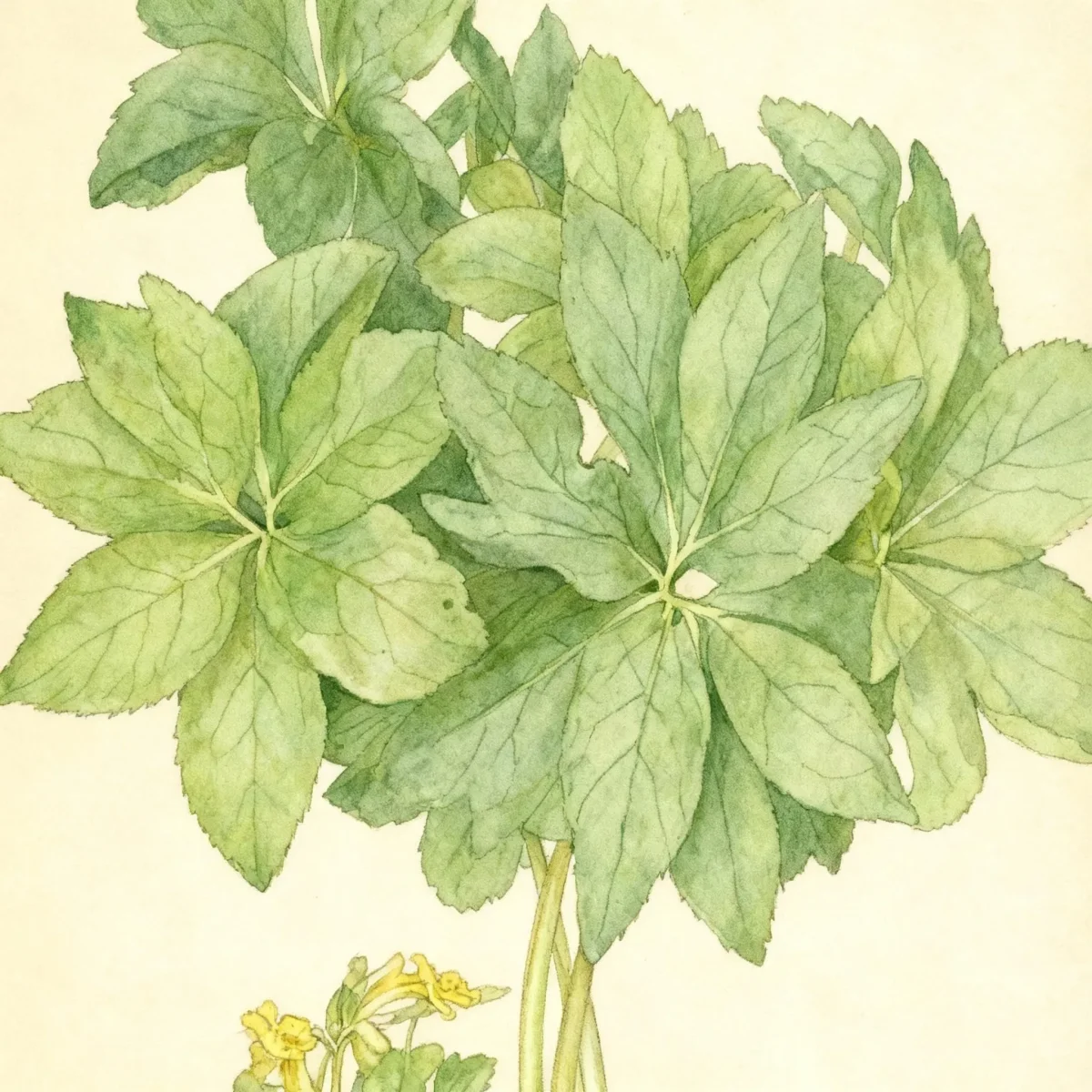
Hybrid hellebores, sometimes commonly called hybrid Lenten roses or hybrid winter roses, are bushy, clump-forming perennials which typically grow to 12-15” tall. They are noted for producing single, cup-shaped flowers with five showy, usually overlapping petals (technically sepals), though double forms exist. The cultivar ‘Pine Knot Best R & C’ specifically features flower colors combining rhubarb red and creamy custard, a result of seedlings selected by Dick and Judith Tyler known for these desirable traits. The flowers emerge atop stems clad with evergreen, glossy, dark green, deeply-lobed leaves, contributing year-round texture.
Tolerances
- Deer
- Heavy Shade
Potential Problems
Hellebores are generally regarded as low-maintenance and free from serious pest infestations or common diseases. However, gardeners should remain vigilant for occasional issues such as crown rot, which signals overly wet or poorly draining soil conditions. Leaf spot can sometimes appear, often exacerbated by high humidity or wet conditions lingering on the foliage. It is crucial for gardeners to remember that all parts of the Hellebore plant—leaves, stems, and roots—are toxic if ingested by humans or pets. Proper siting and ensuring fast drainage mitigate most cultural problems.
Frequently Asked Questions
What hardiness zones is Hellebore suitable for?
The Helleborus × hybridus ‘Pine Knot Best R & C’ is ideally suited for USDA Hardiness Zones 4 through 9, providing broad adaptability across many climates.
How large does Hellebore grow?
This herbaceous perennial typically reaches a modest height range of 1 to 1.5 feet, with a similar spread of 1 to 1.5 feet, forming a manageable clump suitable for borders and shaded beds.
When does Hellebore bloom?
This specific Hellebore bursts into flower in the late winter to early spring window, primarily between February and April, displaying its unique rhubarb red and creamy custard blooms.
What sun exposure does Helleborus × hybridus ‘Pine Knot Best R & C’ need?
This variety thrives best in settings ranging from part shade to full shade, making it an excellent choice for brightening darker corners of the garden.
Conclusion
The Helleborus × hybridus ‘Pine Knot Best R & C’ stands out as an indispensable perennial, providing essential early color and evergreen structure with minimal upkeep. Its tolerance for heavy shade and deer resistance adds significant practical value to woodland and foundation plantings. Before planting, confirm your location falls within USDA Zones 4-9 and ensure the site offers the rich, well-drained soil this beautiful Hellebore demands for its winter display.
Companion Planting in Shade Gardens
When integrating Helleborus × hybridus ‘Pine Knot Best R & C’ into a layered shade garden, focus on companions that share its low-light preferences and similar moisture needs. Groundcovers like Vinca minor provide evergreen contrast near the base, while later-blooming shade lovers allow the garden interest to progress smoothly from early spring to summer. Consider using Hakonechloa (Japanese Forest Grass) for its graceful texture or hardy Geraniums, which offer complementary fine foliage that contrasts nicely with the leathery leaves of the Hellebore.
Seasonal Care Calendar
Care for your Hellebore needs centers on timing: the main structural maintenance occurs immediately following bloom. Once flowers fade in April, trim the old flowering stalks back near the base to direct the plant’s energy into producing vigorous new foliage. In fall, a light top-dressing of compost or well-rotted manure supports the health of the evergreen leaves through cold winds. Avoid heavy foot traffic near established clumps, as the roots and crowns are slightly vulnerable, especially when the ground is frozen or saturated.