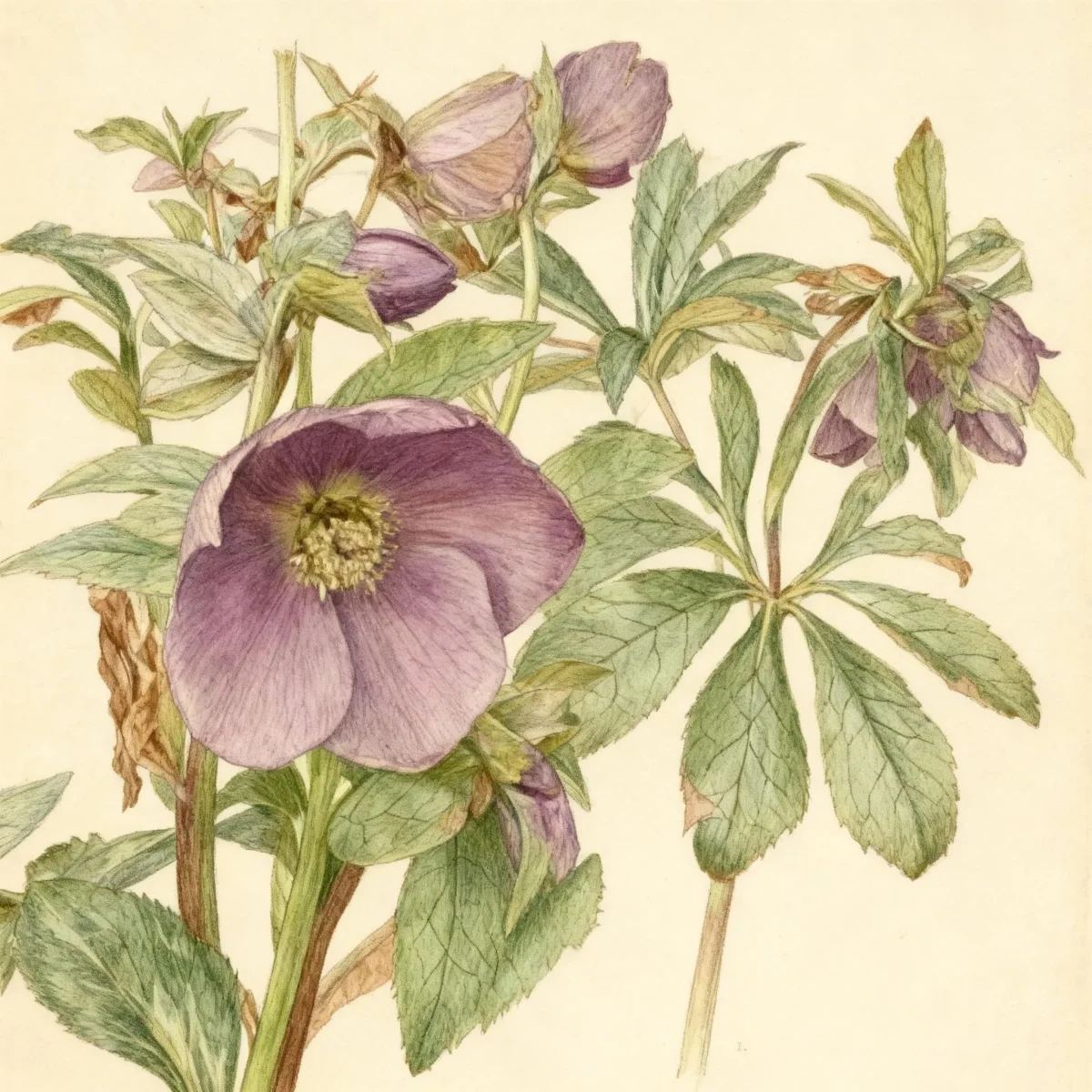
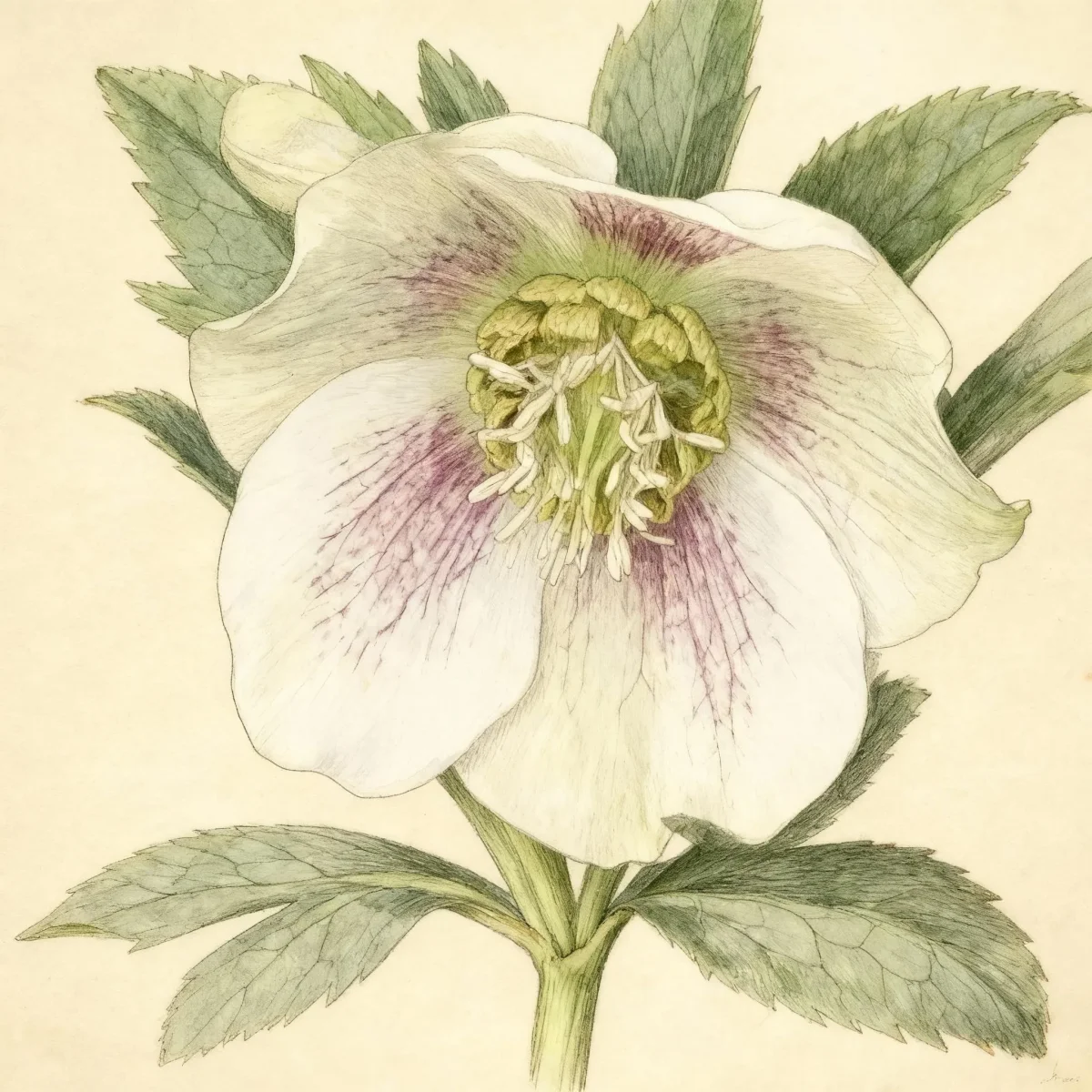
Hellebore (Helleborus × hybridus 'Pine Knot Best Strain')
The resilient Helleborus × hybridus 'Pine Knot Best Strain' Hellebore offers early blooms in deep shade. A low-maintenance perennial ideal for winter interest.
Scroll down to discover growing tips, care requirements, companion plants, and more
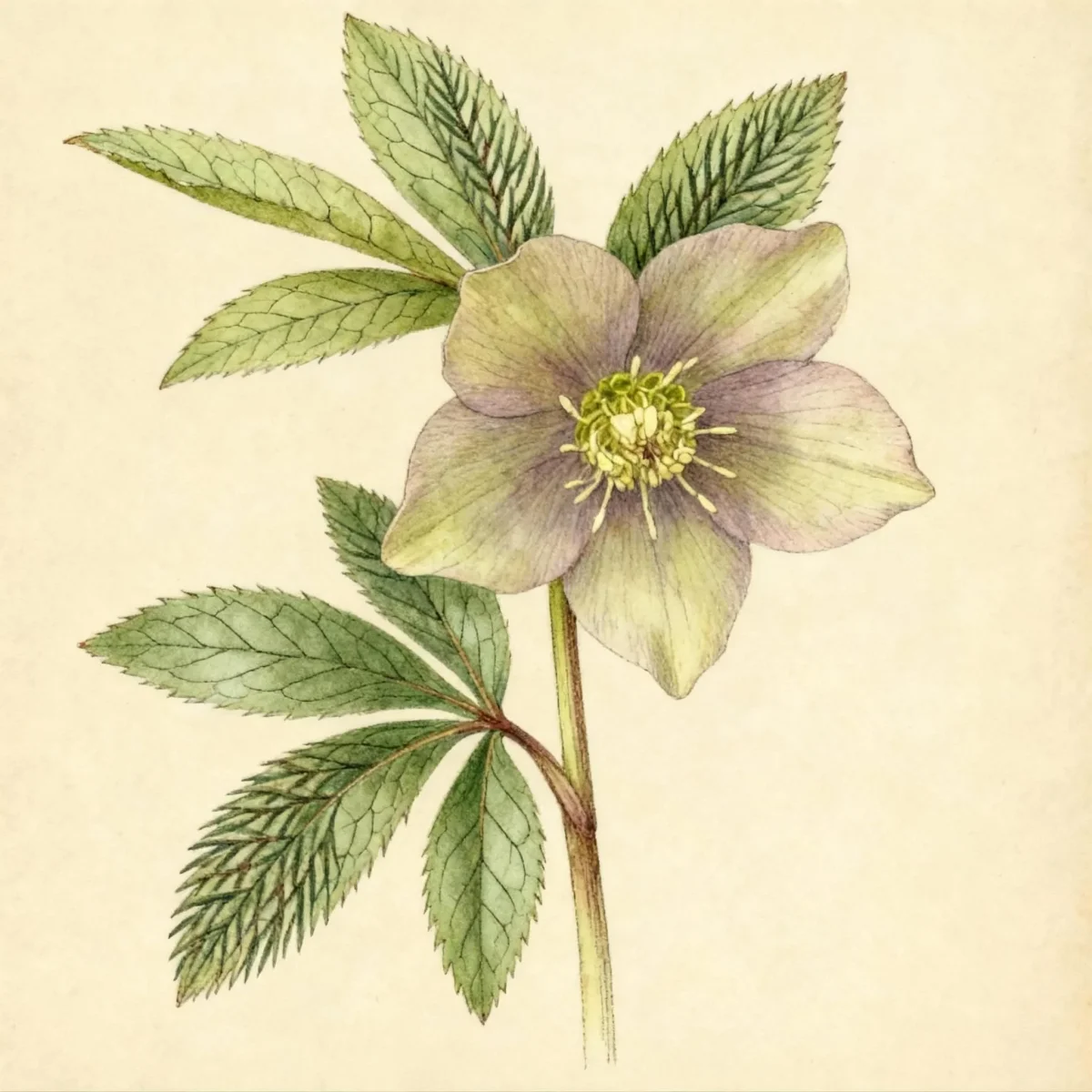
Complete Plant Information
Overview
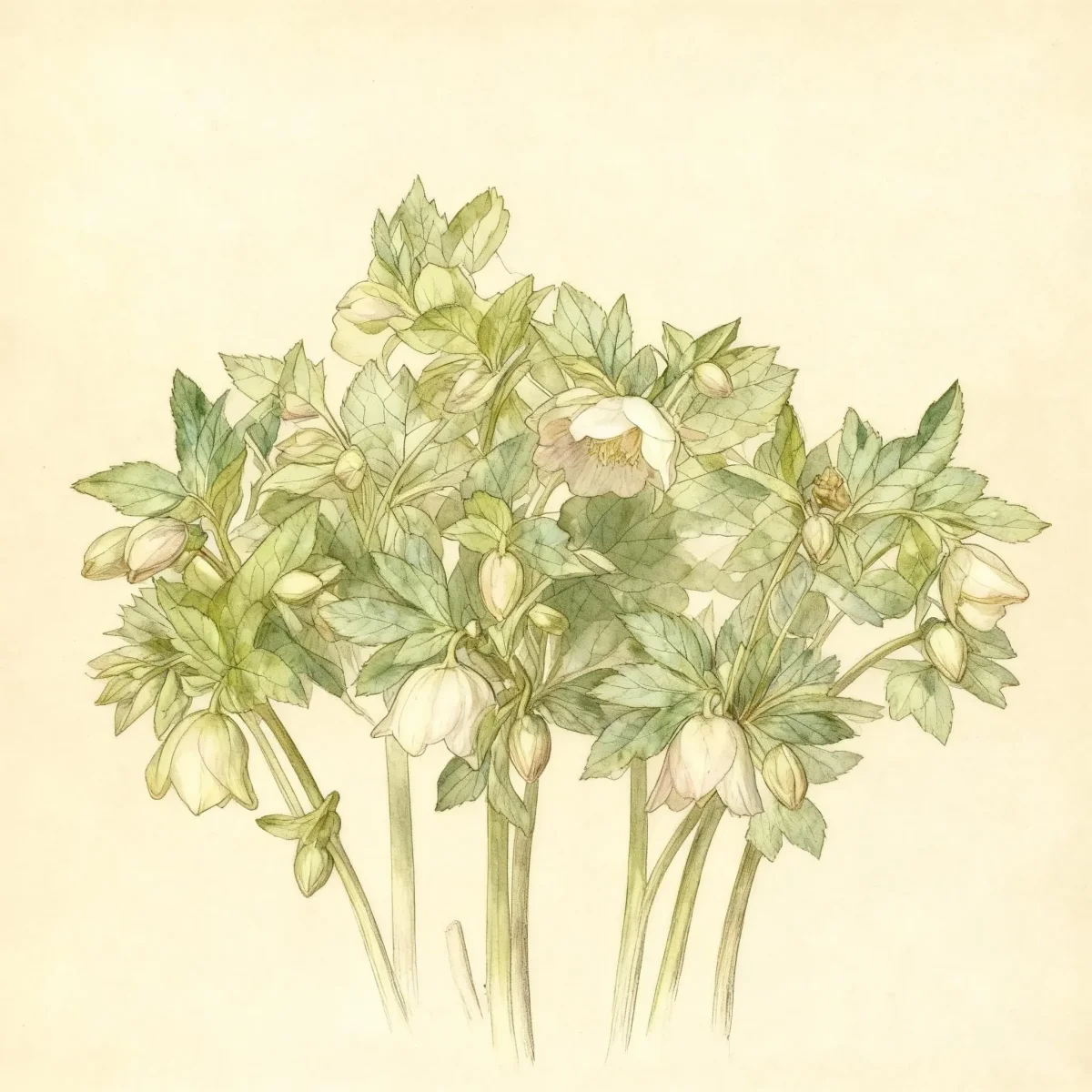
The Helleborus × hybridus ‘Pine Knot Best Strain’ is a highly valued herbaceous perennial, celebrated for its ability to provide color when little else is thriving. This selection of Hellebore delivers a stunning array of single and semi-double flowers in mixed colors, often beginning their show in mid to late winter. As a clump-forming perennial, this Hellebore provides excellent evergreen interest throughout the year, anchoring shady garden beds.
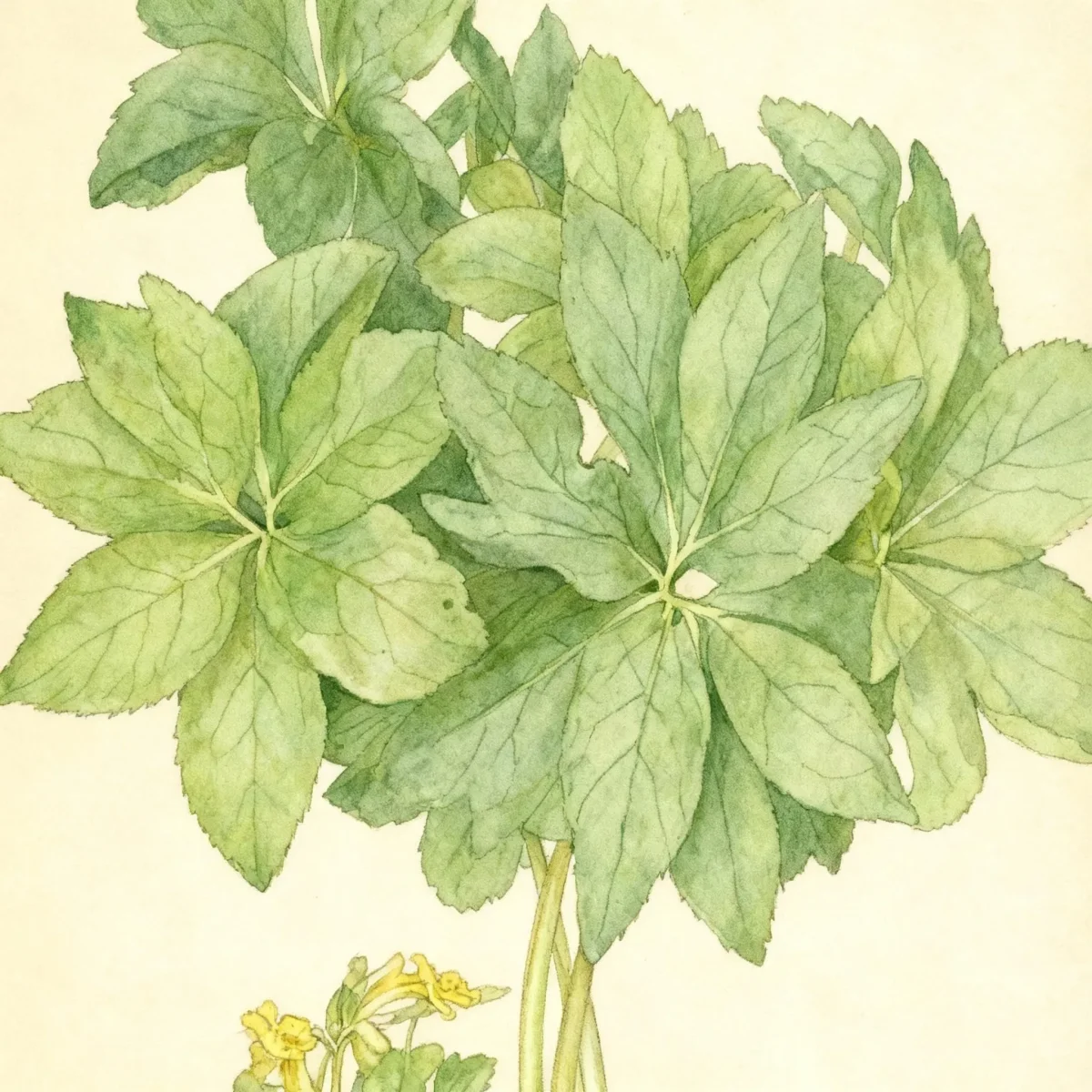
Gardeners appreciate the low maintenance requirements and robust nature of the Helleborus × hybridus ‘Pine Knot Best Strain’, making it perfect for difficult, shaded sites. Its glossy, dark green foliage provides a consistent backdrop for spring bulbs and summer shade perennials. Successfully growing Helleborus × hybridus ‘Pine Knot Best Strain’ transforms dull winter landscapes into areas of quiet beauty.
Fast Facts
- Plant Family: Ranunculaceae
- Plant Type: Herbaceous perennial
- Hardiness Zones: USDA Zones 4-9
- Size at Maturity:
- Height: 1-1.5 ft
- Spread: 1-1.5 ft
- Bloom Time: February to April
- Bloom Description: Mixed colors
- Sun Exposure: Part shade to full shade
- Water Needs: Medium
- Maintenance Level: Low
How to Grow
Planting should occur during the cooler seasons, ideally late summer or early fall, or early spring before the heat sets in. The Helleborus × hybridus ‘Pine Knot Best Strain’ thrives in organically rich, fertile, humusy, and alkaline soil, provided it has excellent drainage. Ensure the chosen spot offers part shade to full shade; this Hellebore prefers light to moderate shade and will struggle in hot afternoon sun.
Water needs are medium; maintain consistently moist, but never soggy, soil conditions, especially when establishing new plants. Fertilization is generally minimal, as rich soil content supports healthy growth. To encourage fresh foliage growth, cut back the previous year’s flowering stems immediately after bloom finishes.
Established clumps of Hellebore may become congested and benefit from division in late summer to early fall. Be aware that plants grown from seed, including many unnamed seedlings of the ‘Pine Knot Best Strain’, require two full years before they begin to bloom. Protect foliage from harsh winter winds, as it can become scorched, though snow cover offers natural insulation.
Landscape Uses
These magnificent winter bloomers shine when planted in large drifts, creating pools of early color under deciduous trees or large shrubs. Placing the Helleborus × hybridus ‘Pine Knot Best Strain’ near patios or next to kitchen windows ensures you can fully appreciate the early bloom display, often preceding all other garden color. They are superb additions to woodland gardens or naturalized areas where they can slowly spread via self-seeding over time.
Mass planting the Hellebore creates an attractive, solid ground cover that maintains interest year-round due to its evergreen nature. Consider grouping them with other shade-loving plants like Hostas, Ferns, or Epimediums, ensuring that their root zones have similar needs for fertile, well-drained media. The rich, dark green leaves of the Helleborus × hybridus ‘Pine Knot Best Strain’ contrast beautifully with lighter-foliaged companions.
Standout Features
Flower Qualities
- Showy
Noteworthy Characteristics
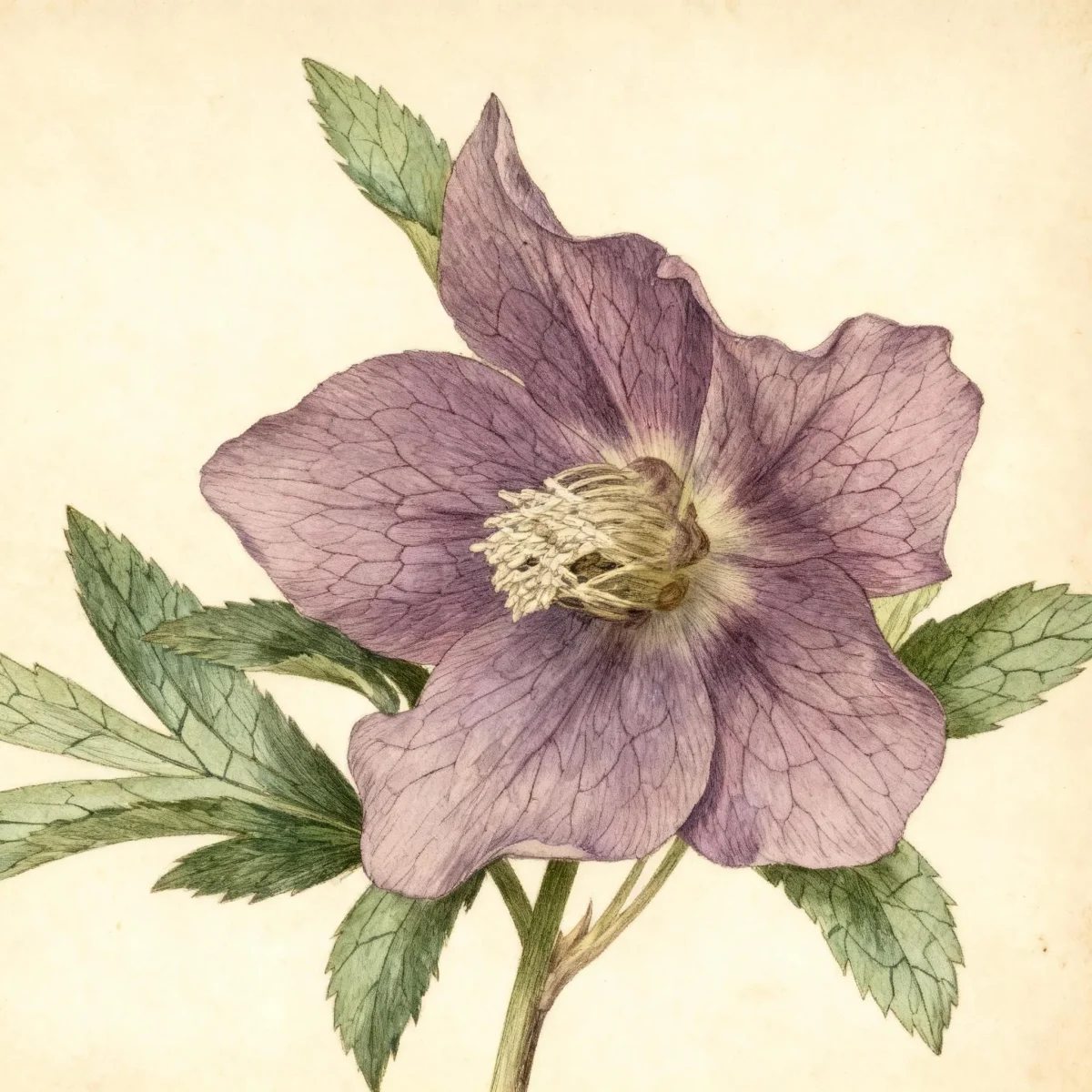
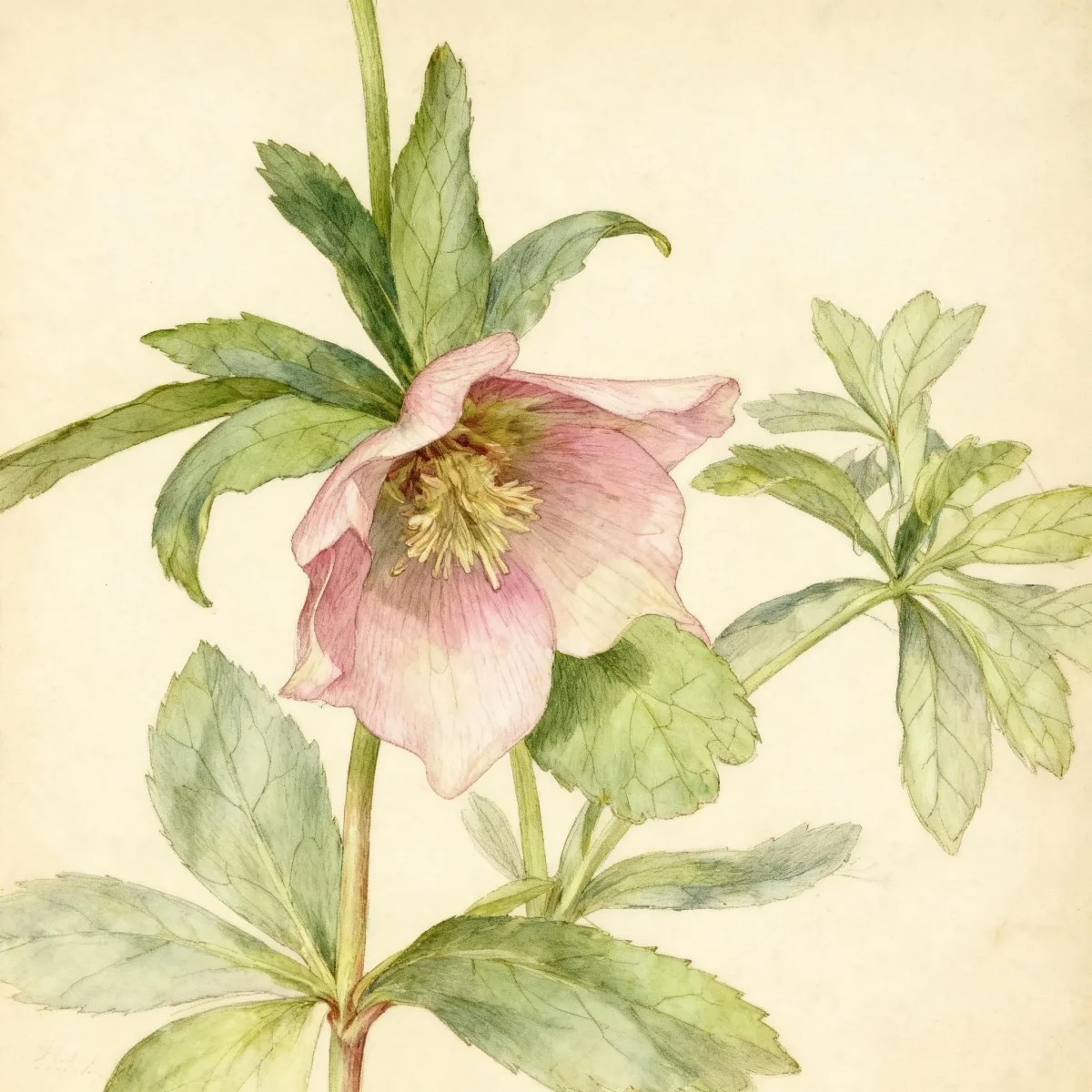
Hybrid hellebores, sometimes commonly called hybrid Lenten roses or hybrid winter roses, are bushy, clump-forming perennials which typically grow to 12-15” tall. They are noted for producing single, cup-shaped flowers (typically 2-3” diameter) with five showy, usually overlapping petals (technically sepals), but sometimes come in a double flowered form. Flowers bloom in a large variety of colors, including various shades and tints of white, pink, red, purple, and yellow, and sometimes have inside spotting. ‘Pine Knot Best Strain’ is a selection of unbloomed seedlings in mixed colors of the best single and semi-double hybrid hellebores which have been developed by Judith and Dick Tyler of Pine Knot Farms in Clarksville, Virginia.
Tolerances
- Deer
- Heavy Shade
Potential Problems
The Hellebore genus is generally resistant to serious insect or disease issues, making this plant exceptionally reliable. Occasional problems can include crown rot, particularly if the soil drainage is poor, and leaf spot fungi. Gardeners must remember that the leaves, stems, and roots of the Hellebore are poisonous to humans and pets if ingested, so plant with care around curious animals. Prevention focuses on ensuring excellent soil aeration and avoiding overhead watering late in the day.
Frequently Asked Questions
What hardiness zones is Hellebore suitable for?
The Helleborus × hybridus ‘Pine Knot Best Strain’ performs best in USDA Zones 4 through 9.
How large does Hellebore grow?
This herbaceous perennial typically reaches a height between 1 and 1.5 feet, with a similar spread of 1 to 1.5 feet.
What sun exposure does Helleborus × hybridus ‘Pine Knot Best Strain’ need?
This plant prefers part shade to full shade conditions, avoiding intense afternoon sun exposure.
When does Hellebore bloom?
You can expect the mixed colors of Helleborus × hybridus ‘Pine Knot Best Strain’ to bloom from February into April.
Conclusion
For reliable, long-lasting evergreen structure and the earliest splash of color in the year, the Hellebore is unmatched in the shady garden. The Helleborus × hybridus ‘Pine Knot Best Strain’ offers exceptional value due to its low maintenance profile and deer resistance. Before planting, ensure your site provides the cool, humus-rich, well-draining soil required for this magnificent winter-flowering perennial.
Propagation Tips
While purchased seedlings offer immediate impact, established Helleborus × hybridus ‘Pine Knot Best Strain’ can be increased via division. Perform division in the late summer or early fall when the plants are less actively flowering but before chilling temperatures set in. Carefully lift the entire clump and gently tease the root ball apart into smaller sections, ensuring each division retains a healthy crown and sufficient roots. Replant divisions promptly into prepared, rich soil at the same depth they were previously growing.
Companion Planting
Because Hellebores require fertile, well-drained soil and thrive in shade, companion plants should share these cultural preferences. Consider pairing them with spring ephemerals like Bloodroot (Sanguinaria) or native Wild Ginger (Asarum), which die back entirely when the Hellebore is fully leafed out. Later in the season, robust shade lovers such as Japanese Painted Ferns or various Heuchera cultivars provide textural contrast beneath the persistent foliage of the Hellebore.