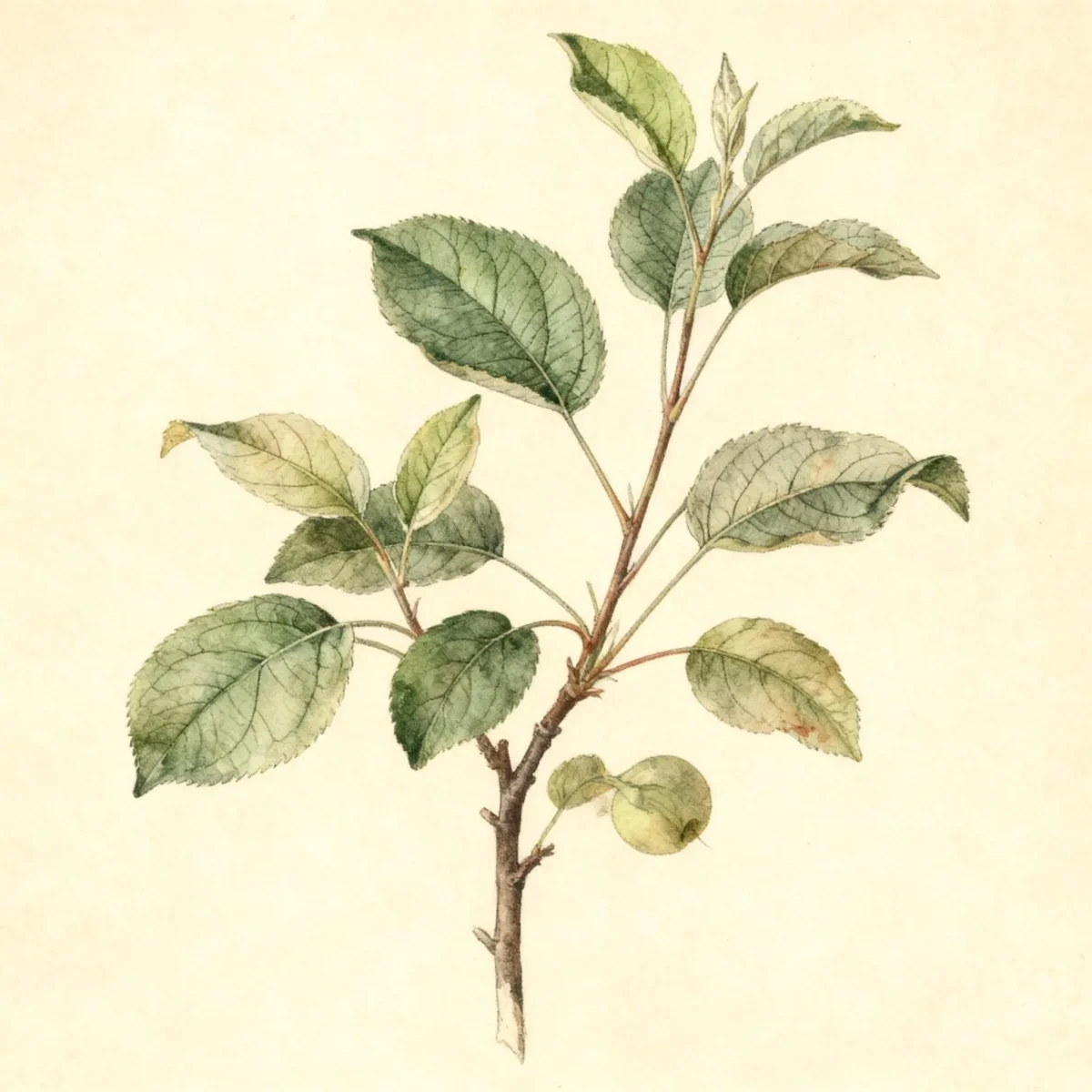
Apple (Malus domestica 'Co-op 38' GOLDRUSH)
The Malus domestica 'Co-op 38' GOLDRUSH Apple is a semi-spur fruit tree valued for late-maturing, high-quality golden fruit and spring white blossoms.
Scroll down to discover growing tips, care requirements, companion plants, and more
Complete Plant Information
Overview
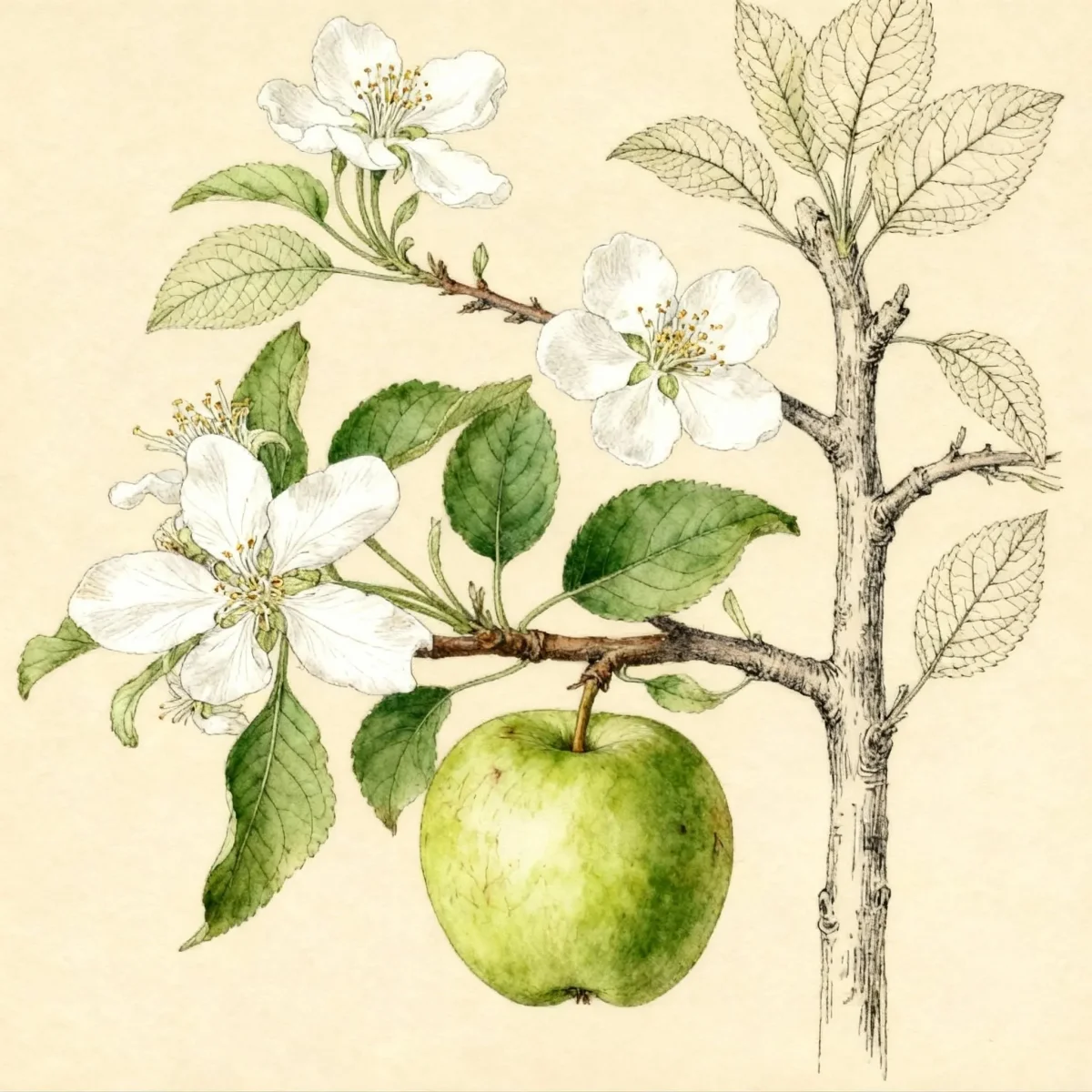
The Malus domestica ‘Co-op 38’ GOLDRUSH is a highly valued cultivar of Apple, recognized for producing late-maturing golden fruit renowned for its excellent quality, suitable for fresh eating, cooking, and winter dessert use. Discovered as a seedling in Indiana in 1980, this semi-spur tree offers gardeners the dual benefit of beautiful white spring blossoms followed by heavy yields of fruit that stores exceptionally well for up to seven months under refrigeration. As with most edible Apple varieties, successful cultivation of Malus domestica ‘Co-op 38’ GOLDRUSH relies on proper grafting onto rootstocks, which dictate the mature size and ease of management, making this tree a rewarding addition to the sunny home orchard.
This deciduous tree reaches a mature height and spread between 15 and 25 feet, fitting well into medium-sized landscape plans where its seasonal interest is appreciated. While the primary focus is fruit production, the tree provides significant visual appeal from its early spring bloom through the gold hue of its late-harvest fruit. Gardeners should note that full sun exposure is crucial for maximizing flower and fruit development for this specific Apple cultivar.
Fast Facts
- Plant Family: Rosaceae
- Plant Type: Fruit
- Hardiness Zones: USDA Zones 5-8
- Size at Maturity:
- Height: 15-25 ft
- Spread: 15-25 ft
- Bloom Time: April
- Bloom Description: White
- Sun Exposure: Full sun
- Water Needs: Medium
- Maintenance Level: Medium
How to Grow
The Malus domestica ‘Co-op 38’ GOLDRUSH thrives best when planted in deep, loamy, moderately fertile, and slightly acidic soils that are medium in moisture and offer excellent drainage. It demands full sun to achieve its maximum potential for flowering and subsequent fruit production, so avoid locations that receive afternoon shade. Due to its pollination requirements, it is essential to plant more than one apple variety nearby to ensure cross-pollination results in abundant fruit set.
Medium water needs mean consistent moisture is necessary, especially during the growing season, though you must avoid heavy clay soils that become waterlogged and poorly drained, as these conditions are detrimental to root health. The maintenance level for this Apple is rated medium; while it possesses good inherent resistance to scab and mildew, diligent monitoring for pests like codling moth and cultural upkeep are required. Furthermore, the needs of the tree are often correlated with its rootstock; trees grafted onto dwarfing rootstocks require slightly higher soil fertility than standard types.
Pruning should focus on maintaining an open canopy structure to maximize air circulation, which is helpful in reducing disease pressure, and to facilitate easier spraying and harvesting of the late-October maturing fruit. General care involves yearly dormant pruning in late winter and ensuring adequate soil fertility for the best results from your Malus domestica ‘Co-op 38’ GOLDRUSH.
Landscape Uses
Although the primary purpose of the GOLDRUSH Apple is high-quality fruit production, its ornamental attributes, featuring springtime white blossoms and richly colored fall fruit, lend it significant appeal in landscape design. It is best utilized in sunny locations where its structure can be appreciated, often grouped with other apple varieties to ensure adequate pollination. While ornamental features are secondary, the tree serves effectively as a specimen plant or as part of an edible landscape border.
Consider pairing the Malus domestica ‘Co-op 38’ GOLDRUSH with later-blooming crabapples or other early-ripening apple cultivars to extend the visual interest in the garden across the season. The resulting golden fruit adds a superb textural and color contrast against green foliage in the autumn months, transitioning nicely into the dormancy period where its branching structure provides winter interest.
Standout Features
Flower Qualities
- Showy
Fruit Qualities
- Showy
- Edible
Noteworthy Characteristics
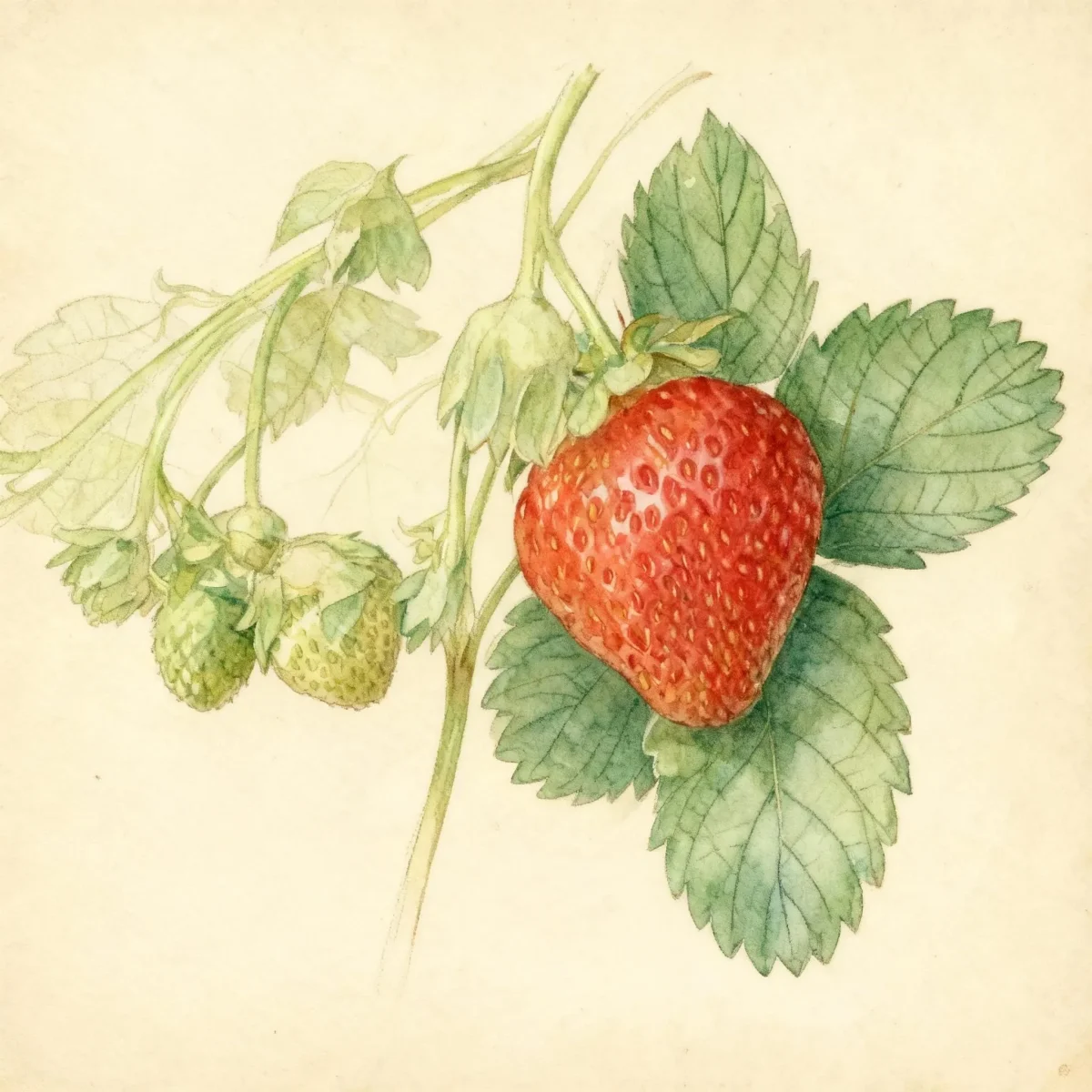
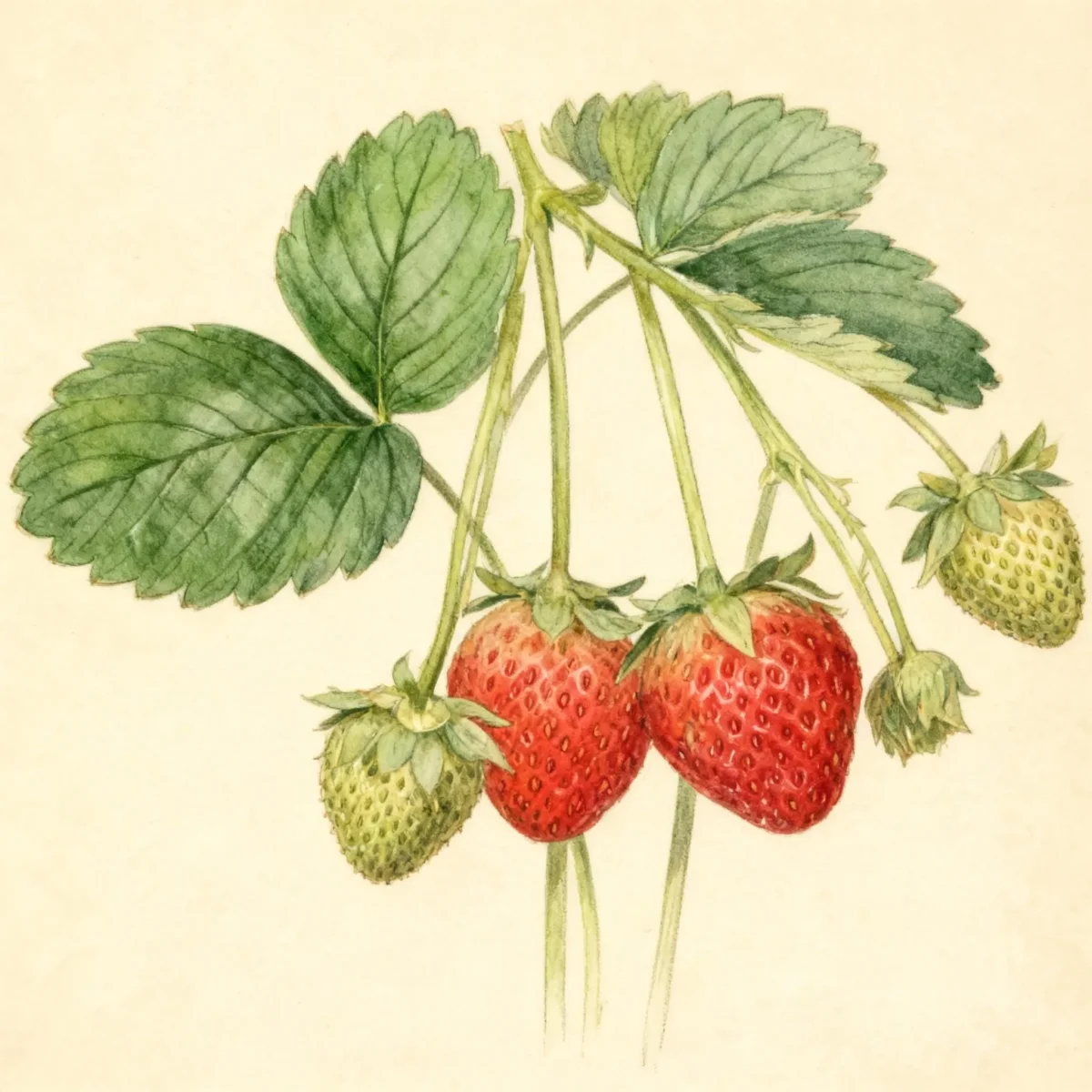
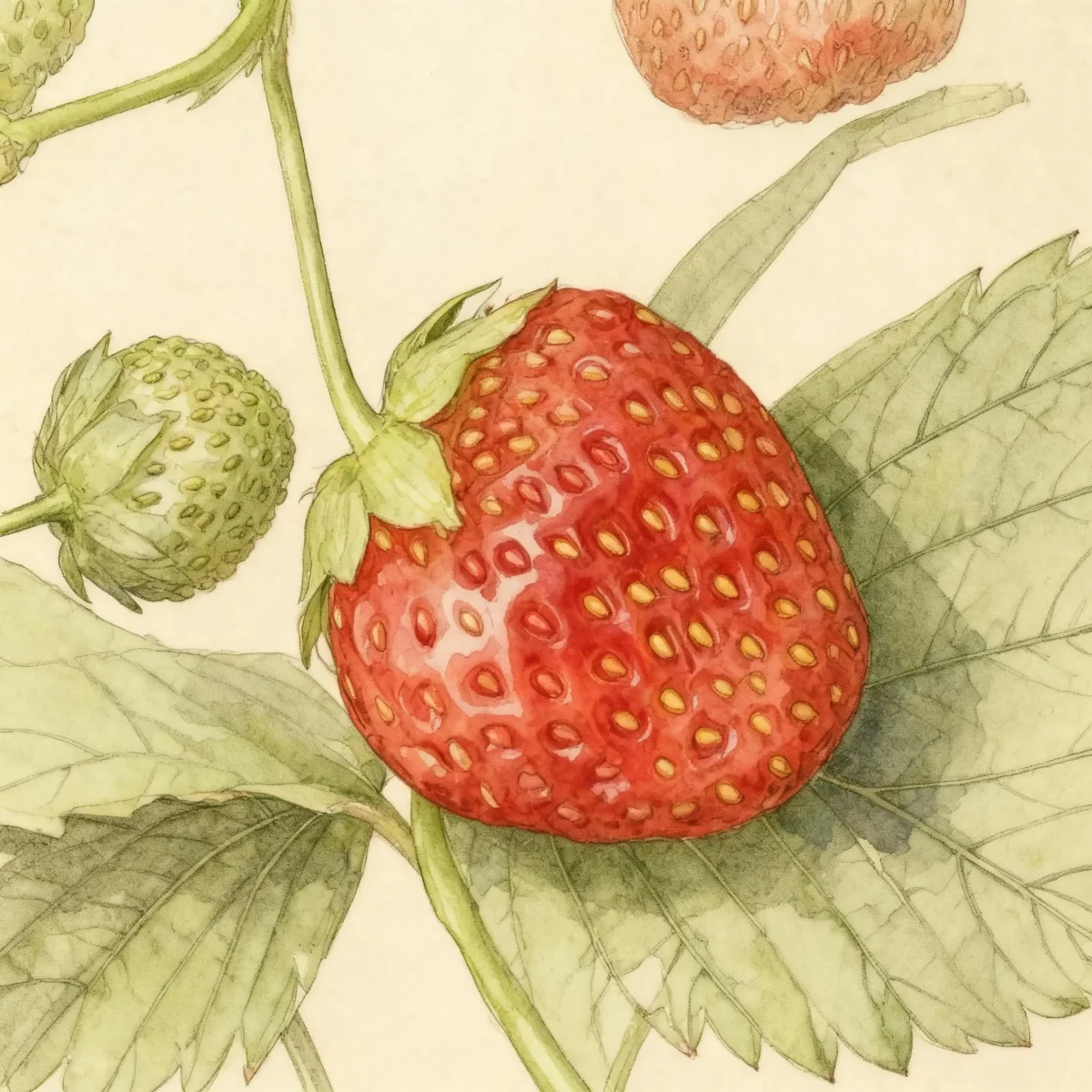
Malus is a large genus of deciduous trees known globally, with edible apples often being complex hybrids. Commercial Apple cultivars like Malus domestica ‘Co-op 38’ GOLDRUSH are invariably grafted onto rootstocks that control mature size, offering home growers management benefits like easier access for pruning and earlier fruiting compared to standard trees. GOLDRUSH itself is a late-maturing variety, presenting fruit that starts greenish but deepens to yellow in storage, where it maintains excellent quality for up to seven months.
Tolerances
- Air Pollution
Potential Problems
The Malus domestica ‘Co-op 38’ GOLDRUSH benefits from showing notable resistance to common issues like apple scab and powdery mildew, and it possesses some resistance to fire blight. However, growers must remain vigilant against cedar apple rust, which can become a significant issue in susceptible areas. Potential insect pests requiring management intervention include aphids, codling moths, maggots, and the plum curculio; spider mites can also pose a threat.
Regardless of the cultivar’s inherent disease resistance profile, maintaining robust cultural practices remains the most effective preventative measure against stress and pest infestation. Regularly monitor foliage and fruit for early signs of trouble, and be prepared to implement targeted spraying programs if pest populations reach damaging levels.
Frequently Asked Questions
What hardiness zones is Apple (Malus domestica ‘Co-op 38’ GOLDRUSH) suitable for?
The Malus domestica ‘Co-op 38’ GOLDRUSH is suitable for cultivation within USDA Hardiness Zones 5 through 8.
How large does Apple (Malus domestica ‘Co-op 38’ GOLDRUSH) grow?
This Apple tree typically reaches a mature height between 15 and 25 feet, with a similar spread, ranging from 15 to 25 feet.
What sun exposure does Apple (Malus domestica ‘Co-op 38’ GOLDRUSH) need?
This fruit tree requires full sun exposure to maximize its flowering and fruit production capabilities.
When does Apple (Malus domestica ‘Co-op 38’ GOLDRUSH) bloom?
The Malus domestica ‘Co-op 38’ GOLDRUSH displays white blossoms during the month of April.
Conclusion
The Malus domestica ‘Co-op 38’ GOLDRUSH stands out as an excellent choice for home growers seeking delicious, long-storing golden apples combined with attractive spring flowering. This specific Apple cultivar offers superior fruit quality alongside reasonable disease resistance, making the medium maintenance effort worthwhile. Before planting your Apple tree, confirm your location falls within USDA Zones 5-8 and ensure you have adequate sunlight and a pollinator partner planned.
Companion Planting Considerations
Choosing appropriate neighbors is key to managing the health and productivity of your Malus domestica ‘Co-op 38’ GOLDRUSH. Since this Apple requires full sun and medium, well-drained soil, companion plants should share similar cultural needs. Consider planting low-growing herbs like chives or oregano near the drip line; they can help deter some surface-level pests with their strong aromas.
Avoid planting nightshades (tomatoes, potatoes) or members of the Brassica family too closely, as competition for certain soil nutrients can occur, and some root diseases might transfer between families. Spring bulbs planted beneath the tree canopy will provide early color right before the tree’s white blossoms emerge, offering continuous garden interest.
Soil Management for Optimal Fruiting
Optimal fruit quality from your GOLDRUSH Apple depends heavily on consistent soil fertility and structure. Because the genus Malus benefits from rich, loamy conditions, amending heavy or poor soil is crucial before planting. Focus on incorporating aged compost to improve texture, drainage, and nutrient retention, especially if using dwarfing rootstocks which are more demanding of fertility.
Test soil pH regularly, aiming for a slightly acidic range, and supplement as necessary. Avoid excessive nitrogen application, which encourages leafy growth at the expense of fruit development, though consistent nutrient replenishment is vital for supporting the tree’s heavy fruit load leading up to the late October harvest.