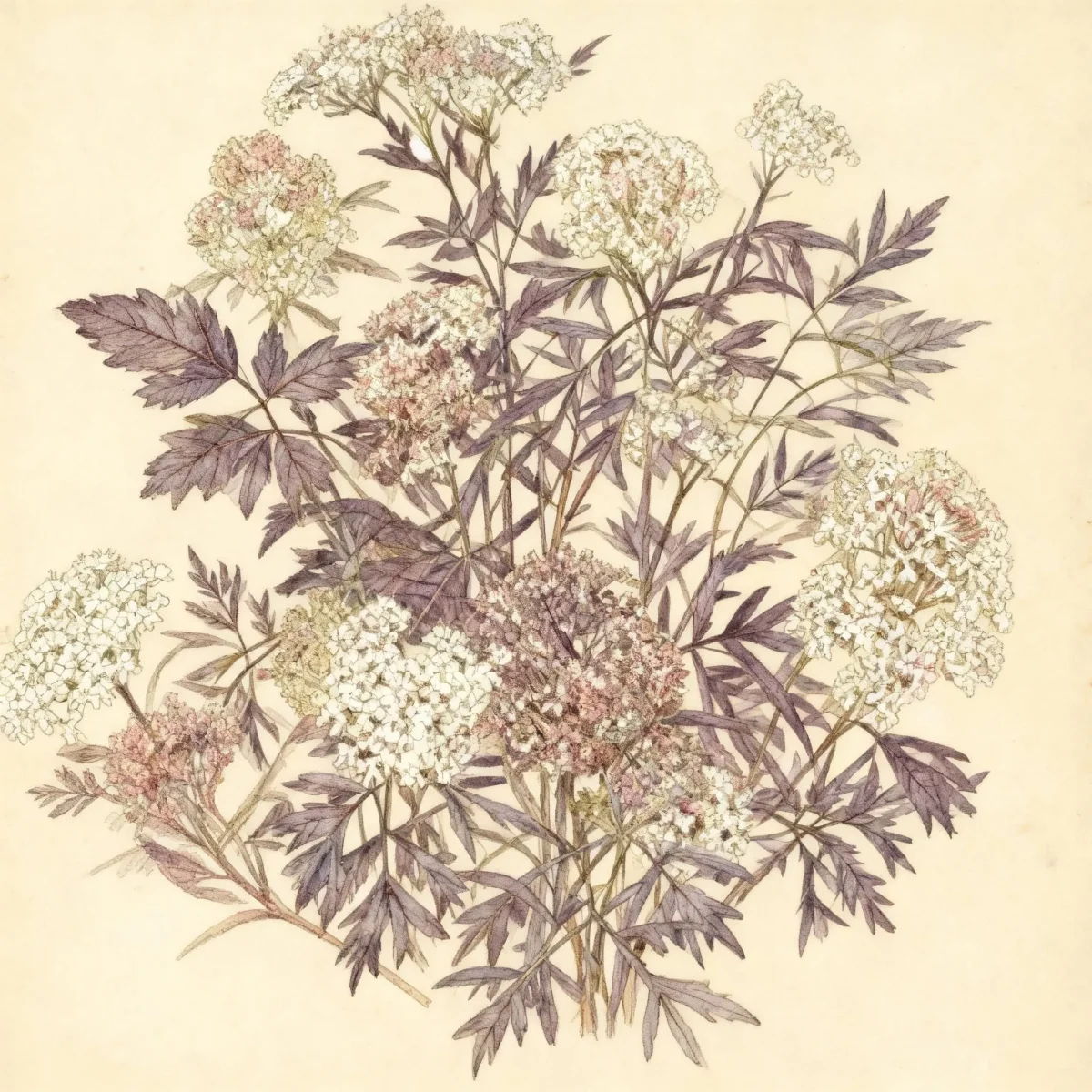
Possumhaw viburnum (Viburnum nudum 'Bulk' BRANDYWINE)
Viburnum nudum 'Bulk' BRANDYWINE offers striking, multi-hued berries and fragrant flowers. This low-maintenance Possumhaw viburnum thrives in wet soils.
Scroll down to discover growing tips, care requirements, companion plants, and more
Complete Plant Information
Overview
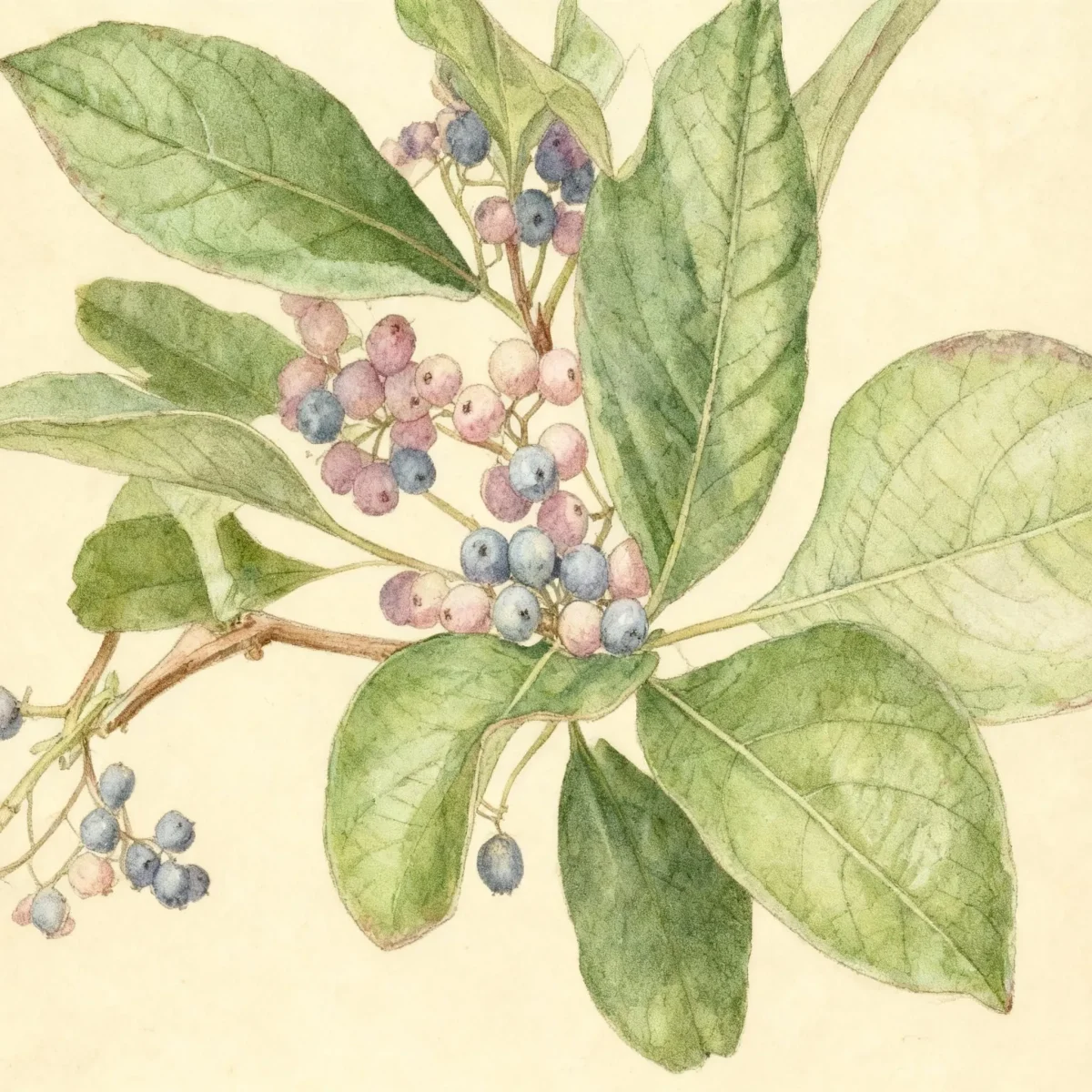
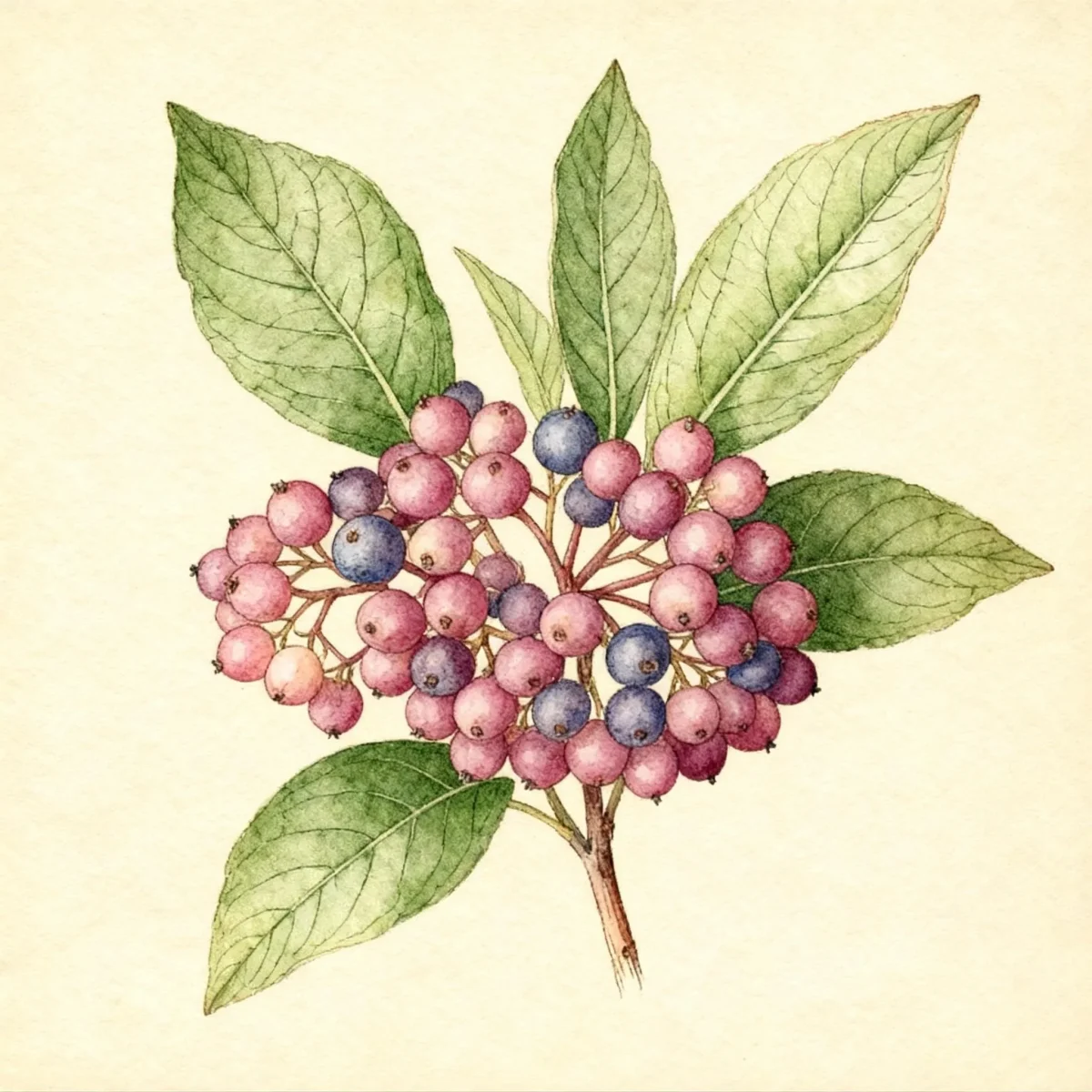
Viburnum nudum ‘Bulk’ BRANDYWINE, often known as Possumhaw viburnum, is a highly valued cultivar prized for its exceptional late-season fruit display. This compact, deciduous shrub offers a stunning contrast as its berries ripen through shades of pink and ultimately to deep blue-purple, often appearing simultaneously on the same cluster. Gardeners appreciate this plant for its dual aesthetic appeal, combining fragrant springtime blooms with vibrant, long-lasting fall/winter interest.
This robust specimen is celebrated for its adaptability, particularly thriving in moist to wet soil conditions where many other shrubs struggle. The ‘Bulk’ BRANDYWINE cultivar maintains a manageable, upright-spreading habit, typically reaching five to six feet tall and wide, making it excellent for structured landscape applications. Its low maintenance requirements further cement its status as a reliable choice for naturalized areas, rain gardens, or formal hedges.
Beyond visual appeal, Possumhaw viburnum offers benefits within the ecosystem, providing structure and seasonally available berries. Whether used as a focal point or massed for hedge screening, Viburnum nudum ‘Bulk’ BRANDYWINE delivers seasonal performance with minimal owner input, provided its need for moisture is met.
Fast Facts
- Plant Family: Adoxaceae
- Plant Type: Deciduous shrub
- Hardiness Zones: USDA Zones 5-9
- Size at Maturity:
- Height: 5-6 ft
- Spread: 5-6 ft
- Bloom Time: April to May
- Bloom Description: White
- Sun Exposure: Full sun to part shade
- Water Needs: Medium to wet
- Maintenance Level: Low
How to Grow
The best time to establish Viburnum nudum ‘Bulk’ BRANDYWINE is during the cooler seasons—spring or fall—to minimize transplant shock. This shrub prefers average, medium to wet, well-drained soil but demonstrates significant adaptability, tolerating even boggy conditions common in rain garden settings. Ensure the planting site receives part shade to full sun exposure to maximize both flowering and fruiting potential.
Watering requirements are key; while established plants tolerate average moisture, they perform best when kept consistently moist, especially during dry spells. Fertilizing is generally unnecessary unless the soil is particularly poor. Pruning should be kept light and done only as needed during the fall season.
A crucial gardening consideration is fruit set. For the best display of showy berries, you must plant shrubs in groups rather than singly to encourage cross-pollination. If you prune lightly after flowering, you risk removing developing bud sites, which will reduce the intensity of the late summer fruit show.
Landscape Uses
Viburnum nudum ‘Bulk’ BRANDYWINE excels in functional plantings where moisture management is a factor. Its dense, upright structure makes it an excellent candidate for formal or informal hedging, providing excellent screening between properties or along roadsides. The compact nature of this cultivar, topping out around six feet, also suits foundation plantings where taller shrubs might become overwhelming.
Its tolerance for wet soils opens up opportunities near water features. Consider placing Possumhaw viburnum in mass plantings along the peripheries of streams, ponds, or integrated into designed rain gardens to handle runoff effectively. For specimen use, position it where its unique berry transition from pink to deep blue can be easily observed against contrasting evergreen backdrops.
This adaptable shrub works beautifully in mixed shrub borders, pairing well with moisture-loving plants like hostas, astilbes, or other native wetland associates. The combination of fragrant flowers in spring and incredible berry color provides textural and color interest throughout the entire growing cycle.
Standout Features
Flower Qualities
- Showy
- Fragrant
Fruit Qualities
- Showy
- Edible
Noteworthy Characteristics
Viburnum nudum, commonly called smooth witherod, is a deciduous shrub native to swamps and low woods across the eastern and southeastern U.S. It produces attractive clusters of white flowers followed by fruit that changes from pink to blue to black, which are technically edible but highly acidic. The cultivar ‘Bulk’, sold as BRANDYWINE, is renowned for its more compact 5-6’ stature and unusually intense, contrasting pink and blue berries appearing on the same cluster in late summer and fall.
Tolerances
This section is intentionally left blank as no specific tolerances were provided beyond soil moisture and light requirements detailed elsewhere.
Potential Problems
The smooth witherod species, including the Viburnum nudum ‘Bulk’ BRANDYWINE cultivar, is fortunately quite robust against common garden pests and diseases. Few serious insect infestations or fungal issues regularly affect healthy specimens.
Management usually requires monitoring for general sap-sucking pests if the plant becomes stressed by drought, though this is less common given its preference for moisture. Maintaining proper planting conditions—especially adequate moisture—is the primary preventative measure against any minor issues.
Frequently Asked Questions
What hardiness zones is Possumhaw viburnum suitable for?
Viburnum nudum ‘Bulk’ BRANDYWINE is hardy and performs best in USDA Zones 5 through 9.
How large does Possumhaw viburnum grow?
This compact cultivar typically reaches a mature height between 5 to 6 feet, with a similar spread of 5 to 6 feet.
What sun exposure does Viburnum nudum ‘Bulk’ BRANDYWINE need?
For optimal flowering and fruiting, plant this shrub where it will receive full sun to part shade conditions.
When does Possumhaw viburnum bloom?
It produces lovely white, fragrant blooms primarily throughout April and May.
Conclusion
Viburnum nudum ‘Bulk’ BRANDYWINE stands out due to its reliable performance, adaptability to wet sites, and its spectacular multi-colored berries that persist into the cooler months. For gardeners seeking a low-maintenance shrub that offers both fragrance and vibrant color contrast, the Possumhaw viburnum is an outstanding selection. Before planting, confirm that your site falls within USDA Zones 5–9 and provides the necessary medium to wet soil conditions for this magnificent shrub to thrive.
Companion Planting for Wet Sites
Pairing Viburnum nudum ‘Bulk’ BRANDYWINE with other moisture-loving natives enhances the garden’s ecological function and visual texture. Consider planting it alongside various cultivars of Itea virginica (Virginia Sweetspire) for complementary fall color, as Itea also enjoys damp, acidic soils. Large ornamental grasses that tolerate wet feet, such as Carex species (sedges), can offer fine texture contrast to the broad leaves of the viburnum.
These combinations thrive best in similar light conditions, meaning partial shade to filtered sun is ideal for this grouping. Grouping moisture lovers ensures that watering efforts are efficient, supporting the Possumhaw viburnum’s need for medium to wet soil throughout the summer.
Designing with Contrasting Foliage
To accentuate the bright pinks and blues of the BRANDYWINE berries, incorporate plants with dramatically different foliage textures and colors nearby. Dark green, coarse foliage provides an excellent foil, making the shrub’s fruit truly “pop.” Consider broad-leaf evergreens like Kalmia latifolia (Mountain Laurel) for upright structure, provided the soil acidity aligns.
Alternatively, use plants with fine, golden, or variegated leaves near the base of the Viburnum nudum ‘Bulk’ BRANDYWINE. This strategy uses year-round color contrast to ensure visual interest, even when the shrub is not actively flowering or fruiting. Planning for this contrast elevates the impact of this wonderful native shrub in any border.