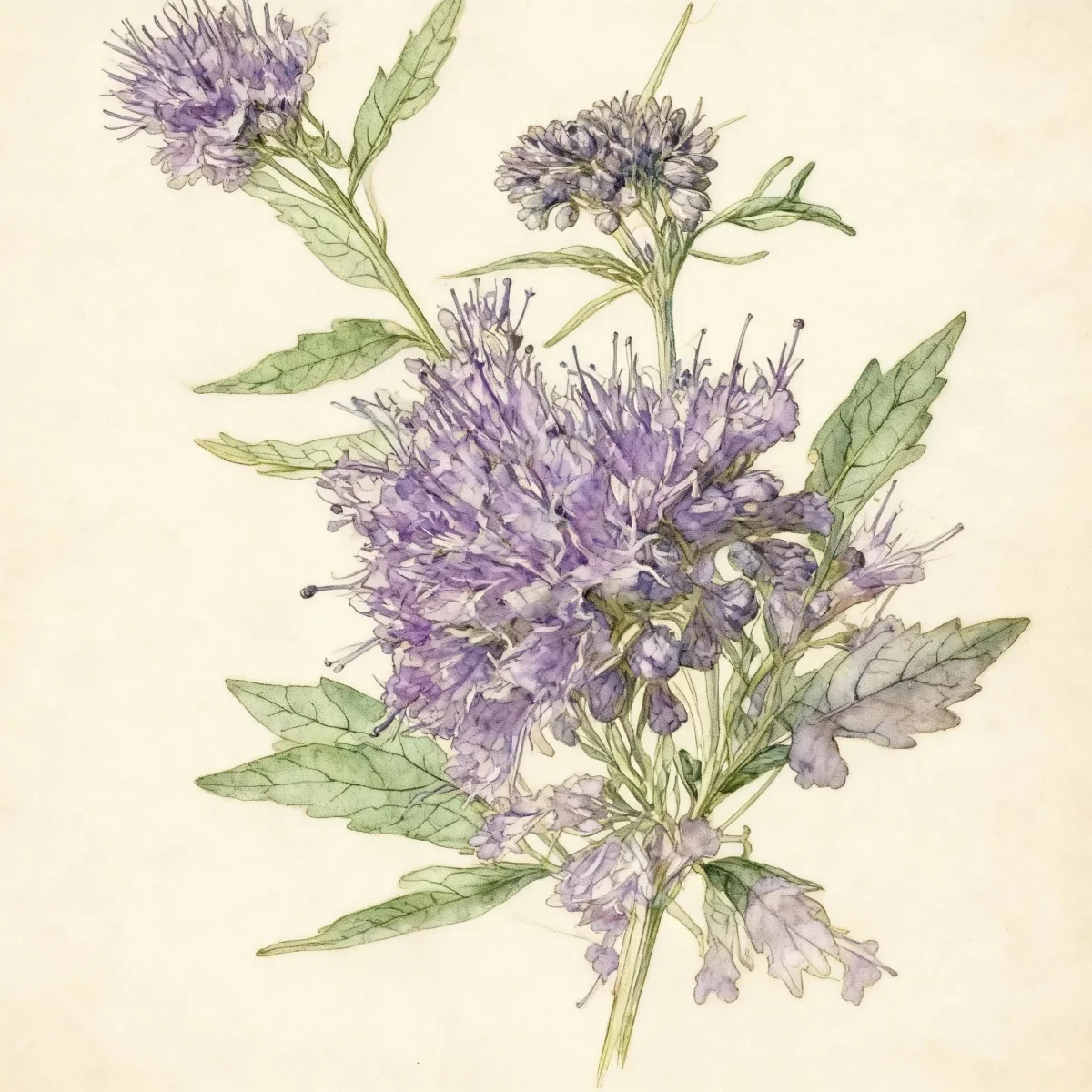
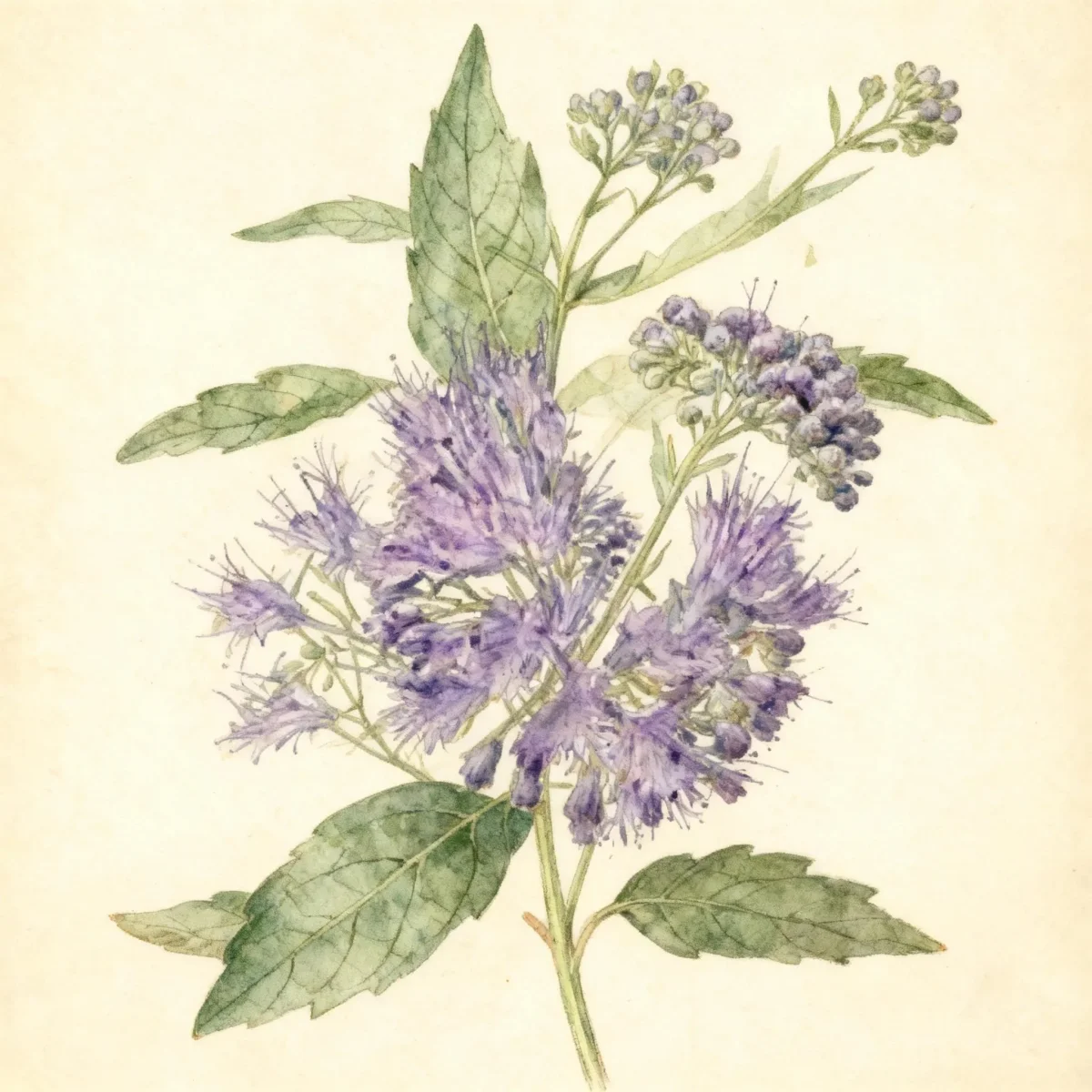
Bluebeard (Caryopteris × clandonensis 'Minibleu' PETIT BLEU)
Caryopteris × clandonensis 'Minibleu' PETIT BLEU, a compact Bluebeard, offers late-season dark blue flowers and aromatic foliage, ideal for low-maintenance gardens.
Scroll down to discover growing tips, care requirements, companion plants, and more
Complete Plant Information
Overview
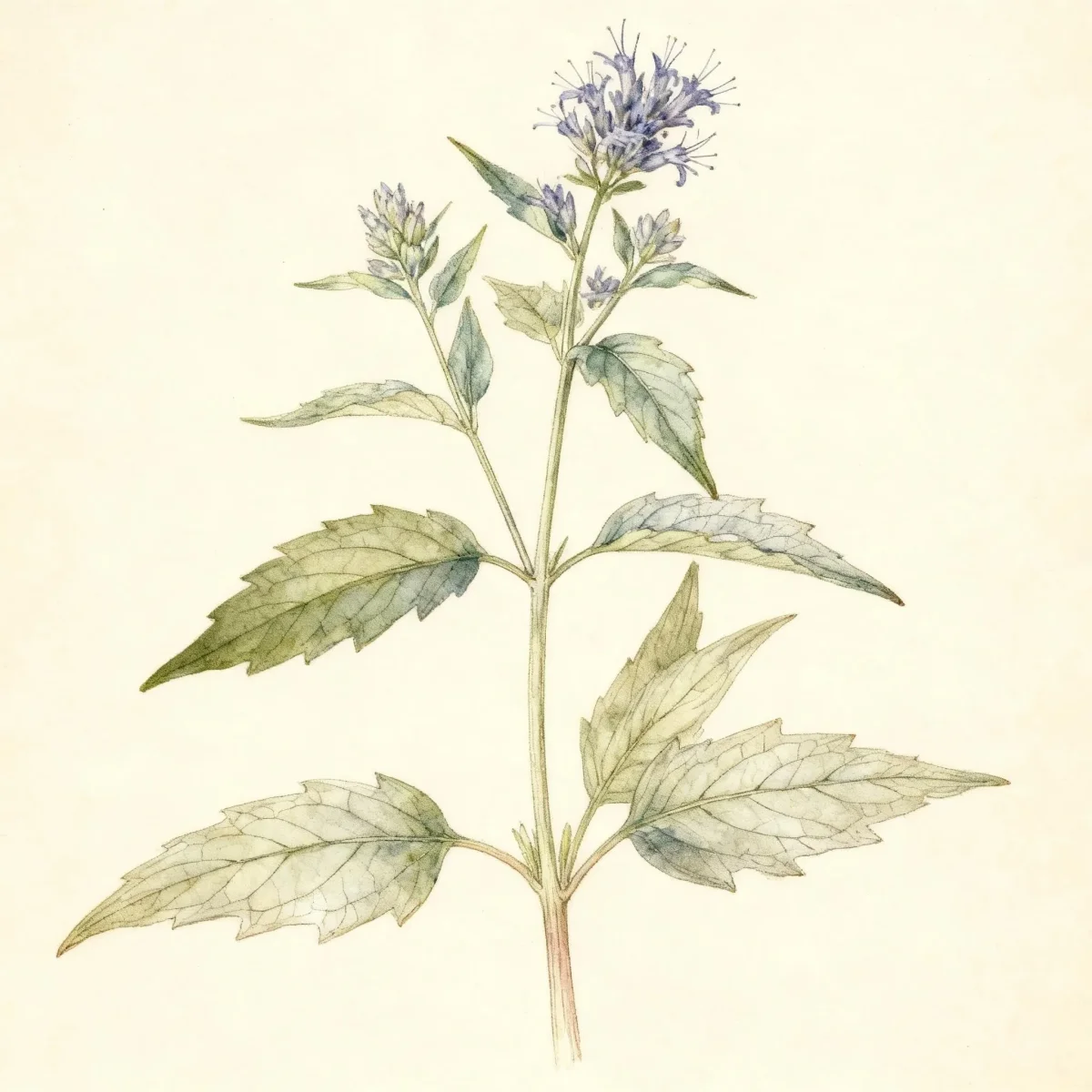
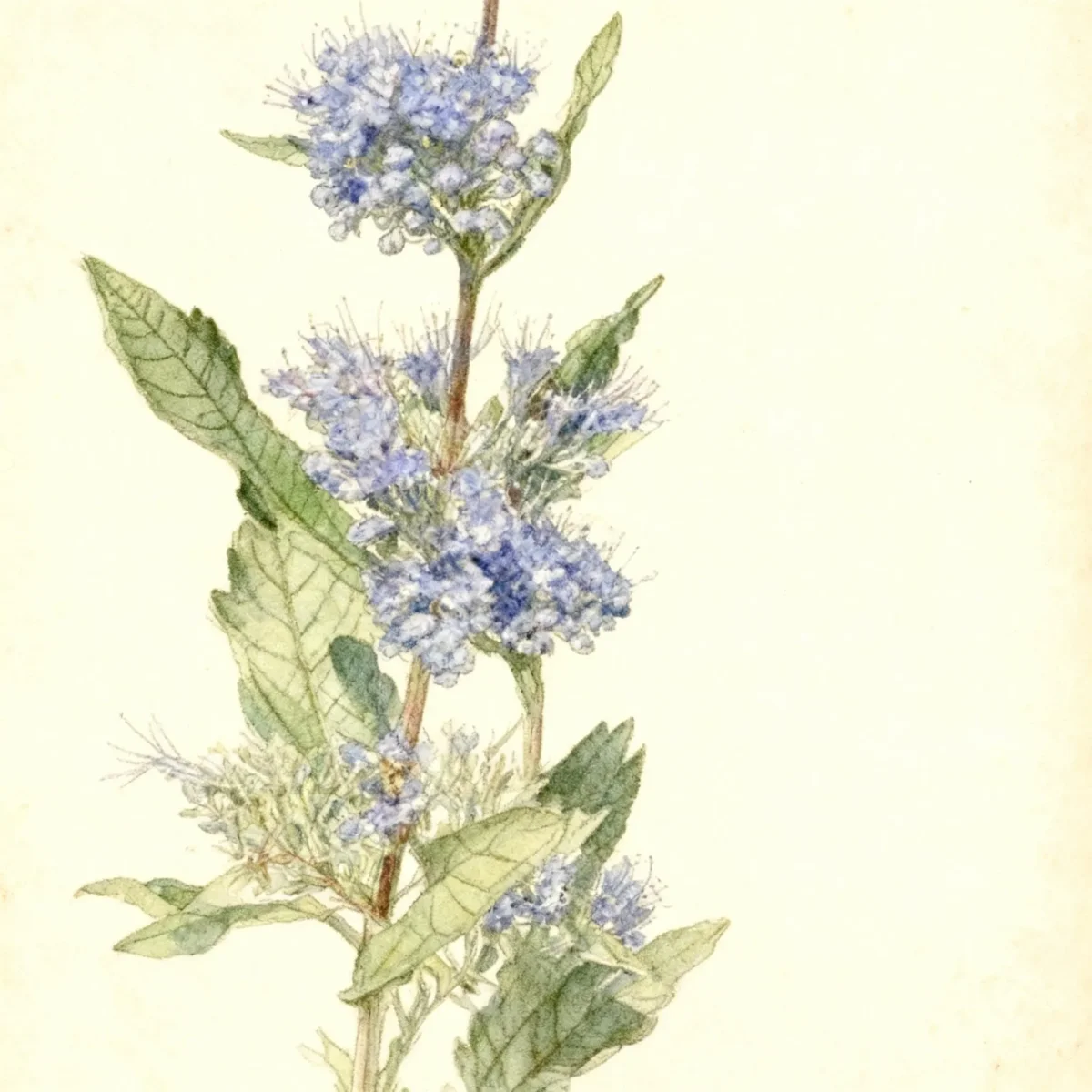
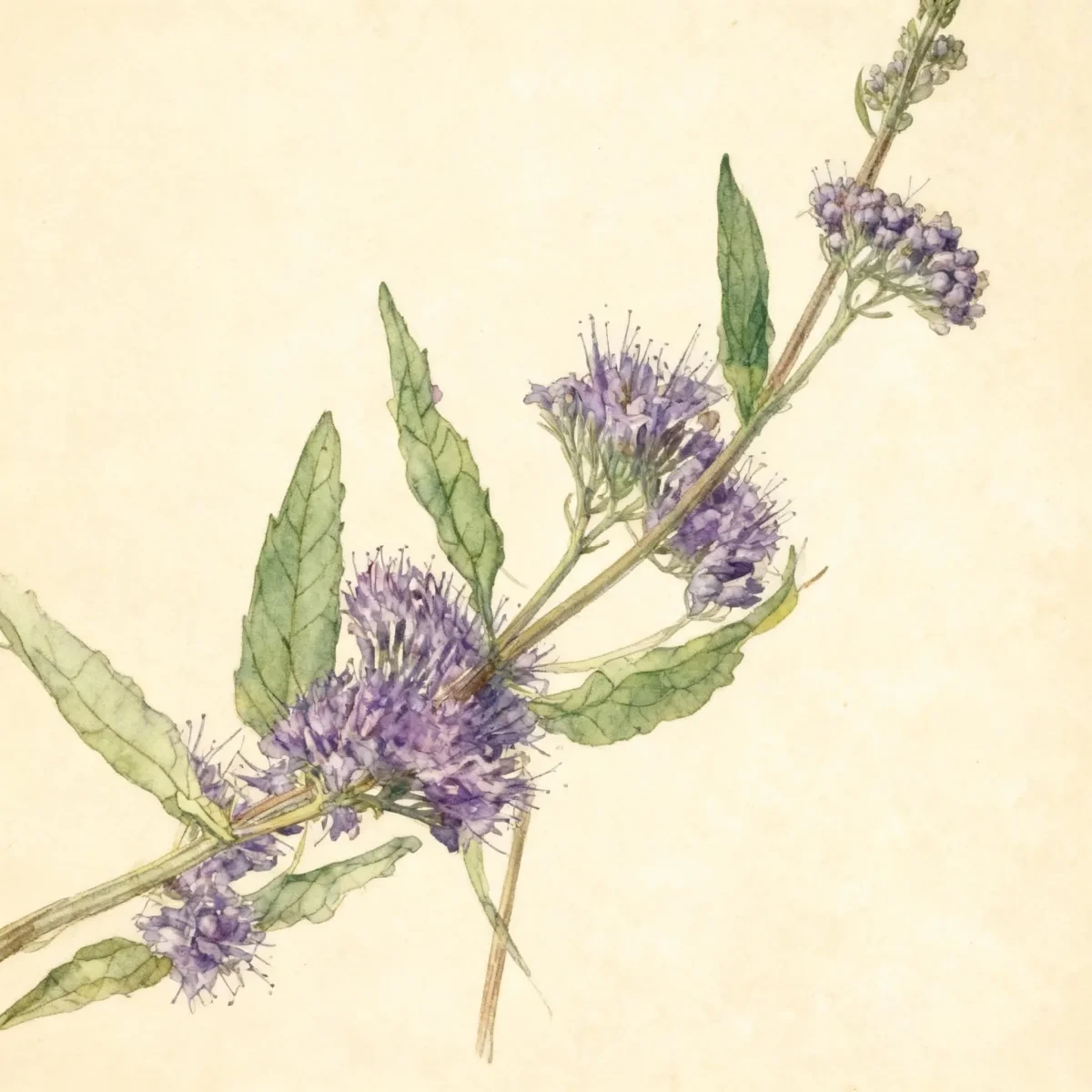
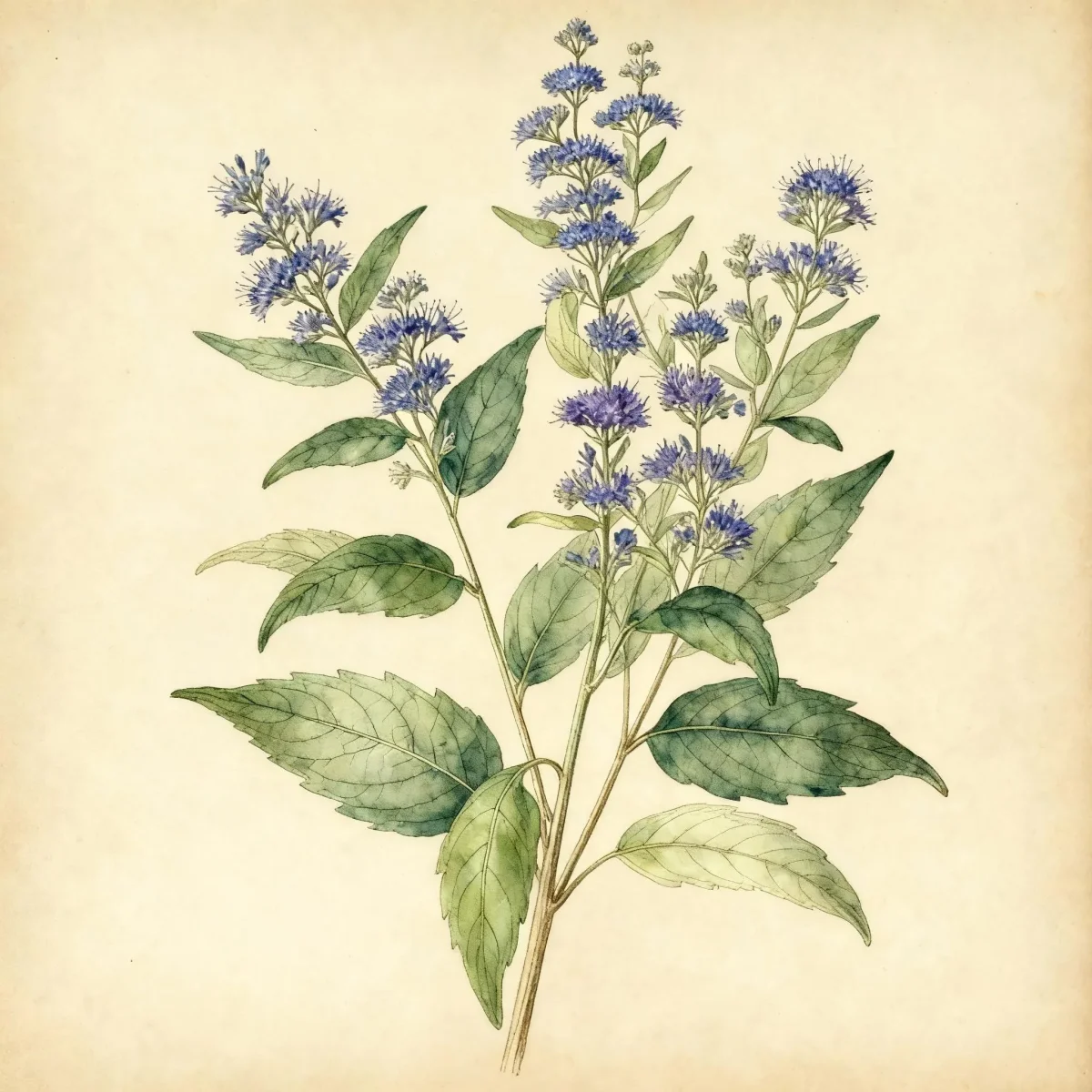
Caryopteris × clandonensis ‘Minibleu’ PETIT BLEU, commonly known as Bluebeard, is highly prized for delivering reliable color late in the summer season when many other shrubs have finished blooming. This compact, deciduous shrub is celebrated for its cloud-like clusters of dark blue flowers that bloom prolifically from July through September. Beyond its aesthetic appeal, the foliage releases a pleasant aroma when brushed, adding another sensory dimension to the garden.
This cultivar exhibits a tight, low-mounded growth habit, reaching only 2 to 2.5 feet tall, making it perfect for edging or front-of-border placement. The key to maintaining vigorous growth and abundant blossoms on this Bluebeard is understanding its response to winter temperatures and pruning practices.
Valued for being relatively pest-free and tolerant of dry spells once established, Caryopteris × clandonensis ‘Minibleu’ PETIT BLEU is a low-maintenance choice for gardeners seeking dependable late-season pollinator support. Ensure it receives ample sunlight to maximize flower production.
Fast Facts
- Plant Family: Lamiaceae
- Plant Type: Deciduous shrub
- Hardiness Zones: USDA Zones 5-9
- Size at Maturity:
- Height: 2-2.5 ft
- Spread: 2-2.5 ft
- Bloom Time: July to September
- Bloom Description: Dark blue
- Sun Exposure: Full sun
- Water Needs: Medium
- Maintenance Level: Low
How to Grow
Plant Caryopteris × clandonensis ‘Minibleu’ PETIT BLEU in the spring or fall in average, medium-moisture, well-drained soil. Full sun exposure is mandatory for this shrub; insufficient light results in sparse flowering. While it tolerates some drought conditions once established, consistently avoid wet, poorly-drained sites, as the crowns are highly susceptible to rot under such conditions.
Water needs are medium, primarily focusing on establishment. After the first year, the plant is relatively drought-tolerant, though deep watering during extended dry periods is beneficial. Fertilization is rarely required due to its low maintenance nature.
Pruning is a crucial cultural aspect for this Bluebeard. While the roots are reliably hardy to Zone 5, the top growth in Zones 5 and 6 often dies back completely during harsh winters. Gardeners in these colder zones should plan to prune all stems back hard in early spring, cutting them close to the ground. Even in warmer climates where the stems may survive, hard pruning in early spring is frequently done to promote fresh, vigorous new wood, which is where all the spectacular blooms appear.
Landscape Uses
The compact stature and late blooming period make Caryopteris × clandonensis ‘Minibleu’ PETIT BLEU an outstanding contributor to perennial and shrub borders. Its ability to bloom when summer vitality fades fills an important niche in the late-season garden palette.
This variety works exceptionally well when massed or planted in large groups to create a striking, low hedge or large textural block of blue color. Consider placing it near paths or seating areas where its lightly aromatic foliage can be easily appreciated by passing hands.
For companion planting, pair this Bluebeard with plants that appreciate similar sun and soil profiles, such as late-blooming Sedum ‘Autumn Joy’, ornamental grasses, or hardy Aster varieties. The deep blue blooms contrast beautifully with yellows and whites from fall perennials.
Standout Features
Flower Qualities
- Showy
Noteworthy Characteristics
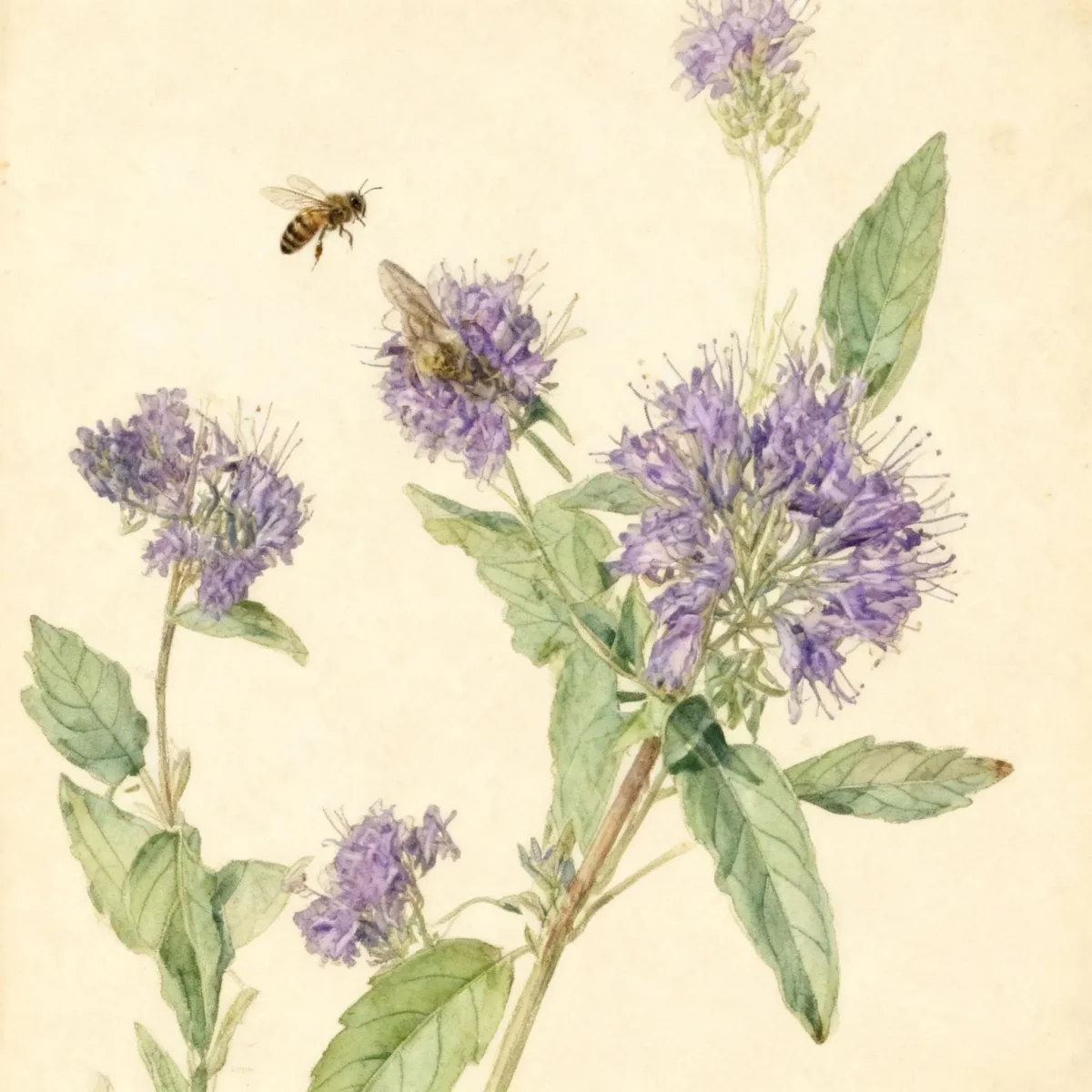
Caryopteris × clandonensis, commonly called bluebeard, is valued for its aromatic foliage and late summer flowers said to resemble clouds of blue smoke or mist. This specific dwarf hybrid cultivar, ‘Minibleu’, is celebrated for its intense dark blue flowers, glossy dark green leaves, and very compact, free-branching habit, achieving a uniform 2-2.5 foot size. Flowers cluster in terminal and axillary cymes, providing reliable color from mid-summer well into the autumn months, attracting essential pollinators like butterflies and bees.
Tolerances
- Drought
Potential Problems
Caryopteris × clandonensis ‘Minibleu’ PETIT BLEU generally avoids serious pest or disease issues, contributing significantly to its low maintenance rating. The primary physiological threat relates directly to soil conditions; crowns are very prone to rotting if the soil remains saturated or poorly drained, particularly over winter. Always amend heavy clay soils with grit or compost to improve drainage before planting this Bluebeard.
Winter dieback is expected in colder sections of its range (Zones 5 and 6), which should be managed by treating it as a herbaceous perennial rather than a woody shrub in those climates, cutting it back hard in spring.
Frequently Asked Questions
What hardiness zones is Bluebeard suitable for?
Caryopteris × clandonensis ‘Minibleu’ PETIT BLEU is reliably hardy in USDA Zones 5 through 9, though the top growth may need pruning back in the colder end of that range.
How large does Caryopteris × clandonensis ‘Minibleu’ PETIT BLEU grow?
This compact cultivar typically matures to a height and spread between 2 and 2.5 feet.
When does Bluebeard bloom?
This plant provides excellent late-season interest, with dark blue flowers appearing reliably from July through September.
What sun exposure does Caryopteris × clandonensis ‘Minibleu’ PETIT BLEU need?
For the best flowering performance and dense habit, this shrub requires full sun exposure throughout the day.
Conclusion
The compact size, aromatic foliage, and exceptional late-season dark blue flowers secure Caryopteris × clandonensis ‘Minibleu’ PETIT BLEU’s place as a garden favorite. This Bluebeard offers essential late color with minimal fuss, provided drainage is adequate and you are prepared for necessary spring pruning in colder areas. Check your local hardiness zone compatibility before planning its permanent home in your landscape this season.
Companion Planting
Selecting companions that share sunny, well-drained requirements will ensure Bluebeard thrives alongside them. Look toward robust late-season bloomers that offer textural or color contrast, such as hardy Russian Sage (Perovskia atriplicifolia), which provides contrasting silvery foliage and purple-blue spikes.
For lower borders, groundcovers that can handle dryness, like creeping thyme or certain low-growing ornamental grasses, work well adjacent to the mounding form of Caryopteris × clandonensis ‘Minibleu’ PETIT BLEU. Avoid planting near moisture-loving perennials, as this can compromise the shrub’s required drainage regime.
Wildlife Benefits
The flowers of Caryopteris × clandonensis ‘Minibleu’ PETIT BLEU are highly attractive to numerous beneficial insects when many other nectar sources have waned. Gardeners focused on supporting local ecosystems will appreciate that this shrub is a magnet for bees looking to stock up before the cooler months arrive.
Its value as a late-season nectar source makes it essential for butterfly migratory paths or for local species preparing for winter. Planting this Bluebeard ensures your garden remains a vibrant pit stop for pollinators throughout the late summer and early fall.