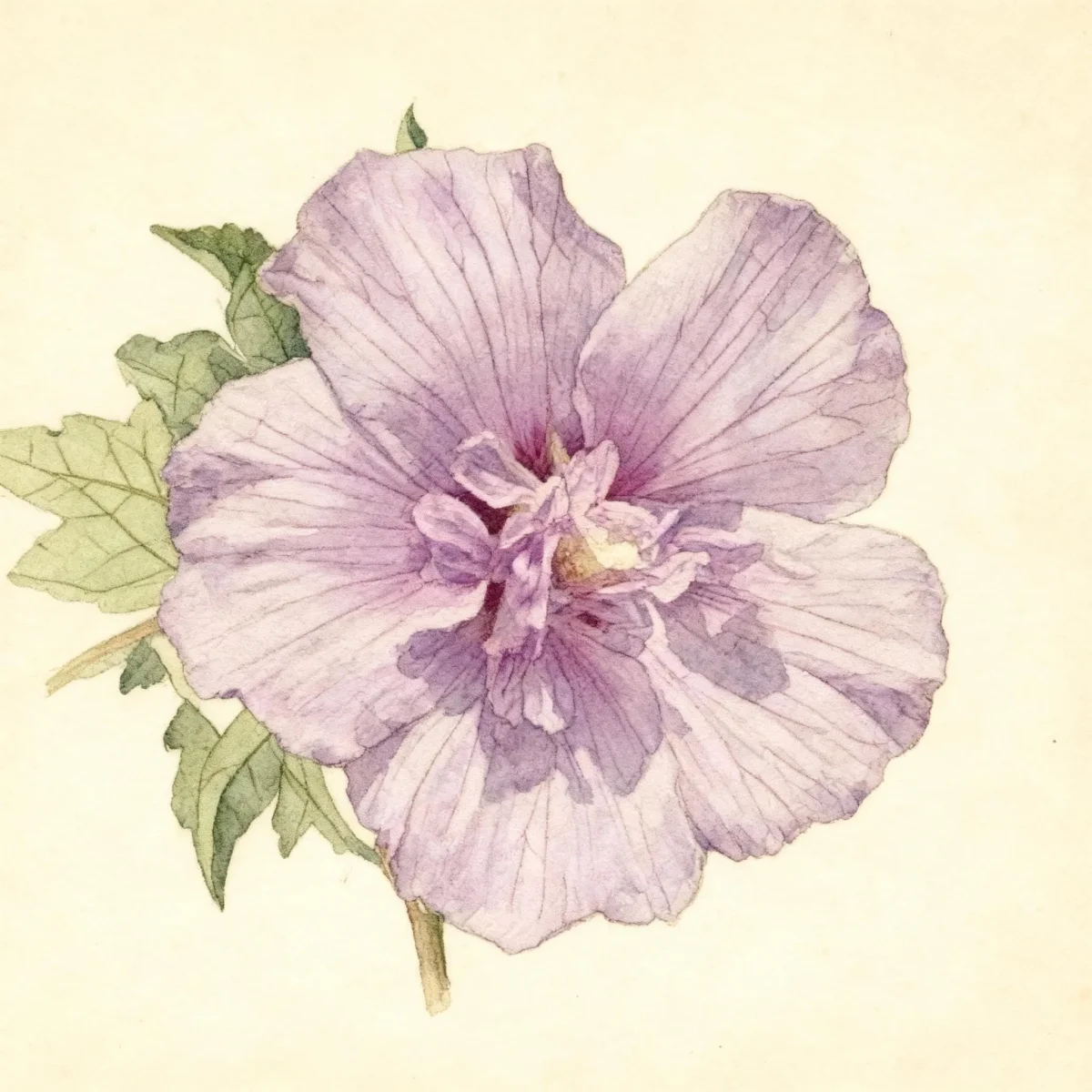
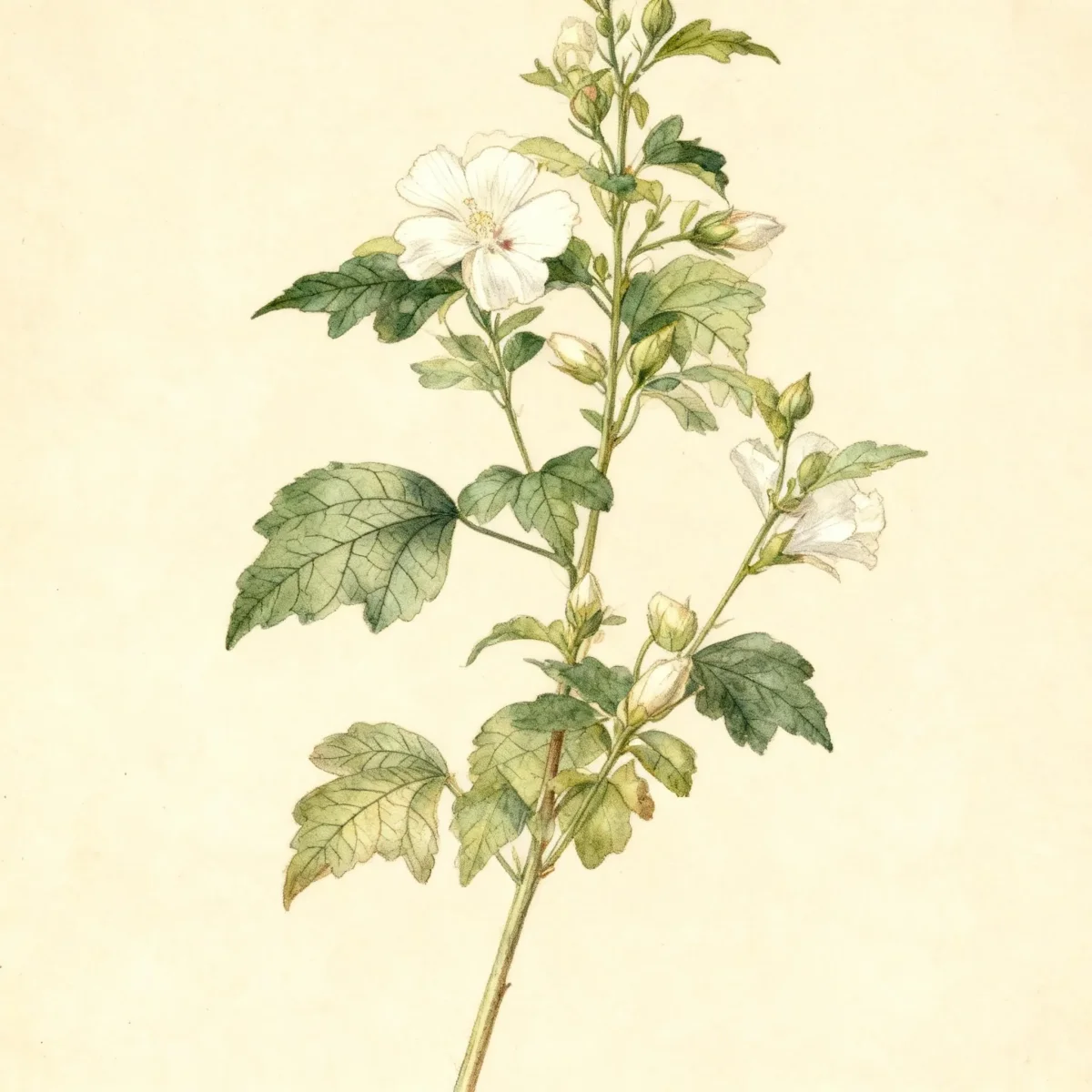
Rose of Sharon (Hibiscus syriacus 'Antong Two' LIL' KIM)
Discover Hibiscus syriacus 'Antong Two' LIL' KIM, a compact Rose of Sharon offering white blooms through fall. Low maintenance and heat tolerant.
Scroll down to discover growing tips, care requirements, companion plants, and more
Complete Plant Information
Overview
Hibiscus syriacus ‘Antong Two’ LIL’ KIM, commonly known as the compact Rose of Sharon, is a marvelous addition to small gardens where space is limited. This cultivar maintains the vigorous flowering habit of larger specimens but remains neatly contained, fitting perfectly into foundation plantings or borders. Gardeners highly value this plant for its exceptionally long bloom window, providing continuous color from mid-summer well into autumn.
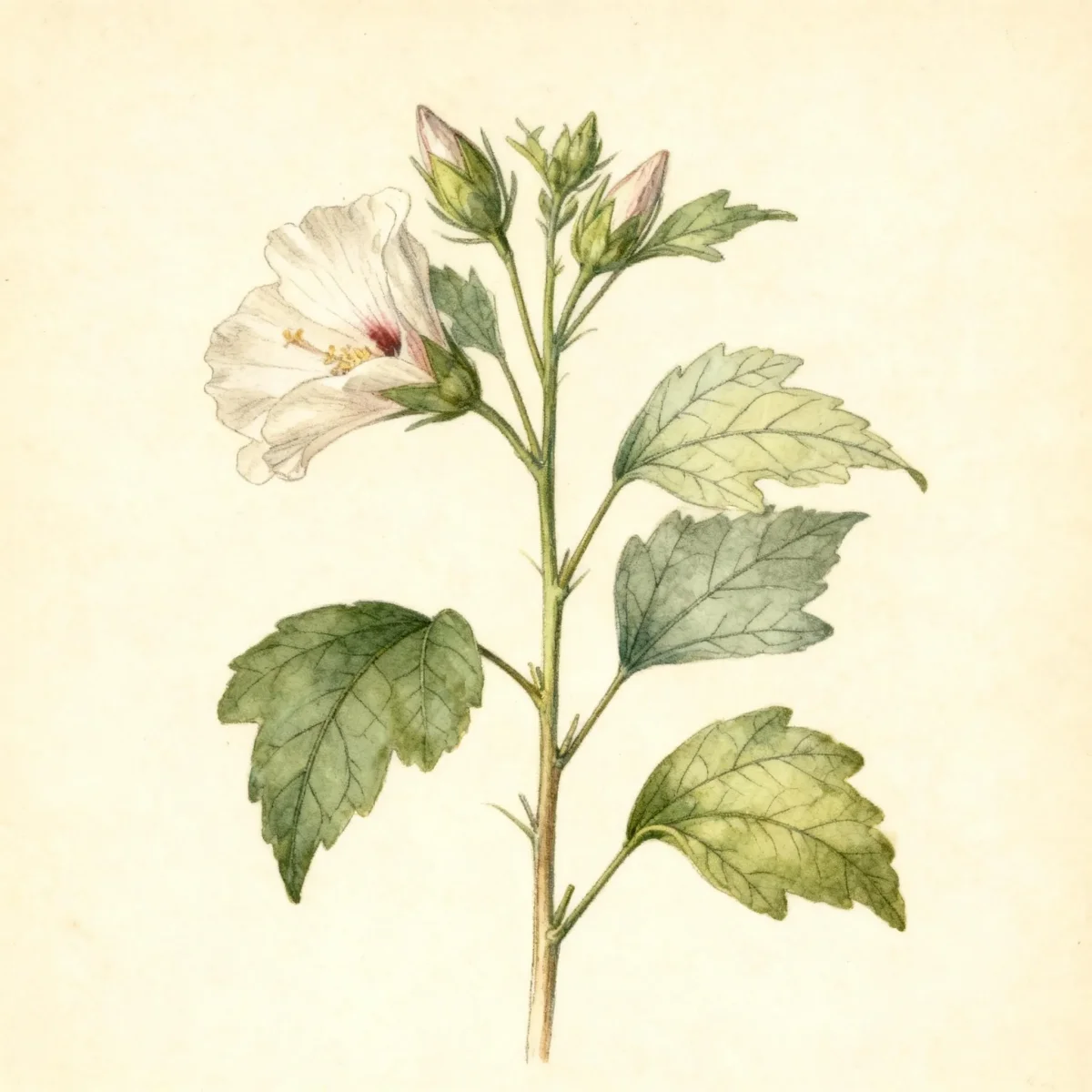
As a deciduous shrub, the Rose of Sharon offers structural interest even after leaf drop, though its primary appeal is the abundant, hollyhock-like flowers that appear when many other shrubs are finished blooming. The specific variety ‘Antong Two’ (LIL’ KIM) is prized for its manageable size, typically reaching only 3 to 5 feet tall and wide, making it an easy shrub to manage.
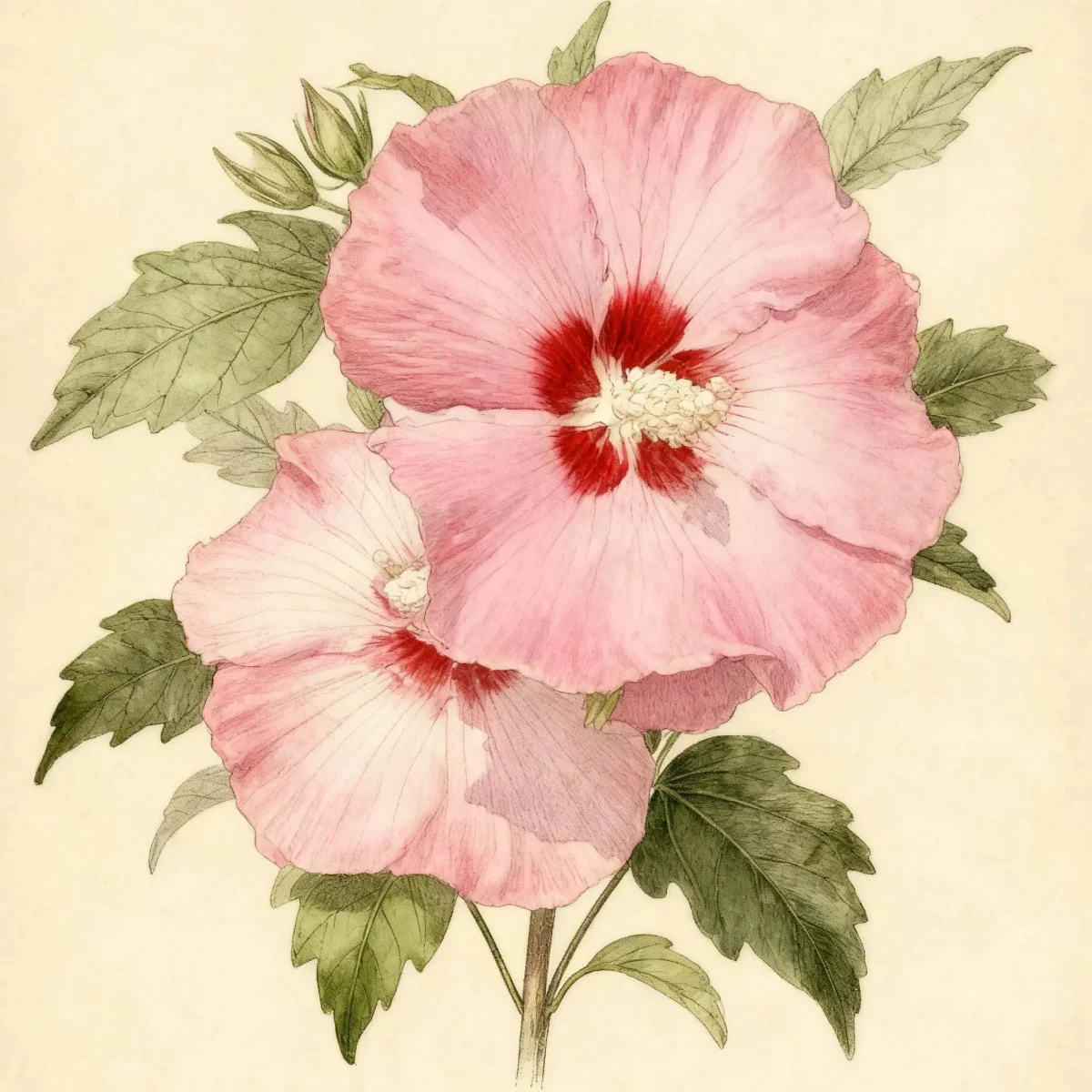
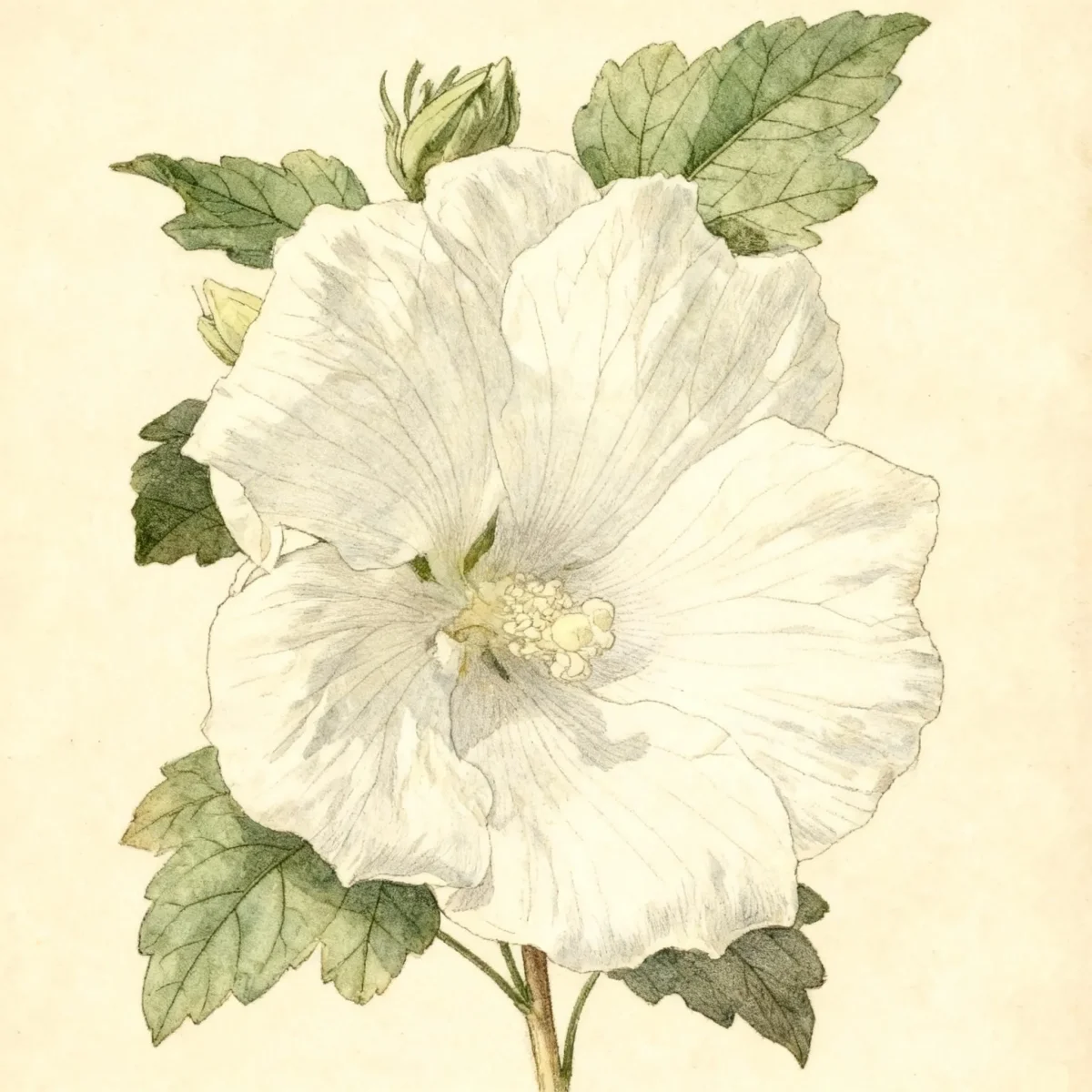
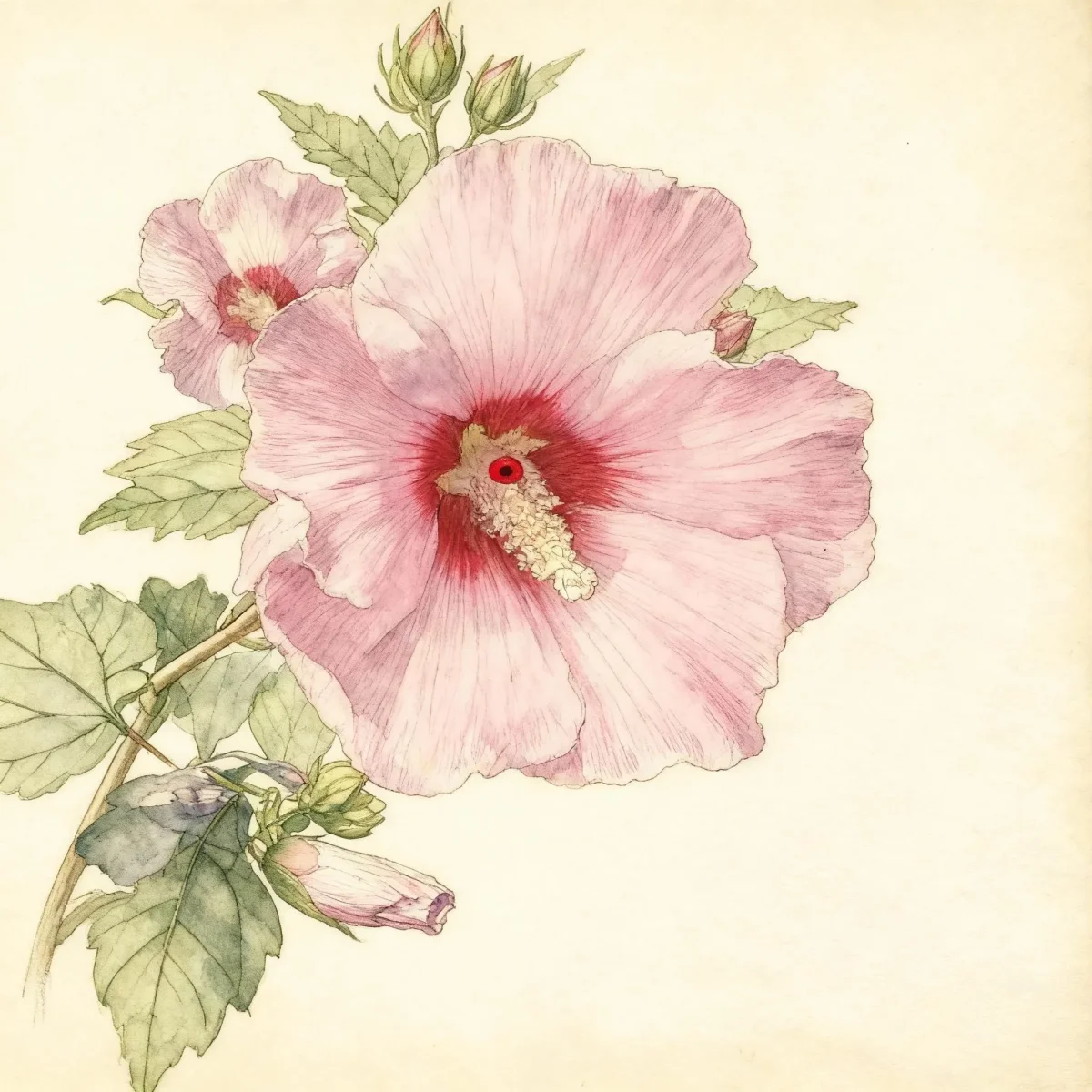
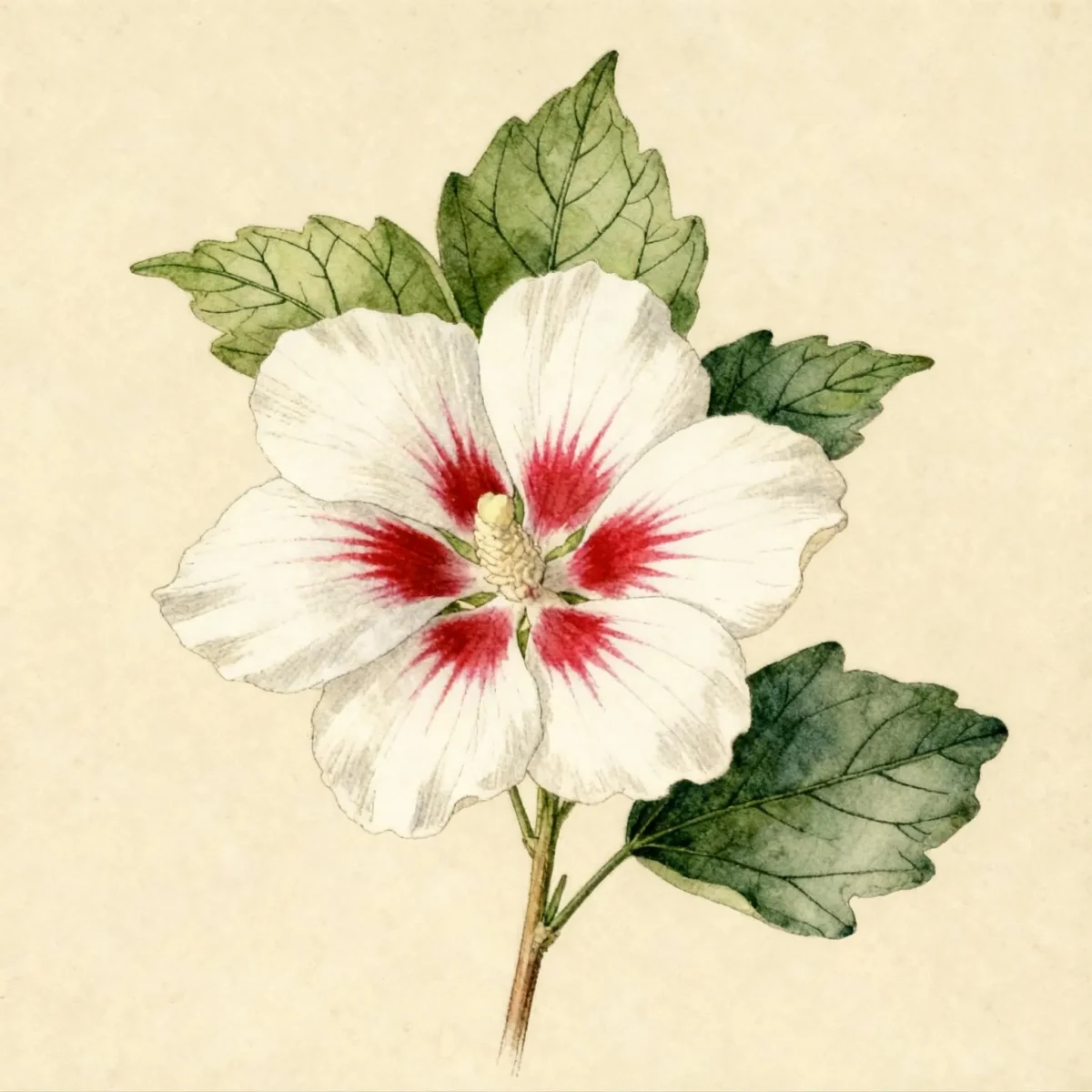
This plant proves resilient across varied conditions, tolerating difficult soils and summer heat with ease, which secures its place as a robust, low-maintenance flowering anchor in many landscapes. Enjoying the striking white flowers with a deep red eye on Hibiscus syriacus ‘Antong Two’ LIL’ KIM throughout the longest days of summer is a hallmark of successful, low-effort gardening.
Fast Facts
- Plant Family: Malvaceae
- Plant Type: Deciduous shrub
- Hardiness Zones: USDA Zones 5-8
- Size at Maturity:
- Height: 3-5 ft
- Spread: 2-4 ft
- Bloom Time: June to October
- Bloom Description: White with red eye
- Sun Exposure: Full sun to part shade
- Water Needs: Medium
- Maintenance Level: Low
How to Grow
Planting your Rose of Sharon, including the compact Hibiscus syriacus ‘Antong Two’ LIL’ KIM, is best done in spring after the danger of hard frost has passed, or in early fall for sufficient root establishment before winter. These shrubs thrive best in full sun, which maximizes flower production, though they can tolerate partial shade if necessary. They prefer average, well-drained soils, but this species is highly adaptable and handles poor soils and moderate droughts once established.
Watering should be consistent while the plant is young, aiming for medium moisture content in the soil. Mature plants tolerate drought reasonably well, requiring supplemental water only during extended dry periods, especially during the peak heat of summer. While they prefer organically rich soil, heavy fertilization is usually unnecessary for the low-maintenance Hibiscus syriacus ‘Antong Two’ LIL’ KIM.
Pruning is straightforward for this compact cultivar. To maintain shape and encourage the best display, prune lightly to shape the shrub in the spring. If you desire slightly larger blooms on your Rose of Sharon, you can cut back the previous year’s growth to just two or three buds in late winter, but be aware this reduces the overall number of flowers.
Landscape Uses
The reduced stature of Hibiscus syriacus ‘Antong Two’ LIL’ KIM makes it extremely versatile, solving common landscaping dilemmas where standard, taller cultivars would overwhelm the space. It excels when massed together to form a flowering foundation planting or used as an accent specimen near decks and patios. This plant serves well in shrub borders, providing reliable seasonal color against evergreen backdrops.
Because of its tolerance for urban conditions and ability to handle clay soil, the Rose of Sharon is an outstanding choice for street plantings or mixed commodity borders. Consider pairing this crisp white-flowering variety with deep purple or bright pink companion Hibiscus varieties for strong visual contrast throughout the late summer season. Its upright, vase-shaped habit means it effectively screens low views without becoming overly invasive or sprawling.
Standout Features
Flower Qualities
- Showy
Noteworthy Characteristics
Hibiscus syriacus, commonly called rose of Sharon or shrub althea, is a vigorous, upright, vase-shaped, multi-stemmed, deciduous shrub that typically grows 8-12’ tall for species plants, though this cultivar remains smaller. Showy, hollyhock-like, 5-petaled flowers appear over a long, early-summer to fall bloom period, featuring a prominent center staminal column. The specific cultivar ‘Antong Two’, sold as LIL’ KIM, is miniature, growing only to 3-5’ tall and featuring small ruffled, white, single flowers accented by a distinct red eye.
Tolerances
- Deer
- Drought
- Clay Soil
- Black Walnut
Potential Problems
This Rose of Sharon exhibits general hardiness, but gardeners should monitor for fungal issues like leaf spots, blights, and rusts, which can appear, particularly in humid conditions or if air circulation is poor. Canker is another potential risk for this plant species.
Insect pests are occasional visitors; look out for aphids and whiteflies, though the most damaging potential visitor is the Japanese beetle. If Japanese beetle presence is noted, immediate treatment is necessary, as this pest can skeletonize the foliage of your Hibiscus syriacus ‘Antong Two’ LIL’ KIM very quickly. Routine inspection and quick intervention handle most pest issues effectively.
Frequently Asked Questions
What hardiness zones is Rose of Sharon suitable for?
This variety of Rose of Sharon, Hibiscus syriacus ‘Antong Two’ LIL’ KIM, is hardy and reliably grows in USDA Hardiness Zones 5 through 8.
How large does Hibiscus syriacus ‘Antong Two’ LIL’ KIM grow?
This compact cultivar is significantly smaller than the species, reaching a manageable mature height between 3 and 5 feet tall and spreading 2 to 4 feet wide.
When does Rose of Sharon bloom?
The bloom time for this robust shrub is extensive, running from June all the way through October, featuring lovely white flowers with a contrasting red eye.
What sun exposure does Rose of Sharon need?
For optimal flowering performance, plant your Rose of Sharon where it receives full sun, although it will tolerate partial shade environments.
Conclusion
The Hibiscus syriacus ‘Antong Two’ LIL’ KIM stands out as a low-maintenance powerhouse, offering a spectacular, drawn-out season of white blooms ideal for smaller garden spaces. As a tough Rose of Sharon, it handles marginal soils and humidity well, making it a reliable performer through the summer heat. Before planting, confirm that your USDA zone falls between 5 and 8, and enjoy this exceptional compact shrub starting this coming summer.
Companion Planting
Selecting the right companions enhances the appeal of your Rose of Sharon throughout the season. Since this hibiscus blooms late in the summer when many spring and early summer perennials have faded, choose companions that offer early structure or late fall interest. Consider planting lower-growing ornamental grasses nearby, such as Switchgrass cultivars, as their texture contrasts beautifully with the broad leaves and large flowers of the Hibiscus syriacus ‘Antong Two’ LIL’ KIM.
For color coordination, pairing the white and red eye of the LIL’ KIM cultivar with blue or deep purple flowering plants creates a vibrant, classic cottage garden look. Catmint (Nepeta) or shorter varieties of Russian Sage (Perovskia) work well at the shrub’s base, as they appreciate the same full sun exposure and don’t compete aggressively for nutrients.
Propagation Tips
While the species plant readily self-seeds in ideal settings, propagating the specific cultivar Hibiscus syriacus ‘Antong Two’ LIL’ KIM to ensure true-to-type flowers requires vegetative methods. The easiest and most common way to multiply this shrub is through semi-hardwood stem cuttings. Take cuttings in mid-summer when the new growth is slightly firm but not woody.
Ensure your cuttings are wounded lightly at the base and treated with rooting hormone before placing them into a fine, moist propagation medium, such as equal parts peat moss and perlite. Providing bottom heat and maintaining high humidity, perhaps under plastic, drastically improves the success rate for these deciduous shrub cuttings. While propagation by seed is mentioned for the general species, expect genetic variation, meaning seedlings usually will not replicate the signature white and red-eyed blooms of the LIL’ KIM Rose of Sharon.