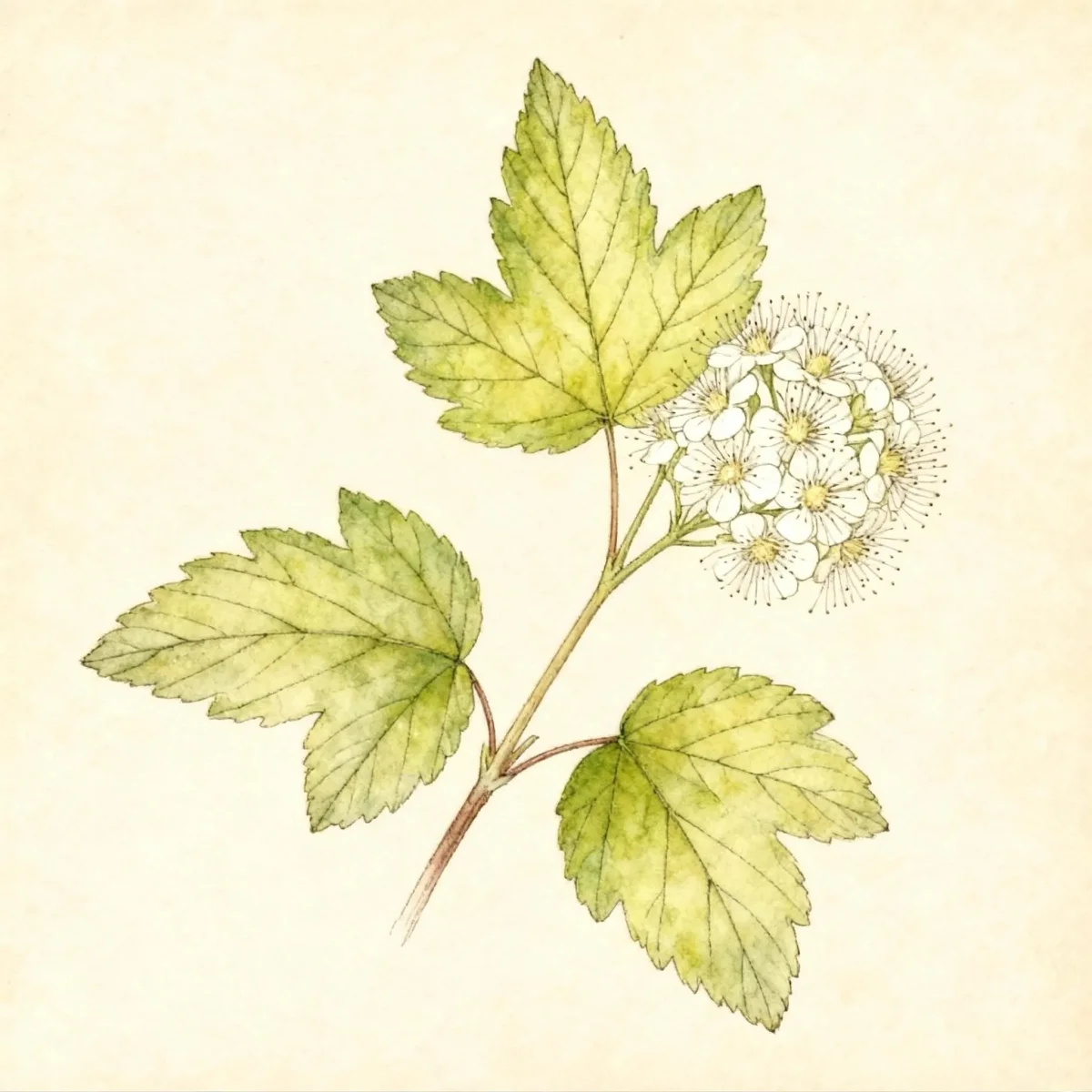
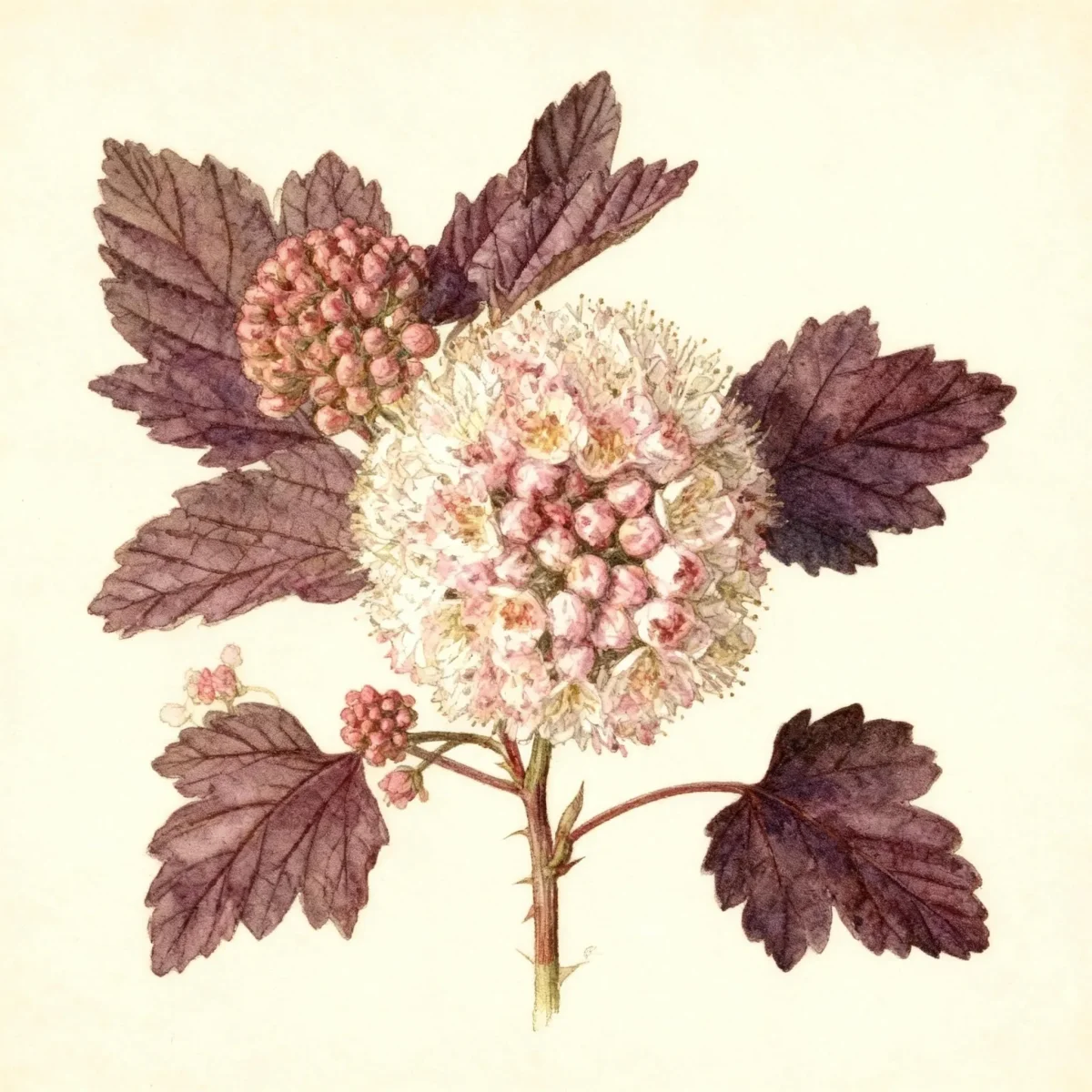
Ninebark (Physocarpus opulifolius 'Mindia' COPPERTINA)
Discover Physocarpus opulifolius 'Mindia' COPPERTINA Ninebark - a compact shrub with stunning copper-to-red foliage, excellent performance in tough soils.
Scroll down to discover growing tips, care requirements, companion plants, and more
Complete Plant Information
Overview
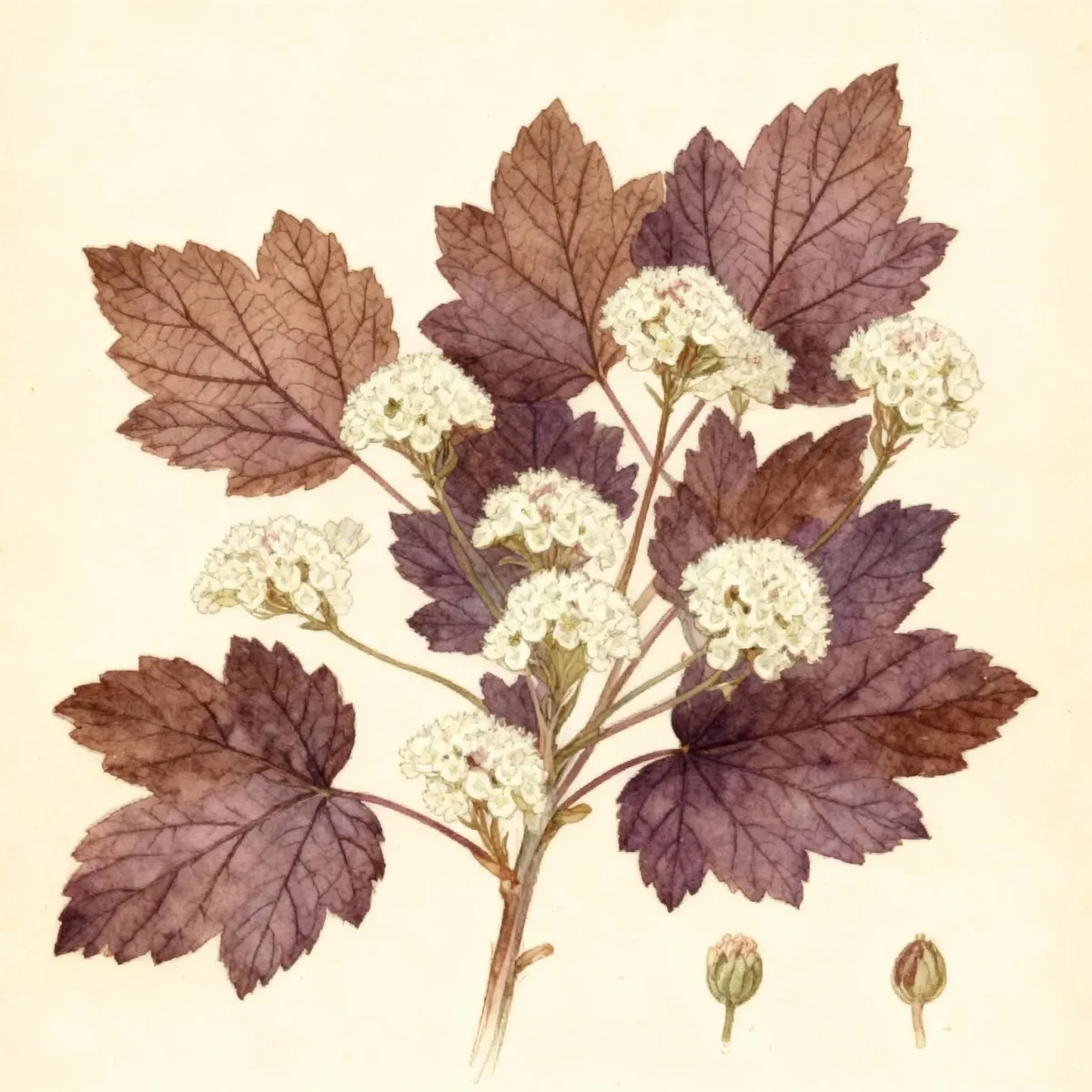
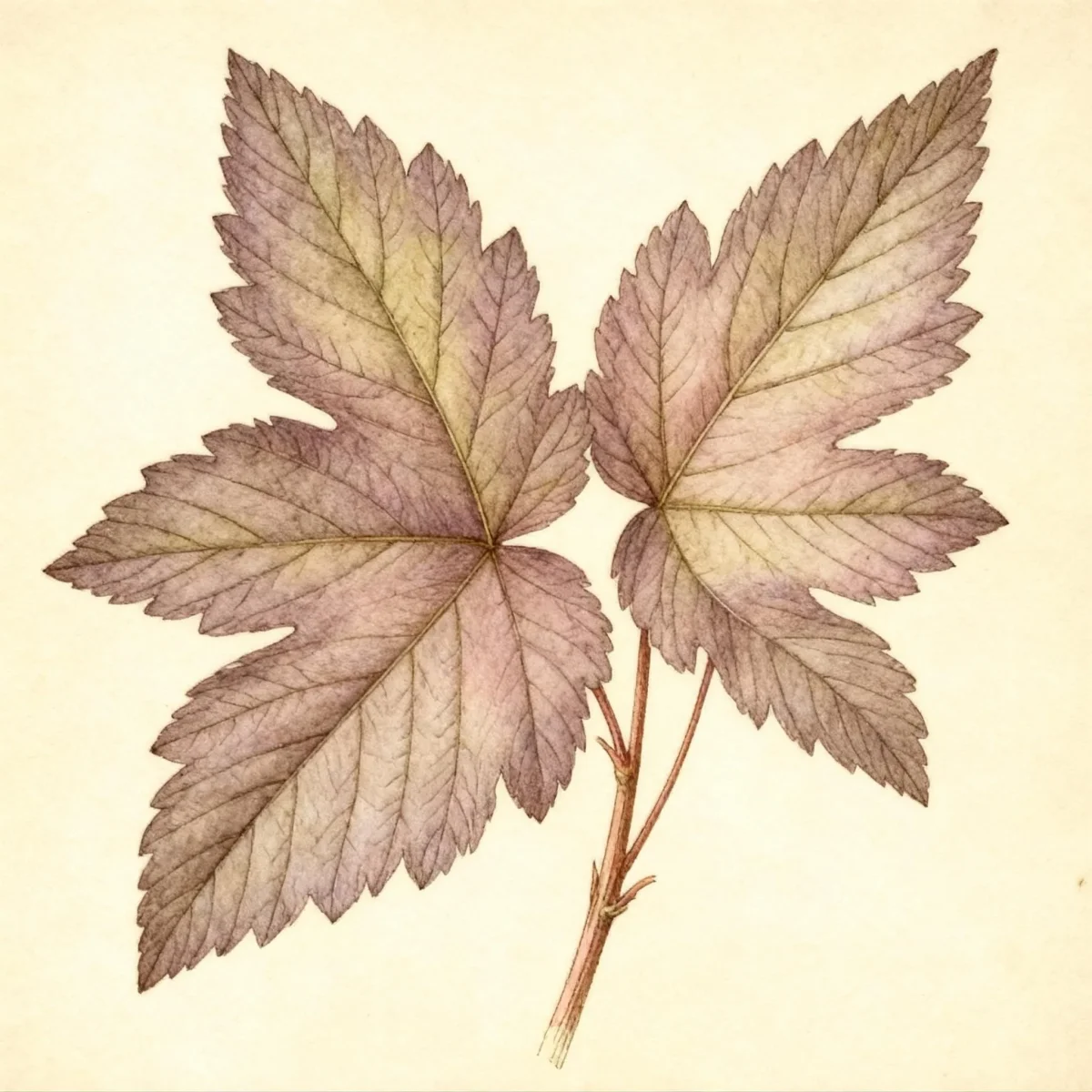
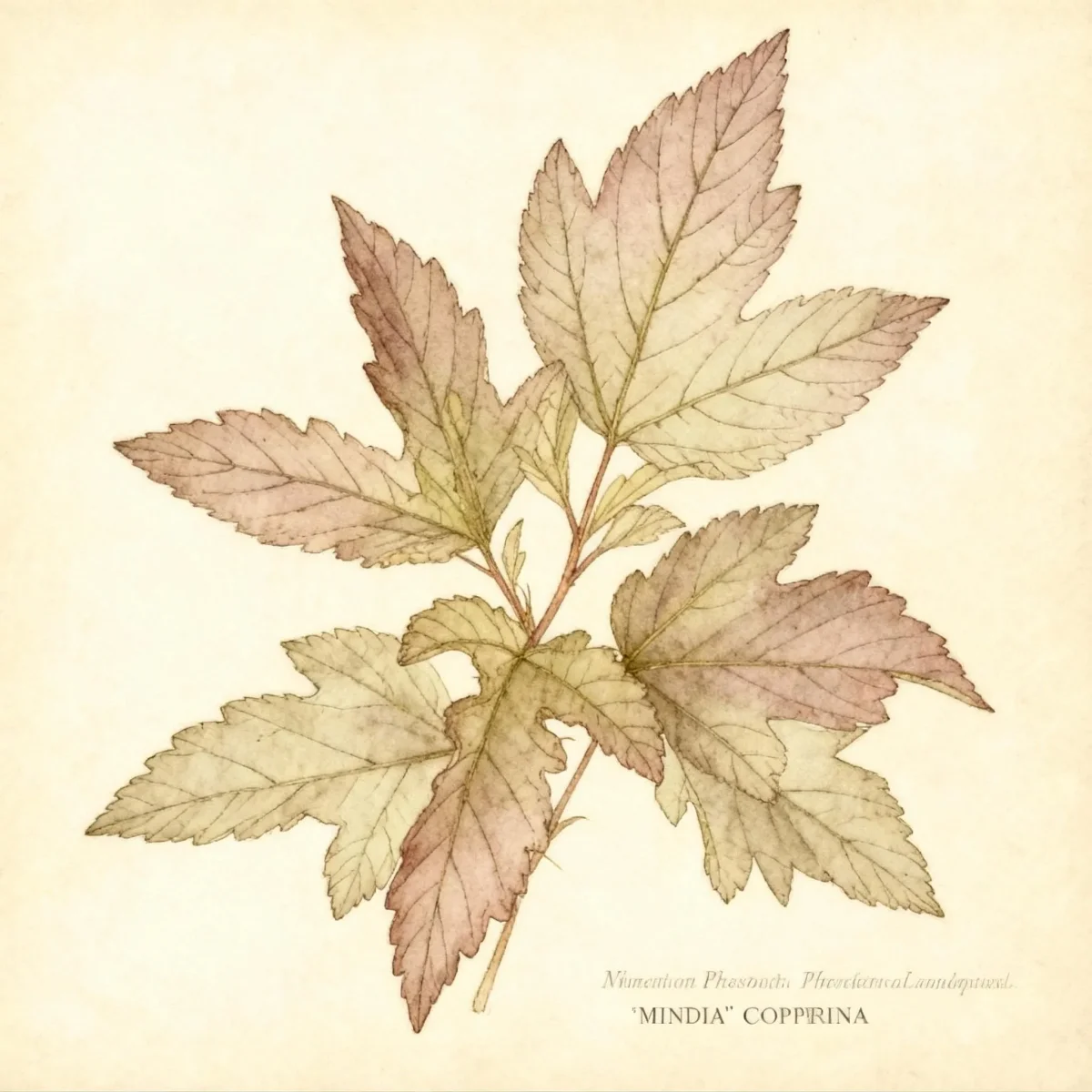
Physocarpus opulifolius ‘Mindia’ COPPERTINA, known commonly as Ninebark, is prized for its dramatic seasonal interest and robust constitution. This cultivar offers vibrant foliage, emerging bright orange-copper in spring before deepening to a rich red hue by mid-summer, providing color when many other shrubs fade. Its exfoliating bark offers texture and visual appeal, particularly valuable during the winter months.
This deciduous shrub is highly adaptable, thriving across a wide range of soil types, which makes it a reliable choice for challenging garden locations. It maintains a manageable, compact, mounding habit, unlike some aggressive relatives, and is an excellent low-maintenance anchor plant. Both the flowers and the subsequent foliage make the Ninebark a versatile specimen for structure and year-round appeal in modern landscapes.
As a patented cultivar, Physocarpus opulifolius ‘Mindia’ COPPERTINA brings reliability in performance, noted for being less prone to suckering than the wild species. Its ability to handle dryness once established ensures that it remains attractive even through hot, dry spells, requiring only medium attention from the gardener.
Fast Facts
- Plant Family: Rosaceae
- Plant Type: Deciduous shrub
- Hardiness Zones: USDA Zones 3-7
- Size at Maturity:
- Height: 6-8 ft
- Spread: 6-8 ft
- Bloom Time: May to June
- Bloom Description: Pinkish-white
- Sun Exposure: Full sun to part shade
- Water Needs: Dry to medium
- Maintenance Level: Medium
How to Grow
Planting Physocarpus opulifolius ‘Mindia’ COPPERTINA is best done in spring or fall when temperatures are mild, ensuring root establishment before extreme summer heat or deep winter cold. This Ninebark tolerates an easily grown in average, slightly acidic soil, though it handles a wide variety of conditions, including clay. For the best foliage color saturation, plant in full sun, especially in the cooler northern parts of its range.
Watering needs are generally low to medium; once established, this shrub is quite drought tolerant. Avoid continuous wet feet, as the plant performs best in well-drained sites. Little fertilization is usually required, but if needed, apply during early spring before new growth begins.
Pruning should be kept minimal to maintain the shrub’s natural form. If significant shaping is required, prune immediately following bloom, ensuring all cuts are made no later than mid-August to allow time for winter hardening. For severe rejuvenation of older plants, they tolerate being cut close to the ground in early spring.
Landscape Uses
This compact Ninebark excels as a formal or informal hedge due to its reliable 6 to 8-foot spread and dense structure. It is highly effective when massed on natural banks where its tolerance for poor soil and erosion control capabilities can be maximized. The vibrant foliage ensures that even when not blooming, Physocarpus opulifolius ‘Mindia’ COPPERTINA provides essential color structure.
Consider using this tough shrub in native plant gardens, where it blends well with other resilient perennials and shrubs that thrive in challenging conditions. It also performs admirably as a screen or backdrop in shrub borders, contrasting beautifully against silver, blue, or dark green foliage plants. Furthermore, its adaptable nature means it can be successfully grown in large containers for patio display.
Standout Features
Flower Qualities
- Showy
Noteworthy Characteristics
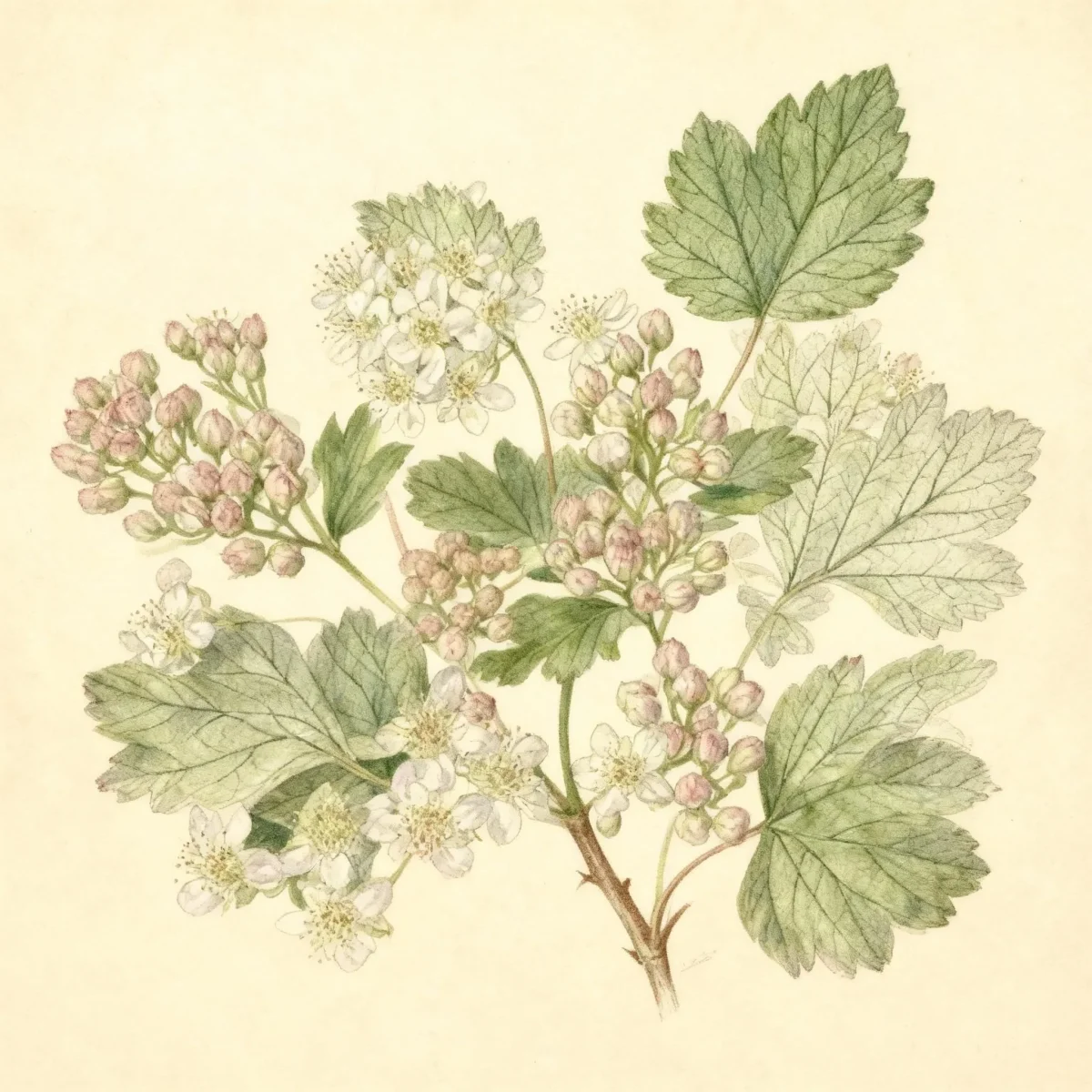
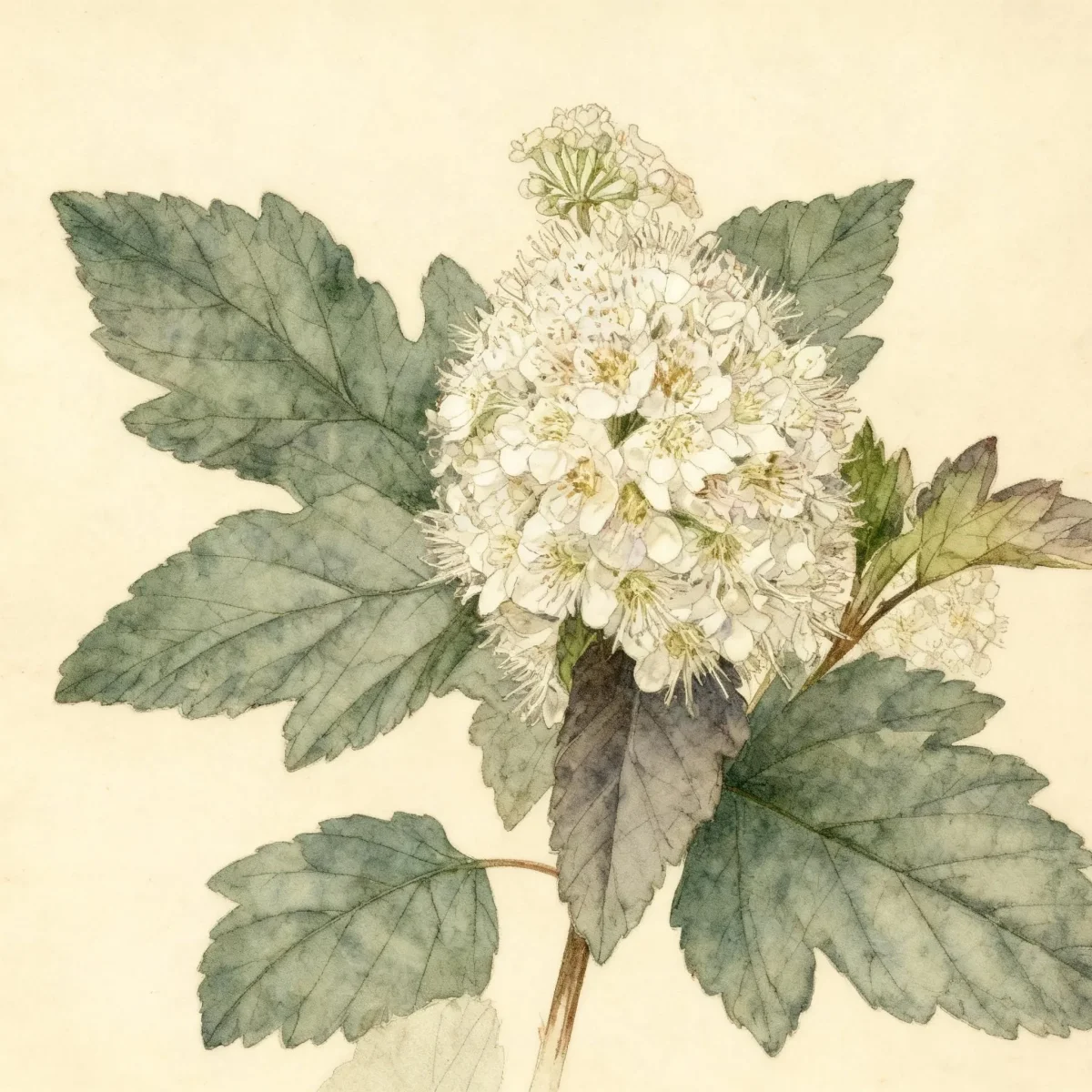
The Ninebark cultivar ‘Mindia’ COPPERTINA is celebrated for its compact, mounding habit, growing to about 6-8 feet tall and wide. Its leaves emerge orange-copper, maturing to a rich red by summer, contrasting with the characteristic exfoliating bark that reveals attractive inner layers for winter interest. True to the genus, it produces small, five-petaled pinkish-white flowers in dense, spirea-like clusters during late spring.
Tolerances
- Drought
- Erosion
- Clay Soil
- Dry Soil
- Shallow-Rocky Soil
Potential Problems
Physocarpus opulifolius ‘Mindia’ COPPERTINA generally exhibits good resilience in the landscape. However, like many members of the Rosaceae family, it can potentially be afflicted by fireblight, powdery mildew, and various leaf spot diseases.
The cultivar is noted for having good resistance to powdery mildew, which is a common issue for less sturdy Ninebark varieties. To manage potential diseases, ensure the shrub receives adequate air circulation by maintaining appropriate spacing and avoiding overhead watering, especially in humid conditions. Promptly remove and destroy any heavily infected foliage to prevent the spread of fungal issues the following season.
Frequently Asked Questions
What hardiness zones is Ninebark suitable for?
Physocarpus opulifolius ‘Mindia’ COPPERTINA Ninebark is robustly suited for USDA Hardiness Zones 3 through 7.
How large does Physocarpus opulifolius ‘Mindia’ COPPERTINA grow?
This specific cultivar typically reaches a height between 6 and 8 feet, with an equal spread of 6 to 8 feet when fully mature.
When does Ninebark bloom?
This Ninebark variety blooms reliably from May into June, presenting clusters of delicate pinkish-white flowers.
What sun exposure does Physocarpus opulifolius ‘Mindia’ COPPERTINA need?
For optimal health and the most intense copper and red leaf coloration, ‘Mindia’ COPPERTINA prefers full sun, though it tolerates light afternoon shade, especially in warmer climates.
Conclusion
The striking foliage and reliable performance under varying soil conditions make Physocarpus opulifolius ‘Mindia’ COPPERTINA a first-rate choice for year-round garden interest. Its compact size and resistance to severe suckering solidify its reputation as a superior landscape Ninebark. Before planting, confirm your location falls within USDA Zones 3-7 and plan for pruning immediately after flowering to ensure the best display next season.
Companion Planting
Selecting appropriate companions enhances the visual appeal of the Ninebark throughout the season. Because Physocarpus opulifolius ‘Mindia’ COPPERTINA handles dry soil and full sun well, pair it with plants that share similar low-water requirements. Groundcovers that bloom in blue or purple tones, such as Russian Sage (Perovskia atriplicifolia) or various ornamental grasses, offer a beautiful textural contrast to the shrub’s mounding shape.
For year-round structure, consider evergreen companions. Dwarf conifers that maintain a silver or blue hue will make the copper and red foliage of the Ninebark “pop” during the growing season, while the dark, exfoliating bark stands out against lighter evergreens in winter. Ensure companions do not require rich, moist soils, as the Ninebark is happiest when its cultural needs trend toward dry to medium moisture.
Seasonal Care Calendar
Spring is the key time for preparation; this is when you can cut back older stems close to the ground for rejuvenation if necessary, or perform light shaping before the leaves emerge. Continue to monitor moisture levels during the first year after planting, providing supplemental water during unexpected dry spells.
Summer care focuses primarily on pruning assessment. If you wish to maintain a tight hedge shape, prune lightly immediately after the late spring bloom finishes, avoiding late summer cuts. Minimal pest or disease issues are expected, thanks to the cultivar’s inherent resistance.
As fall approaches, enjoy the final color transition of the foliage. In winter, while growth is dormant, focus on appreciating the attractive exfoliating bark, which adds significant structure to dormant landscapes. No special winter protection is usually required for this hardy shrub in its recommended zones.