Shrub rose (Rosa 'Chewmaytime' OSO EASY PAPRIKA)
The low-mounded Rosa 'Chewmaytime' OSO EASY PAPRIKA shrub rose offers continuous paprika bloom, great disease resistance, and compact size for small gardens.
Scroll down to discover growing tips, care requirements, companion plants, and more
Complete Plant Information
Overview
Rosa ‘Chewmaytime’ OSO EASY PAPRIKA is a highly valued addition to the modern garden, classified as a reliable Shrub rose. This cultivar is part of the OSO EASY series, specifically selected for its vigorous growth, low-mounding habit, and superior disease resistance, making gardening simpler for enthusiasts. Gardeners prize this variety for its continuous flush of single, paprika-colored flowers that maintain their color well, providing long-lasting visual impact from mid-summer through the first frost.
This low-maintenance Shrub rose typically matures at only 1 to 2 feet tall and wide, offering a compact footprint ideal for smaller spaces where traditional roses might overwhelm. While excellent flowering and disease management are best achieved in full sun, Rosa ‘Chewmaytime’ OSO EASY PAPRIKA still performs admirably with some afternoon shade, adding versatility to landscape designs.
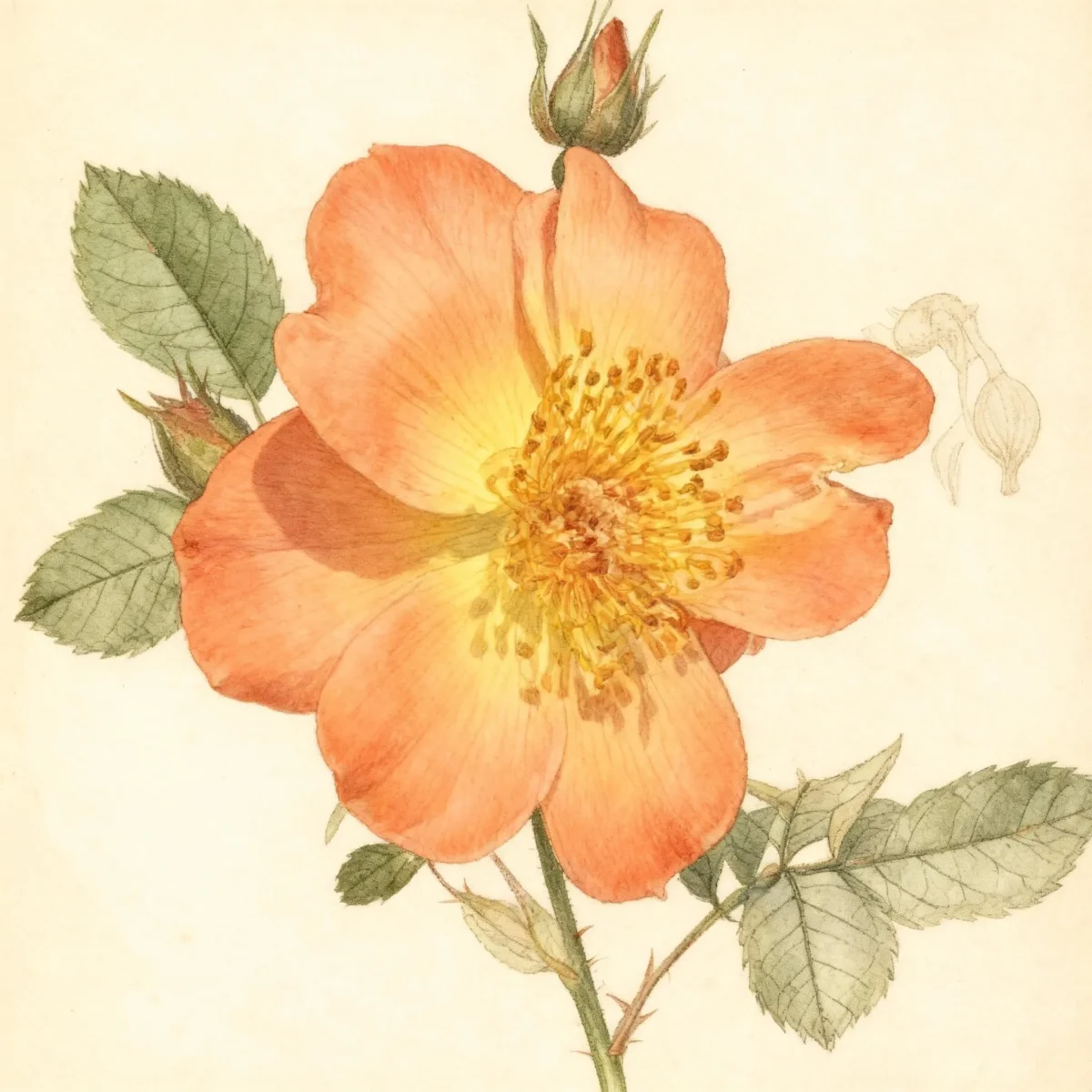
Its glossy, dark green foliage provides a perfect backdrop for the reddish-orange blooms, which feature a bright yellow center. The combination of low stature, continuous bloom cycle, and generally low intervention makes the Rosa ‘Chewmaytime’ OSO EASY PAPRIKA an excellent choice for foundational plantings or border edging where consistent performance is required.
Fast Facts
- Plant Family: Rosaceae
- Plant Type: Deciduous shrub
- Hardiness Zones: USDA Zones 5-9
- Size at Maturity:
- Height: 1-2 ft
- Spread: 1-2 ft
- Bloom Time: June to frost
- Bloom Description: Reddish-orange, fading to coral (single)
- Sun Exposure: Full sun
- Water Needs: Medium
- Maintenance Level: Medium
How to Grow
For the best results with Rosa ‘Chewmaytime’ OSO EASY PAPRIKA, choose a location receiving full sun, although partial afternoon shade is tolerated. Best flowering and disease resistance are strongly correlated with maximum sun exposure. Planting should occur in medium-moisture, slightly acidic, well-drained garden loams.
Water requirements are medium; ensure deep, regular watering, preferably in the mornings to allow foliage to dry quickly, avoiding overhead spraying if possible. To promote vigorous, healthy growth and help stave off foliar diseases by encouraging good air circulation, ensure plants are spaced appropriately according to their 1 to 2-foot mature spread. Applying a summer mulch will aid in moisture retention, cool the roots, and suppress weeds, thereby reducing overall effort.
Deadheading—the process of removing spent flowers—is important as it encourages the Shrub rose to set new buds and continue blooming robustly until frost arrives. Minimal pruning is usually necessary, but perform any shaping or removal of dead or crossing canes in late winter or early spring. In colder pockets within Zones 5 (like the St. Louis region), take the precaution of providing winter protection for the crowns. Finally, maintain cleanliness by destroying fallen or diseased leaves throughout the growing season and during the winter cleanup to minimize pathogen carryover.
Landscape Uses
This compact, mounding Shrub rose, Rosa ‘Chewmaytime’ OSO EASY PAPRIKA, is perfectly suited for areas where space is somewhat limited or a low border is desired. Its manageable size makes it an excellent candidate for border fronts, providing a splash of continuous color against taller background plantings or structures. Consider using several plants together for a solid band of paprika color along a walkway or foundation planting.
The reliable growth habit of this OSO EASY series rose also makes it a natural fit within cottage garden settings, where mixing bloom shapes and textures is encouraged. Because it is relatively unfussy compared to some hybrid teas, it integrates well into general perennial beds or dedicated small sunny areas in contemporary landscape designs. Its low profile also works well near the front of rose gardens, ensuring lower varieties are always visible above groundcover or shorter blooming companions.
Standout Features
Flower Qualities
- Showy
- Fragrant
Noteworthy Characteristics
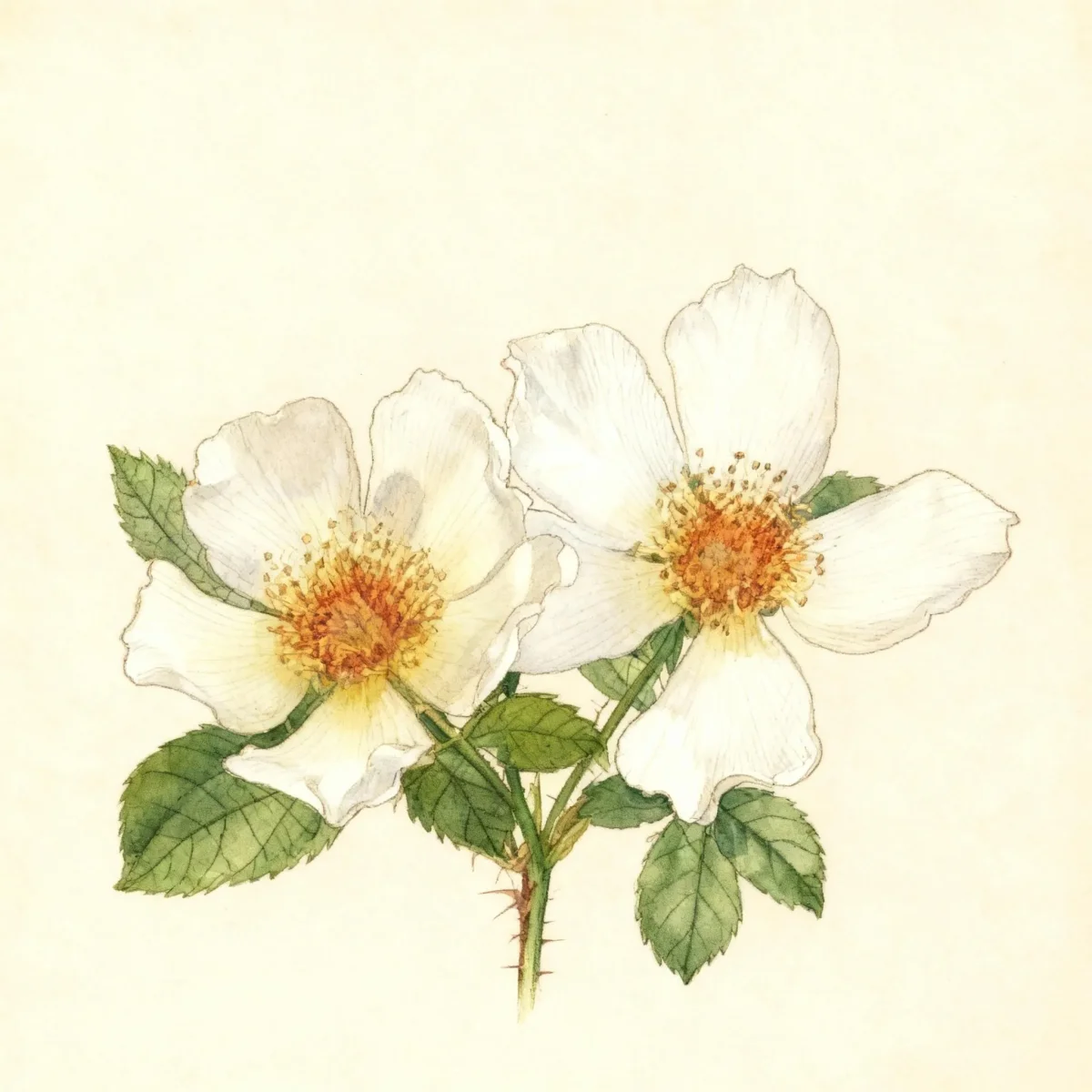
Rosa ‘Chewmaytime’ is marketed as a low-mounded perennial shrub rose growing to only 1-2’ tall, noted for its paprika colored single flowers and glossy dark green leaves. This OSO EASY cultivar showcases a vigorous growth habit and good disease resistance, blooming consistently from late May until the first hard frost. Each fragrant flower displays five reddish-orange petals that soften to coral around a distinct yellow center.
Tolerances
This section is empty.
Potential Problems
Roses are generally susceptible to several common fungal diseases, primarily black spot, powdery mildew, and rust, along with conditions like rose rosette. While the Rosa ‘Chewmaytime’ OSO EASY PAPRIKA is reputed to have excellent disease resistance, cultural practices remain the best defense. This includes ensuring good air circulation through proper planting, watering at the base, and removing and destroying infected foliage promptly.
Insects such as aphids, scale, rose midges, and spider mites can also pose threats. Regular inspection, particularly of new growth, allows for early intervention. For persistent issues, particularly in humid climates, local extension services can offer region-specific advice regarding preventative fungicide applications or targeted pest control treatments throughout the active growing season.
Questions about potential problems should always be directed to local horticultural resources, as environmental pressures vary greatly, but by keeping healthy conditions, gardeners can maximize the health of their Shrub rose.
Frequently Asked Questions
What hardiness zones is Shrub rose suitable for?
Rosa ‘Chewmaytime’ OSO EASY PAPRIKA is suitable for USDA Hardiness Zones 5 through 9.
How large does Rosa ‘Chewmaytime’ OSO EASY PAPRIKA grow?
This low-mounding variety typically reaches a height between 1 and 2 feet, with a similar spread of 1 to 2 feet at maturity.
What sun exposure does Rosa ‘Chewmaytime’ OSO EASY PAPRIKA need?
This plant requires full sun for optimal flowering and disease resistance, though it can manage with some part shade.
When does Shrub rose bloom?
This Shrub rose blooms continuously starting in June and continuing through the first frost, producing reddish-orange, single flowers that fade to coral.
Conclusion
The Rosa ‘Chewmaytime’ OSO EASY PAPRIKA delivers exceptional garden performance by combining compact stature with low-maintenance success, thanks to its vigorous habit and noted disease resistance. As a modern Shrub rose, it offers reliable, long-season color from its fragrant, paprika blooms. Before planting, confirm that your growing conditions fall within USDA Zones 5-9 to ensure the best possible display from this fantastic cultivar.
Companion Planting with OSO EASY Paprika
When selecting neighbors for your Rosa ‘Chewmaytime’ OSO EASY PAPRIKA, focus on plants that share similar sun and water requirements. Low-growing perennials with contrasting textures, such as Lamb’s Ears (Stachys byzantina) for its silvery foliage, or Geraniums, are excellent choices for the border front. These plantings can help shade the base of the rose, keeping the root zone cool during summer heat, while the mounding habit of the Shrub rose anchors the arrangement. Avoid planting overly competitive trees or shrubs nearby, as good air movement is crucial for rose health.
Seasonal Care Calendar
For optimal health, establish a routine schedule for your Rosa ‘Chewmaytime’ OSO EASY PAPRIKA. In late winter or early spring, prune canes lightly only as needed following the dormant period cleanup. As spring transitions into summer, focus heavily on deep, consistent watering, prioritizing morning applications to the soil level. Throughout the summer, deadhead spent blooms regularly to encourage rebloom and remove any fallen or diseased leaves immediately to limit pathogen reservoirs. Finally, ensure a thorough cleanup in the late fall or early winter, removing all debris to prepare the plant for dormancy protection if you are in the colder range of Zone 5.