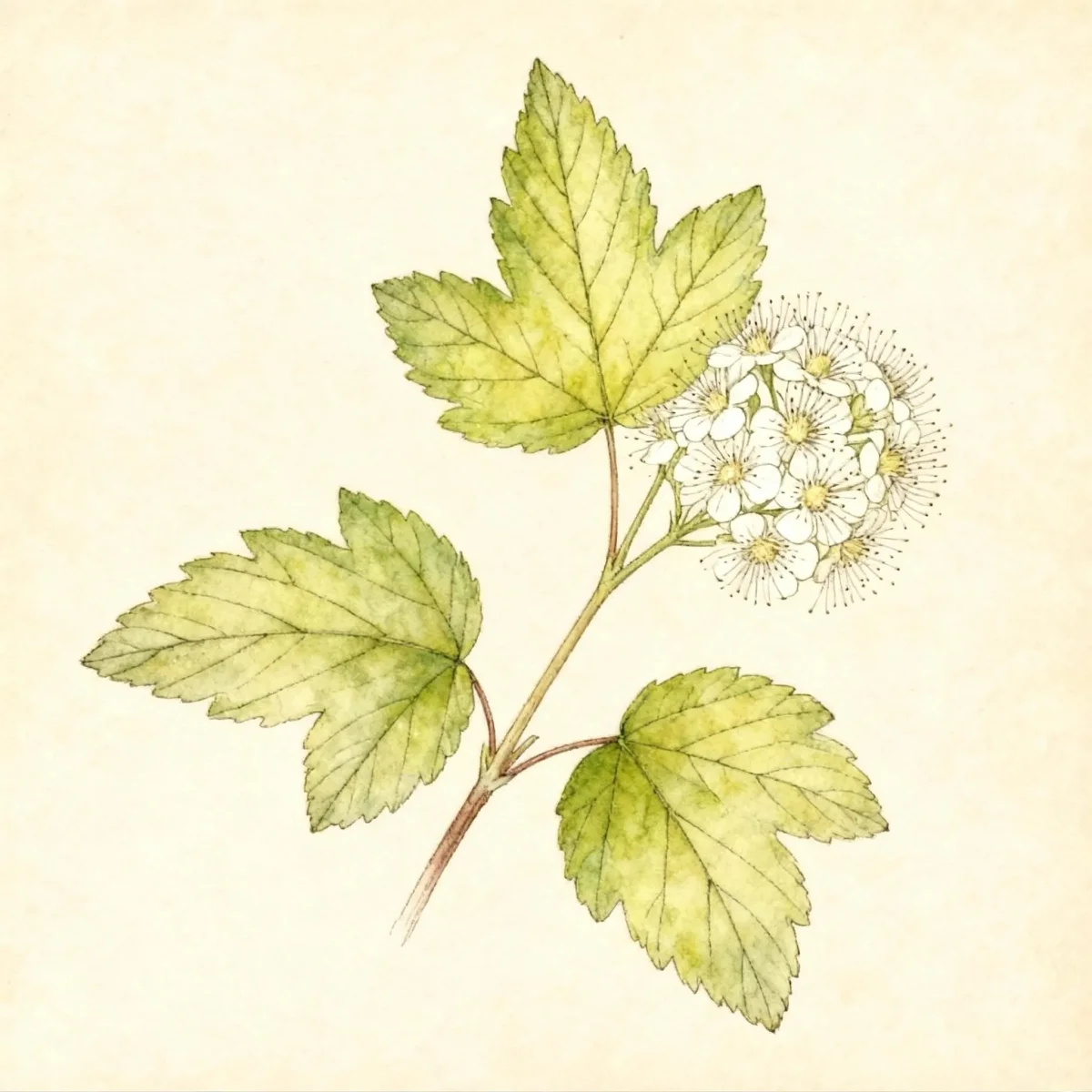
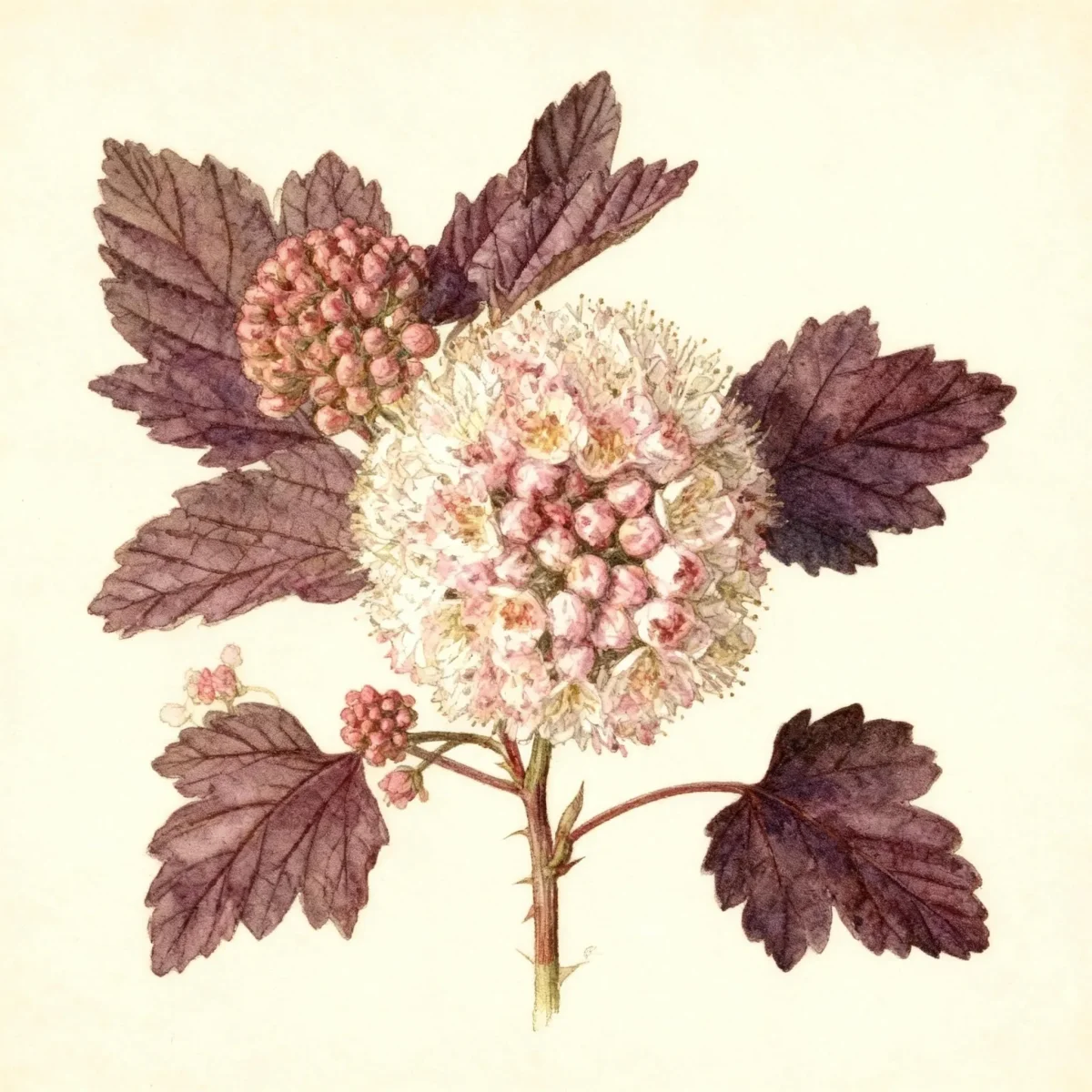
Ninebark (Physocarpus opulifolius 'Center Glow')
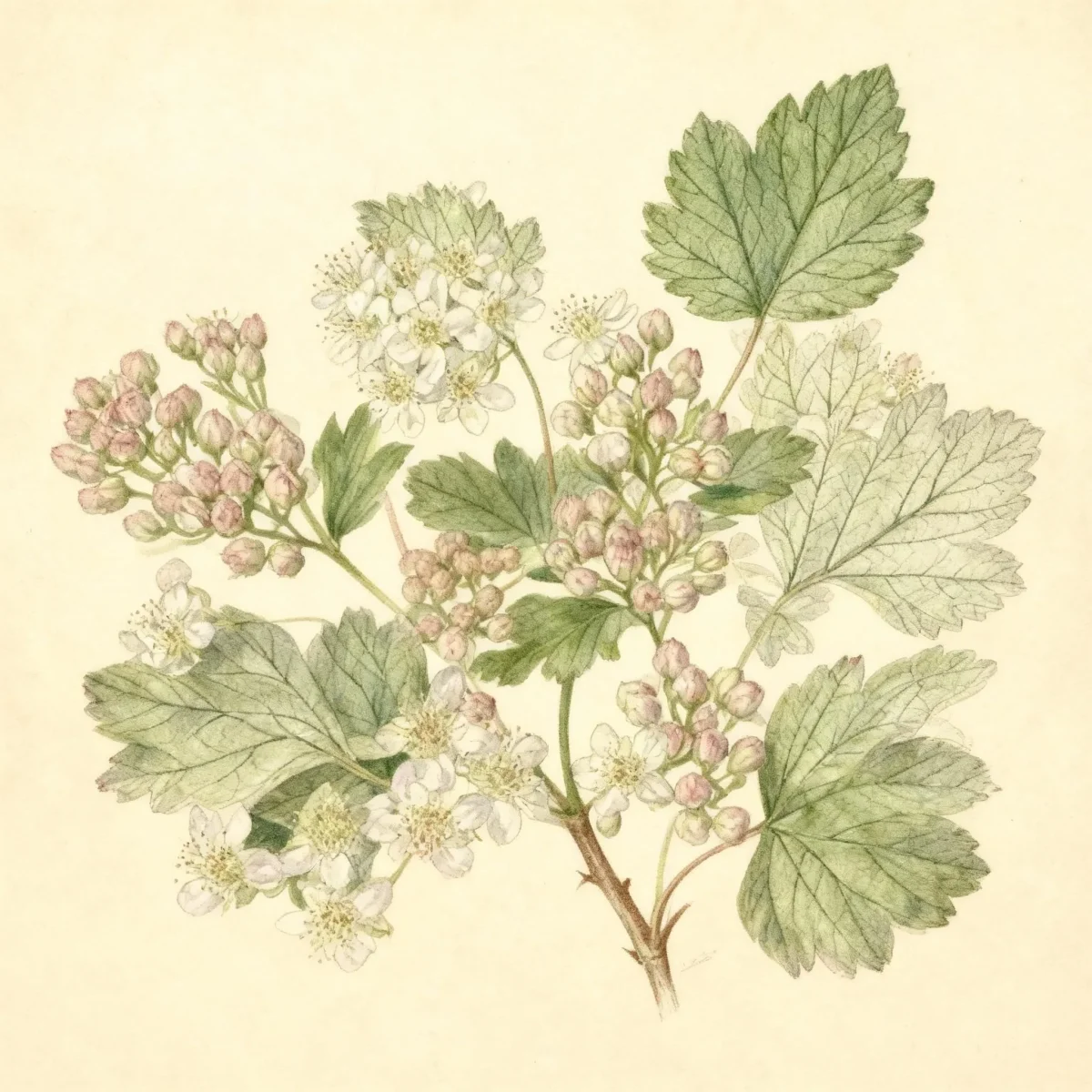
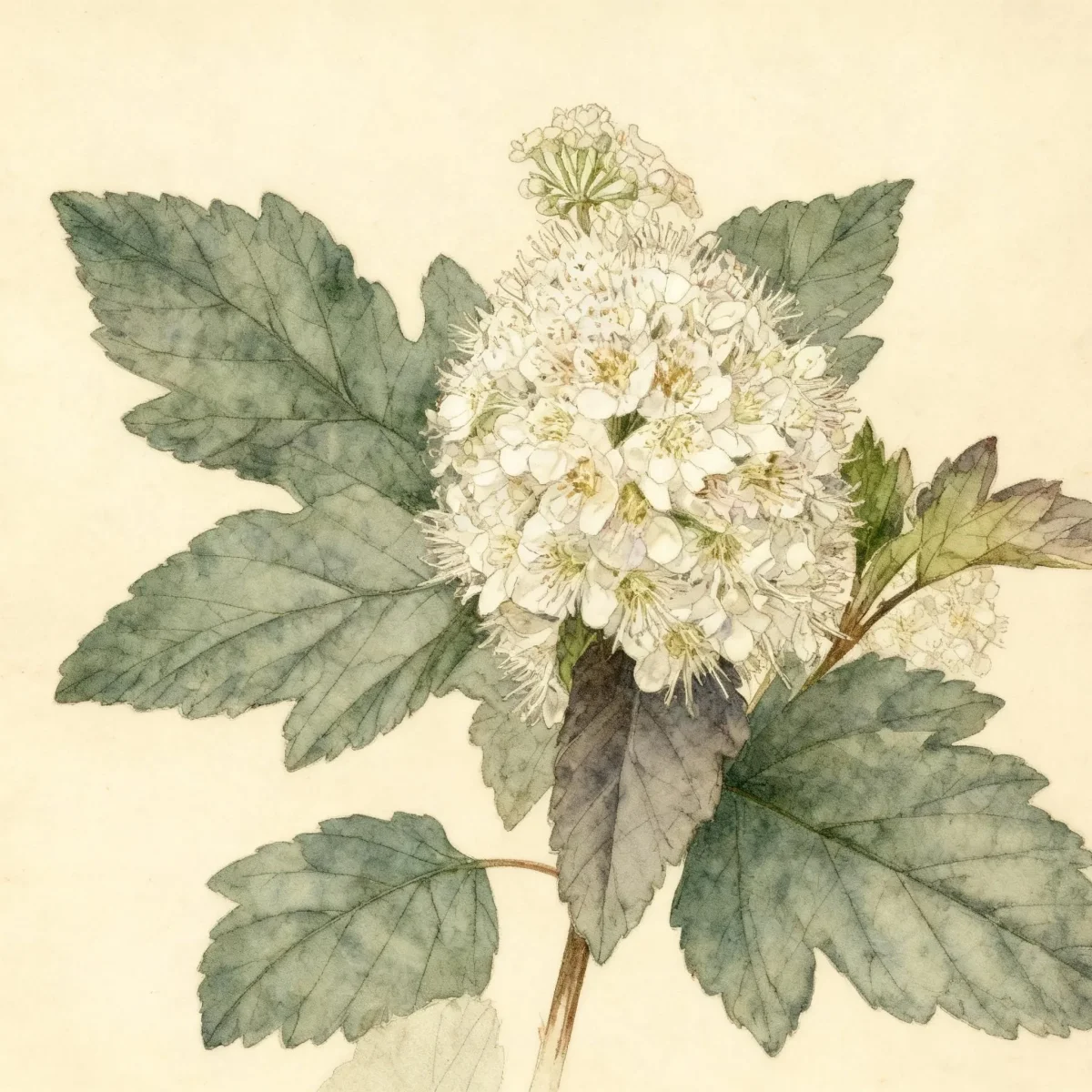
Physocarpus opulifolius 'Center Glow' Ninebark is a strikingly multi-hued deciduous shrub, prized for its exfoliating bark and colorful foliage.
Scroll down to discover growing tips, care requirements, companion plants, and more
Complete Plant Information
Overview
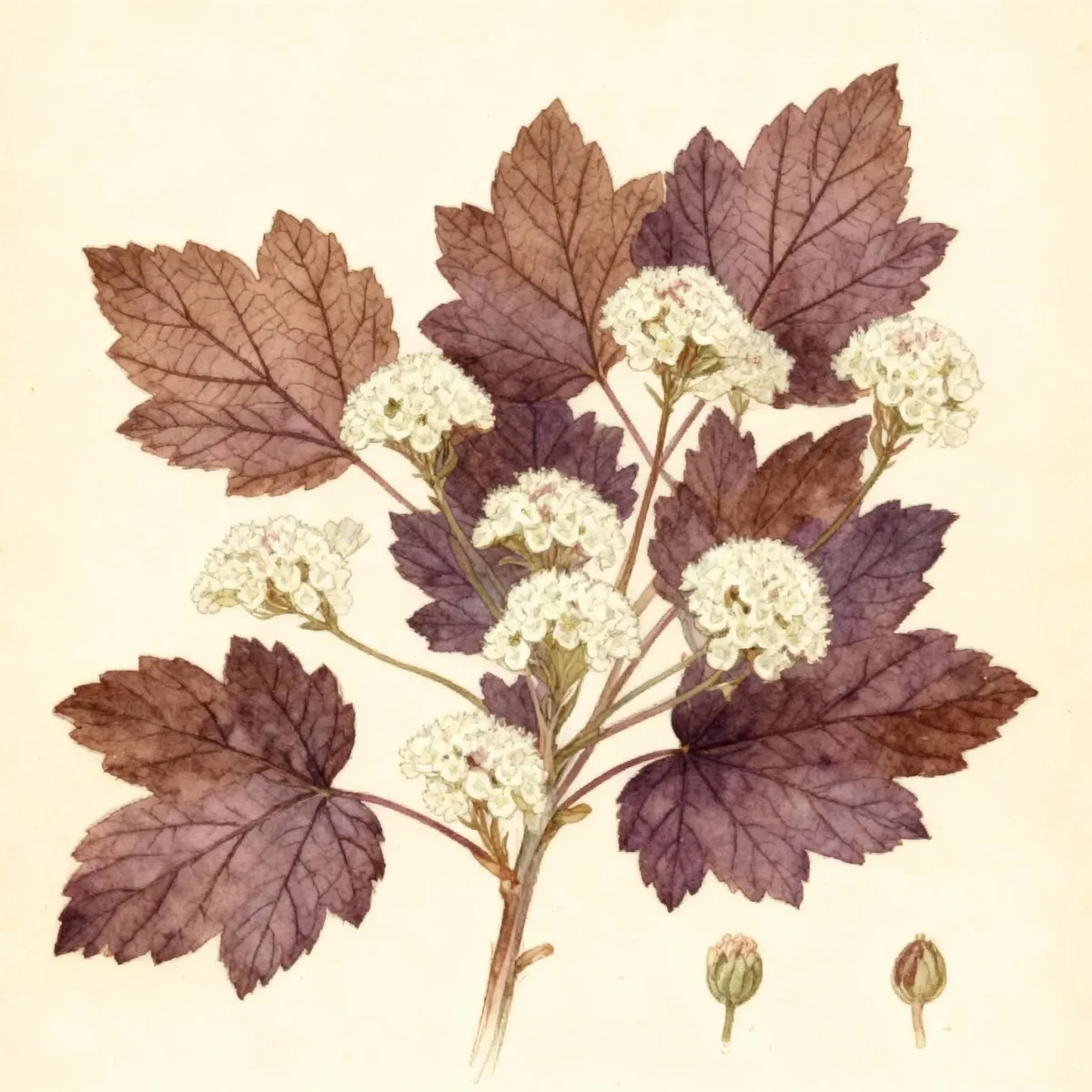
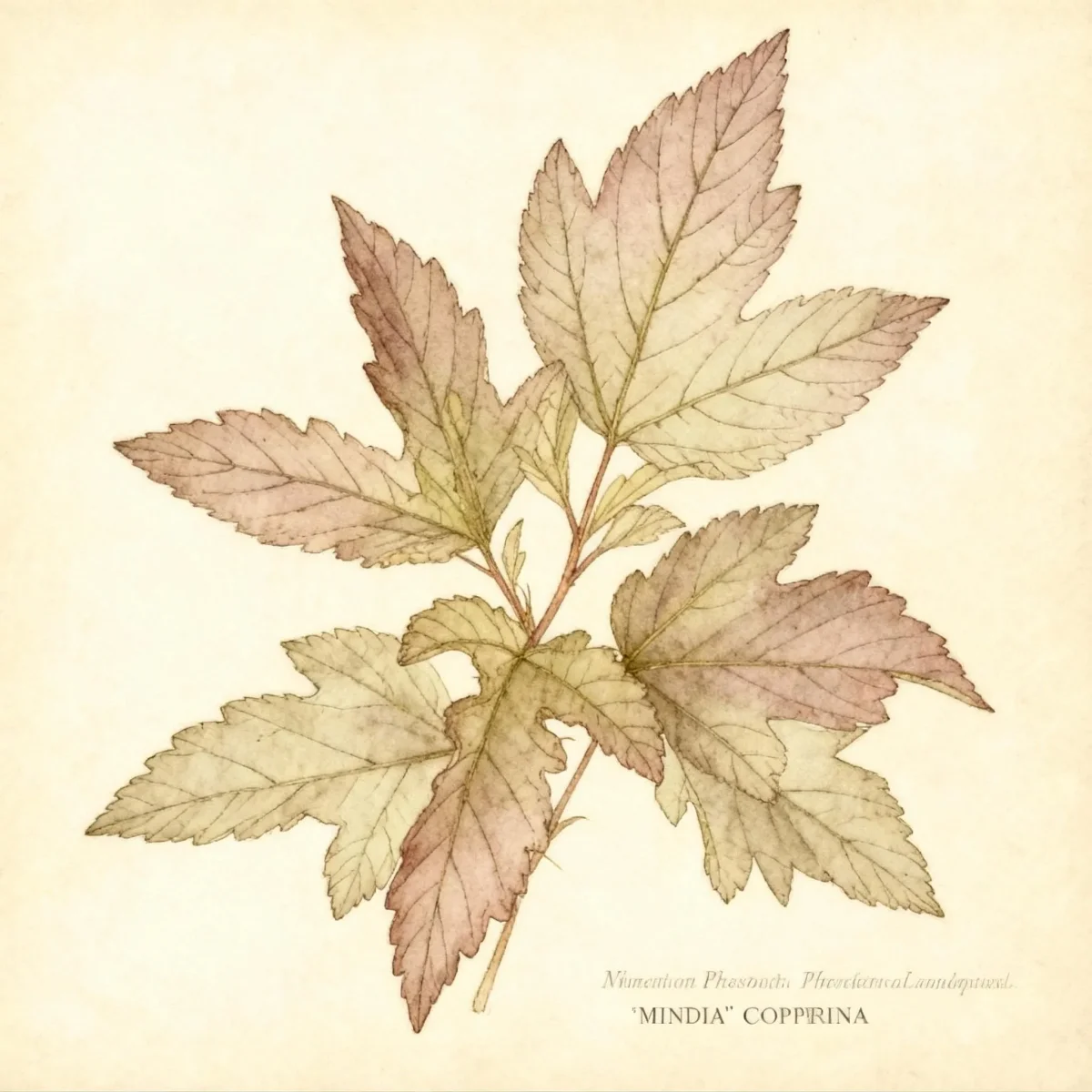
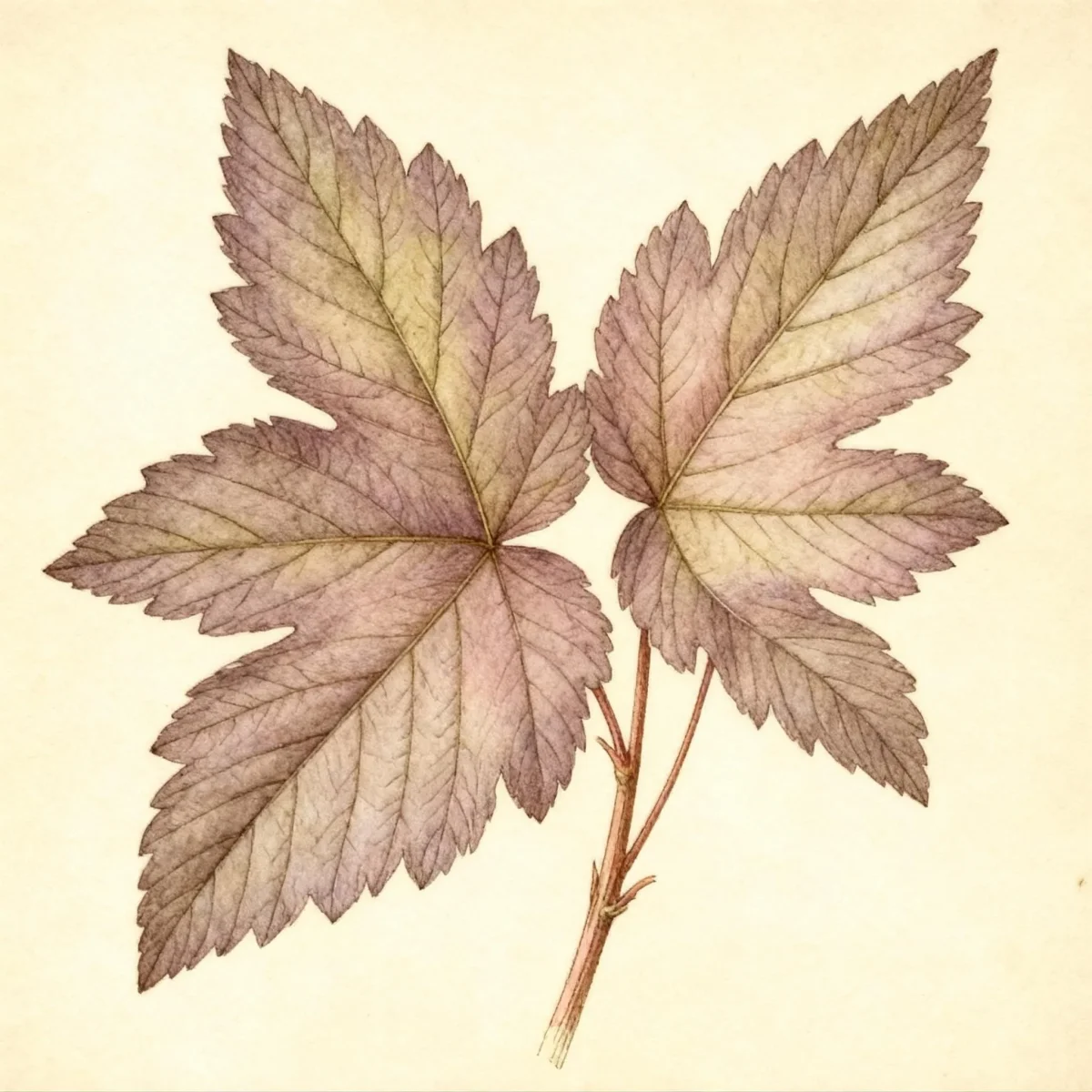
Physocarpus opulifolius ‘Center Glow’ Ninebark offers dynamic seasonal interest, setting it apart from many common landscape shrubs. This cultivar is celebrated for its unique leaf coloring, emerging greenish-gold and maturing to display attractive burgundy tones, often holding both hues simultaneously. As a versatile and resilient deciduous shrub, Ninebark thrives across a wide range of challenging soil conditions.
This cultivar provides year-round visual appeal, thanks not only to its vibrant foliage but also the exfoliating layered bark visible during the winter months. Growing to a manageable size, Physocarpus opulifolius ‘Center Glow’ functions excellently as a backdrop shrub or as component in larger mixed plantings. Its seasonal blooms further boost its value, attracting attention in late spring before developing interesting fruit clusters.
Gardeners appreciate the reliability of Ninebark, as it tolerates tough environments once established, requiring only medium maintenance. Whether used for structure, color contrast, or stabilizing slopes, this selection of Physocarpus opulifolius is a robust performer for the modern landscape.
Fast Facts
- Plant Family: Rosaceae
- Plant Type: Deciduous shrub
- Hardiness Zones: USDA Zones 3-7
- Size at Maturity:
- Height: 6-8 ft
- Spread: 6-8 ft
- Bloom Time: May to June
- Bloom Description: Pinkish-white
- Sun Exposure: Full sun to part shade
- Water Needs: Dry to medium
- Maintenance Level: Medium
How to Grow
Site Physocarpus opulifolius ‘Center Glow’ where it receives adequate sunlight; while it tolerates part shade, full sun maximizes the best foliage coloration, particularly in cooler northern climates. This adaptable shrub thrives in average, slightly acidic soil, provided it is well-drained, though it demonstrates tolerance for many soil types, including clay and dry conditions. Planting is best accomplished in spring or fall to allow the root system to establish before extreme temperatures hit.
Watering needs are dry to medium; establish plants with regular moisture, but mature Ninebark specimens are remarkably drought-tolerant. Fertilization is rarely necessary unless verifying nutrient deficiencies in poor soils. The critical care task involves pruning: sculpt the shrub as needed immediately following the bloom period, ensuring all pruning is completed no later than mid-August to prevent stimulating tender new growth before winter.
For revitalization, Physocarpus opulifolius responds well to rejuvenation pruning. If an older specimen becomes too woody or leggy, plants can be cut close to the ground in early spring to promote vigorous new growth from the base. Good air circulation, achieved through appropriate spacing and timely pruning, helps mitigate potential issues like powdery mildew.
Landscape Uses
The medium stature and dense habit of Physocarpus opulifolius ‘Center Glow’ make it an outstanding choice for utility planting. It excels when massed together to form effective screening hedges, providing a living wall of seasonal color and texture throughout the year. Its adaptability to harsh conditions also makes it highly effective for stabilizing erosion control on banks where root systems can anchor loose soil.
Beyond functional barriers, this Ninebark cultivar serves beautifully in structural shrub borders, offering a bold contrast against finer-textured evergreens or bright perennial plantings. Consider its strong color profile—gold, green, and burgundy—when selecting companions; plants that enjoy similar dry-to-medium soil conditions will fare best alongside it. Utilizing Physocarpus opulifolius ‘Center Glow’ in native plant gardens is also encouraged, given its history as a robust native species, albeit in cultivar form.
Standout Features
Flower Qualities
- Showy
Noteworthy Characteristics
Physocarpus opulifolius, commonly called ninebark, is an upright, spreading, somewhat coarse, deciduous, Missouri-native shrub which is closely related to the genus Spiraea. Noted for its exfoliating bark on mature branches, which peels to reveal several layers of reddish to light brown inner bark, providing strong winter interest. The cultivar ‘Center Glow’ is mounded and vase-shaped, distinguished by maple-like leaves emerging greenish-gold in spring before aging to various shades of burgundy as the season progresses.
Tolerances
- Drought
- Erosion
- Clay Soil
- Dry Soil
- Shallow-Rocky Soil
Potential Problems
Ninebark, including the ‘Center Glow’ variety, can occasionally suffer from common horticultural issues such as fireblight, leaf spots, and powdery mildew. Fortunately, this specific cultivar reportedly exhibits good resistance to powdery mildew, which often plagues other cultivars in humid environments.
When mildew does appear, ensure good air circulation through proper pruning techniques, especially right after flowering. If leaf spots are noted, promptly remove affected foliage to prevent spread before dormancy. While generally resistant, monitoring for blight is essential, requiring immediate removal of infected shoots.
Frequently Asked Questions
What hardiness zones is Ninebark suitable for?
Physocarpus opulifolius ‘Center Glow’ is reliably hardy across USDA Zones 3 through 7, making it a very adaptable shrub for many different temperate regions.
How large does Physocarpus opulifolius ‘Center Glow’ grow?
This cultivar typically matures into a mounded shrub reaching heights between 6 and 8 feet tall, with a comparable spread of 6 to 8 feet wide.
What sun exposure does Ninebark need?
For the best performance and most vivid foliage color in Physocarpus opulifolius ‘Center Glow’, aim for a location receiving full sun, though it will tolerate partial shade.
When does Physocarpus opulifolius ‘Center Glow’ bloom?
This Ninebark variety produces attractive clusters of pinkish-white flowers primarily during the late spring season, specifically between May and June.
Conclusion
The reliable performance, combined with spectacular multi-tonal foliage and attractive exfoliating bark, establishes Physocarpus opulifolius ‘Center Glow’ as an indispensable perennial shrub for year-round structure. As a hardy Ninebark selection that handles dry and tough soils with ease, it simplifies maintenance tasks in the garden. Check your local USDA hardiness zone compatibility and plan your spring planting soon to enjoy this dynamic addition.
Companion Planting
Choosing companions that share the dry-to-medium water needs and full-sun tolerance of Ninebark will ensure a cohesive planting scheme. Consider pairing the contrasting textures of ornamental grasses, such as Panicum virgatum cultivars, whose vertical lines complement the mounded shape of Physocarpus opulifolius ‘Center Glow’. Alternatively, contrast its bronze/gold tones with deep purple foliage plants like Heuchera varieties that thrive in similar light conditions, creating layers of color interest that persist even when the Ninebark is dormant.
Seasonal Care Calendar
Spring is the ideal time for rejuvenating growth; if needed, plants can be cut close to the ground in early spring for a complete size reset. Summer care focuses primarily on maintaining consistent, though limited, moisture during dry spells, especially for newly planted specimens. Post-bloom, around late June or early July, is the absolute latest window for any shaping or maintenance pruning to occur before the plant sets buds for the next year. Minimal care is required outside of these early pruning windows, reinforcing its low-maintenance designation for gardeners managing busy schedules.