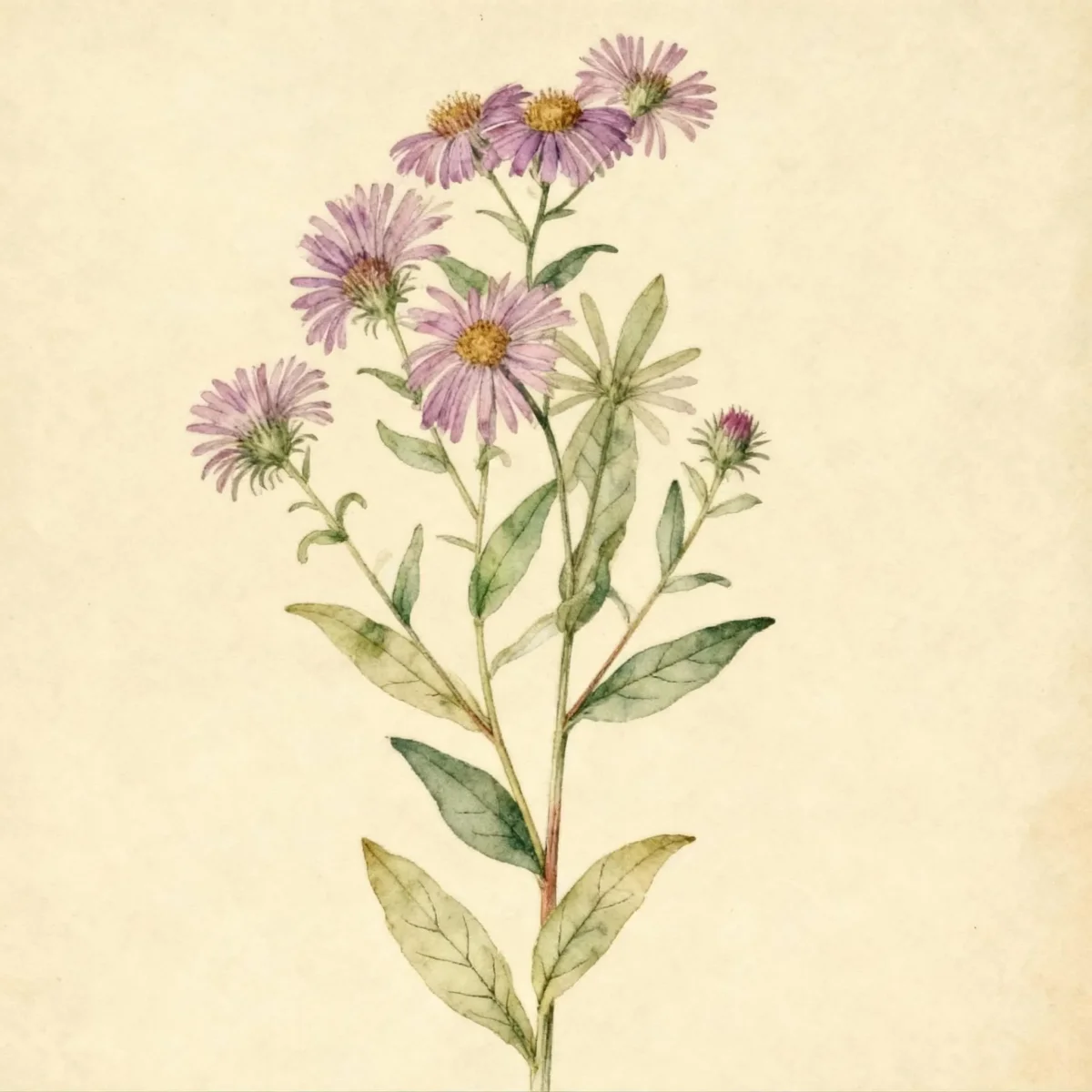
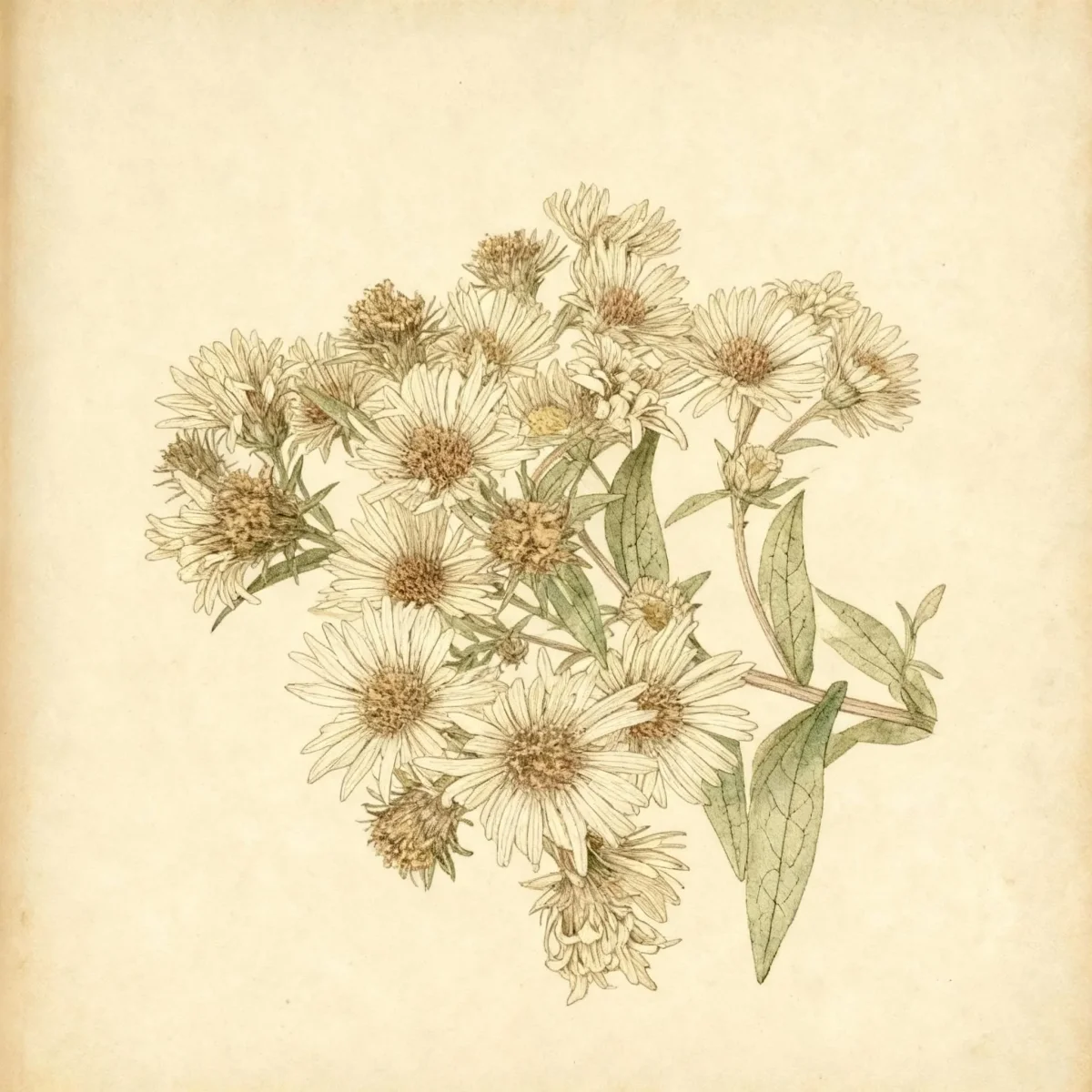
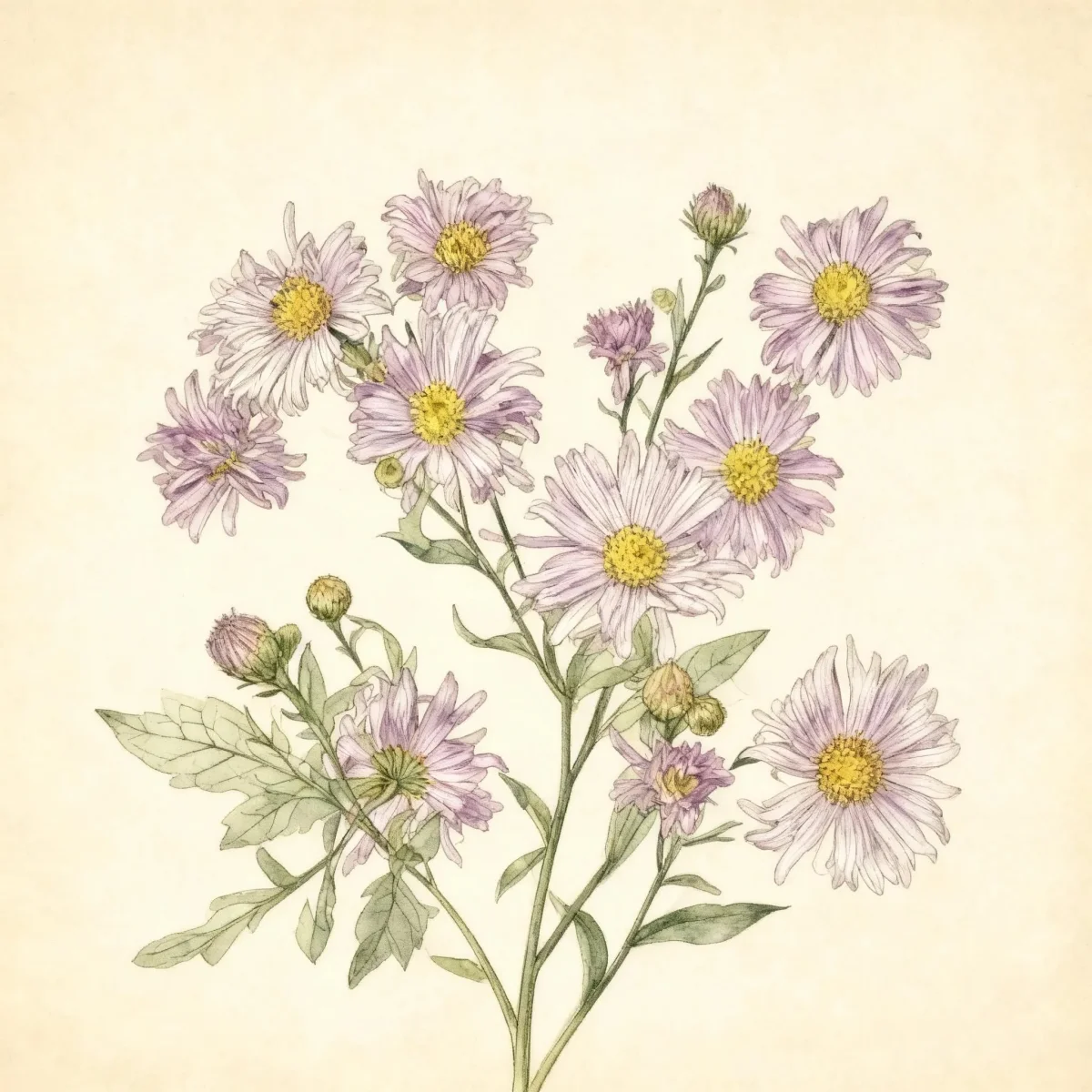
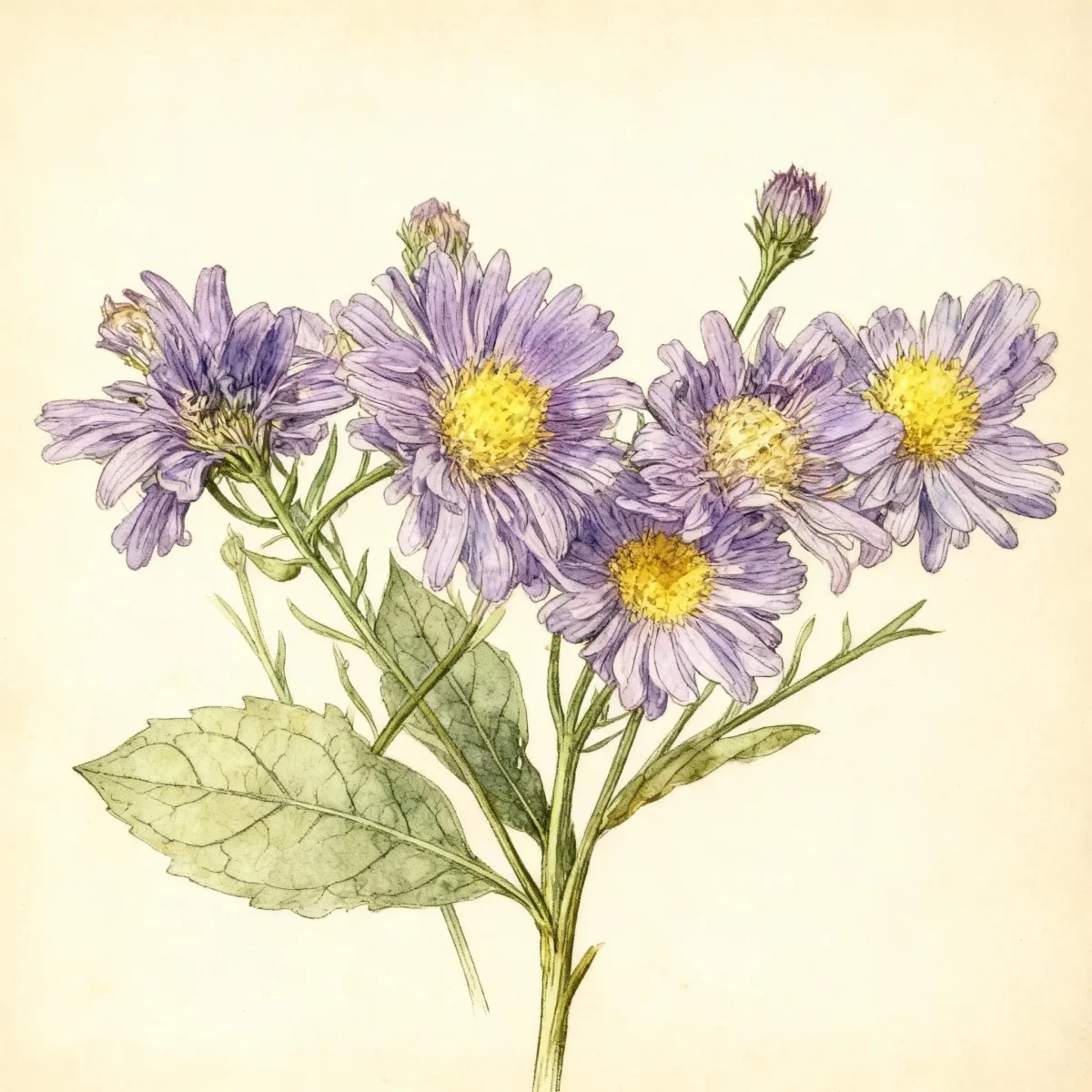
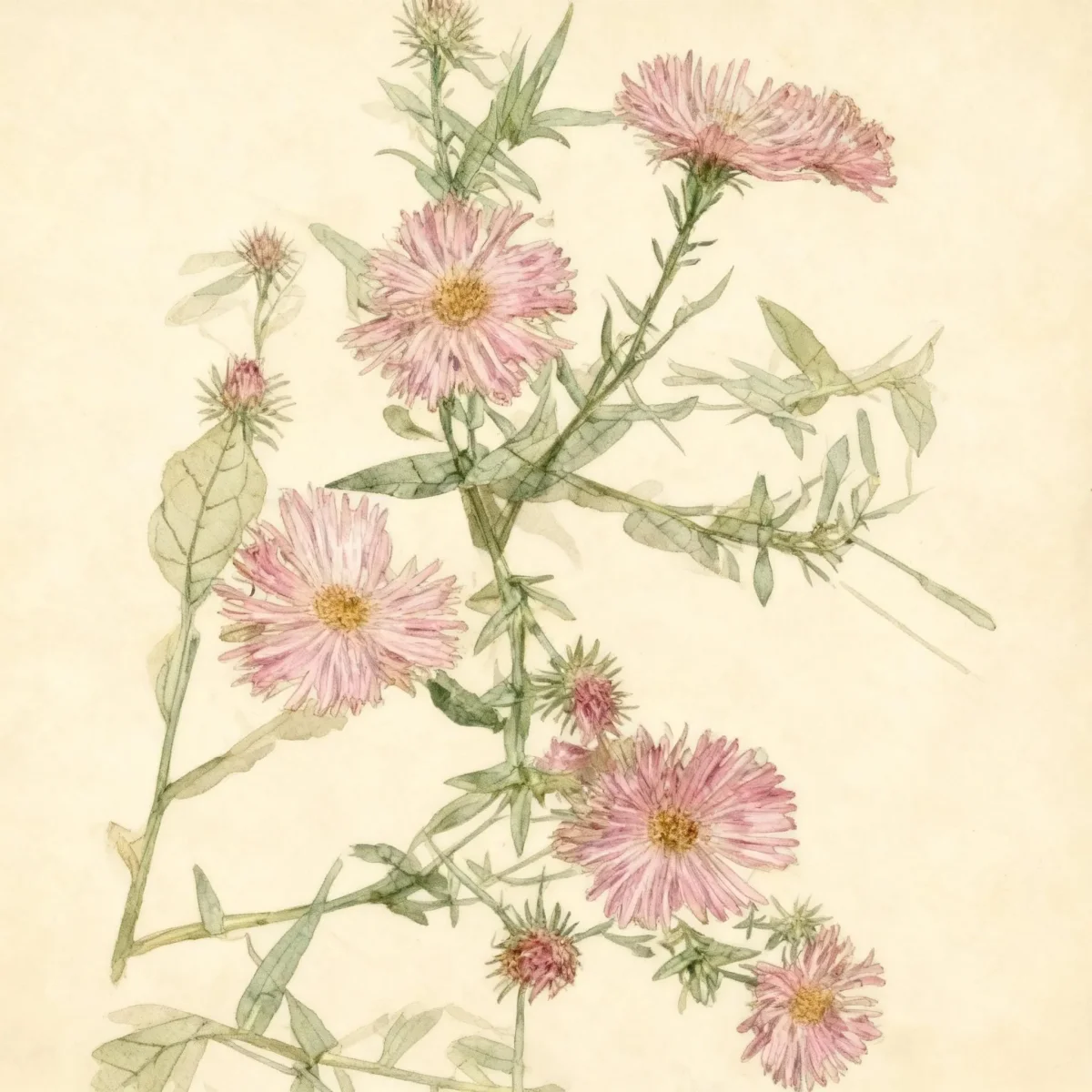
New England aster (Symphyotrichum novae-angliae 'Honeysong Pink')
Symphyotrichum novae-angliae 'Honeysong Pink' offers late-season pink blooms, making this New England aster invaluable for fall color.
Scroll down to discover growing tips, care requirements, companion plants, and more
Complete Plant Information
Overview
Symphyotrichum novae-angliae ‘Honeysong Pink’ provides essential late-season structure and vibrant color, earning its place as a reliable herbaceous perennial in the garden. This specific cultivar of the New England aster delivers a profusion of daisy-like flowers, opening when many other summer bloomers are fading. Its robust, upright habit and low maintenance requirements make the ‘Honeysong Pink’ variety exceptionally popular.
As a valued member of the Asteraceae family, this plant offers significant aesthetic and ecological benefits, notably attracting late-season pollinators like butterflies. Growing successfully in full sun, the New England aster prefers average, medium, well-drained soil conditions. Gardeners appreciate that Symphyotrichum novae-angliae ‘Honeysong Pink’ offers substantial late summer and early fall impact with minimal input.
This cultivar typically reaches 3 to 3.5 feet in height, creating excellent vertical contrast in perennial borders. While the species is native to moist meadows and thickets, this selection adapts well to average garden settings, providing that crucial final burst of color before frost.
Fast Facts
- Plant Family: Asteraceae
- Plant Type: Herbaceous perennial
- Hardiness Zones: USDA Zones 4-8
- Size at Maturity:
- Height: 2.5-3 ft
- Spread: 2-2.5 ft
- Bloom Time: August to September
- Bloom Description: Pink rays with yellow center
- Sun Exposure: Full sun
- Water Needs: Medium
- Maintenance Level: Low
How to Grow
Planting the New England aster is best accomplished in spring or early fall, ensuring the roots have time to establish before extreme weather hits. Locate Symphyotrichum novae-angliae ‘Honeysong Pink’ where it receives full sun exposure, as this maximizes blooming potential and minimizes susceptibility to foliar diseases. While adaptable, the plant thrives in moist, rich, well-drained soils.
Routine care is straightforward, classifying this perennial as low maintenance. Water deeply during dry spells to maintain medium soil moisture, though established plants are quite tough. Fertilization is rarely needed if the soil is rich; excessive nitrogen can lead to floppy growth.
A crucial aspect of cultivating this bushy habit is pinching back. To control the final height of Symphyotrichum novae-angliae ‘Honeysong Pink’ and encourage bushiness, pinch the stems several times before mid-July. Be aware that heavy pinching will delay the onset of flowering. Good air circulation is vital; ensure adequate spacing to help reduce the incidence of powdery mildew, especially in humid environments.
Landscape Uses
The primary appeal of the New England aster is its performance as a reliable source of late-season color. Symphyotrichum novae-angliae ‘Honeysong Pink’ is perfectly suited for the back or middle of the fall perennial border, providing textural contrast against ornamental grasses or later blooming sedums. Mass planting these asters creates drifts of pink that are highly visible in the fading landscape.
Consider utilizing this variety in low-maintenance wildflower gardens or naturalized drifts where its native lineage can shine. Furthermore, due to its medium water needs and tolerance for varied soil moisture, it performs exceptionally well in rain gardens where seasonal water fluctuation occurs. Its height and bold color also benefit meadow plantings, offering height without overcrowding shorter natives.
Standout Features
Flower Qualities
- Showy
Noteworthy Characteristics
Symphyotrichum novae-angliae, commonly called New England aster, is a Missouri native perennial which occurs in moist prairies, meadows, thickets, low valleys and stream banks (Steyermark) throughout the State. It is a stout, leafy plant typically growing 3-6’ tall with a robust, upright habit. ‘Honeysong Pink’ specifically features a profuse bloom of pink daisy-like asters (to 1.5” diameter) with yellow centers from late summer to early fall, contrasting nicely with its rough, lance-shaped, stem-clasping leaves.
Tolerances
- Clay Soil
Potential Problems
The New England aster is generally tough, but two main issues warrant attention during cultivation. Plants exhibit some susceptibility to powdery mildew, which manifests as a dusty white coating on the foliage. Improve air circulation through proper spacing and timely pinching to mitigate this fungal issue.
Aster wilt is another potential threat, particularly when plants are situated in poor, poorly-drained clay soils or when cultural conditions stress the plant. Selecting the disease-resistant cultivar Symphyotrichum novae-angliae ‘Honeysong Pink’ helps, but vigilance remains key. Taller aster varieties, including those that have not been pinched, may require staking or other physical support to prevent stems from flopping over late in the season.
Frequently Asked Questions
What hardiness zones is New England aster suitable for?
Symphyotrichum novae-angliae ‘Honeysong Pink’ is generally very reliable, thriving in USDA Hardiness Zones 4 through 8.
How large does Symphyotrichum novae-angliae ‘Honeysong Pink’ grow?
When properly managed through pinching, this New England aster will maintain a robust, upright height between 2.5 and 3 feet, spreading about 2 to 2.5 feet wide.
What sun exposure does New England aster need?
For the best performance, dense blooms, and to reduce the risk of disease, full sun exposure is required for Symphyotrichum novae-angliae ‘Honeysong Pink’.
When does Symphyotrichum novae-angliae ‘Honeysong Pink’ bloom?
This perennial provides valuable color from August right through September, displaying attractive pink ray flowers surrounding bright yellow centers.
Conclusion
Symphyotrichum novae-angliae ‘Honeysong Pink’ is an indispensable plant for gardeners seeking reliable, vibrant color as summer ends. This New England aster combines attractive pink blooms with low maintenance requirements and value for wildlife. Before planting, ensure your site offers full sun and check that your local growing conditions fall within USDA Zones 4-8 for the best seasonal success.
Wildlife Benefits
The late flowering time of this aster makes it critically important for late-season pollinators. As many summer nectar sources diminish, the profuse bloom of Symphyotrichum novae-angliae ‘Honeysong Pink’ offers essential refueling stops for butterflies preparing for migration or seeking winter sustenance. Planting this native species directly supports local insect ecosystems.
Companion Planting
To complement the cultural needs of this New England aster, pair it with other robust, sun-loving perennials that also enjoy medium water. Excellent companions include goldenrods (Solidago species), Russian Sage (Perovskia atriplicifolia), or Joe Pye Weed (Eutrochium species). These partners share a preference for high sun and help create a layered, dynamic tapestry in the late-season garden while sharing similar soil and water regimes.