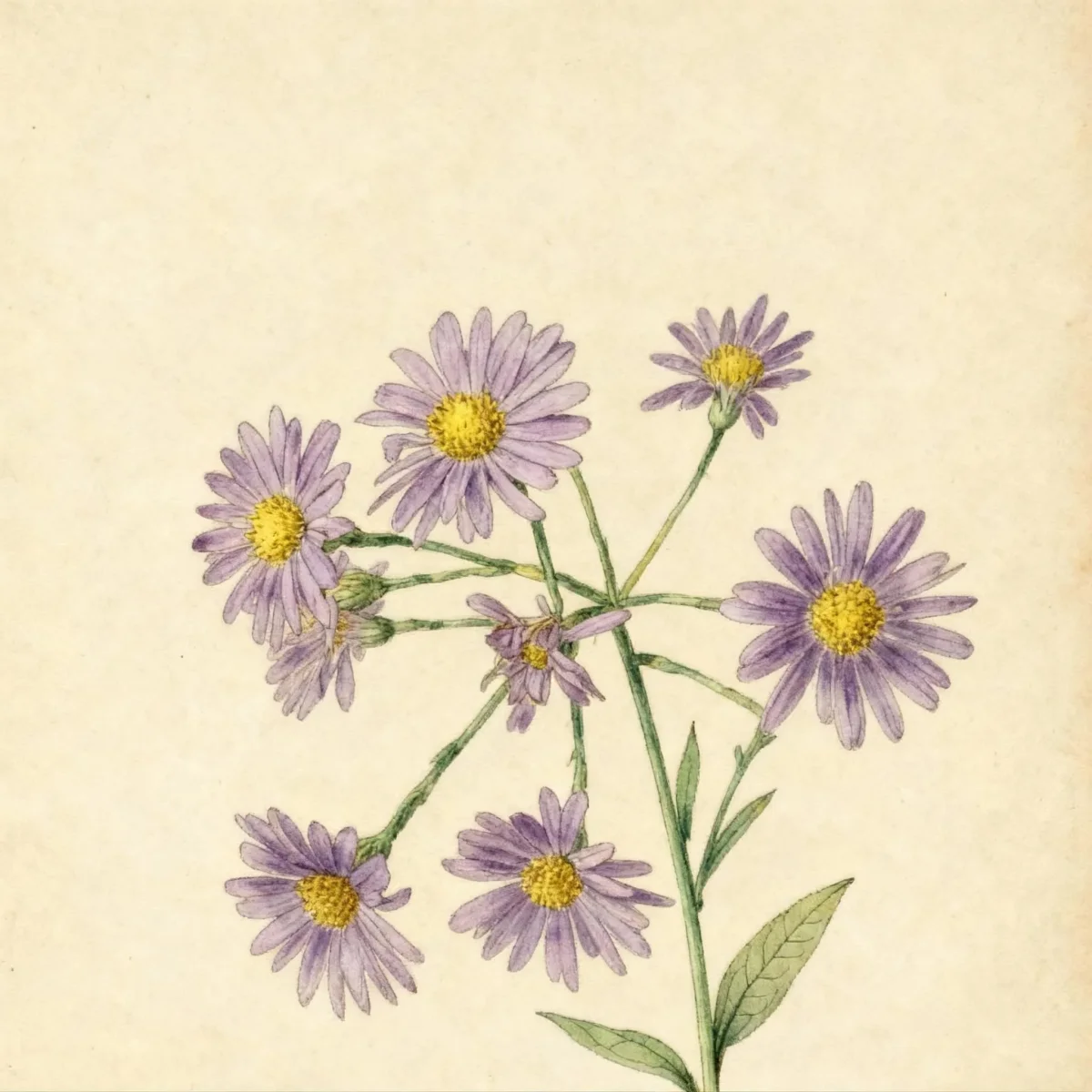
Smooth aster (Symphyotrichum laeve 'Bluebird')
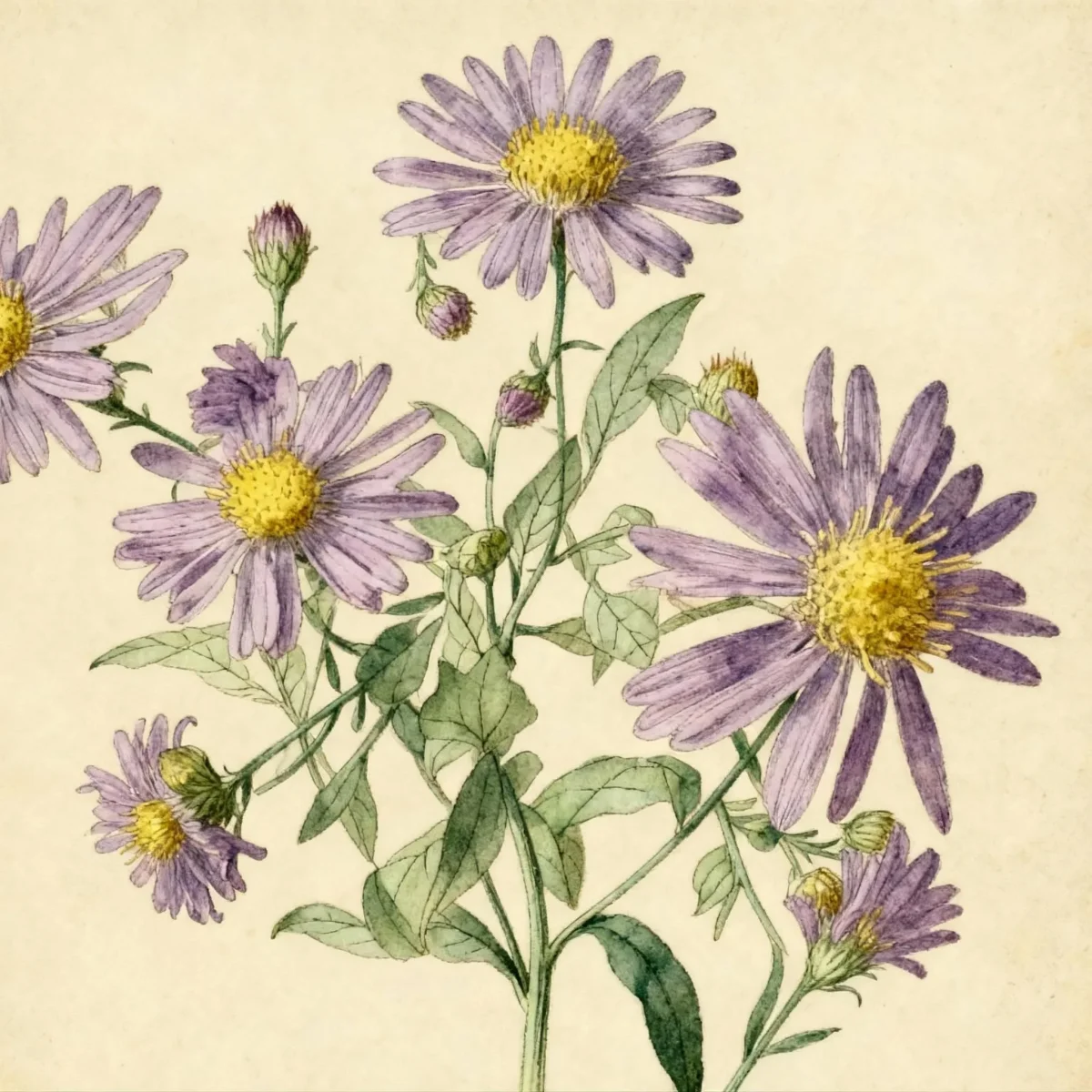
Enjoy the late-season color of Symphyotrichum laeve 'Bluebird', a low-maintenance Smooth aster featuring violet-blue blooms.
Scroll down to discover growing tips, care requirements, companion plants, and more
Complete Plant Information
Overview
Symphyotrichum laeve ‘Bluebird’, commonly known as Smooth aster, is a highly valued herbaceous perennial, bringing essential late-season color to the garden landscape. Its robust, upright habit is adorned with arching stems that burst forth in autumn with profuse, charming flowers. This variety offers significant garden appeal when many other plants are fading.
Valued for its resilience and beauty, this Missouri native thrives under challenging conditions, including dry soil and drought, making it an excellent choice for naturalized areas or low-water gardens. The visual impact of the violet-blue rays surrounding a bright yellow center is undeniable in the fall display.
Gardeners appreciate the low maintenance required by Symphyotrichum laeve ‘Bluebird’. Beyond initial planting and occasional pinching for shape control, this Smooth aster establishes quickly and establishes a reliable presence, often readily self-seeding to expand its territory gracefully.
Fast Facts
- Plant Family: Asteraceae
- Plant Type: Herbaceous perennial
- Hardiness Zones: USDA Zones 4-8
- Size at Maturity:
- Height: 3-4 ft
- Spread: 2-3 ft
- Bloom Time: September to October
- Bloom Description: Violet blue rays with yellow center
- Sun Exposure: Full sun
- Water Needs: Dry to medium
- Maintenance Level: Low
How to Grow
Plant Symphyotrichum laeve ‘Bluebird’ in the spring or fall, ensuring it receives full sun exposure for the best flowering performance. This species adapts well to average conditions but performs optimally in well-drained soil. While it handles dry soil exceptionally well once established, consistent moisture during its first growing season aids root development.
Maintenance for this Smooth aster is delightfully simple. Water deeply during prolonged dry spells, especially when newly planted, but established plants require little supplemental irrigation due to their good drought tolerance. Fertilization is rarely necessary; enriching poor, dry soils can actually encourage floppier growth.
To maintain a compact, bushy habit and prevent the stems from growing too leggy, apply a pinch back to the side shoots 1–2 times before mid-summer. This shaping technique encourages more branching, resulting in a denser display of the signature violet-blue blooms from your Symphyotrichum laeve ‘Bluebird’.
Landscape Uses
The reliable stature and late bloom time make Symphyotrichum laeve ‘Bluebird’ an anchor plant for borders needing structure late into the season. Plant it toward the middle or rear of perennial borders, allowing shorter, earlier-blooming plants to soften the base as the Smooth aster emerges. It integrates beautifully into cottage gardens, adding vertical texture among fuller specimens.
For a more naturalistic setting, incorporate this cultivar into meadow plantings alongside ornamental grasses, coneflowers, and goldenrods. Its tolerance for dry soil and erosion makes it an excellent candidate for banks or roadside plantings where soil conditions can be inconsistent. Butterflies are heavily attracted to the late nectar source provided by the blooming Symphyotrichum laeve ‘Bluebird’.
Standout Features
Flower Qualities
- Showy
Noteworthy Characteristics
Symphyotrichum laeve, commonly called smooth aster, is a Missouri native that typically occurs in prairies, rocky glades, dry open woods, roadside banks and thickets. Stems are usually unbranched with variable, mostly toothed, smooth, bluish green foliage. Small flowers (.75 to 1.25” across) with violet blue to purple (sometimes white) rays and yellow center disks appear in open, loose, panicle-like clusters in autumn. Attractive to butterflies. ‘Bluebird’ is a robust, upright plant with arching stems, typically growing 3–4’ tall, covered in loose clusters of 1” diameter flowers with violet blue rays and yellow centers in September and October.
Tolerances
- Drought
- Erosion
- Dry Soil
- Shallow-Rocky Soil
Potential Problems
This variety exhibits excellent disease resistance, notably showing superb mildew resistance, which is often a challenge for fall-blooming asters. Serious insect or disease problems are rarely reported for Symphyotrichum laeve ‘Bluebird’. Proper spacing during planting helps maximize air circulation, mitigating any minor disease risks. Given its naturally upright form, this Smooth aster rarely requires staking, contributing to its low-maintenance appeal.
Frequently Asked Questions
What hardiness zones is Smooth aster suitable for?
Symphyotrichum laeve ‘Bluebird’ is reliably hardy in USDA Zones 4 through 8.
How large does Symphyotrichum laeve ‘Bluebird’ grow?
This plant typically reaches a height of 3 to 4 feet, spreading to a width of 2 to 3 feet at maturity.
What sun exposure does Smooth aster need?
For optimal flowering and strength, Symphyotrichum laeve ‘Bluebird’ requires full sun exposure throughout the day.
When does Smooth aster bloom?
The primary bloom period for this cultivar is late season, generally spanning from September into October, featuring vibrant violet blue flowers.
Conclusion
The reliability, drought tolerance, and spectacular late-season floral display ensure that Symphyotrichum laeve ‘Bluebird’ remains a vital component in sustainable perennial design. This handsome Smooth aster provides critical late nectar while demanding minimal attention from the gardener. Before planting, verify that your landscape offers full sun exposure and well-drained soil compatible with its dry-to-medium water needs.
Companion Planting
When designing beds around your Symphyotrichum laeve ‘Bluebird’, consider its full sun requirements and late bloom time. Plants that offer mid-summer color and fade before the aster peaks create a seamless transition. Excellent companions include Rudbeckia fulgida cultivars (Black-Eyed Susan) or taller Sedums like ‘Autumn Joy’, whose architectural structure contrasts nicely with the fine texture of the aster foliage.
Choose complementary textures; grasses like Little Bluestem (Schizachyrium scoparium) provide flowing movement that catches the light around the upright stems of the Smooth aster. Since the aster prefers drier soil, avoid pairing it with plants that demand consistently moist conditions, ensuring all companions share a similar tolerance for dry spells.
Wildlife Benefits
The aster family is indispensable for late-season pollinators, and Symphyotrichum laeve ‘Bluebird’ is particularly attractive to butterflies migrating south. Its numerous small flowers packed into loose clusters provide an easily accessible food source when many other nectar-rich plants have finished flowering. Planting this aster directly supports local ecosystem health entering the fall season.
Beyond butterflies, the seeds produced by the spent flowers in late autumn and winter attract various small seed-eating birds. This plant transitions beautifully from providing nectar and pollen for insects to offering direct sustenance for avian wildlife, maximizing its ecological value throughout the year.