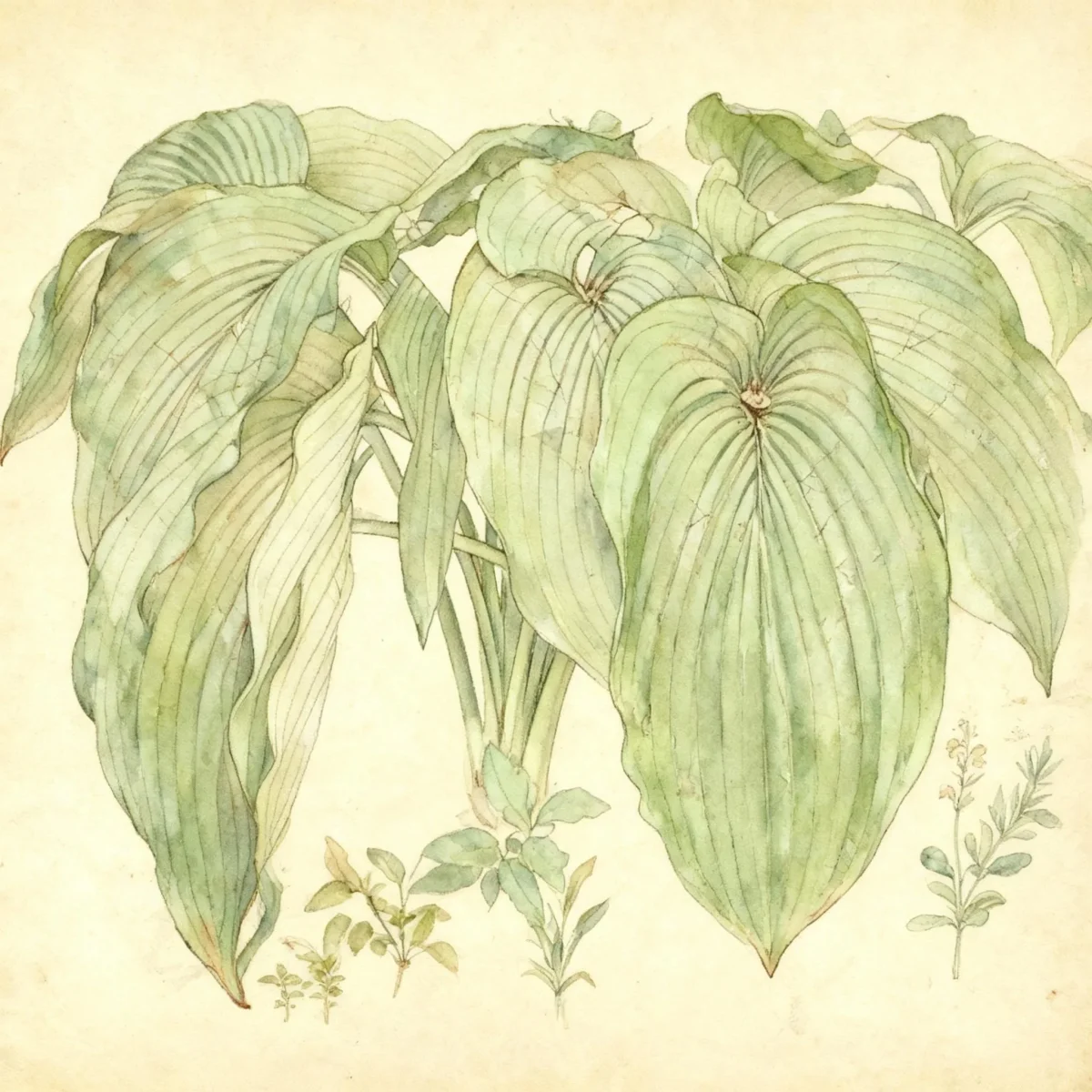
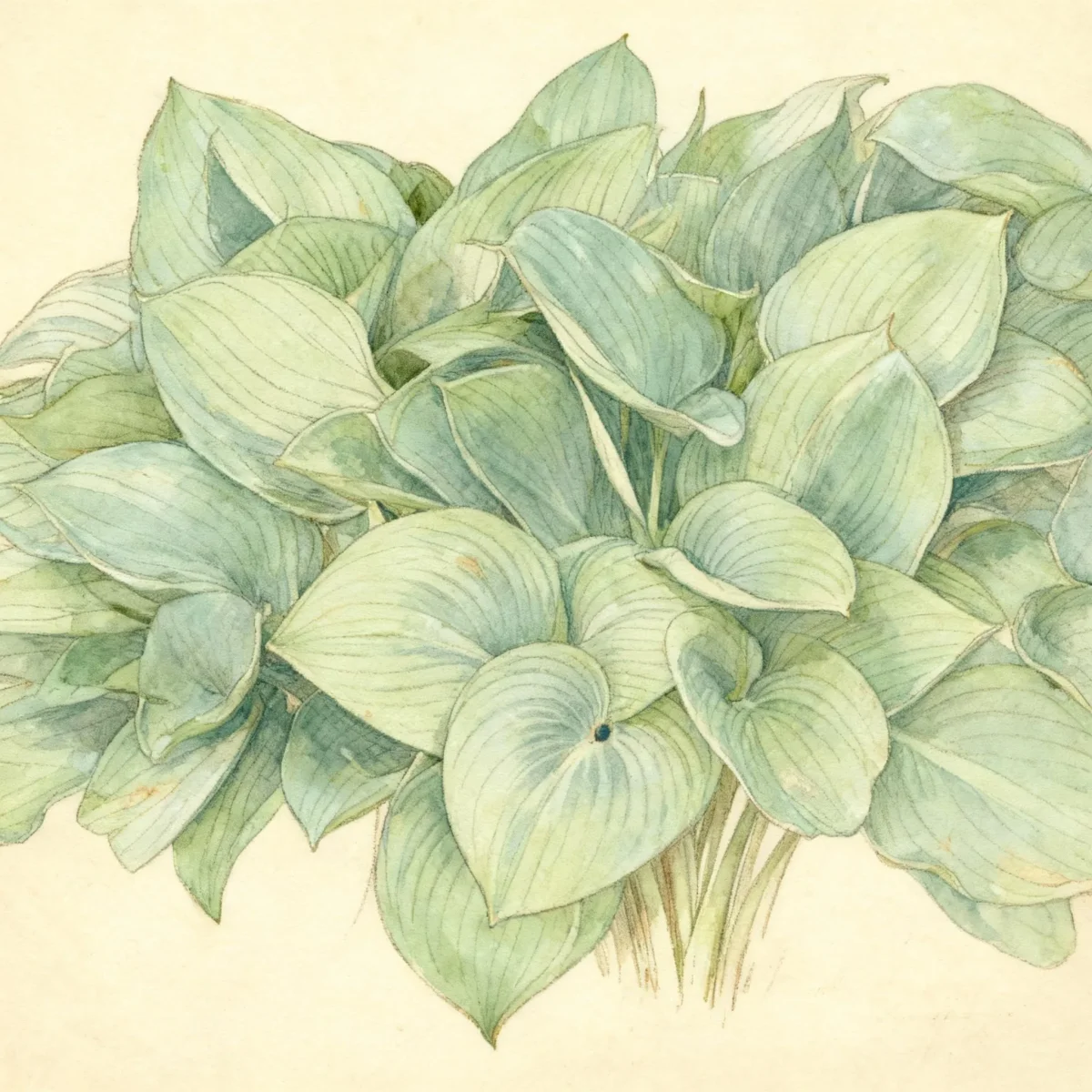
Hosta (Hosta ventricosa 'Aureomaculata')
Hosta ventricosa 'Aureomaculata' is a vibrant, low-maintenance perennial perfect for lightening deep shade with its chartreuse leaves.
Scroll down to discover growing tips, care requirements, companion plants, and more
Complete Plant Information
Overview
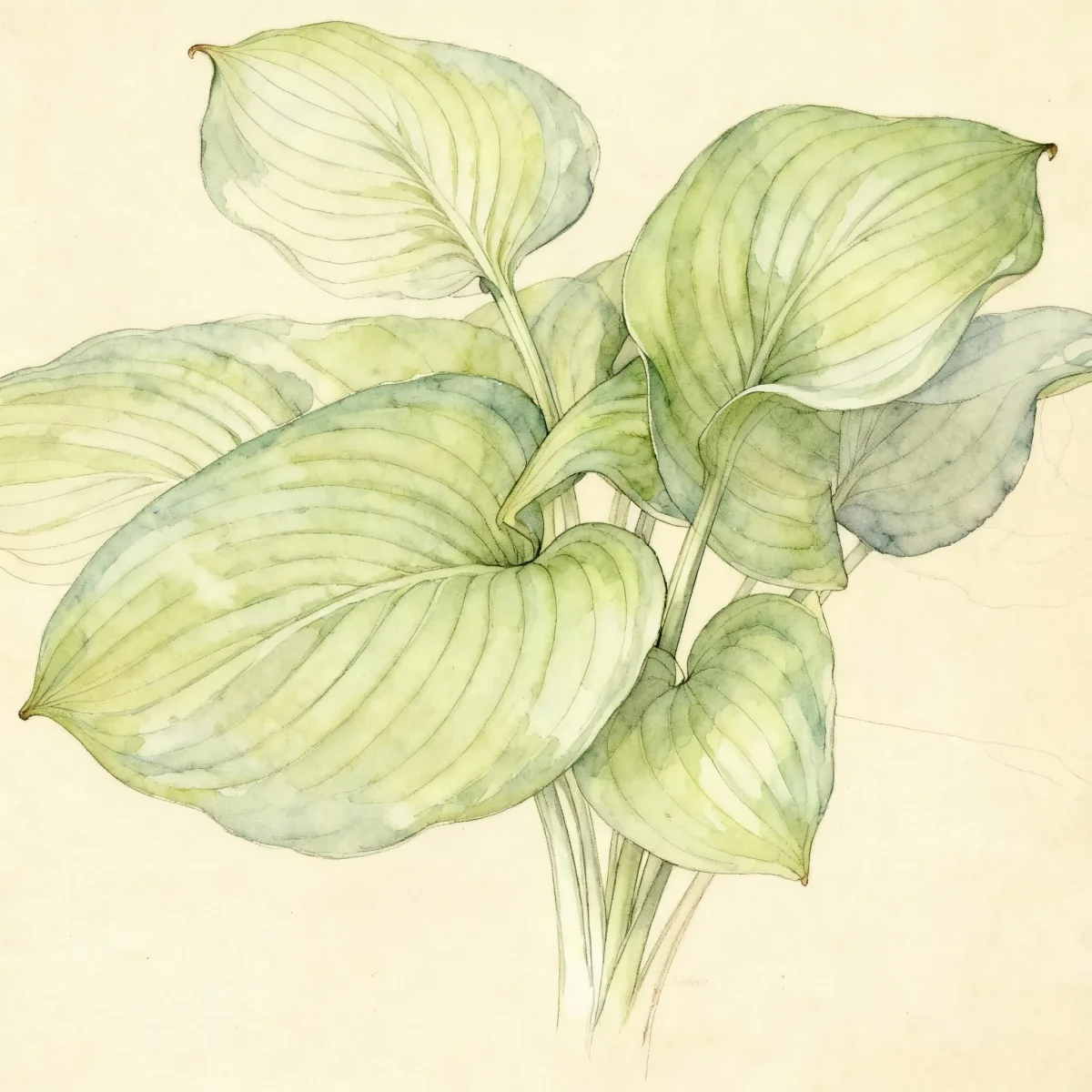
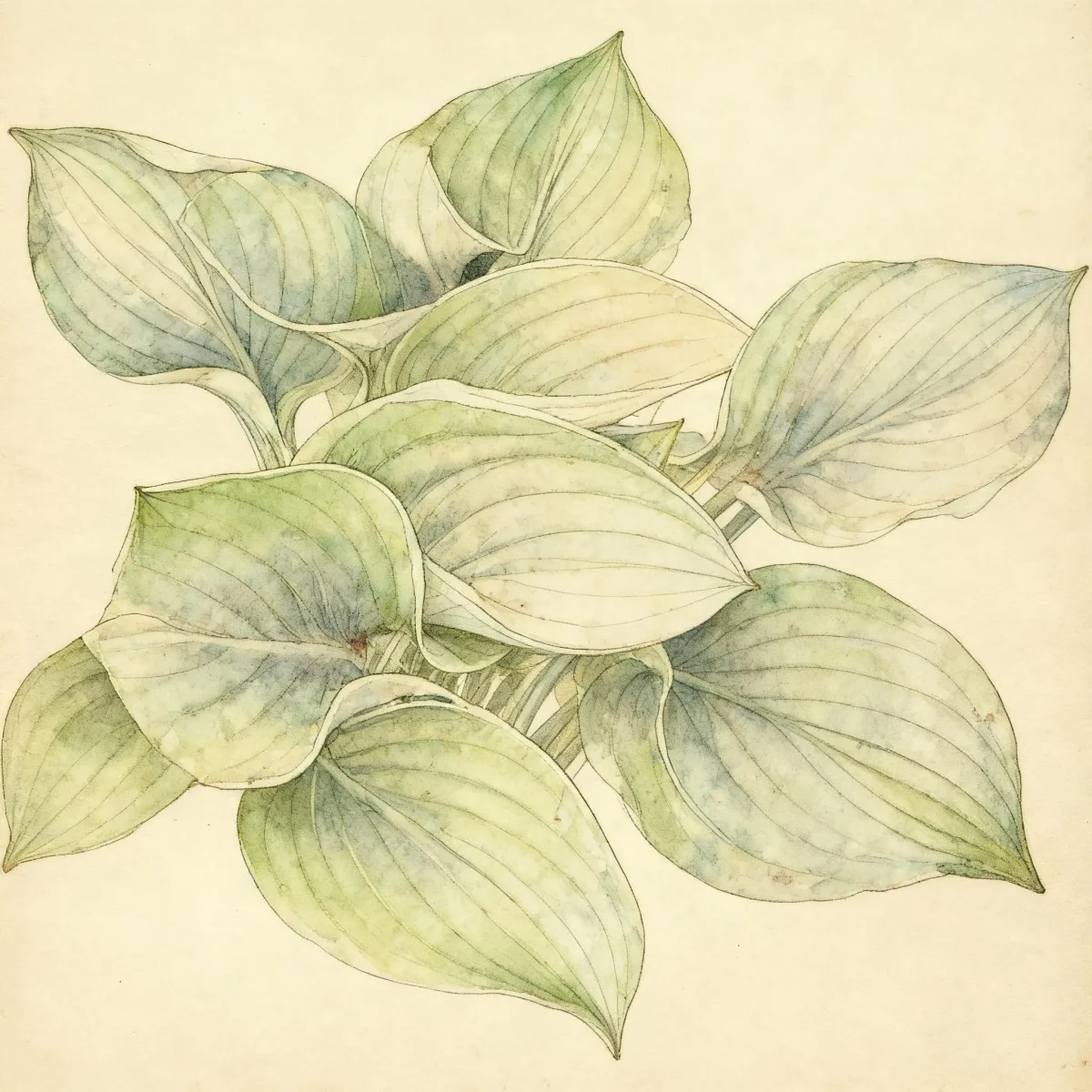
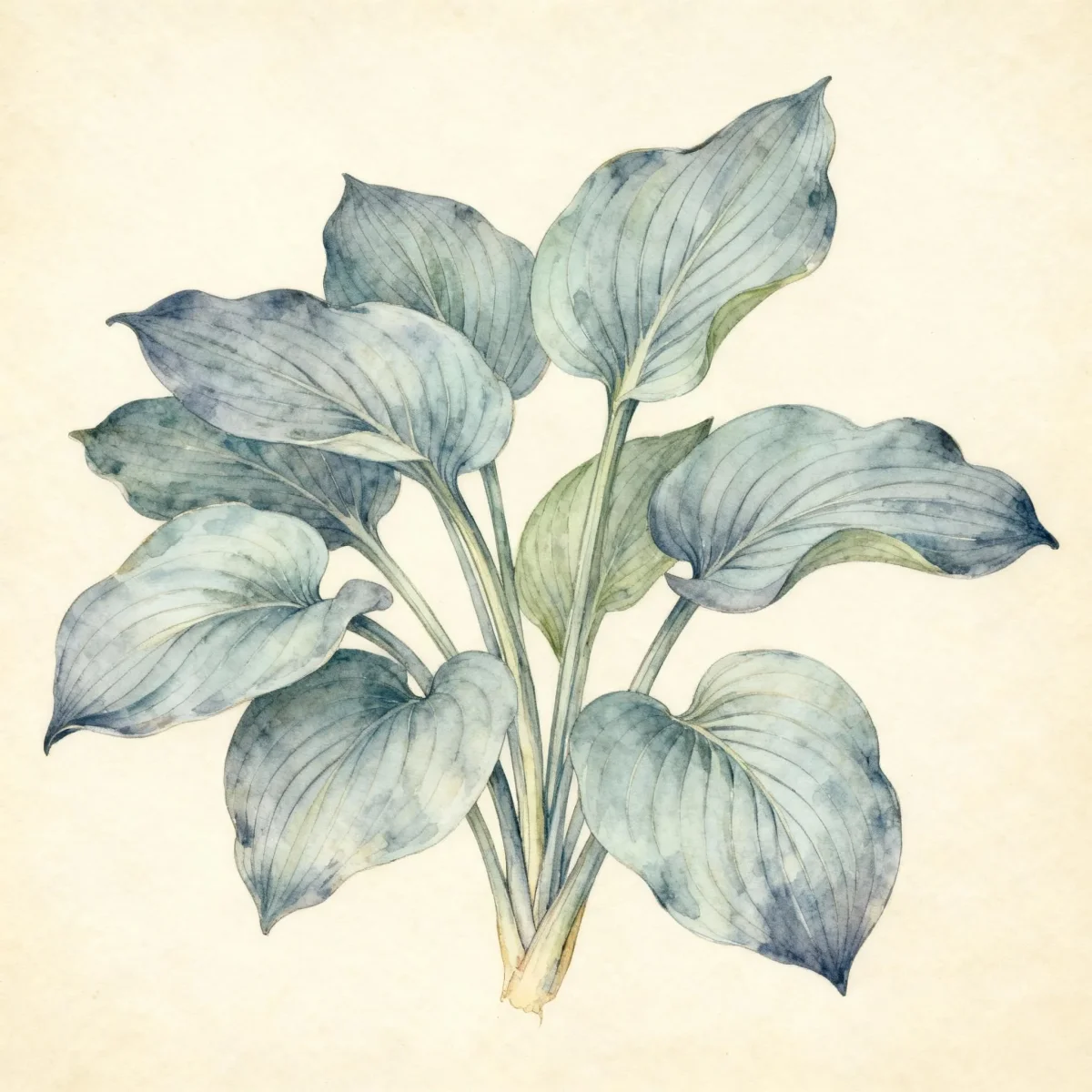
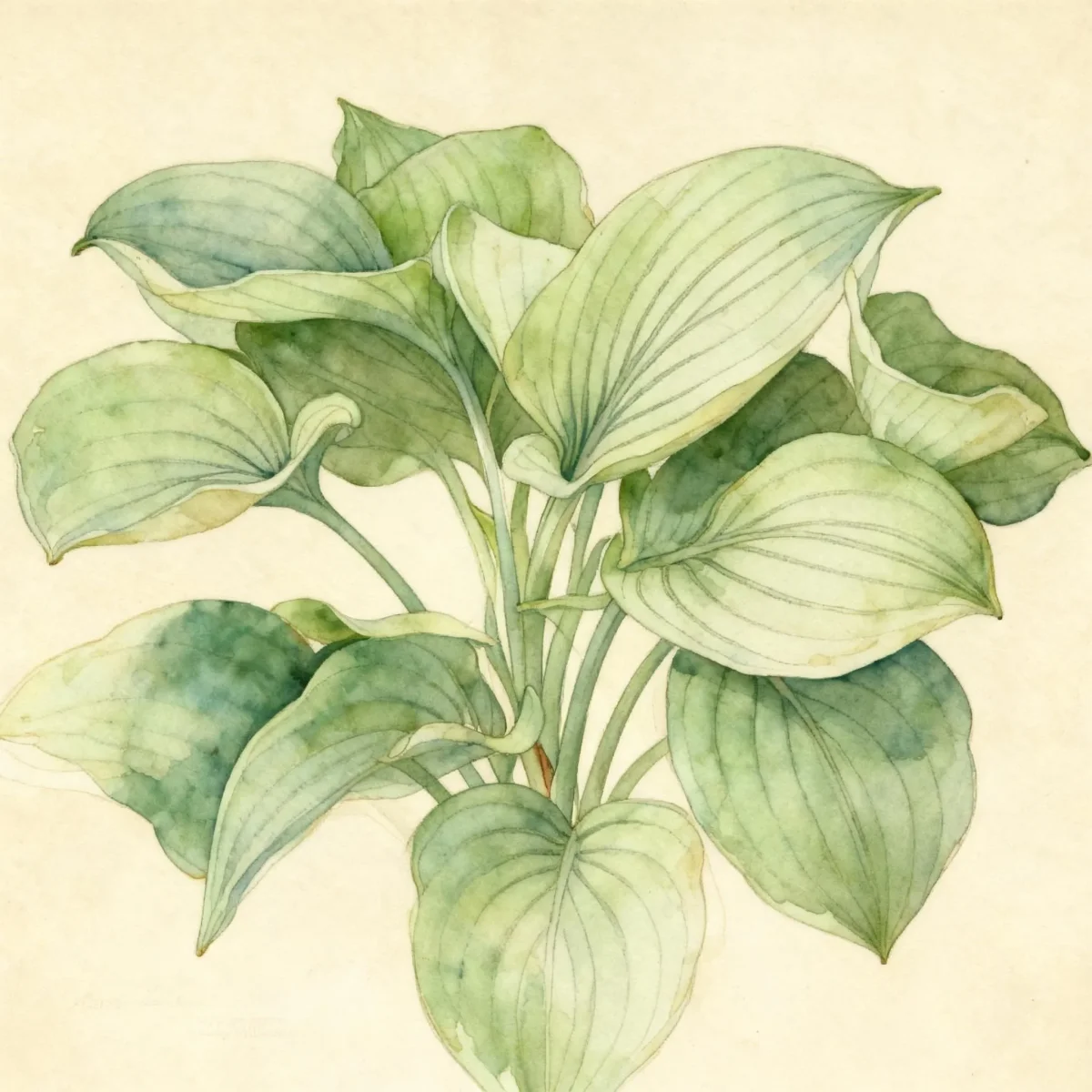
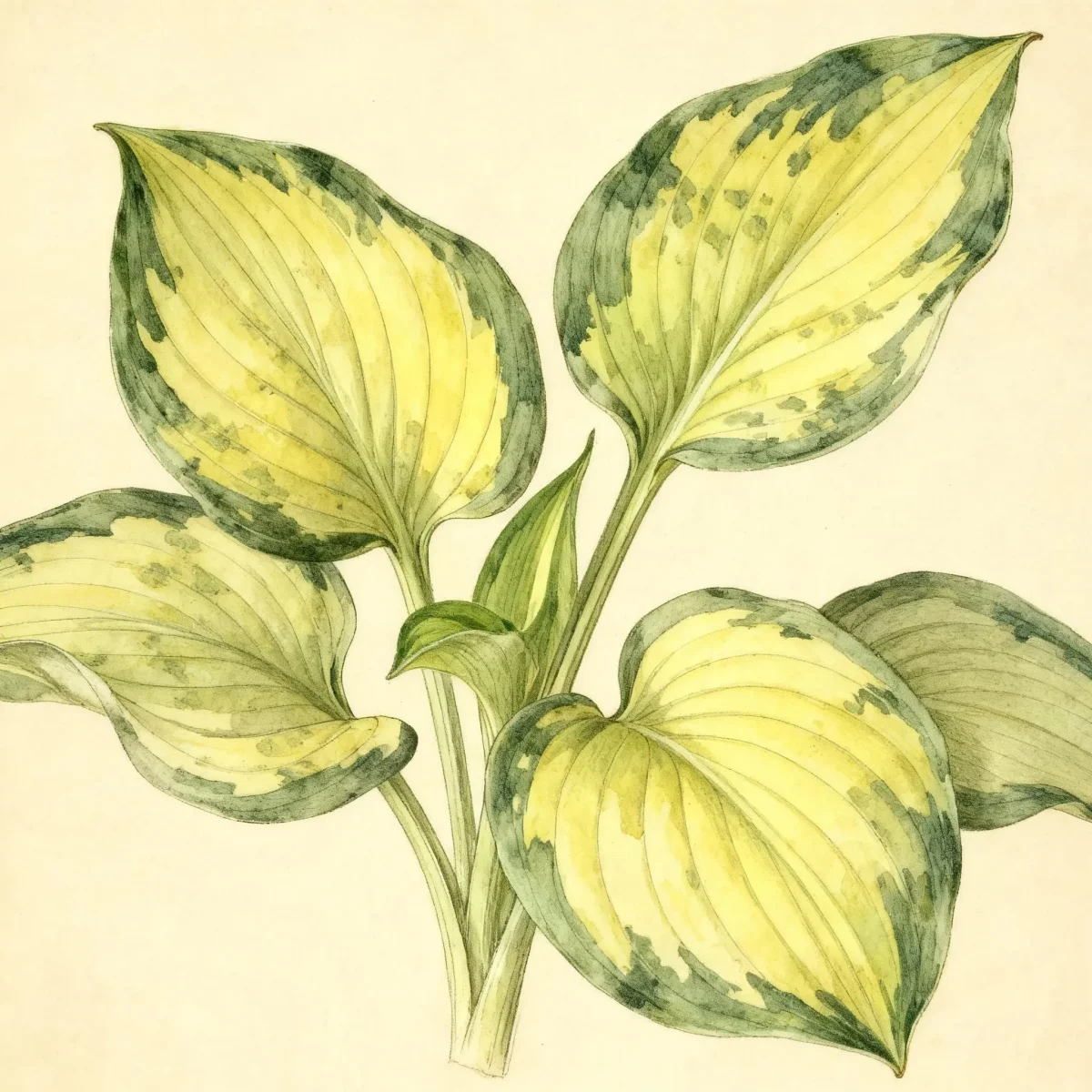
Hosta ventricosa ‘Aureomaculata’ is a highly valued cultivar known for injecting brightness into deeply shaded garden areas. This Hosta cultivar, a sport of H. ventricosa, features broad-oval leaves of chartreuse to yellow, dramatically variegated with dark green margins and central streaking, making it a striking contrast plant in the perennial border. It offers reliable texture and color, thriving where few other plants establish successfully.
As an herbaceous perennial, this Hosta forms a substantial, attractive mound, typically reaching up to 1.5 feet tall and spreading up to 3 feet wide. Its resilience and low maintenance requirements make it a favorite for gardeners seeking consistent performance with minimal fuss, establishing quickly in average moisture conditions.
The structural interest provided by Hosta ventricosa ‘Aureomaculata’ ensures garden impact from spring emergence through the first hard frost. Combined with its late-summer purple flowers, this specific Hosta variety is a versatile choice for creating layered depth in woodland settings or brightening foundation plantings under mature trees.
Fast Facts
- Plant Family: Asparagaceae
- Plant Type: Herbaceous perennial
- Hardiness Zones: USDA Zones 3-8
- Size at Maturity:
- Height: 1-3 ft
- Spread: 2-3 ft
- Bloom Time: July to August
- Bloom Description: Purple
- Sun Exposure: Part shade to full shade
- Water Needs: Medium
- Maintenance Level: Low
How to Grow
Planting Hosta ventricosa ‘Aureomaculata’ is best done in the spring or early autumn, allowing the plant time to establish roots before facing temperature extremes. Ideal locations provide protection from intense afternoon sun, favoring part shade to full shade, although this cultivar can tolerate more sun provided the summer climate is cool and moisture is ample. Incorporate rich amounts of organic matter into the soil to ensure it is fertile, medium in moisture, and well-drained.
Once established, this Hosta requires a medium watering schedule, preferring consistency throughout the growing season, though it can tolerate periods of dry shade compared to some other Hosta varieties. Consistent moisture significantly improves performance, though watering should always be directed to the soil beneath the foliage to help keep leaves dry and minimize spotting. Maintenance is generally low; fertilizing is rarely necessary if the organic content of the soil is high.
Divide your Hosta clumps as needed, typically when they start becoming crowded or the center begins to thin out, aiming for spring before the new leaves unfurl, or in early fall. While the species Hosta ventricosa is interesting because it can come true from seed, propagating this named hybrid cultivar is best achieved through division to ensure the retention of the ‘Aureomaculata’ characteristics.
Landscape Uses
Hostas are the undisputed backbone of shade gardening, and Hosta ventricosa ‘Aureomaculata’ serves as an excellent focal point or mass planting due to its variegation. This large, mounded, yellow-leaved hosta excels at lifting dark corners, providing necessary contrast against deep green ferns or dark-leaved shrubs like rhododendrons or hemlocks. It is highly effective when massed together for a bold statement or used sparingly as an accent specimen.
Consider utilizing this cultivar for bold edging along shaded walkways where its bright foliage can be appreciated up close. It blends beautifully with fine-textured shade companions such as Astilbe, Japanese Forest Grass (Hakonechloa), or bleeding hearts (Dicentra). The bright foliage of this Hosta ensures that even in deep shade, the border remains lively and visually appealing throughout the season.
Standout Features
Flower Qualities
- Showy
Noteworthy Characteristics
The cultivar ‘Aureomaculata’ is characterized by its medium to large, clump-forming mound reaching about 15 inches tall and spreading to 36 inches wide. Its striking coloration comes from broad-oval, chartreuse to yellow leaves accented by irregular dark green margins and streaking, visually referencing its origin name meaning “blotched gold.” Bell-shaped, purple flowers emerge on tall scapes (up to 38 inches) blooming reliably from mid to late summer.
Tolerances
- Heavy Shade
- Black Walnut
Potential Problems
The primary concern for all Hosta plants, including Hosta ventricosa ‘Aureomaculata’, involves mollusk pests. Slugs and snails are highly attracted to the tender foliage, chewing distinctive jagged holes, which can rapidly degrade the aesthetic quality of the leaves if infestations are not managed quickly. Regular inspection, especially on the undersides of leaves early in the morning or after rain, is crucial.
Management strategies include applying organic pellets, using beer traps, or manually removing pests. While less common, leaf spots or crown rot can occur if drainage is poor or overhead watering is excessive. Additionally, be aware that the leaves of this variety, being somewhat thinner than some, may be susceptible to scorching along the edges if exposed to intense, hot midday sun, particularly in the deep South.
Frequently Asked Questions
What hardiness zones is Hosta suitable for?
Hosta (Hosta ventricosa ‘Aureomaculata’) is suitable for USDA Hardiness Zones 3 through 8.
How large does Hosta grow?
This Hosta typically reaches a mature height between 1 and 3 feet tall with a spread between 2 and 3 feet wide.
What sun exposure does Hosta need?
Hosta ventricosa ‘Aureomaculata’ thrives best in part shade to full shade conditions for optimal performance.
When does Hosta bloom?
The purple, bell-shaped flowers of this Hosta usually appear from July to August.
Conclusion
Hosta ventricosa ‘Aureomaculata’ offers indispensable color and low-maintenance structure to any shaded landscape, proving that dark corners need not be dull. The bright, variegated foliage of this particular Hosta variety provides essential visual contrast all season long. Before planting, confirm your site falls within USDA Zones 3-8 and ensure consistent, medium moisture is available to best showcase the vibrant attributes of your new Hosta.
Propagation Tips
Division is the most reliable method for perpetuating the desirable traits of Hosta ventricosa ‘Aureomaculata’. Wait until early spring when the new growth is just beginning to emerge, often appearing as small “eyes” or tightly furled spears, as the tissue is less fragile then. Gently lift the clump using a sharp spade and separate the root mass into smaller sections, ensuring each division retains several healthy roots and a strong growth point.
While the seed of the parent species, Hosta ventricosa, is known to breed true due to apomixis, this is generally not the case for named cultivars like ‘Aureomaculata’. Attempting to grow new gold-mottled plants from seed collected from this particular Hosta is unlikely to yield plants identical to the parent, making vegetative division the only way to guarantee replication of the desirable yellow marking.
Companion Planting in Shade
This Hosta performs wonderfully when paired with plants offering contrasting textures. Consider planting beneath tall, airy companions like Japanese Painted Ferns (Athyrium niponicum) or large clumps of Solomon’s Seal (Polygonatum), which provide vertical contrast to the mounding habit. For spring color that fades nicely before the Hosta is fully robust, Epimedium (Barrenwort) makes an excellent groundcover companion.
The requirements for rich, moist soil and shade link this Hosta culturally with many woodland edge plants. For winter interest, intersperse bulbs such as snowdrops or small daffodils that emerge before the Hosta foliage fully expands, adding seasonal variety to the same shaded area.