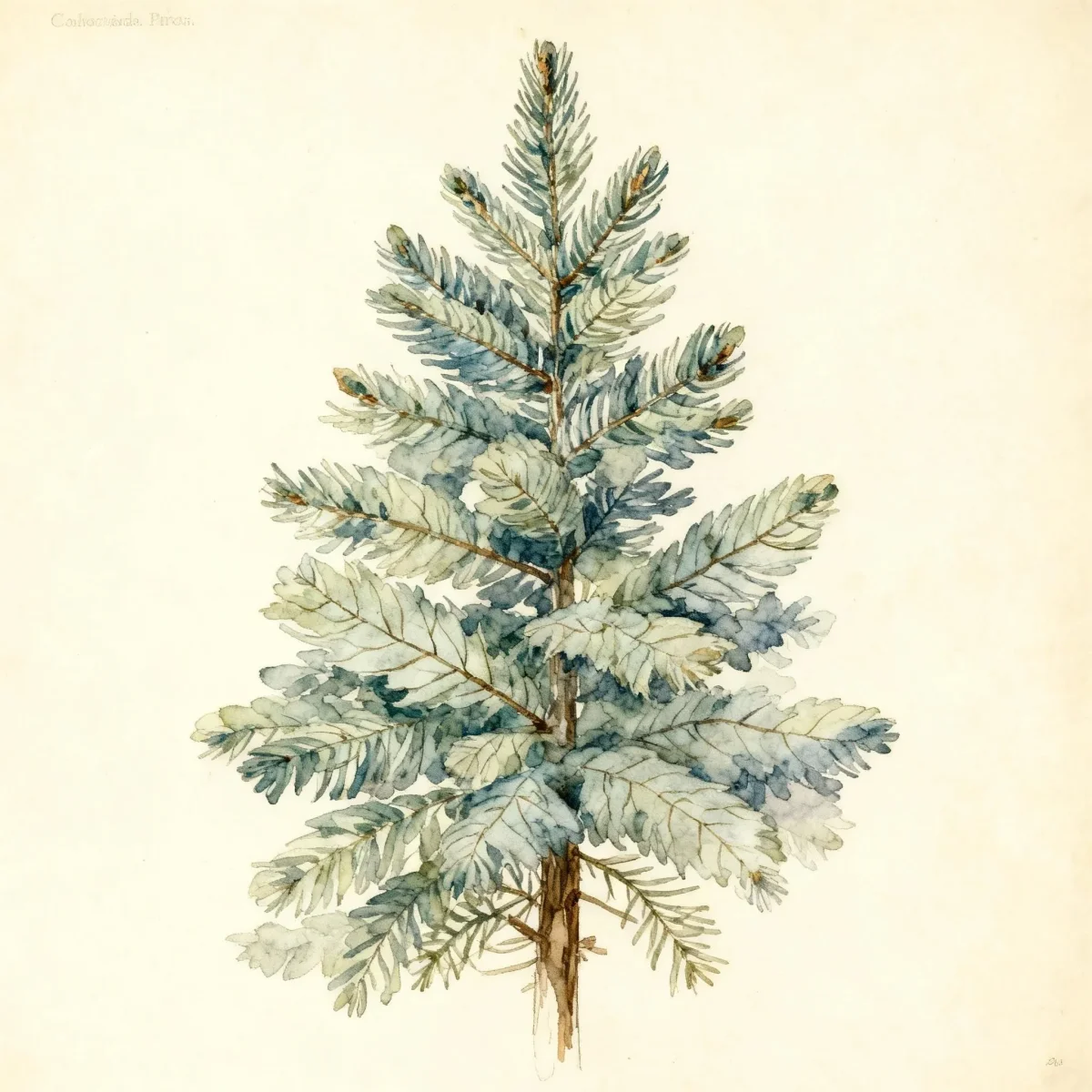
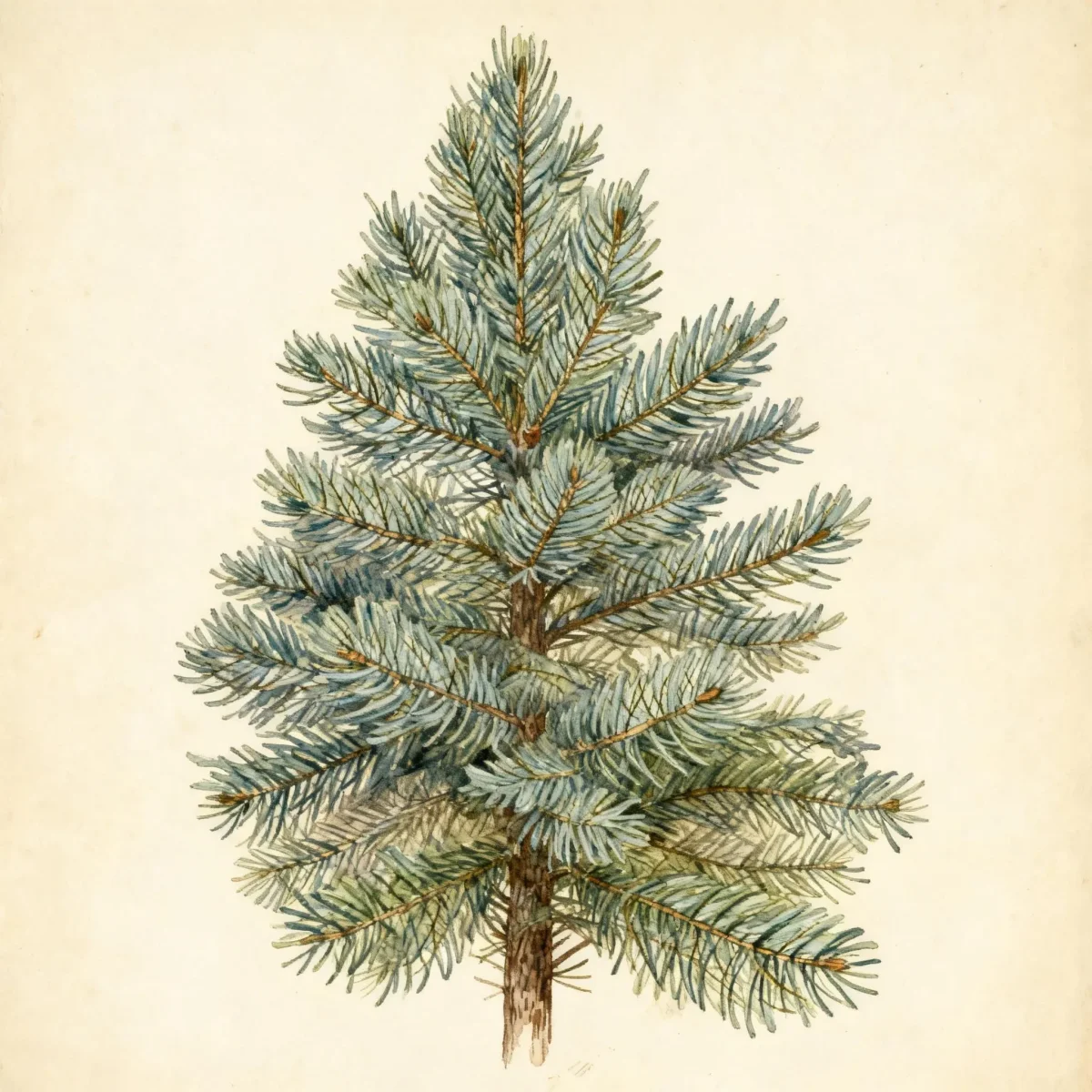
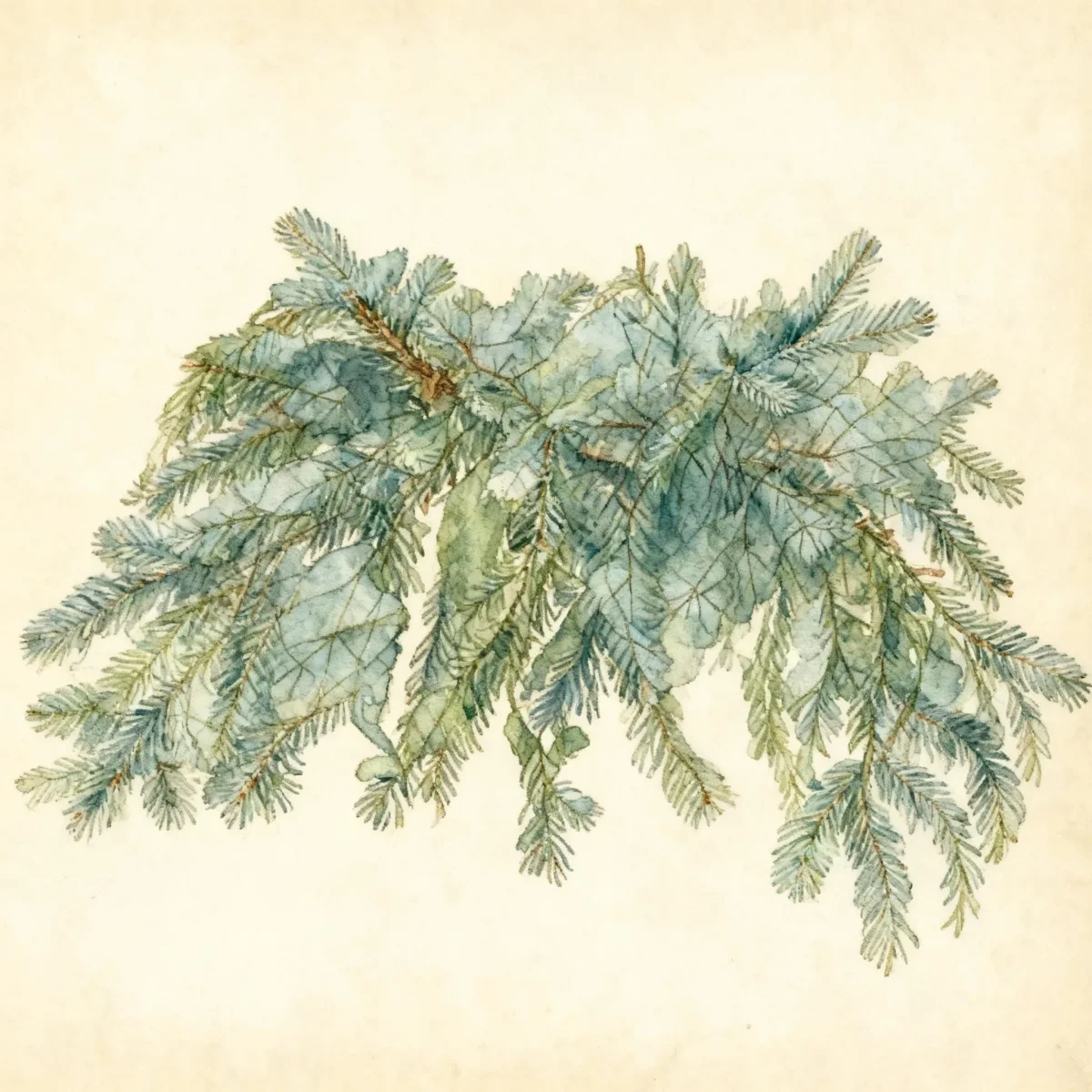
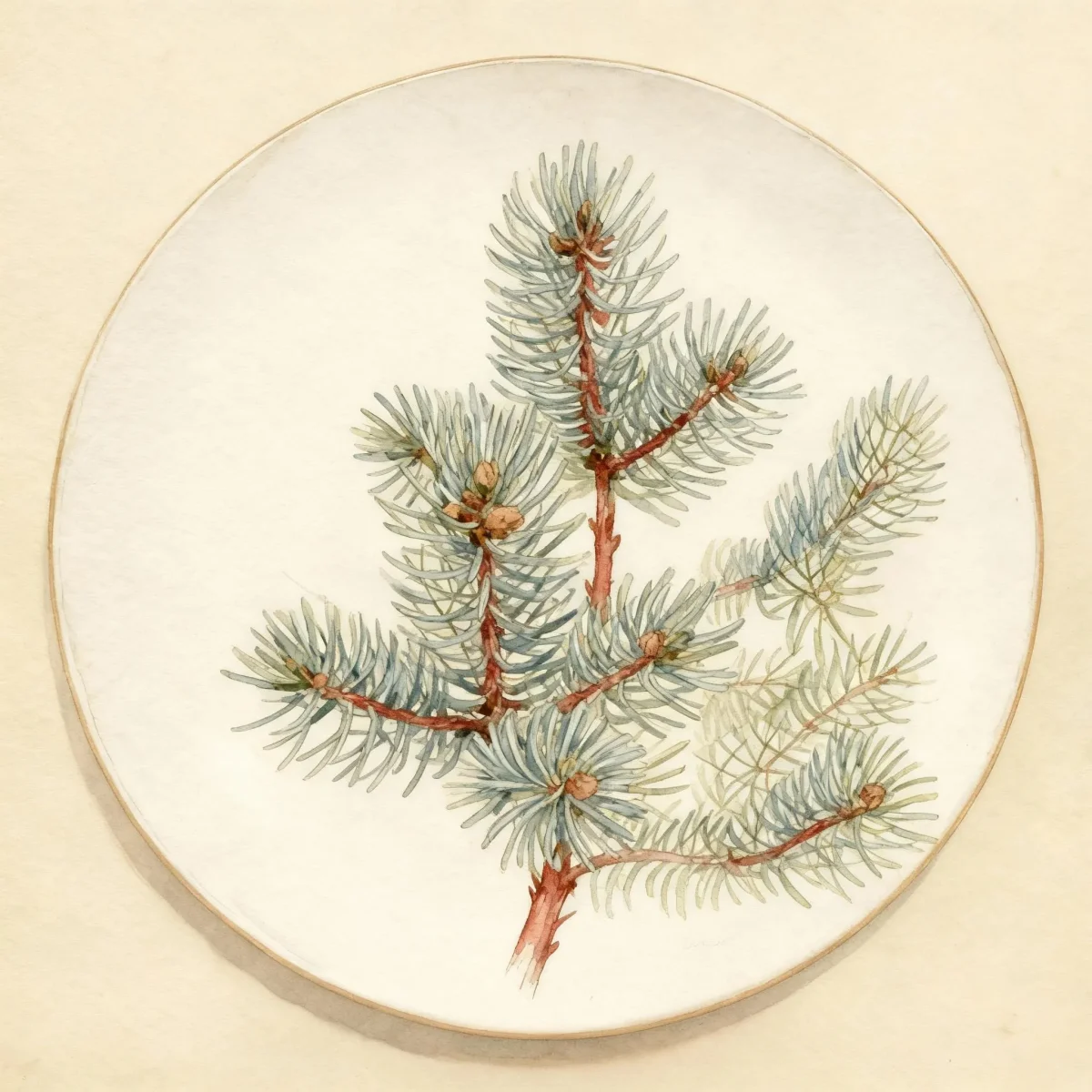
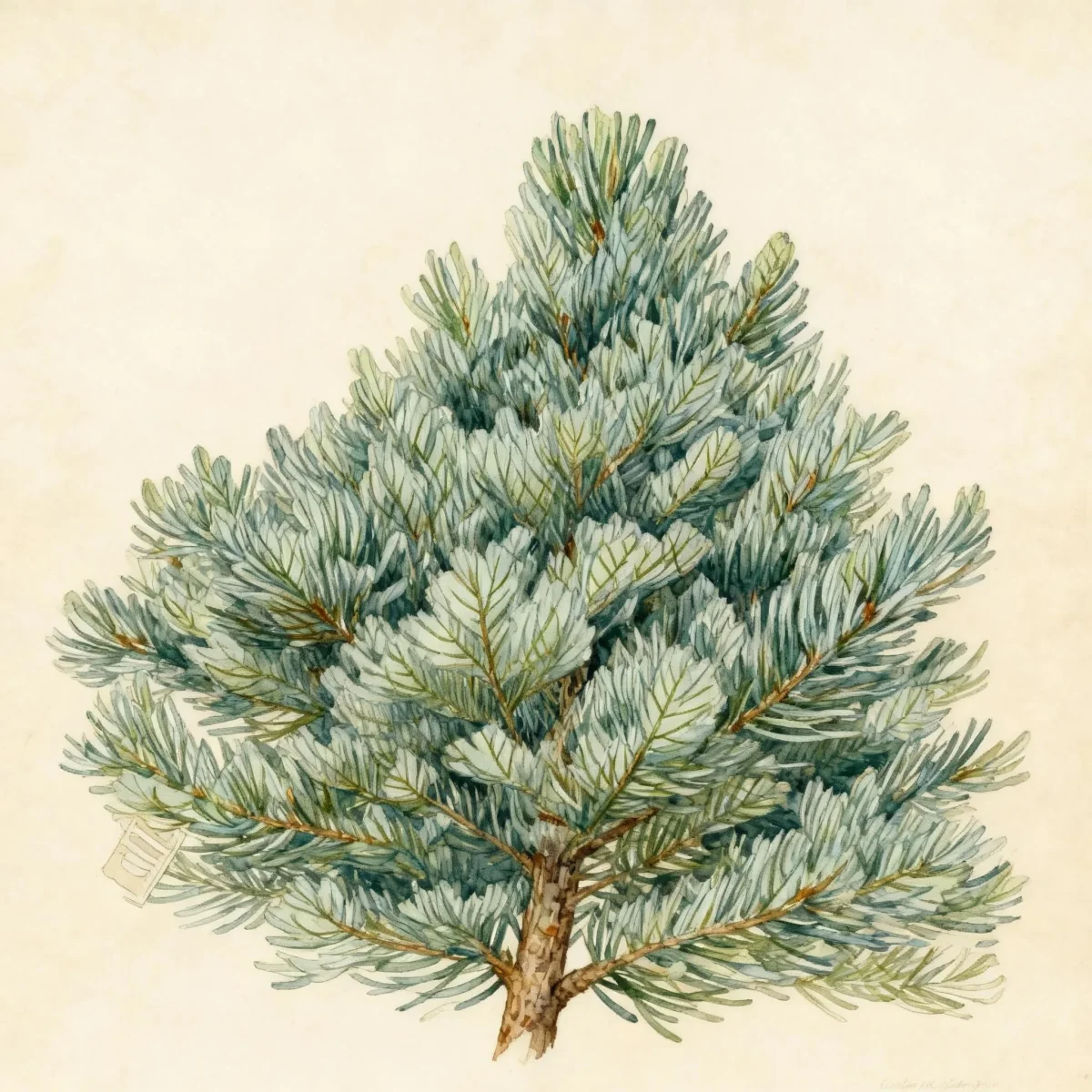
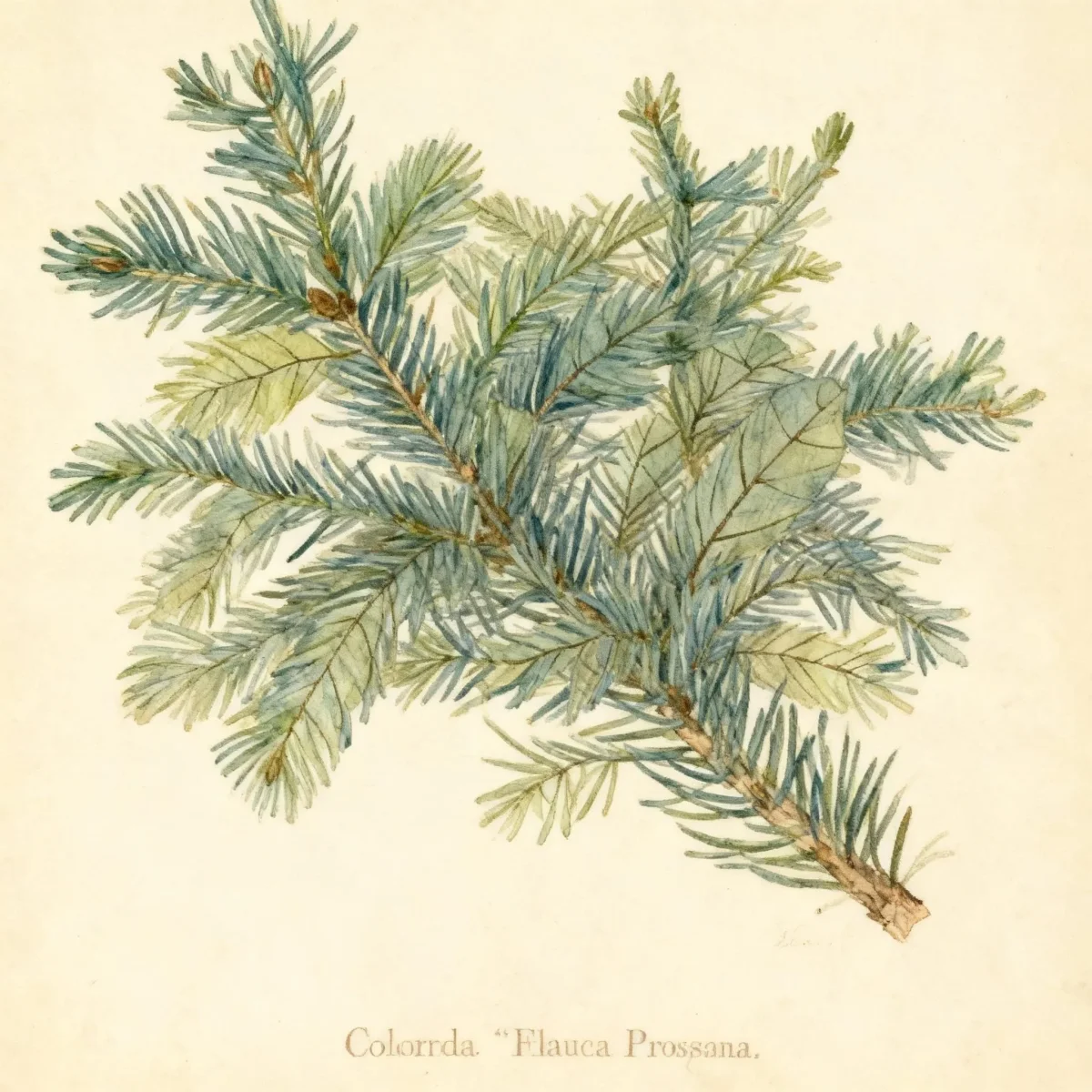
Colorado spruce (Picea pungens 'Glauca Globosa')
The dwarf, globe-shaped Picea pungens 'Glauca Globosa' offers stunning blue needles, ideal for rock gardens and specimen planting.
Scroll down to discover growing tips, care requirements, companion plants, and more
Complete Plant Information
Overview
Picea pungens ‘Glauca Globosa’, commonly known as dwarf Colorado spruce, is a highly valued needled evergreen prized for its dense, silvery-blue foliage retained year-round. This cultivar of Colorado spruce maintains a compact, globe-like shape, making it exceptionally versatile for smaller landscapes where its upright, pyramidal relatives would overwhelm the space. It provides year-round textural contrast and brilliant blue color, serving as a superb focal point.
As a grafted plant, the dwarf habit of Picea pungens ‘Glauca Globosa’ is reliably maintained, ensuring slow, uniform growth perfect for foundation plantings or rock gardens. While the larger form of Colorado spruce is famous for its majesty, this dwarf variety offers the same striking color in a much more manageable size, requiring minimal pruning once established. It is a tough, long-lived conifer once properly situated.
The striking blue needles make this an excellent specimen shrub, contrasting beautifully against darker green or broadleaf plantings. Despite its generally low maintenance level, attention to soil moisture and sun exposure during establishment is key to maintaining the vigor of this attractive dwarf conifer.
Fast Facts
- Plant Family: Pinaceae
- Plant Type: Needled evergreen
- Hardiness Zones: USDA Zones 2-7
- Size at Maturity:
- Height: 3-5 ft
- Spread: 4-6 ft
- Bloom Time: Non-flowering
- Sun Exposure: Full sun
- Water Needs: Medium
- Maintenance Level: Low
How to Grow
Plant Picea pungens ‘Glauca Globosa’ during the cooler, moist seasons—fall or early spring—to allow roots to establish before summer stress. This dwarf Colorado spruce thrives in average, acidic soils, provided they are well-drained. While it performs best in full sun, in extremely hot and humid summer climates, afternoon shade can be beneficial, though full sun is generally preferred to maintain the best blue needle color.
Watering is critical, especially during the establishment phase; soils must be kept consistently moist and should never be allowed to dry out completely, even though established plants exhibit some drought tolerance. While it generally prefers cool climates, its robust nature helps it adapt, provided moisture is sufficient. Fertilization is typically unnecessary unless the soil quality is extremely poor, but focusing on soil health rather than heavy feeding promotes sturdier growth.
Maintenance for the Picea pungens ‘Glauca Globosa’ is typically low due to its natural dense, rounded form. However, to strictly maintain the globose shape, occasionally prune out any upright shoots that deviate from the natural mound. Avoid heavy shearing, which can damage the foliage and create unattractive brown patches.
Landscape Uses
The inherent beauty of Picea pungens ‘Glauca Globosa’ lies in its dense, richly colored structure, making it highly effective as a blue-needled specimen shrub for focal points. Its compact size ensures it can anchor corners where larger evergreens are impractical or serve as dramatic accent plants in rock gardens or contemporary displays.
This dwarf Colorado spruce integrates well into traditional shrub borders, providing year-round structure alongside deciduous plants that provide seasonal interest. Used repeatedly as a low hedge or edging feature, the repeating mounds of blue needles create a formal, clean line along walkways or property boundaries. Pair it with plants offering contrasting textures, such as Japanese maples or soft ornamental grasses, to maximize the visual impact of its stiff, icy-blue foliage.
Standout Features
Noteworthy Characteristics
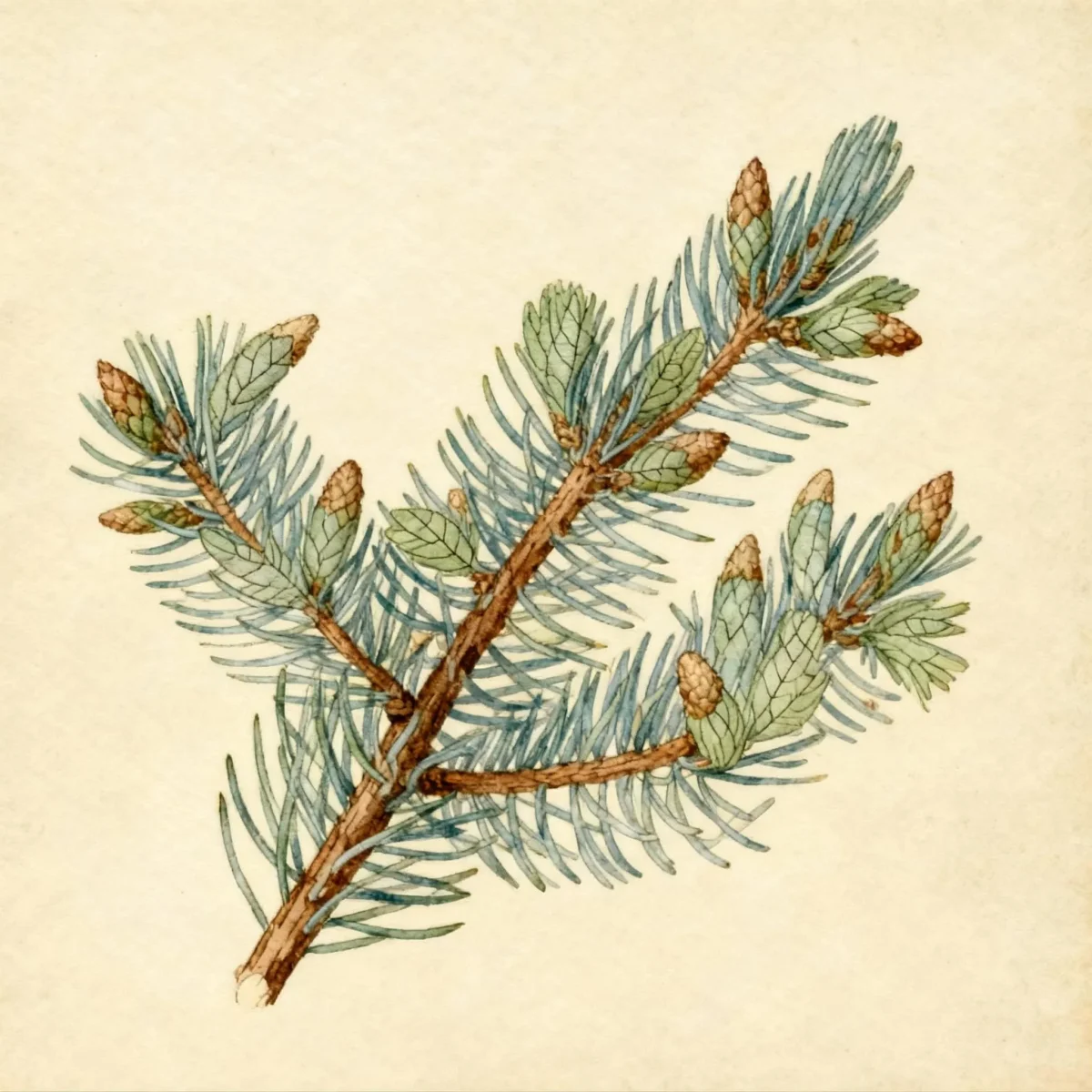
Picea pungens, commonly called Colorado spruce (also blue spruce), is native to the central Rocky Mountains where it naturally grows in moist locations. The cultivar ‘Glauca Globosa’ is a dwarf, globe-shaped, blue-needled, evergreen shrub with a flattened top that will slowly grow over time to 3-5’ tall and 4-6’ wide, often sold grafted. Stiff, bristly, four-angled needles exhibit fantastic silver-blue coloring that holds well all year, though they are brightest when emerging in spring.
Tolerances
- Rabbit
- Deer
- Drought
- Air Pollution
Potential Problems
Picea pungens ‘Glauca Globosa’ is susceptible to several fungal issues common to spruce, including needle cast, cytospora canker, and rust. Prevention involves ensuring good air circulation around the shrub through proper spacing and avoiding overhead watering during humid periods. If canker appears, prune out affected branches immediately to prevent spread.
Insect pests also require monitoring, particularly spruce gall aphids, scale, budworms, and bagworms. Inspect new growth closely in spring for aphids, which cause distorted, swollen twig tips. Spider mites can become problematic, especially during hot, dry spells, leading to bronzing or yellowing of the needles; control minor infestations with strong streams of water or use horticultural oil for severe invasions.
Frequently Asked Questions
What hardiness zones is Colorado spruce (Picea pungens ‘Glauca Globosa’) suitable for?
This durable conifer is suitable for USDA Zones 2 through 7, offering excellent cold tolerance.
How large does Picea pungens ‘Glauca Globosa’ grow?
It matures slowly to a height range of 3 to 5 feet, with a comparable spread of 4 to 6 feet, maintaining a naturally globe-like shape.
What sun exposure does Picea pungens ‘Glauca Globosa’ need?
Full sun exposure is recommended for this plant to develop the most intense blue needle color, though it tolerates a bit of light shade, especially in hotter regions.
When does Colorado spruce bloom?
Picea pungens ‘Glauca Globosa’ is classified as non-flowering, as it produces cones rather than traditional flowers.
Conclusion
The compact habit and arresting blue coloration make Picea pungens ‘Glauca Globosa’ an indispensable evergreen for structure and color in modern and traditional gardens alike. This low-maintenance dwarf Colorado spruce provides dramatic year-round appeal, perfectly balancing visual interest with tough, resilient growth. Before planting, ensure your site provides full sun exposure and consistently medium moisture, and verify that your location falls within USDA Zones 2 through 7.
Companion Planting
When selecting companions for Picea pungens ‘Glauca Globosa’, focus on plants that offer textural or color contrast while sharing similar cultural needs for sun and drainage. Low-growing perennials like hardy Geraniums or creeping Thyme work well beneath the shrub, softening the edges near the soil line. For taller accents, consider deciduous shrubs with fine, lacy foliage, such as a Japanese Laceleaf Maple (though ensure the Maple gets partial shade if the spruce is in hot afternoon sun). Avoid plants that require rich, constantly wet soils, as the well-drained requirements of the Colorado spruce must be respected.
Design Ideas
The excellent globe shape of Picea pungens ‘Glauca Globosa’ makes it ideal for symmetrical plantings flanking an entryway or defining the corners of a foundation planting. In contemporary landscapes, group three or five specimens together at varying distances to create a staggered, textural screen that emphasizes the cool blue tones against architectural hardscaping elements like gravel or concrete. For a traditional cottage garden approach, use the dwarf size as a backdrop for vibrant summer perennials, allowing their bright colors to pop against the muted, icy foliage of the spruce.