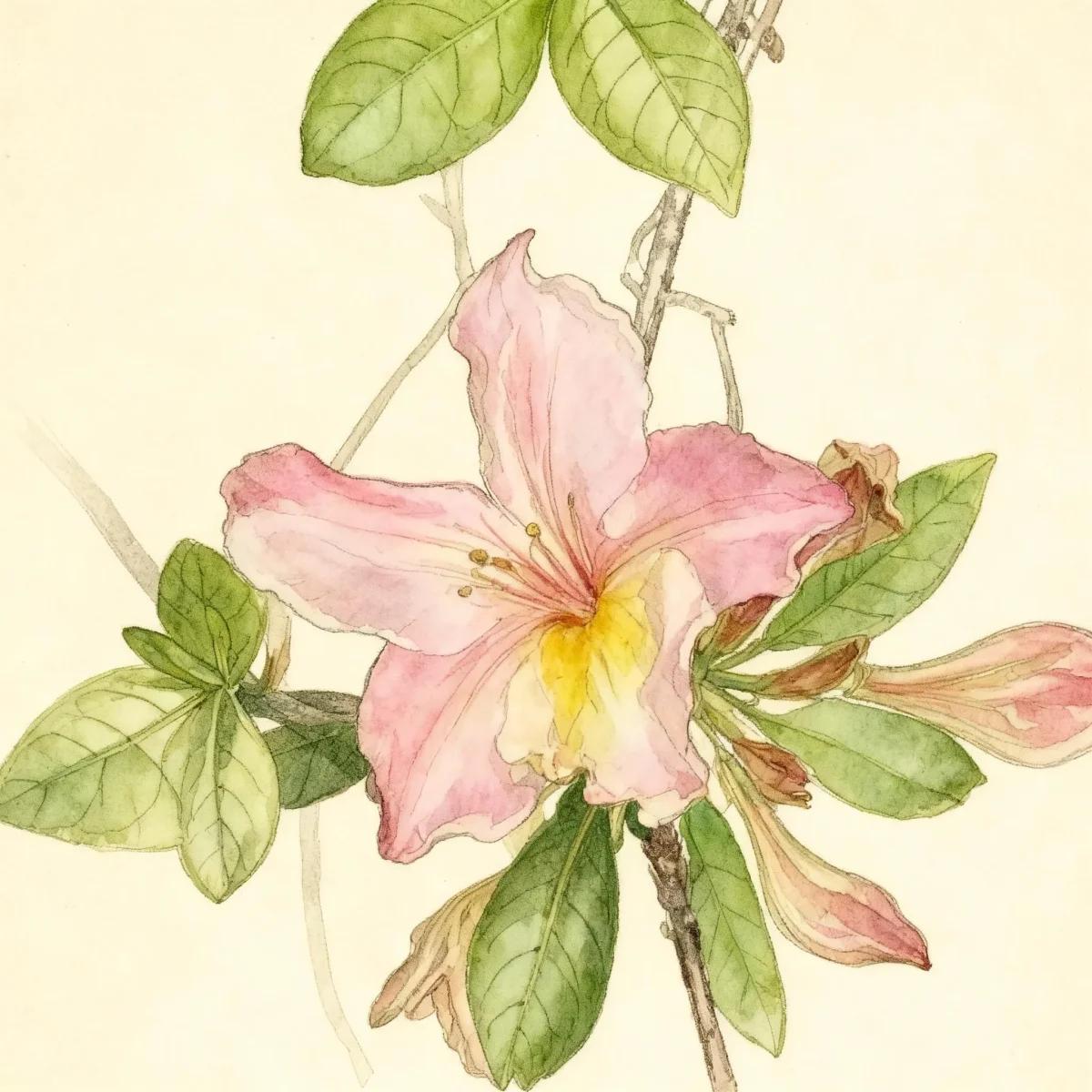
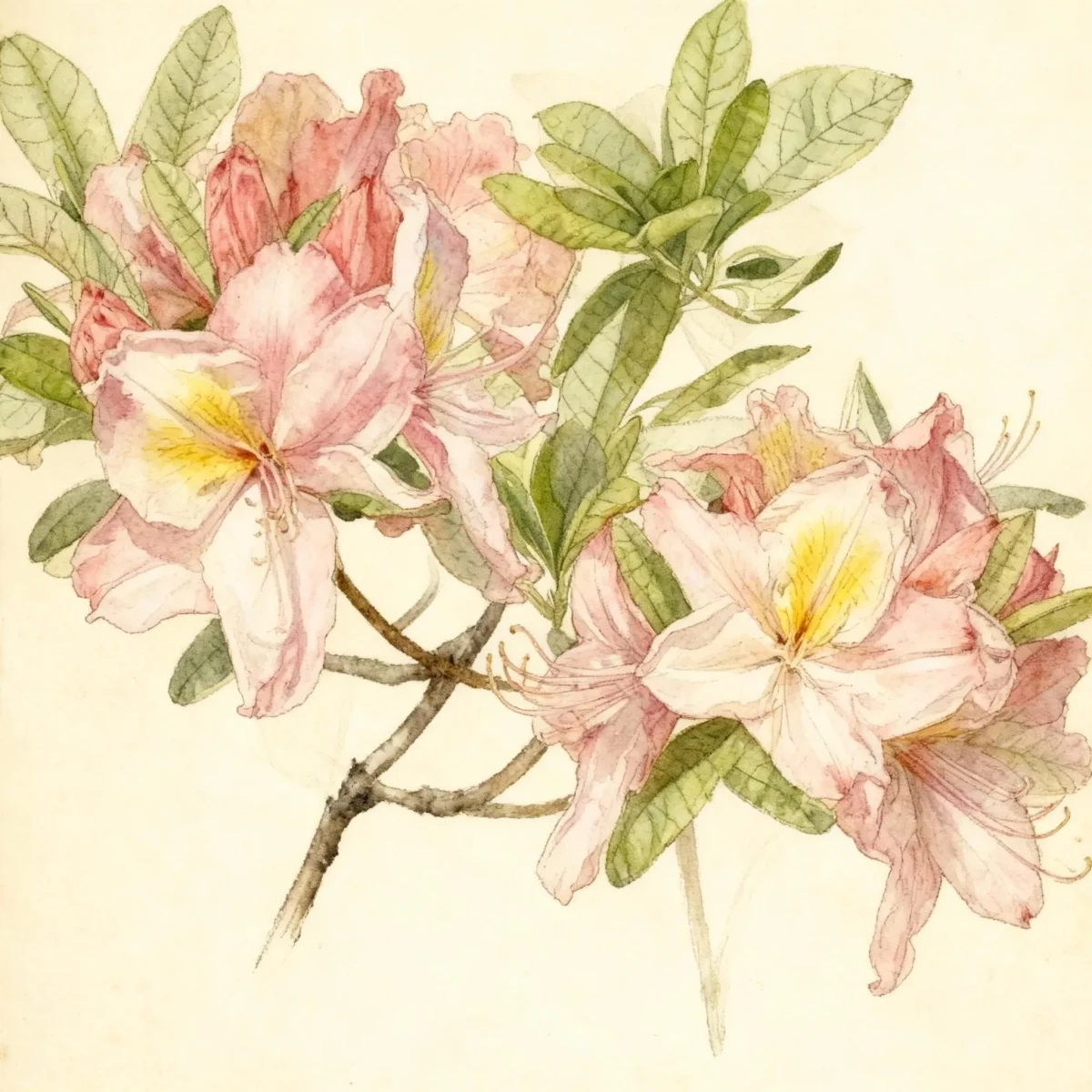
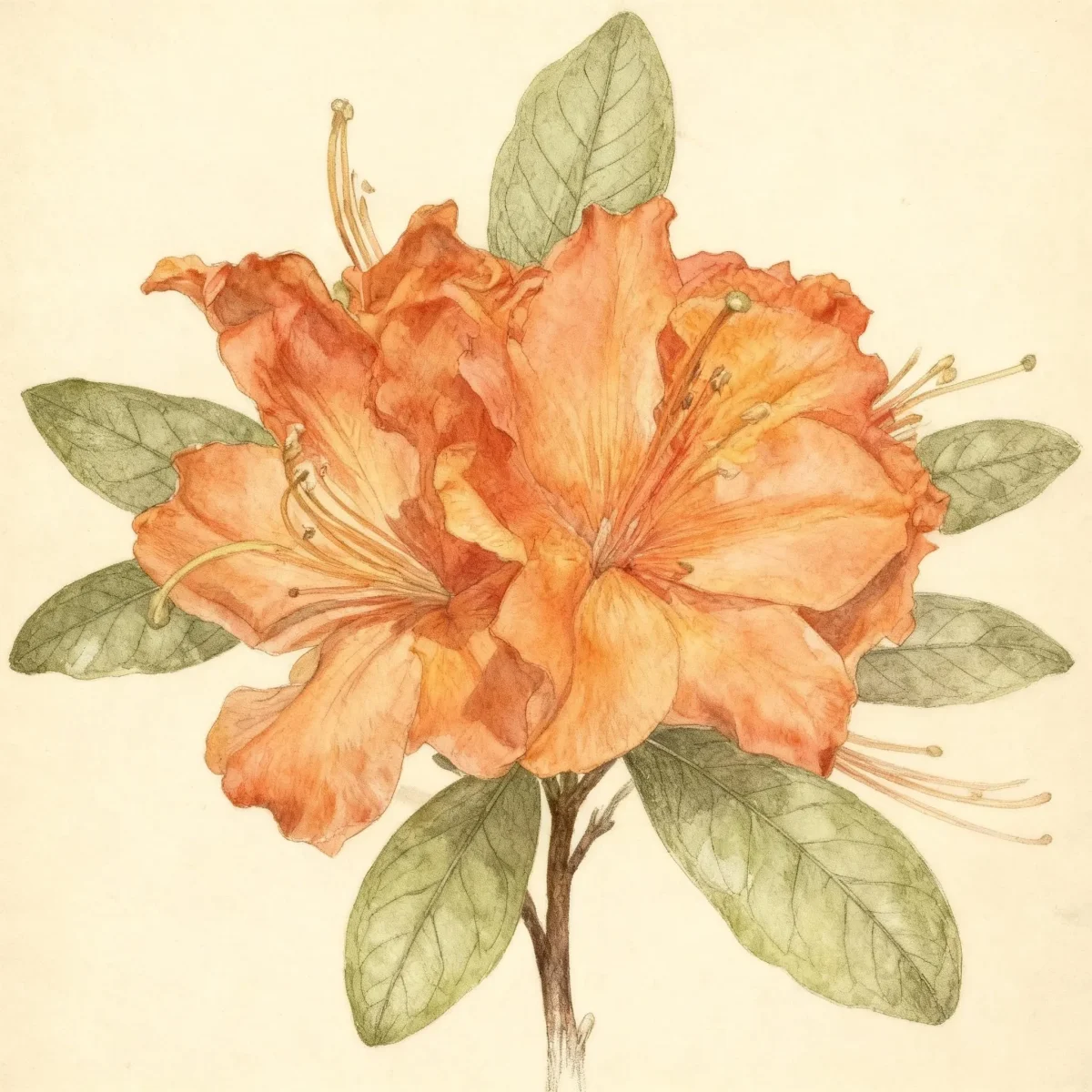
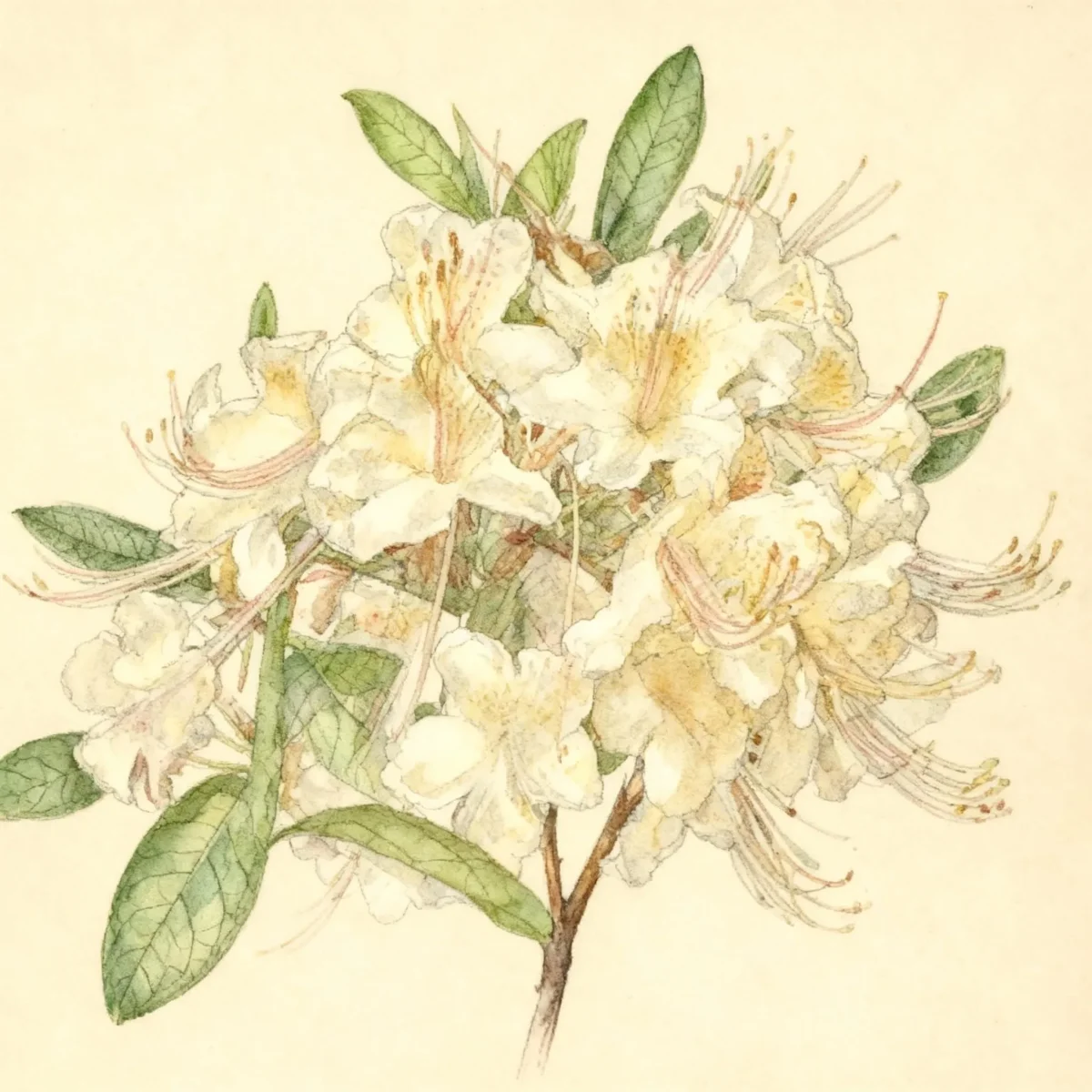
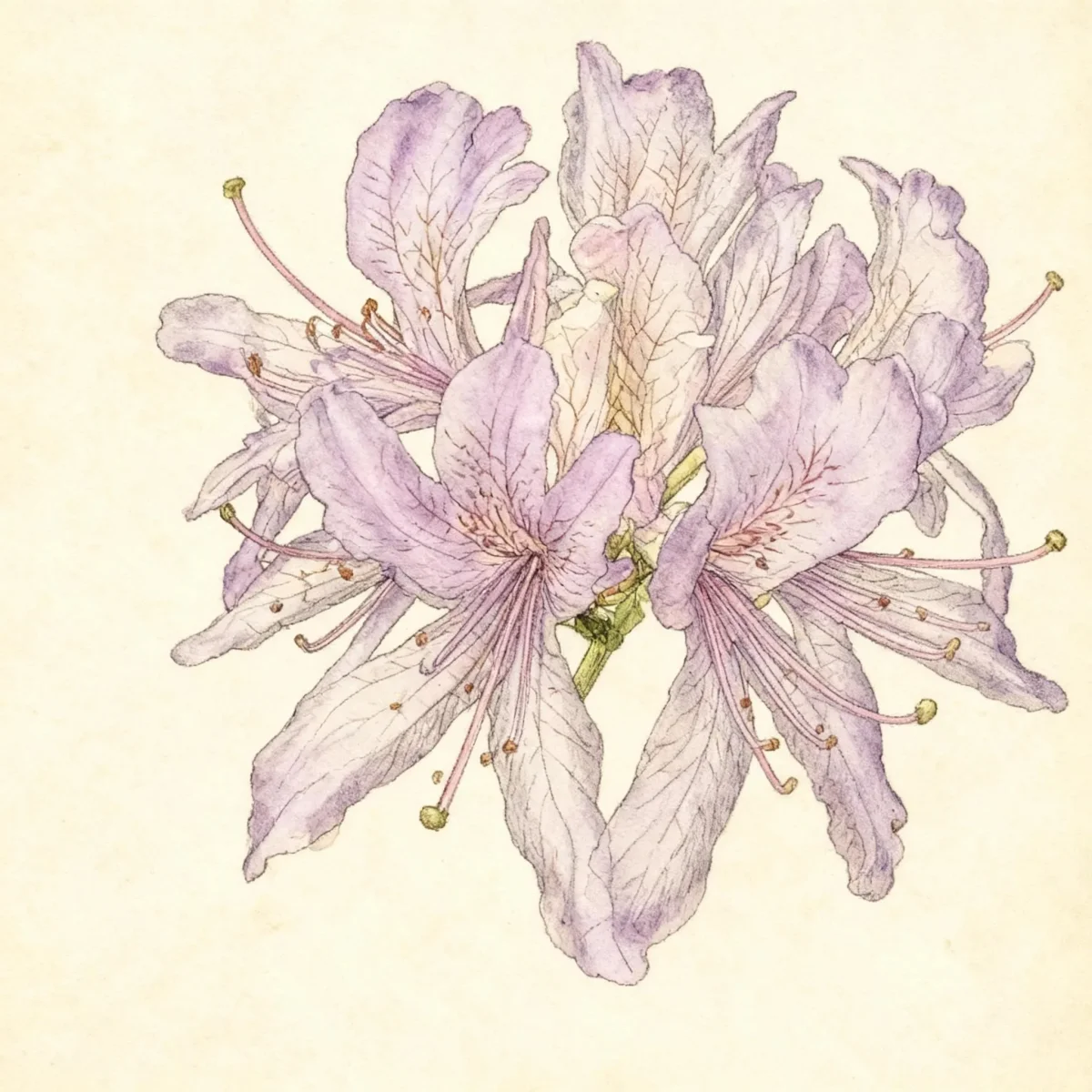
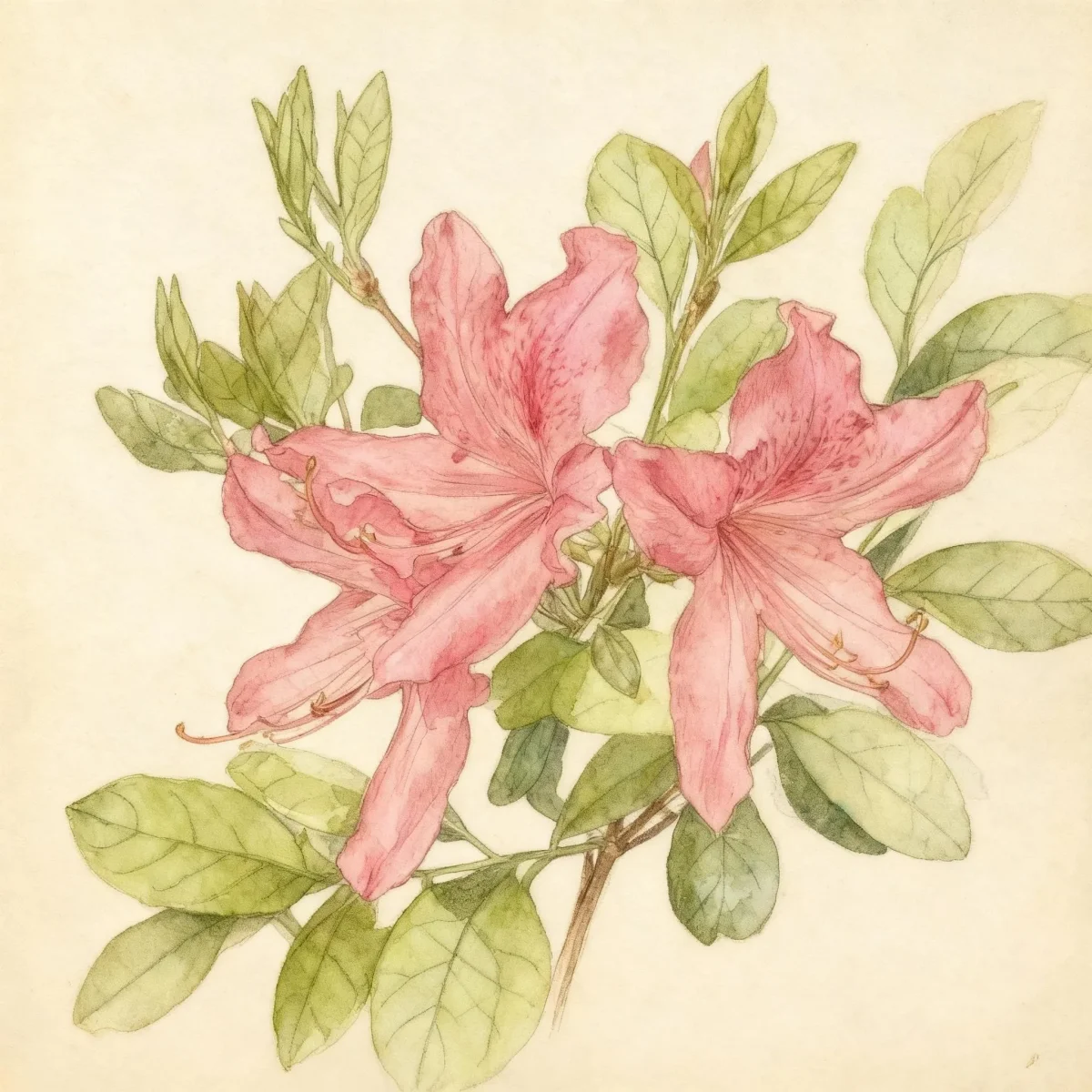
Deciduous azalea (Rhododendron 'Lace Valentine')
Rhododendron 'Lace Valentine' is a showy Deciduous azalea cherished for fragrant spring blooms. Ideal for zones 4-8.
Scroll down to discover growing tips, care requirements, companion plants, and more
Complete Plant Information
Overview
Rhododendron ‘Lace Valentine’ is a highly valued deciduous shrub, recognized for its breathtaking spring floral display when few other woody plants offer such vigor. As a Deciduous azalea, it sheds its leaves in the autumn, allowing its deeply ruffled flowers to stand out brilliantly just as new foliage emerges. This hybrid offers both visual splendor and a delightful fragrance.
This specific cultivar, Rhododendron ‘Lace Valentine’, matures into a substantial shrub, typically reaching 4 to 10 feet in height. It demands attention in any landscape setting, providing the classic, showy blooms characteristic of hybrid azaleas. Its stature makes it versatile for use in larger borders or as a specimen planting.
Gardeners appreciate this Deciduous azalea for its reliability in cooler climates (down to Zone 4) and its relatively manageable maintenance, provided its specific soil needs are met. Planting Rhododendron ‘Lace Valentine’ ensures a memorable highlight in the early spring garden.
Fast Facts
- Plant Family: Ericaceae
- Plant Type: Deciduous shrub
- Hardiness Zones: USDA Zones 4-8
- Size at Maturity:
- Height: 4-10 ft
- Spread: 4-6 ft
- Bloom Time: April
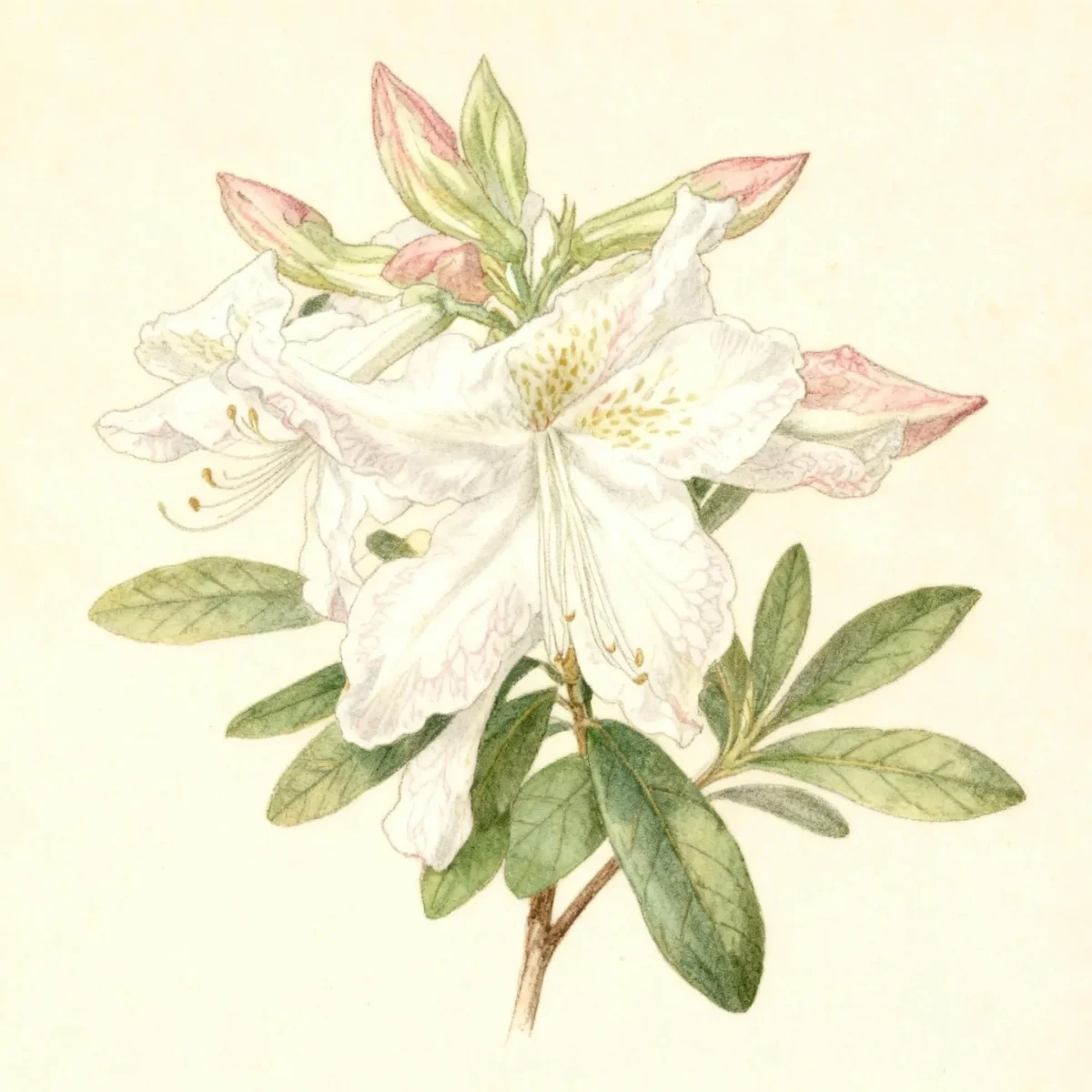
- Bloom Description: White with yellow blotch and shell-pink buds
- Sun Exposure: Part shade
- Water Needs: Medium
- Maintenance Level: Medium
How to Grow
The key to success with Rhododendron ‘Lace Valentine’ lies entirely in soil preparation and placement. Plant this Deciduous azalea where it will receive dappled sunlight or high open shade; morning sun followed by afternoon shade is often ideal, though it can tolerate more sun in cooler northern summers. Essential site preparation involves amending the soil to be acidic, organically rich, humusy, and consistently moist but exceptionally well-drained.
Good drainage is critical, as this plant despises “wet feet,” which leads quickly to root rot. If planting in heavy clay soils, consider building raised beds to ensure runoff. Because the roots are shallow and fibrous, avoid cultivating near the base; instead, apply a thick layer of mulch, such as pine needles or wood chips, to conserve moisture and regulate soil temperature.
Maintain soil acidity, aiming for a pH between 5.0 and 5.5; use sulfur or iron sulfate to lower high pH levels. Water regularly to keep roots from ever drying out, meeting its medium water needs. After flowering concludes, promptly clip off the faded flower clusters (deadheading) to encourage robust energy storage for next spring’s lavish display of Rhododendron ‘Lace Valentine’ blooms.
Landscape Uses
Rhododendron ‘Lace Valentine’ excels when integrated into various garden designs due to its multi-season appeal. It performs admirably as a hedge, providing a structured green element that explodes with color in spring. Furthermore, it functions perfectly as a specimen plant, drawing the eye with its stature and unique blossoms, or incorporated into mixed borders alongside other acid-loving plants like blueberry or mountain laurel.
For woodland gardens or shaded borders, the Deciduous azalea fills a crucial niche, offering height and early color beneath taller trees. When siting, carefully avoid the drip lines of walnut trees, as these plants are highly intolerant of juglone toxins produced by neighboring roots.
The flower quality of Rhododendron ‘Lace Valentine’—its showy nature and fragrance—makes it an excellent choice near patios or walkways where the scent can be easily appreciated during the April bloom period.
Standout Features
Flower Qualities
- Showy
- Fragrant
Noteworthy Characteristics
Rhododendron is a genus comprised of hundreds of species, encompassing both evergreens and deciduous types like this azalea. Deciduous azaleas are distinguished by dropping their thinner leaves in the fall, leading to an amazing floral show early in spring, often before the new leaves fully develop. Hybrid cultivars, such as Rhododendron ‘Lace Valentine’, have been developed to maximize flower impact, producing lavish color displays. This specific Bovee Knap Hill hybrid is noted for its ruffled flowers featuring white and shell-pink tones highlighted by a central yellow blotch.
Tolerances
- Rabbit
Potential Problems
Rhododendrons and azaleas are susceptible to a range of pests and diseases if environmental conditions are not perfectly managed. Common insect threats include scale, aphids, and lacebugs, while fungal issues like leaf spot and root rot are often signals of poor air circulation or inadequate drainage. Chlorosis, characterized by yellowing leaves, highly suggests the soil pH is too high, leading to iron deficiency.
Preventative care focuses heavily on cultural requirements mentioned previously: impeccable drainage, appropriate acidity, and protection from physical damage. Since Rhododendron ‘Lace Valentine’ has shallow roots, avoid deep cultivation around the base and ensure consistent moisture without waterlogging. A healthy plant grown in the correct site with proper acidic soil management will inherently resist most minor health issues.
Frequently Asked Questions
What hardiness zones is Deciduous azalea suitable for?
Rhododendron ‘Lace Valentine’ is well-suited for USDA Hardiness Zones 4 through 8.
How large does Rhododendron ‘Lace Valentine’ grow?
This shrub typically reaches a mature height between 4 and 10 feet, with a spread ranging from 4 to 6 feet wide.
What sun exposure does Deciduous azalea need?
Rhododendron ‘Lace Valentine’ prefers part shade, ideally benefiting from dappled light or protection from harsh afternoon sun.
Conclusion
Rhododendron ‘Lace Valentine’ offers gardeners a spectacular, fragrant blooming event early in the growing season, making it a prized addition to any partially shaded area. By diligently managing the acidic soil pH and ensuring superb drainage, you can cultivate this robust Deciduous azalea for years of enjoyment. Consult your local growing conditions and plan your planting site now to take advantage of this April-blooming beauty.
Companion Planting
Selecting appropriate neighbors is crucial for success when growing acid-loving plants like Rhododendron ‘Lace Valentine’. Plants that thrive in similar conditions—acidic, humus-rich, well-drained soil and part shade—will create a cohesive environment. Consider pairing this Deciduous azalea with evergreen rhododendrons for varied texture, or underplant with shade-tolerant groundcovers like Japanese Andromeda (Pieris japonica) or azalea foils such as native woodland phlox.
Flowering companions that share these cultural requirements, such as certain varieties of Camellia or Oakleaf Hydrangea, will extend the interest in the garden while not competing aggressively for resources. Remember that the shallow, fibrous root system of the Deciduous azalea needs protection, so use a layer of pine needle or bark mulch rather than turfgrass right up to the base.
Seasonal Care Calendar
Spring care centers on monitoring blooms and deadheading immediately after the show finishes in April or early May. This pruning step directs energy back into root health and future flower bud formation for the next season. Water deeply during dry spells, especially as the plant establishes itself, keeping the soil consistently moist.
Summer is the prime time for soil management. If the soil pH has not been recently tested, apply soil acidifiers like iron sulfate if necessary to maintain that preferred 5.0 to 5.5 range. Ensure the mulch layer remains 2 to 3 inches deep to shield the sensitive shallow roots from summer heat and drought stress.
Winter preparation for Rhododendron ‘Lace Valentine’ involves ensuring adequate moisture before the ground freezes, especially in drier climates. Since this is a deciduous variety, it does not require heavy insulation, but planting it in a location sheltered from harsh, desiccating winter winds is highly beneficial to protect emerging flower buds.