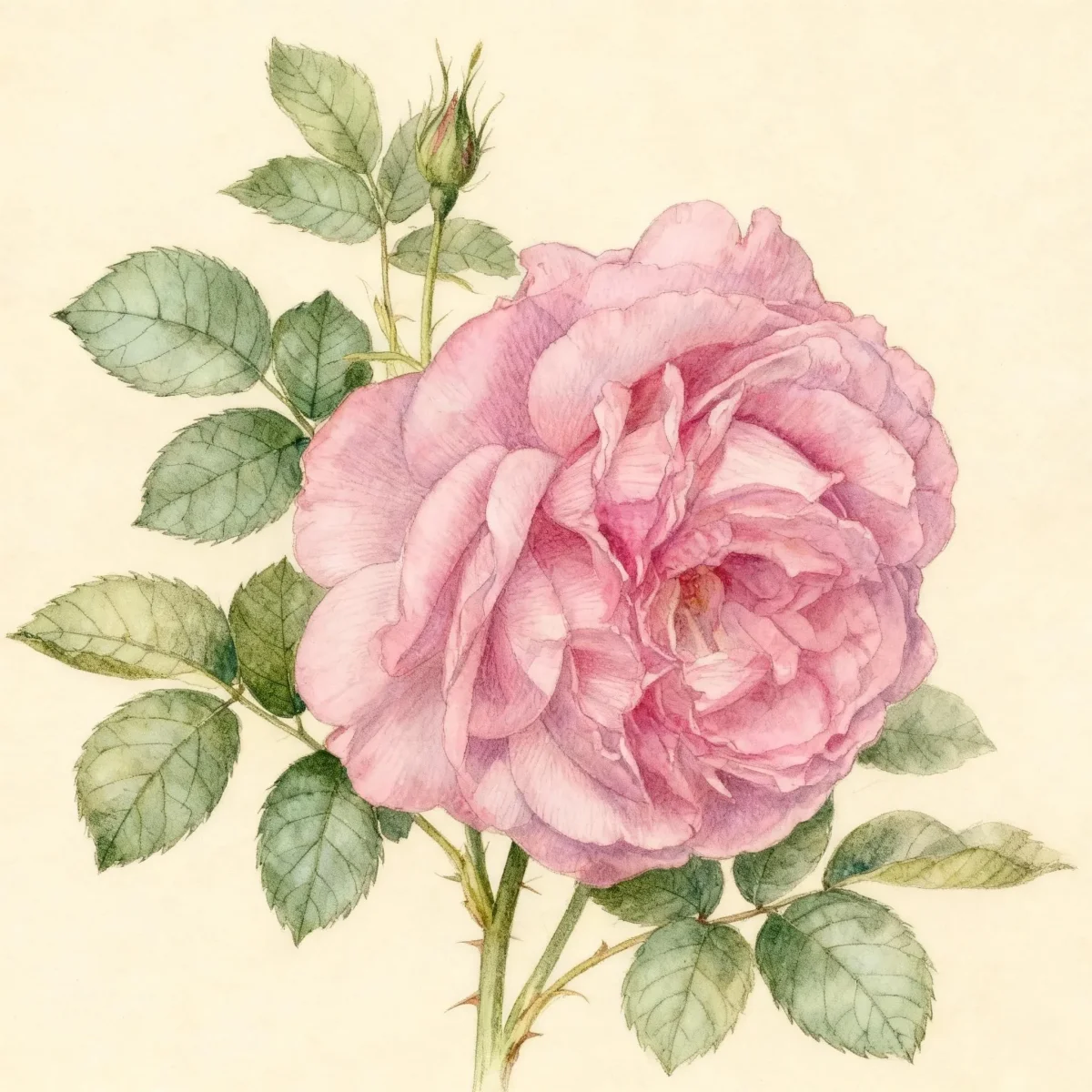
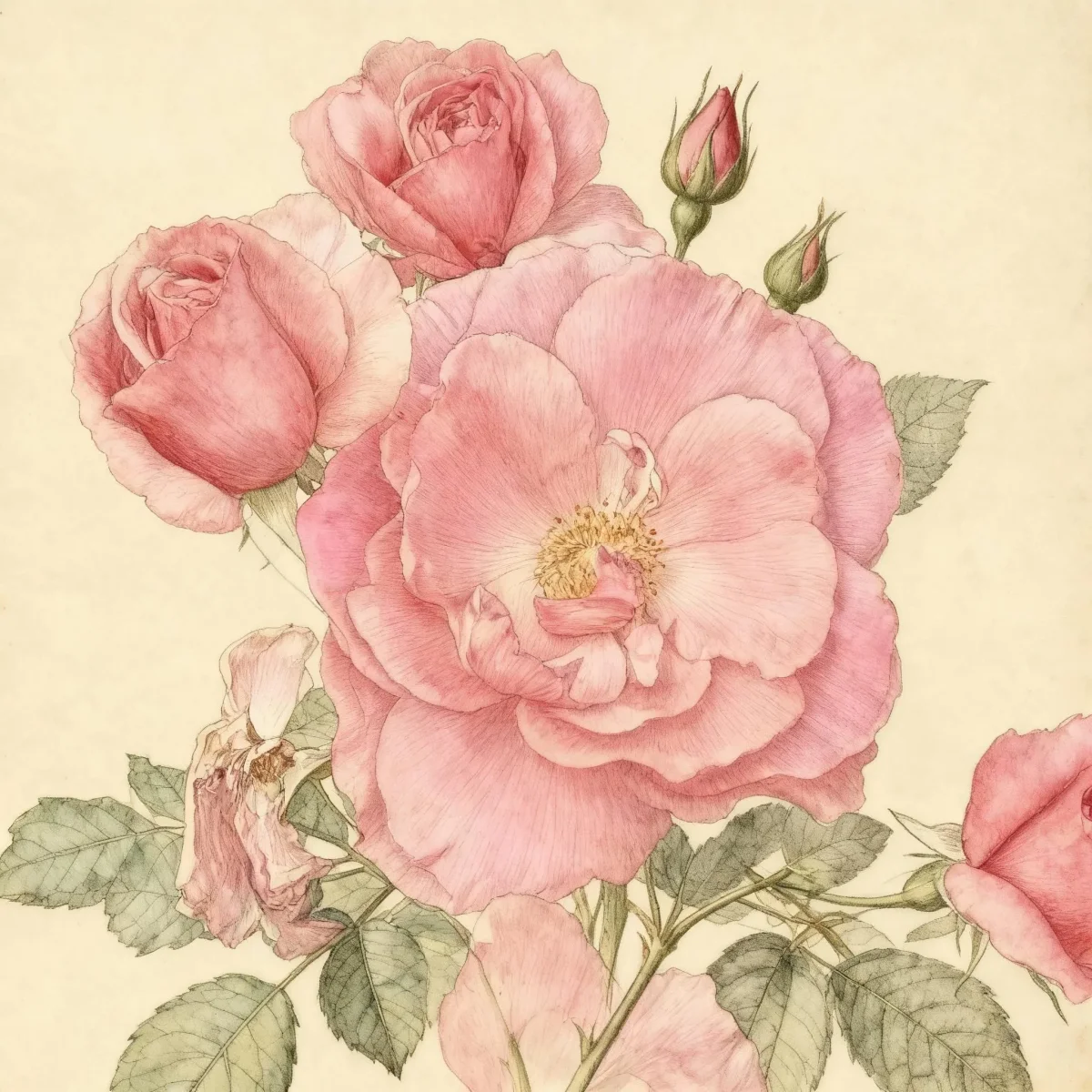
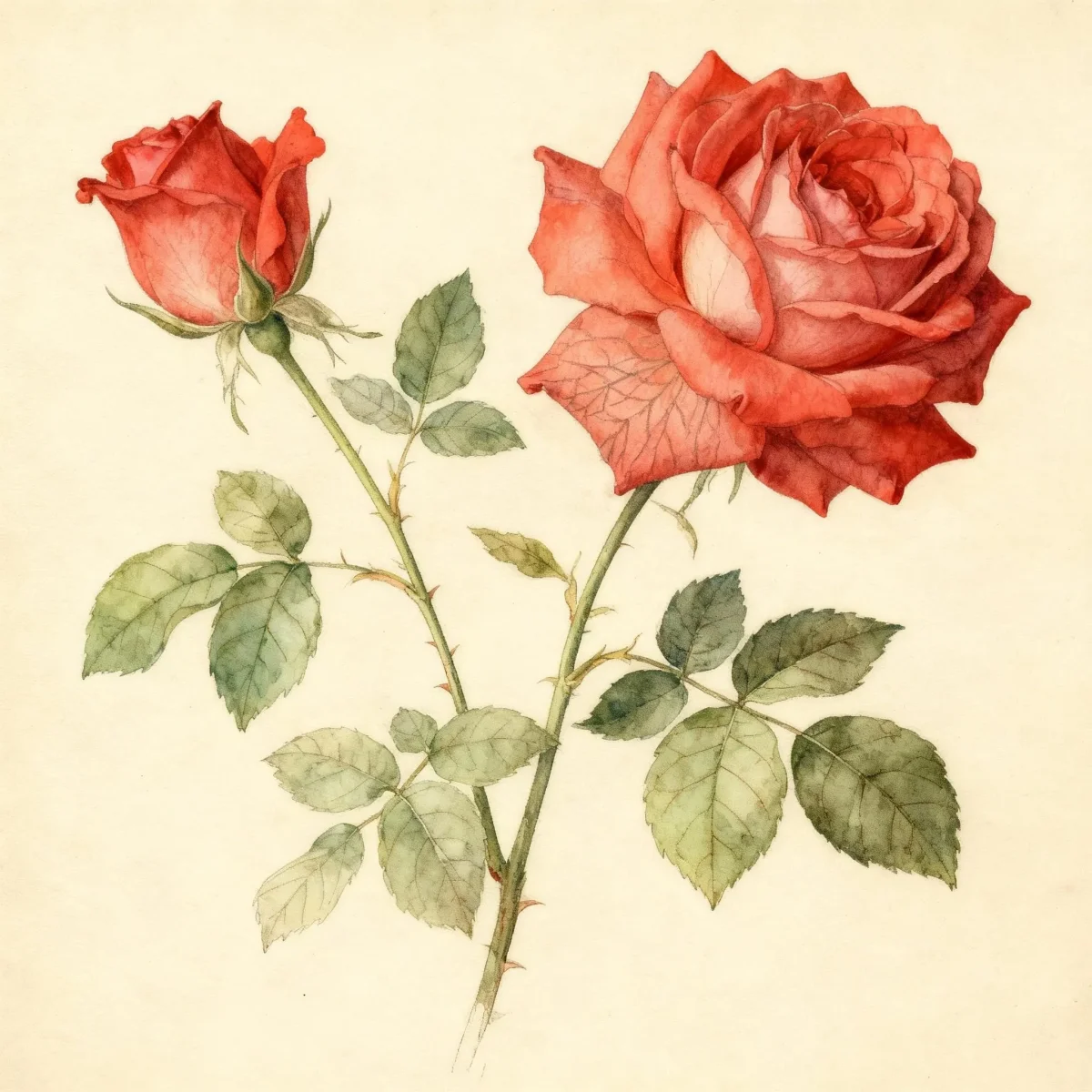
Damask rose (Rosa 'Omar Khayyam')
Rosa 'Omar Khayyam' is a charming Damask rose offering showy, fragrant pink blooms. Suitable for zones 4-9, it makes a compact, medium-maintenance shrub.
Scroll down to discover growing tips, care requirements, companion plants, and more
Complete Plant Information
Overview
Rosa ‘Omar Khayyam’ is a treasured variety of Damask rose, known for its historical lineage and beautiful, deeply petaled pink blooms. This shrub rose provides a classic garden element, valued both for its moderate fragrance and dense, slightly prickly habit. Gardeners prize this plant for adding traditional cottage garden charm to the landscape.
As a compact deciduous shrub, Rosa ‘Omar Khayyam’ fits well into smaller spaces, reaching only 2 to 3 feet high and wide at maturity. While it flowers primarily once per season in late spring to early summer, the display of its double pink flowers is certainly memorable. Proper sun exposure is key to ensuring the healthiest bloom display and best disease resistance.
The ongoing care for this variety involves standard rose maintenance, including attentive watering and pruning to maintain structure. By respecting its medium water and sun needs, gardeners can enjoy this lovely specimen that harkens back to ancient Persian gardens. The resilience and straightforward culture of this Damask rose make it an excellent choice for historical or mixed borders.
Fast Facts
- Plant Family: Rosaceae
- Plant Type: Deciduous shrub
- Hardiness Zones: USDA Zones 4-9
- Size at Maturity:
- Height: 2-3 ft
- Spread: 2-3 ft
- Bloom Time: May to June
- Bloom Description: Pink
- Sun Exposure: Full sun
- Water Needs: Medium
- Maintenance Level: Medium
How to Grow
Ideal planting for Rosa ‘Omar Khayyam’ should occur when the ground is workable, ensuring the roots can establish before harsh weather. These Damask roses thrive best in medium moisture, slightly acidic, well-drained garden loams. While they can tolerate part shade, best flowering and disease resistance are generally achieved when planted in full sun locations.
Watering should be deep and consistent, ideally performed in the mornings to allow foliage to dry before nightfall, avoiding overhead watering techniques which can encourage fungal issues. In summer, apply mulch to regulate soil temperature and retain essential moisture. Pruning is best performed in late winter to early spring, removing dead or damaged wood to shape the plant; remember that shrub roses typically do not require the heavy pruning of hybrid teas.
Good air circulation is vital for keeping the foliage vigorous and healthy, helping to mitigate common rose problems. For gardeners in colder reaches, such as St. Louis, providing winter protection for the crowns before the hardest freezes arrive is a necessary step. Always clean up and destroy fallen leaves throughout the season and during the final winter cleanup to reduce pathogen carryover.
Landscape Uses
Rosa ‘Omar Khayyam’ functions beautifully when used as a neat, low-growing hedge due to its dense habit and manageable height of 2 to 3 feet. Beyond hedging, this Damask rose excels as a specimen plant, drawing the eye with its historical pedigree and vibrant pink display. Consider grouping several plants together in cottage gardens or positioning them near foundations where their seasonal mid-spring fragrance can be fully appreciated.
This rose pairs well with classic cottage garden compatriots such as lavender, catmint (Nepeta), or low-growing ornamental grasses that add textural contrast without overwhelming the rose’s structure. When planting in borders, ensure positioning allows for good air movement around the shrub to support health. The uniform size of Rosa ‘Omar Khayyam’ makes it perfect for creating consistent lines or visual anchors in formalized designs.
Standout Features
Flower Qualities
- Showy
- Fragrant
- Good Cut
Noteworthy Characteristics
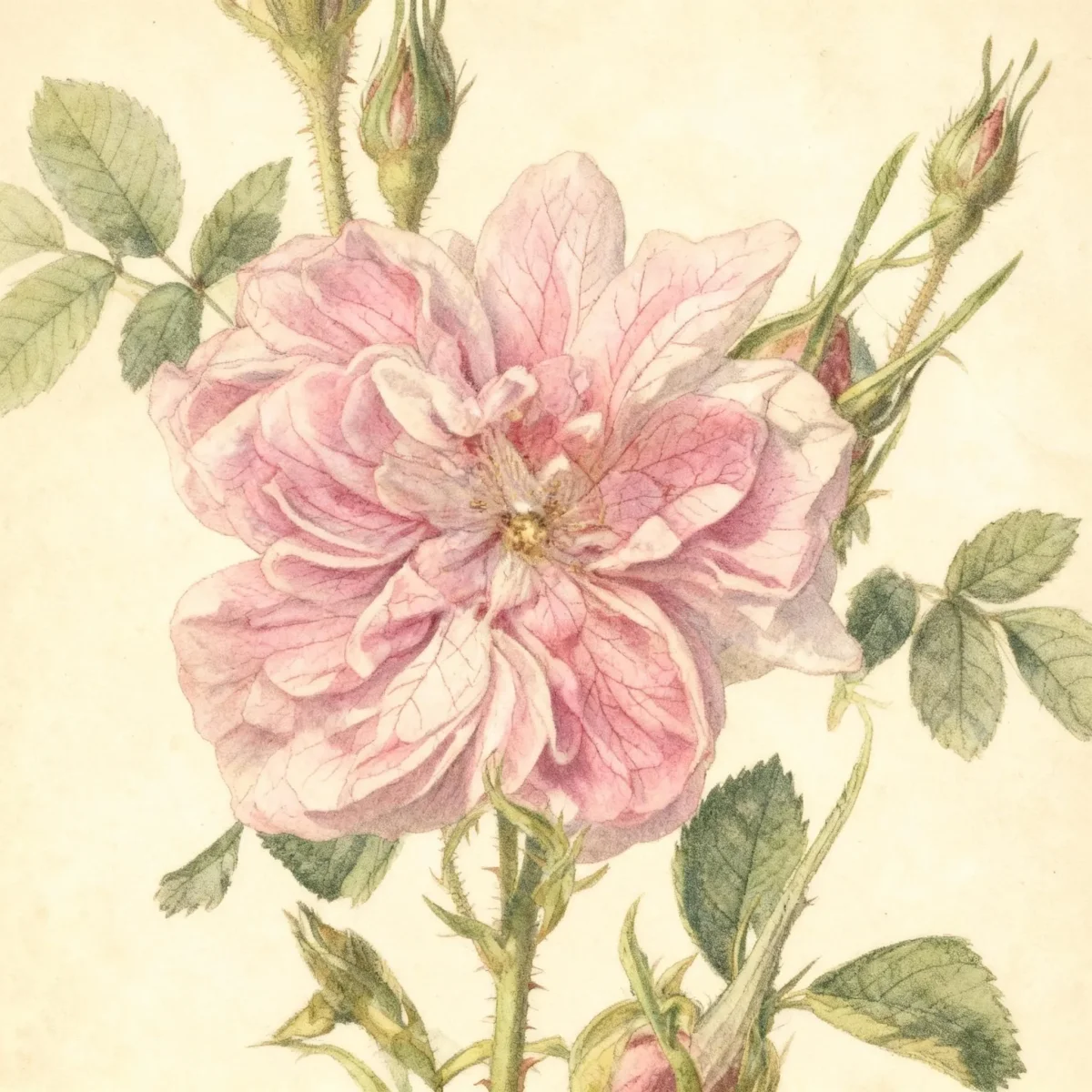
Rosa is a genus of about 150 species of deciduous shrubs and climbers noted for their beautiful, often fragrant, single, semidouble or double flowers on prickly stems. ‘Omar Khayyam’ is a specific Damask rose reputed to have grown on the tomb of Omar Khayyam in Persia, featuring clear pink, double flowers with 26 to 40 petals, blooming once per season in late spring to early summer. This small, dense shrub maintains grayish green, downy foliage, setting off the 2-inch wide blooms perfectly.
Tolerances
Potential Problems
Roses, including the popular Damask rose, are prone to several common diseases like black spot, rust, and powdery mildew. While excellent cultural practices form the first defense—such as ensuring good air circulation—regular preventative fungicide applications are often necessary, especially in humid climates. Insect pests such as aphids, spider mites, borers, and scale may also target the plant. Mitigate issues by rigorously removing and destroying diseased and dead foliage throughout the year, focusing heavily on dormant season cleanup.
Frequently Asked Questions
What hardiness zones is Damask rose suitable for?
Rosa ‘Omar Khayyam’ is hardy and adaptable across USDA Zones 4 through 9.
How large does Rosa ‘Omar Khayyam’ grow?
This variety matures into a compact shrub, typically reaching a height between 2 and 3 feet, with a corresponding spread of 2 to 3 feet wide.
What sun exposure does Rosa ‘Omar Khayyam’ need?
For optimal performance, full sun exposure is recommended, although the plant can tolerate part shade. Full sun is crucial for the best flowering and disease suppression in Rosa ‘Omar Khayyam’.
When does the Damask rose bloom?
This specific Damask rose blooms predominantly from May to June, displaying lovely pink flowers.
Conclusion
Rosa ‘Omar Khayyam’ remains a significant garden plant, offering both historical weight and reliable beauty characterized by its fragrant, showy pink display. Integrating this manageable Damask rose into your landscape provides classic charm without demanding excessive upkeep. Before planting, confirm that your site provides the necessary full sun and well-drained soil for this magnificent specimen.
Companion Planting
Selecting suitable neighbors is crucial for maintaining the health and aesthetic appeal of Rosa ‘Omar Khayyam’. Since this rose benefits from excellent air circulation, avoid dense plantings immediately surrounding its base. Low-growing, drought-tolerant perennials that thrive in similar sunny conditions, such as Catmint (Nepeta) or hardy Dianthus, make excellent border companions.
Consider plants that offer contrasting textures, using fine-leaved plants like ornamental grasses to set off the broader foliage of the rose. When planning companions, always adhere to the cultural needs noted for the Damask rose: medium water needs and a preference for slightly acidic, well-drained soil. This thoughtful pairing ensures all plants benefit from the practices used to manage the rose.
Design Ideas
The defined, yet slightly informal, structure of Rosa ‘Omar Khayyam’ makes it perfect for integrating into formal knot gardens or informal cottage settings. When used near entryways or patios, its moderate fragrance is best sensed as you walk past or sit nearby. Due to its low stature, it works exceptionally well in the front tiers of mixed perennial borders where taller background plants won’t block essential sunlight or airflow.
For a historical planting scheme, place Rosa ‘Omar Khayyam’ near gravel paths or incorporate it into a dedicated rose garden alongside other traditional shrub roses. Its clear pink hue provides excellent contrast against gray structures, white gravel, or dark green plantings like Boxwood (Buxus), allowing the individual blooms of the Damask rose to stand out dramatically during its peak season.