Eastern redbud (Cercis canadensis 'Tennessee Pink')
Discover Cercis canadensis 'Tennessee Pink', a stunning Eastern redbud variety featuring clear pink blooms in early spring. Low maintenance and deer resistant.
Scroll down to discover growing tips, care requirements, companion plants, and more

Complete Plant Information
Overview
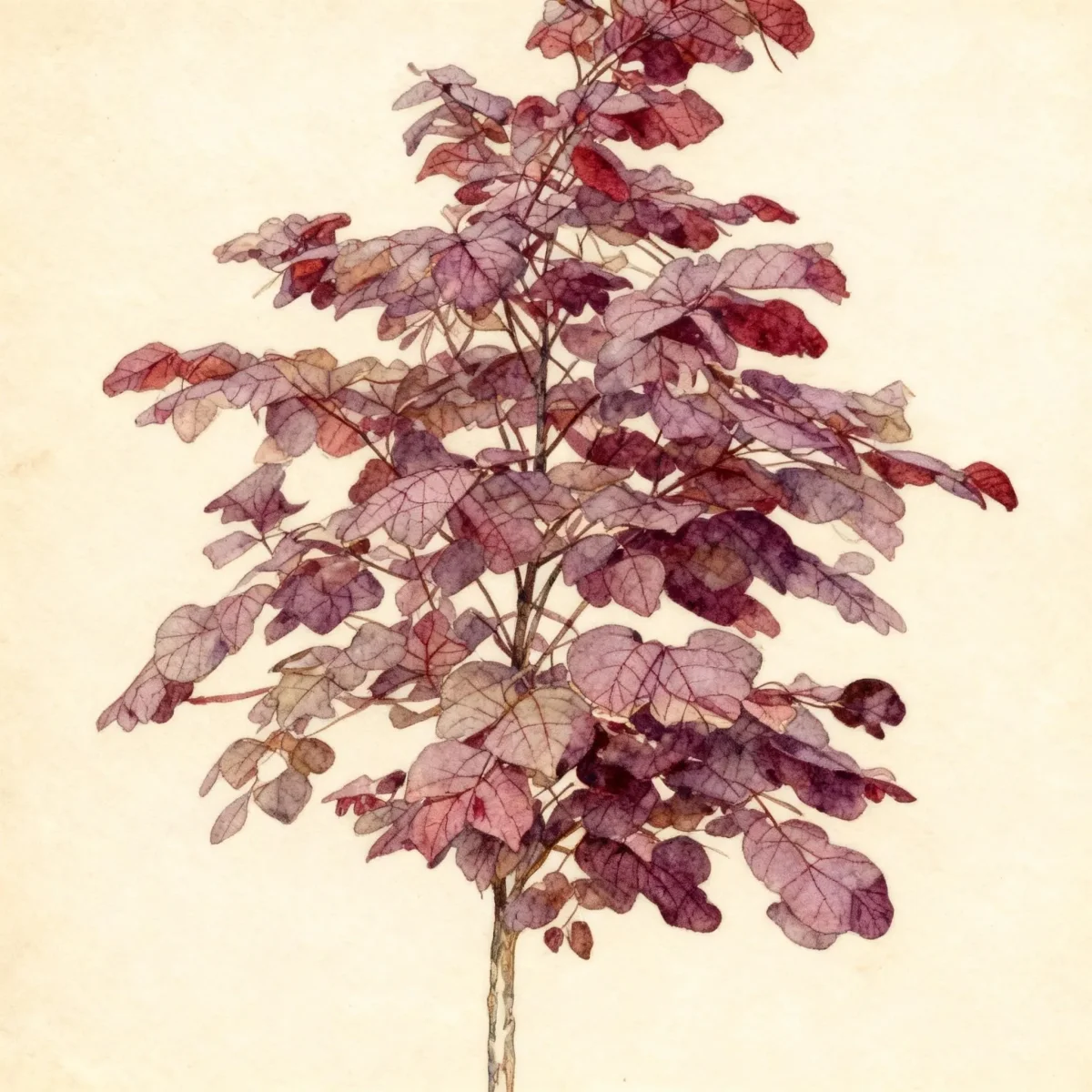
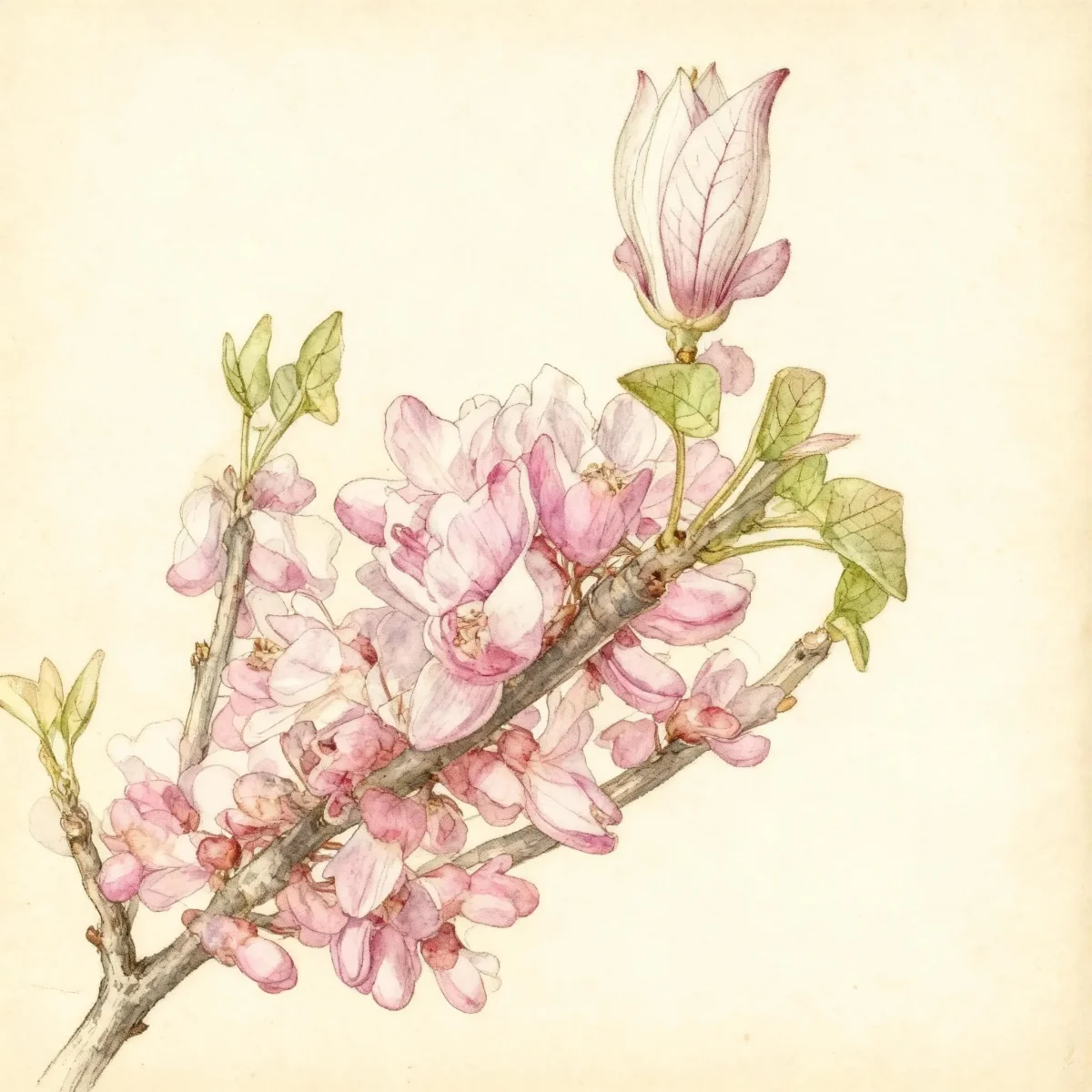
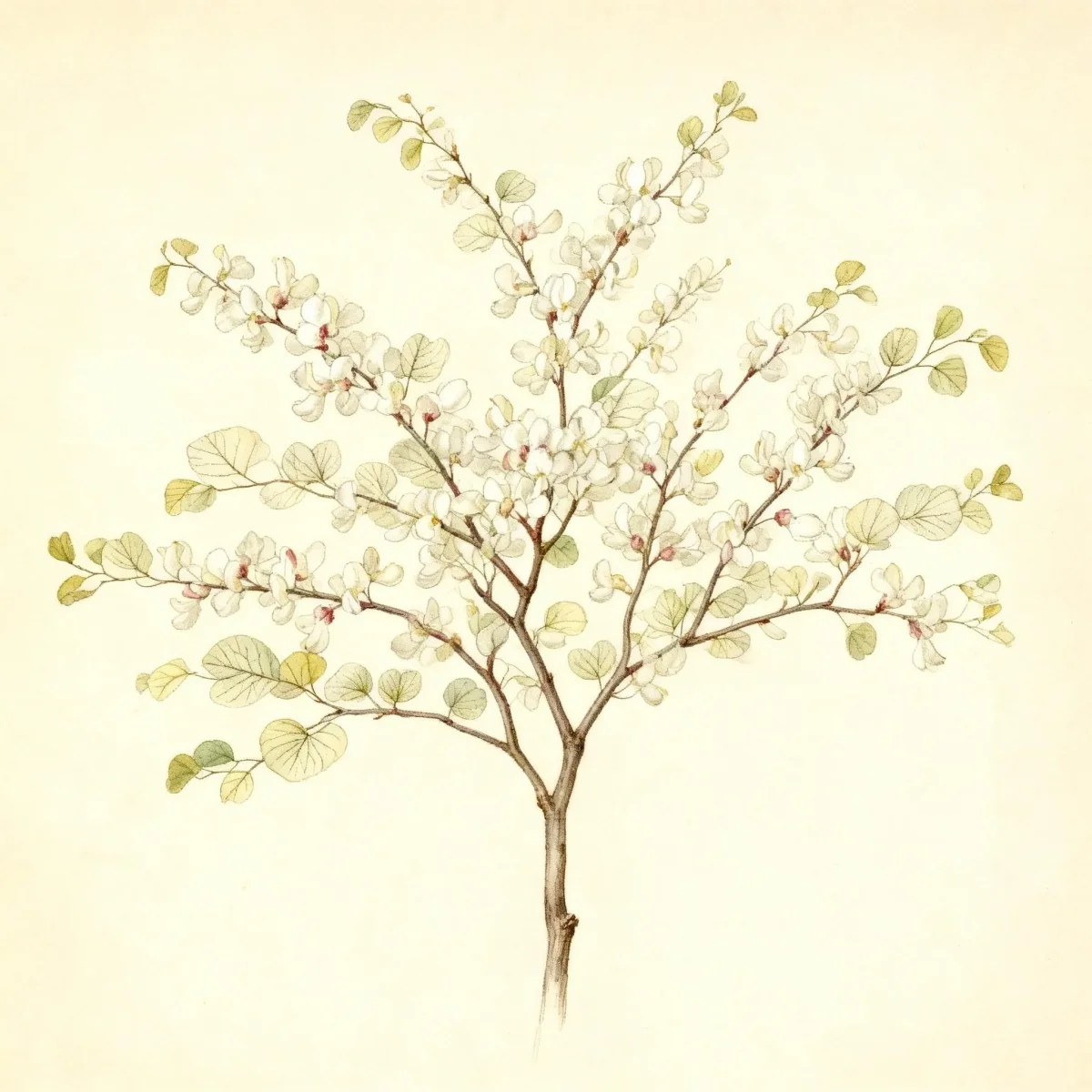
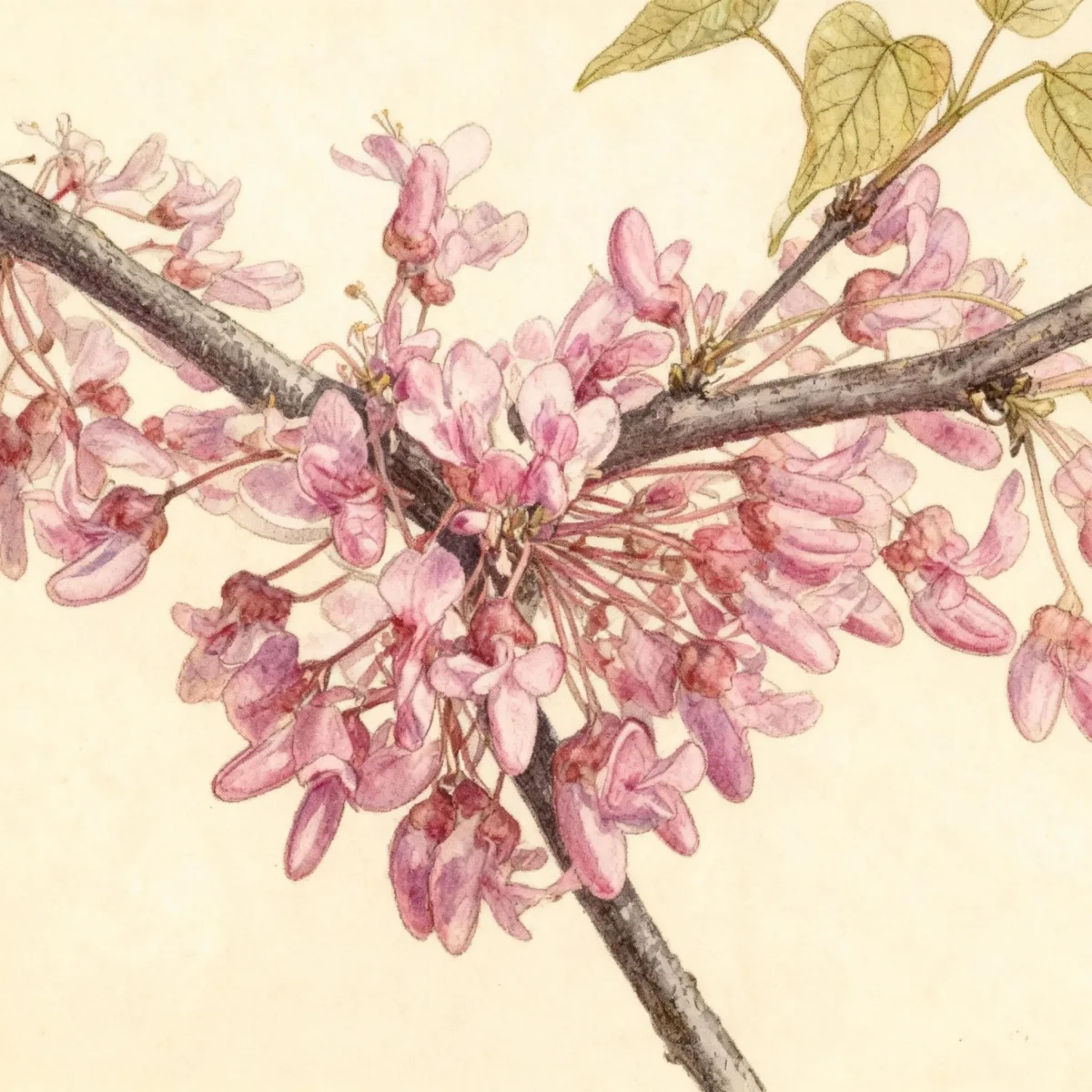
Cercis canadensis ‘Tennessee Pink’ offers a distinct, elegant twist on the native Eastern redbud, noted specifically for its clear pink flowers that lack the typical purple tones found in other cultivars. This beautiful, deciduous tree provides a vital early-season display, carpeting its branches in color just before the leaves emerge. It functions perfectly as a specimen plant or feature tree in the landscape.
As an Eastern redbud cultivar, ‘Tennessee Pink’ maintains the species’ reliability, offering low maintenance once established. It typically matures smaller than the straight species, reaching heights of 15 to 20 feet, making it suitable for smaller garden spaces or under wires where larger trees might prove problematic. This variety ensures beauty and early nectar for pollinators without demanding constant attention.
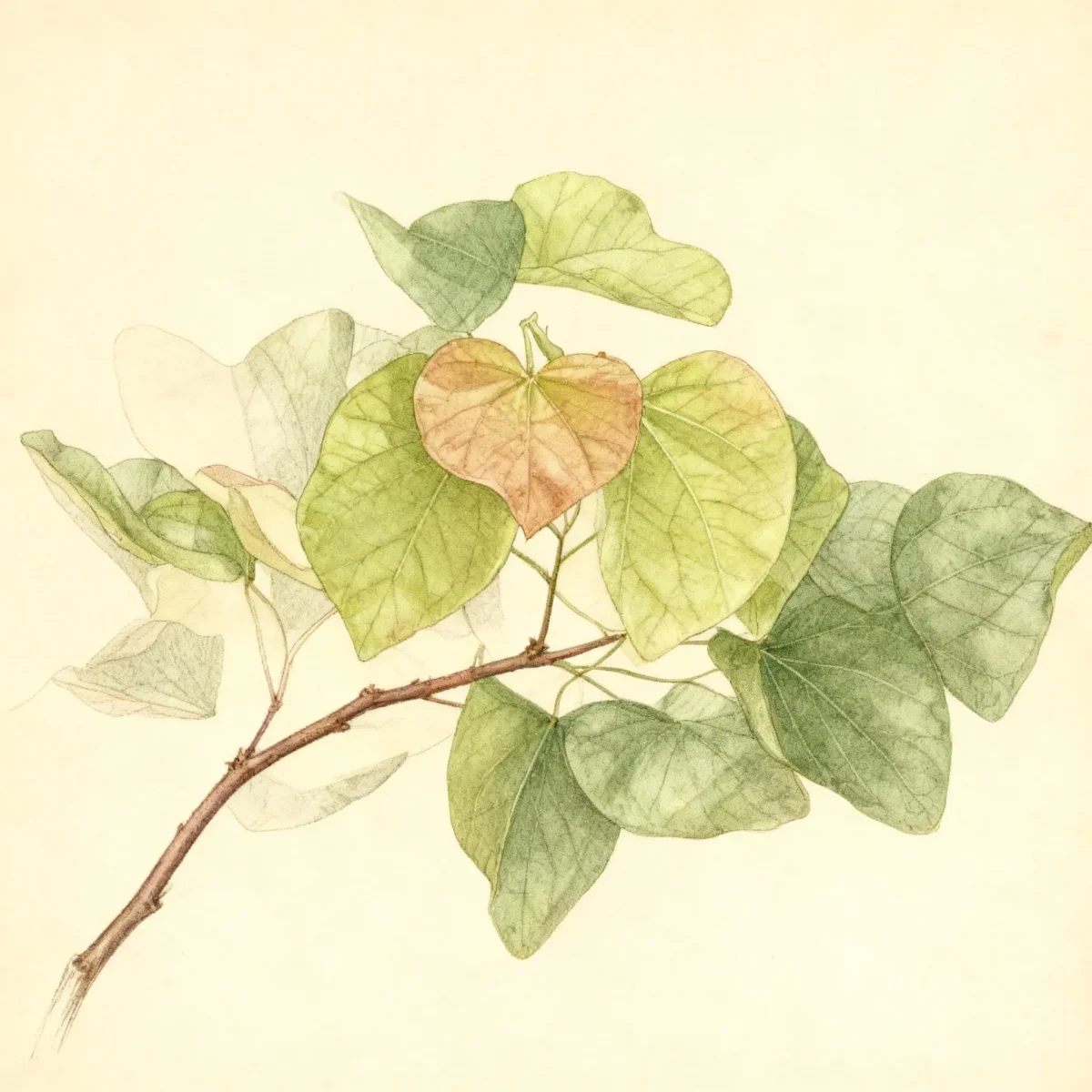
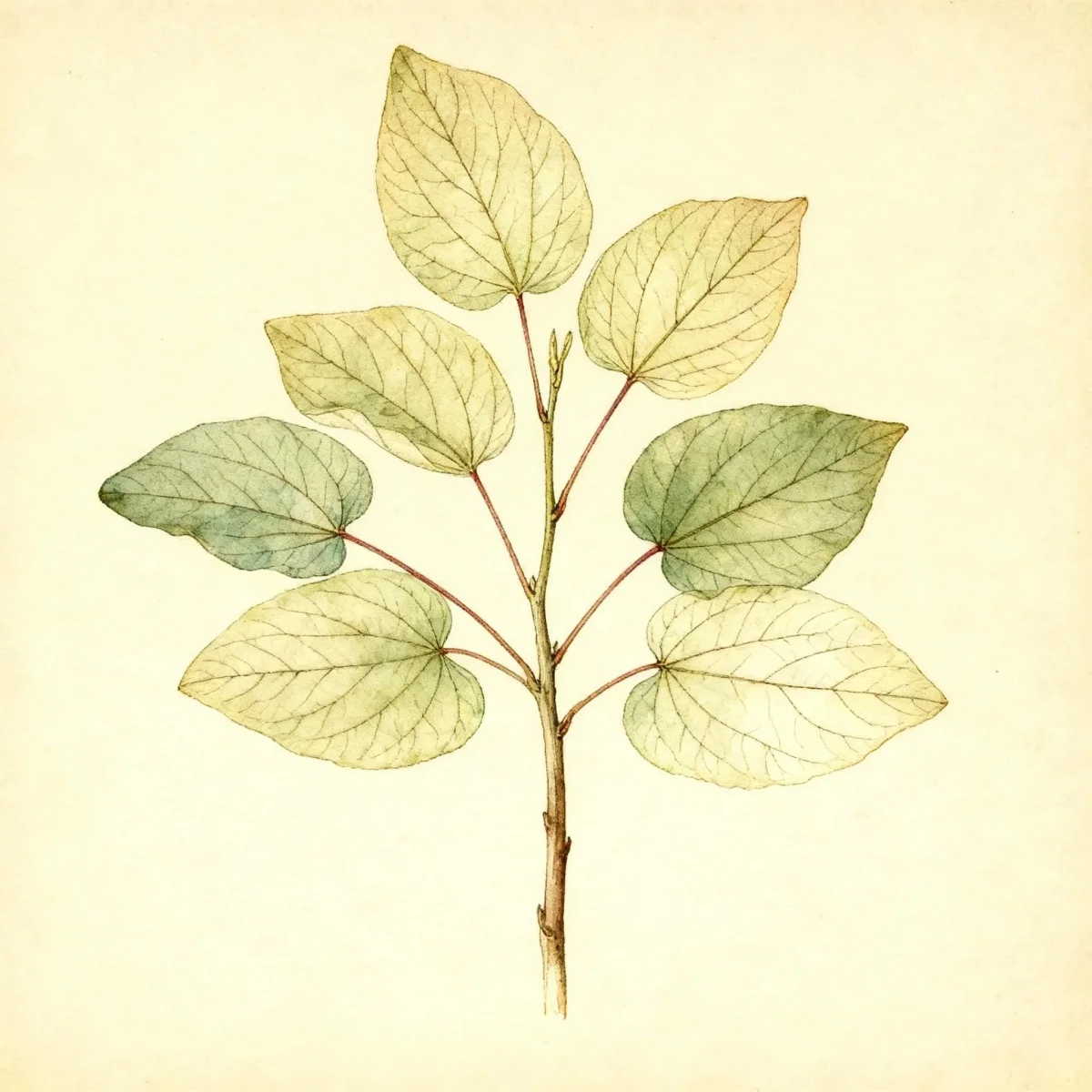
The aesthetic value of Cercis canadensis ‘Tennessee Pink’ is high, combining its early, showy flowers with attractive, heart-shaped foliage that transitions to yellow in the autumn. Its ability to tolerate clay soils and resist deer further establishes the Eastern redbud as a versatile and rewarding choice for diverse regional landscapes.
Fast Facts
- Plant Family: Fabaceae
- Plant Type: Tree
- Hardiness Zones: USDA Zones 5-9
- Size at Maturity:
- Height: 15-20 ft
- Spread: 15-20 ft
- Bloom Time: March to April
- Bloom Description: Pink
- Sun Exposure: Full sun to part shade
- Water Needs: Medium
- Maintenance Level: Low
How to Grow
Planting Cercis canadensis ‘Tennessee Pink’ is best achieved when the tree is young, as this Eastern redbud variety does not tolerate transplanting well once mature. Select a location receiving full sun for maximum bloom, or light afternoon shade, especially in very hot summer climates. The soil should be average, medium moisture, and importantly, well-drained. Avoid sites prone to holding excess water.
Once established, this tree requires medium water inputs, necessitating consistent moisture, particularly during dry spells, to maintain vigor. Fertilization is generally not required in fertile soils; however, keeping the tree vigorous through good moisture management supports overall health. Pruning should focus primarily on removing dead or crossing branches as necessary, as heavy pruning is generally detrimental.
Since the tree is susceptible to canker and other fungal issues, ensuring excellent air circulation around the canopy is crucial management practice. Always clean pruning tools between cuts if disease is suspected to prevent spreading issues like Verticillium wilt to your Cercis canadensis ‘Tennessee Pink’. Early establishment is key to long-term success.
Landscape Uses
The size profile of Cercis canadensis ‘Tennessee Pink’—growing 15 to 20 feet tall and wide—makes it an excellent compact specimen tree for smaller garden areas where a full-sized shade tree is impractical. Its spectacular early spring floral display ensures that it serves beautifully as a focal point near patios or entryways. Consider planting it where its spring show can be viewed against a dark green backdrop, such as evergreen shrubs.
This Eastern redbud works well planted along streetscapes or in mixed foundation plantings, offering seasonal interest throughout the year. Since it naturally develops a rounded crown, it can integrate seamlessly into woodland margins, softening transitions between open lawn and wooded areas. Its low maintenance nature ensures it remains attractive without constant intervention.
For complementary planting, pair the pink bloom of the ‘Tennessee Pink’ with late-spring flowering bulbs or perennials that thrive in part shade, such as hostas or bleeding hearts, which will emerge as the redbud foliage matures. This layered approach extends the garden’s season of visual appeal beyond the initial flush of the Eastern redbud.
Standout Features
Flower Qualities
- Showy
- Good Cut
Fruit Qualities
- Showy
Noteworthy Characteristics
This deciduous understory tree is famed for its spring display of pea-like flowers blooming before the foliage emerges. Cercis canadensis ‘Tennessee Pink’ is specifically recognized for its clear pink flowers contrasting with other redbuds that lean purple. The tree develops papery, heart-shaped leaves that turn pale yellow in the fall, providing multi-season interest.
Tolerances
- Deer
- Clay Soil
Potential Problems
Canker disease poses a significant threat that can lead to dieback in the branches of the Eastern redbud. Other issues include Verticillium wilt, leaf spots, and mildews, which can appear if the tree is stressed or air circulation is poor. Insect pests such as Japanese beetles and various borers may also target the foliage or wood, respectively. Keeping the tree vigorous through diligent watering and timely pruning of dead wood is the most effective preventative measure against pest and disease pressure.
Frequently Asked Questions
What hardiness zones is Eastern redbud suitable for?
The Cercis canadensis ‘Tennessee Pink’ variety thrives in USDA Hardiness Zones 5 through 9.
How large does Cercis canadensis ‘Tennessee Pink’ grow?
This compact cultivar typically matures to a height between 15 and 20 feet, with a similar spread of 15 to 20 feet wide.
When does Eastern redbud bloom?
The spectacular blooming period for this Eastern redbud occurs in early spring, specifically from March to April, showcasing lovely pink flowers.
What sun exposure does Cercis canadensis ‘Tennessee Pink’ need?
For optimal performance and heavy flowering, provide full sun to part shade; the afternoon shade is particularly beneficial in hotter regions.
Conclusion
Cercis canadensis ‘Tennessee Pink’ brings dependable structure and a refined burst of clear pink color to the spring landscape, serving as a reliable, low-maintenance alternative to other flowering trees. The subtle size and noted tolerances for clay soil and deer make this Eastern redbud a practical, high-impact choice for many gardeners. Before planting, confirm your landscape falls within USDA Zones 5-9 and plan to plant while the tree is young for the best results.
Companion Planting
Selecting companions that appreciate similar growing conditions enhances the overall health and aesthetic of your planting area near the Eastern redbud. Since this tree prefers consistent moisture and medium fertility, consider pairing it with mid-to-late season flowering shrubs like Hydrangea varieties that can handle the filtered light beneath the redbud canopy once it leafs out. Low-growing ferns or deep-shade perennials work well as groundcovers beneath the developing canopy, suppressing weeds while respecting the tree’s developing root system.
Wildlife Benefits
The early bloom of the Cercis canadensis ‘Tennessee Pink’ is highly valuable as one of the first nectar sources available to emerging pollinators like early bees. As the flowers fade, the subsequent flattened seedpods provide food throughout the fall and winter for various songbirds. Furthermore, like many native trees, the foliage supports numerous insect species, which in turn become a reliable food source for nesting birds throughout the spring and summer months.