Witch hazel (Hamamelis × intermedia 'Brandis')
Hamamelis × intermedia 'Brandis' is a low-maintenance Witch hazel offering unique winter blooms, ideal for structure in zones 5-8.
Scroll down to discover growing tips, care requirements, companion plants, and more
Complete Plant Information
Overview
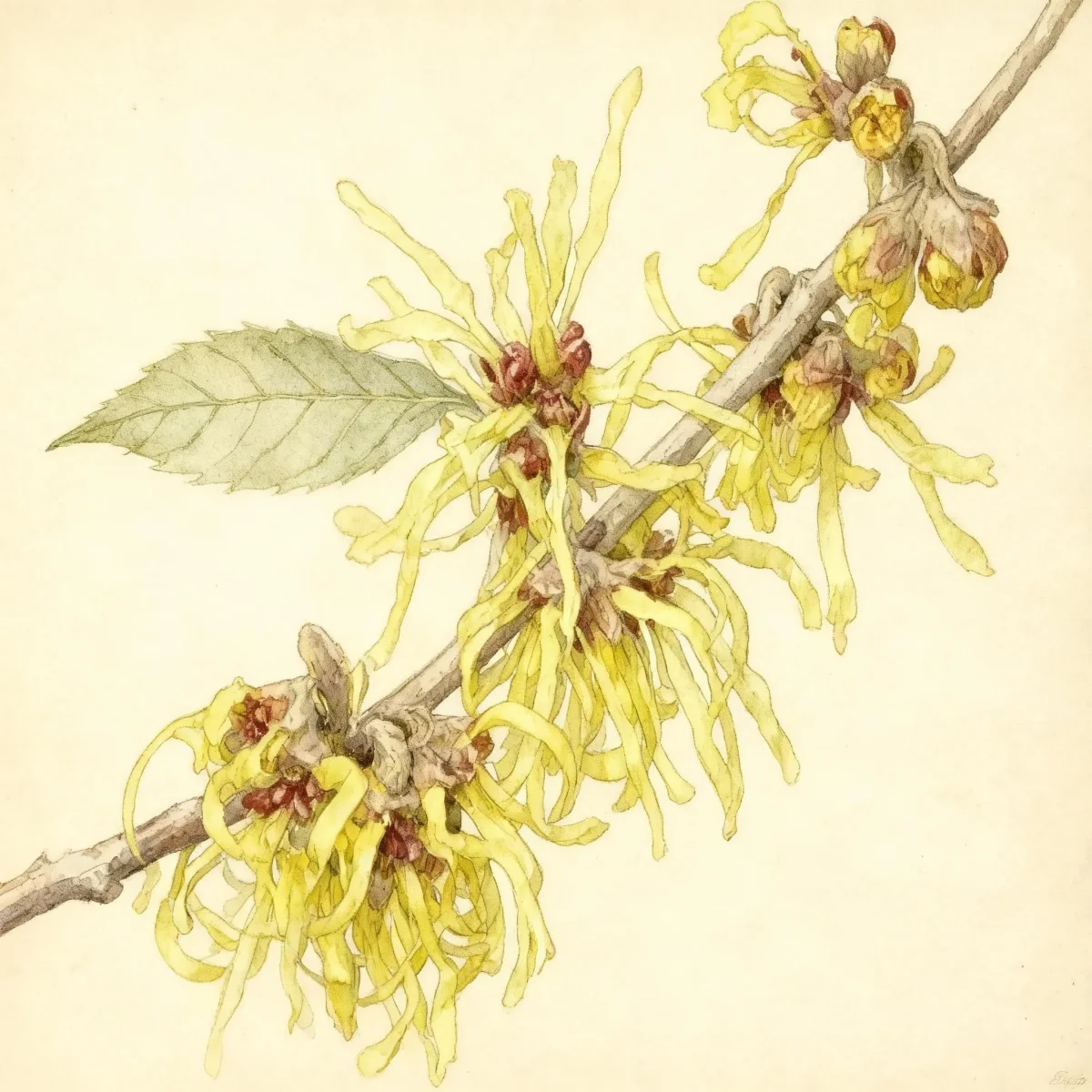
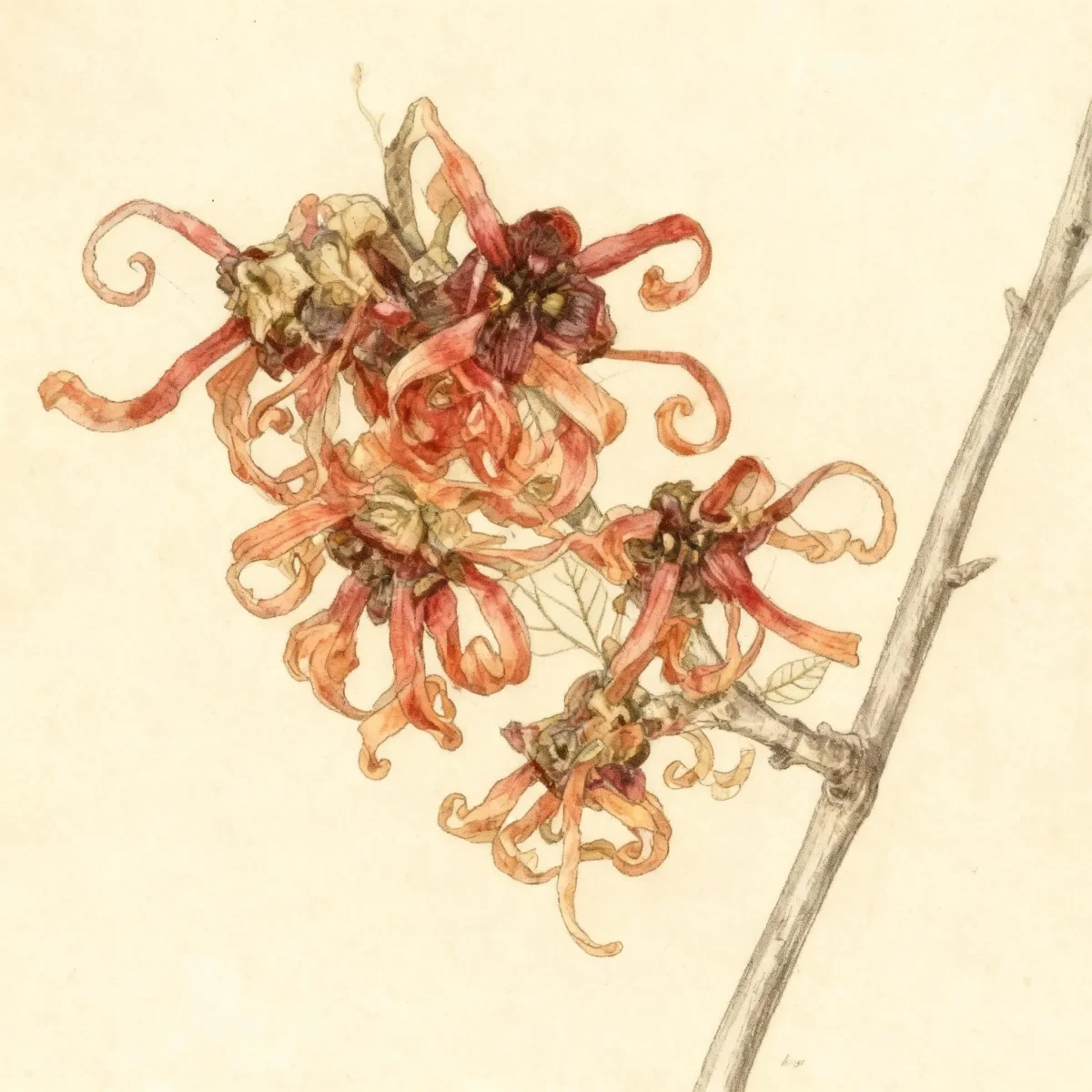
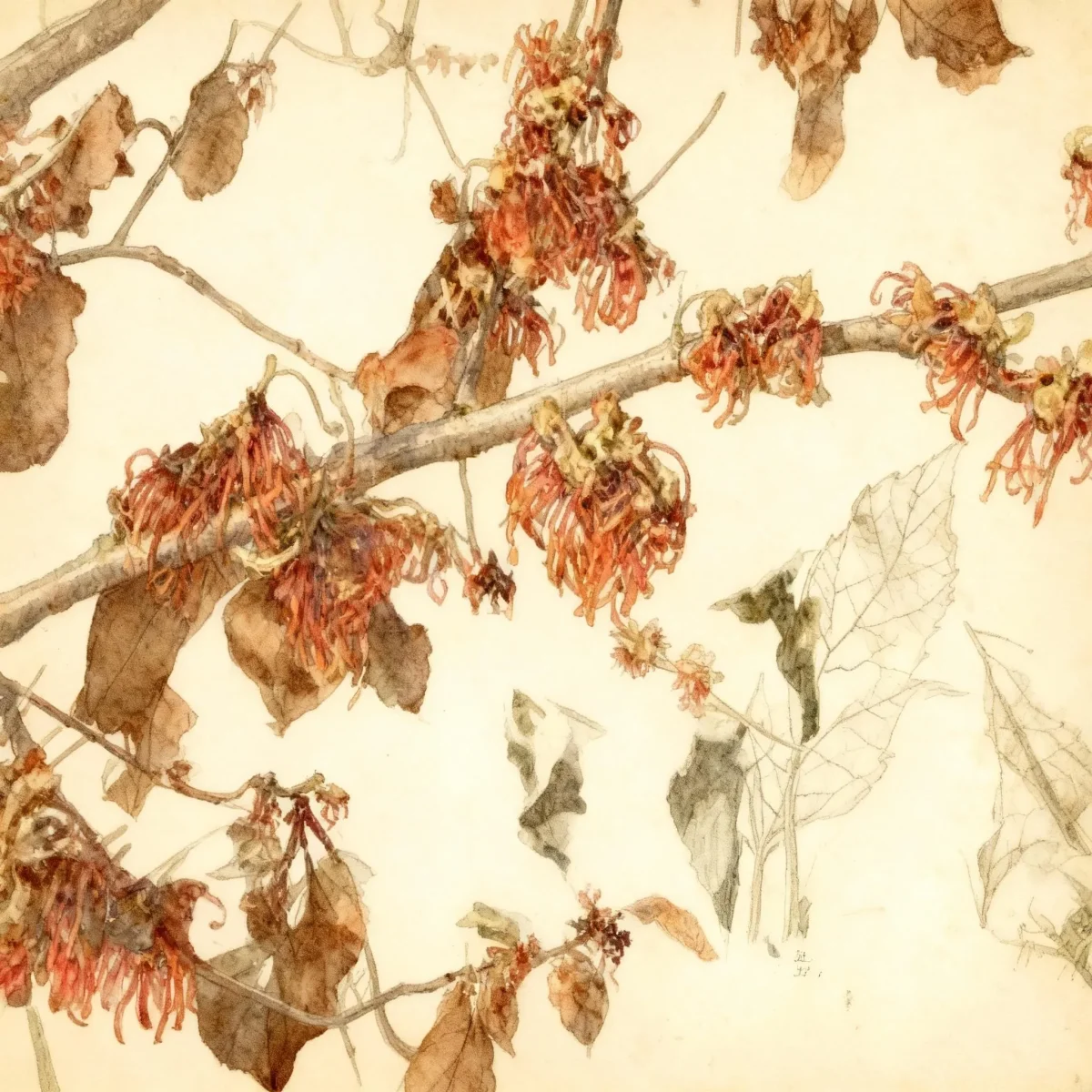
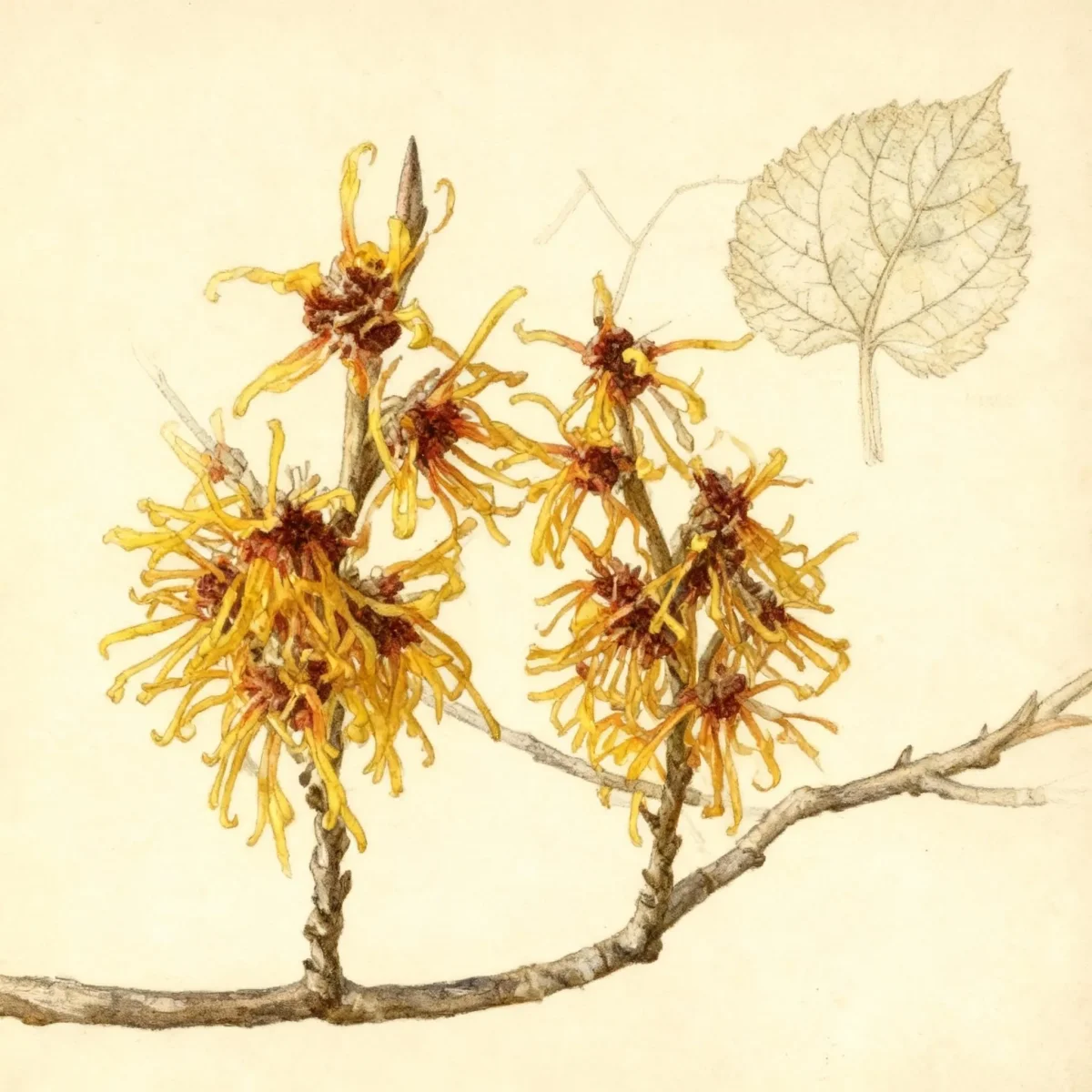
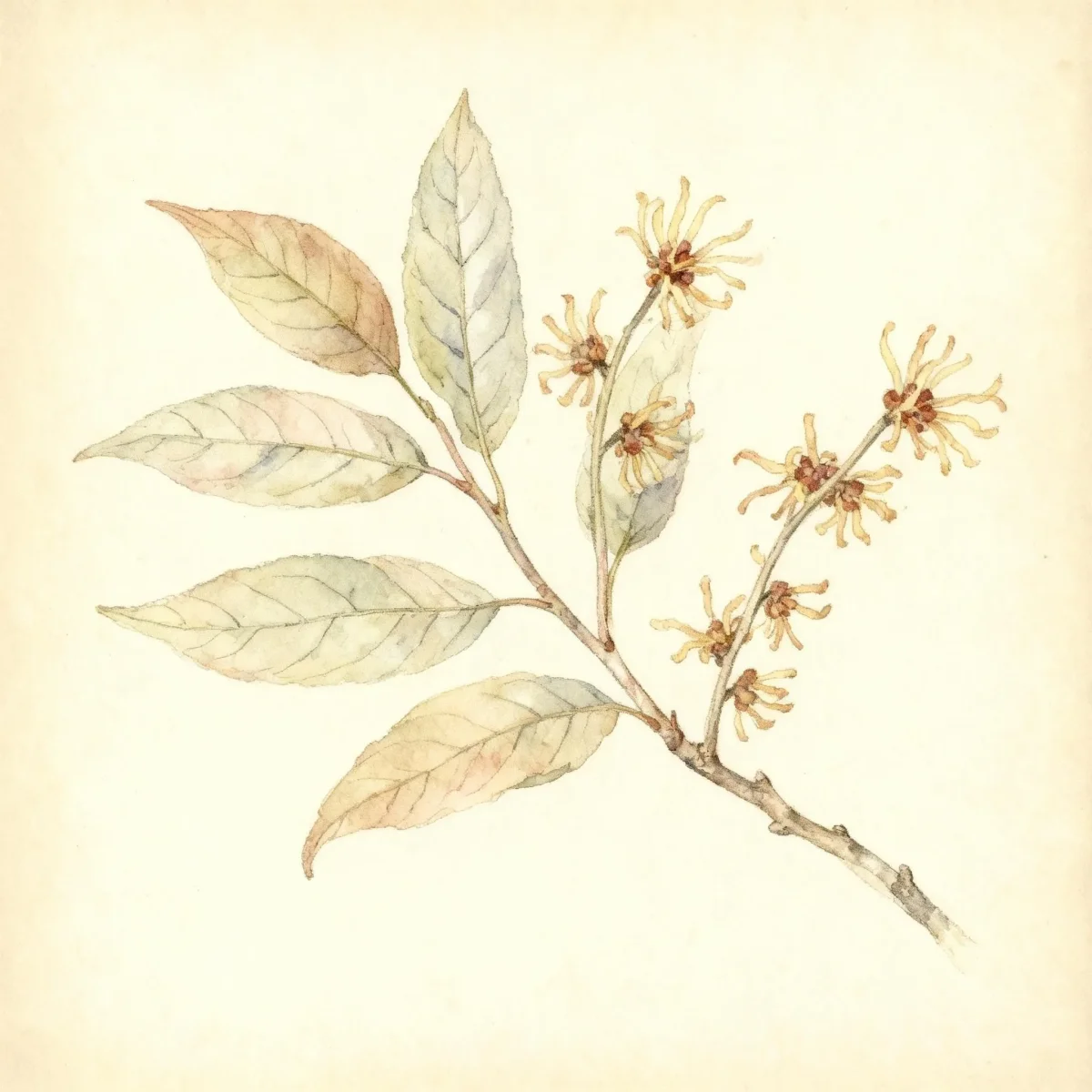
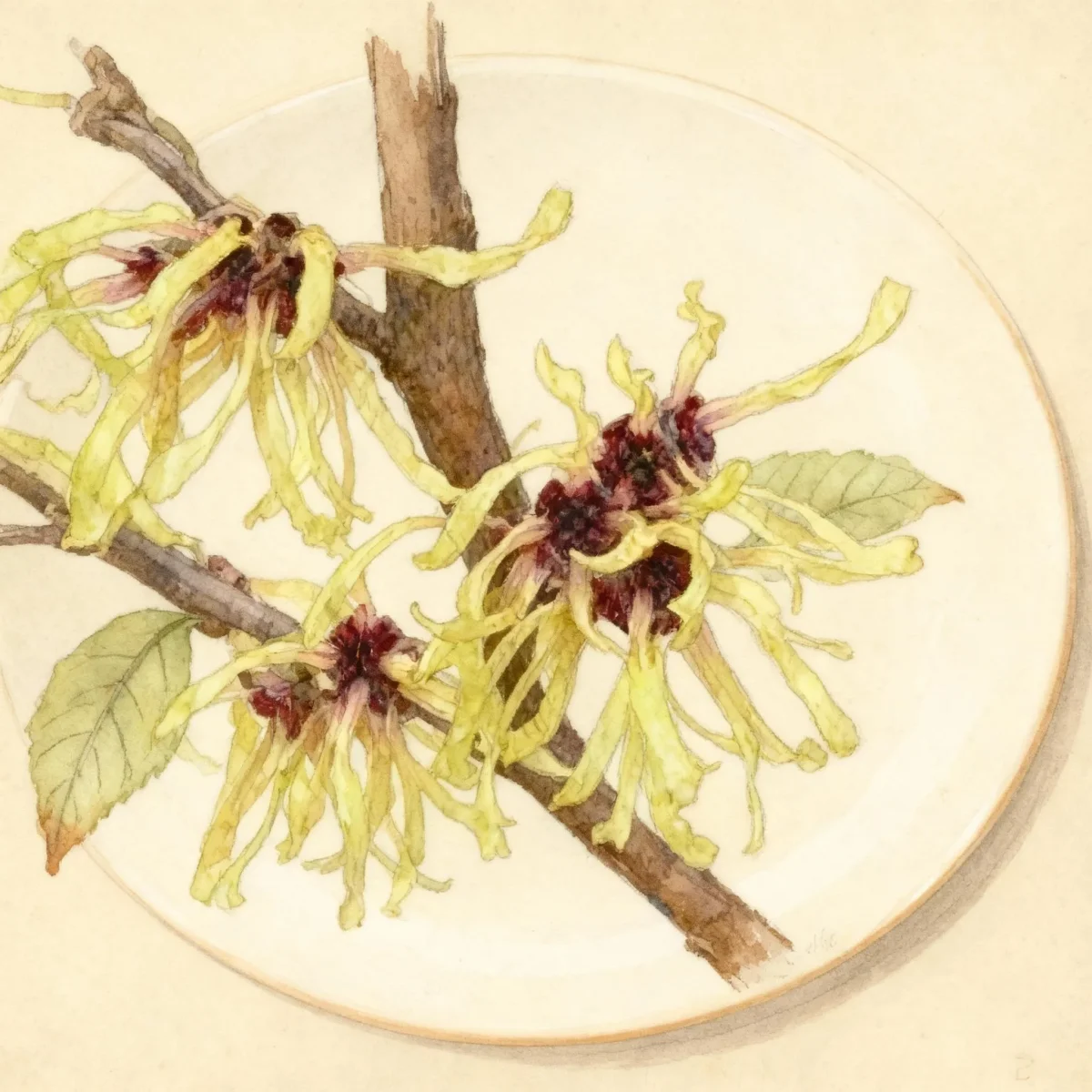
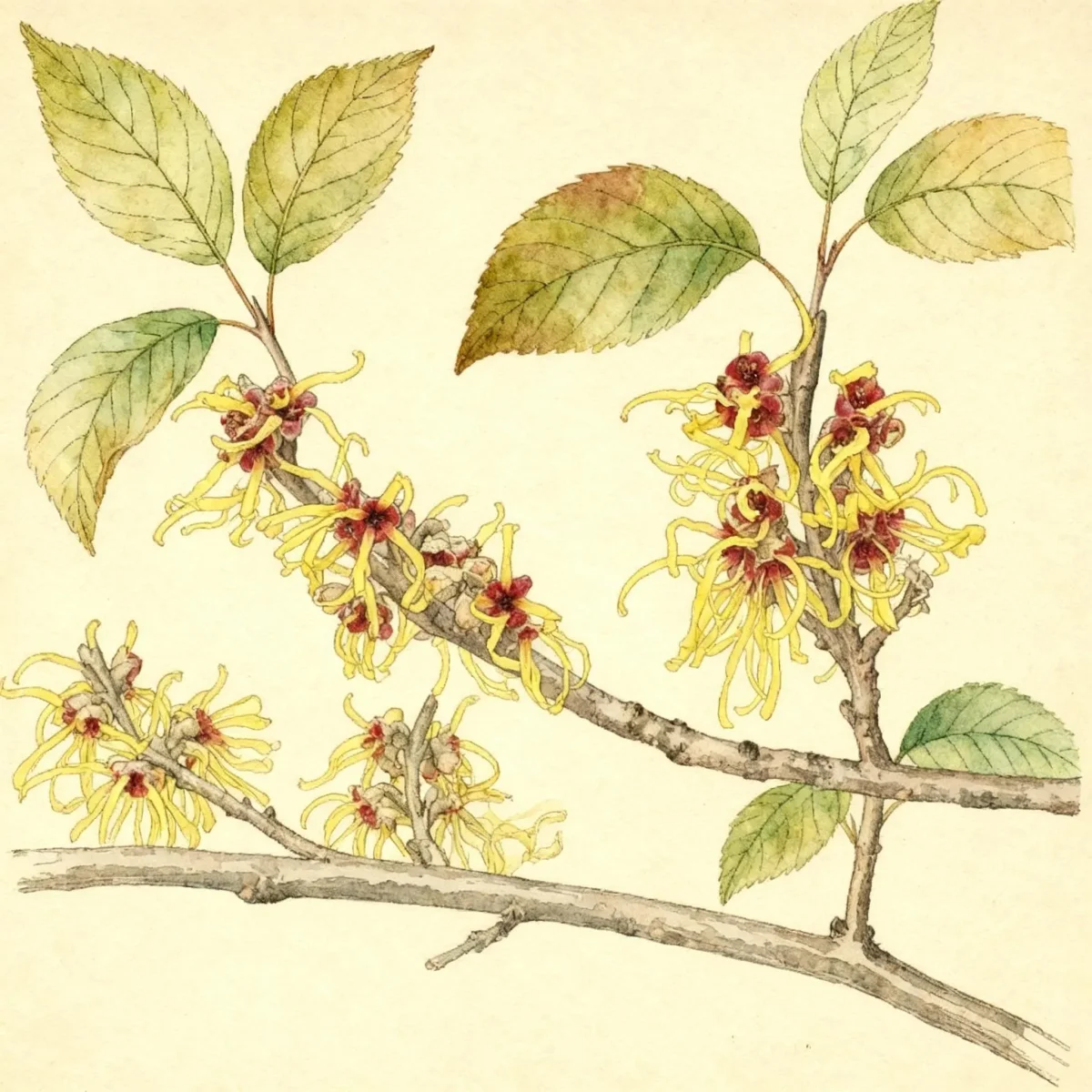
Hamamelis × intermedia ‘Brandis’, a superb cultivar of hybrid Witch hazel, provides essential color and structure during the bleakest months. Its chief value lies in blooming prolifically from January through March when almost no other woody plant offers interest. This deciduous shrub features striking, ribbon-like yellow flowers, often touched with reddish-purple tints, appearing on bare stems.
As a medium to large shrub, Hamamelis × intermedia ‘Brandis’ maintains a spreading habit suitable for specimen planting or screening. It is genetically bred from hardy Asian parents, resulting in a tough hybrid noted for low maintenance once established in suitable conditions. Gardeners value this Witch hazel for extending the ornamental season significantly.
This plant thrives in average soil conditions but performs best with consistent moisture, making it a rewarding, long-lived addition to the winter garden. Its upright-spreading form and reliable late-winter display ensure that Hamamelis × intermedia ‘Brandis’ remains a staple for expert landscape design.
Fast Facts
- Plant Family: Hamamelidaceae
- Plant Type: Deciduous shrub
- Hardiness Zones: USDA Zones 5-8
- Size at Maturity:
- Height: 6-10 ft
- Spread: 8-12 ft
- Bloom Time: January to March
- Bloom Description: Yellow with reddish-purple tints
- Sun Exposure: Full sun to part shade
- Water Needs: Medium
- Maintenance Level: Low
How to Grow
Planting Hamamelis × intermedia ‘Brandis’ is best accomplished in the cooler seasons—fall or early spring—to allow roots to establish before summer heat arrives. Select a site offering full sun for the absolute best flower production, though part shade is tolerated. This Witch hazel prefers moist, acidic, organically rich, and well-drained soils. While it tolerates some clay, excellent drainage is critical to prevent root issues.
Routine care centers mainly on water management during dry periods. Consistent moisture is essential, as leaf scorch can occur if Witch hazel experiences prolonged summer drought. Fertilization is rarely necessary if established in rich, organic soil; focus instead on maintaining good soil health through top-dressing with compost.
Pruning for Hamamelis × intermedia ‘Brandis’ should occur immediately after flowering finishes in the spring. This timing manages its shape and size before the new season’s growth commences. A crucial maintenance specific to this genus is the prompt removal of any root suckers, especially those originating below the graft union, to maintain the desired cultivar characteristics.
Landscape Uses
The Witch hazel excels as a superior winter-flowering accent in the landscape, where its blooms contrast beautifully against snow or evergreen backdrops. Its branching structure, even without foliage, provides texture during the dormant season. Hamamelis × intermedia ‘Brandis’ is excellent when placed along shrub borders, breaking up masses of evergreens or providing screening due to its size, reaching up to 12 feet wide.
Consider using this cultivar as a focal point near walkways or viewing areas where its subtle winter performance can be easily appreciated. It fits seamlessly into woodland garden settings where dappled light mimics its preferred habitat, provided the soil remains moist and rich. Although it tolerates some deer, pairing it with other hardy shrubs helps create protective borders.
Standout Features
Flower Qualities
- Showy
Noteworthy Characteristics
Hamamelis × intermedia hybrids are crosses between Japanese witch hazel (H. Japonica) and Chinese witch hazel (H. Mollis). These are noted for their spidery, mid- to late-winter flowers which emerge before the spring foliage. The hybrid name intermedia reflects its intermediate characteristics between its two parent species. ‘Brandis’ specifically features upright-spreading branching, producing yellow flowers with reddish-purple tints along the stems from late January right through March.
Tolerances
- Deer
- Erosion
- Clay Soil
Potential Problems
Insect issues for this Witch hazel are generally considered minor and rarely demand chemical intervention. Caterpillars and Japanese beetles might occasionally chew on the leaves during the growing season. Watch for pests like scale, gall aphids, leafrollers, and leafminers, but treatments are usually unnecessary unless infestations are severe.
Disease issues are similarly infrequent but can include powdery mildew and occasional leaf spots or root rots. Good air circulation and avoiding overwatering help prevent fungal issues. If root rots are suspected, immediately address necessary drainage improvements, as this is fatal to the shrub.
Frequently Asked Questions
What hardiness zones is Witch hazel suitable for?
Hamamelis × intermedia ‘Brandis’ is reliably hardy in USDA Zones 5 through 8, providing excellent winter interest across these ranges.
How large does Witch hazel grow?
This cultivar typically reaches a height between 6 and 10 feet, spreading outwards to a width of 8 to 12 feet at maturity.
When does Hamamelis × intermedia ‘Brandis’ bloom?
This showy specimen flowers throughout the late winter, typically blooming from January until March with unique yellow flowers accented by reddish-purple tints.
What sun exposure does Hamamelis × intermedia ‘Brandis’ need?
For the best flowering display, plant this Witch hazel in full sun, although it will adapt to locations receiving part shade.
Conclusion
The Hamamelis × intermedia ‘Brandis’ provides unequaled visual interest during the late winter landscape through its distinctive, textured blooms. Its low maintenance needs and tolerance for clay soil make this Witch hazel a practical, long-term investment for gardeners seeking seasonal structure. Always check your local USDA hardiness zone compatibility before planning your installation this fall or spring.
Companion Planting
When selecting plants to place near your Hamamelis × intermedia ‘Brandis’, prioritize species that complement its winter timeline or do well in its preferred acidic, moist soil. Early spring bulbs like snowdrops (Galanthus) or winter aconite (Eranthis hyemalis) offer complementary blooms beneath the shrub before leaf-out. For summer interest, consider ferns or shade-tolerant perennials like Hellebores, which appreciate similar moist, organically rich conditions once the hamamelis foliage fully emerges.
Seasonal Care Calendar
Seasonal maintenance for this Witch hazel is light, aligning with its low-maintenance profile. In late winter (January/February), enjoy the flowers. Immediately post-bloom (spring), prune to shape the plant and remove any crossing branches. Summer care involves monitoring moisture levels closely; supplement water during dry spells to prevent leaf scorch. During fall, the leaves turn a pleasant yellow before dropping, but avoid heavy fertilizing now; let the shrub prepare naturally for winter dormancy.