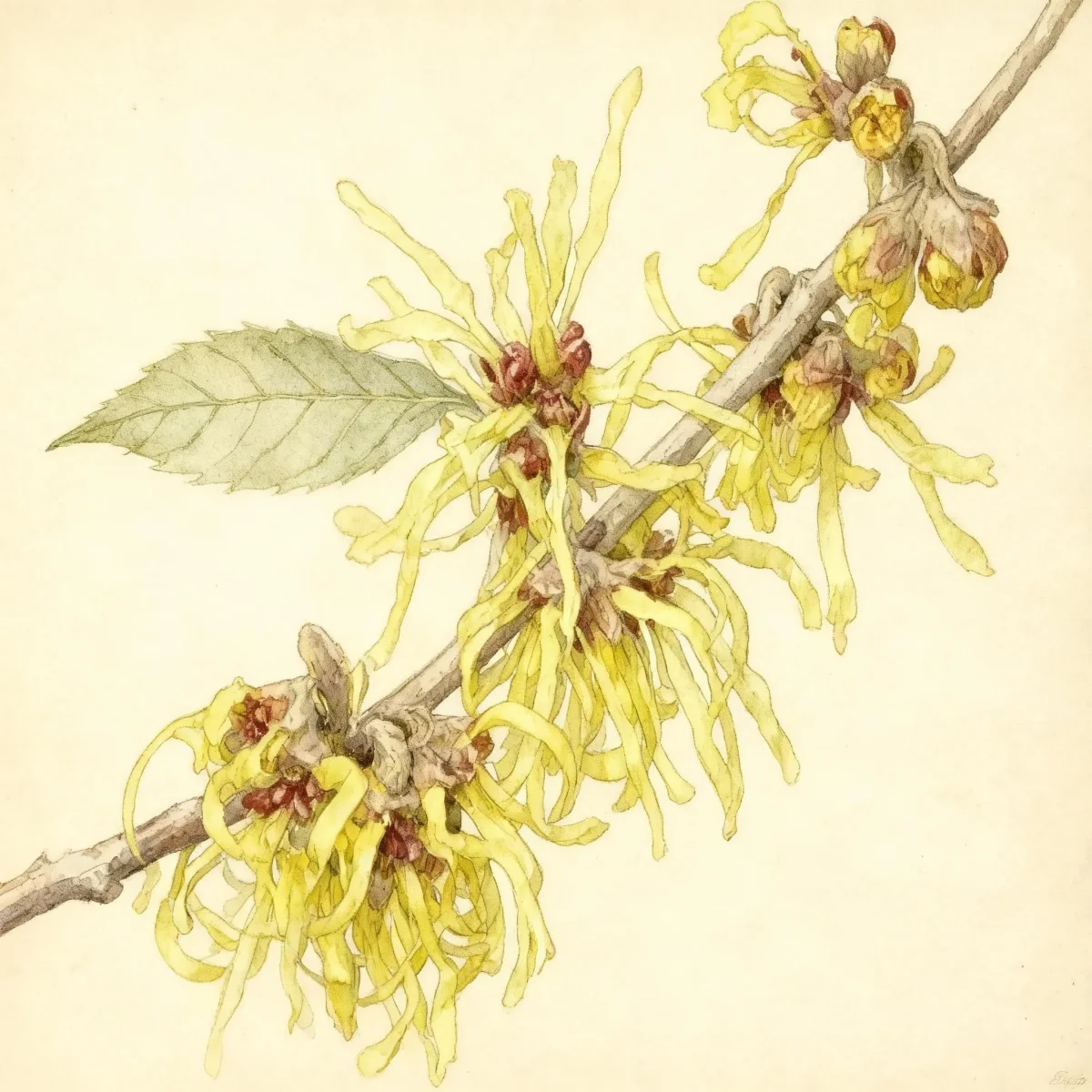
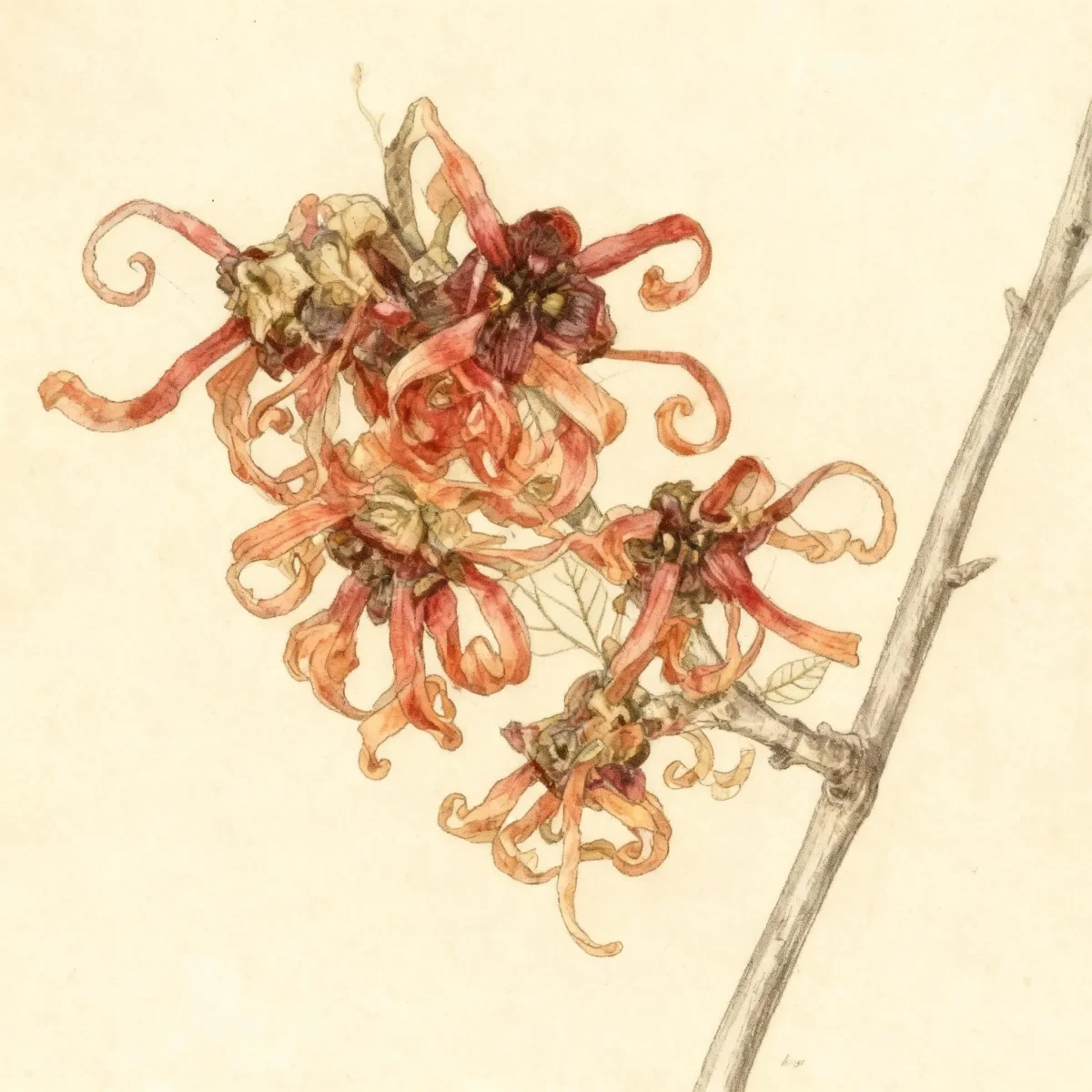
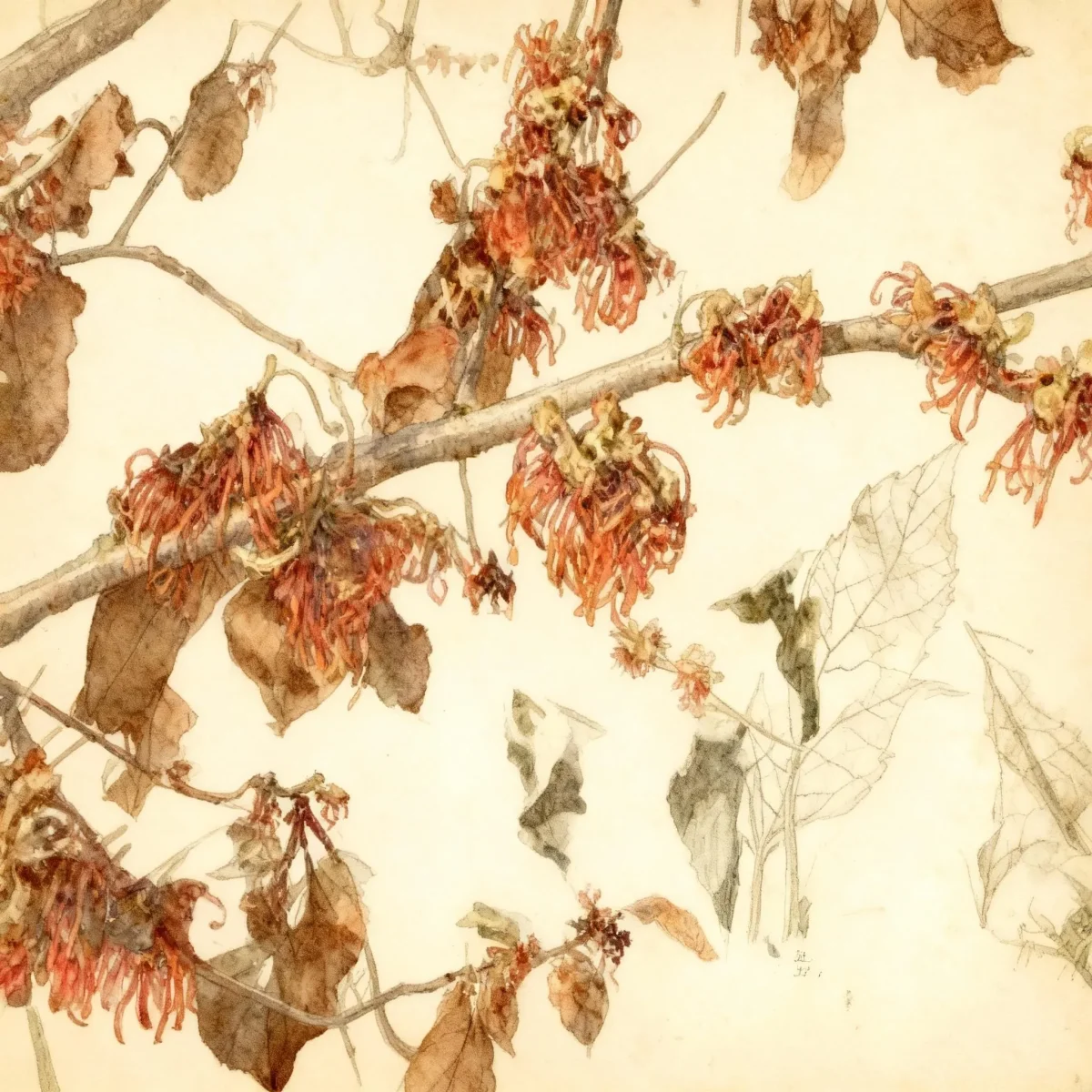
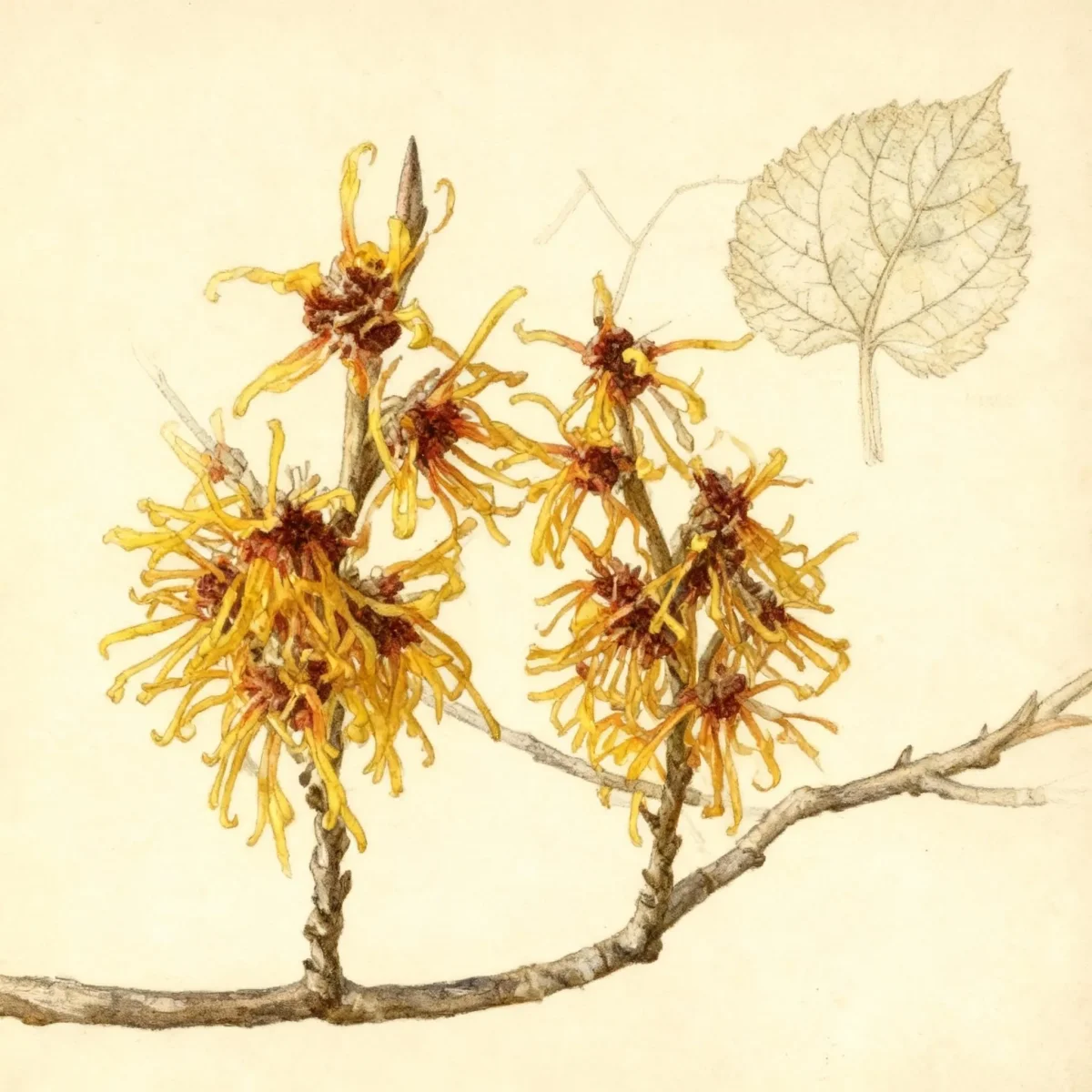
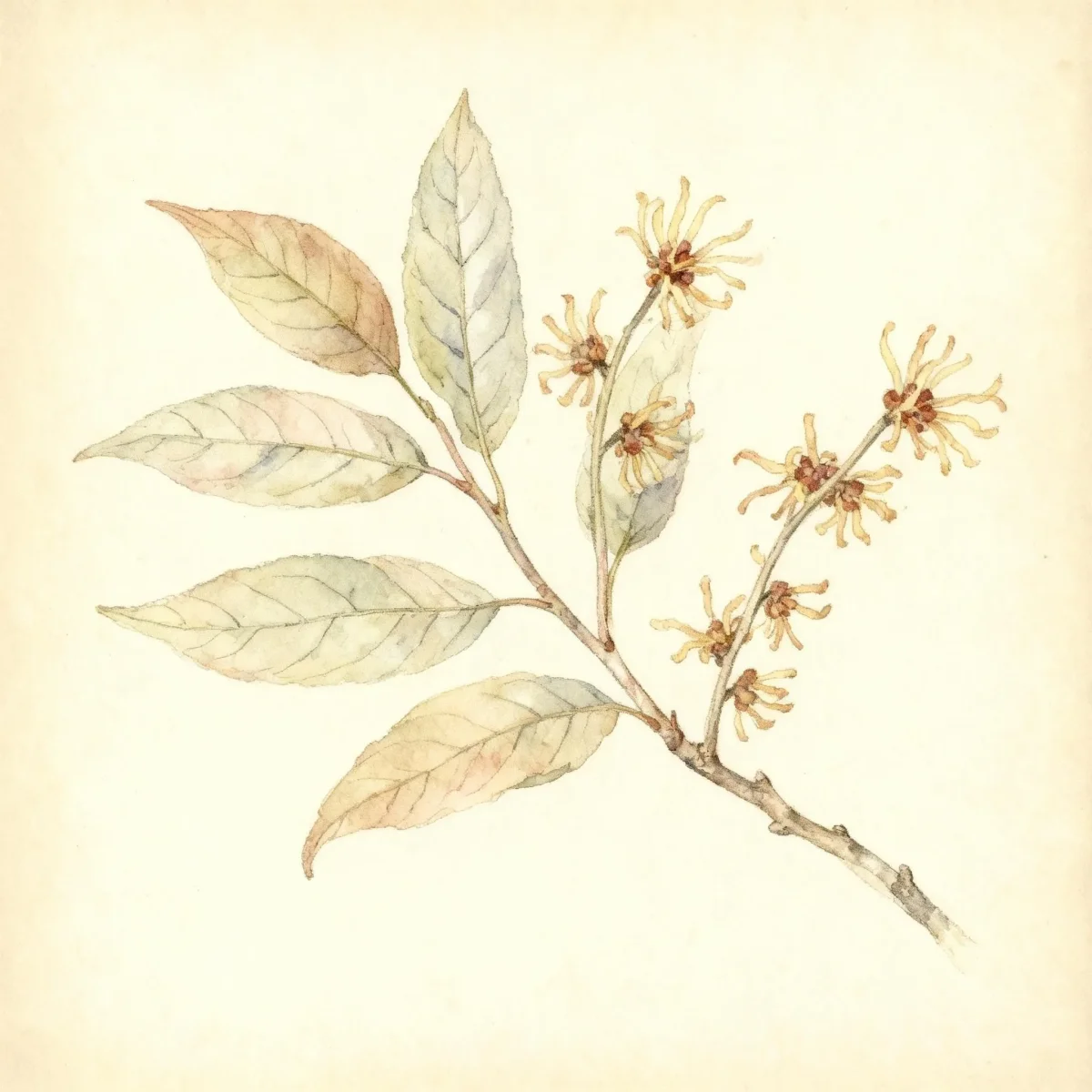
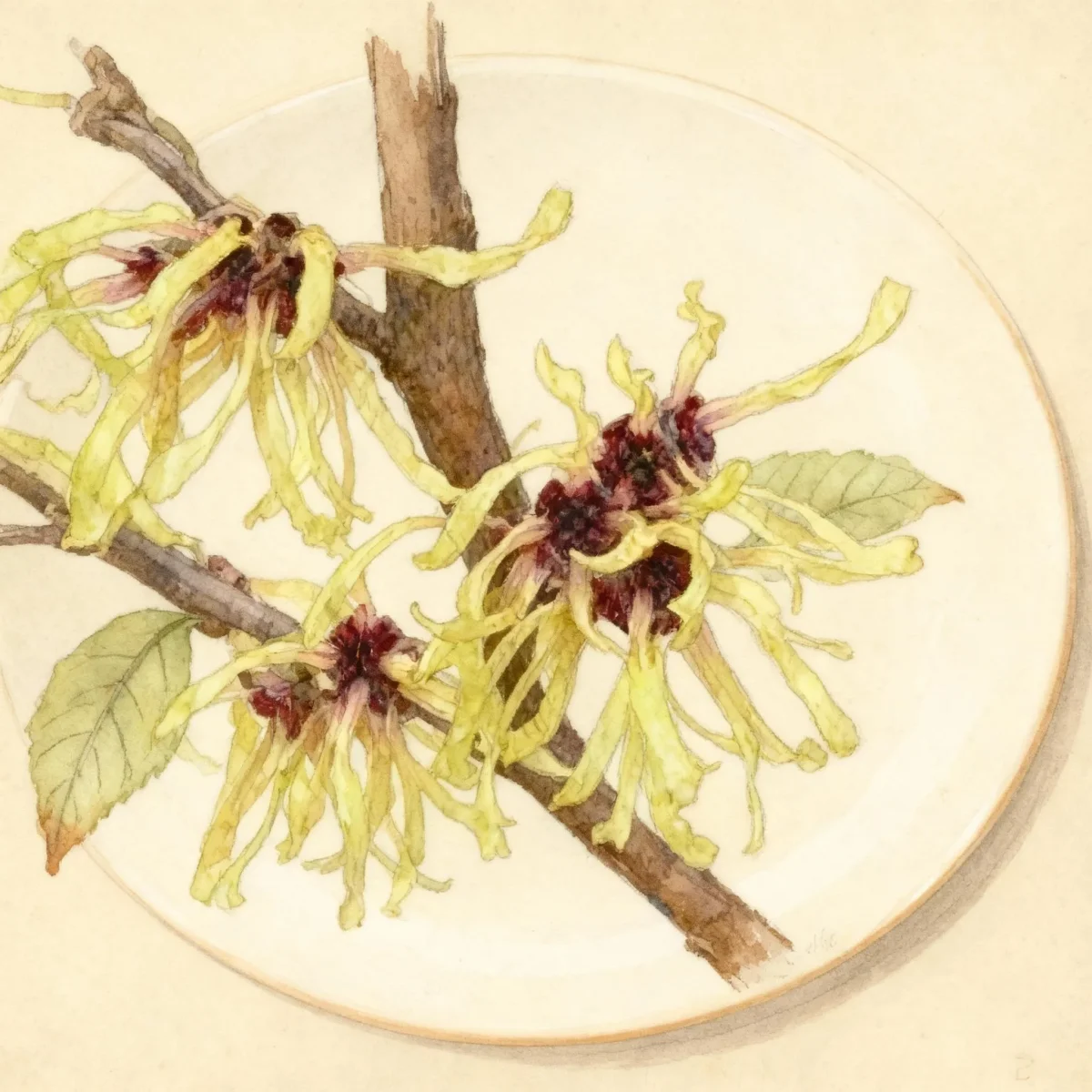
Witch hazel (Hamamelis × intermedia 'Hiltingbury')
Hamamelis × intermedia 'Hiltingbury' Witch hazel offers striking copper-red winter blooms, low maintenance, and excellent deer tolerance for Zone 5-8 gardens.
Scroll down to discover growing tips, care requirements, companion plants, and more
Complete Plant Information
Overview
This exceptional winter-flowering selection, Hamamelis × intermedia ‘Hiltingbury’, delivers crucial color when most of the garden is dormant. As a hybrid Witch hazel, it provides gardeners with spidery, fragrant blooms that appear along bare stems, announcing the approaching end of winter. Maturing into a compact rounded shrub, the Hamamelis × intermedia ‘Hiltingbury’ is valued for its reliably attractive copper-red flowers and relatively low maintenance requirements.
These deciduous shrubs are renowned for their seasonal interest, transitioning from mid-winter flowers to dark green foliage that offers spectacular fall color. They thrive in average conditions but require consistent moisture to prevent discouraging summer leaf scorch. Planting this Witch hazel ensures structural interest year-round, especially in woodland settings or as a vibrant specimen.
Fast Facts
- Plant Family: Hamamelidaceae
- Plant Type: Deciduous shrub
- Hardiness Zones: USDA Zones 5-8
- Size at Maturity:
- Height: 6-8 ft
- Spread: 6-8 ft
- Bloom Time: January to March
- Bloom Description: Copper-red
- Sun Exposure: Full sun to part shade
- Water Needs: Medium
- Maintenance Level: Low
How to Grow
The best success for Hamamelis × intermedia ‘Hiltingbury’ is achieved when planted in a location receiving full sun, which maximizes its winter bloom potential, although it tolerates part shade. Plant in average, medium moisture, well-drained soils. The ideal environment features moist, acidic, organically rich soils.
Consistent moisture management is key; drought stress, even during summer, can lead to leaf scorch. While this Witch hazel shows some tolerance for clay soils, excellent drainage remains crucial for root health. Pruning should be done promptly in the spring immediately following the flowering period to shape or reduce size.
Gardeners must remain vigilant regarding suckering. Because this is a grafted shrub, promptly remove any root suckers arising from below the graft union to maintain the desired cultivar characteristics. This low-maintenance plant rarely requires significant intervention outside of proper situational care.
Landscape Uses
The Hamamelis × intermedia ‘Hiltingbury’ excels as a superior winter-flowering specimen. Its unique bloom time makes it an indispensable structural element in shrub borders or mixed woodland gardens, providing focal points when few other plants are active. It develops into a manageable size, making it suitable for use as a specimen plant where its copper-red winter display can be fully appreciated.
Taller forms or groupings of this Witch hazel can serve effectively as a screen or a less formal, tall hedge structure through the cooler months. Its vibrant fall leaf color complements evergreen structure planting, ensuring multi-season appeal in the landscape design.
Standout Features
Flower Qualities
- Showy
- Fragrant
Noteworthy Characteristics
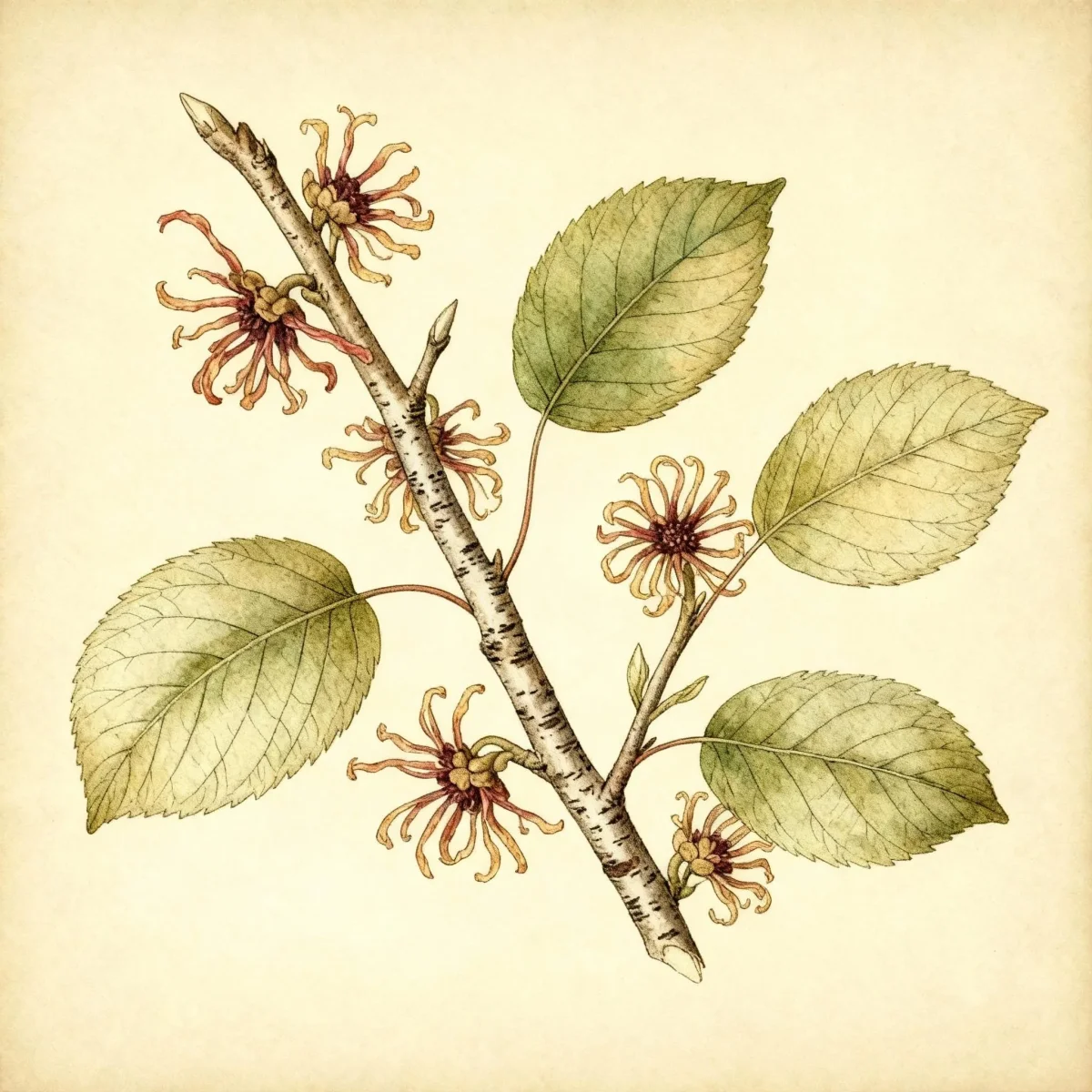
Hamamelis × intermedia hybrids are crosses between Japanese witch hazel (H. Japonica) and Chinese witch hazel (H. Mollis). They are particularly noted for their spidery, often fragrant, mid- to late winter flowers which appear before the spring foliage emerges. The hybrid name intermedia references the characteristics being intermediate between the two parent species. Specifically, ‘Hiltingbury’ has compelling deep copper-red, ribbon-like petals emerging from a purple-red calyx, offering a mild fragrance along the bare stems.
Tolerances
- Deer
- Erosion
- Clay Soil
Potential Problems
Insect and disease issues for Hamamelis × intermedia ‘Hiltingbury’ are generally minor and rarely require chemical intervention. Pests like caterpillars and Japanese beetles might occasionally chew foliage during the summer growing season. Gardeners should monitor for sap-sucking insects such as scale or gall aphids.
Preventative care focuses on optimal site conditions; ensuring good air circulation and avoiding summer drought minimizes the risk of fungal issues like powdery mildew or leaf spots. If suckers appear below the graft, remove them immediately to maintain plant vigor and specific cultivar traits of this Witch hazel.
Frequently Asked Questions
What hardiness zones is Witch hazel suitable for?
The Hamamelis × intermedia ‘Hiltingbury’ is reliably hardy in USDA Zones 5 through 8.
How large does Hamamelis × intermedia ‘Hiltingbury’ grow?
This compact Witch hazel typically matures to a height between 6 and 8 feet, with a similar spread of 6 to 8 feet wide.
What sun exposure does Hamamelis × intermedia ‘Hiltingbury’ need?
While it tolerates part shade, best flowering performance for the copper-red blooms of this hybrid is achieved when planted in full sun.
When does Witch hazel bloom?
The characteristic bloom time for Hamamelis × intermedia ‘Hiltingbury’ is late winter, running from January through March, featuring striking copper-red flowers.
Conclusion
The Hamamelis × intermedia ‘Hiltingbury’ stands out by injecting essential color and fragrance into the otherwise bleak mid-winter landscape. Its low maintenance needs and strong tolerances make this Witch hazel a practical choice for nearly any established shrub border. Before planting, confirm that your site offers the required winter sunlight and consistent moisture to ensure the spectacular copper-red display of your new Hamamelis × intermedia ‘Hiltingbury’] thrives.
Companion Planting
When selecting companions for your Witch hazel, consider plants that either contrast its winter appeal or complement its cultural needs during the growing season. Evergreens, such as slow-growing conifers or broadleaf shrubs like hollies, provide dark green backdrops that make the fine texture and color of the mid-winter flowers pop. Spring ephemeral bulbs peaking beneath the maturing foliage also work well, as they complete their life cycle before the Hamamelis × intermedia ‘Hiltingbury’ requires substantial water during summer heat.
For fall interest, pair this plant with late-blooming perennials or shrubs that offer contrasting warm tones, such as rudbeckia or certain dogwood varieties, enhancing the overall seasonal transition of the garden bed. Because this shrub prefers moisture, ensure companions share its medium water requirements to simplify irrigation.
Design Ideas
Employing Hamamelis × intermedia ‘Hiltingbury’ near walkways or seating areas maximizes appreciation for its mild fragrance during its bloom time. Use its medium stature to anchor the middle layer of a multi-tiered border planting. Because it leafs out later than many deciduous plants, it provides valuable views through the shrub layer early in the season, essential for revealing groundcovers or spring bulbs planted nearby.
In Asian-inspired or naturalistic woodland gardens, the graceful, arching branches of this hybrid Witch hazel lend an elegant structure. Planted against a dark-colored fence or wall, the copper-red petals of Hamamelis × intermedia ‘Hiltingbury’ create an incredibly high-impact contrast visible from a distance.