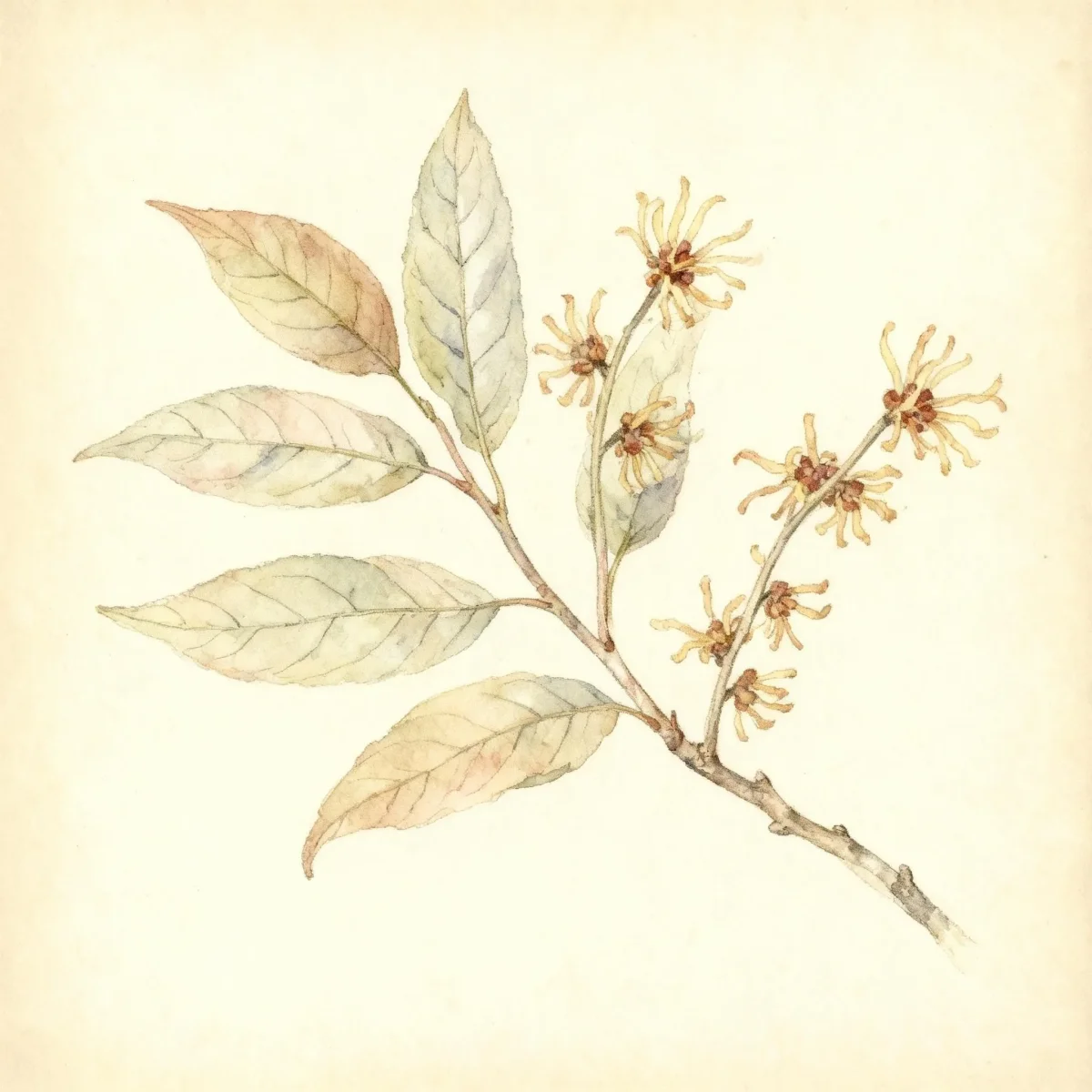
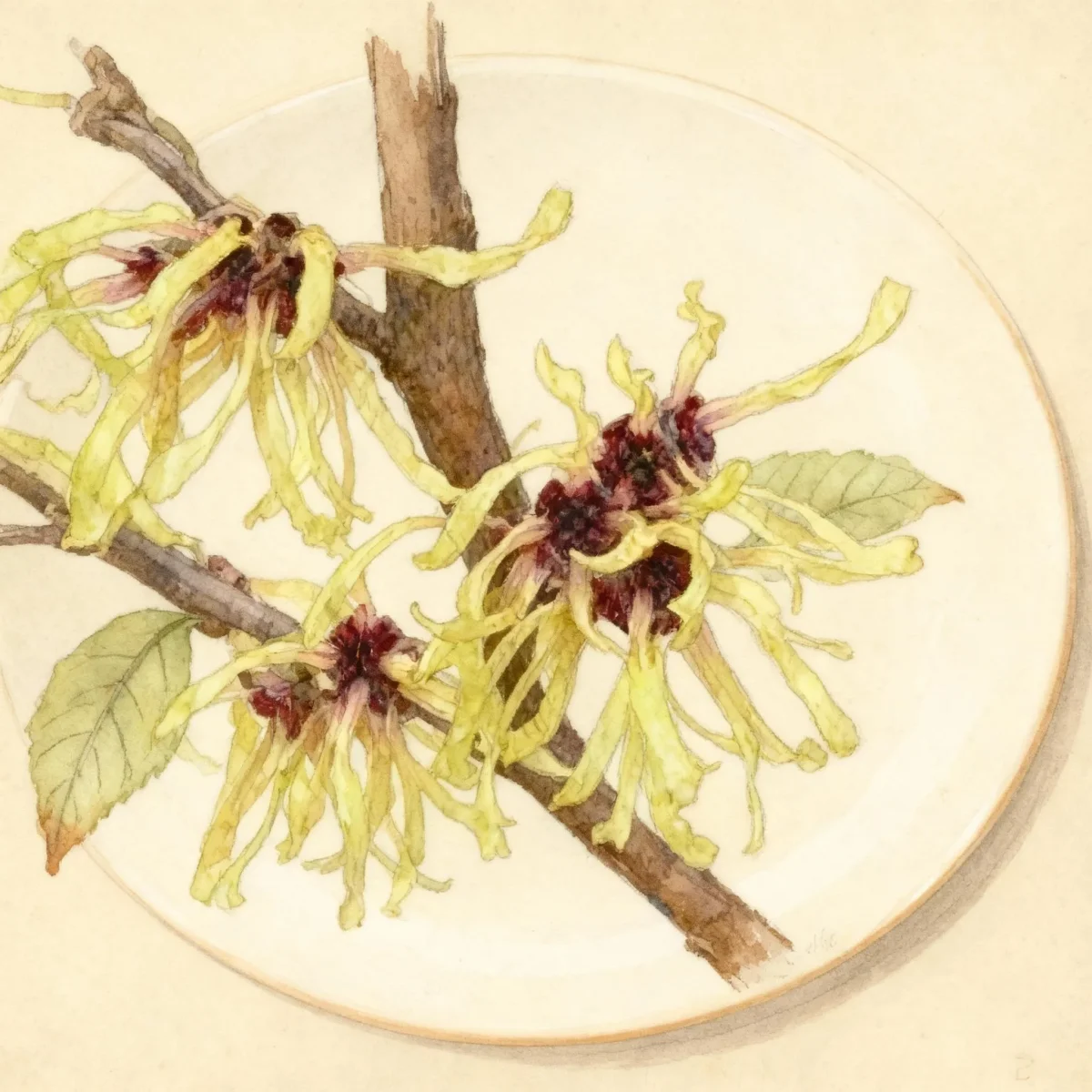
Witch hazel (Hamamelis × intermedia 'Harlow Carr')
Hamamelis × intermedia 'Harlow Carr' offers fragrant, showy yellow winter blooms. This low-maintenance Witch hazel is ideal for zones 5-8.
Scroll down to discover growing tips, care requirements, companion plants, and more
Complete Plant Information
Overview
The Hamamelis × intermedia ‘Harlow Carr’, a highly desirable cultivar of Witch hazel, provides essential color during the bleakest part of the year. Its value lies in its late winter bloom period, offering spidery, fragrant flowers before most other shrubs awaken. This deciduous shrub provides structure throughout the garden, even when dormant.
As a hybrid between H. Japonica and H. Mollis, Hamamelis × intermedia ‘Harlow Carr’ exhibits strong, adaptable qualities. It generally matures into an upright-rounded specimen, providing moderate height and spread perfect for specimen planting or screening. Gardeners appreciate its low maintenance needs and its proven tolerance for various soil conditions.
Planting this Witch hazel ensures you have a garden feature that performs when few others do. Beyond its distinctive winter interest, the shrub boasts good resilience, making the Hamamelis × intermedia ‘Harlow Carr’ a dependable, attractive addition to the cool-season landscape.
Fast Facts
- Plant Family: Hamamelidaceae
- Plant Type: Deciduous shrub
- Hardiness Zones: USDA Zones 5-8
- Size at Maturity:
- Height: 6-9 ft
- Spread: 6-9 ft
- Bloom Time: January to March
- Bloom Description: Yellow petals tinted red at base
- Sun Exposure: Full sun to part shade
- Water Needs: Medium
- Maintenance Level: Low
How to Grow
Planting Hamamelis × intermedia ‘Harlow Carr’ is best done in the spring or fall when conditions are cool to allow for root establishment. Locate this Witch hazel where it receives full sun for the best flowering display, though it tolerates light afternoon shade. The ideal medium is moist, acidic, and organically rich, though it shows some tolerance for clay soils provided drainage remains good.
Consistent moisture is crucial for healthy growth; monitor watering, especially during summer droughts, as lack of water can lead to leaf scorch. Fertilization is usually unnecessary if the soil is rich, but spring organic matter top-dressings benefit overall health. Pruning should be done directly after flowering concludes in the spring to shape the shrub and remove any crossing branches without sacrificing next year’s flower buds.
A critical care point involves monitoring the union where the cultivar was grafted onto the rootstock. Promptly remove any root suckers arising from below this graft union to maintain the characteristics of the Hamamelis × intermedia ‘Harlow Carr’ variety. This simple maintenance keeps the shrub vigorous and true to type.
Landscape Uses
This Witch hazel excels as a superior winter-flowering accent. Its ability to flower on bare stems during January through March makes it an indispensable focal point when the garden lacks other color. Use Hamamelis × intermedia ‘Harlow Carr’ as a screen or a tall hedge where evergreen interest is not required, as its winter bloom carries significant aesthetic weight.
For shrub borders, place it where its mid-to-late winter show can be easily viewed from windows or seating areas. In woodland gardens, it provides essential texture and color beneath taller, deciduous trees. Its manageable size of 6 to 9 feet makes it versatile enough for specimen planting where its unique structure can be fully appreciated.
Standout Features
Flower Qualities
- Showy
- Fragrant
Noteworthy Characteristics
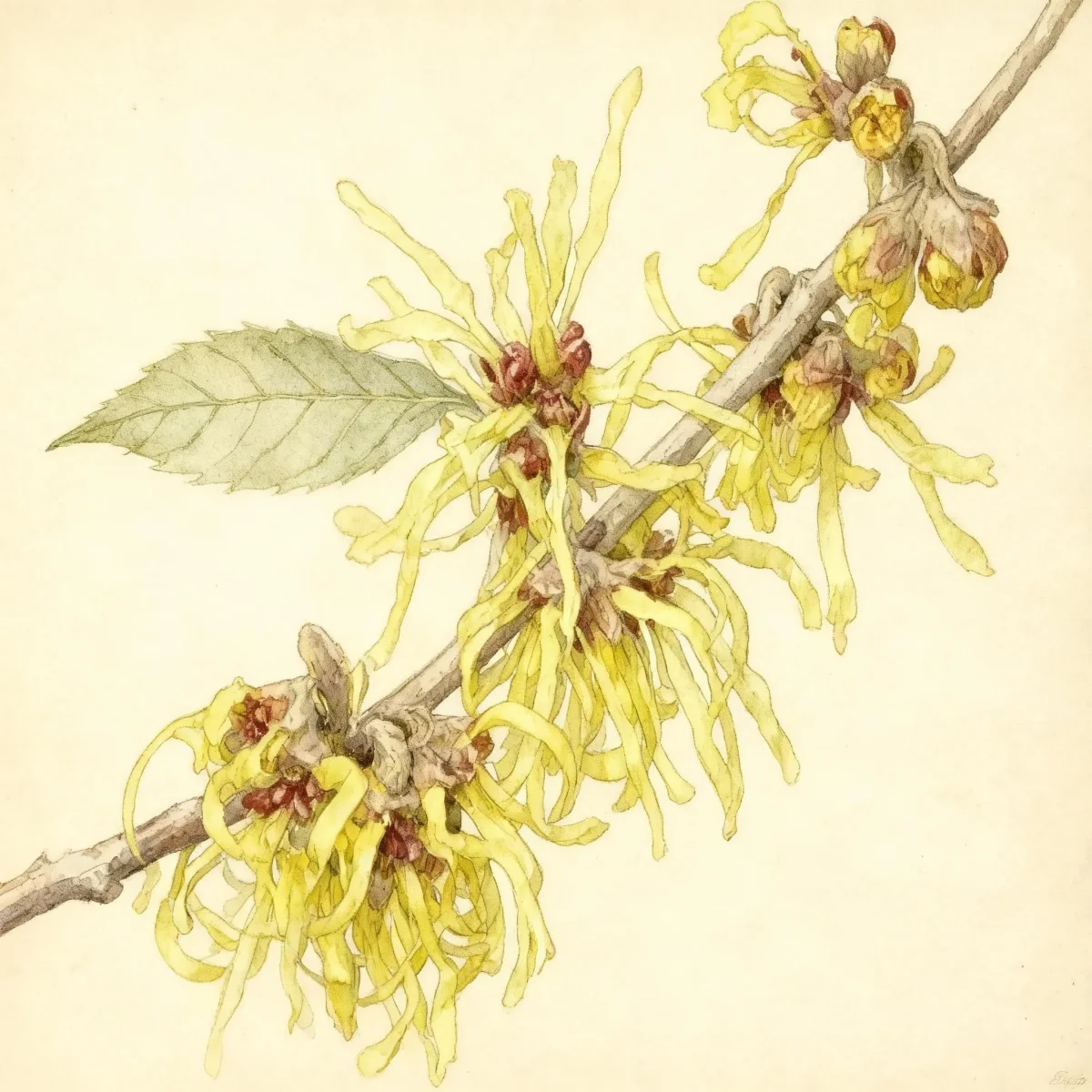
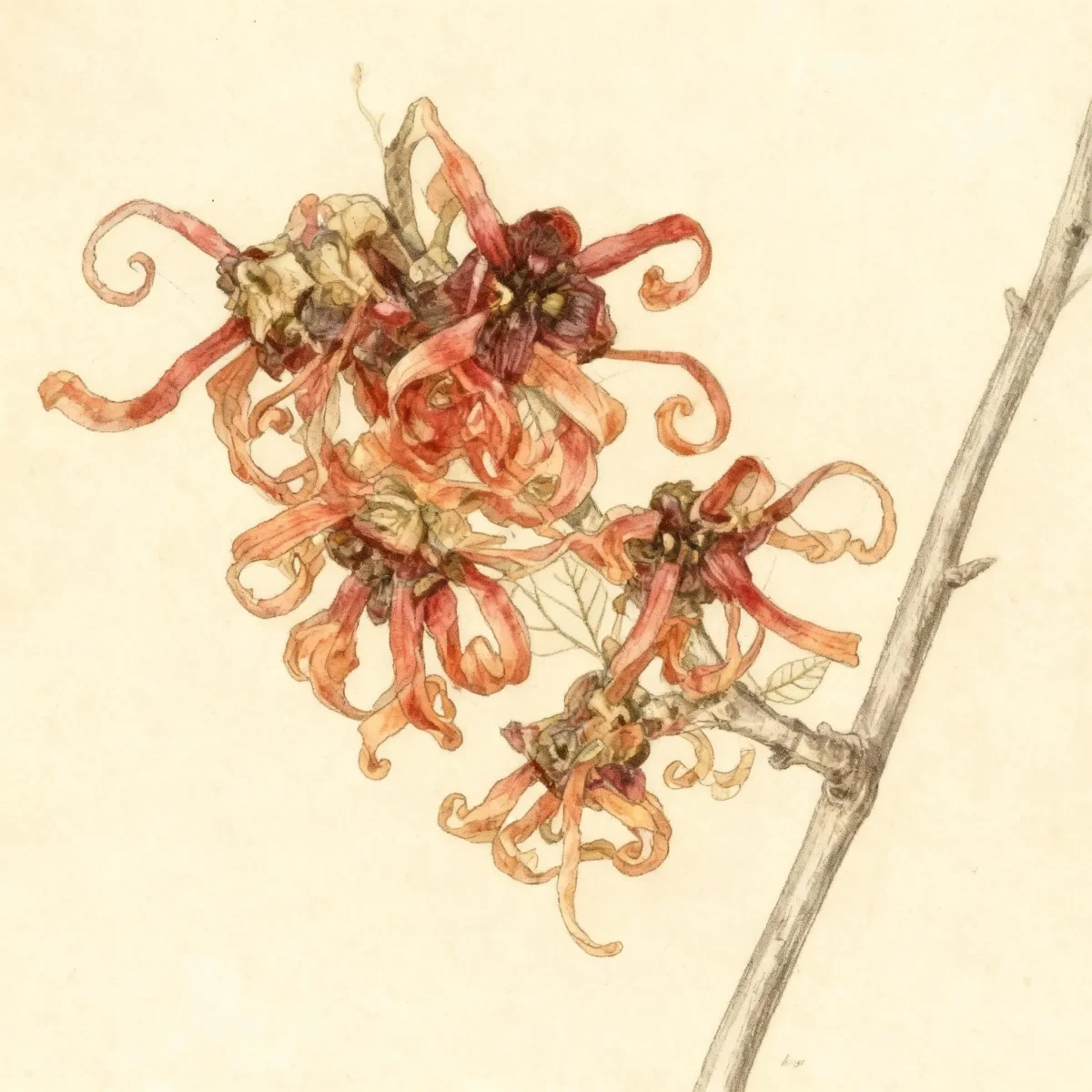
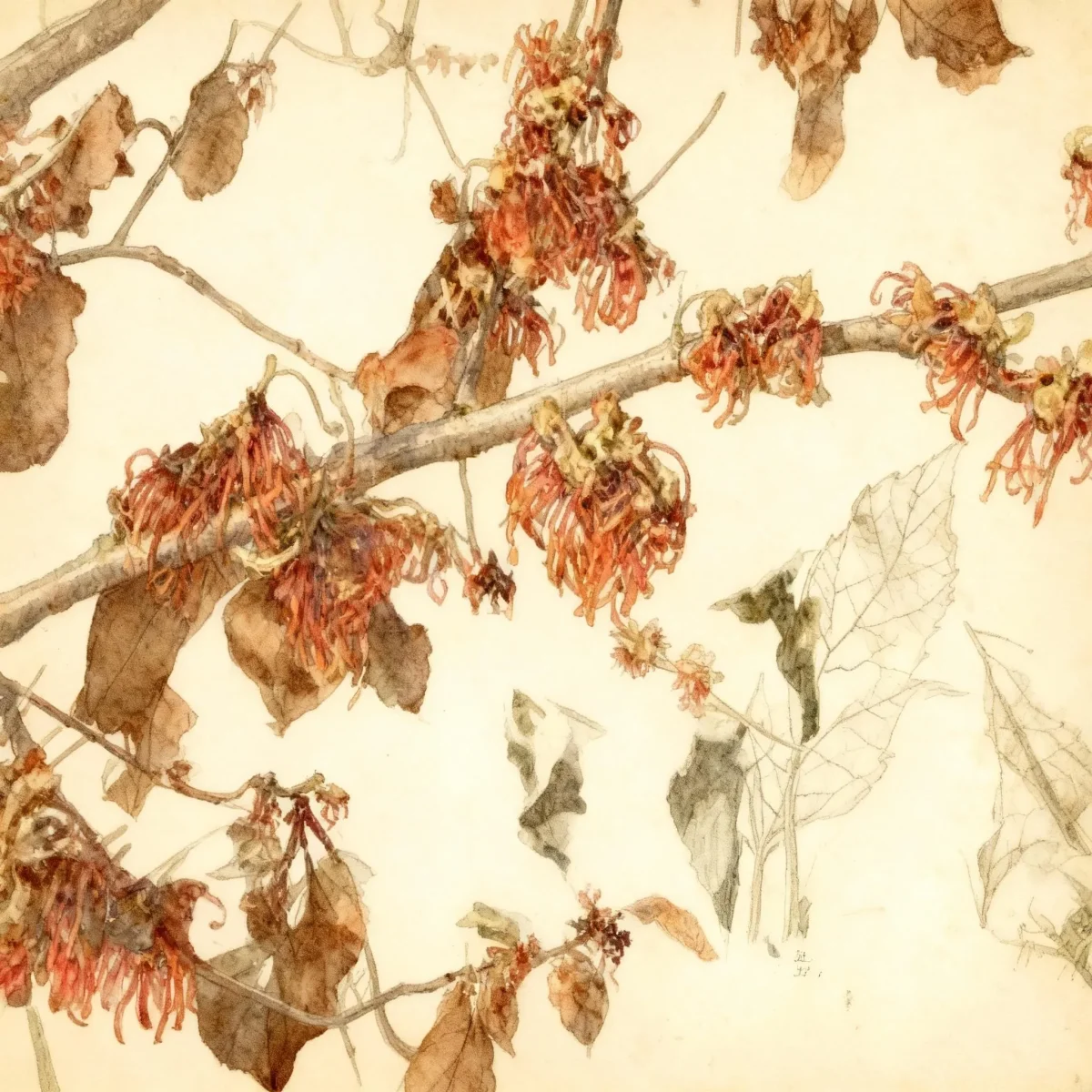
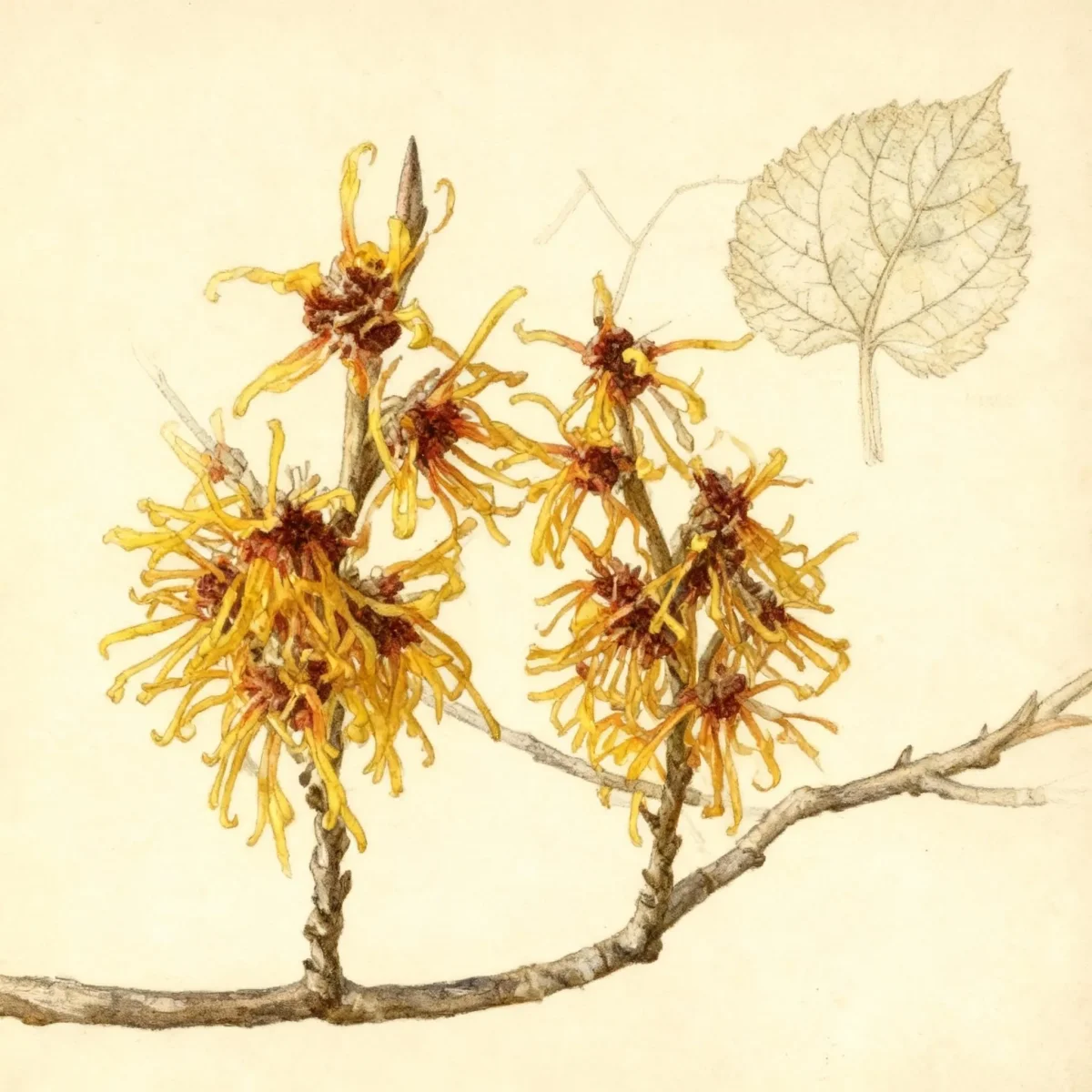
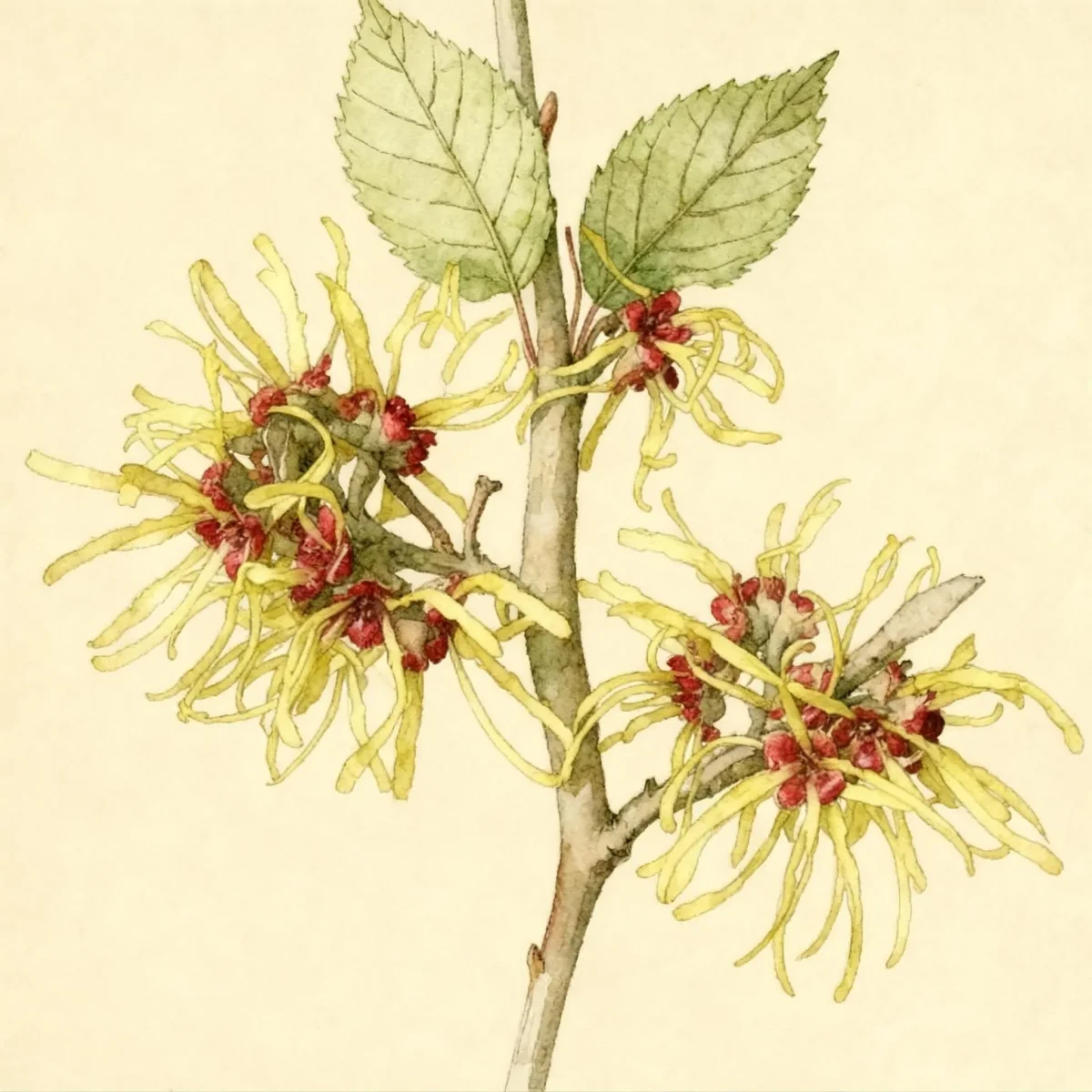
Hamamelis × intermedia hybrids are crosses between Japanese witch hazel (H. Japonica) and Chinese witch hazel (H. Mollis). They are particularly noted for their spidery, often fragrant, mid- to late winter flowers which appear before the spring foliage emerges. The cultivar ‘Harlow Carr’ has distinctive yellow flowers, typically maturing as an upright-rounded shrub to 6-9’ tall. Each flower features narrow, ribbon-like, curled and crinkled, yellow petals that are tinted red at the base.
Tolerances
- Deer
- Erosion
- Clay Soil
Potential Problems
Insect issues with this Witch hazel are generally minor. You might observe caterpillars or Japanese beetles chewing on leaves later in the season. Be alert for pests like gall aphids, scale, leafrollers, and leafminers.
Diseases are also rarely serious for Hamamelis × intermedia ‘Harlow Carr’. The most common are powdery mildew, occasional leaf spots, or rot, usually linked to poor air circulation or excessively wet conditions. Often, these minor issues do not require chemical intervention; focus instead on proper cultural care, like ensuring good drainage and managing crowded plantings.
Frequently Asked Questions
What hardiness zones is Witch hazel suitable for?
The Hamamelis × intermedia ‘Harlow Carr’ is robustly suited for USDA Hardiness Zones 5 through 8.
How large does Hamamelis × intermedia ‘Harlow Carr’ grow?
This deciduous shrub typically reaches a mature height between 6 and 9 feet, with a similar spread of 6 to 9 feet.
When does Witch hazel bloom?
This specific Witch hazel cultivar provides spectacular bloom from January to March, displaying yellow petals tinted red at the base, long before leaf-out.
What sun exposure does Hamamelis × intermedia ‘Harlow Carr’ need?
For the most spectacular winter flowering, aim for full sun exposure; however, it tolerates partial shade well.
Conclusion
The Hamamelis × intermedia ‘Harlow Carr’ stands out as a foundational plant for winter interest, delivering unique fragrance and structure when most gardens are dormant. Its low maintenance and good tolerance for clay soils further cement its place as a reliable performer among Witch hazel varieties. Before planting, confirm your landscape falls within USDA Zones 5-8, and prioritize a location with good sun exposure for the best mid-winter reward.
Companion Planting
Selecting appropriate partners complements the unique seasonal timing of this Witch hazel. Because its bloom occurs before leaf-out, pair Hamamelis × intermedia ‘Harlow Carr’ with early spring bulbs like snowdrops (Galanthus) or winter aconite (Eranthis hyemalis) which succeed it visually. For evergreen structure beneath its somewhat coarse winter outline, consider low-growing rhododendrons or Japanese forest grass (Hakonechloa macra). Ensure companions share the preference for moist, acidic, well-drained soil to thrive alongside this established shrub.
Design Ideas
Utilize the upright-rounded habit of this Witch hazel to create mid-level vertical accents in mixed borders. When placed near patios or walkways, the mild fragrance of the flowers can be fully appreciated on crisp winter days. Consider grouping three or five shrubs together to create a dramatic mass planting that signals the shifting seasons. The gray-green leaves that turn an undistinguished yellow in fall should be complemented by shrubs or perennials that offer excellent late-season texture or deeper fall color, such as Japanese maples or smokebush varieties.