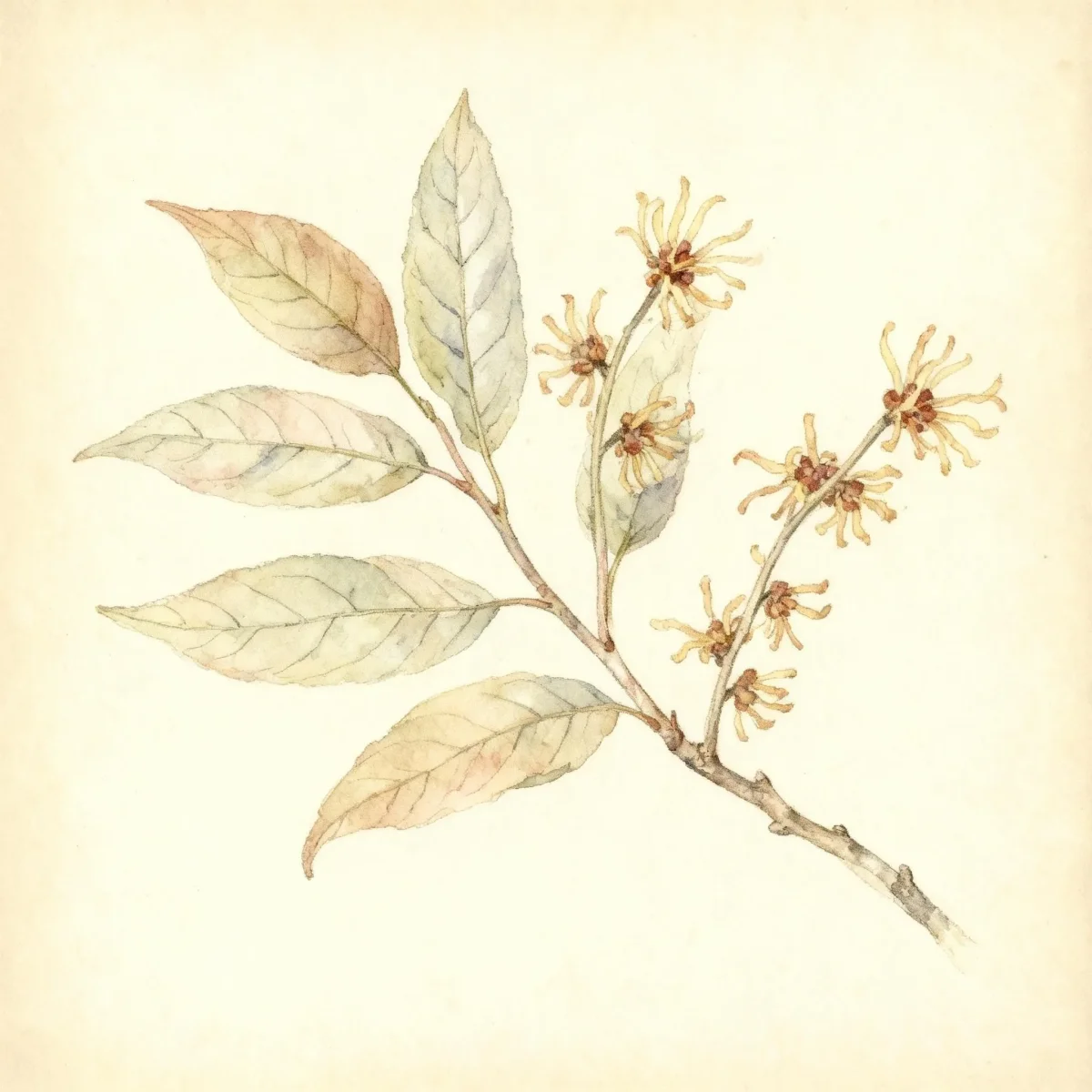
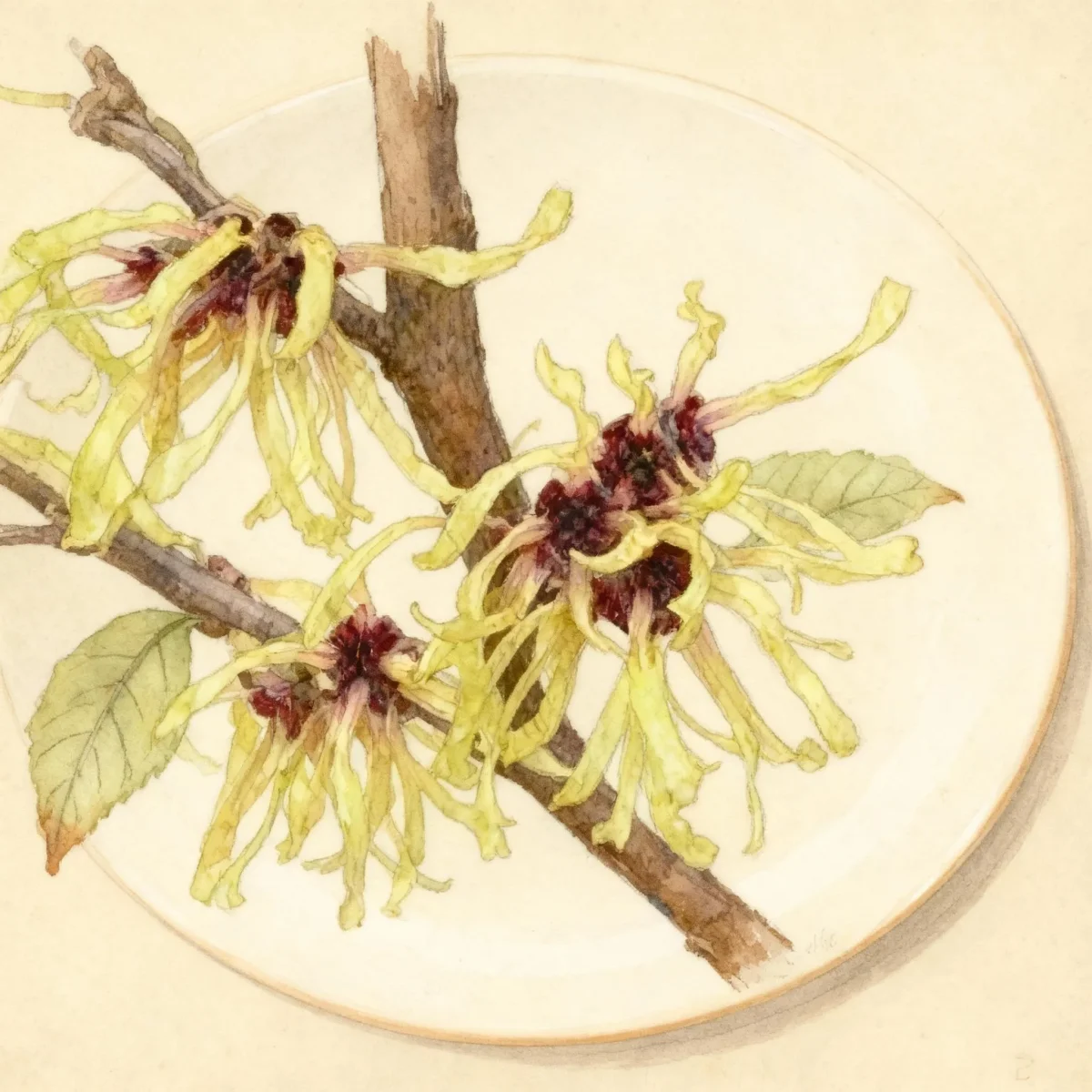
Witch hazel (Hamamelis × intermedia 'Orange Peel')
Hamamelis × intermedia 'Orange Peel' offers spectacular, fragrant, yellow-orange winter flowers. This low-maintenance Witch hazel thrives in Zones 5-8.
Scroll down to discover growing tips, care requirements, companion plants, and more
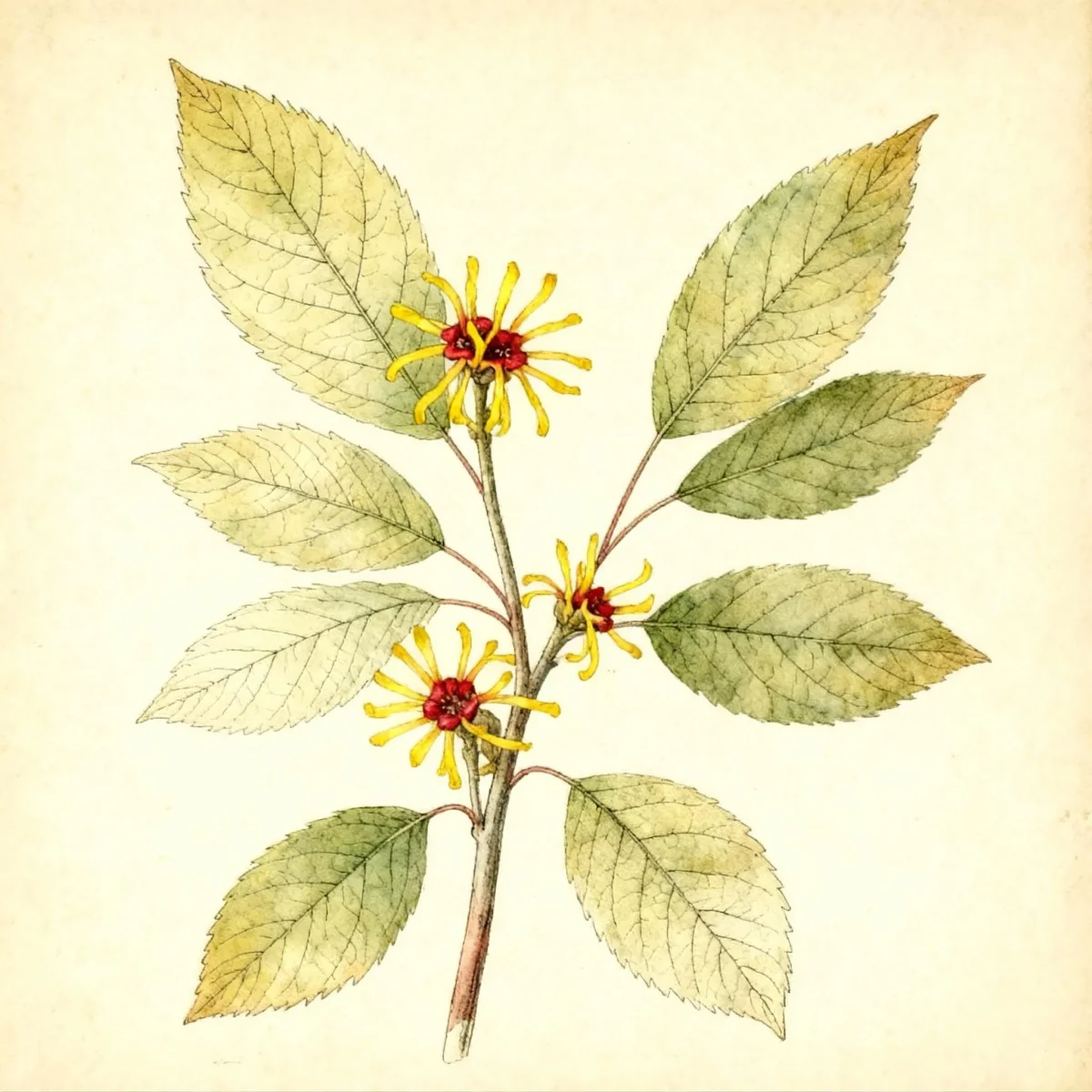
Complete Plant Information
Overview
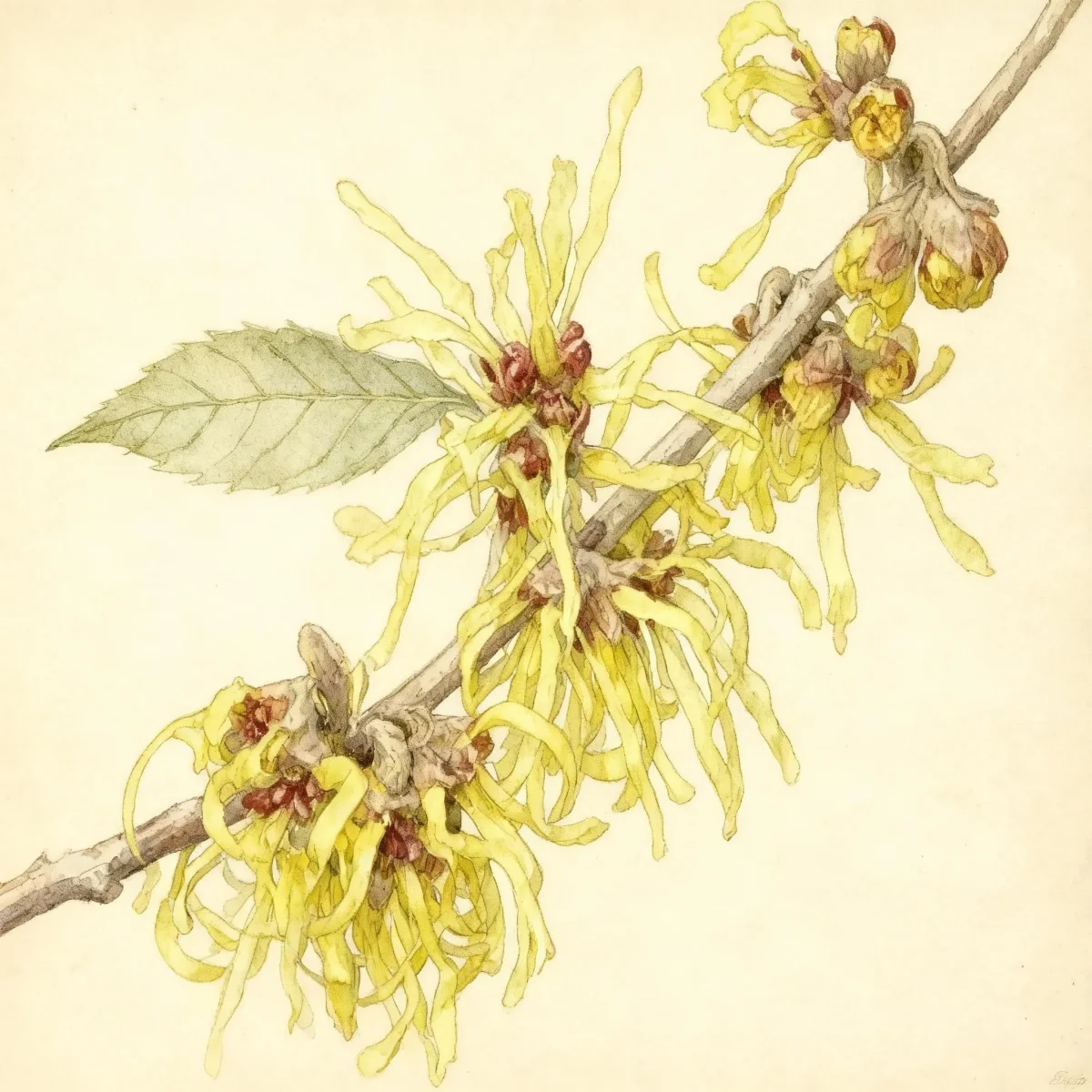
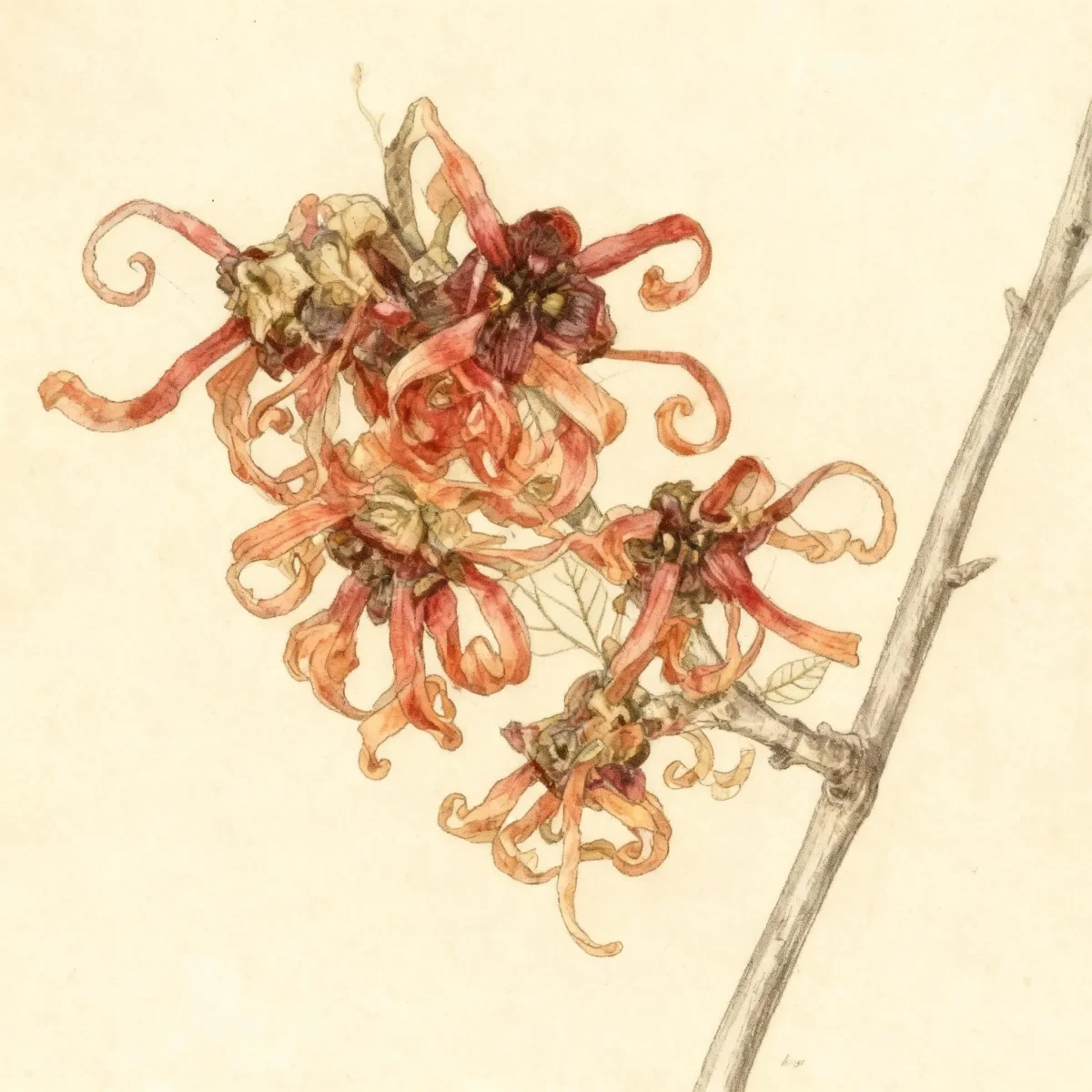
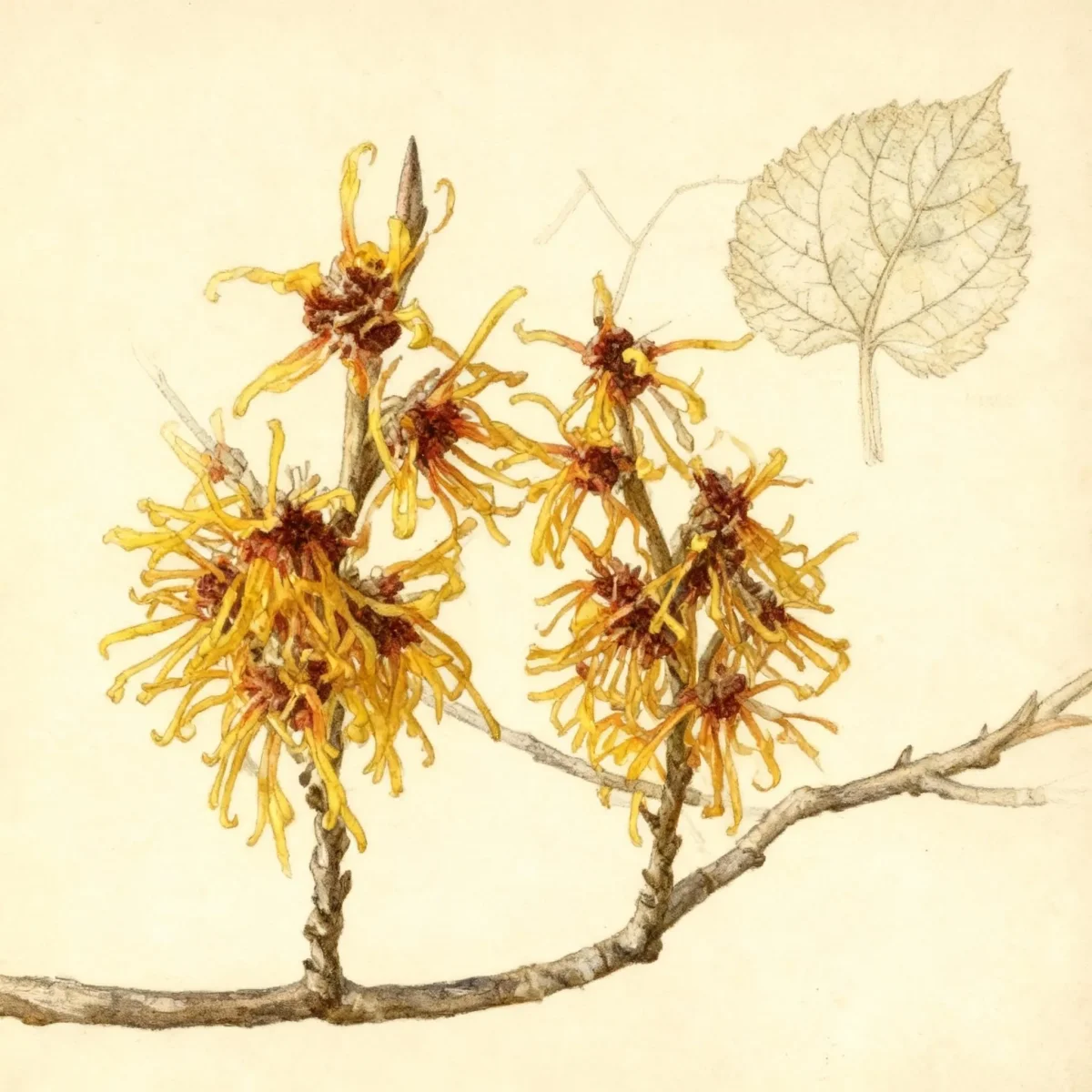
The arresting winter display provided by Hamamelis × intermedia ‘Orange Peel’ makes it a valuable specimen for any cold-climate landscape design. This hybrid Witch hazel is celebrated for producing clusters of spidery, ribbon-like flowers right when the garden is otherwise dormant. The specific ‘Orange Peel’ cultivar delights gardeners with rich yellow-orange petals, offering essential visual warmth during mid to late winter.
As a relatively low-maintenance deciduous shrub, Hamamelis × intermedia ‘Orange Peel’ provides structure year-round before its stunning bloom sequence begins. Growing to a manageable 8 to 10 feet tall and wide, it fits well in shrub borders or as an anchor in foundation plantings. Its resilience against deer and tolerance for clay soil further enhances its appeal for gardeners seeking reliable, long-lasting winter interest.
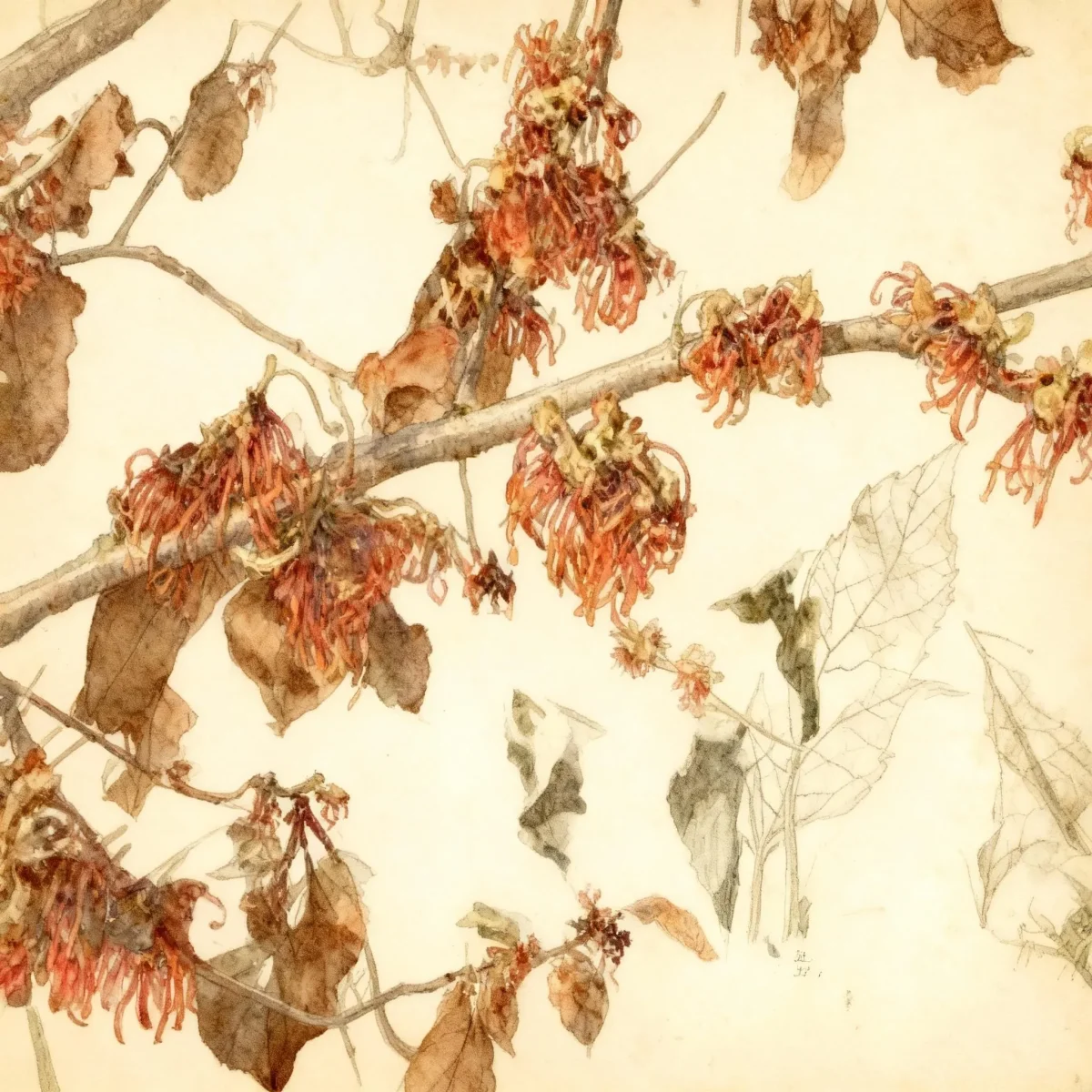
These shrubs emerge as crosses between Japanese and Chinese witch hazels, inheriting desirable traits from both parents. Beyond the winter spectacle, the foliage often yields attractive fall color, transitioning through yellow, orange, and red tones before dropping, providing extended seasonal interest for your garden space.
Fast Facts
- Plant Family: Hamamelidaceae
- Plant Type: Deciduous shrub
- Hardiness Zones: USDA Zones 5-8
- Size at Maturity:
- Height: 8-10 ft
- Spread: 8-10 ft
- Bloom Time: January to March
- Bloom Description: Yellow-orange petals
- Sun Exposure: Full sun to part shade
- Water Needs: Medium
- Maintenance Level: Low
How to Grow
The best time to establish your Hamamelis × intermedia ‘Orange Peel’ is typically in the spring or early fall, allowing the roots time to settle before temperature extremes. Site this Witch hazel where it receives full sun for the most abundant flowering, although it tolerates partial shade. It thrives in average, medium-moisture, well-drained soils, preferring those that are slightly acidic and rich in organic matter.
Consistent moisture is key to successful cultivation; these shrubs may suffer from leaf scorch during dry summer periods if neglected. While they show some tolerance for clay soils, excellent drainage remains paramount to prevent root issues. If your soil is heavy, amend it diligently with compost before planting.
Maintenance for this cultivar is generally low, but formative pruning should be attended to right after the bloom period finishes in spring. This is essential to control overall shape and size. A critical care point for Hamamelis × intermedia ‘Orange Peel’ is the prompt removal of any root suckers that emerge below the graft union to maintain the desired variety characteristics.
Landscape Uses
The structure and late-winter bloom make this Witch hazel superb for landscape architecture, especially when other plants are bare. Use Hamamelis × intermedia ‘Orange Peel’ as a superior winter-flowering accent specimen where its bright color can dramatically break the monotony of the season. Its size also makes it highly effective in shrub borders or as a natural, informal screen or tall hedge when planted in multiples.
Consider placing this shrub where it can be viewed from windows or near pathways, allowing close appreciation of its fragrant, unusual flowers. In woodland garden settings, it provides excellent mid-story interest beneath taller deciduous trees that offer dappled shade during the summer. Pair it with late-blooming evergreen shrubs, like certain rhododendrons or early spring bulbs, to ensure continuous seasonal transitions.
Standout Features
Flower Qualities
- Showy
- Fragrant
Noteworthy Characteristics
Hamamelis × intermedia hybrids are crosses between Japanese witch hazel (H. Japonica) and Chinese witch hazel (H. Mollis). They are particularly noted for their spidery, often fragrant, mid- to late winter flowers which appear before the spring foliage emerges. The hybrid name intermedia reflects characteristics intermediate between the two parent species, and the ‘Orange Peel’ cultivar matures into a rounded shrub showcasing these signature yellow-orange, ribbon-like petals along bare stems during the coldest months.
Tolerances
- Deer
- Erosion
- Clay Soil
Potential Problems
Insect issues are usually minor for this Witch hazel, though you should monitor for foliage chewing by caterpillars and Japanese beetles during the summer growing season. Watch for less common pests such as gall aphids, scale insects, leafrollers, and leafminers. Diseases are rare but can include occasional leaf spots or powdery mildew. Generally, these pests and diseases rarely require chemical intervention, meaning low maintenance continues even in pest monitoring.
Frequently Asked Questions
What hardiness zones is Witch hazel suitable for?
Hamamelis × intermedia ‘Orange Peel’ performs best in USDA Hardiness Zones 5 through 8.
How large does Hamamelis × intermedia ‘Orange Peel’ grow?
This deciduous shrub typically matures to a height and spread of 8 to 10 feet, resulting in a rounded, medium-sized form.
When does Witch hazel bloom?
The striking bloom time for Hamamelis × intermedia ‘Orange Peel’ is from January through March, featuring distinct yellow-orange petals.
What sun exposure does Witch hazel need?
For optimal flower production, aim to plant Hamamelis × intermedia ‘Orange Peel’ where it receives full sun, though it will tolerate part shade conditions.
Conclusion
Hamamelis × intermedia ‘Orange Peel’ is an invaluable asset for winter interest, rewarding gardeners with low-maintenance care and spectacular, fragrant blooms precisely when they are needed most. This beautiful Witch hazel brings vibrant color to the dormant landscape, making it a must-have for winter structure designs. Before planting, ensure your intended site falls within USDA Zones 5-8 and offers medium moisture to guarantee success with this outstanding cultivar.
Companion Planting
When placing Hamamelis × intermedia ‘Orange Peel’ in borders, consider companions that will either emerge strongly after the witch hazel finishes blooming or those that offer textural contrast during winter. Early spring bulbs like snowdrops (Galanthus) or winter aconite (Eranthis hyemalis) provide ground-level color near the clearing winter blooms of the shrub. For summer interest, pair the shrub with dark-leaved Hosta varieties or ferns that appreciate similar moist, organically rich soil conditions, allowing the Witch hazel to serve as a prominent green backdrop later in the year.
Design Ideas
Utilize the structure of Hamamelis × intermedia ‘Orange Peel’ as a screening element or as a specimen plant positioned near a regularly used patio or walkway. Because its flowers are fragrant, placement near a frequently occupied area maximizes enjoyment during the winter months. In contemporary foundation plantings, massing three or five of these shrubs together creates a powerful, colorful effect that draws the eye across the landscape throughout late winter and early spring.