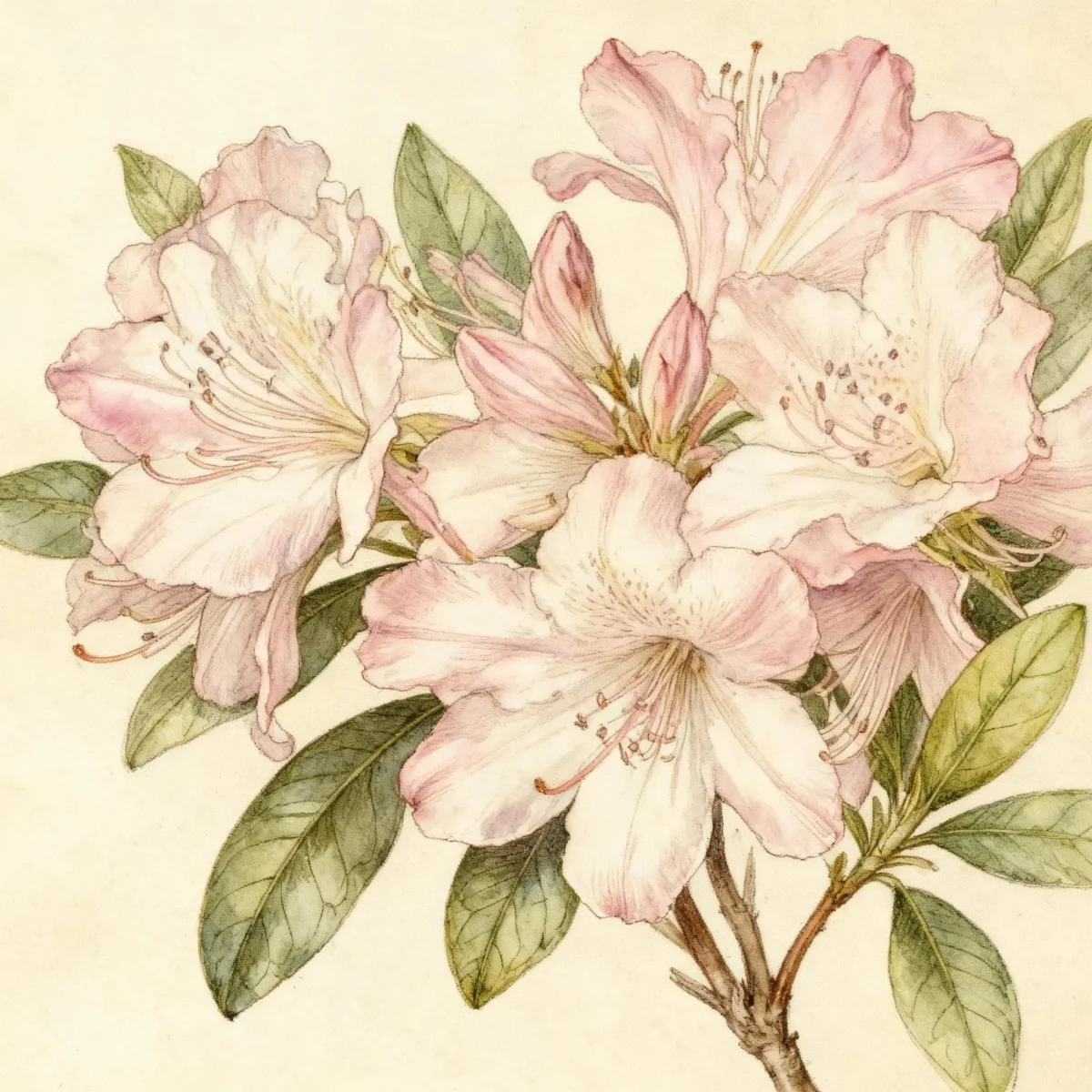
Evergreen azalea (Rhododendron 'Concho')
Rhododendron 'Concho' is a compact, showy Evergreen azalea thriving in zones 5-7, producing lilac-purple spring flowers in part shade.
Scroll down to discover growing tips, care requirements, companion plants, and more
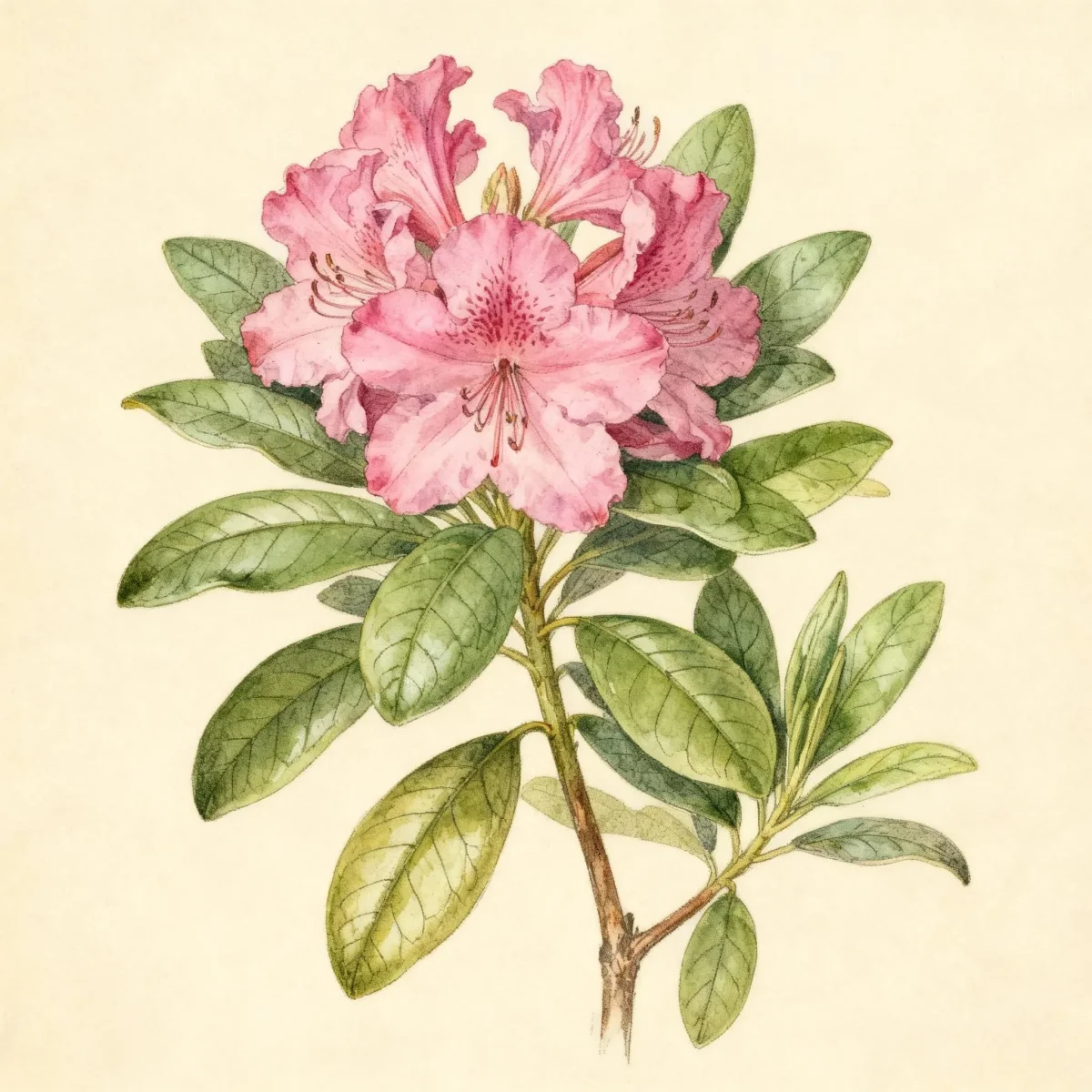
Complete Plant Information
Overview
Rhododendron ‘Concho’ is a stunning, compact broadleaf evergreen cherished in temperate gardens for its vibrant spring display. As an Evergreen azalea cultivar, it provides essential year-round structure while delivering spectacular color at a modest size, reaching only 1.5 to 2 feet tall and wide. Gardeners value Rhododendron ‘Concho’ for framing garden beds or providing low hedges where larger shrubs overwhelm the landscape.
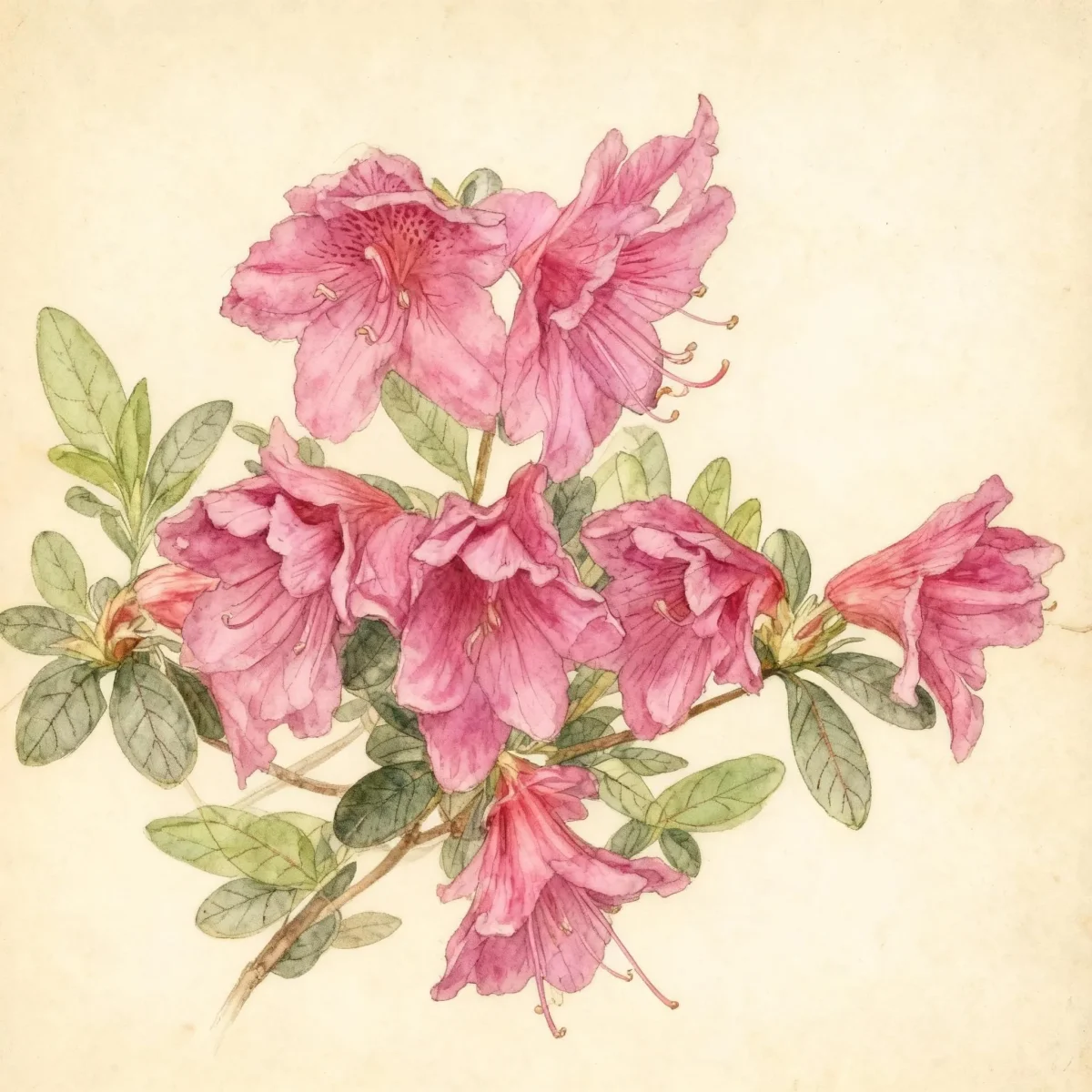
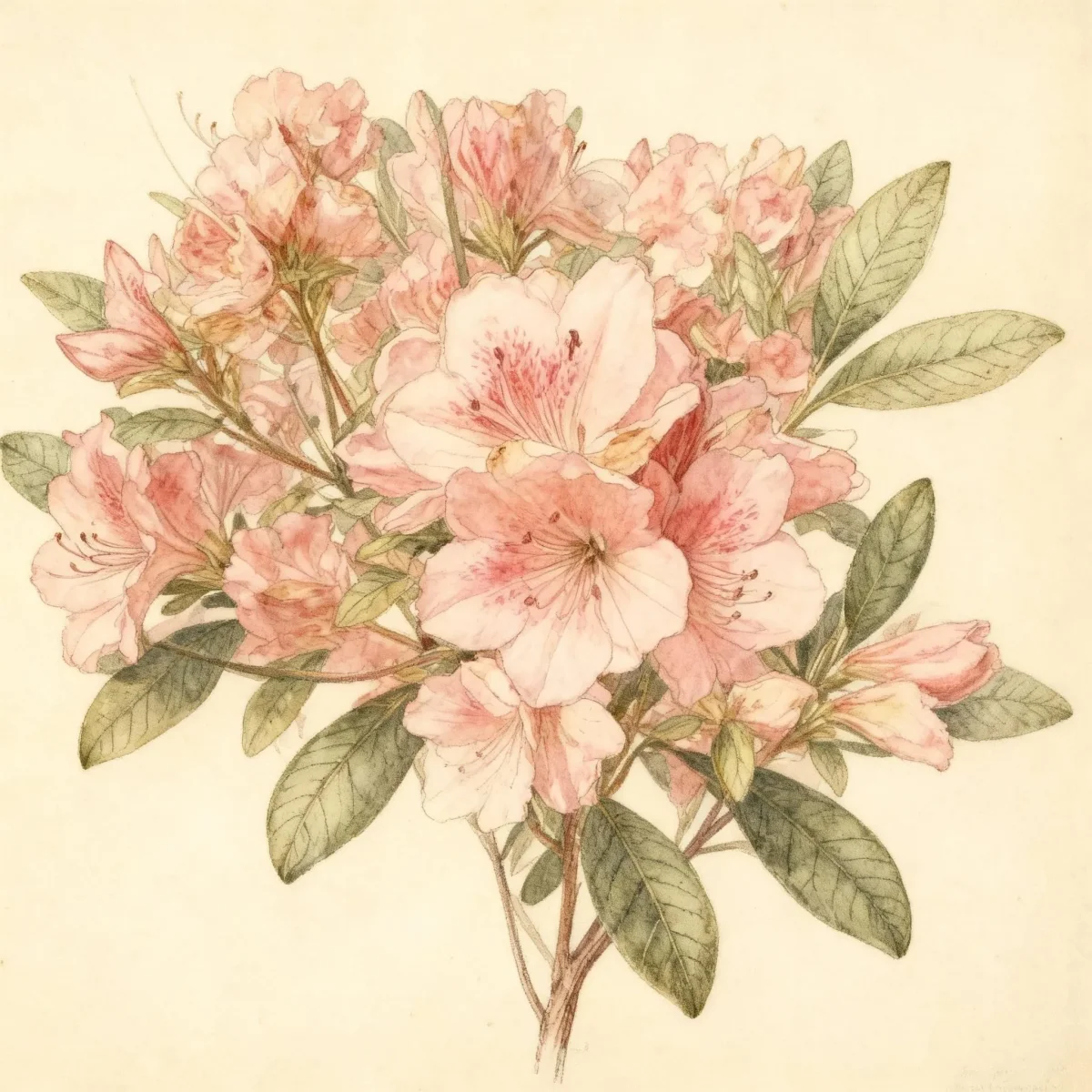
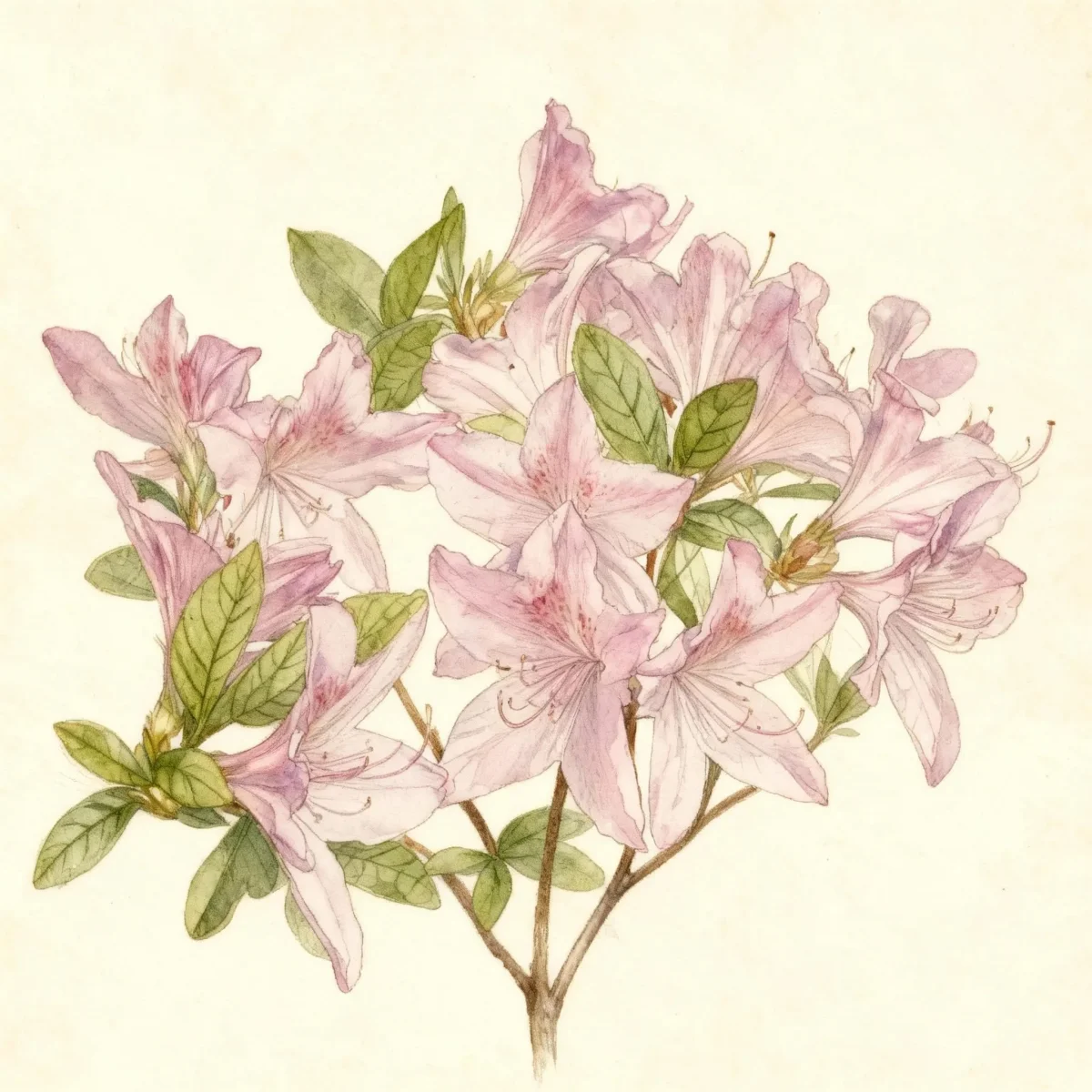
Distinguishing features include its dense, multi-stemmed habit and its specific bloom—a beautiful display of lilac to purple flowers punctuated by crimson spots in the month of May. This hybrid requires careful siting to ensure it receives the dappled light it prefers, protecting its foliage in hotter climates.
This Evergreen azalea brings grace to woodland margins and shade gardens. Its manageable size makes Rhododendron ‘Concho’ an excellent choice for foundation plantings, offering visual interest right against the house without becoming overgrown. Proper cultural practices centered on acidity and drainage ensure this plant remains a high-performing focal point for many seasons.
Fast Facts
- Plant Family: Ericaceae
- Plant Type: Broadleaf evergreen
- Hardiness Zones: USDA Zones 5-7
- Size at Maturity:
- Height: 1.5-2 ft
- Spread: 1.5-2 ft
- Bloom Time: May
- Bloom Description: Lilac to purple with crimson spots
- Sun Exposure: Part shade
- Water Needs: Medium
- Maintenance Level: Medium
How to Grow
The success of Rhododendron ‘Concho’ heavily relies on soil preparation, as this Evergreen azalea demands acidic, organically rich, humusy, and consistently moist but well-drained soil. Plant in a location offering morning sun followed by afternoon shade, or consistently high, dappled shade throughout the day. Avoid planting near walnuts due to documented sensitivity to juglone toxins.
Good drainage is critical; if your native soil is heavy clay, consider creating raised beds to prevent the root rot associated with constantly soggy conditions. The shallow, fibrous root system benefits greatly from a generous layer of mulch, such as wood chips or pine needles, which conserves ground moisture and moderates soil temperature. Never allow these roots to dry out completely.
Adjust soil pH into the desirable 5.0 to 5.5 range using elemental sulfur or iron sulfate if necessary. Maintenance involves regular watering to maintain medium moisture and clipping spent flower clusters immediately after blooming concludes to encourage better shape and future flowering. Protect plants from harsh, drying winds whenever possible.
Landscape Uses
Rhododendron ‘Concho’ excels in various landscape applications due to its dwarf stature and evergreen presence. It is perfectly sized for use in shrub borders, providing consistent texture when deciduous plants around it lose their leaves. These plants are also effective when massed together to create a low, colorful hedge effect against structures or pathways.
For woodland settings, plant beside ferns, hostas, and other acid-loving shade perennials that share similar cultural requirements; these companions complement the fine texture of the Evergreen azalea. In mixed borders, use Rhododendron ‘Concho’ as a low foreground element, allowing taller shrubs or flowering perennials to provide vertical contrast behind it. Its uniform size also makes it suitable for formal foundation plantings where low, neat evergreen masses are required.
Standout Features
Flower Qualities
- Showy
Noteworthy Characteristics
Genus name comes from the Greek words rhodo meaning rose and dendron meaning tree. True rhododendrons have 10 stamens in a flower and azaleas have only 5. ‘Concho’ is a Greenwood hybrid that matures at 1.5 to 2 ft. Tall and wide, presenting distinctive trumpet-shaped purple flowers with crimson spots.
Tolerances
- Rabbit
Potential Problems
Rhododendrons and azaleas, including the Rhododendron ‘Concho’, are hosts to various insect and disease issues if stressed or poorly sited. Common insect pests include aphids, lacebugs, and scale, while diseases like root rot and leaf spot are often linked to improper drainage or overhead watering. Chlorosis, where leaves yellow, often signals an iron deficiency caused by soil pH being too high.
Managing potential stress sources is the best defense against serious problems. Ensure the soil pH remains properly acidic (5.0–5.5) and maintain consistent moisture without overwatering to prevent root rot. Inspect foliage regularly during the growing season for early signs of pests and treat aggressively with appropriate horticultural oils or insecticides if infestations occur.
Frequently Asked Questions
What hardiness zones is Evergreen azalea suitable for?
Rhododendron ‘Concho’ is suitable for USDA Hardiness Zones 5 through 7. Ensure your location falls within this range for best performance.
How large does Evergreen azalea grow?
Rhododendron ‘Concho’ typically reaches a mature height between 1.5 and 2 feet, with a similar spread of 1.5 to 2 feet.
What sun exposure does Rhododendron ‘Concho’ need?
This Evergreen azalea prefers part shade, ideally benefiting from high open shade or sun dappled beneath taller trees.
When does Rhododendron ‘Concho’ bloom?
This plant blooms in May, featuring attractive flowers described as lilac to purple with crimson spots.
Conclusion
Rhododendron ‘Concho’ provides exceptional year-round structure and a mid-spring burst of purple color, making it a valuable specimen or hedge component in acidic landscapes. Gardeners must focus on providing sharp drainage and consistent moisture to keep this Evergreen azalea thriving. Before planting, confirm your site conditions regarding soil pH and light levels to best utilize the beautiful Rhododendron ‘Concho’.
Companion Planting
When choosing companions for Rhododendron ‘Concho’, prioritize plants that share its need for acidic soil (pH 5.0–5.5) and similar moisture requirements. Excellent partners include native woodland ferns, which thrive in the dappled shade this azalea prefers, and various shade-tolerant bulbs that offer early spring interest before the shrubs leaf out fully. Consider grouping it with other low-growing evergreens or broadleaf evergreens like certain heaths or heathers for layered texture.
For year-round interest, Japanese forest grass (Hakonechloa macra) provides soft, mounding contrast around the base of the Rhododendron ‘Concho’. Avoid planting water-loving perennials too close, as the shallow roots of the azalea require airflow and good drainage at the soil surface enhanced by mulch. Adhering to these shared cultural needs ensures a cohesive and healthy garden tapestry.
Azalea Pruning and Shaping
While Rhododendron ‘Concho’ generally requires minimal pruning due to its naturally compact, mounding growth habit, strategic trimming can maintain its formal hedge potential. The most important task is timely deadheading; clip off spent flower clusters immediately after bloom in late spring. This action directs the plant’s energy toward developing next year’s flower buds rather than setting seed.
If size control or shaping is needed for a hedging application, light pruning can be done immediately following flowering. Avoid heavy pruning, especially later in the summer or fall, as this removes developing flower buds for the following spring season. Remember that this is a slow-growing cultivar; aggressive shaping should be avoided to prevent stunting the overall effect of this Evergreen azalea.