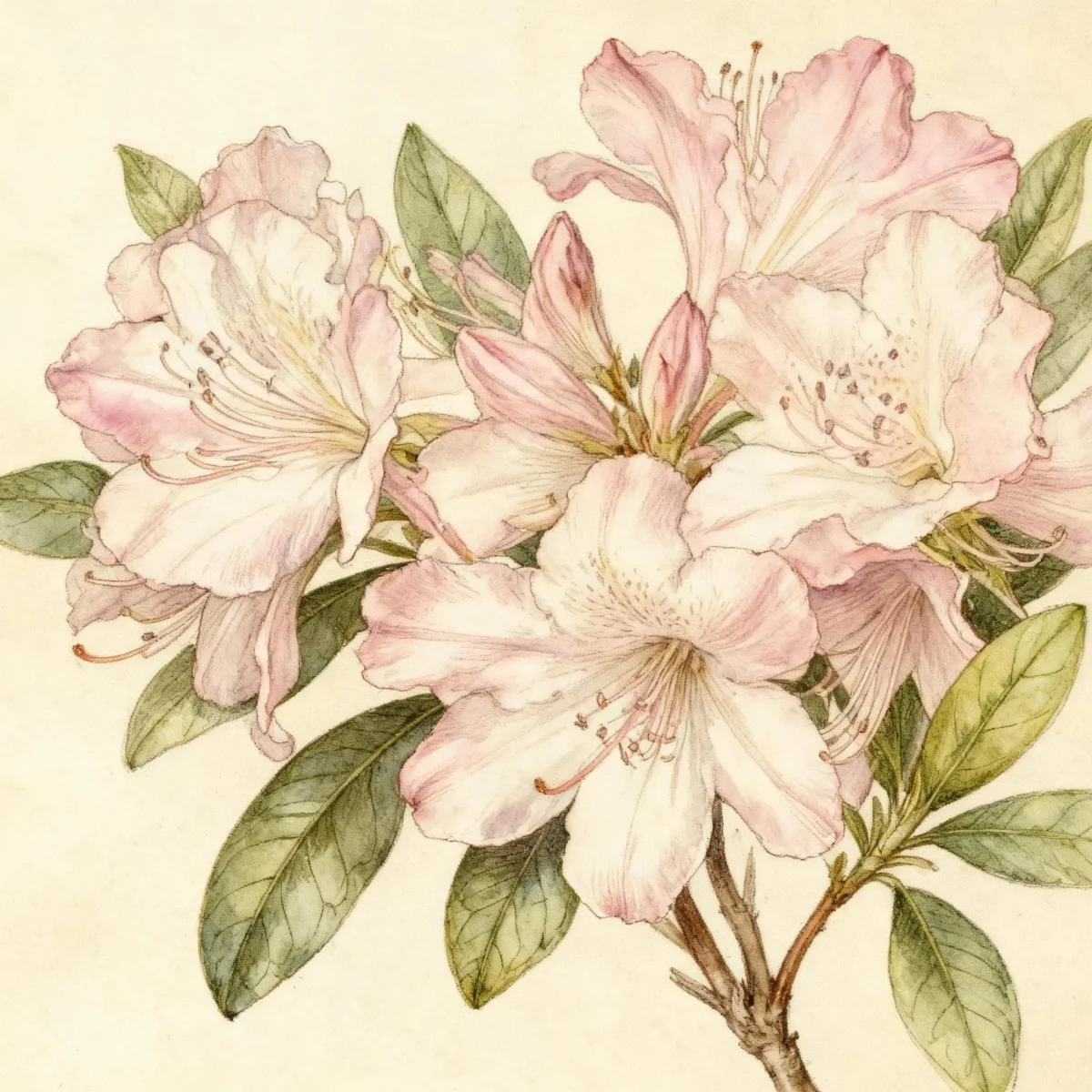
Evergreen azalea (Rhododendron 'Chiara')
Rhododendron 'Chiara' is a compact Evergreen azalea offering vivid purplish red blooms in May. Ideal for part shade borders in Zones 6-8.
Scroll down to discover growing tips, care requirements, companion plants, and more
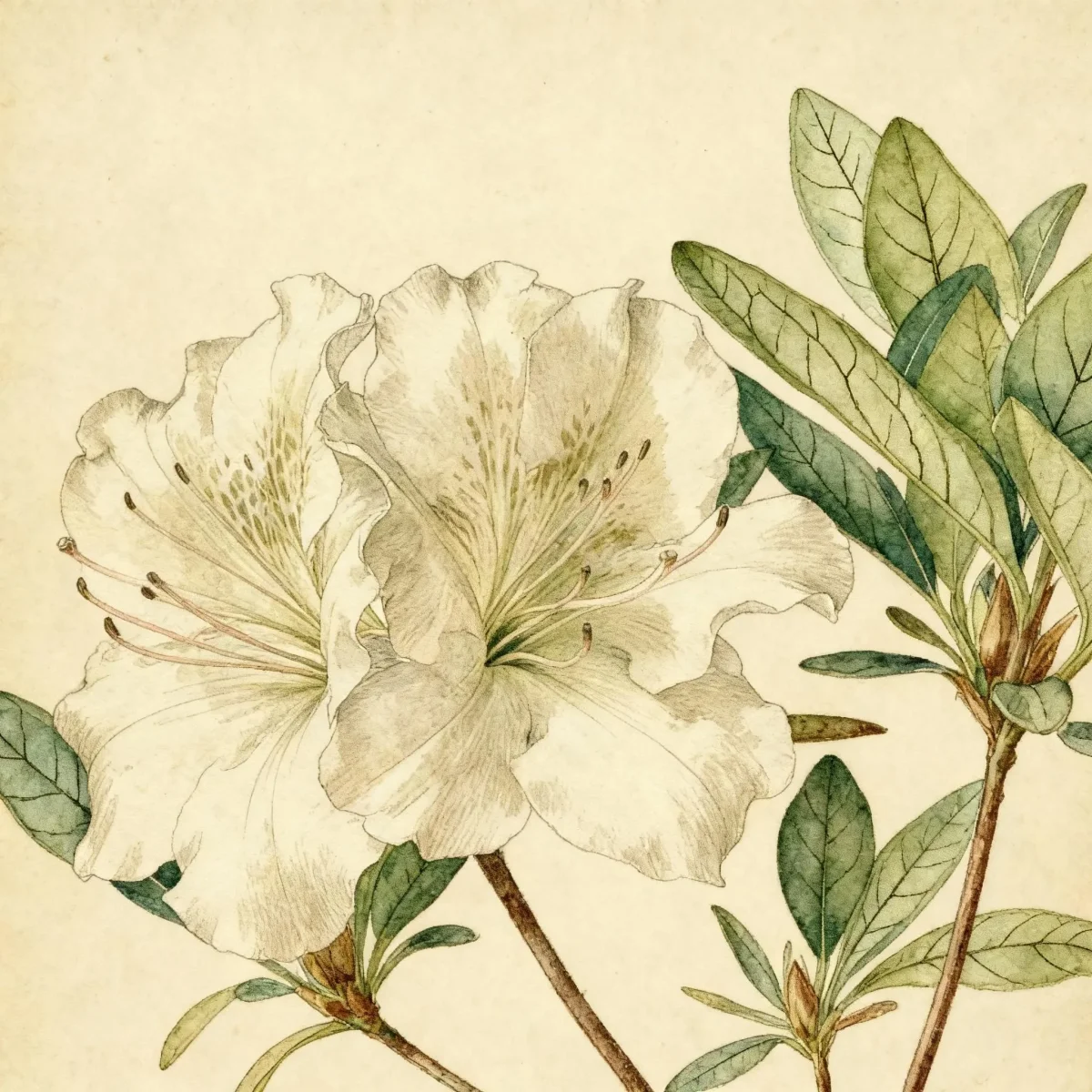
Complete Plant Information
Overview
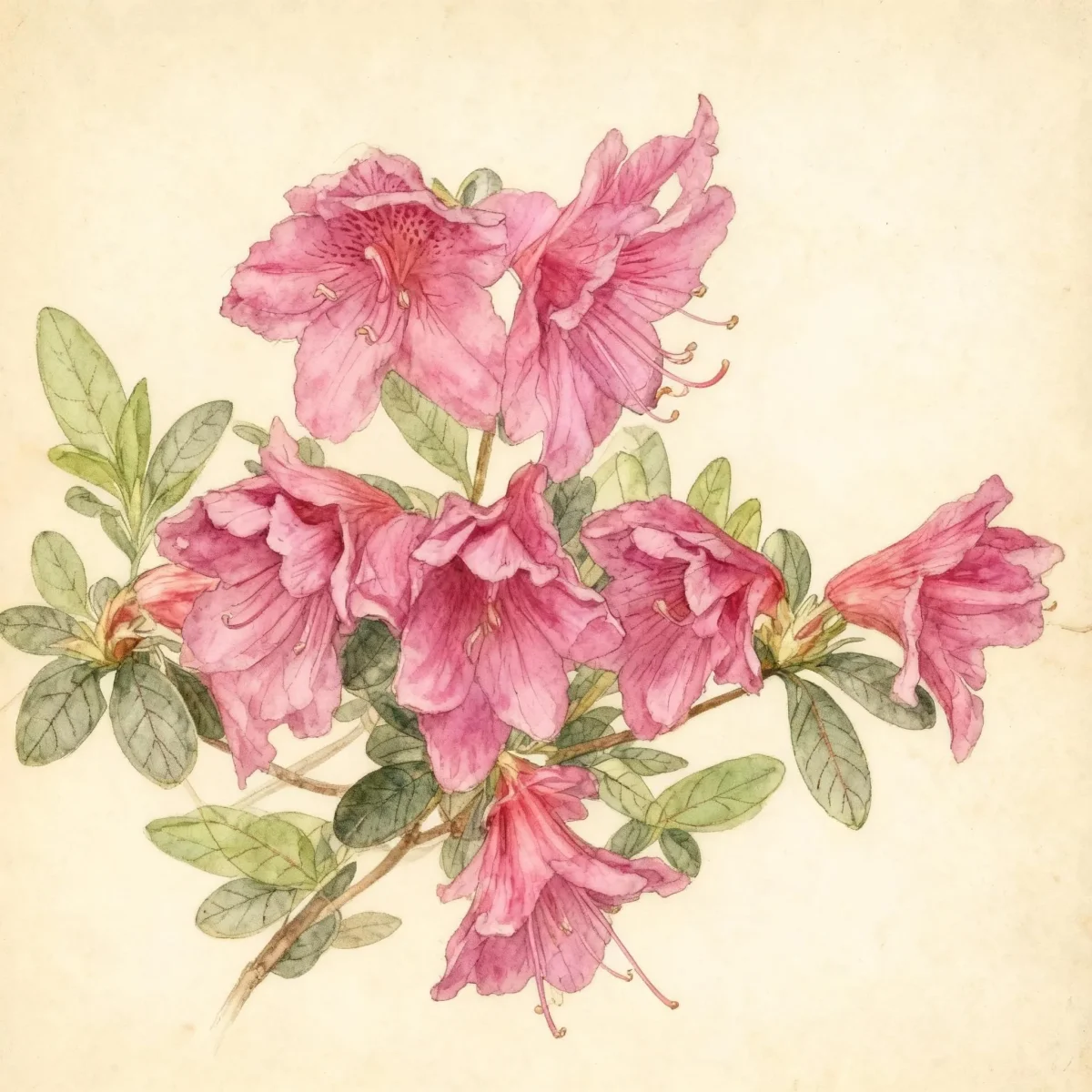
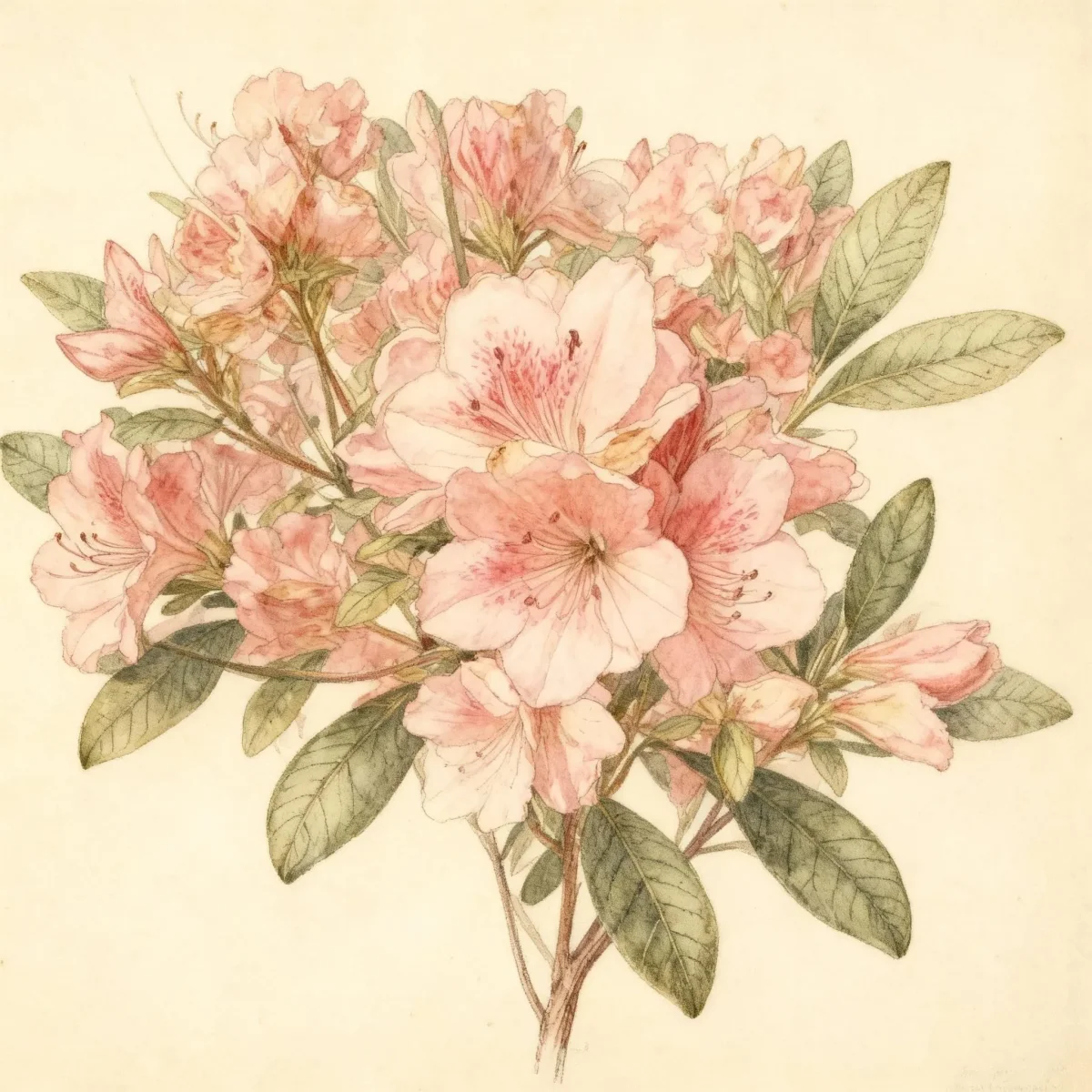
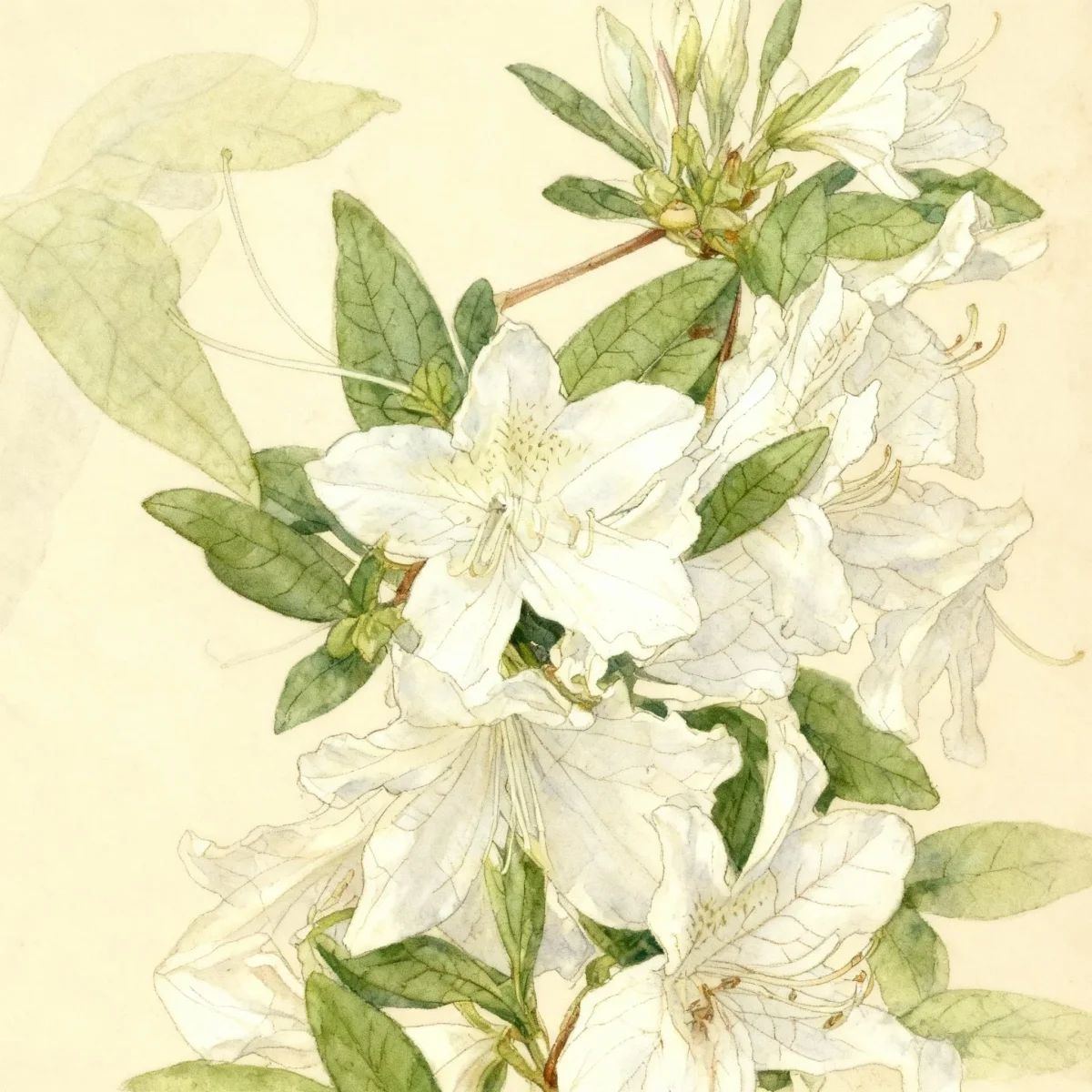
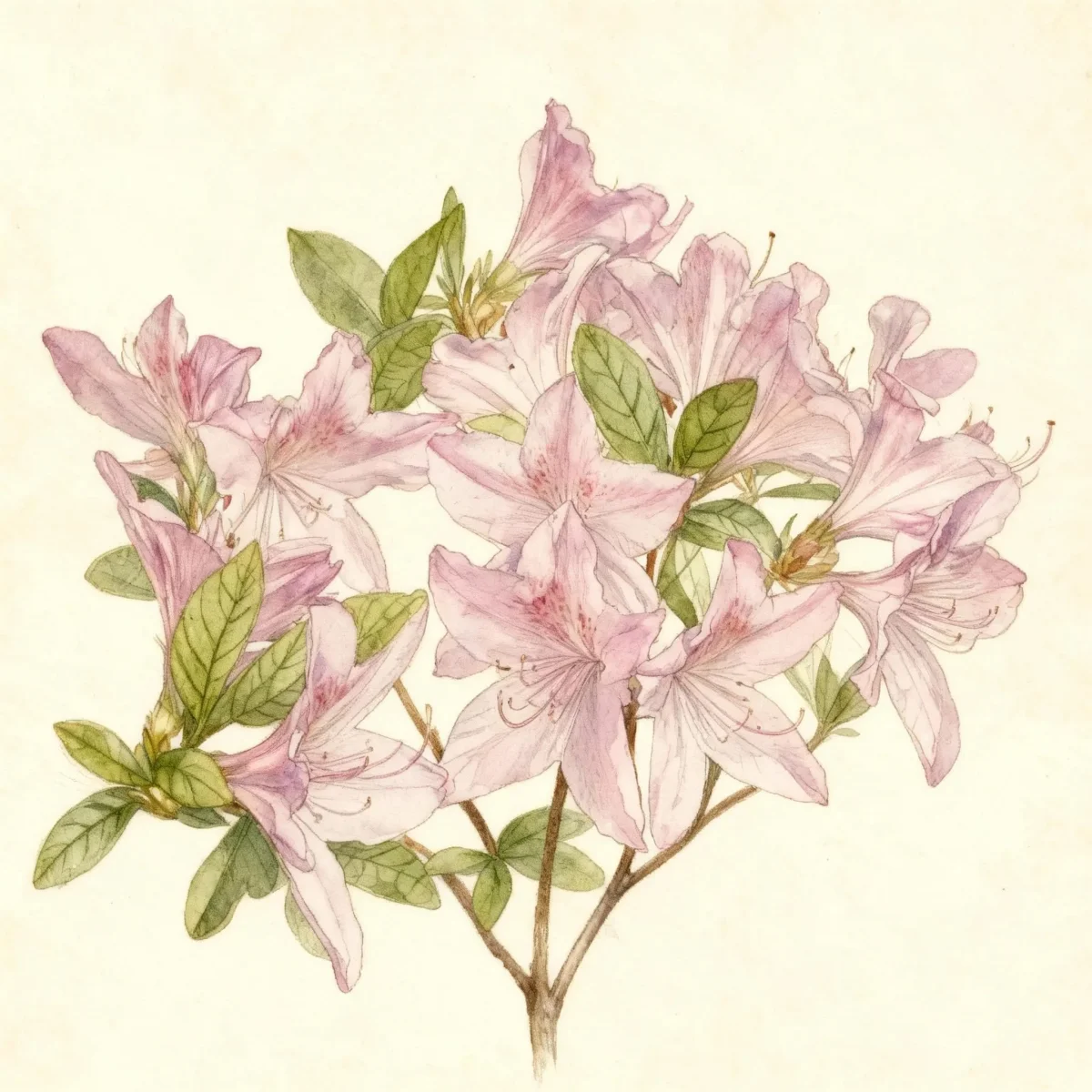
Rhododendron ‘Chiara’ is a prized Girard hybrid, valued for its tidy, multi-stemmed structure and vibrant spring color display. As an Evergreen azalea, it provides reliable foliage interest throughout the winter, contrasting beautifully with its showy purplish-red blooms that typically appear in May.
This cultivar brings excellent structure to the garden, maintaining a manageable height and spread of 2 to 4 feet, making it highly functional in defined spaces. Gardeners appreciate the distinctive hose-in-hose flower form of Rhododendron ‘Chiara’, where the blossoms appear exceptionally full with 10 to 12 petals.
For the best performance, plant this compact Evergreen azalea where it receives protection from harsh afternoon sun and strong winds. Successful cultivation hinges on providing the acidic, humus-rich soil it requires, ensuring it remains a stunning focal point year after year.
Fast Facts
- Plant Family: Ericaceae
- Plant Type: Broadleaf evergreen
- Hardiness Zones: USDA Zones 6-8
- Size at Maturity:
- Height: 2-4 ft
- Spread: 2-4 ft
- Bloom Time: May
- Bloom Description: Purplish red
- Sun Exposure: Part shade
- Water Needs: Medium
- Maintenance Level: Medium
How to Grow
The key to successfully growing Rhododendron ‘Chiara’ is meticulous site and soil preparation. Plant this Evergreen azalea when dormant, ensuring the location provides dappled sun or high open shade, ideally receiving morning sun followed by afternoon shade. The soil must be acidic (pH 5.0 to 5.5), organically rich, moist, and, crucially, extremely well-drained. If heavy clay causes standing water, utilize raised beds to prevent root rot, as this plant absolutely despises “wet feet.”
Watering should be consistent, aiming for medium moisture retention without saturation; the shallow, fibrous root system cannot tolerate drying out. Apply a thick layer of organic mulch, such as pine needles or wood chips, immediately after planting to stabilize soil temperature and retain essential moisture. Remember to avoid cultivating near the base of the plant; instead, replenish mulch as needed.
Acidity management is vital for nutrient uptake; regularly test the soil pH and amend with sulfur or iron sulfate to lower the pH if necessary. After the flush of blooms fades in May, prune Rhododendron ‘Chiara’ by clipping off the spent flower clusters promptly to encourage better energy distribution for next year’s show. Protection from desiccating winter winds is also recommended to minimize foliage burn.
Landscape Uses
Rhododendron ‘Chiara’ excels wherever a dense splash of spring color is needed against a backdrop of green foliage. Its manageable 2-to-4-foot stature makes it perfect for integrating into shrub borders, creating natural-looking woodland garden edges, or establishing low, colorful foundation plantings. It is particularly effective when used formally as a small hedge screening an area or pathway.
Due to its specific soil requirements, consider mass planting or grouping Rhododendron ‘Chiara’ together to create an even texture and color impact. When selecting companions, choose plants that thrive in similar acidic conditions, such as ferns, Japanese maples, or early-blooming bulbs like daffodils, which will finish flowering before the azalea’s bloom peaks.
For woodland margins, allow this Evergreen azalea to mingle naturally beneath taller, light-canopied trees. This plant integrates well into shade gardens, providing structure where summer perennials might struggle, ensuring year-round interest provided its roots stay cool and moist.
Flower Qualities
- Showy
Noteworthy Characteristics
Rhododendron is a genus encompassing hundreds of species, including both those commonly termed rhododendrons and azaleas; most varieties retain their leaves year-round, offering winter appeal. Evergreen azaleas like ‘Chiara’ grow as dense, multi-stemmed shrubs, retaining their foliage through cold weather, though flower buds are susceptible to winter frost damage. Rhododendron ‘Chiara’ itself is a hybrid specifically derived from R. ‘Pink Down’ and R. ‘Boudoir’, resulting in its signature vivid purplish red flowers marked with a reddish orange blotch.
Tolerances
- Rabbit
Potential Problems
Rhododendrons and azaleas are susceptible to a wide array of pests and pathogens if the cultural requirements, especially soil drainage and pH, are not met. Common insect threats include scale, lacebugs, and aphids, while fungal issues like leaf spot or root rot are more prevalent in poorly draining soil. A key indicator of early stress is chlorosis—the yellowing of leaves—which almost always signals an iron deficiency caused by overly high soil pH.
Preventing issues relies heavily on proactive care: maintaining the correct acidic soil chemistry prevents nutrient deficiencies, ensuring your Rhododendron ‘Chiara’ remains vigorous. Water appropriately to keep roots consistently moist but never waterlogged, which eradicates the conditions favoring devastating root and crown rot. Regular inspection allows for early manual removal or targeted treatment of any observed insect infestations.
Frequently Asked Questions
What hardiness zones is Evergreen azalea suitable for?
Rhododendron ‘Chiara’ is best grown in USDA Hardiness Zones 6 through 8.
How large does Rhododendron ‘Chiara’ grow?
This cultivar typically reaches a mature height between 2 and 4 feet, with a similar spread of 2 to 4 feet.
What sun exposure does Evergreen azalea need?
This Evergreen azalea requires part shade; it prefers dappled light or high open shade and should be protected from hot afternoon sun exposure.
When does Rhododendron ‘Chiara’ bloom?
The typical bloom time for Rhododendron ‘Chiara’ is in May, producing beautiful purplish red flowers.
Conclusion
Rhododendron ‘Chiara’ is an indispensable plant for shaded landscapes, offering substantial aesthetic rewards through its dense, colorful May blooms and attractive evergreen structure. For reliable success with this specific Evergreen azalea, focus diligently on creating acidic, well-drained soil conditions. Before planting, confirm that your site falls within Zones 6 to 8 and provides adequate protection from intense sun and wind.
Companion Planting
Selecting appropriate neighbors is crucial when growing Rhododendron ‘Chiara’ due to its narrow soil preferences. Plants that enjoy acidic, humus-rich, and consistently moist (but never soggy) soil will thrive alongside this azalea. Consider underplanting with acid-loving groundcovers like Blue Spruce Sedum or Vinca minor to help stabilize soil temperatures and suppress weeds near the shallow roots.
For vertical contrast in a woodland border, pair the broad leaves of Rhododendron ‘Chiara’ with fine-textured foliage plants. Japanese forest grass (Hakonechloa macra) offers weeping texture, while certain shade-tolerant hydrangeas or Japanese maples provide necessary height differences without competing aggressively for nutrients.
Avoid planting heavy feeders or plants requiring alkaline soil near your azaleas, as managing two drastically different pH requirements in one small space becomes impractical. Consistency in cultural needs ensures the health that allows your Evergreen azalea to produce its best floral display year after year.
Managing Winter Stress
While Rhododendron ‘Chiara’ is an evergreen, its flower buds and foliage can suffer significant damage during harsh winter periods. In colder parts of its hardiness range (Zone 6), protect the plant by ensuring it is thoroughly watered before the ground freezes solid; drought stress compounds winter burn. If you live in an area prone to high wind chill or low humidity, erecting a temporary burlap screen on the windy side of the shrub can significantly reduce desiccation.
Foliage that turns brown or gray during winter often indicates winter burn rather than death. If this occurs, resist the urge to prune immediately in late winter. Wait until new, healthy growth begins to emerge in spring; at that point, you can safely prune back the damaged, dried foliage of your Rhododendron ‘Chiara’ to encourage a cleaner appearance moving forward.
Remember that the blooms emerge early, making them vulnerable to late frosts following a period of warm weather. Mulching helps buffer soil temperature fluctuations, minimizing these sudden warm-up/freeze cycles that trick flower buds into opening prematurely.