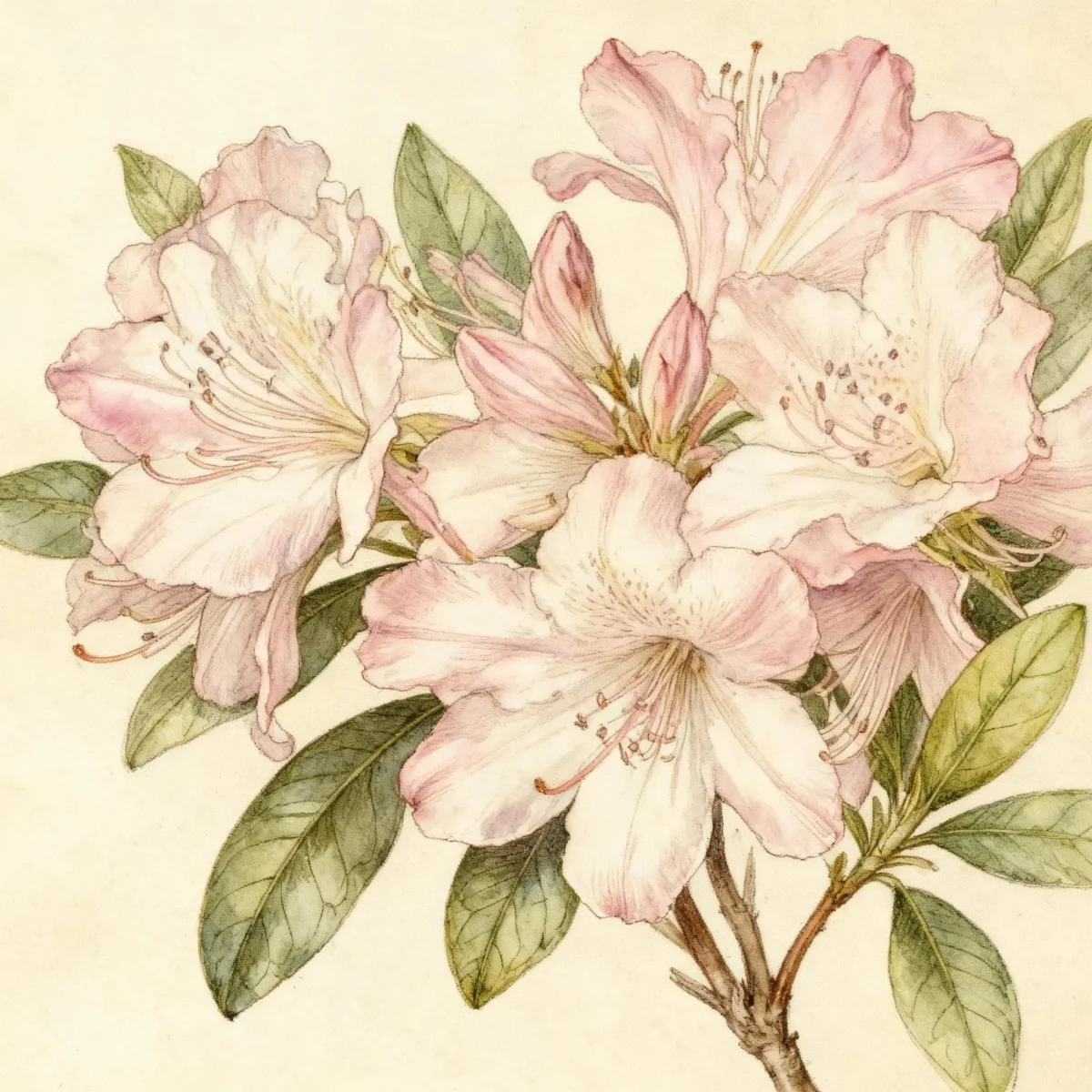
Evergreen azalea (Rhododendron 'Hino-crimson')
Rhododendron 'Hino-crimson' is a showy, crimson-flowering Evergreen azalea, ideal for part shade in Zones 5-8.
Scroll down to discover growing tips, care requirements, companion plants, and more
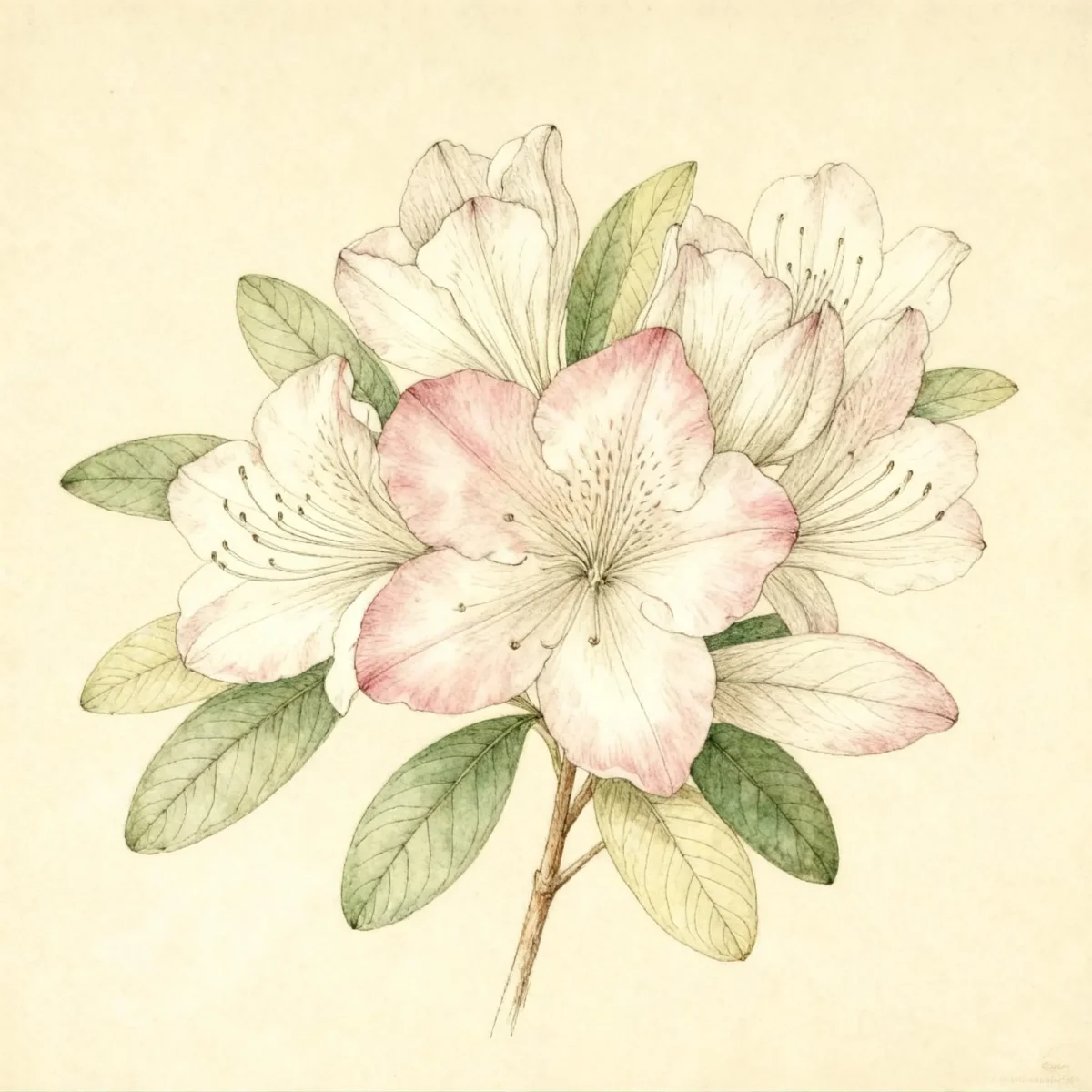
Complete Plant Information
Overview
Rhododendron ‘Hino-crimson’ is a highly valued Kurume hybrid Evergreen azalea celebrated for its exceptionally showy floral display. This compact, low-growing shrub reaches a manageable size, making it versatile for many landscape applications across USDA Zones 5 through 8. Its dense habit and dark green, small, glossy leaves provide excellent evergreen structure year-round.
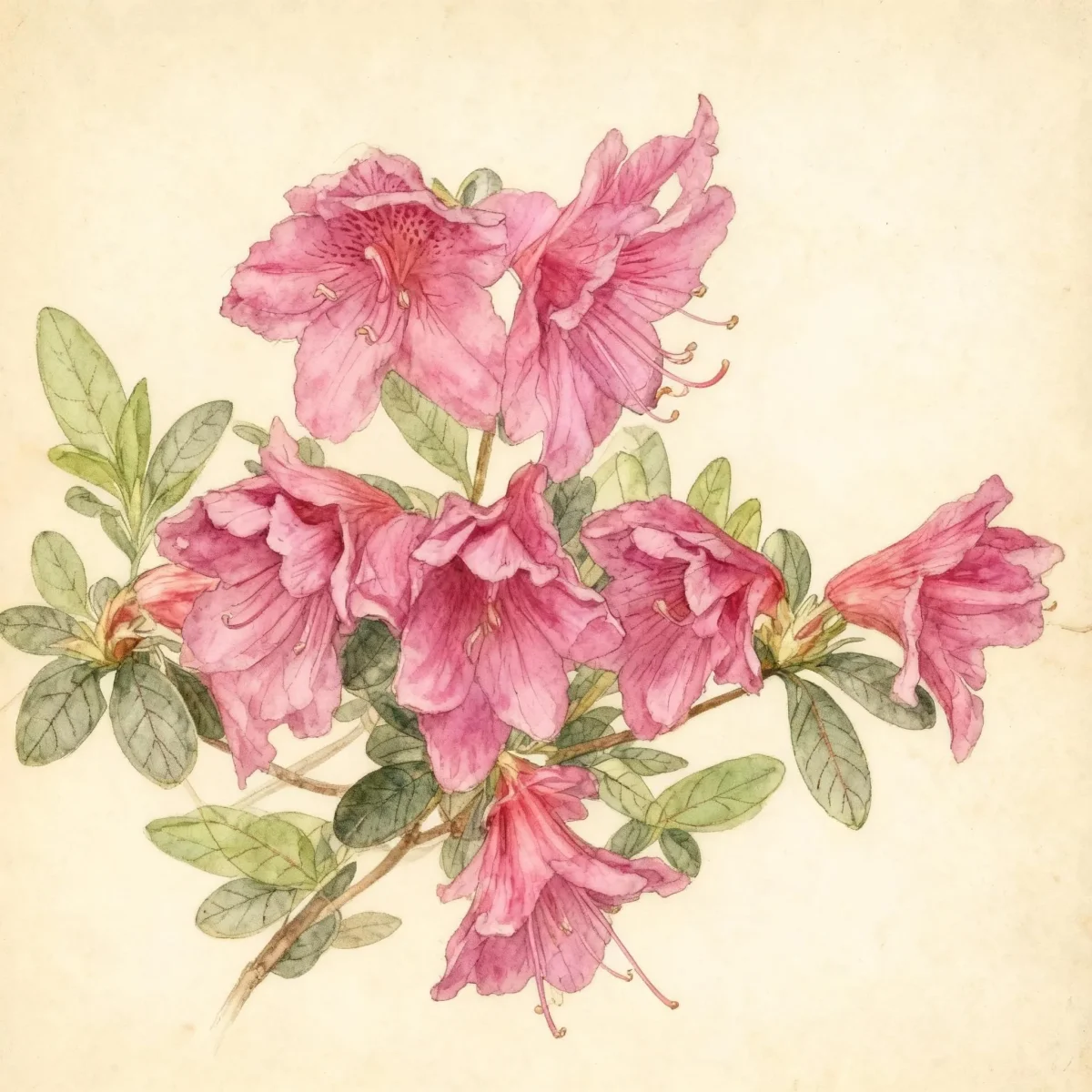
The primary appeal of Rhododendron ‘Hino-crimson’ is its vibrant, deep crimson red flowers that cover the shrub in mid-spring, typically April into May. As an Evergreen azalea, it retains its foliage throughout the winter, although the leaves may take on attractive bronze tones during cold periods. Gardeners appreciate this cultivar for its reliable performance when given the correct acidic soil conditions and partial shade.
Providing protection from harsh winds is key to ensuring the flower buds survive cold winters without damage, resulting in a spectacular bloom season. The Rhododendron ‘Hino-crimson’ is a staple in traditional foundation plantings, borders, and woodland edges where consistent moisture and filtered light are available.
Fast Facts
- Plant Family: Ericaceae
- Plant Type: Broadleaf evergreen
- Hardiness Zones: USDA Zones 5-8
- Size at Maturity:
- Height: 2-4 ft
- Spread: 3-5 ft
- Bloom Time: April to May
- Bloom Description: Crimson red
- Sun Exposure: Part shade
- Water Needs: Medium
- Maintenance Level: Medium
How to Grow
The success of Rhododendron ‘Hino-crimson’ hinges on soil preparation; these plants require acidic, organically rich, and humusy soil with excellent drainage. Plant in locations that receive sun dappled shade or high open shade, ideally morning sun with protection from the intense afternoon summer heat, which can scorch the leaves. Plant shallowly, as the fibrous root system benefits greatly from a 2-3 inch layer of mulch, such as pine needles or wood chips, to stabilize soil temperatures and retain consistent moisture.
Maintain medium moisture levels, critically ensuring the soil remains moisture-retentive but never waterlogged, as poor drainage guarantees root rot. Soil pH should ideally be maintained between 5.0 and 5.5; use elemental sulfur or iron sulfate to lower pH if necessary. Avoid planting near walnuts, hickories, or pecans, as these trees produce juglones toxic to Rhododendrons and azaleas.
Watering is crucial; the shallow roots of the Evergreen azalea must never be allowed to completely dry out, especially during active growth or hot spells. After the bloom concludes in late spring, deadhead spent flower clusters promptly to encourage good energy use for next year’s buds. Low maintenance pruning is required to shape the shrub, typically by clipping after flowering.
Landscape Uses
Rhododendron ‘Hino-crimson’ excels in various structural roles within the garden design. Its compact, mounding habit makes it an excellent choice for formal shrub borders where a repeating line of consistent color is desired, or as a mass planting to create a striking sweep of crimson. It functions beautifully in mixed borders alongside other acid-loving plants like camellias or rhododendrons with different bloom times.
For a naturalistic look, incorporate this Evergreen azalea into woodland gardens or along woodland margins where the overhead canopy filters midday sunlight. It is also effective tucked into foundation plantings near homes, provided sufficient drainage and light levels are maintained. When used as a hedge, this cultivar creates a picturesque, dense barrier that offers year-round greenery punctuated by brilliant spring color.
Standout Features
Flower Qualities
- Showy
Noteworthy Characteristics
Rhododendron ‘Hino-crimson’ is defined as a Kurume hybrid Evergreen azalea, noted for its very small, semi-glossy dark green leaves that sometimes bronze in winter. It produces small, single, funnel-shaped flowers measuring up to 1 1/4 inches across in clusters during mid-season. This cultivar typically matures to a tidy 2-4 feet tall and 3-5 feet wide, retaining year-round foliage structure.
Tolerances
- Rabbit
Potential Problems
Rhododendrons and azaleas, including the popular Rhododendron ‘Hino-crimson’, are susceptible to various pests and diseases if cultural needs are not met. Common insect threats include lacebugs, scale, and aphids, while fungal issues like root rot and leaf spot can occur. Chlorosis, where leaves yellow, often signals soil pH is too high, leading to nutrient unavailability like iron deficiency.
Preventative care is the best defense, starting with correct planting: ensuring superb drainage and acidic soil pH prevents the majority of health crises, particularly root rot. Regularly inspect foliage for early signs of pests or disease activity, treating infestations promptly with appropriate horticultural oils or fungicides. A healthy Evergreen azalea, grown in the described part shade conditions with consistent moisture, will naturally resist most common problems.
Frequently Asked Questions
What hardiness zones is Rhododendron ‘Hino-crimson’ suitable for?
Rhododendron ‘Hino-crimson’ is reliably hardy in USDA Zones 5 through 8.
How large does Evergreen azalea ‘Hino-crimson’ grow?
This compact shrub typically reaches a height between 2 and 4 feet, spreading 3 to 5 feet wide at maturity.
What sun exposure does Evergreen azalea need?
This plant thrives best in part shade, appreciating dappled light or morning sun followed by afternoon shade to prevent leaf scorch.
When does Rhododendron ‘Hino-crimson’ bloom?
The crimson red flowers of this Evergreen azalea typically appear heavily from April to May.
Conclusion
Rhododendron ‘Hino-crimson’ provides invaluable structure and dazzling, mid-season crimson color, making it a cornerstone for shaded garden areas. This Evergreen azalea offers reliable evergreen presence, though success depends entirely on providing its specific needs: high acidity, excellent drainage, and protection from harsh sun and wind. Before purchasing your Rhododendron ‘Hino-crimson’, confirm that your local climate falls within Zones 5-8 and prepare your soil to meet its acid requirements.
Companion Planting
When designing around your Evergreen azalea, prioritize plants that share the same cultural needs for acidic, moist, well-drained soil and protection from intense sun. Excellent companions include other Ericaceous family members such as Pieris japonica (Andromeda) or low-growing blueberry varieties. Deciduous azaleas can also be paired here, offering color variation once the Rhododendron ‘Hino-crimson’ has finished its spring show.
For understory planting beneath taller trees, consider spreading groundcovers like Japanese forest grass (Hakonechloa macra) or various shade-tolerant ferns. These companions enhance the woodland garden feel that the Rhododendron ‘Hino-crimson’ naturally evokes, ensuring no competition occurs near the shallow root zone.
Design Ideas for Evergreen Azaleas
Due to its uniform, compact growth habit, Rhododendron ‘Hino-crimson’ shines in formal settings where repetition adds elegance. Utilize it as a low, dense foundation planting beneath windows, ensuring you leave enough space for its 3-5 foot spread. For a more dramatic effect, plant them in sweeping, asymmetrical groupings rather than perfectly straight lines to mimic natural woodland structures.
Consider using this plant near paths or entryways where its close proximity allows appreciation of the flower texture and evergreen foliage up close. Because its roots are shallow, avoid heavy cultivation near the base; instead, use the recommended mulch layers to soften the base of the shrub and define the planting bed edges clearly.