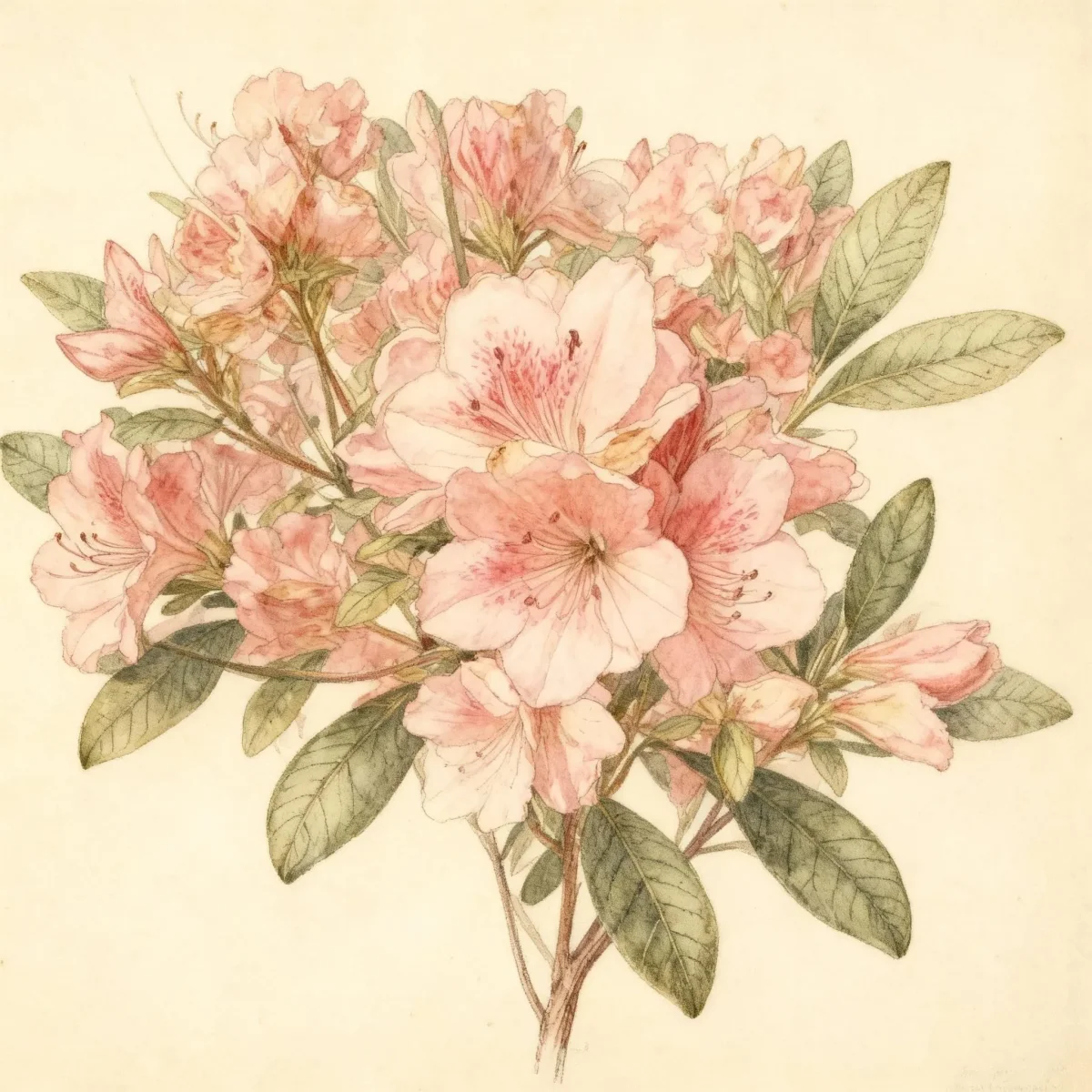
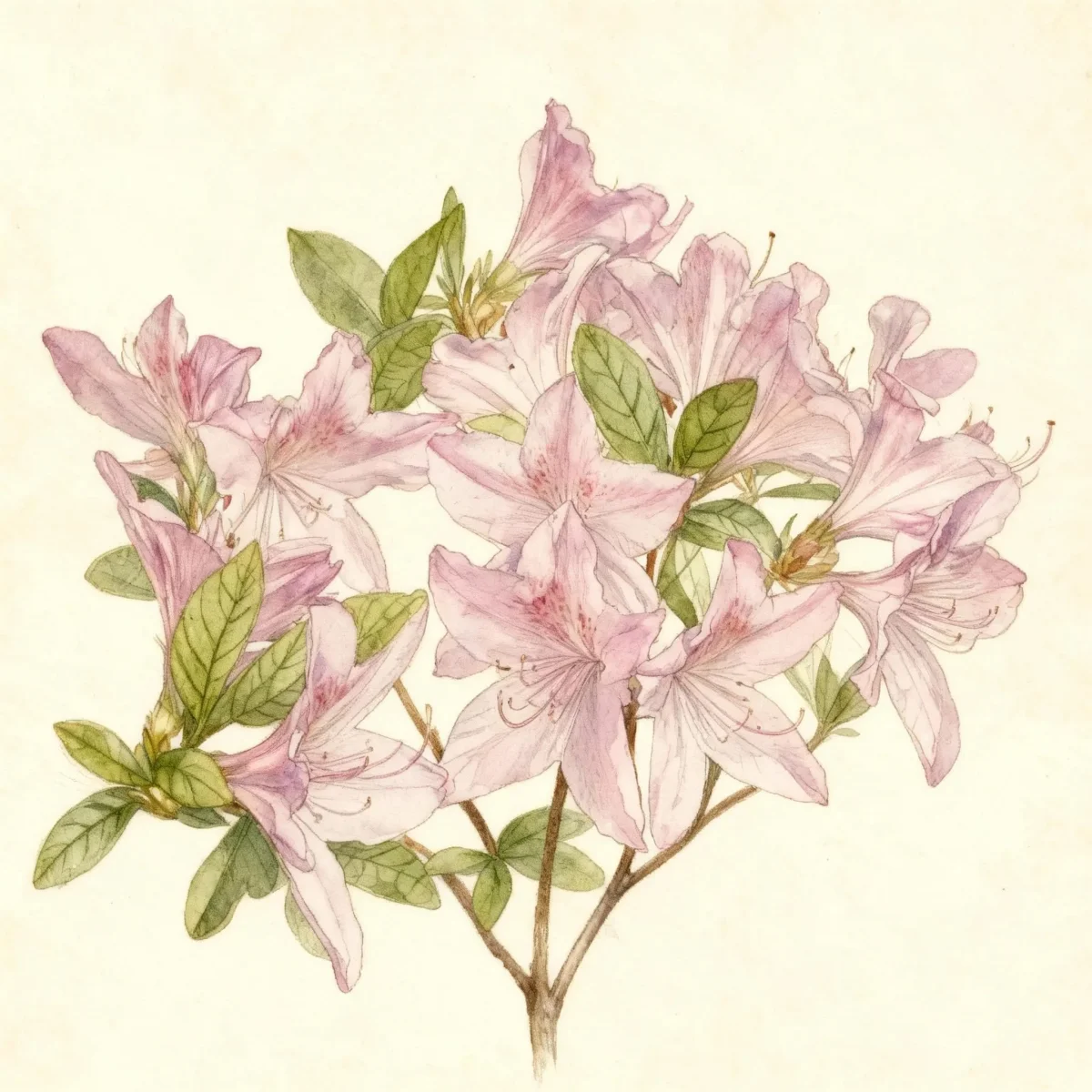
Evergreen azalea (Rhododendron 'Nico')
Rhododendron 'Nico' is a stunning Evergreen azalea known for its cherry red blooms. Ideal for zones 5-7 in part shade.
Scroll down to discover growing tips, care requirements, companion plants, and more
Complete Plant Information
Overview
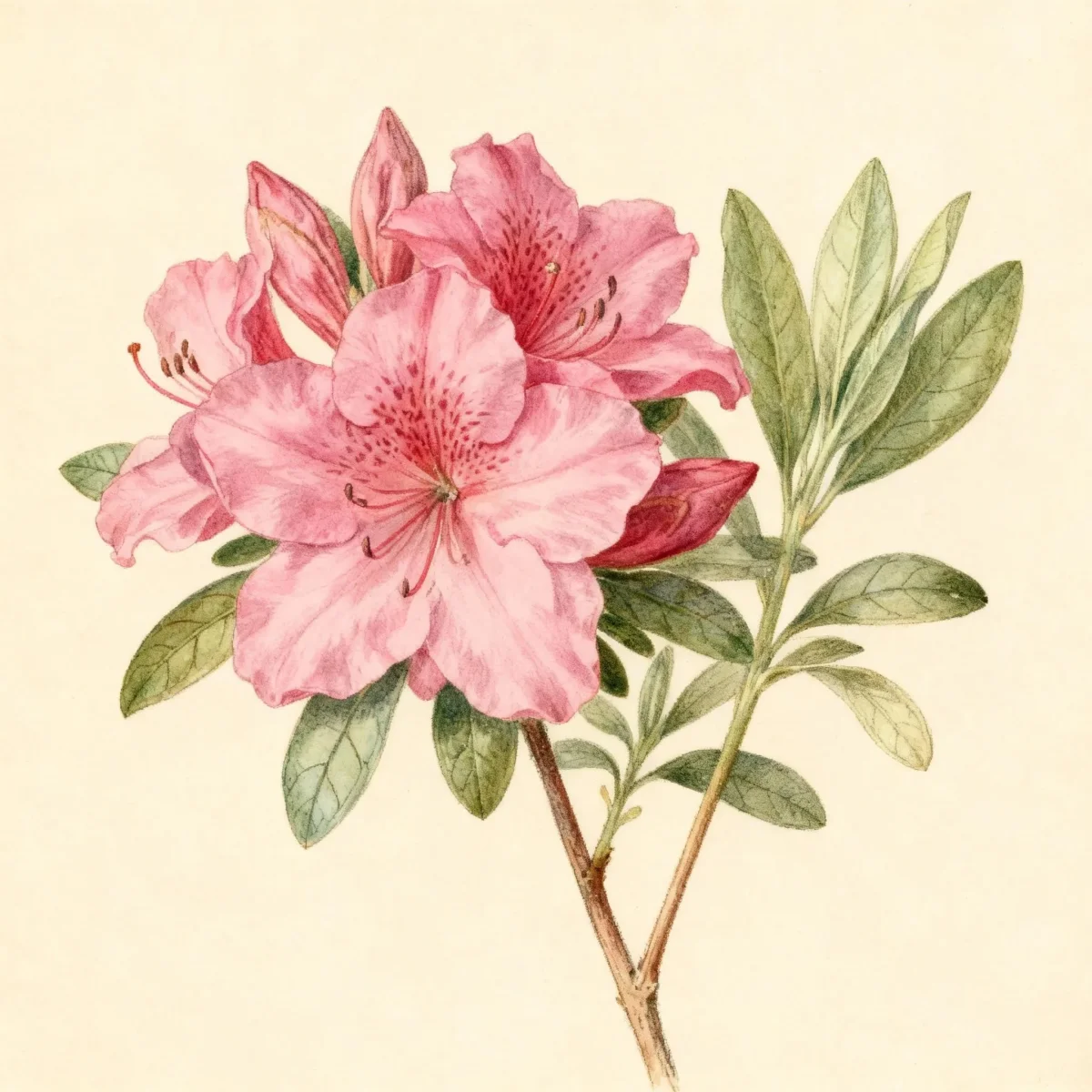
Rhododendron ‘Nico’ offers gardeners a beautiful burst of color, defining itself through its showy, funnel-shaped, cherry red flowers that emerge reliably between April and May. As a broadleaf evergreen azalea, it provides valuable year-round structure and visual interest in shaded garden areas. This cultivar is highly prized for its manageable size, typically reaching only 2 to 3 feet in height and spread.
This Vuyk hybrid brings classic elegance to woodland settings or foundation plantings. Successful cultivation of Rhododendron ‘Nico’ hinges on providing the precise acidic, well-drained soil conditions it requires, mimicking its native forest floor environment. Its sturdy nature, combined with a medium maintenance profile, makes the Evergreen azalea a rewarding choice for gardeners willing to meet its specific cultural needs.
Though relatively compact, the Evergreen azalea ensures excellent seasonal performance. Gardeners should plan placement carefully to shield Rhododendron ‘Nico’ from harsh afternoon sun and drying winds to maintain the flawless look of its evergreen foliage throughout the winter months.
Fast Facts
- Plant Family: Ericaceae
- Plant Type: Broadleaf evergreen
- Hardiness Zones: USDA Zones 5-7
- Size at Maturity:
- Height: 2-3 ft
- Spread: 2-3 ft
- Bloom Time: April to May
- Bloom Description: Cherry red
- Sun Exposure: Part shade
- Water Needs: Medium
- Maintenance Level: Medium
How to Grow
The ideal planting site for Rhododendron ‘Nico’ features dappled or high open shade, though morning sun followed by afternoon shade is tolerable. Plant in acidic soil (pH 5.0 to 5.5) that is rich in organic matter, humusy, and consistently moist yet exceptionally well-drained. If your heavy clay soils risk holding too much water, consider planting in raised beds to prevent root rot, which this plant cannot tolerate.
Water needs are medium; the shallow, fibrous roots of the Evergreen azalea must never be allowed to dry out completely. Apply a thick layer of mulch, such as wood chips or pine needles, around the base to stabilize soil temperatures and retain moisture, but be careful not to cultivate near the plant as its roots are tender. Soil acidity should be checked regularly; use sulfur or iron sulfate to lower high pH levels as needed.
Pruning for Rhododendron ‘Nico’ is minimal, focusing primarily on aesthetics or shaping. Clip off spent flower clusters immediately after flowering concludes to encourage energy redirection toward next year’s buds. Avoid planting near walnut trees, as they produce juglone which is toxic to most rhododendrons.
Landscape Uses
This versatile Evergreen azalea excels in various landscape applications where filtered light prevails. Rhododendron ‘Nico’ is perfectly suited for use as a formal or informal hedge due to its dense, evergreen habit and compact height of 2 to 3 feet. It also shines when massed for high-impact spring color or situated as a specimen plant near an entryway.
For mixed borders, group several Rhododendron ‘Nico’ plants together alongside other acid-loving companions such as camellias, mountain laurels, or shade-tolerant ferns. Their rich cherry red flowers contrast beautifully against the cool greens found in woodland gardens or under the high canopy of mature trees. Foundation plantings benefit greatly from their low profile and evergreen coverage.
Standout Features
Flower Qualities
- Showy
Noteworthy Characteristics
Rhododendron is a genus of 500 to 900 species and includes both of what we commonly call rhododendrons and azaleas. Most are evergreen but some are deciduous. They originate mostly from the Northern Hemisphere with high concentrations in western China, the Himalayas and Myanmar (Burma). They are grown for their showy spring flowers and in the case of evergreen types for their attractive winter foliage. True rhododendrons have 10 stamens in a flower and azaleas have only 5. Much hybridization has resulted in a great number of hybrid cultivars. Of note to gardeners in cool temperate areas are the large and small leaved evergreen rhododendrons and the evergreen and deciduous azaleas. Evergreen azaleas develop as multi-stemmed plants from the ground and usually grow 3-5 feet tall. They retain their leaves throughout the year and are not as winter hardy as the deciduous azaleas. In cold winters flower buds may be frozen resulting in reduced or no flowering and foliage may winter burn (turn brown and be killed). Color range is mostly from white to pink, red, lavender and purple.Genus name comes from the Greek words rhodo meaning rose and dendron meaning tree. Transferred from the Greek name for Nerium oleander.‘Nico’ is a Vuyk hybrid that has funnel-shaped cherry red flowers and grows 2 to 3 ft. In height and spread.
Tolerances
- Rabbit
Potential Problems
Rhododendrons and azaleas require vigilance regarding pests and diseases, though a healthy Rhododendron ‘Nico’ in the right environment will minimize these issues. Common insect threats include aphids, scale, and lacebugs, while fungal problems like powdery mildew and various root or crown rots pose significant risks, especially in poorly drained soil. Chlorosis, where leaves turn yellow, is a common sign of iron deficiency typically triggered by soil pH being too high.
Preventative care centers on cultural perfection, ensuring the required acidic, well-drained conditions are met. Avoid overhead watering late in the day, which encourages fungal growth, and regularly monitor foliage for early signs of pest infestation. Proper soil preparation and choosing a suitable part shade location are the best defenses against most ailments affecting the Evergreen azalea.
Frequently Asked Questions
What hardiness zones is Evergreen azalea suitable for?
Rhododendron ‘Nico’ is best suited for gardeners located in USDA Hardiness Zones 5 through 7.
How large does Rhododendron ‘Nico’ grow?
This cultivar typically matures to a height and spread between 2 and 3 feet.
What sun exposure does Evergreen azalea need?
This plant thrives best when situated in part shade, ideally receiving dappled light or high open shade throughout the day.
When does Rhododendron ‘Nico’ bloom?
The striking cherry red flowers of Rhododendron ‘Nico’ appear relatively early, blooming from April into May.
Conclusion
Rhododendron ‘Nico’ is an invaluable addition to acidic gardens, providing vivid cherry red spring color atop dependable evergreen foliage. Providing the correct acidic soil and diligent moisture management are key cultural requirements for this stunning Evergreen azalea. Before planting, confirm your site offers the necessary filtered light and well-drained conditions to ensure vibrant performance for years to come.
Companion Planting
Selecting appropriate partners drastically improves the success and visual impact of your Rhododendron ‘Nico’ display. Look for other acid-lovers that share the requirement for part shade and moist, well-drained organic soil. Excellent companions include Japanese Maples (Acer palmatum), whose fine texture contrasts nicely with the azalea’s broad leaves.
Consider planting low-growing groundcovers beneath taller specimens of Rhododendron ‘Nico’ to help keep the shallow root zone cool and moist. Hosta varieties with blue or variegated foliage, peat moss, or low-growing ferns provide textural and color variation that complements the deep greens of the evergreen structure. Always ensure companions are not overly competitive for the limited water supply available to the azalea roots.
Seasonal Care Calendar
Spring is the critical viewing season for Rhododendron ‘Nico’; immediately after the cherry red blooms fade in late spring, shear off spent flower clusters (deadheading) to prepare the plant for next year’s display. Once flowers are removed, apply a light feeding with an acidic fertilizer formulation formulated specifically for rhododendrons.
Summer care focuses heavily on maintaining consistent moisture, especially in zones toward the upper limit of its hardiness. Water deeply but infrequently if rainfall is scarce, making sure water reaches the fibrous root zone. Avoid excessive cultivation or weeding near the trunk, as this damages the surface roots. Provide a fresh layer of mulch if the existing layer has degraded.
In autumn and winter, while Rhododendron ‘Nico’ is hardy, it benefits from protection against desiccating winter winds, which can cause foliage burn. If you experience hard freezes, ensure the ground is well-moistened before the ground freezes solid, helping the evergreen tissue retain necessary hydration until spring.