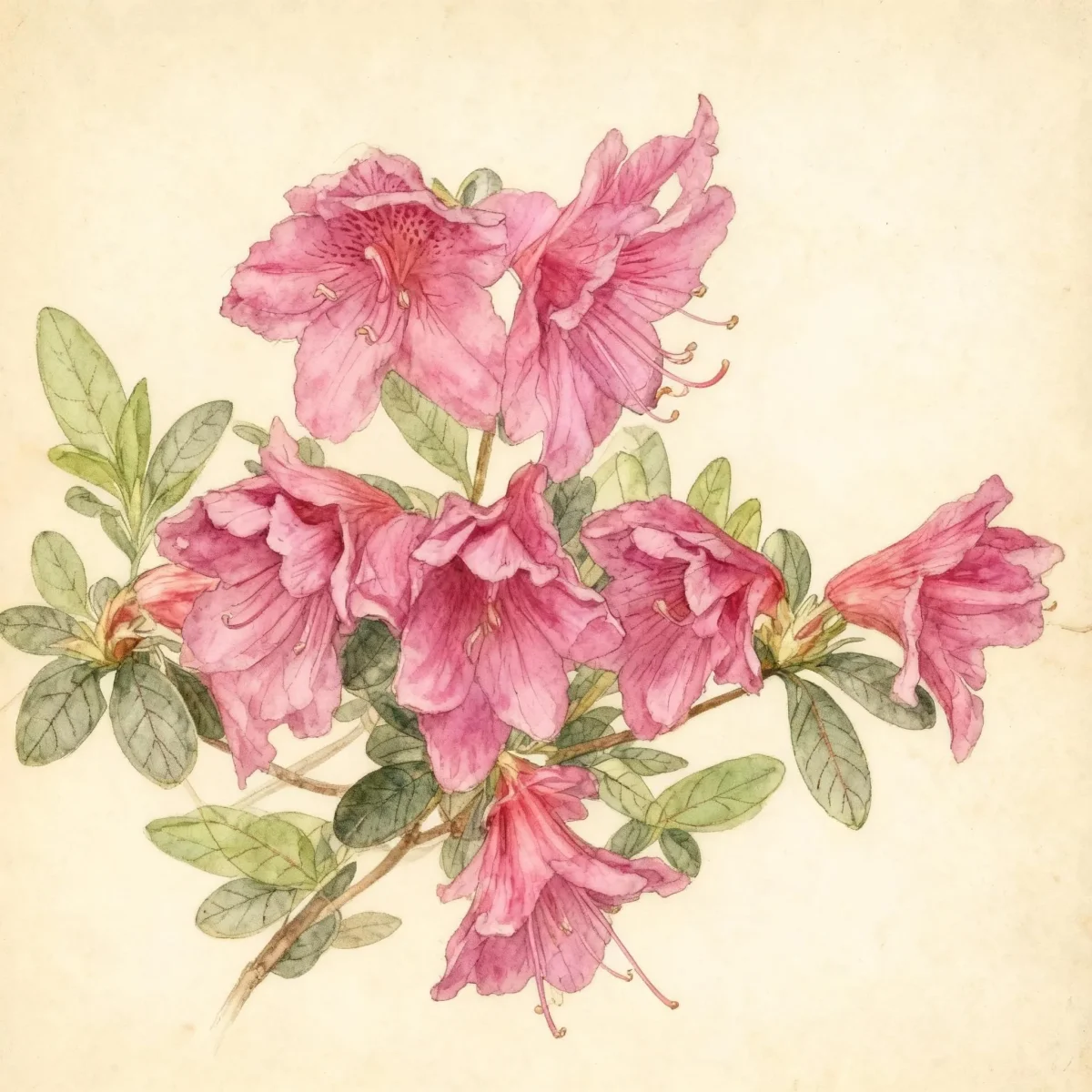
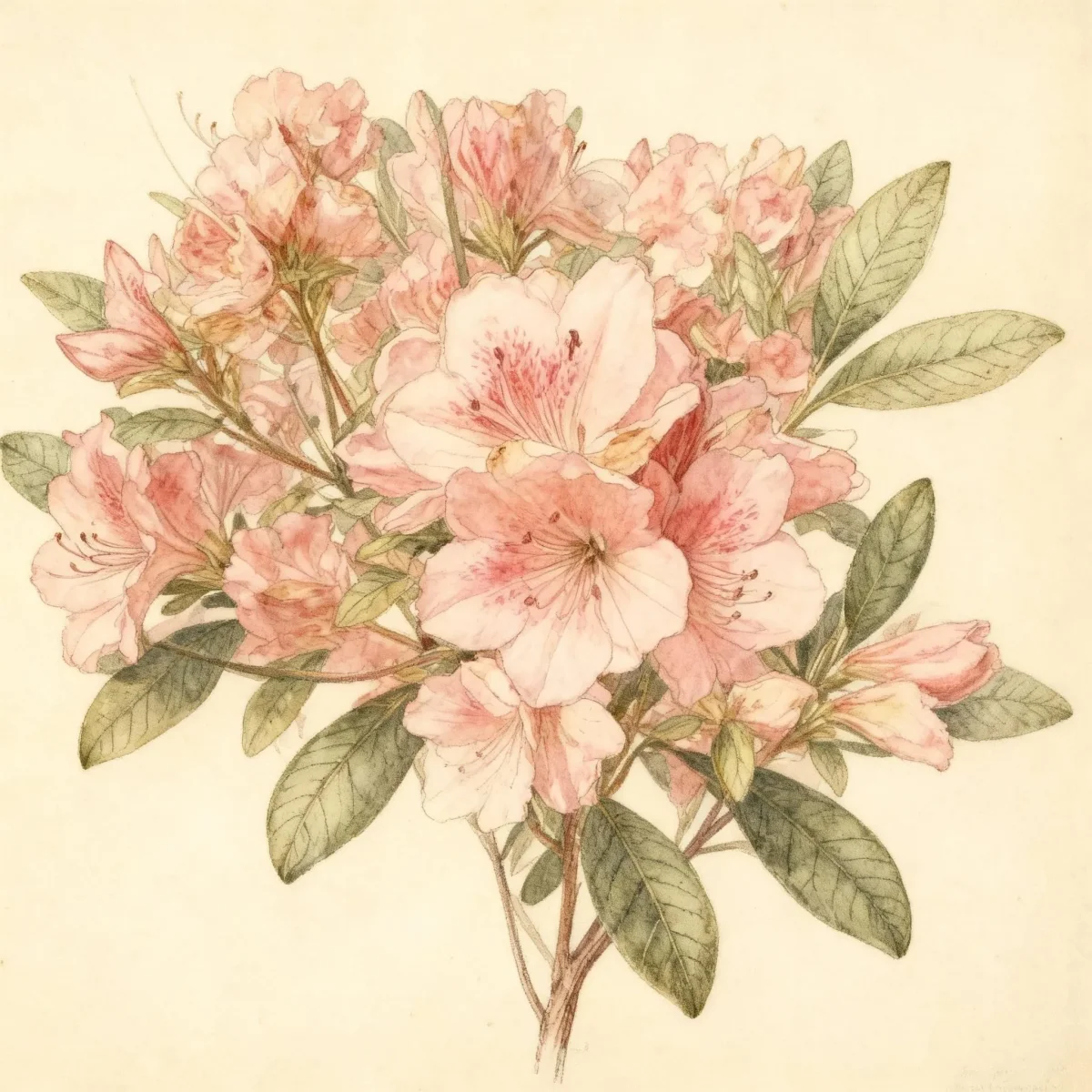
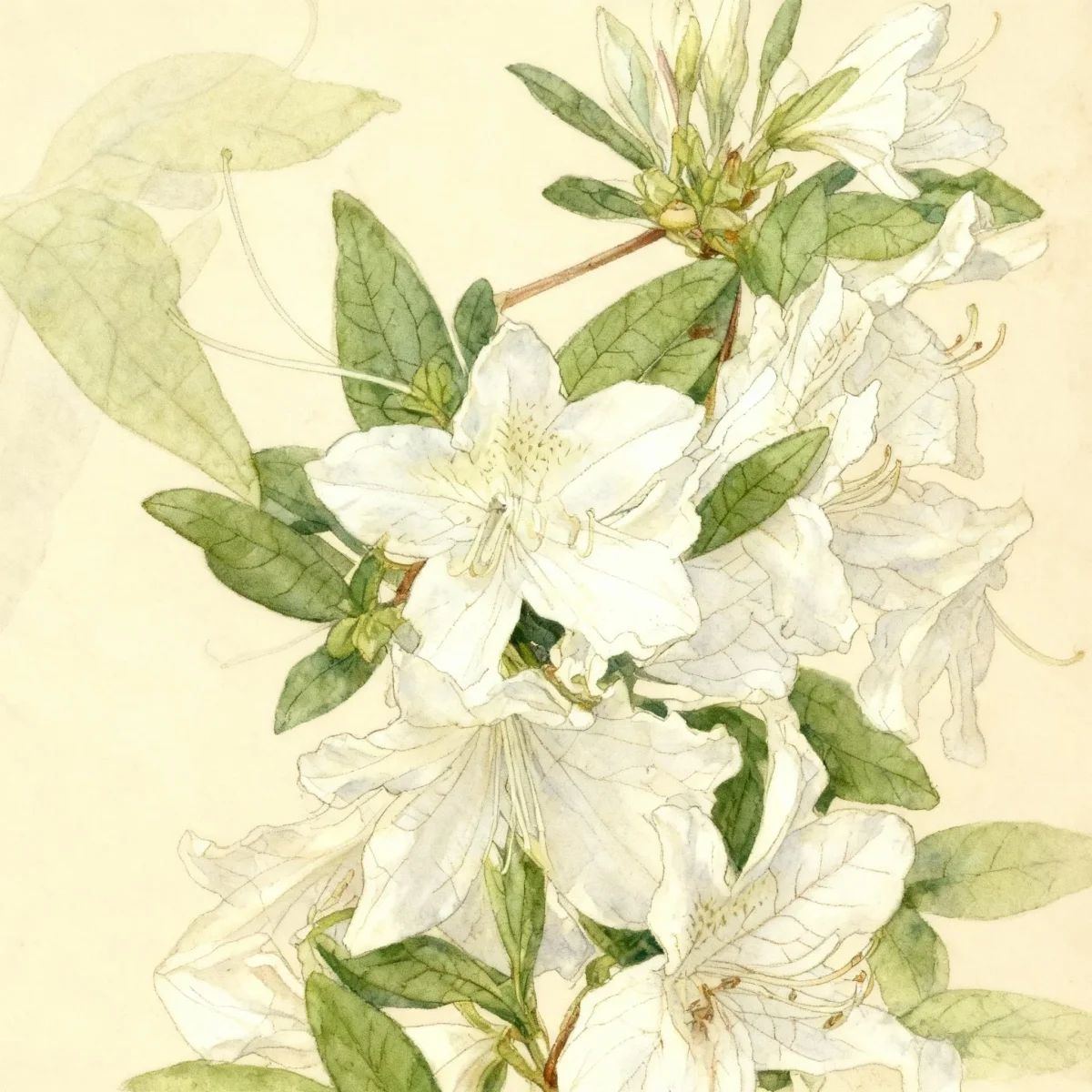
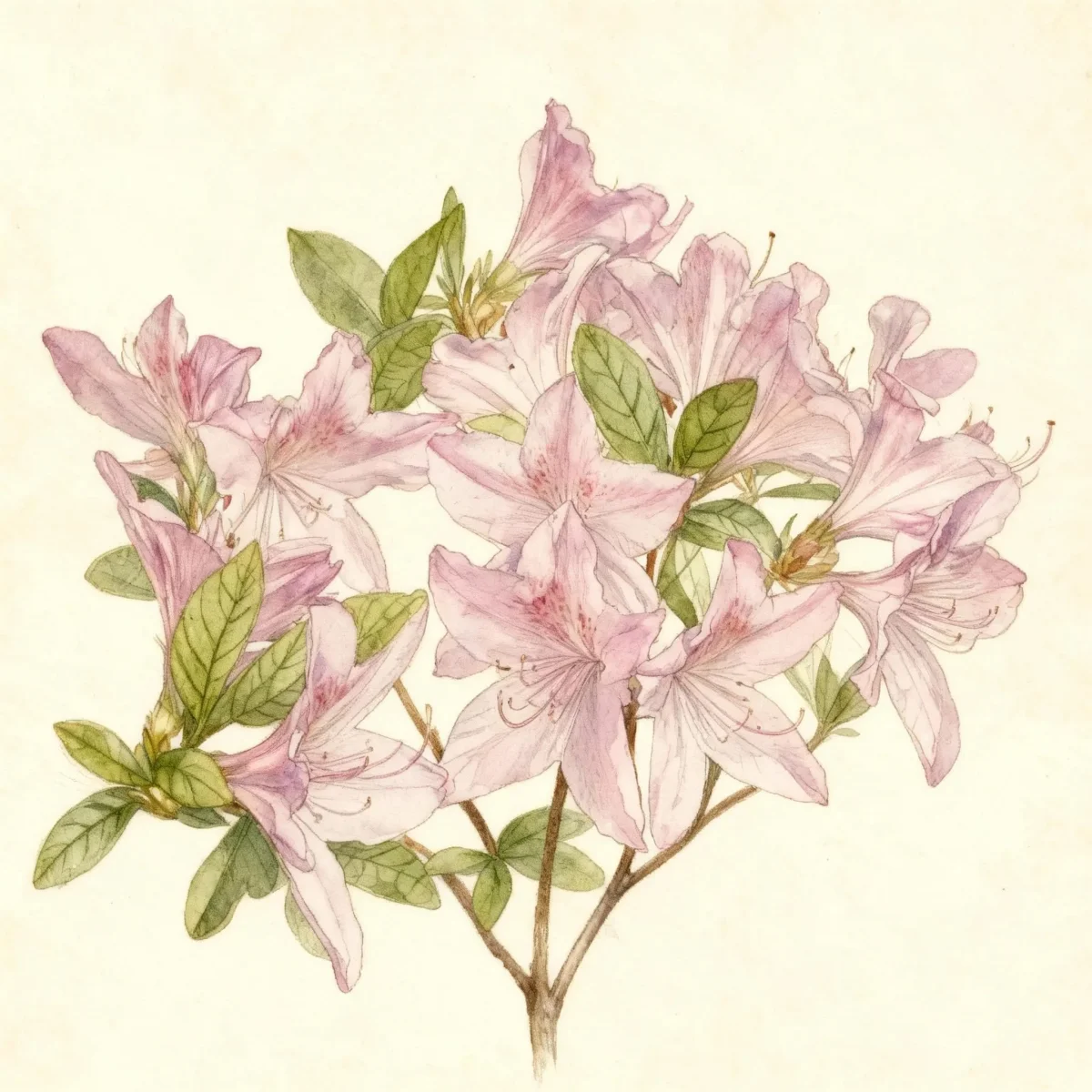
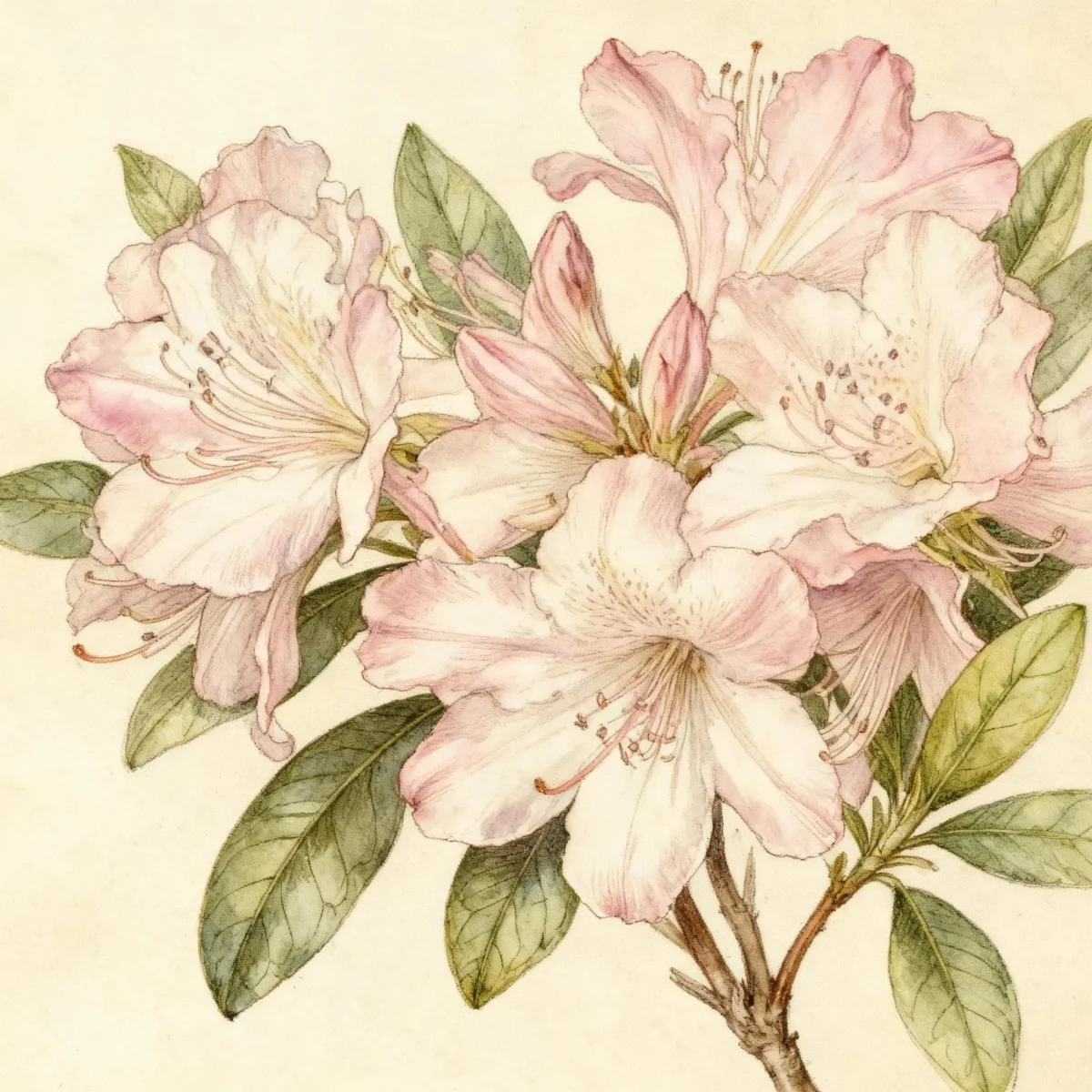
Evergreen azalea (Rhododendron 'Caroline Gable')
Rhododendron 'Caroline Gable' is a dense Evergreen azalea offering showy pink blooms. Ideal for part shade in zones 5-8, offering structure and winter interest.
Scroll down to discover growing tips, care requirements, companion plants, and more
Complete Plant Information
Overview
Rhododendron ‘Caroline Gable’ is a standout cultivar among evergreen azaleas, prized for its dense structure and reliable spring performance. This broadleaf evergreen provides essential year-round interest, contrasting nicely with deciduous plantings in the landscape. Gardeners value this particular variety, the Evergreen azalea, for its manageable size and vibrant floral display.
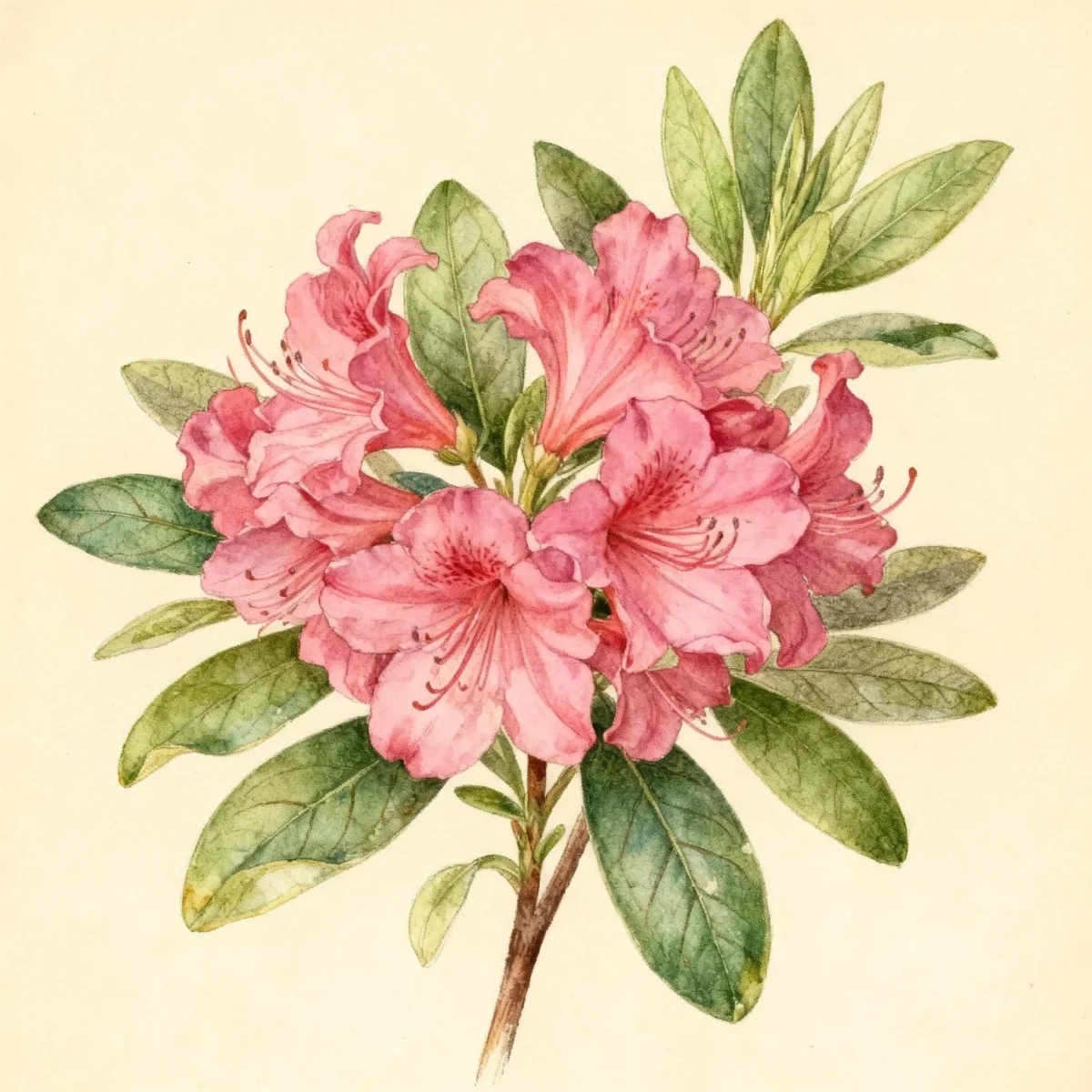
As a Gable hybrid, Rhododendron ‘Caroline Gable’ typically matures into a symmetrical shrub reaching 4 to 5 feet tall and wide. Its beauty peaks in mid-spring when it covers itself with eye-catching, hose-in-hose flowers that boast a lovely pink color accented by a darker rose blotch. Successful cultivation relies heavily on mimicking its preferred woodland conditions.
This Evergreen azalea is highly adaptable when situated correctly, performing best utilizing morning sun or dappled shade rather than intense afternoon heat. Proper soil preparation is critical to ensure the health and longevity of Rhododendron ‘Caroline Gable’ specimens in your garden.
Fast Facts
- Plant Family: Ericaceae
- Plant Type: Broadleaf evergreen
- Hardiness Zones: USDA Zones 5-8
- Size at Maturity:
- Height: 4-5 ft
- Spread: 4-5 ft
- Bloom Time: April to May
- Bloom Description: Pink with rose blotch
- Sun Exposure: Part shade
- Water Needs: Medium
- Maintenance Level: Medium
How to Grow
Planting Rhododendron ‘Caroline Gable’ should occur when soil temperatures are mild, usually in spring or early fall, ensuring establishment before extreme weather. The most crucial factor for success is soil composition: it requires acidic, organically rich, humusy, medium-moisture soil that remains constantly moist but exceptionally well-drained. Avoid planting within the toxic drip line of walnuts or hickories, as these plants are highly sensitive to juglone toxicity.
Provide consistent watering, keeping the soil consistently moist, as the shallow, fibrous root systems must never dry out. Cultivating directly around the base should be avoided; instead, apply a thick layer of mulch, like pine needles or wood chips, to retain moisture and regulate soil temperature. Soil pH should ideally be maintained between 5.0 and 5.5; gardeners should test their soil and acidify using sulfur or iron sulfate if needed.
Deadheading this Evergreen azalea is recommended immediately after flowering ceases; clipping spent blossoms encourages strong new growth rather than seed production. Since Rhododendron ‘Caroline Gable’ dislikes “wet feet,” consider installing it in raised beds if your native soil is heavy clay, severely limiting drainage. Protect the shrub from harsh winds, favoring north or east-facing slopes where sun exposure is gentler.
Landscape Uses
Rhododendron ‘Caroline Gable’ serves admirably in diverse landscape roles due to its compact, persistent foliage and glorious spring flush. Use the Evergreen azalea as foundational plantings, where its dense habit hides building bases effectively. It is perfectly suited for mass plantings to create swaths of uniform color or strategically placed as a specimen accent among simpler green textures.
Because of its medium size and neat profile, this cultivar excels when used as a formal or informal hedge, providing year-round structure along property lines or defining garden zones. It integrates beautifully into mixed borders alongside other acid-loving plants such as camellias, rhododendrons, and various ferns. These shrubs also thrive in woodland gardens, where the dappled light mimics their native habitat, creating soft, shaded vignettes.
Standout Features
Flower Qualities
- Showy
Noteworthy Characteristics
Rhododendron is a genus of 500 to 900 species and includes both what we commonly call rhododendrons and azaleas. Grown for their showy spring flowers and evergreen foliage, this group originates mainly in the Northern Hemisphere. Rhododendron ‘Caroline Gable’ is a Gable hybrid known for its hose-in-hose flowers, featuring 10 to 12 petals that give the appearance of one blossom nested inside another, creating a full, vibrant bloom.
Tolerances
- Rabbit
Potential Problems
Rhododendrons and azaleas are targets for numerous pests and diseases, though prevention through proper cultural care for Rhododendron ‘Caroline Gable’ minimizes risk. Common insect threats include aphids, lacebugs, scale, and mites, which can usually be managed with horticultural oils or targeted insecticides when infestations are severe. Fungal issues like leaf spot, rust, and root rot often stem from poor air circulation or excessive moisture due to inadequate drainage.
If the leaves of your Evergreen azalea turn yellow (chlorosis), this strongly suggests an iron deficiency, almost always induced when the soil pH rises above its preferred acidic range. Correcting this requires lowering the pH with soil amendments like elemental sulfur rather than trying to treat the symptomatic yellowing directly. Maintaining the ideal acidic soil and ensuring good airflow around the lower branches are the best defenses against most cultural problems.
Frequently Asked Questions
What hardiness zones is Rhododendron ‘Caroline Gable’ suitable for?
Rhododendron ‘Caroline Gable’ is hardy and thrives in USDA Zones 5 through 8.
How large does Evergreen azalea grow?
This variety typically reaches a mature height and spread between 4 and 5 feet.
What sun exposure does Rhododendron ‘Caroline Gable’ need?
This plant prefers part shade; aim for protection from hot afternoon sun, as foliage can scorch in intense summer heat.
When does Evergreen azalea bloom?
The blooming period for this Evergreen azalea is generally from April into May, presenting flowers described as pink with a distinct rose blotch.
Conclusion
Rhododendron ‘Caroline Gable’ offers reliable structure and spectacular spring color, making it an invaluable component for shaded woodland borders or formal evergreen hedges. Ensure you meet the requirements for acidic, well-drained soil to keep your Evergreen azalea thriving season after season. Before planting, confirm that your local climate falls within USDA Zones 5-8 for the best chance of success with this beautiful hybrid.
Companion Planting
Selecting companions that share the need for acidic, well-drained soil enhances the overall aesthetic and health of your planting area. Pair Rhododendron ‘Caroline Gable’ with other ericaceous plants such as blueberries (Vaccinium spp.) or peat-loving mountain laurels (Kalmia latifolia). For ground cover beneath the canopy, consider woodland natives like Hellebores, which offer early color before the azalea fully blooms, or hostas, whose broad leaves provide textural contrast to the fine needles of the mulch Rhododendron ‘Caroline Gable’ prefers.
Seasonal Care Calendar
Spring is crucial for this Evergreen azalea; focus immediately after flowering on deadheading spent blooms to redirect energy toward foliage and bud development for the following year. Water deeply during the early summer growing season, paying close attention during dry spells since the shallow roots desiccate quickly. In autumn, apply a fresh layer of acidic mulch, such as pine bark mini-nugs, to protect the roots from winter heaving and desiccation, especially important in Zone 5. Avoid heavy pruning except for shaping maintenance, which should be done lightly after flowering.