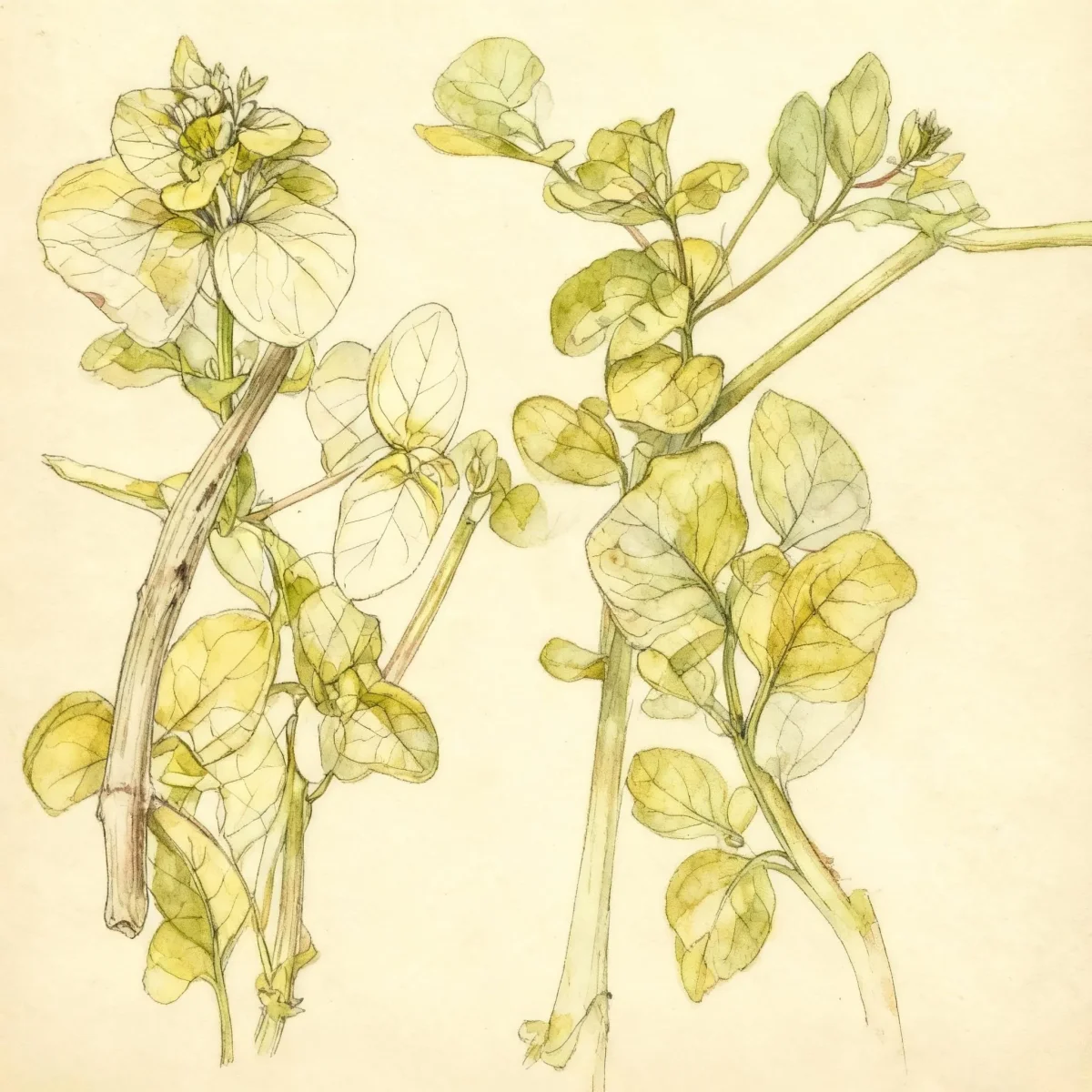
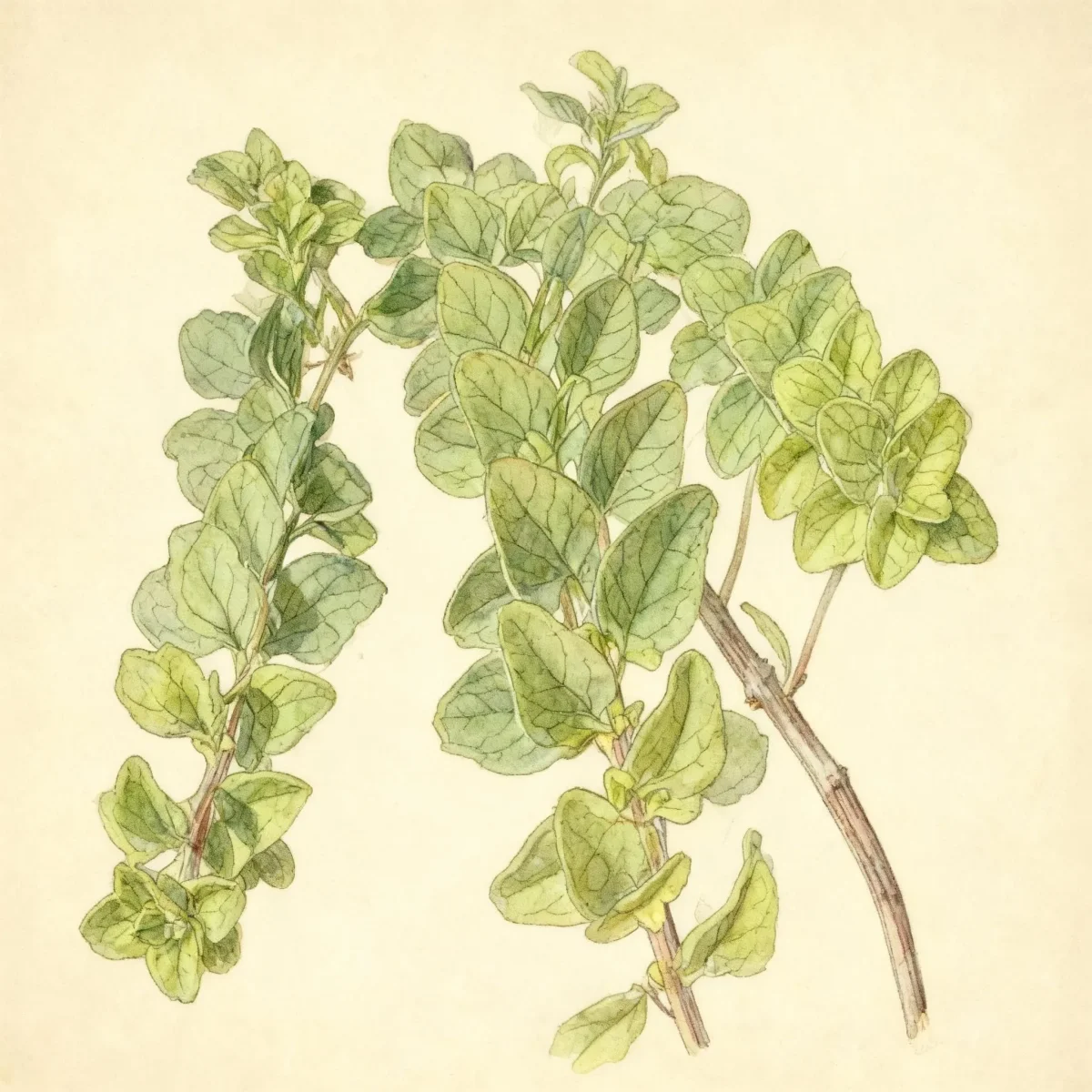
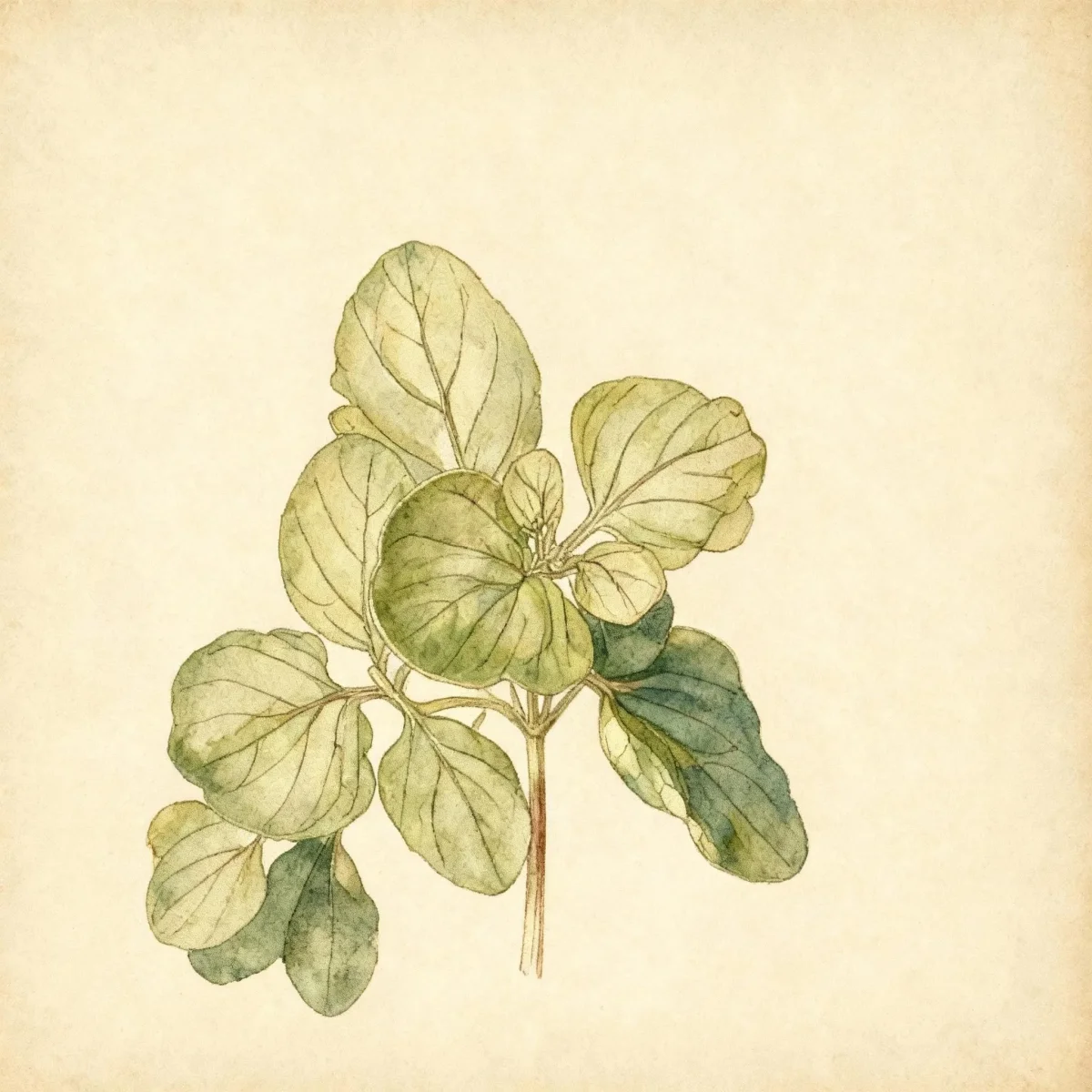
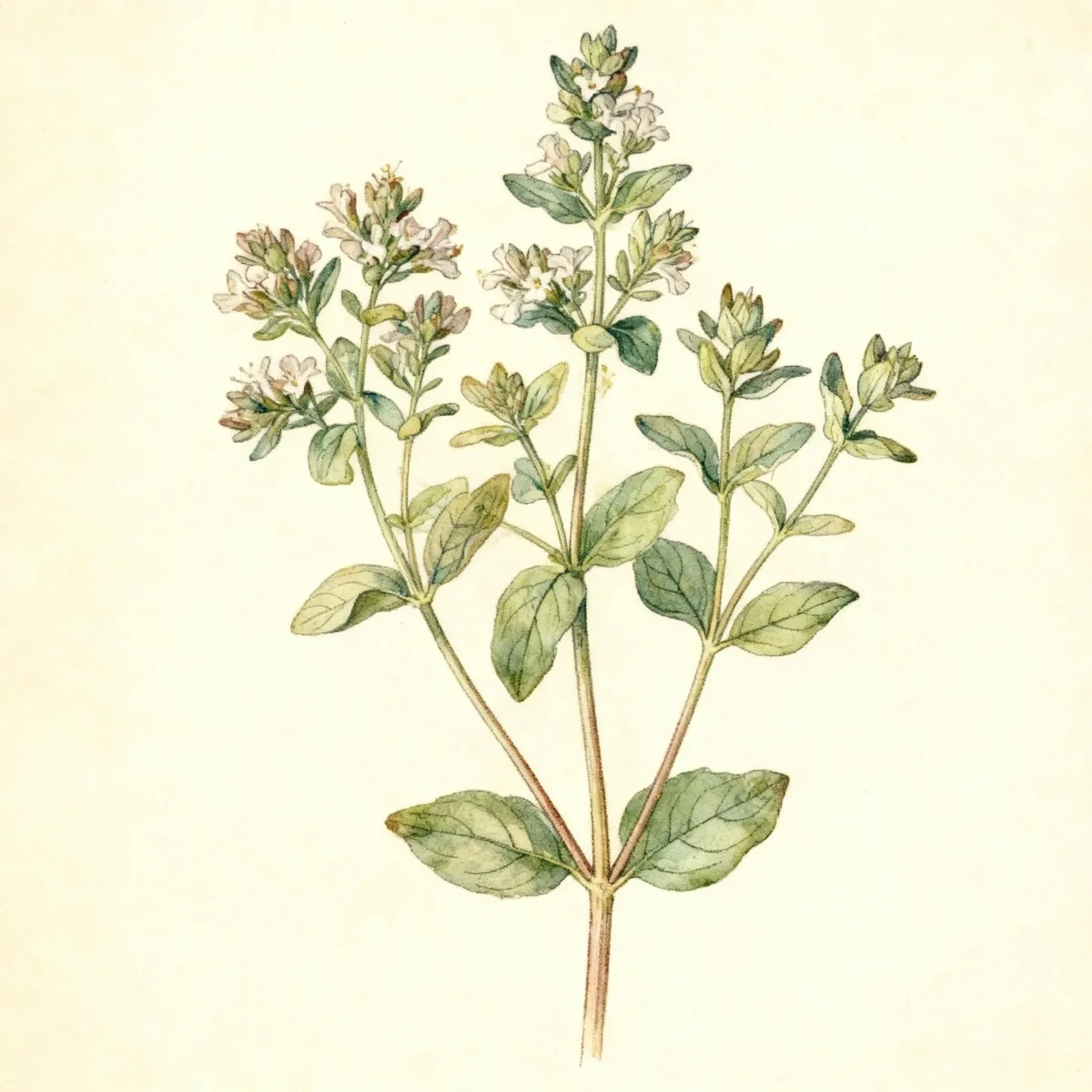
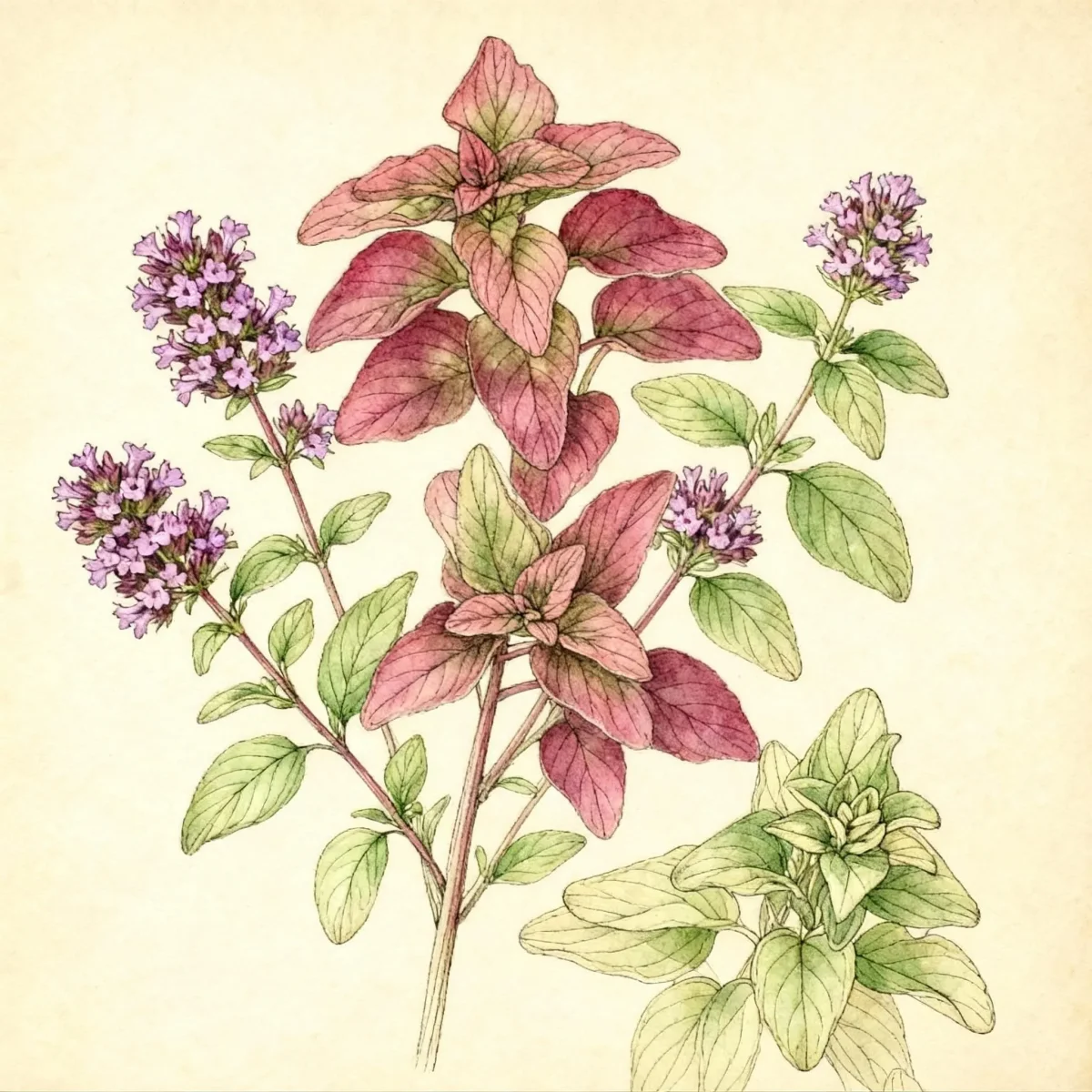
Oregano (Origanum 'Bristol Cross')
Origanum 'Bristol Cross' Oregano offers trailing beauty with rose-tinged bracts and fragrant leaves, perfect for sunny borders.
Scroll down to discover growing tips, care requirements, companion plants, and more
Complete Plant Information
Overview
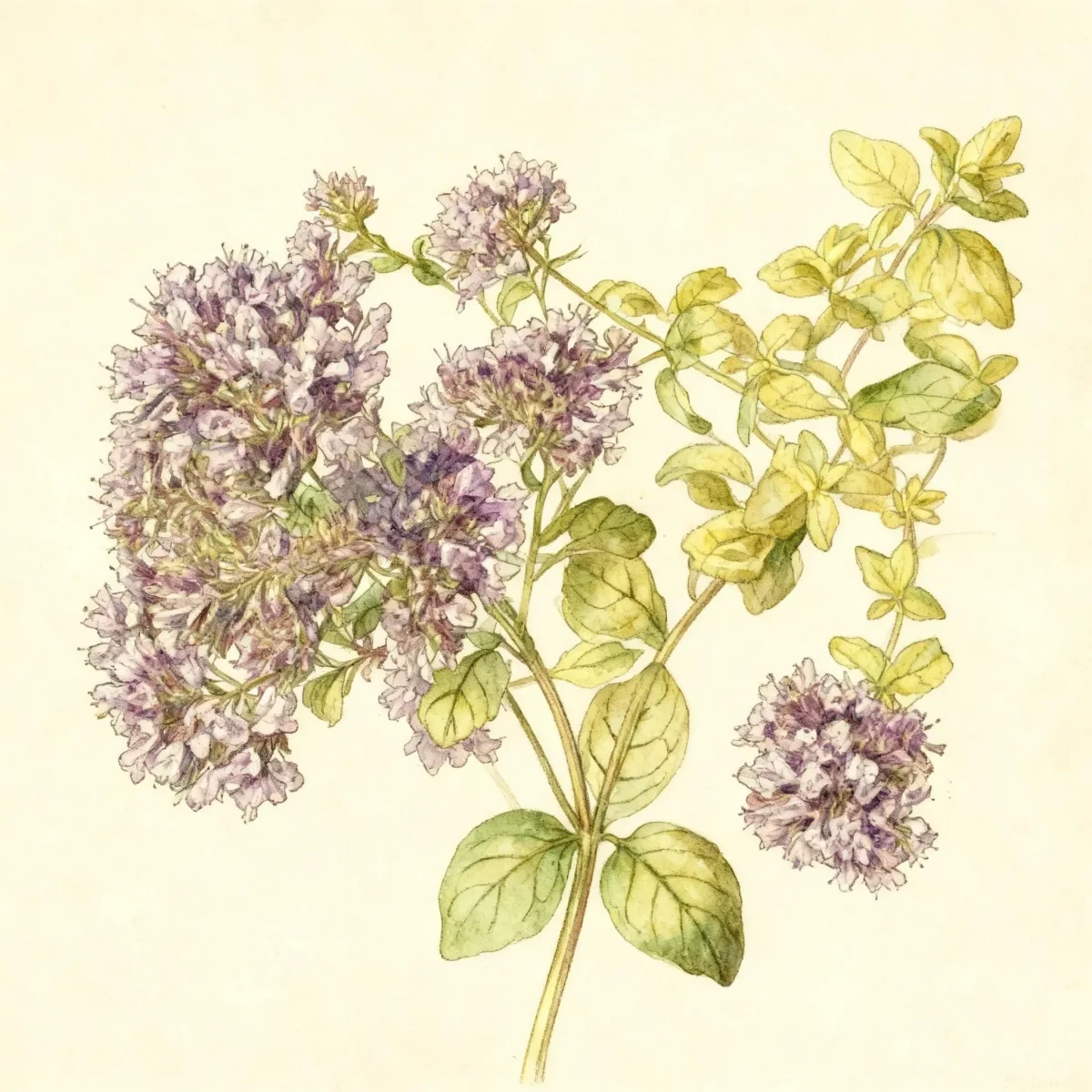
Origanum ‘Bristol Cross’ is a highly decorative cultivar valued for its unique, long-lasting ornamental display. Beyond its culinary name, Oregano, this plant features wiry stems that cascade, creating a neat, mounding perennial perfect for softening hard edges in the landscape. Its charm lies in the unusual rose-tinged, chartreuse bracts that surround tiny purple flowers, blooming late in the season when many other plants fade.
This herbaceous perennial originates from a cross between Origanum laevigatum and Origanum rotundifolium, inheriting robust growing traits suitable for sunny, dry locations. Gardeners prize Origanum ‘Bristol Cross’ not only for its visual appeal but also because the medium green leaves carry the classic, fragrant Oregano flavor that can be easily incorporated into cooking.
With its low maintenance needs and excellent drought tolerance, Origanum ‘Bristol Cross’ provides reliable performance year after year in appropriate climates. It is an especially useful plant for xeriscaping or integrating into herb spirals where sharp drainage is guaranteed.
Fast Facts
- Plant Family: Lamiaceae
- Plant Type: Herbaceous perennial
- Hardiness Zones: USDA Zones 5-9
- Size at Maturity:
- Height: 0.5-0.75 ft
- Spread: 1-1.5 ft
- Bloom Time: August to October
- Bloom Description: Purple with showy pink bracts
- Sun Exposure: Full sun
- Water Needs: Dry to medium
- Maintenance Level: Low
How to Grow
Origanum ‘Bristol Cross’ thrives when planted in spring after the danger of hard frost has passed, ensuring it establishes well before the summer heat. This Oregano variety requires full sun to develop the most vibrant bract coloration and maintain a compact habit. The most critical cultural requirement is excellent drainage; doing very well in gritty, sandy loams.
Watering should be sparse once established, classifying the plant as drought tolerant. Water established plants only when the soil becomes dry to the touch, adhering to its preference for dry to medium moisture levels. Fertilization is rarely necessary; overly rich or wet soils can lead to root rot.
To keep Origanum ‘Bristol Cross’ looking its best, regular shearing is recommended. Shear the plants back before they flower heavily to encourage fresh, tidy new growth, which also helps maintain a compact, mounding form. This simple maintenance step prevents legginess and keeps the display attractive throughout the season.
Landscape Uses
The spreading habit and attractive foliage and bracts make this variety of Oregano versatile in garden design. It is highly recommended for mass planting along border fronts, where its cascading stems can spill slightly over pathways or edges. Its low stature also makes it an excellent edging plant for defining garden beds.
For those cultivating culinary resources, Origanum ‘Bristol Cross’ fits perfectly within the specialized confines of herb gardens. Moreover, its excellent tolerance for heat and dryness makes it a superb candidate for traditional rock gardens built on slopes or areas with naturally gritty soil composition. Consider using it in large containers, ensuring the potting mix is very coarse to satisfy its drainage demands.
Standout Features
Flower Qualities
- Showy
- Fragrant
- Good Dried
Noteworthy Characteristics
Origanum is a genus of about 20 species of herbaceous perennials and deciduous and evergreen sub-shrubs native to the Mediterranean and southwestern Asia, yielding several popular culinary herbs. ‘Bristol Cross’ is specifically a hybrid noted for its rose-tinged, chartreuse bracts that resemble decorative braids or chains, tipped with small purple flowers. The medium green, fragrant leaves possess a mild oregano flavor and the overall plant forms a charming, wiry, dwarf mound.
Tolerances
- Rabbit
- Deer
Potential Problems
Origanum ‘Bristol Cross’ generally exhibits few severe issues regarding pests or diseases. The primary threat arises from improper soil conditions; root rot is a common outcome if the plant is situated in soil that remains perpetually wet or poorly drained. Occasionally, general garden nuisances like aphids or spider mites may appear, as are various fungal diseases favored by humidity.
Management focuses heavily on site selection—always prioritize full sun and impeccable drainage. If fungal issues present, improve air circulation and reduce overhead watering. Because deer and rabbits typically avoid Oregano species, these pests are usually not a concern for this particular cultivar.
Frequently Asked Questions
What hardiness zones is Oregano (Origanum ‘Bristol Cross’) suitable for?
This herbaceous perennial is reliably hardy in USDA Zones 5 through 9, offering excellent versatility across many regions.
How large does Oregano (Origanum ‘Bristol Cross’) grow?
Origanum ‘Bristol Cross’ forms a dwarf mound, typically reaching a mature height between 0.5 and 0.75 feet tall and spreading 1 to 1.5 feet wide.
What sun exposure does Oregano (Origanum ‘Bristol Cross’) need?
This plant requires full sun to maintain its best shape and ornamental bract color.
When does Oregano (Origanum ‘Bristol Cross’) bloom?
Bloom time extends from August into October, featuring distinctive purple flowers offset by showy pink bracts.
Conclusion
Origanum ‘Bristol Cross’ is a fantastic choice for gardeners seeking a drought-tolerant, low-maintenance perennial with extended visual interest. Its fragrant foliage and unique, colorful bracts ensure that this Oregano remains a standout feature late into the growing season. Before planting, confirm your site offers full sun and sharp drainage to ensure the longevity of your Origanum ‘Bristol Cross’.
Propagation Tips
Propagation of Origanum ‘Bristol Cross’ is most successfully achieved through division or cuttings, though seeds can sometimes be used. Cuttings taken from semi-hardwood stems in mid-summer root readily, providing clones that maintain the desirable characteristics of the parent plant. Dividing established clumps in early spring is an excellent, straightforward way to increase your supply or share this lovely Oregano with others.
Companion Planting
Due to its preference for lean, dry, and sunny conditions, this Oregano pairs wonderfully with other Mediterranean herbs and xerophytic companions. Consider planting alongside Lavender (Lavandula), Thyme (Thymus), or creeping Sedum varieties. These choices share similar cultural needs, ensuring consistent water and soil maintenance across the planting bed, enhancing the natural look of mass plantings.