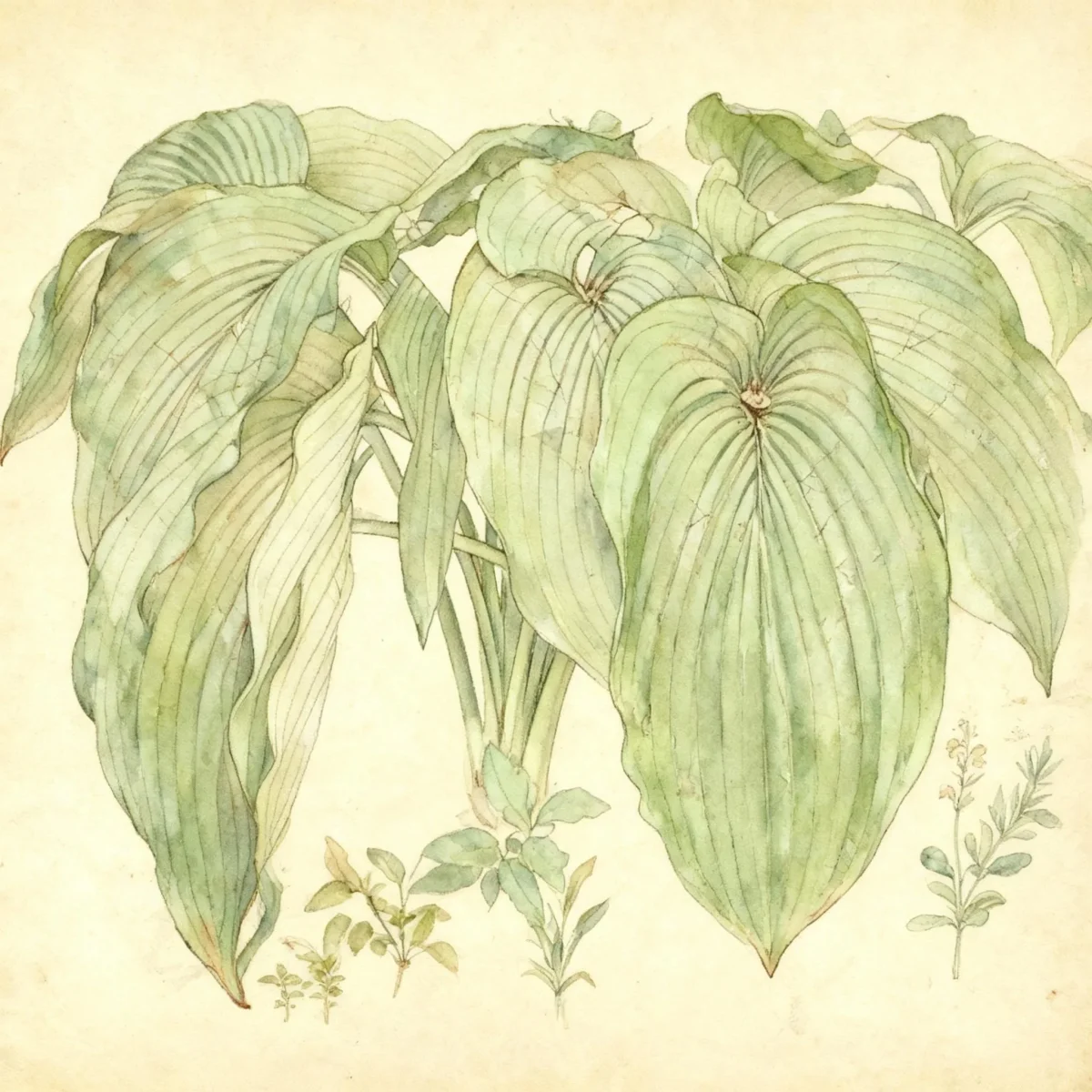
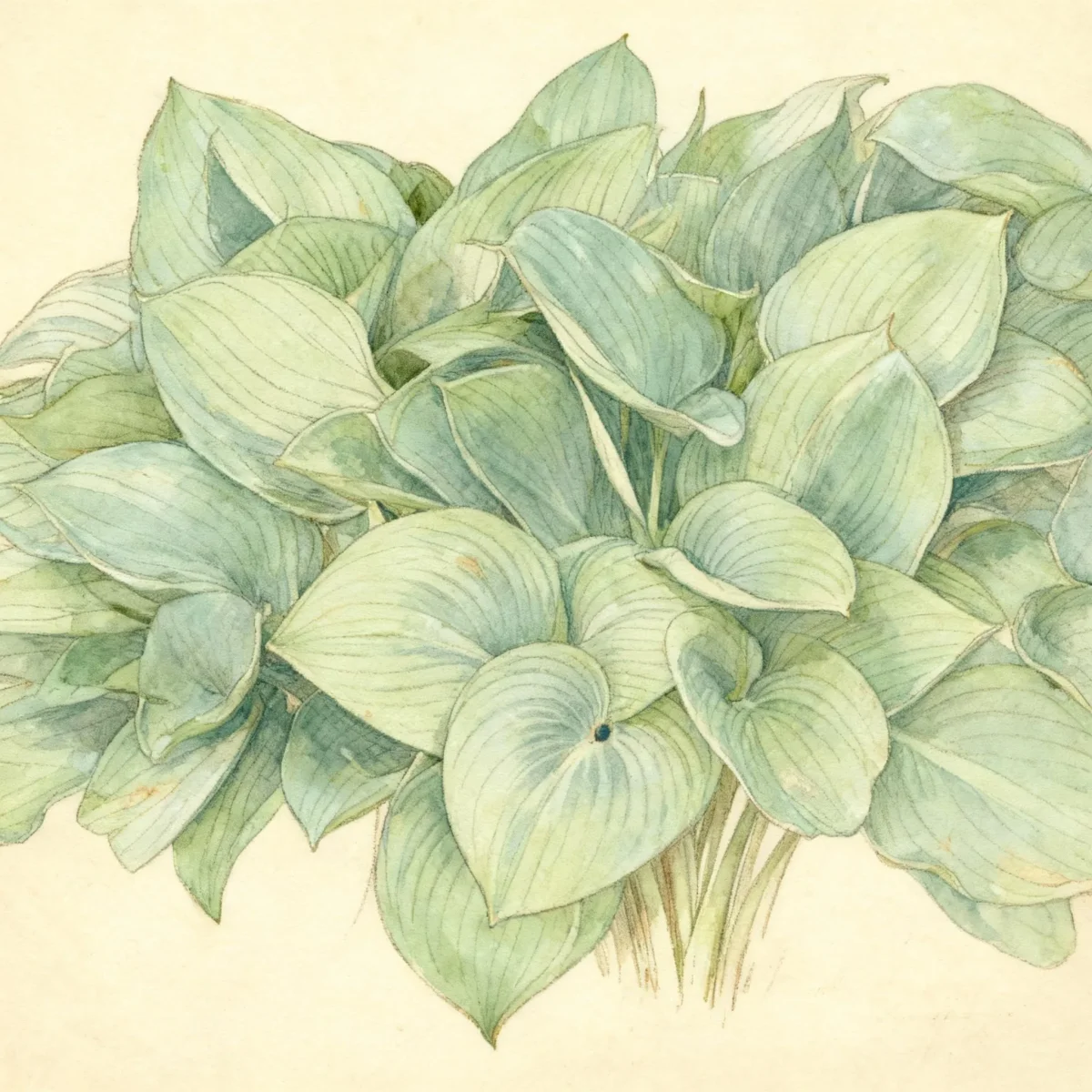
Hosta (Hosta 'High Society')
Hosta 'High Society' offers stunning blue-green margins and creamy yellow centers in shade gardens. Hardy zones 3-8.
Scroll down to discover growing tips, care requirements, companion plants, and more
Complete Plant Information
Overview
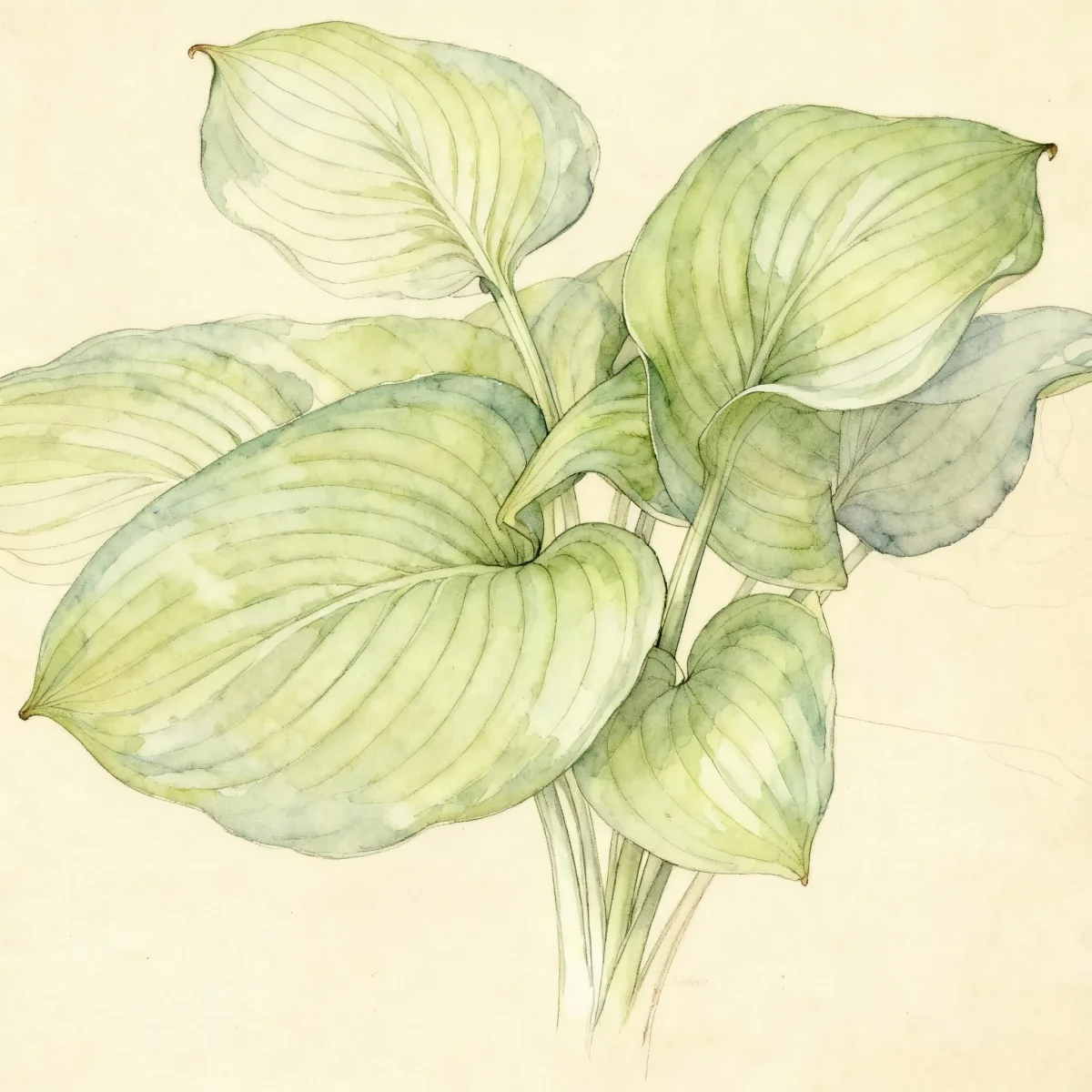
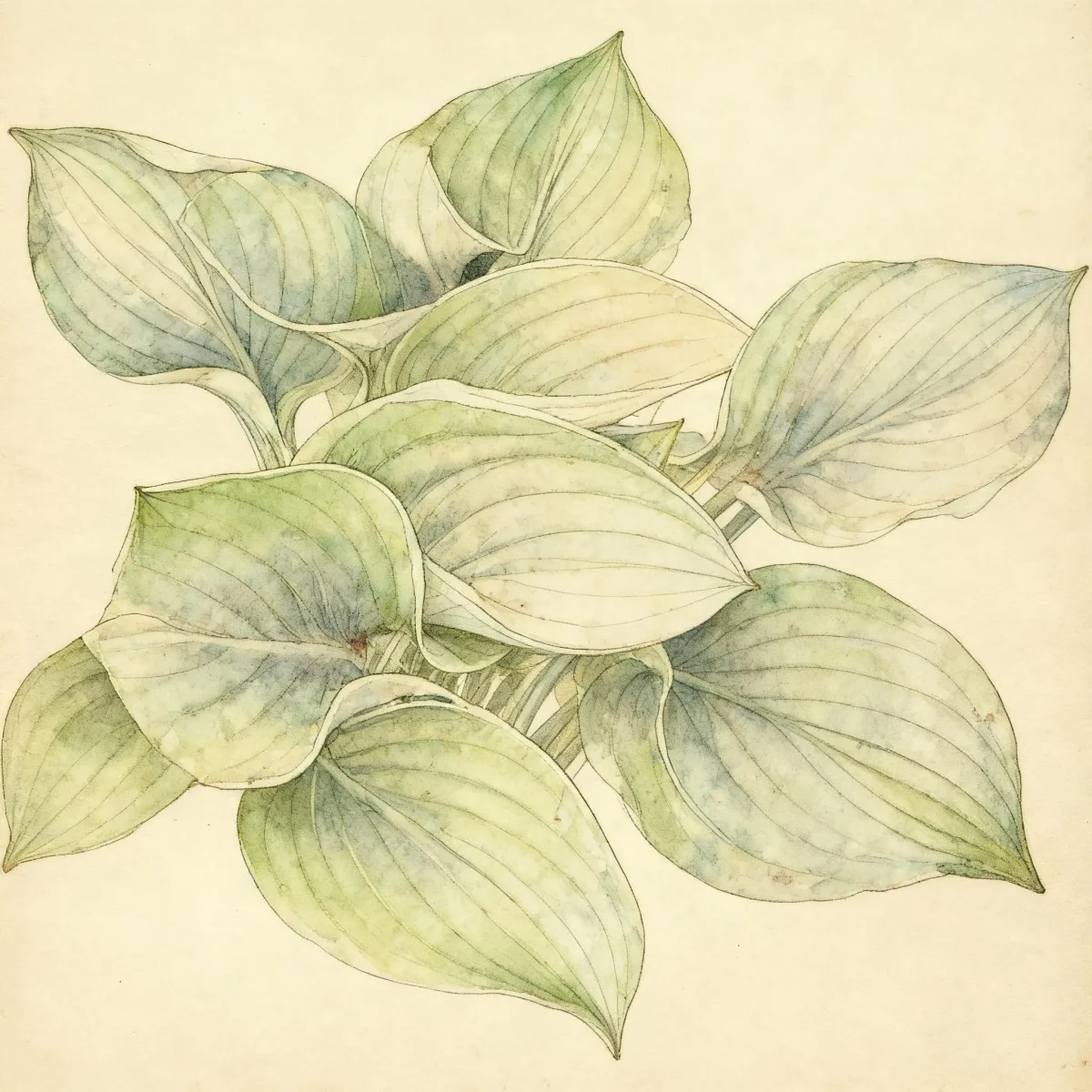
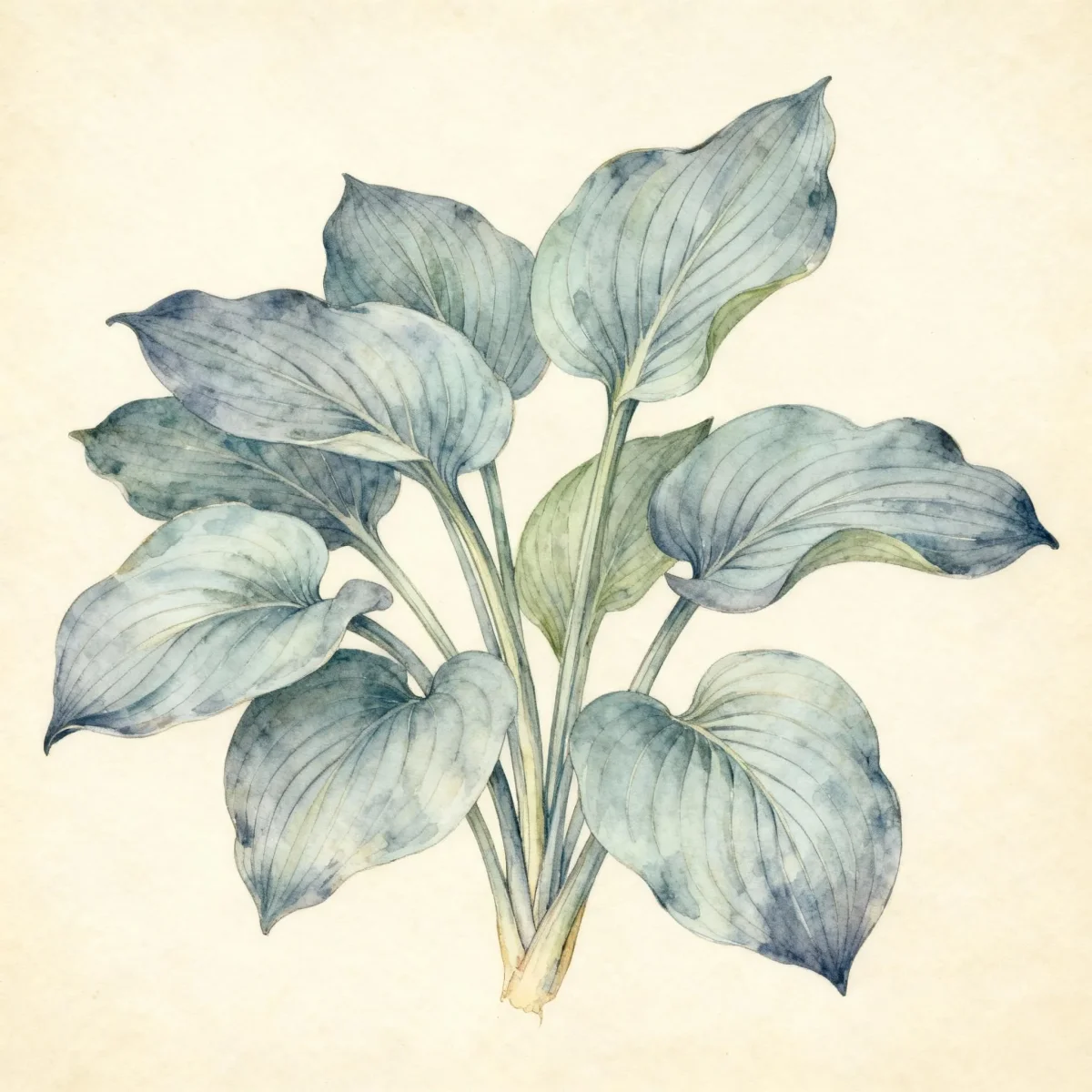
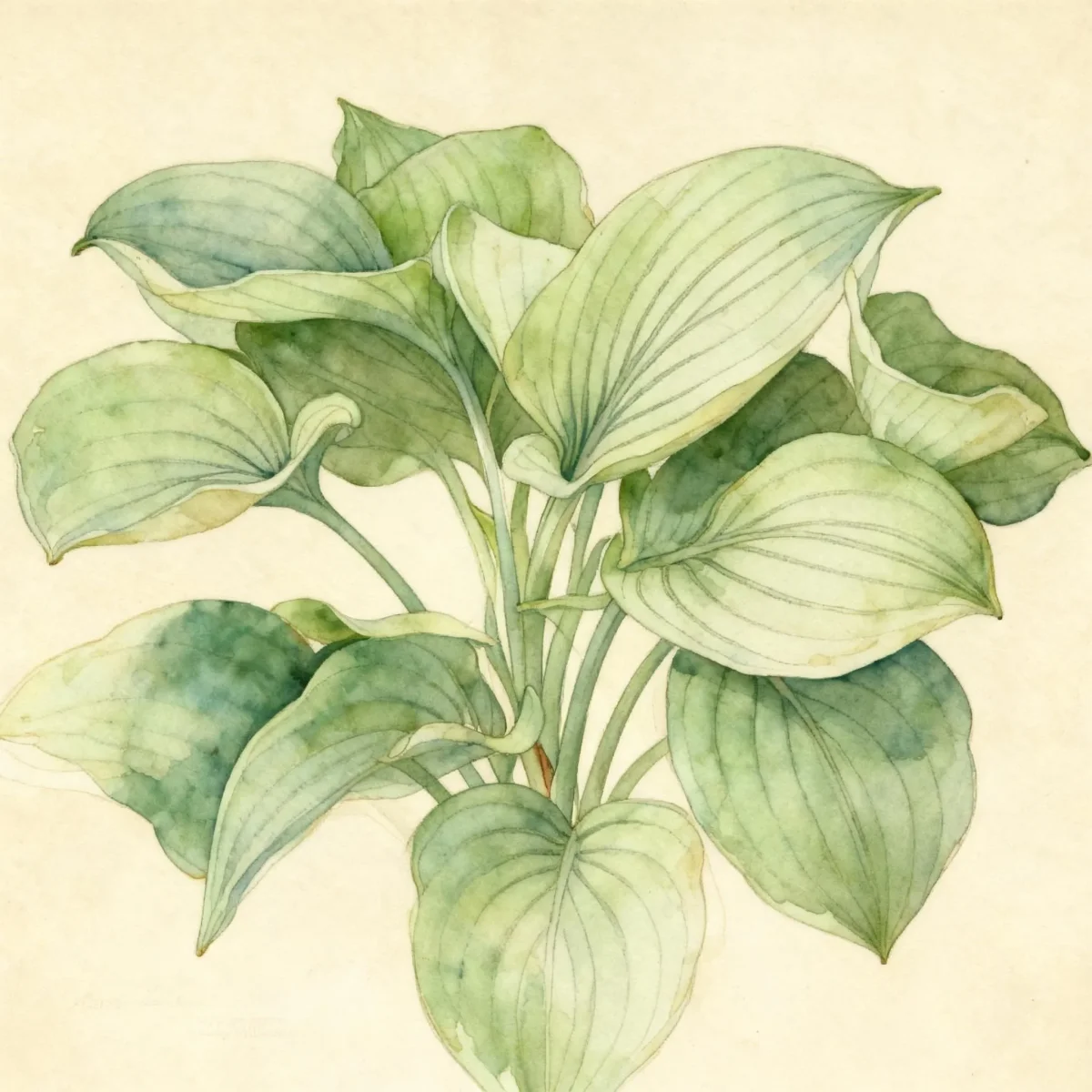
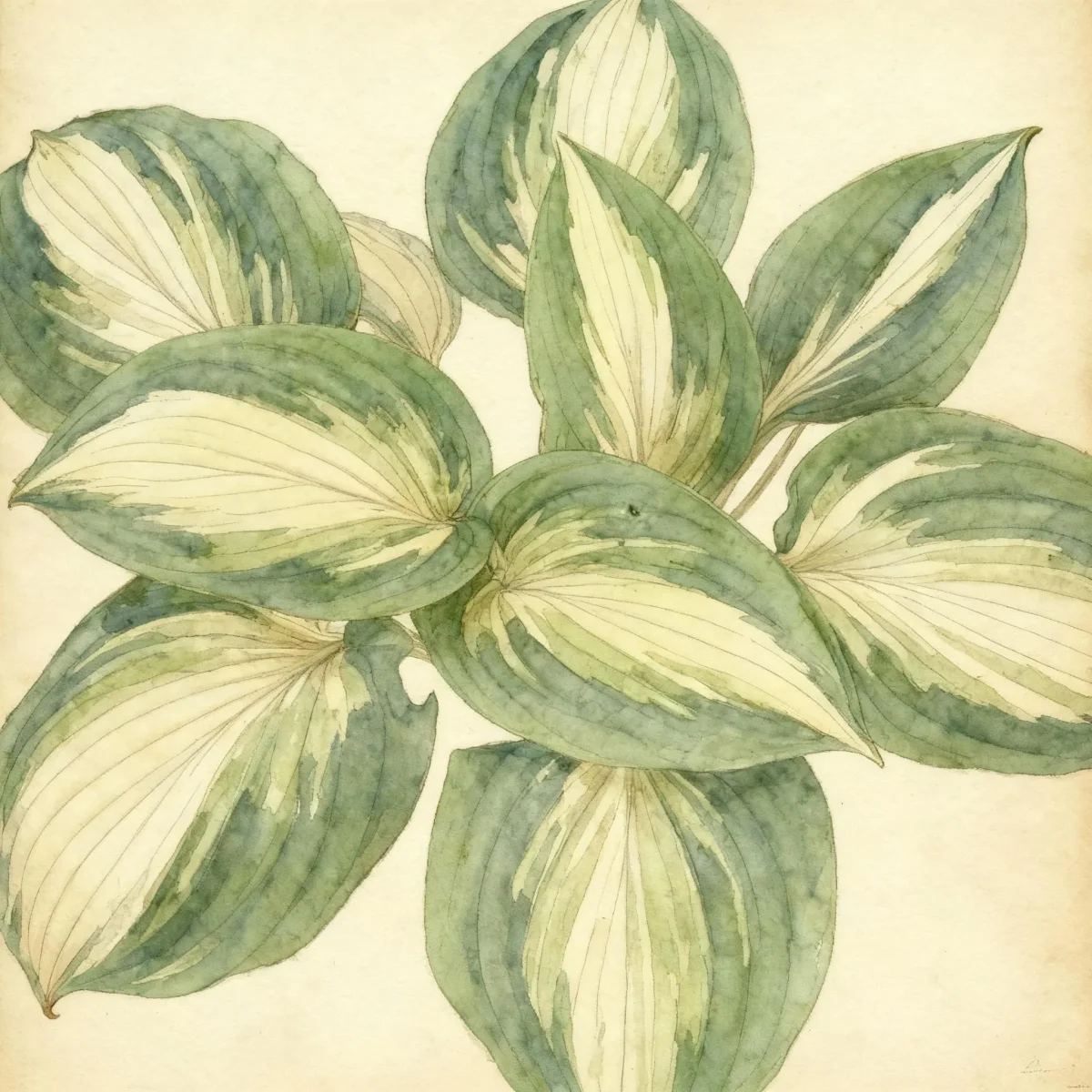
Hosta ‘High Society’ is a highly sought-after cultivar within the popular Hosta genus, prized primarily for its beautiful, contrasting foliage. This small, clump-forming variety features prominently-veined leaves with wide, sharply contrasting blue-green margins framing creamy centers that mature to white, creating exceptional visual interest even from a distance. Growing to under a foot tall, this Hosta variety is valued for its adaptability, thriving beautifully in the deep shade where few other perennials succeed.
Hosta are indispensable, low-maintenance additions to the shady garden aesthetic. Hosta ‘High Society’ requires consistent moisture, particularly during establishment, to achieve its full size and maintain leaf quality throughout the summer season. Its dense basal mound of ornamental leaves makes it an excellent textural element in shaded borders or woodland plantings.
As a shade-loving, herbaceous perennial, Hosta ‘High Society’ brings reliable structure and color contrast beneath tree canopies or on the shady side of buildings. Gardeners appreciate the low effort required to maintain this plant, allowing it to focus energy on producing dense, high-quality foliage displays year after year in sheltered environments.
Fast Facts
- Plant Family: Asparagaceae
- Plant Type: Herbaceous perennial
- Hardiness Zones: USDA Zones 3-8
- Size at Maturity:
- Height: 0.5-1 ft
- Spread: 1-1.5 ft
- Bloom Time: August to September
- Bloom Description: Pinkish-white
- Sun Exposure: Part shade to full shade
- Water Needs: Medium
- Maintenance Level: Low
How to Grow
The best results for Hosta ‘High Society’ are achieved by planting during spring or autumn in locations protected from harsh winds. This Hosta cultivar thrives in evenly moist, organically rich, well-drained soils. While best positioned for part shade—allowing for some morning sun or dappled conditions—it tolerates heavy shade exceptionally well.
Consistent moisture is critical for establishing a full, high-quality mound of foliage; never allow the soil to completely dry out. Water should ideally be applied directly to the soil beneath the leaves to minimize dampness on the foliage, which can sometimes lead to spotting issues. While established plants, especially those with thicker leaves, show some tolerance for dry shade, aim for consistent watering.
Maintenance for Hosta is generally low. If necessary, division of the clump-forming rhizomatous crown should be performed in spring before the leaves unfurl, or in autumn. Minimal pruning is required outside of removing spent flower scapes if desired, though these provide late-season blooms.
Landscape Uses
Hostas are the undisputed mainstay of shade gardens due to their unparalleled foliage performance. The ornamental excellence of Hosta foliage, far outweighing the late summer blooms, makes Hosta ‘High Society’ extremely effective when massed or planted in groups to create unified sweeps of texture and color.
Use this variety to define shady borders or as a foundational planting in woodland gardens where sunlight is limited. Its compact size makes it an ideal choice for edging woodland paths or integrating into layered shade plantings alongside ferns and groundcovers that share similar moisture requirements.
Designers frequently use cultivars like Hosta ‘High Society’ as background accents or contrasting elements next to plants with fine textures or bright foliage (like silver-leafed Astilbes or chartreuse Heucheras) to enhance the visual impact provided by its unique leaf patterning.
Standout Features
Flower Qualities
- Showy
Noteworthy Characteristics
Hosta is primarily grown as an ornamental perennial valued for its dense basal foliage that forms a rounded mound. Hosta ‘High Society’ specifically showcases prominently-veined, broad-ovate leaves emerging with creamy yellow centers sharply contrasted by blue-green margins, providing immediate visual appeal in shaded areas. Bell-shaped pinkish-white flowers appear in late summer atop upright scapes, rising above the distinctive foliage mound.
Tolerances
- Heavy Shade
- Black Walnut
Potential Problems
The most common threats to Hosta foliage are slugs and snails, which eagerly chew jagged holes that rapidly diminish the appearance of leaves. Vigilant monitoring and timely control methods, such as baits when activity is first spotted in damp conditions, are the primary defense.
Foliar nematodes can cause interveinal browning, and while less frequent, fungal issues like leaf spots or crown rot can occur, often exacerbated by overly wet conditions or poor drainage. Furthermore, gardeners should be cautious of deer and rabbits, which frequently consume the leaves voraciously, necessitating protective barriers for exposed plantings.
Frequently Asked Questions
What hardiness zones is Hosta suitable for?
Hosta ‘High Society’ is reliably hardy across USDA Zones 3 through 8.
How large does Hosta ‘High Society’ grow?
This compact cultivar generally reaches a height between 0.5 and 1 foot tall, spreading between 1 and 1.5 feet wide.
What sun exposure does Hosta need?
This Hosta prefers part shade to full shade conditions, thriving best with protection from harsh afternoon sun.
When does Hosta ‘High Society’ bloom?
The pinkish-white, bell-shaped flowers typically appear later in the season, blooming from August into September.
Conclusion
Hosta ‘High Society’ remains a superior choice for adding layered interest and reliable texture to challenging shady spots where color is often lacking. The striking bicoloration of the foliage ensures this Hosta cultivar provides exceptional value with minimal fuss. Before planting, ensure your selected location matches the part shade to full shade requirement and provides consistently moist soil.
Companion Planting in the Shade
Because Hosta ‘High Society’ requires consistent moisture and deep shade protection, companion plants should share similar cultural requirements. Consider pairing them with ferns, such as Japanese Painted Ferns (Athyrium), for contrasting fine texture against the bold leaves of the Hosta.
Another excellent pairing involves woodland ephemerals like Bleeding Hearts (Dicentra spectabilis) or Spring Beauty (Claytonia virginica). These companions bloom early before the Hosta reaches its full summer stature, filling in seasonal gaps while both groups benefit from the moist, cool soil conditions provided by the overall site.
Seasonal Care Calendar for Hosta
Late Winter/Early Spring is the ideal time for dividing large clumps of Hosta ‘High Society’ to keep them vigorous and manageable. Apply a slow-release fertilizer early in the spring as new growth emerges, but avoid heavy fertilization, which can sometimes diminish leaf contrast.
Summer maintenance focuses almost entirely on moisture management. Ensure deep, infrequent watering directly at the soil level, especially during hot, dry spells, to maintain the quality of the foliage. Inspect leaves regularly for early signs of slug or snail activity and treat immediately to prevent unsightly damage.
In Autumn, once the foliage naturally yellows or dies back, clean up the debris to reduce overwintering sites for pests and prevent potential disease carryover into the next season. Hosta are generally very hardy, and unless you experience severe winter freezing, no heavy mulching is required for zone 3 protection.