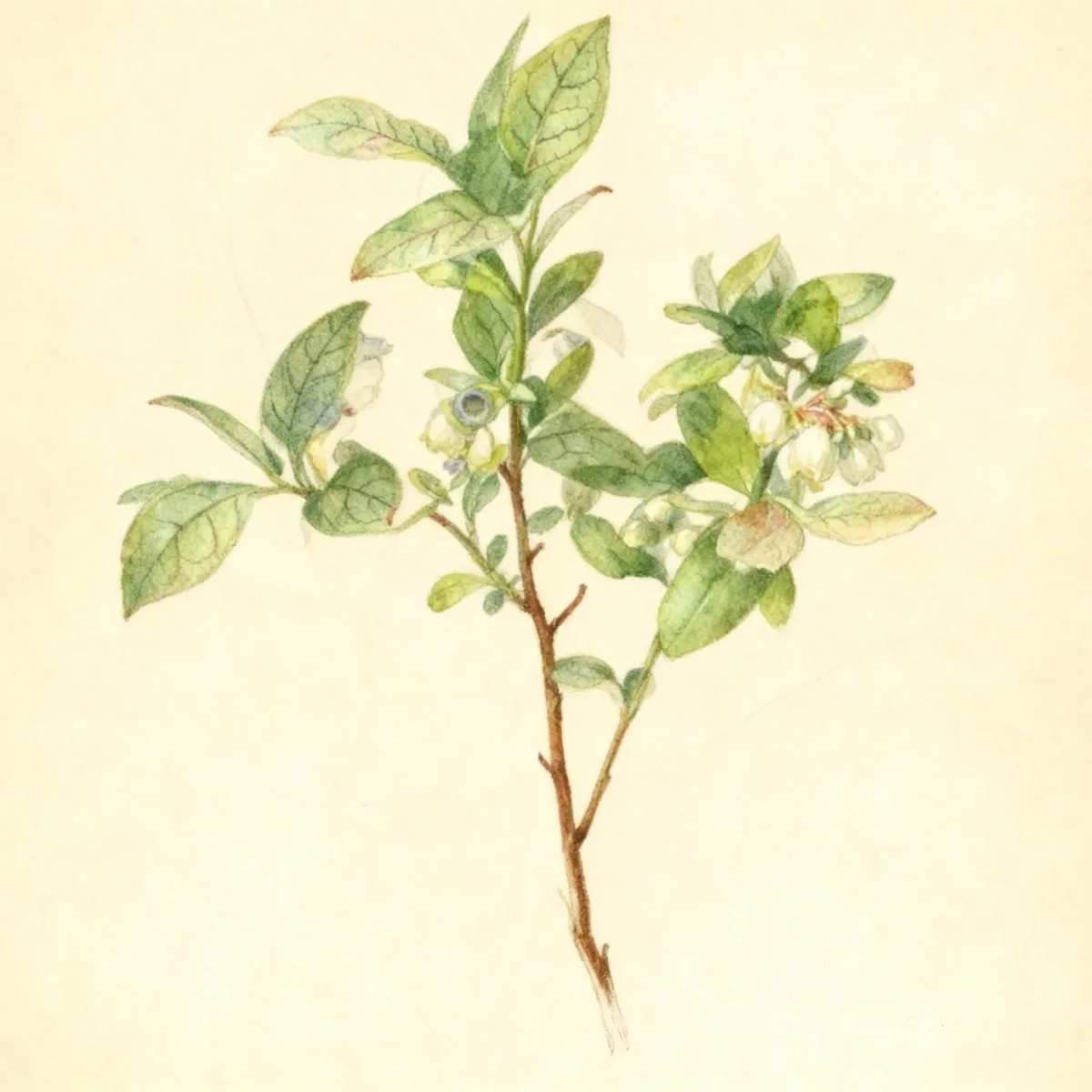
Highbush blueberry (Vaccinium 'Duke')
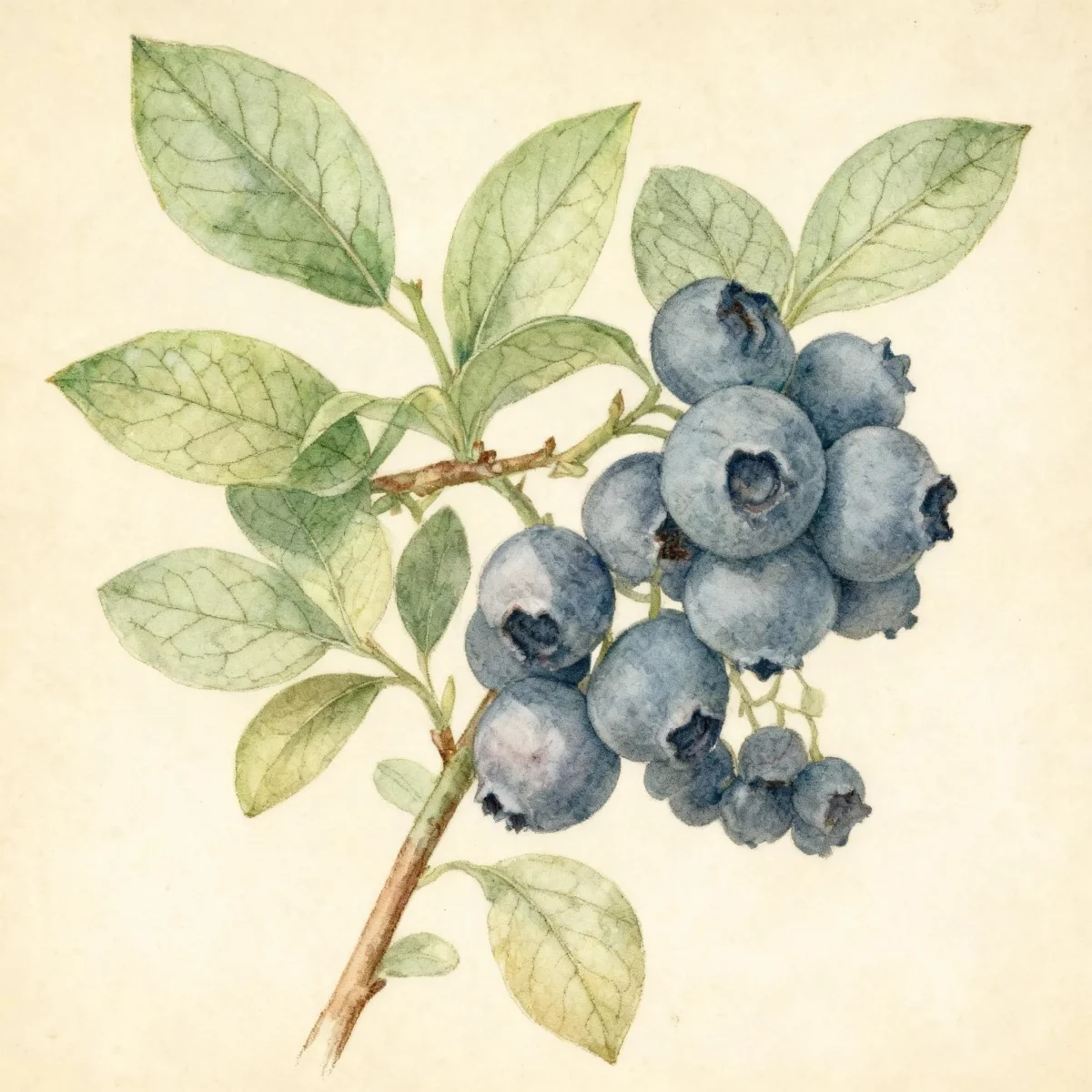
Vaccinium 'Duke' is a popular Highbush blueberry cultivar producing edible, light blue fruit. Perfect for acidic garden spots in zones 5-8.
Scroll down to discover growing tips, care requirements, companion plants, and more

Complete Plant Information
Overview
Vaccinium ‘Duke’ is highly valued as a dependable Highbush blueberry known for yielding abundant crops of medium to large, light blue fruit. This deciduous shrub offers significant ornamental appeal throughout the year, transitioning from showy spring flowers to vibrant fall foliage. Gardeners seeking reliable fruit production alongside aesthetic qualities choose Vaccinium ‘Duke’ for its manageable size and early season harvest window.
This cultivar typically matures to a height and spread between five and seven feet, fitting well into shrub borders or as an attractive, fruiting hedge. Successful cultivation relies heavily on mimicking its native acidic, moist soil conditions. While the berries themselves are mildly sweet, the primary success of this plant hinges on proper soil preparation and ensuring adequate pollination partners.
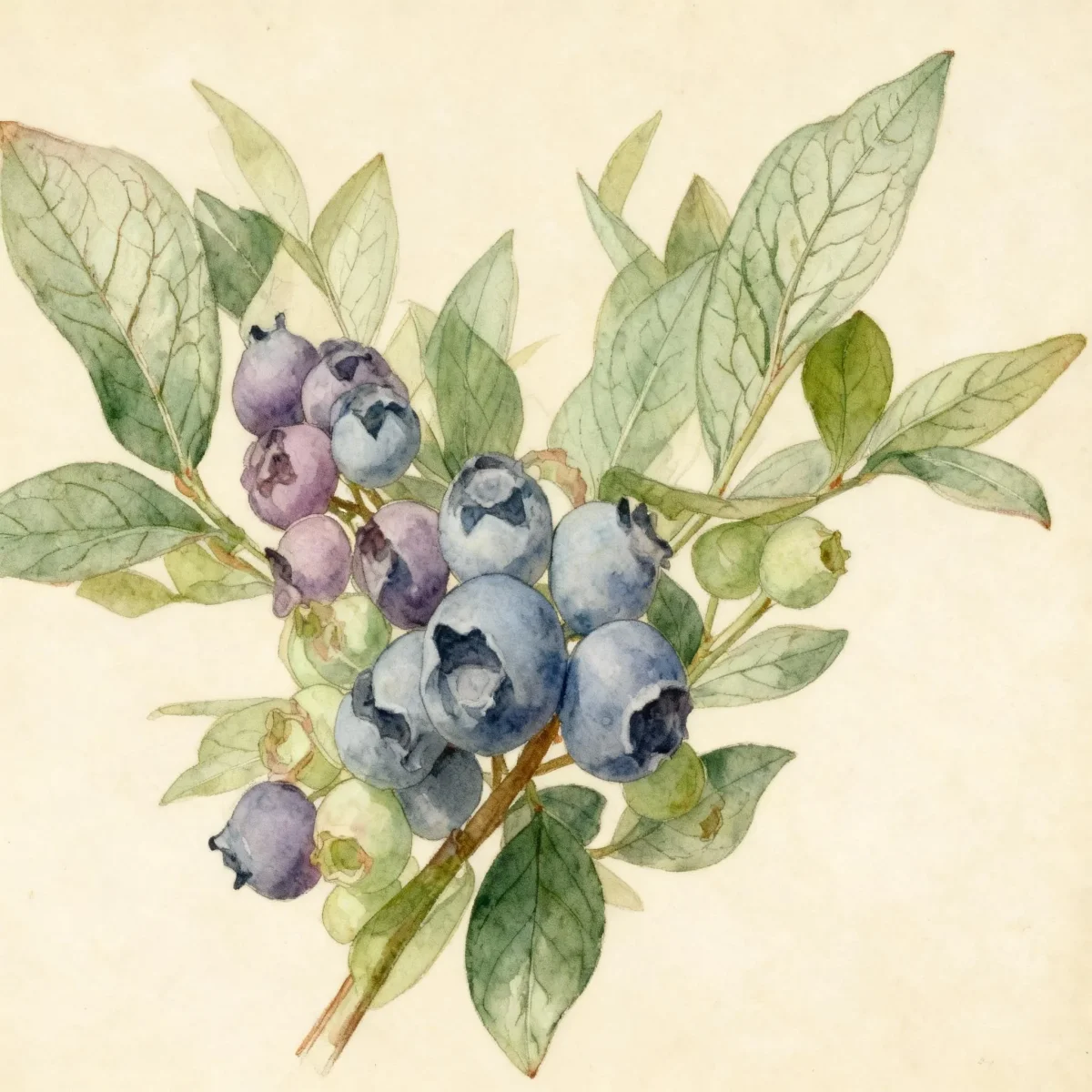
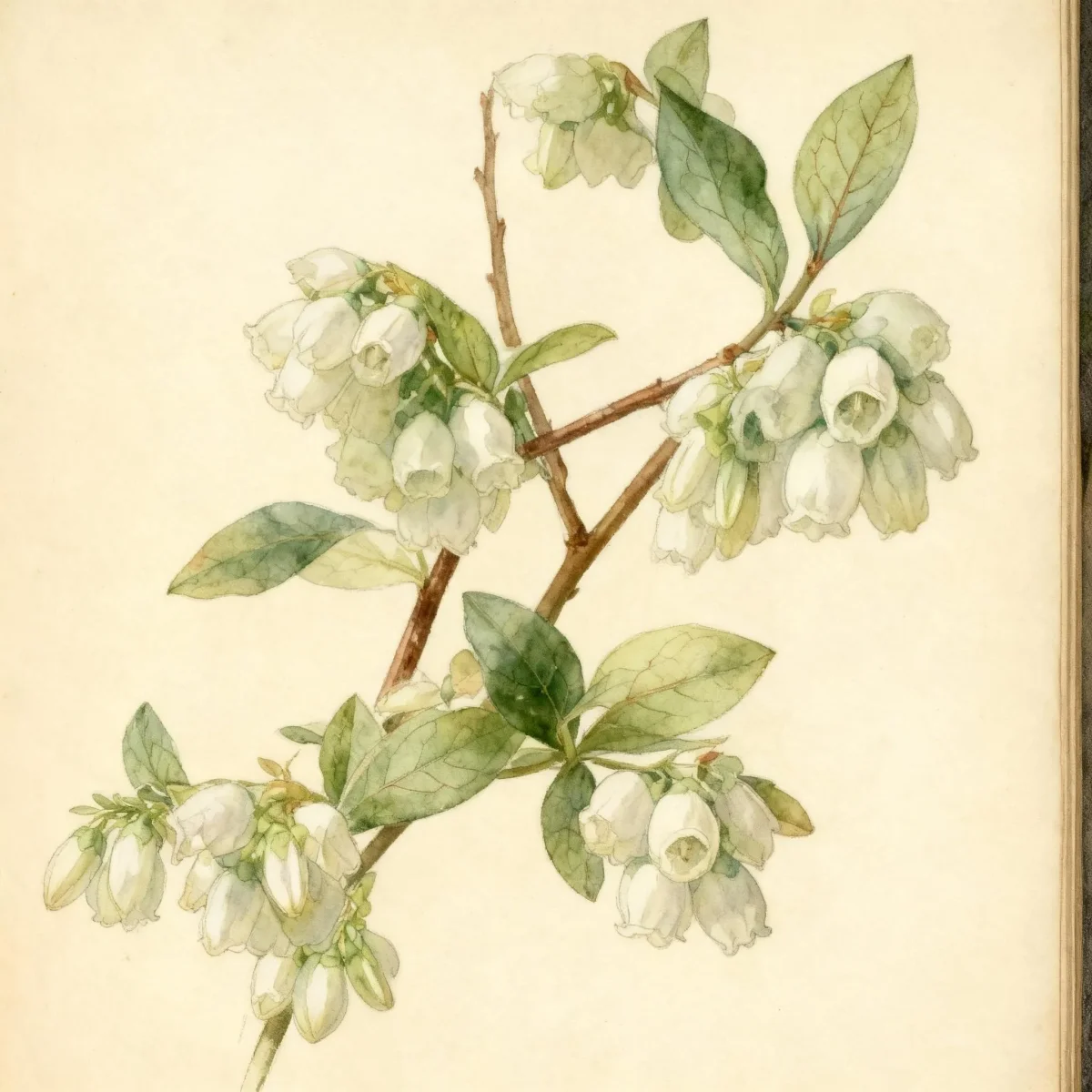
From its waxy white blossoms in May to the eventual ripening in early to mid-June, Vaccinium ‘Duke’ provides seasonal interest while serving as a productive food source. It requires medium maintenance to ensure peak performance, largely focused on soil pH management and appropriate yearly pruning.
Fast Facts
- Plant Family: Ericaceae
- Plant Type: Deciduous shrub
- Hardiness Zones: USDA Zones 5-8
- Size at Maturity:
- Height: 5-7 ft
- Spread: 5-7 ft
- Bloom Time: May
- Bloom Description: White
- Sun Exposure: Full sun to part shade
- Water Needs: Medium to wet
- Maintenance Level: Medium
How to Grow
Planting Vaccinium ‘Duke’ requires careful attention to soil chemistry, as this Highbush blueberry demands acidic conditions, ideally a pH between 4.0 and 5.2. Amend the soil deeply with organic matter like peat to achieve the required acidic, peaty, organically rich composition. Ensure the planting site permits well-drained soil, compensating for the fact that the shallow, fibrous roots require constant moisture.
Watering is critical; maintain medium to wet soil conditions, especially during dry spells, utilizing a deep organic mulch layer to help retain consistent moisture around the shallow root system. Although Vaccinium ‘Duke’ is self-fertile, planting it near other compatible blueberry varieties will significantly enhance fruit set, yielding larger berries and greater overall yields. To promote strong vegetative growth early in the plant’s life, remove all flowers in the first and second years after planting.
Pruning should be initiated in late winter, beginning in the third year post-planting. This ongoing process removes dead or unproductive wood and encourages new, fruit-bearing canes. Protect the developing fruit from birds, which are attracted to the ripening crop, by installing netting as harvest time approaches in early summer.
Landscape Uses
The Vaccinium ‘Duke’ Highbush blueberry excels in mixed landscape settings, valued for its four-season interest, including flowers, edible blueberries, quality summer foliage, and attractive fall color. Due to its 5-7 foot stature, it functions excellently as a low hedge, providing both screening and a reliable fruit harvest. This plant is particularly effective when situated alongside other acid-loving species like rhododendrons and azaleas, creating cohesive groupings that share similar cultural requirements.
Consider incorporating Vaccinium ‘Duke’ into shrub borders or informal woodland plantings where its natural growth habit can be appreciated. When used as a stand-alone specimen or in mass plantings, the ornamental value of its blue fruit and late flowering habit is maximized. Integrating it into native plant gardens leverages its natural affinity for slightly acidic, moist soils.
Standout Features
Flower Qualities
- Showy
Fruit Qualities
- Showy
- Edible
Noteworthy Characteristics
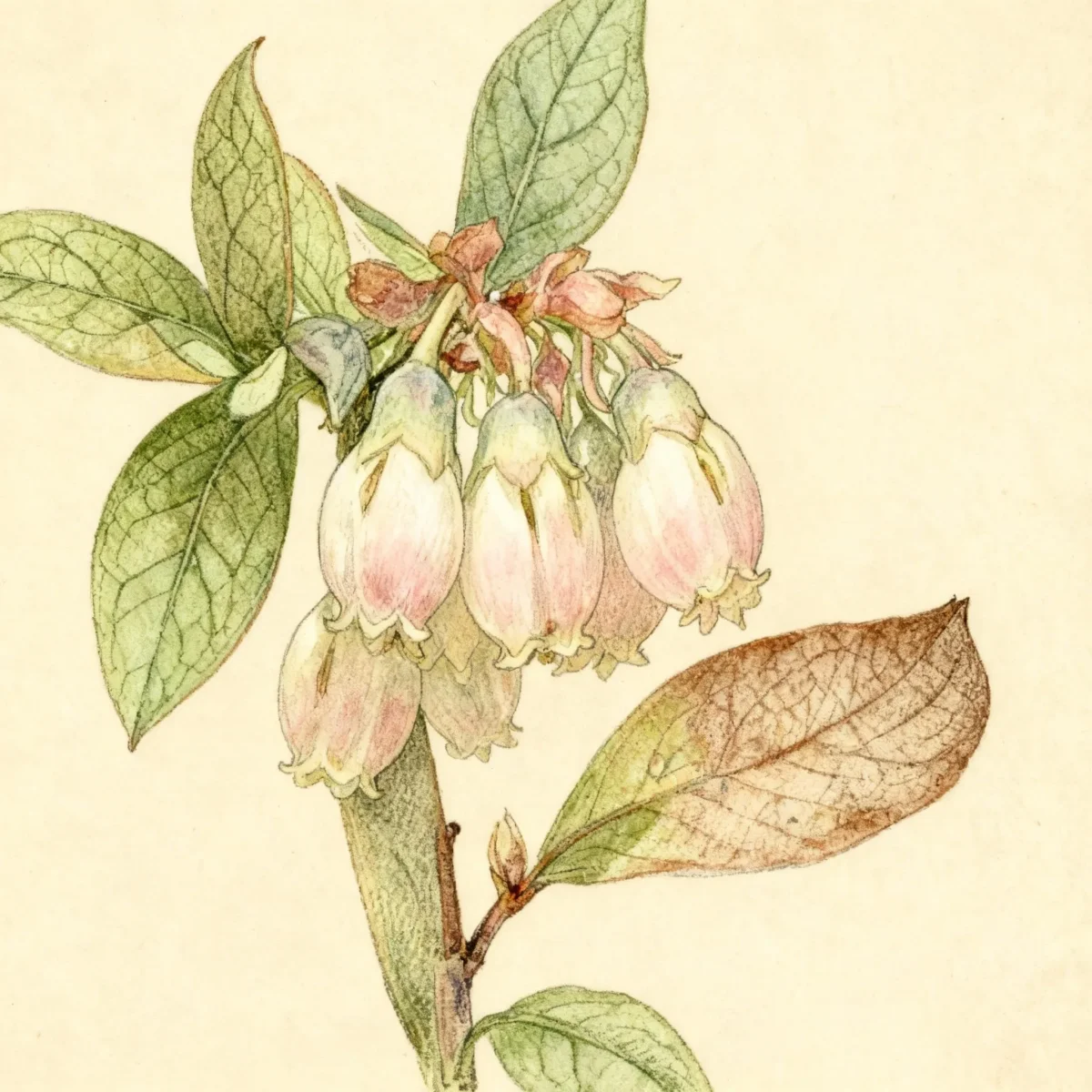
‘Duke’ is a popular highbush cultivar, typically reaching 5-7 feet tall, known for flowering late but fruiting early with an abundant crop. The process begins with waxy, bell-shaped white flowers in May, followed by medium to large, light blue blueberries ripening in early to mid-June, characterized by a mildly sweet flavor. Furthermore, its ovate, dark green leaves develop attractive yellow and orange hues as the growing season concludes.
Tolerances
- Chlorosis (yellowing of leaves) may occur in high pH soils.
Potential Problems
While Vaccinium ‘Duke’ generally avoids serious insect or disease issues, gardeners must anticipate potential wildlife interference; birds are highly fond of the ripening fruit and netting may be necessary for crop protection. Soil conditions present the main cultural challenge, as high pH soils lead to chlorosis, or yellowing of the leaves, due to nutrient lockout. Infrequent fungal issues can include stem blight, anthracnose, and mummy berry, which causes berries to shrivel. Preventative measures involve maintaining optimal soil acidity and ensuring good air circulation through timely pruning. Blueberry maggot and cherry fruit worm are occasional insect pests targeting the developing fruit.
Frequently Asked Questions
What hardiness zones is Highbush blueberry suitable for?
The Vaccinium ‘Duke’ Highbush blueberry is best suited for USDA hardiness zones 5 through 8.
How large does Vaccinium ‘Duke’ grow?
This cultivar typically achieves a mature height between 5 and 7 feet, with a corresponding spread of 5 to 7 feet.
When does Highbush blueberry bloom?
Vaccinium ‘Duke’ produces waxy, bell-shaped white flowers during the month of May.
What sun exposure does Vaccinium ‘Duke’ need?
For best performance and fruit production, this Highbush blueberry requires full sun to partial shade conditions.
Conclusion
The Vaccinium ‘Duke’ Highbush blueberry provides gardeners with delicious, early-ripening blue fruit alongside attractive ornamental features throughout the year. Achieving success with this plant hinges on consistently acidic soil and adequate moisture, which are non-negotiable cultural requirements. Before planting, thoroughly test your soil and plan for cross-pollination to maximize your harvest of this productive Highbush blueberry.
Companion Planting
Selecting companions with similar cultural needs maximizes garden efficiency, especially concerning soil acidity. When planting Vaccinium ‘Duke’, consider acid-loving evergreen shrubs like Rhododendrons and Azaleas, which thrive in the same low-pH, high-organic matter substrates. Groundcovers that enjoy acidic, slightly airy conditions, such as certain varieties of heather or low-growing ferns, can help shade the shallow roots and maintain consistent soil moisture. Avoid planting near alkaline-loving species, as their differing needs will inevitably lead to soil amendments conflicting with the blueberry’s critical requirements.
Design Ideas
This cultivar’s neat, upright habit makes it an excellent choice when formal structure is desired within an edible landscape. Utilizing Vaccinium ‘Duke’ to create a low, edible hedge along a property line or pathway provides functional screening that also yields fruit you can harvest right from the edge of the border. Planted against a backdrop of dark green conifers or lighter-colored stone walls, the visual contrast against the blue fruit in mid-summer becomes striking. For a naturalistic aesthetic, intersperse them loosely among native grasses, leveraging their tolerance for open woodland edges when adequate sun penetration is provided.