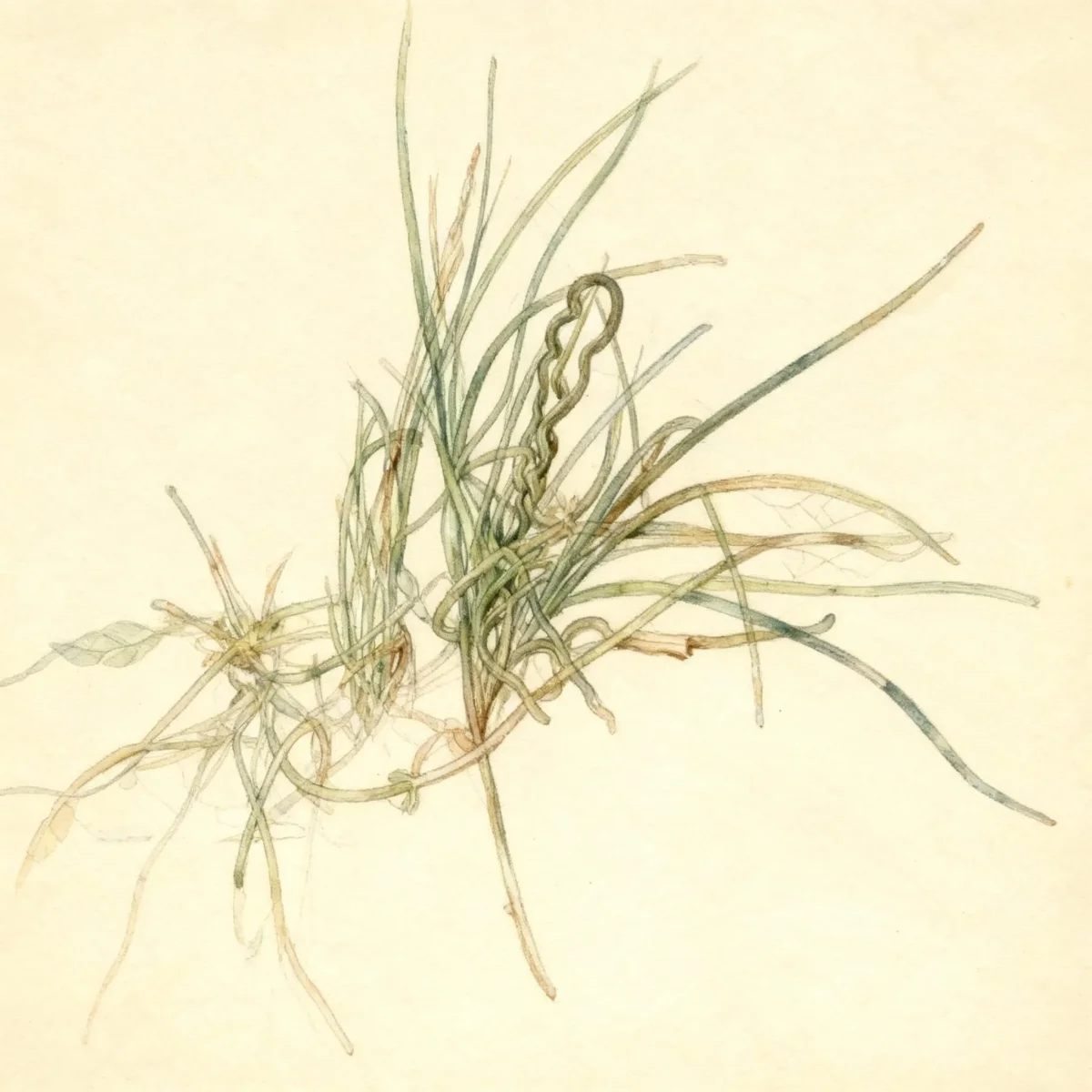
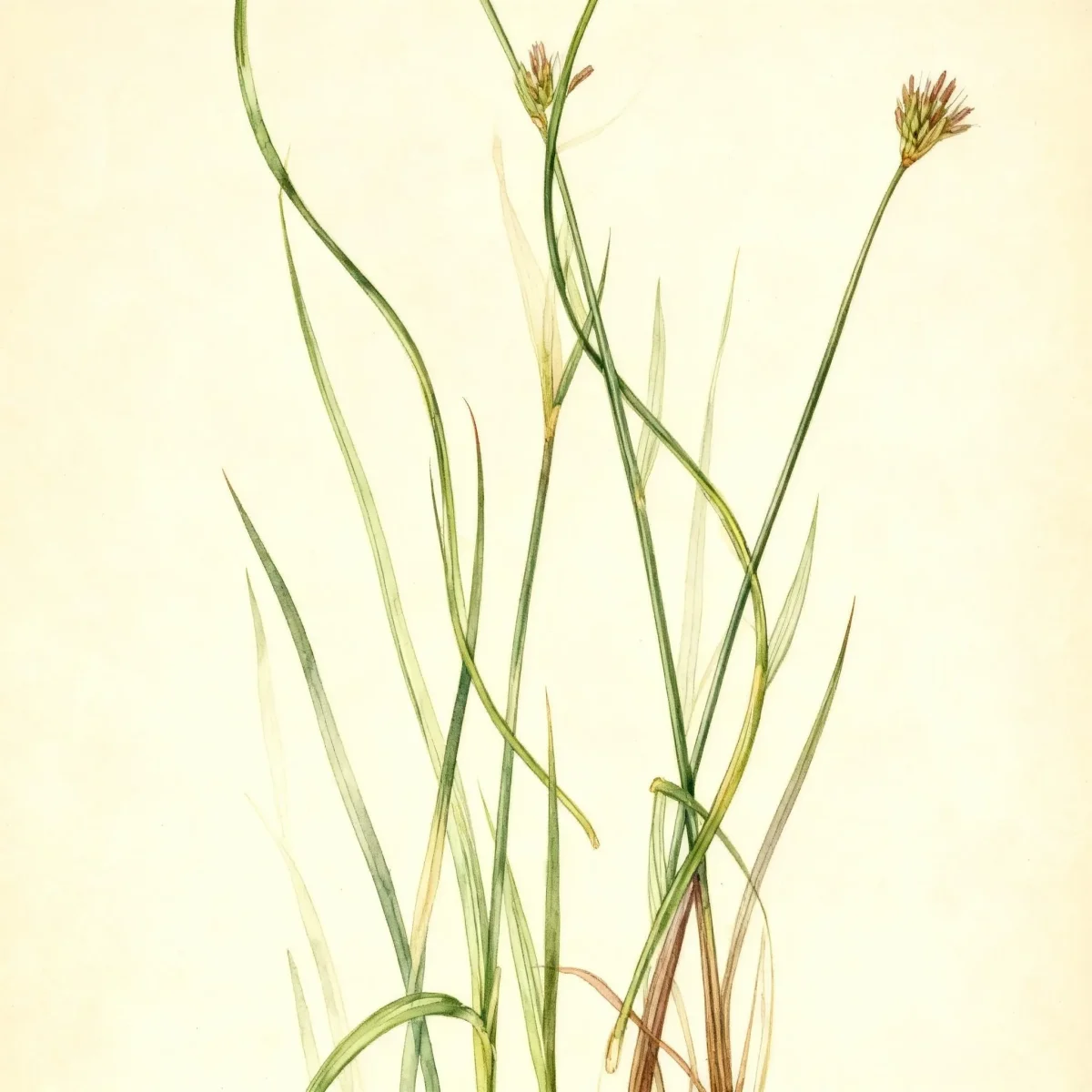
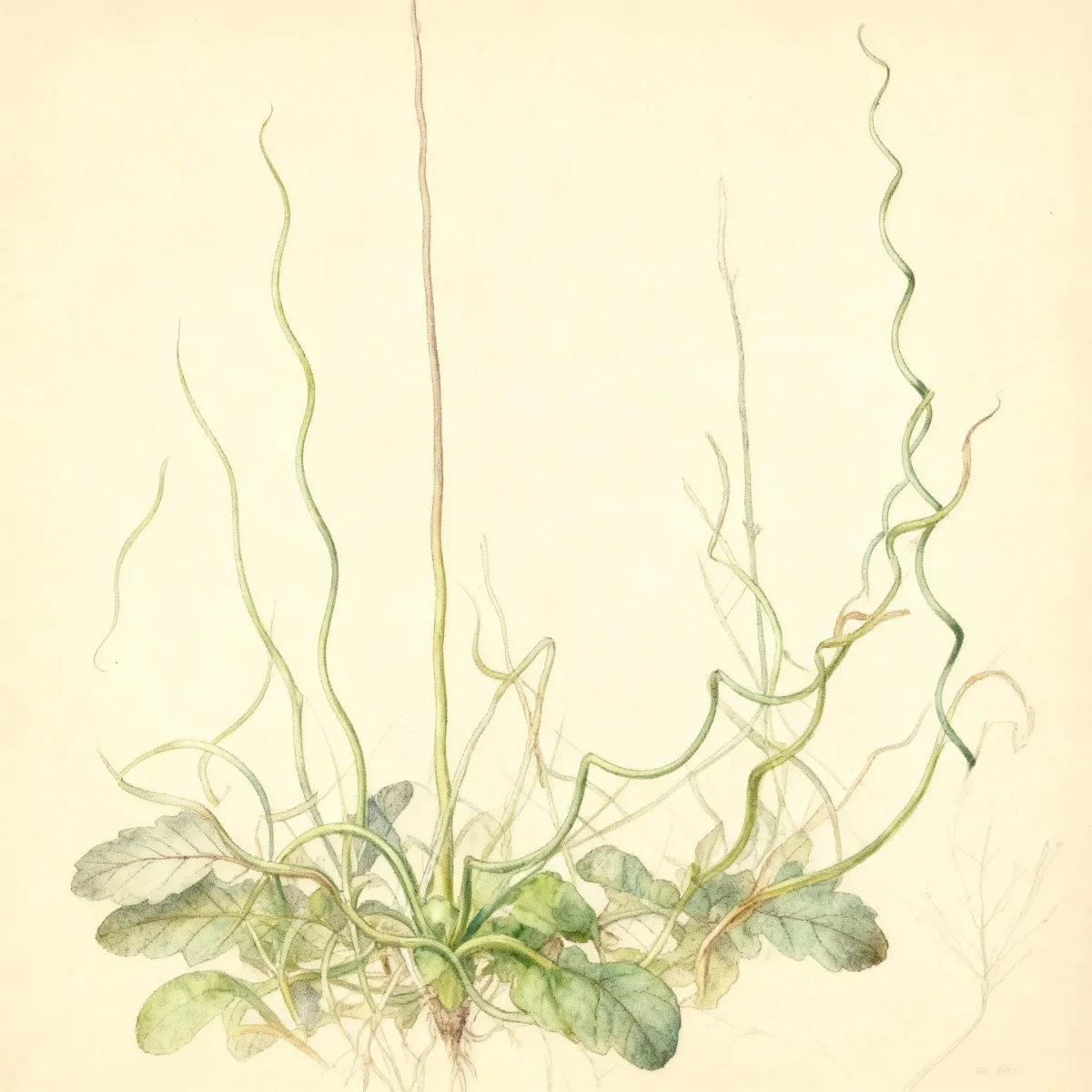
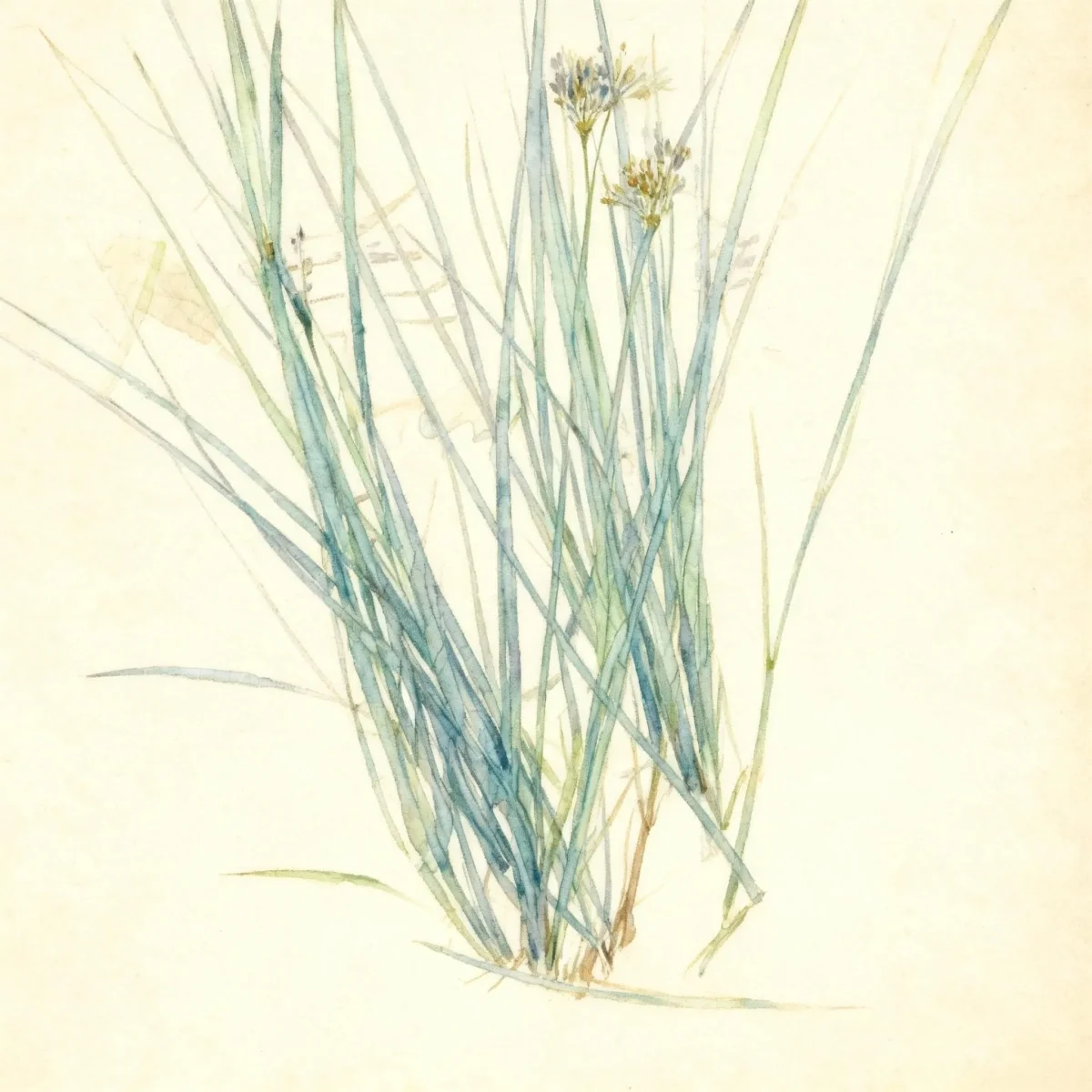
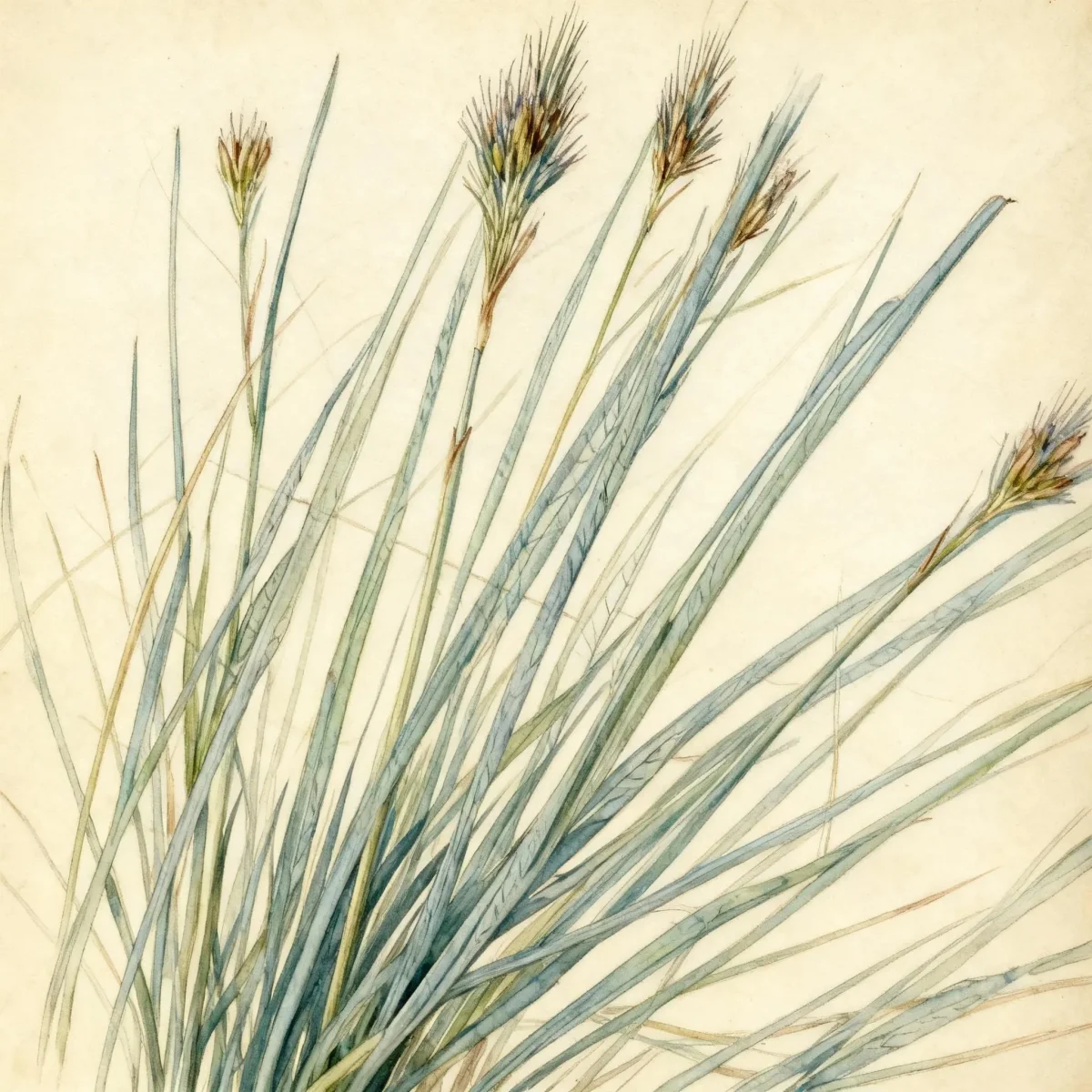
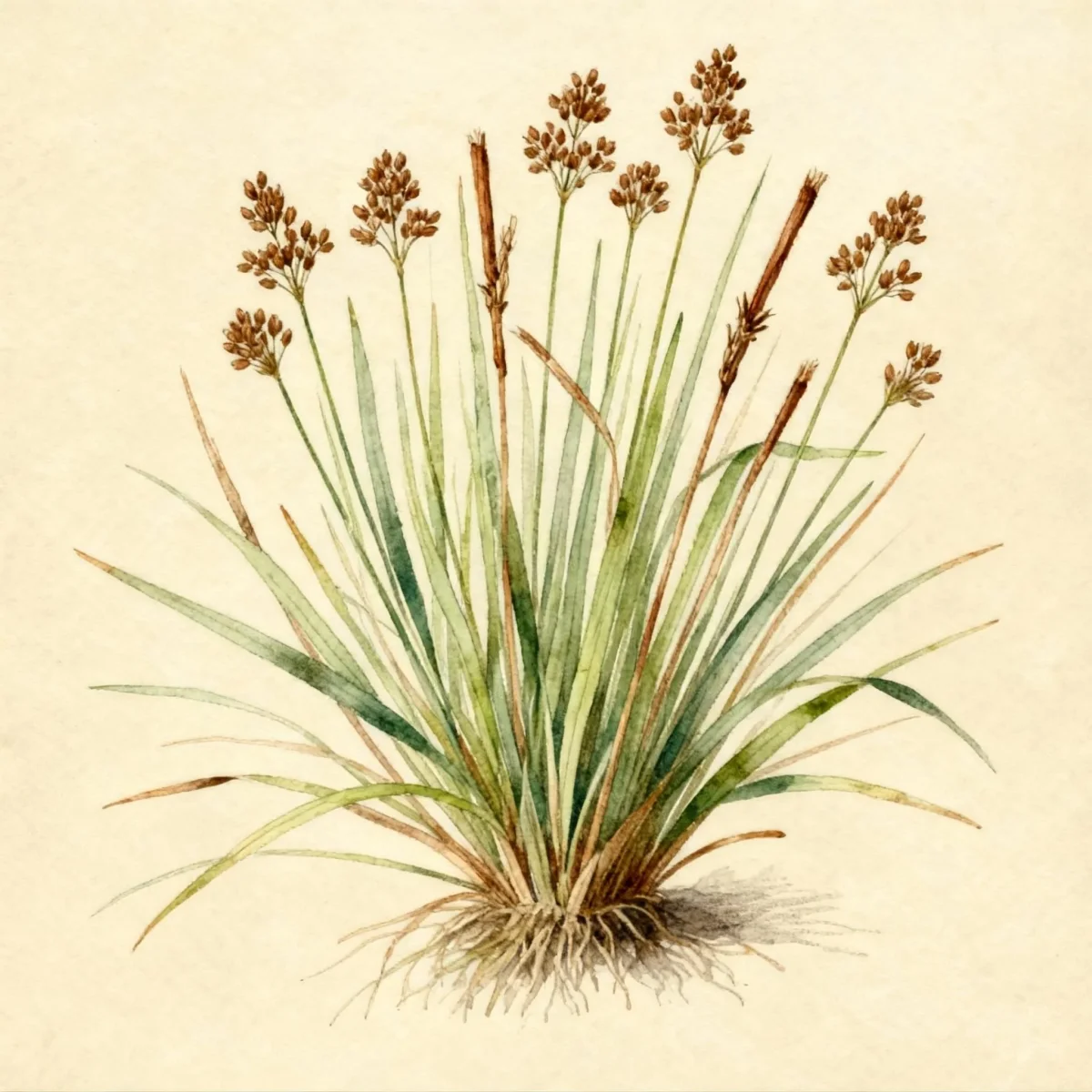
Corkscrew rush (Juncus effusus 'Quartz Creek')
The distinctive Corkscrew rush, Juncus effusus 'Quartz Creek', offers unique texture for wet areas. Low maintenance and thrives in full sun.
Scroll down to discover growing tips, care requirements, companion plants, and more
Complete Plant Information
Overview
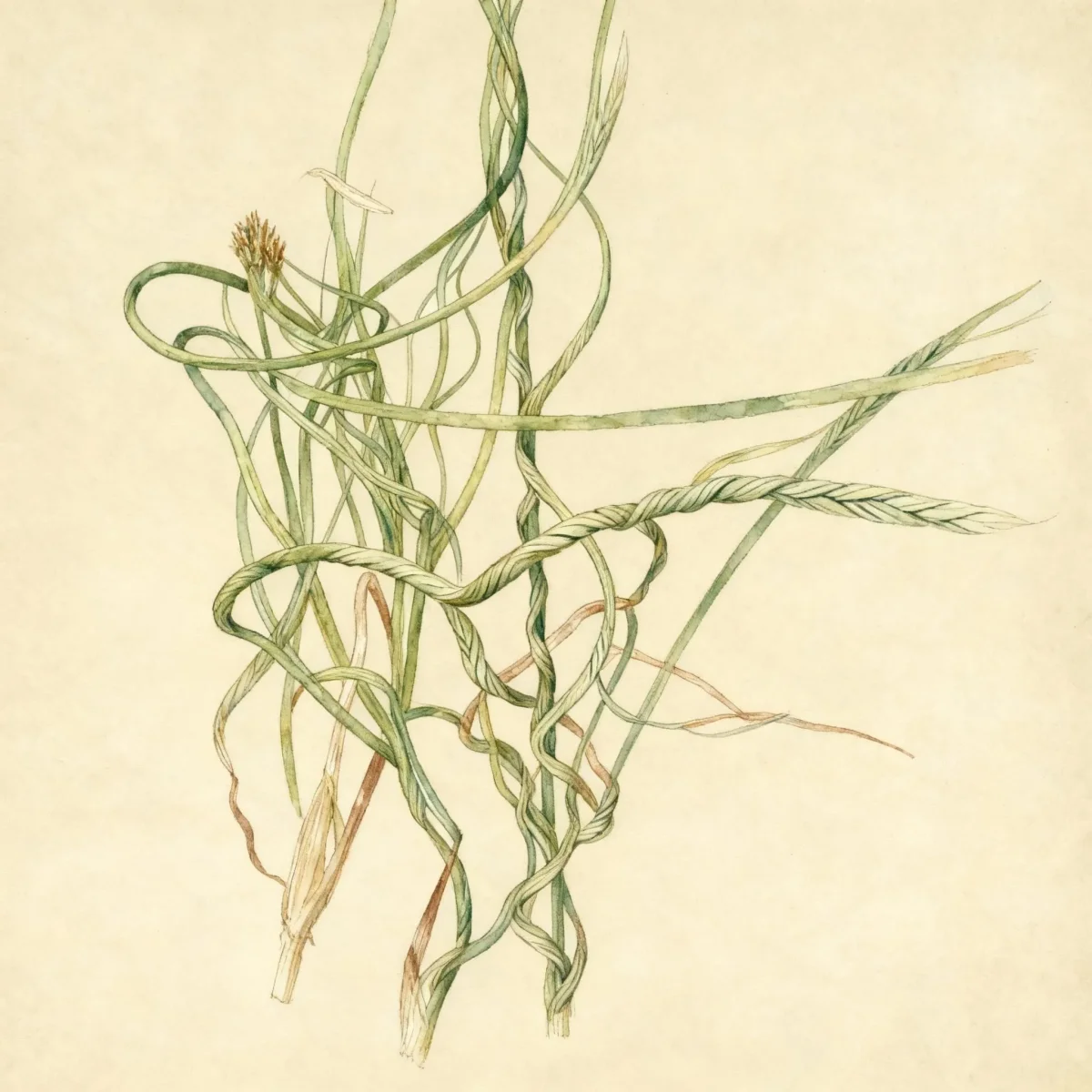
Juncus effusus ‘Quartz Creek’, commonly known as Corkscrew rush, is instantly recognizable due to its unique, spiraling green stems that add fantastic architectural interest to any damp landscape setting. This cultivar of soft rush provides strong vertical accents where typical foliage might appear flat or uninteresting. Its low maintenance needs make it an excellent choice for busy gardeners looking for dramatic texture near water features or in rain gardens.
This rhizomatous perennial is happiest when provided consistently moist to completely wet soil conditions, making it an indispensable player in water gardening and boggy areas. While the species rushes are often relegated to utility roles, the cultivar ‘Quartz Creek’ elevates the plant to a superb specimen, slowly colonizing areas to create lush, textural groupings.
The appeal of the Corkscrew rush extends beyond its unique form; it actively contributes to landscape management by stabilizing moist banks and thriving where turf grasses fail. For gardeners focused on texture, verticality, and water-loving companions, Juncus effusus ‘Quartz Creek’ is a vital addition.
Fast Facts
- Plant Family: Juncaceae
- Plant Type: Rush or Sedge
- Hardiness Zones: USDA Zones 4-9
- Size at Maturity:
- Height: 1.5-3 ft
- Spread: 1.5-3 ft
- Bloom Time: June to August
- Bloom Description: Yellow green to pale brown
- Sun Exposure: Full sun
- Water Needs: Wet
- Maintenance Level: Low
How to Grow
The best time to establish Juncus effusus ‘Quartz Creek’ is in the spring after the danger of hard frost has passed, allowing the rhizomes time to settle before winter dormancy. Plant in full sun for the best stem orientation and tightest growth habit, though it tolerates partial shade. This rush requires moist to wet soils; it performs admirably when standing water is present up to 4 inches deep, but it also establishes well in consistently damp garden soils.
Maintenance is generally very low once established. Watering should focus on keeping the soil saturated during the growing season. Little to no fertilization is necessary, as rushes prefer lean soils. In colder climates where the plant dies back, prune old foliage close to the ground in early spring before new growth emerges.
Juncus effusus ‘Quartz Creek’ spreads via rhizomes and self-seeding, which can be managed by planting it in large containers sunk into the ground if containment is desired. In warmer winter regions, the foliage may remain evergreen, minimizing the need for heavy spring cleanup. Propagation is easily done through division of the clumps or by seed. Note that ‘Quartz Creek’ often shows better tolerance for medium moisture soils compared to the species form.
Landscape Uses
The architectural quality of the Corkscrew rush makes it highly versatile in moisture-rich landscapes. It is a superb Water Plant, excellent for the marginal zones of ponds or water gardens where its unique stems create movement against still water. Because of its structure, it functions wonderfully as a specimen plant in containers, adding height and drama near patios or decks.
When used in mass plantings or naturalized areas, Juncus effusus ‘Quartz Creek’ excels in Rain Garden designs, absorbing excess runoff and providing necessary vertical contrast among lower-growing moisture-loving perennials. Its vigorous rhizomatous system also makes it useful for erosion control on moist banks.
Consider pairing this rush with broad-leaved bog companions like Iris or Caltha, or use it to soften the edges of hardscaping rocks. The subtle yellow-green blooms appearing from June through August add texture without competing with brightly colored flowers elsewhere in the garden design.
Flower Qualities
- Showy
Noteworthy Characteristics
Juncus effuses, commonly known as soft rush, common rush, bog rush or mat rush, is a grasslike-like, rhizomatous, wetland perennial that features smooth, upright, cylindrical, unjointed, spire-like green stems (leaves are absent) which grow in spreading basal clumps to 20-40” tall. It is one of the true rushes. It has a nearly cosmopolitan distribution, being found in many places around the world, but primarily in cool-temperate regions, particularly ones having wet soils. Clumps provide vertical accent to moist garden areas. ‘Quartz Creek’ is a cultivar that grows to 3’ tall on lime green to rich green stems wrapped at the base with visible brown basal sheaths.
Tolerances
- Erosion
- Wet Soil
Potential Problems
This plant generally exhibits excellent resistance to most common garden pests and diseases. However, in consistently poor air circulation or excessively humid conditions, issues like rust, leaf spot, or stem rots can occasionally develop. Management involves ensuring adequate spacing for air flow and promptly removing and destroying any heavily infected foliage to prevent spread.
Frequently Asked Questions
What hardiness zones is Corkscrew rush suitable for?
Juncus effusus ‘Quartz Creek’ is reliably cold-hardy, thriving in USDA Zones 4 through 9.
How large does Corkscrew rush grow?
This cultivar typically reaches a mature height between 1.5 and 3 feet tall, with a similar spread of 1.5 to 3 feet, forming upright clumps.
What sun exposure does Juncus effusus ‘Quartz Creek’ need?
For the tightest spirals and best overall health, this rush requires full sun, though it can tolerate some partial shade.
When does Corkscrew rush bloom?
The subtle bloom period for Juncus effusus ‘Quartz Creek’ is from June to August, producing insignificant flowers described as yellow green to pale brown.
Conclusion
The Corkscrew rush offers unmatched visual excitement for wet environments, standing out with its uniquely twisted stems and very low maintenance requirements. Integrating Juncus effusus ‘Quartz Creek’ into your bog garden or water feature ensures year-round texture and architectural interest. Before planting, confirm your site offers the necessary wet soil conditions to fully enjoy this fantastic rush.
Companion Planting
When selecting partners for Juncus effusus ‘Quartz Creek’, focus on other moisture-loving plants that complement its upright texture without overwhelming it. Good companions often include cardinal flower (Lobelia cardinalis) for a splash of vertical color, or various moisture-loving ferns that enjoy dappled light near the edge of a water feature. For contrast in texture, plant the fine foliage of Marsh Marigold (Caltha palustris) nearby.
Propagation Tips
Propagating Corkscrew rush is straightforward, relying on two primary methods. Division is the easiest technique; lift dormant clumps in early spring and separate sections, ensuring each new piece has healthy rhizome tissue attached. Alternatively, seed collection is possible after the inconspicuous summer flowers mature into capsules, though plants grown from seed may revert slightly from the strict form of the ‘Quartz Creek’ cultivar.