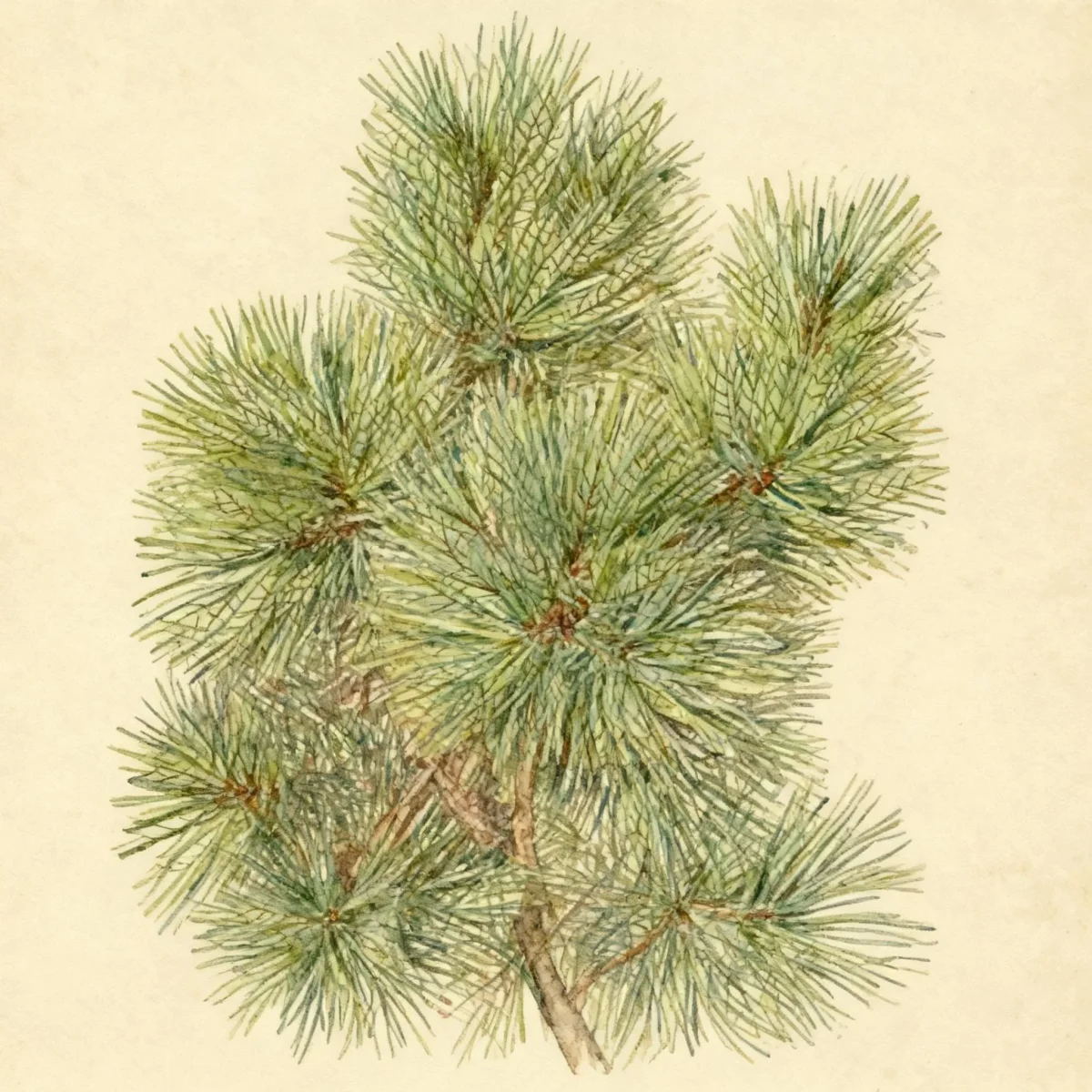
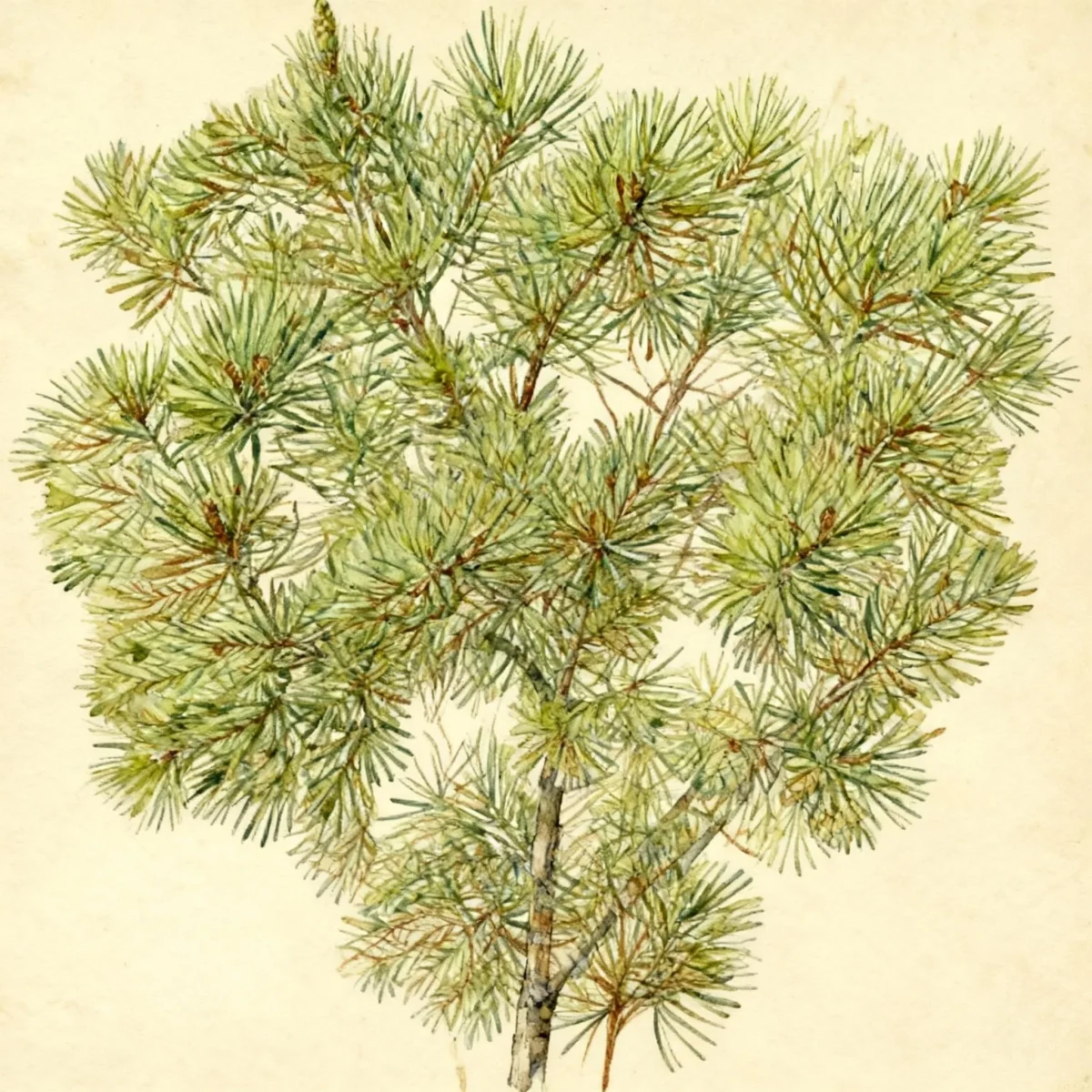
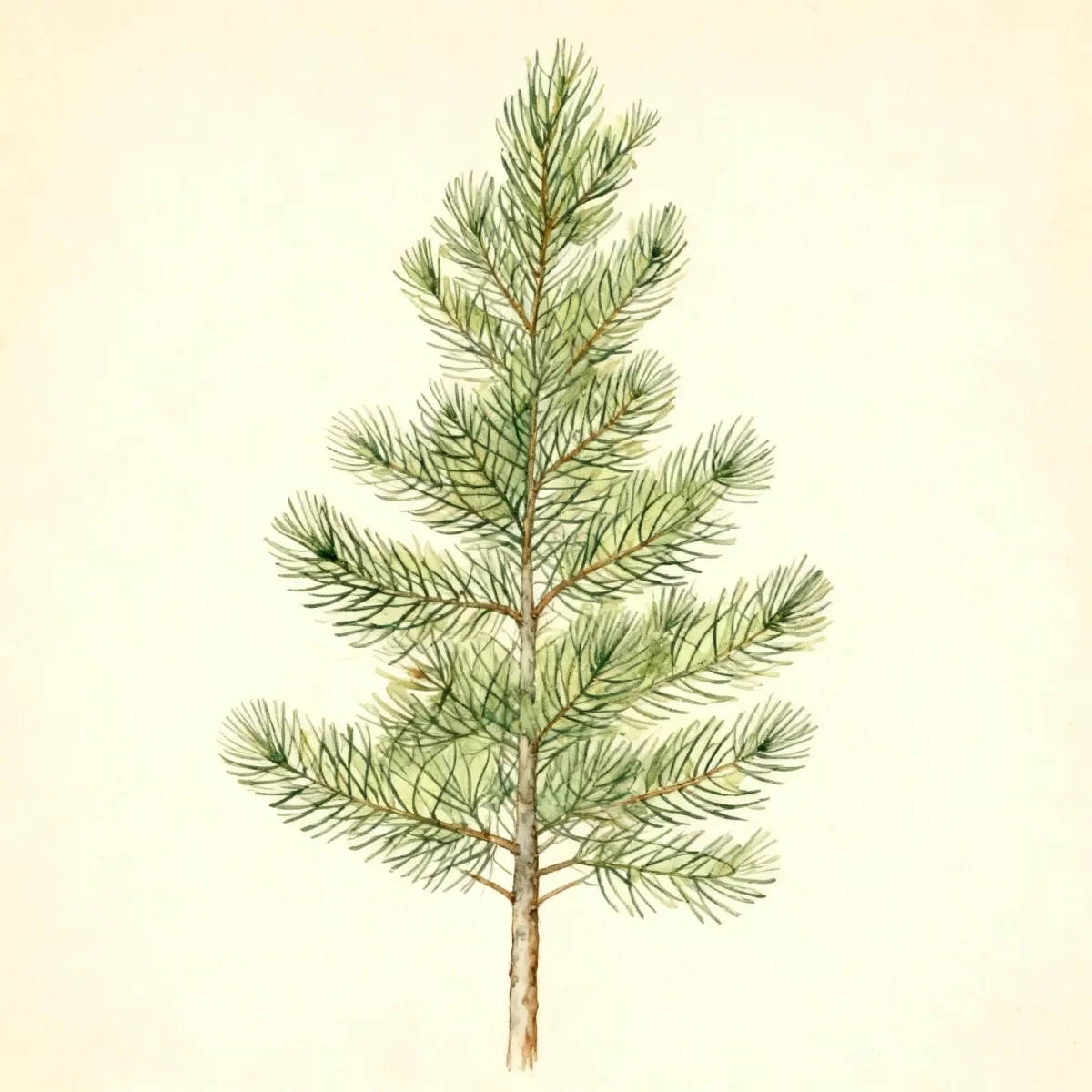
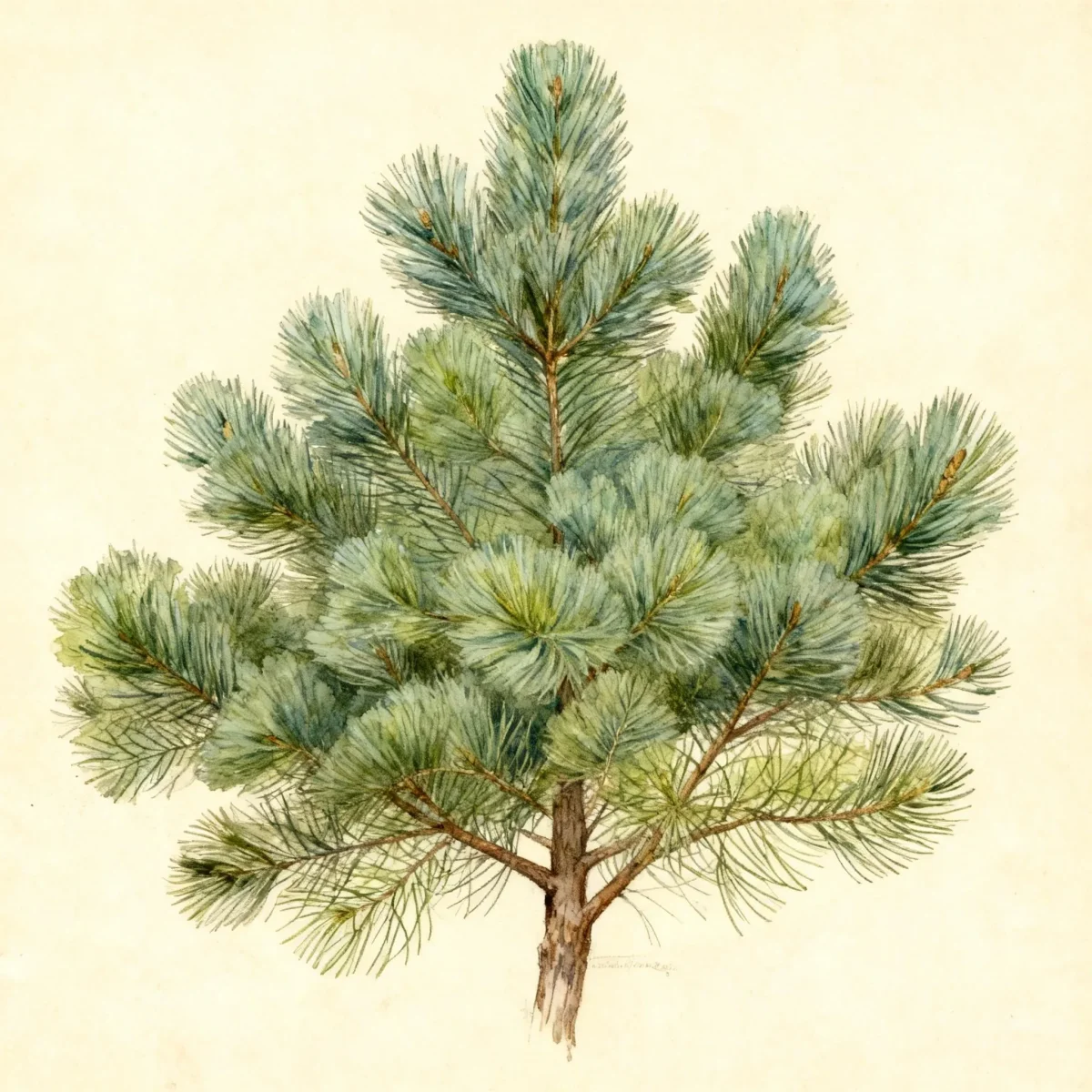
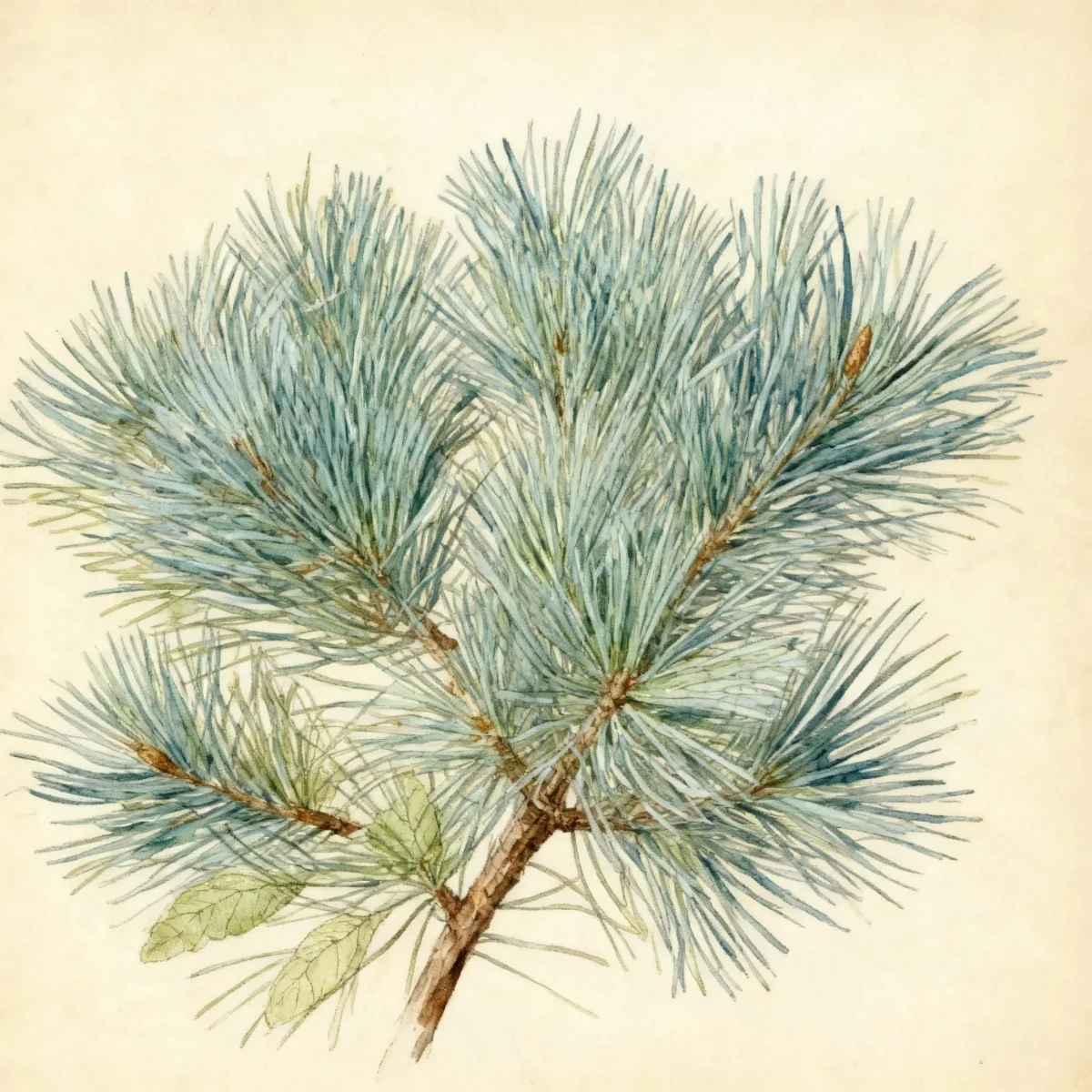
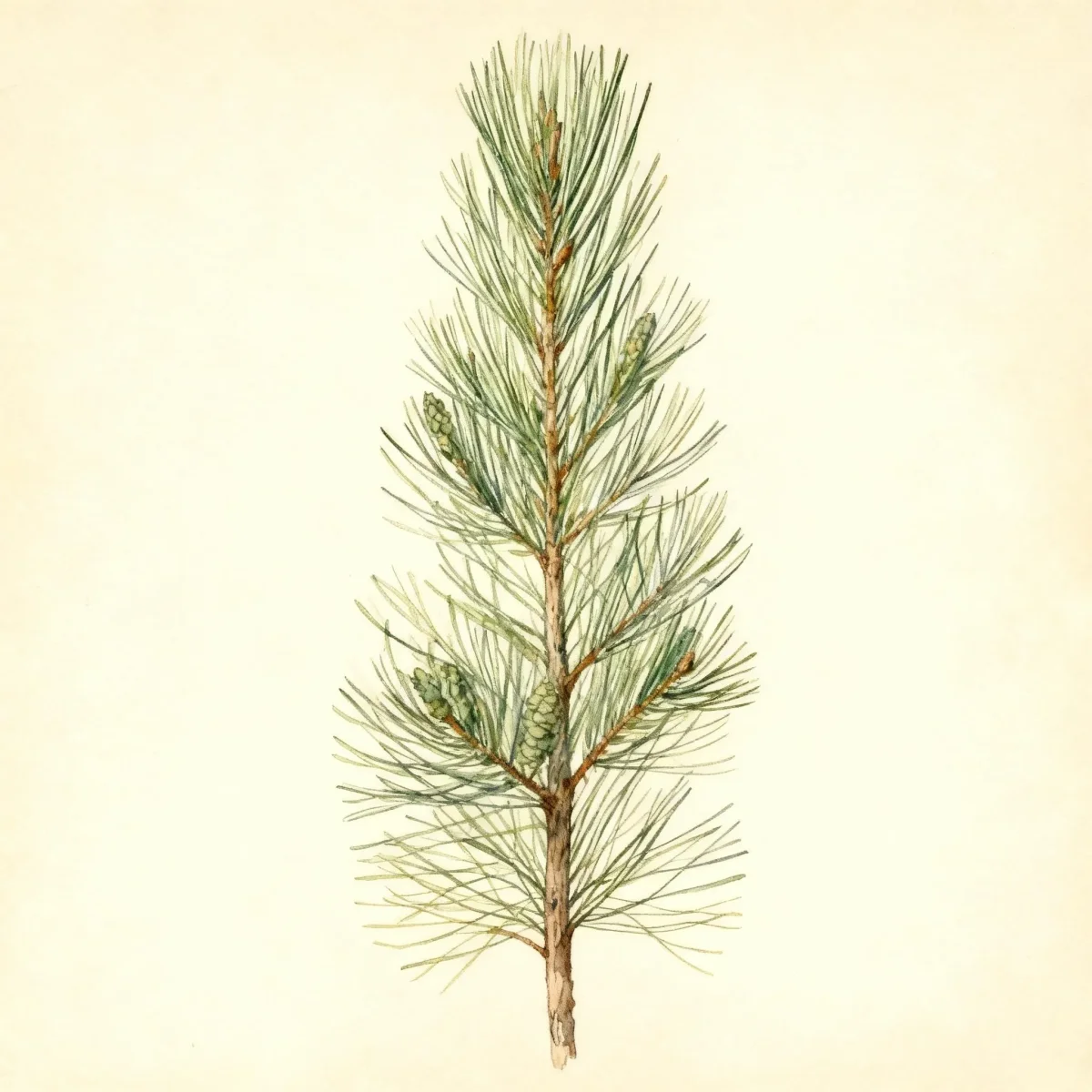
Eastern white pine (Pinus strobus 'Sea Urchin')
Pinus strobus 'Sea Urchin' is a dwarf Eastern white pine perfect for rock gardens, offering dense, slow-growing evergreen texture.
Scroll down to discover growing tips, care requirements, companion plants, and more
Complete Plant Information
Overview
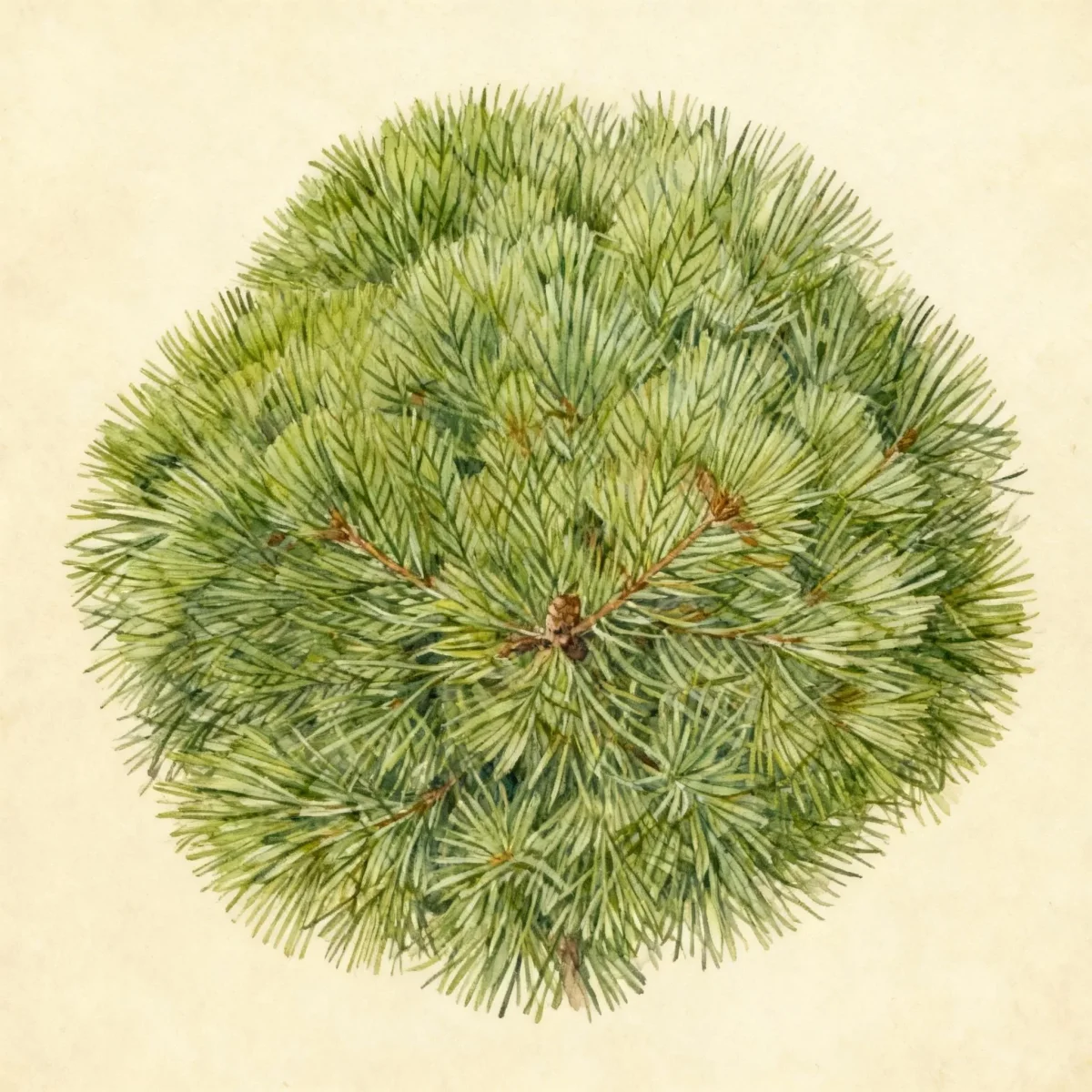
The Pinus strobus ‘Sea Urchin’ is a highly valued cultivar of the majestic Eastern white pine, specifically bred for compact growth perfect for smaller landscapes. Unlike its towering relatives, this dwarf selection maintains a dense, flattened globe habit, adding year-round structure without demanding vast amounts of space. This makes the Pinus strobus ‘Sea Urchin’ an exceptional choice for collectors or those seeking year-round interest in defined garden spaces.
As a slow-growing needled evergreen, it offers soft, bluish-green needles that are pleasant to the touch, providing a textural contrast against bolder foliage. While the full-sized Eastern white pine is known for its massive size and timber value, Pinus strobus ‘Sea Urchin’ brings that classic aesthetic into the rock garden or border front with minimal yearly growth, averaging only 1-2 inches annually.
This cultivar retains the hardiness of the native Eastern white pine (Zones 3-8) but provides immediate gratification in controlled settings where the large tree simply won’t fit. Its low maintenance needs and excellent textural qualities make it a staple for detailed, structured garden designs.
Fast Facts
- Plant Family: Pinaceae
- Plant Type: Needled evergreen
- Hardiness Zones: USDA Zones 3-8
- Size at Maturity:
- Height: 2-3 ft
- Spread: 2-4 ft
- Bloom Time: Non-flowering
- Bloom Description: Non-flowering
- Sun Exposure: Full sun to part shade
- Water Needs: Medium
- Maintenance Level: Low
How to Grow
Planting Pinus strobus ‘Sea Urchin’ should occur preferably in spring or early fall when temperatures are mild, allowing the root system to establish before seasonal extremes. Site selection is critical; this cultivar thrives in full sun but tolerates light afternoon shade. Ensure the location offers well-drained soil that is consistently moist, leaning towards acidic pH, as fertile soils are preferred for optimal growth.
Watering should be moderate and consistent, especially during the first few seasons after planting to encourage deep root development. Once established, the Pinus strobus ‘Sea Urchin’ is relatively drought-tolerant but avoids overly dry conditions. Due to its slow rate of growth, heavy fertilization is usually unnecessary, though a light application of slow-release evergreen food in early spring can support its bluish-green needle retention.
This dwarf selection requires minimal pruning; its desirable globe shape is natural. Avoid shearing heavily, as this can mar the appearance of the needle bundles. Be particularly mindful of the soil conditions: this pine is highly intolerant of compacted clay soils and alkaline pH levels, which stress the plant and increase susceptibility to pests.
Landscape Uses
The compact habit of Pinus strobus ‘Sea Urchin’ opens up numerous possibilities for detailed landscape design. Its dense, mounding globose form makes it an excellent accent specimen where texture and form are paramount. It shines as a focal point in a rock garden, contrasting beautifully with hardscaping elements or creeping groundcovers.
For those following Japanese garden design principles, this dwarf Eastern white pine serves perfectly as a structural element, positioned near water features or adjacent to carefully placed stones. It also functions outstandingly well along the front of borders or foundations where a permanent, neat evergreen feature is required that will not rapidly outgrow the space. Consider planting it near contrasting broadleaf evergreens to enhance its fine texture.
Standout Features
Noteworthy Characteristics
Pinus strobus, commonly called Eastern white pine, is a rapid-growing, long-lived, needled evergreen tree that is native to the northeastern United States and Canada (State tree of Maine and Michigan). Although pyramidal in its early years, it matures to a broad oval habit with an irregular crown. Landscape size and shape can be controlled through pruning, however, to the extent that white pine may be sheared and grown as a hedge. Bluish green needles (to 5” long) are soft to the touch and appear in bundles of five. Genus name comes from the Latin name for pines. Specific epithet in Greek means cone but here it may refer to an incense-bearing or gum-yielding tree. Pinus strobus ‘Sea Urchin’ is a dwarf selection that forms a dense flattened globe of bluish green needles to 2-3’ tall and as wide over the first ten years, growing slowly at about 1-2” per year.
Tolerances
- Rabbit
- Deer
Potential Problems
While Pinus strobus ‘Sea Urchin’ is low-maintenance, its susceptibility to various pests and diseases inherited from the standard Eastern white pine warrants attention, especially in areas with humid summers. The most serious threat is white pine blister rust, a destructive bark disease; management requires rigorously avoiding the planting of host species like currants and gooseberries (Ribes species) nearby.
Other fungal issues include various cankers, which can weaken branches. For insect management, be vigilant for the white pine weevil, white pine shoot borer, and scale insects. Good cultural practices—like ensuring excellent drainage, maintaining soil acidity, and avoiding compaction—are the best proactive defense against infection and pest infiltration in your Pinus strobus ‘Sea Urchin’.
Frequently Asked Questions
What hardiness zones is Eastern white pine (Pinus strobus ‘Sea Urchin’) suitable for?
This cultivar is hardy across a wide range, specifically USDA Zones 3 through 8.
How large does Pinus strobus ‘Sea Urchin’ grow?
Expect this dwarf selection to reach a mature height of 2 to 3 feet and spread between 2 to 4 feet wide, growing very slowly at only 1–2 inches per year.
What sun exposure does Eastern white pine need?
It performs best when positioned in full sun, though it can tolerate partial shade conditions successfully.
When does Pinus strobus ‘Sea Urchin’ bloom?
This coniferous species is non-flowering; it produces cones rather than traditional flowers.
Conclusion
The Pinus strobus ‘Sea Urchin’ successfully captures the beloved form and texture of the Eastern white pine in a compact package ideal for modern garden spaces. Its unique globe shape and slow growth rate ensure it remains a long-term, low-effort structural element. Before placing your order, confirm that your garden site meets the critical need for acidic, well-drained soil, ensuring the longevity of this fine dwarf evergreen.
Companion Planting
When selecting companions for Pinus strobus ‘Sea Urchin’, focus on plants that share its preference for acidic, moist, well-drained soil—avoiding highly alkaline neighbors. Excellent partners include various heaths and heathers (Calluna and Erica species) which offer contrasting texture and color, particularly excellent in rock garden settings. Furthermore, shade-tolerant woodland companions like Astilbe or Hosta work well in locations receiving afternoon partial shade, adding softness around the base of the pine without competing heavily for nutrients.
Seasonal Care Calendar
Spring care begins as the ground thaws; this is the ideal time for a balanced, slow-release fertilizer application formulated for evergreens if your soil is deficient, though usually unnecessary. Monitor new growth for signs of the white pine weevil during late spring and apply preventative treatments if past history indicates a problem. Summer care primarily revolves around observing moisture levels; while established plants tolerate some drought, consistent medium moisture will keep the needles vibrant and green. In autumn, rake away leaf debris from surrounding deciduous trees to prevent smothering the low-growing base of the Pinus strobus ‘Sea Urchin’, ensuring good airflow around the crown before winter sets in.