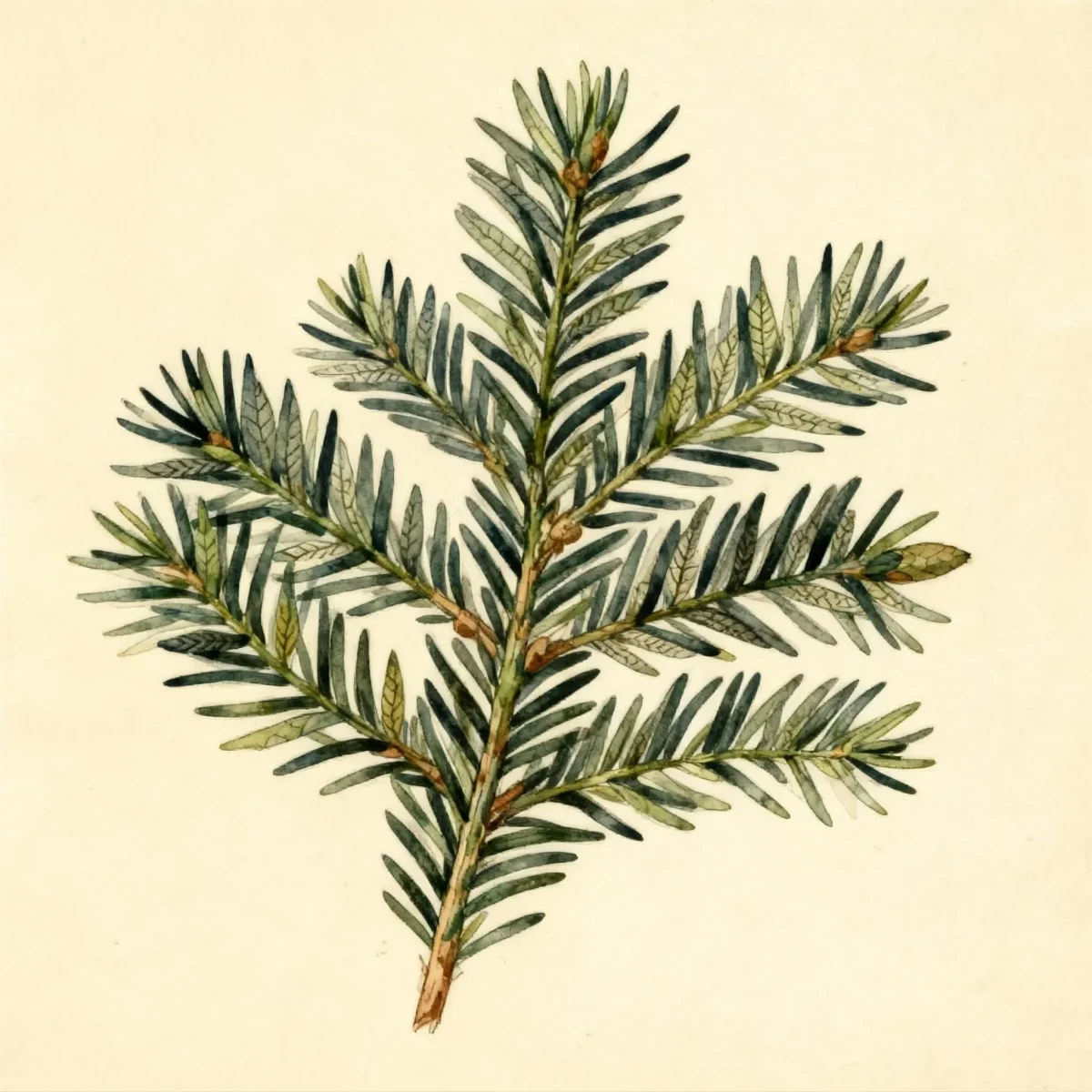
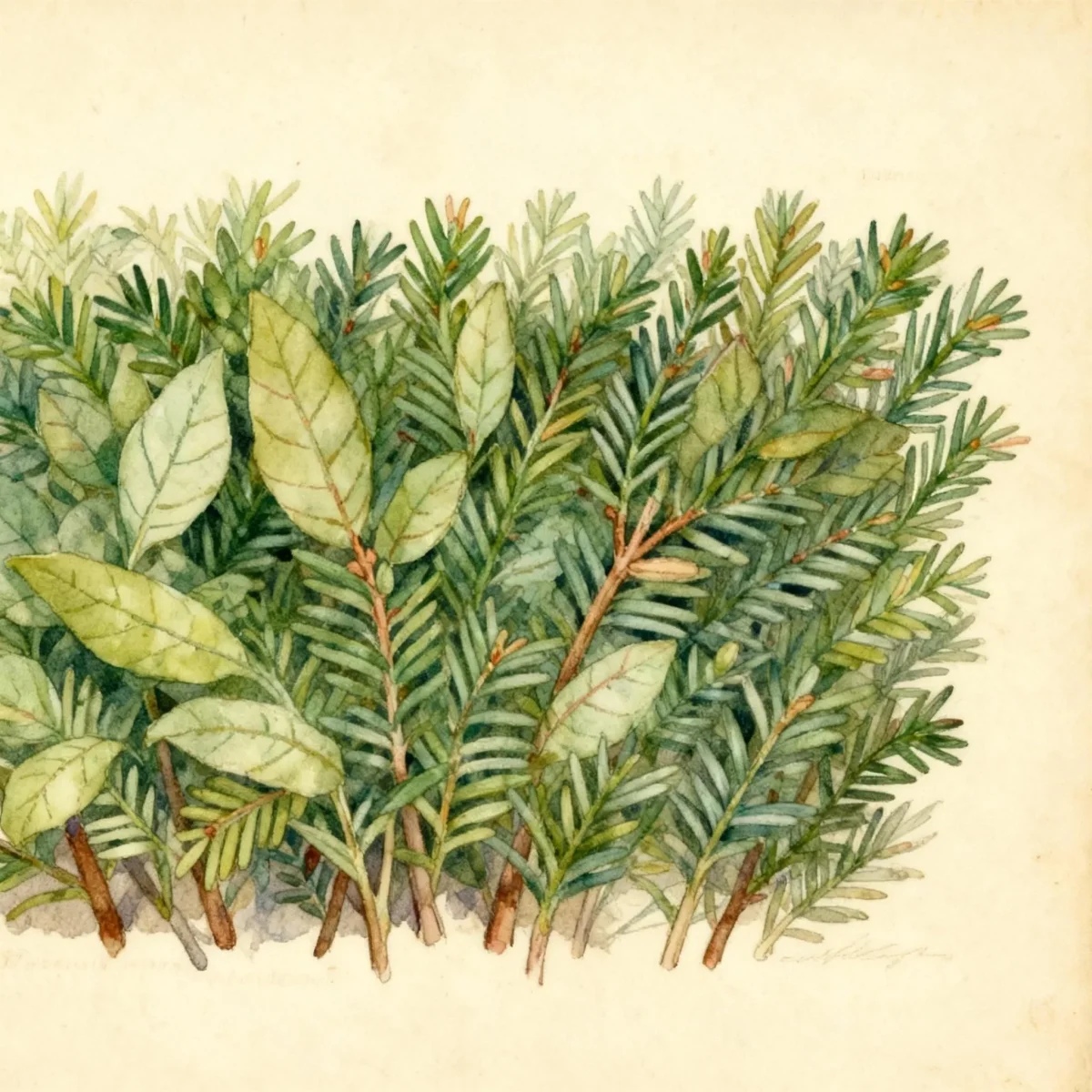
Yew (Taxus × media 'Citation')
Taxus × media 'Citation' Yew is an upright, columnar evergreen featuring dark green needles and low maintenance needs, ideal for screens or formal hedges.
Scroll down to discover growing tips, care requirements, companion plants, and more
Complete Plant Information
Overview
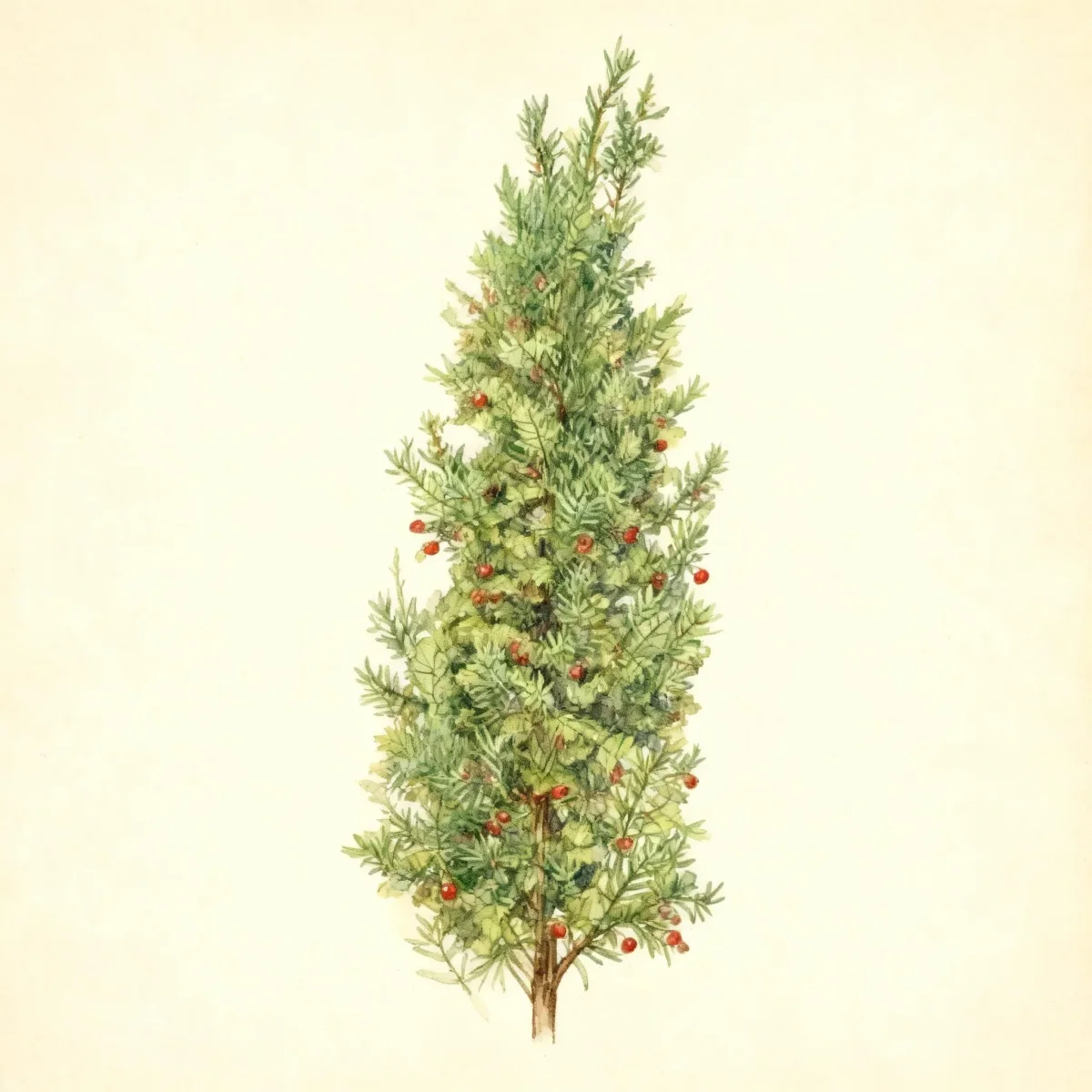
The Taxus × media ‘Citation’ cultivar is a highly valued needled evergreen within the Yew family, prized for its tight, upright, columnar growth habit. As a hybrid of Taxus baccata and Taxus cuspidata, it successfully combines ornamental excellence with superior winter hardiness, making it exceptionally versatile across temperate climates. This Yew delivers consistent, dark green foliage that remains attractive year-round, serving perfectly as a formal accent or structured screen.
Its practical benefits include tolerance for challenging conditions such as heavy shade and drought once established, coupled with a naturally dense form that requires minimal care. Because Taxus × media ‘Citation’ accepts pruning and shearing exceptionally well, gardeners can easily maintain its refined shape for foundation plantings or tight hedges. Its slow to moderate growth rate ensures that this robust Yew specimen will provide long-term structure in the landscape.
Fast Facts
- Plant Family: Taxaceae
- Plant Type: Needled evergreen
- Hardiness Zones: USDA Zones 4-7
- Size at Maturity:
- Height: 6-10 ft
- Spread: 3-6 ft
- Bloom Time: Non-flowering
- Bloom Description: Non-flowering
- Sun Exposure: Full sun to part shade
- Water Needs: Medium
- Maintenance Level: Low
How to Grow
Planting the Taxus × media ‘Citation’ is best achieved in early spring or fall, allowing the roots to establish before temperature extremes set in. Site selection is crucial; while it thrives in full sun to part shade, always ensure good soil drainage. This evergreen prefers moist, sandy loam soils but has absolutely no tolerance for perpetually wet conditions, which can quickly lead to root problems.
Watering should be moderate, focusing on deep saturation during the first growing season to encourage deep root development. Avoid frequent, shallow watering, which encourages surface roots susceptible to drying out. Fertilization is rarely necessary if the soil is reasonably fertile, but a balanced, slow-release fertilizer applied in early spring can support vigorous growth.
Pruning the Yew is generally best performed in early spring before the flush of new growth appears. Due to its naturally columnar shape, heavy shearing may not be needed, but it responds beautifully to shaping cuts to maintain hedge lines or control size. Always site your Taxus × media ‘Citation’ in locations shielded from harsh, drying winter winds to minimize the risk of winter burn on the foliage, a common issue in exposed areas.
Landscape Uses
The primary landscape role for Taxus × media ‘Citation’ is utilizing its formal, upright structure for defined boundaries. It excels as a screen or hedge when planted in a tight row, defining property lines or masking unsightly views with its year-round density. Its medium stature, topping out around 8-10 feet, makes it perfect for mid-layer evergreen structure in perennial borders or against foundation walls where a narrow profile is required.
Because this Yew handles heavy shade well, it offers excellent structure in woodland edges or beneath deciduous trees where other evergreens might struggle for light. When used as formal hedging, pair Taxus × media ‘Citation’ with lower-growing, contrasting textures like Hakone grass or fine-textured perennials that soften the base while allowing the columnar silhouette to remain distinct.
Standout Features
Fruit Qualities
- Showy
Noteworthy Characteristics
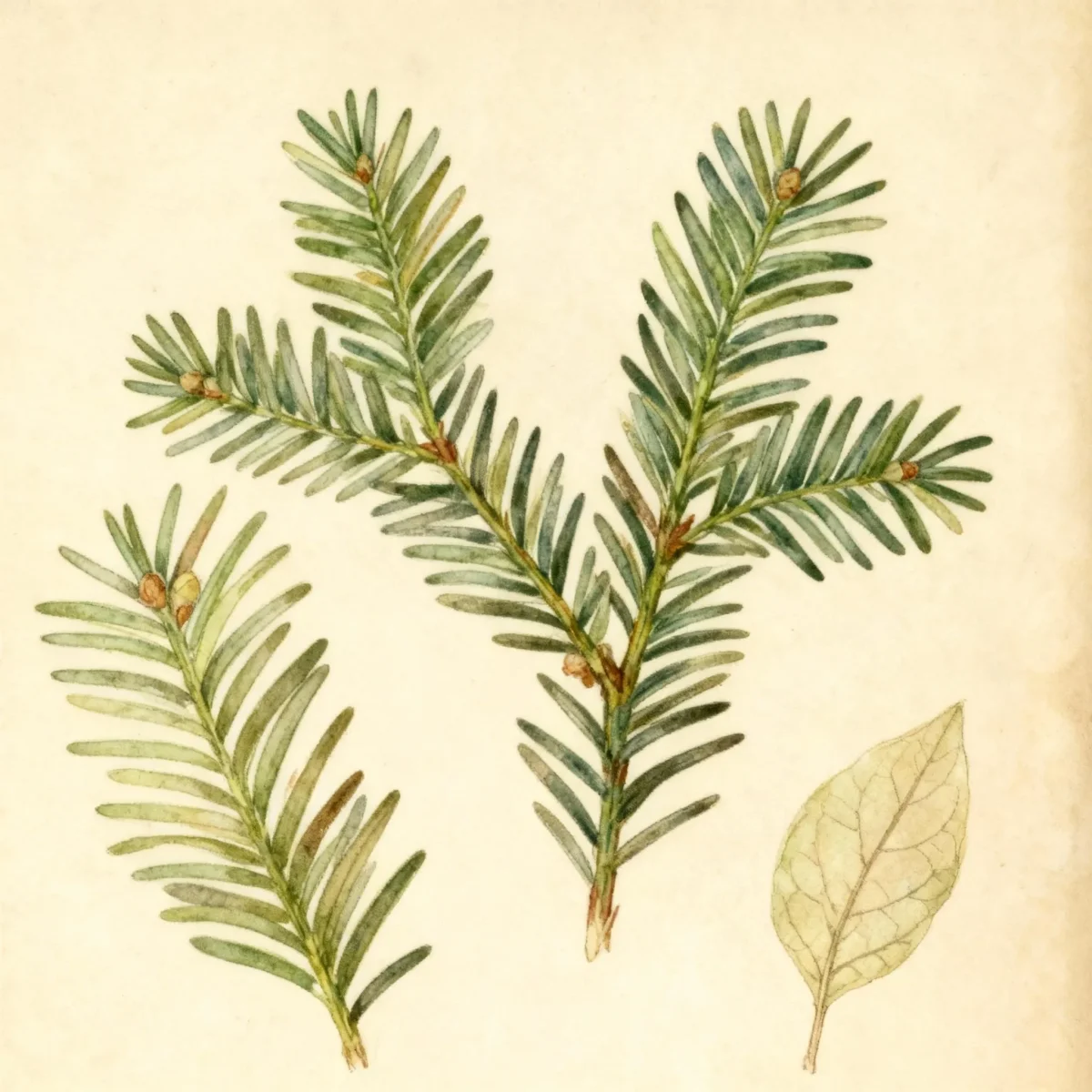
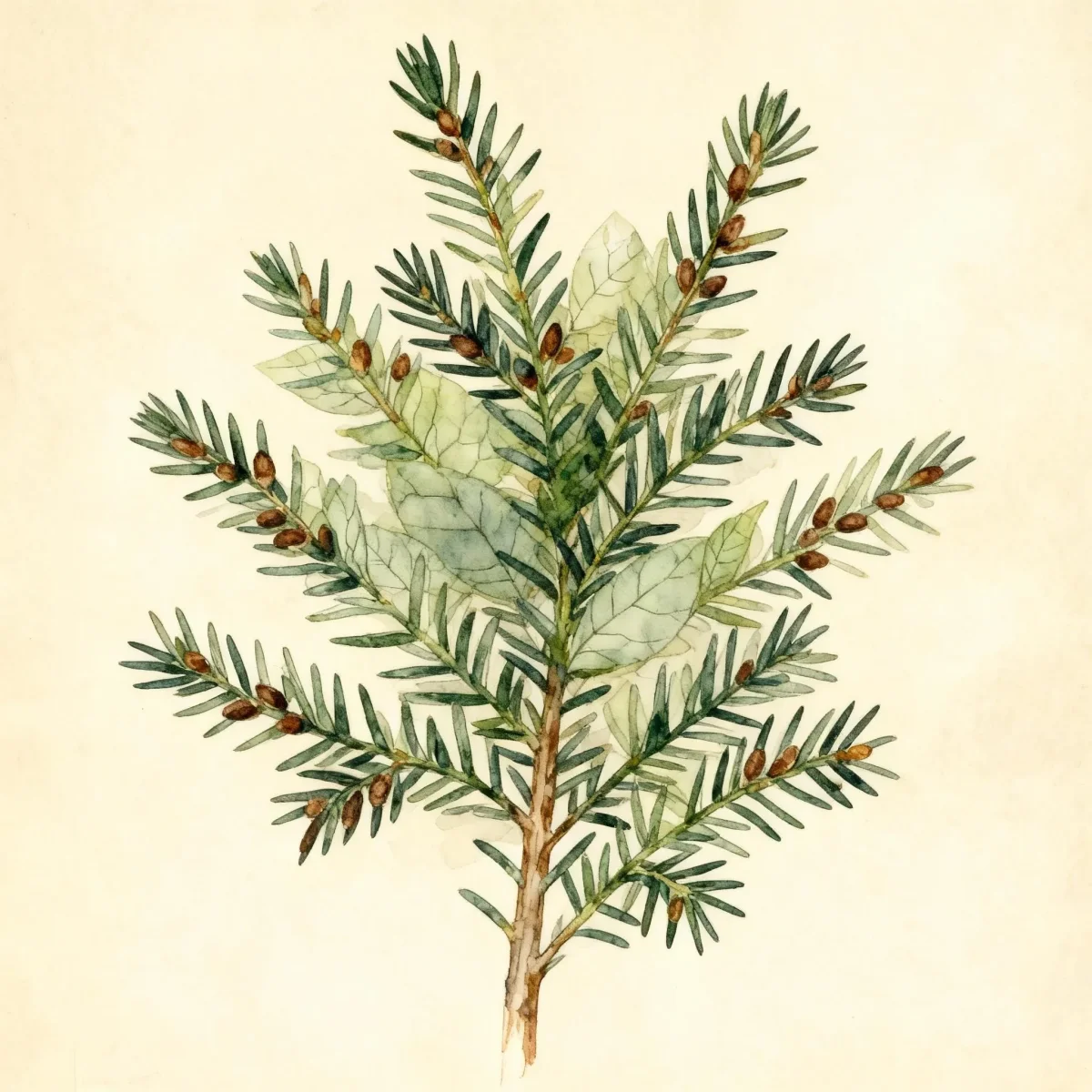
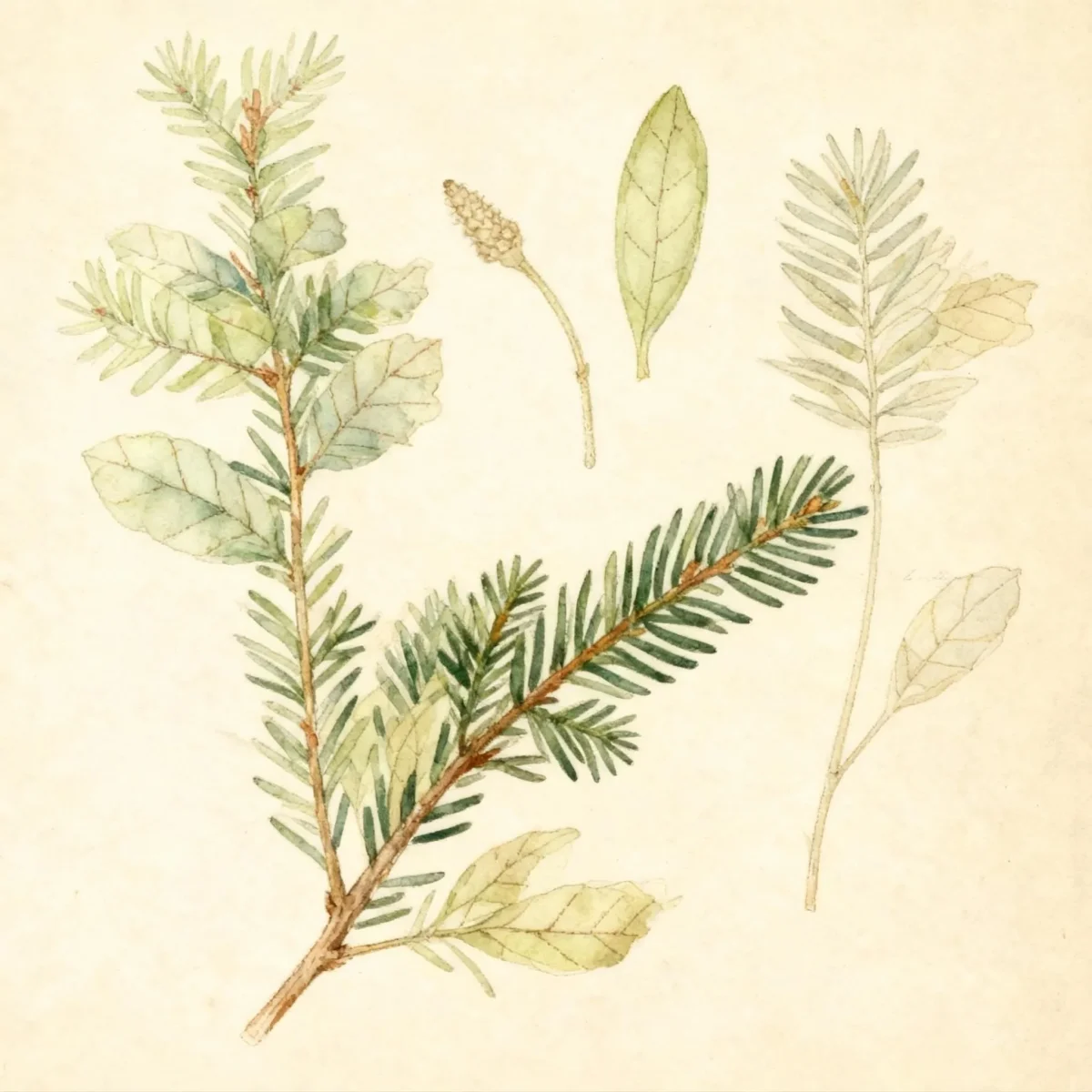
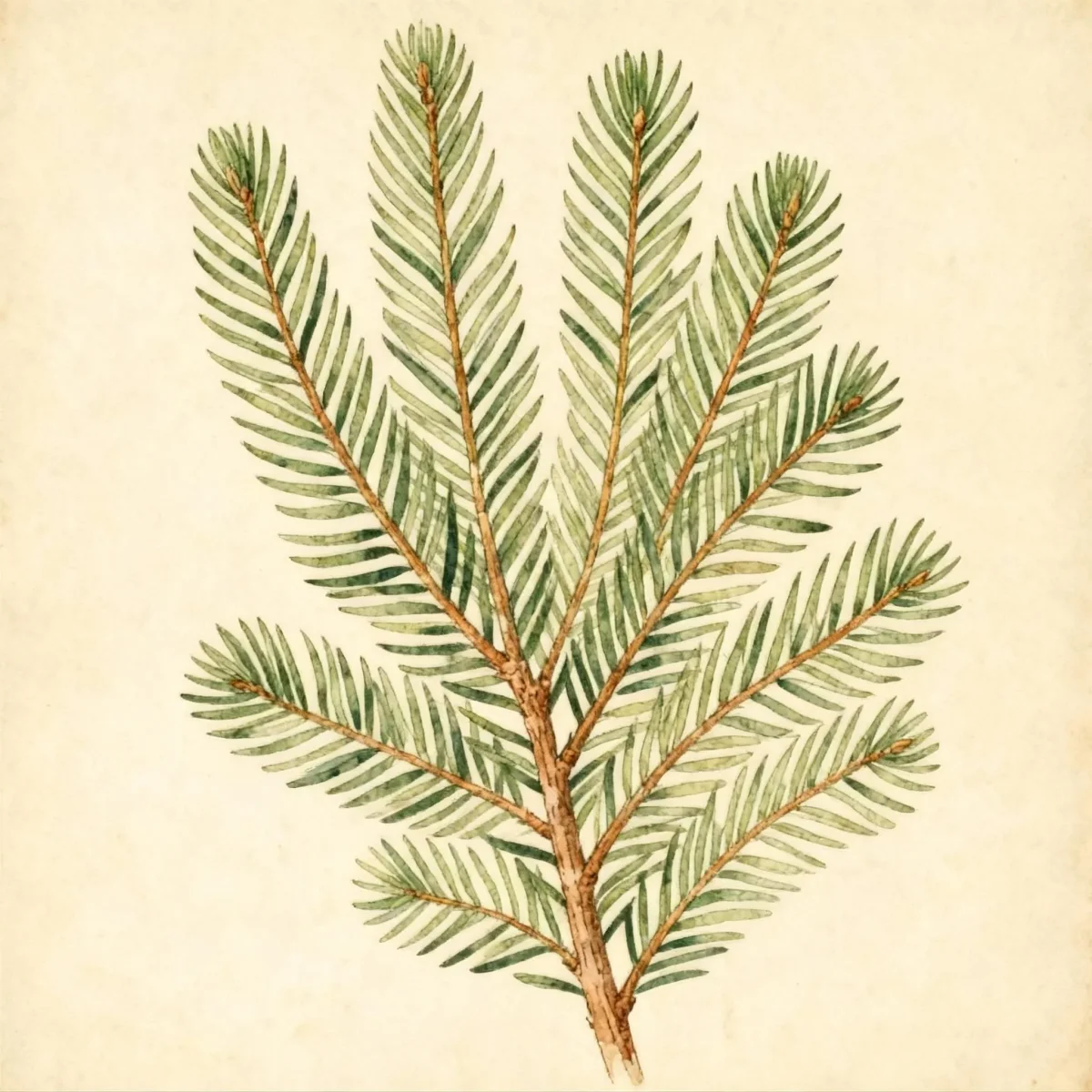
Taxus × media is a hybrid designation for a large number of shrubby, often wide-spreading crosses of English yew (Taxus baccata) and Japanese yew (Taxus cuspidata). These hybrids are noted for combining the ornamental excellence of English yew with the winter hardiness of Japanese yew. The ‘Citation’ cultivar specifically features a tight, upright, columnar habit with pointed, linear, dark green needles that remain attractive throughout the year.
Tolerances
- Rabbit
- Drought
- Heavy Shade
Potential Problems
The Yew is susceptible to several aesthetic issues, primarily winter burn, especially when planted in open, exposed sites where cold winter winds desiccate the foliage. Twig blight and needle blight are occasional fungal concerns that should be managed by improving air circulation and avoiding overhead watering. Root rot is a serious threat if soil drainage is poor; ensure excellent percolation to prevent standing water around the base of your Taxus × media ‘Citation’.
Pest control often focuses on monitoring for weevils, mealybugs, and scale, which can appear in warmer or stressed conditions. Inspect needles regularly, and treat promptly with horticultural oil or appropriate systemic insecticides if pest populations become problematic to protect the health of your Yew.
Frequently Asked Questions
What hardiness zones is Yew suitable for?
The Taxus × media ‘Citation’ is reliably hardy in USDA Zones 4 through 7.
How large does Taxus × media ‘Citation’ grow?
This cultivar typically matures to a height between 6 and 10 feet, with a narrow spread ranging from 3 to 6 feet wide, maintaining a distinct columnar appearance.
What sun exposure does Yew need?
This versatile evergreen performs well in conditions ranging from full sun to areas receiving significant part shade, although it is notably tolerant of heavy shade conditions according to its tolerances.
When does Taxus × media ‘Citation’ bloom?
This plant is non-flowering; it does not produce noticeable flowers, although mature female plants will develop decorative, berry-like cones surrounded by a red aril.
Conclusion
The Taxus × media ‘Citation’ stands out as a robust, low-maintenance choice for gardeners needing reliable vertical structure in sun or significant shade. Its columnar habit and year-round deep green color make this Yew an excellent investment for formal landscape design elements. Before planting, confirm your location falls within USDA Zones 4-7 and ensure your soil provides the essential requirement of excellent drainage for long-term success.
Companion Planting
When selecting plants to grow near your Taxus × media ‘Citation’, focus on species that share similar needs for low fertility and moderate moisture, avoiding overly aggressive spreaders that might compete with the Yew’s root zone. For lighter shaded areas where the Yew is placed, consider using low-growing hostas, especially blue or variegated leaf varieties, which offer a textural contrast beneath its deep green needles.
In areas receiving morning sun, groundcovers like Ajuga or Vinca minor can effectively blanket the soil, suppressing weeds and maintaining consistent soil moisture around the base of the hedge. These companions help create a cohesive, sophisticated evergreen border where the formality of the Taxus × media ‘Citation’ is complemented by softer, lower textures.
Seasonal Care Calendar
Spring is the critical preparation period for your Yew. Prune any errant branches or shear hedges lightly in early spring just before new growth begins to encourage dense renewal. As summer arrives, monitor for pest issues, proactively checking undersides of needles for scale or mealybugs, especially during dry spells.
In autumn, water deeply before the ground freezes to help the Taxus × media ‘Citation’ cells remain plump heading into winter dormancy. Winter protection primarily involves shielding the plant from severe winter wind exposure to prevent browning or burn, though proper siting in spring helps mitigate this risk significantly. Avoid heavy salting near driveways if the Yew is planted close to concrete edges.