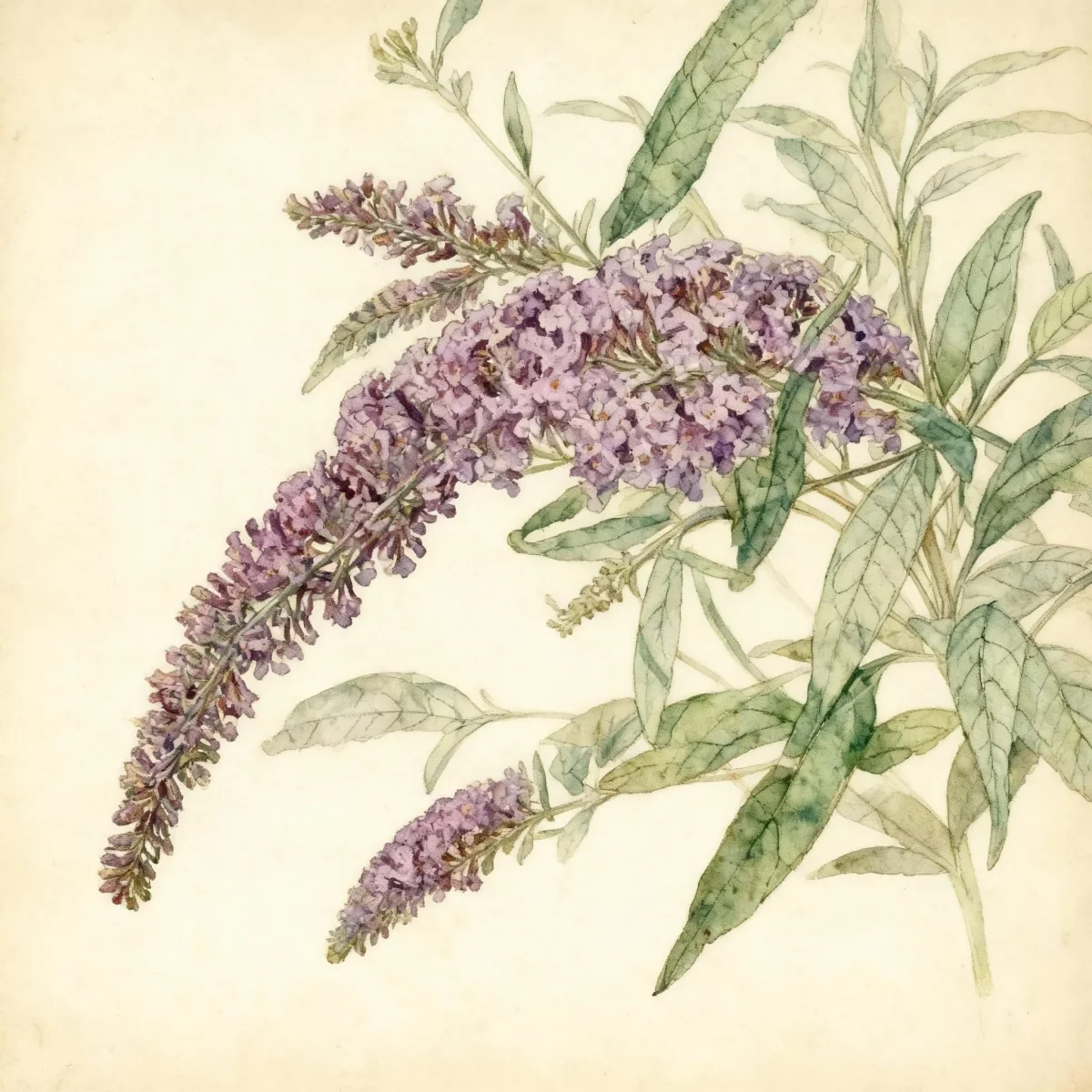
Butterfly bush (Buddleja davidii 'Attraction')
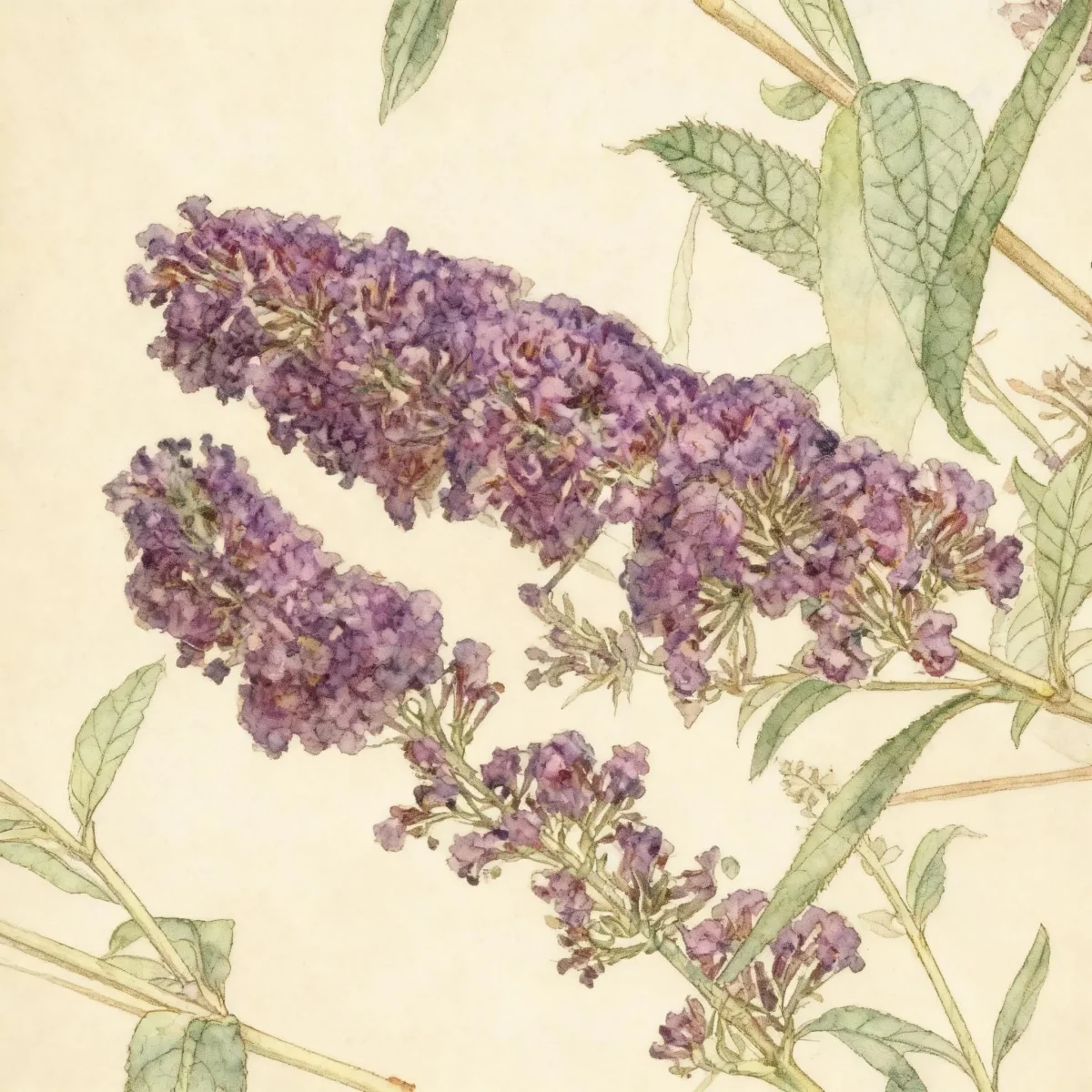
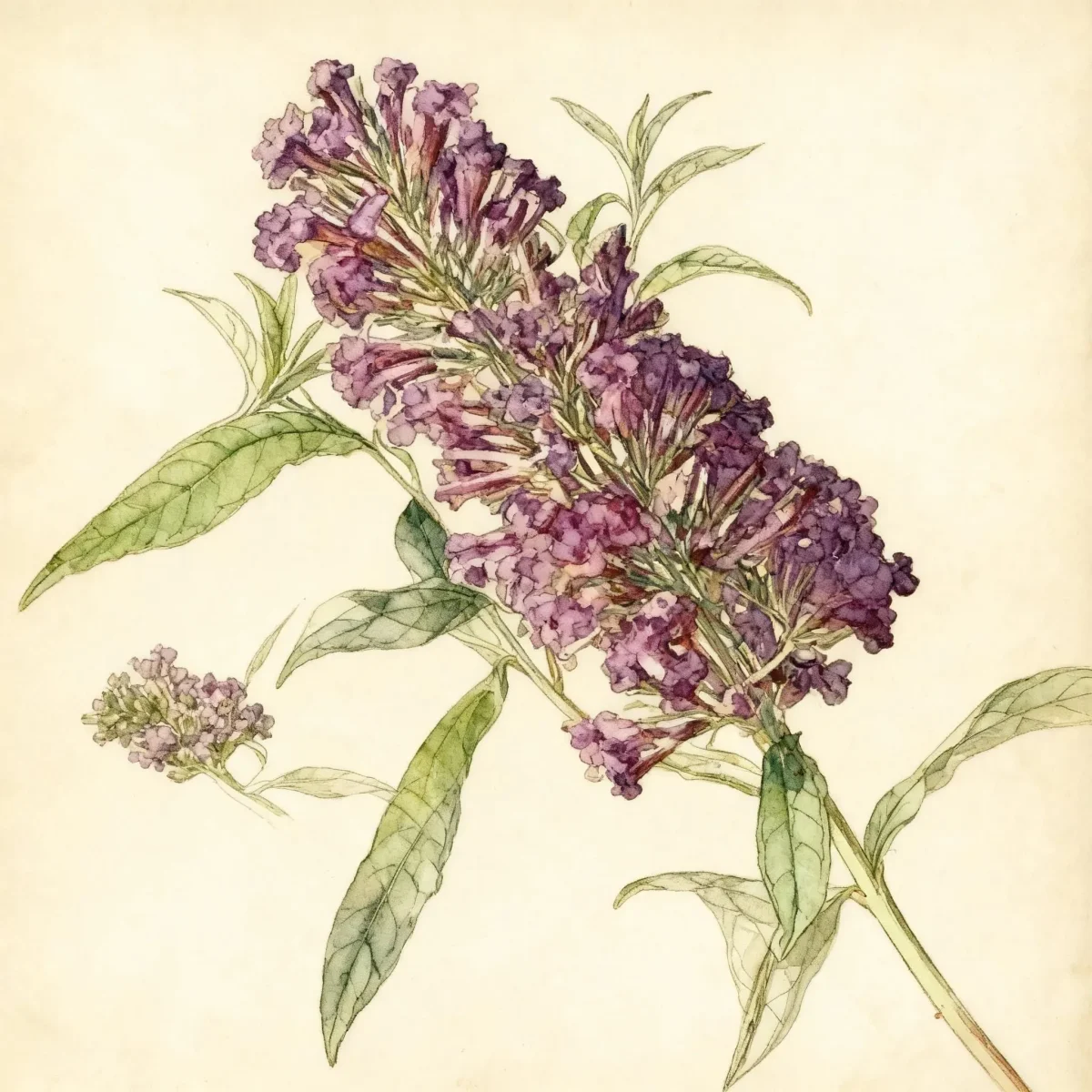
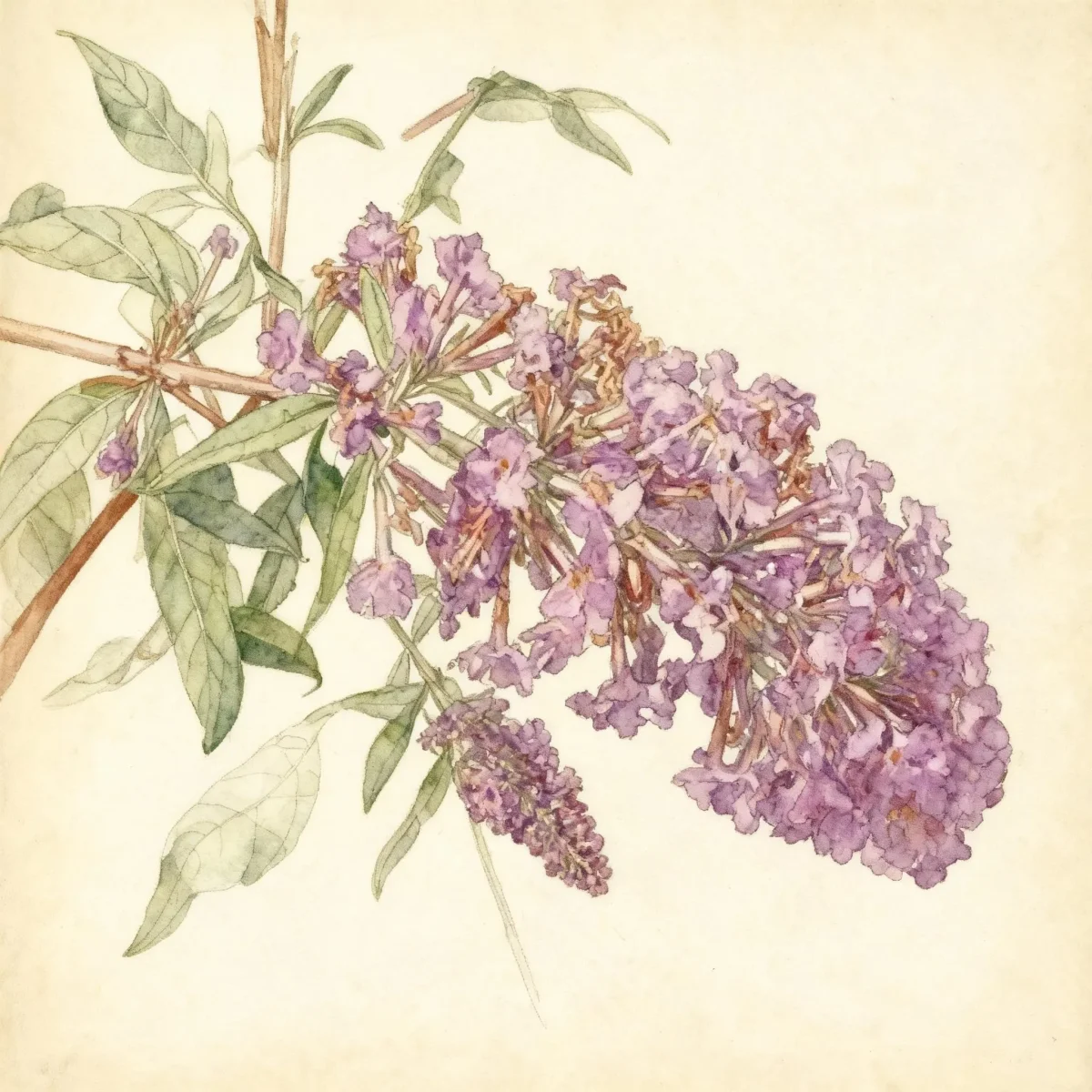
The showy, purplish-red blooms of Buddleja davidii 'Attraction' create a magnetic focal point. This low-maintenance Butterfly bush thrives in full sun.
Scroll down to discover growing tips, care requirements, companion plants, and more
Complete Plant Information
Overview
Buddleja davidii ‘Attraction’ is highly prized for its exceptional flowering display, offering masses of purplish-red, fragrant flowers throughout the summer months. This deciduous shrub, commonly known as Butterfly bush, is famous for reliably drawing in large numbers of pollinators, making it a cornerstone of any wildlife-friendly garden design. It is a relatively low-maintenance selection, provided it receives the full, intense sunlight it requires to flourish and maintain a dense shape.
The ‘Attraction’ cultivar typically matures to a manageable size, generally reaching 4 to 6 feet tall and 3 to 4 feet wide, making it more versatile than some of its much larger relatives. Growers will find that Buddleja davidii ‘Attraction’ performs best in average, well-drained soil conditions, but it shows impressive adaptability to poorer soils, including clay.
For gardeners situated in the cooler reaches of its range, pruning regimens often mimic that of a perennial, encouraging robust new growth and superior flowering performance each subsequent season. Its extended bloom time ensures color from early summer right up to the first hard frost.
Fast Facts
- Plant Family: Scrophulariaceae
- Plant Type: Deciduous shrub
- Hardiness Zones: USDA Zones 5-9
- Size at Maturity:
- Height: 4-6 ft
- Spread: 3-4 ft
- Bloom Time: June to September
- Bloom Description: Purplish-red
- Sun Exposure: Full sun
- Water Needs: Medium
- Maintenance Level: Low
How to Grow
Planting Buddleja davidii ‘Attraction’ is best achieved in the spring after the last threat of frost, ensuring it is situated where it will receive consistent full sun exposure all day long. This plant prefers average, medium moisture, well-drained soils. While this Butterfly bush variety will adapt to clay soil, successful establishment requires amending the soil to improve drainage, as it performs poorly in overly wet or soggy conditions.
Routine care involves ensuring medium water needs are met, especially during establishment or extended dry periods. Maintenance is generally considered low; however, prompt removal of spent flower spikes throughout the season will significantly encourage repeated blooming right until frost arrives. In USDA Zones 5 and 6, anticipate that the plant may die back to the ground during harsh winters.
Pruning is a critical, though simple, aspect of care for Buddleja davidii ‘Attraction’. Even if the shrub survives winter relatively intact, cutting the stems close to the ground in late winter results in more vigorous growth and significantly better flower structure. Gardeners must be mindful that this shrub can self-seed aggressively, especially where hard frosts do not occur; where self-seeding is a concern, diligently remove faded flowers before seeds are dispersed by the wind.
Landscape Uses
The reliability of its late-season flowering makes Buddleja davidii ‘Attraction’ an essential component in summer and fall borders, providing necessary structure when many spring-blooming shrubs have finished. Due to its manageable 4-6 foot height, it works well near the middle or slightly toward the front of a mixed perennial border.
This Butterfly bush is highly recommended for cottage gardens or dedicated rose gardens where its striking color and pollinator attraction create dynamic visual interest. While it is popular as a fresh cut flower, it typically does not function well as a solitary specimen plant but excels when grouped or used to anchor informal beds. Consider planting it near foundations where the low maintenance aspect is appreciated, or integrate it into dedicated wildlife support plantings.
Standout Features
Flower Qualities
- Showy
- Fragrant
- Good Cut
Noteworthy Characteristics
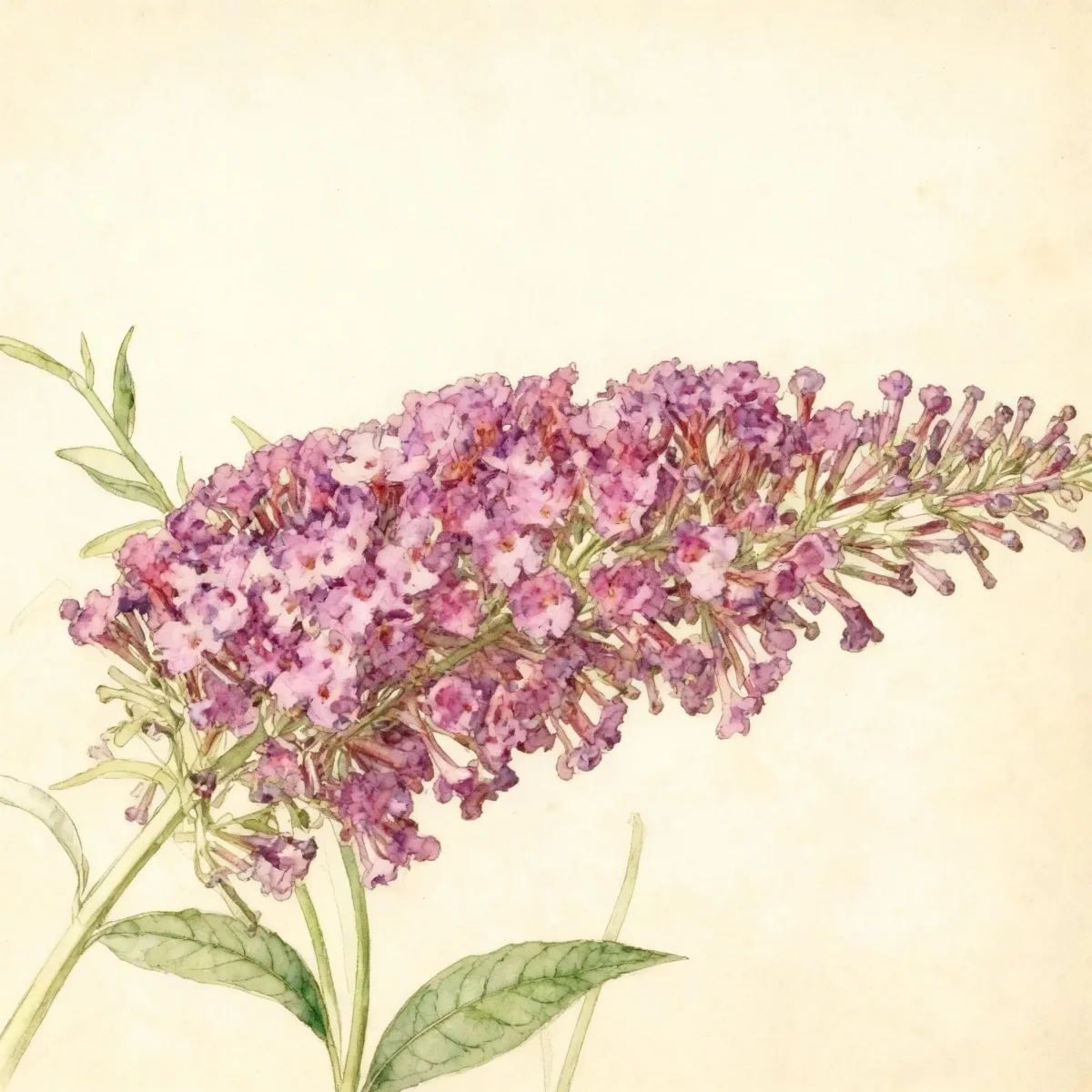
Buddleja davidii ‘Attraction’ is noted for bringing outstanding purplish-red flowers which bloom from June through September in long, spike-like terminal clusters. Flowers are mildly fragrant and are exceptionally attractive to butterflies, hummingbirds, and bees, which validates its common name. The fine-toothed leaves offer light green contrast, tapering to long points.
Tolerances
- Rabbit
- Clay Soil
Potential Problems
Generally, this Butterfly bush variety exhibits no serious insect or disease problems, which contributes to its low maintenance rating. Gardeners should remain vigilant for potential infestations of spider mites, particularly in hot, dry conditions where air circulation is poor. In the Southern US, nematodes can sometimes become a troublesome pest affecting root health. Good air circulation, proper watering techniques, and occasional inspection can mitigate most common issues.
Frequently Asked Questions
What hardiness zones is Buddleja davidii ‘Attraction’ suitable for?
This variety of Butterfly bush is suitable for planting within USDA Hardiness Zones 5 through 9.
How large does Buddleja davidii ‘Attraction’ grow?
When fully mature and unpruned, this shrub typically reaches a height between 4 and 6 feet, with a spread generally maintained between 3 and 4 feet.
When does Butterfly bush bloom?
Buddleja davidii ‘Attraction’ provides blooms profusely beginning in June and continuing through September, often flowering until the first hard frost arrives.
What sun exposure does Buddleja davidii ‘Attraction’ need?
For the best flowering performance and maintenance of shape, this plant critically requires full sun exposure throughout the day.
Conclusion
The Buddleja davidii ‘Attraction’ offers exceptional value with its long season of colorful, fragrant flowers that actively invite butterflies into the garden. Its relatively compact stature and low maintenance requirements make handling this Butterfly bush straightforward for most home gardeners. Ensure you site your plant in a sunny spot and prepare for its annual pruning to maximize the display of vibrant purplish-red spikes this summer.
Propagation Tips
Propagating Buddleja davidii ‘Attraction’ is most effectively achieved through softwood or semi-hardwood cuttings taken during the active growing season, generally late spring through mid-summer. Take cuttings approximately 4 to 6 inches long, ensuring each segment has at least two nodes. Remove the lower leaves and dip the cut end in rooting hormone before placing them in a moist, sterile medium like perlite and peat.
Rooting success is significantly improved when bottom heat is applied to encourage rapid root initiation. Once roots have formed and the cuttings show new top growth, they can be hardened off and transplanted to their final location. While the species spreads by seed, maintaining the specific characteristics of the ‘Attraction’ cultivar demands propagation via cuttings.
Wildlife Benefits
The primary benefit of cultivating Buddleja davidii ‘Attraction’ is its unparalleled ability to support pollinator populations. The flowers produce ample nectar, making them an irresistible magnet for butterflies of numerous species throughout the summer months. This plant provides crucial refueling stations for migrating monarchs and local butterfly populations alike.
Beyond butterflies, the mild fragrance and abundant nectar attract numerous species of hummingbirds, which will actively visit the purplish-red flower spikes. Bees are also frequent visitors, aiding pollination efforts within the garden ecosystem. Planting this shrub supports local biodiversity, transforming your garden into a functional habitat corridor.