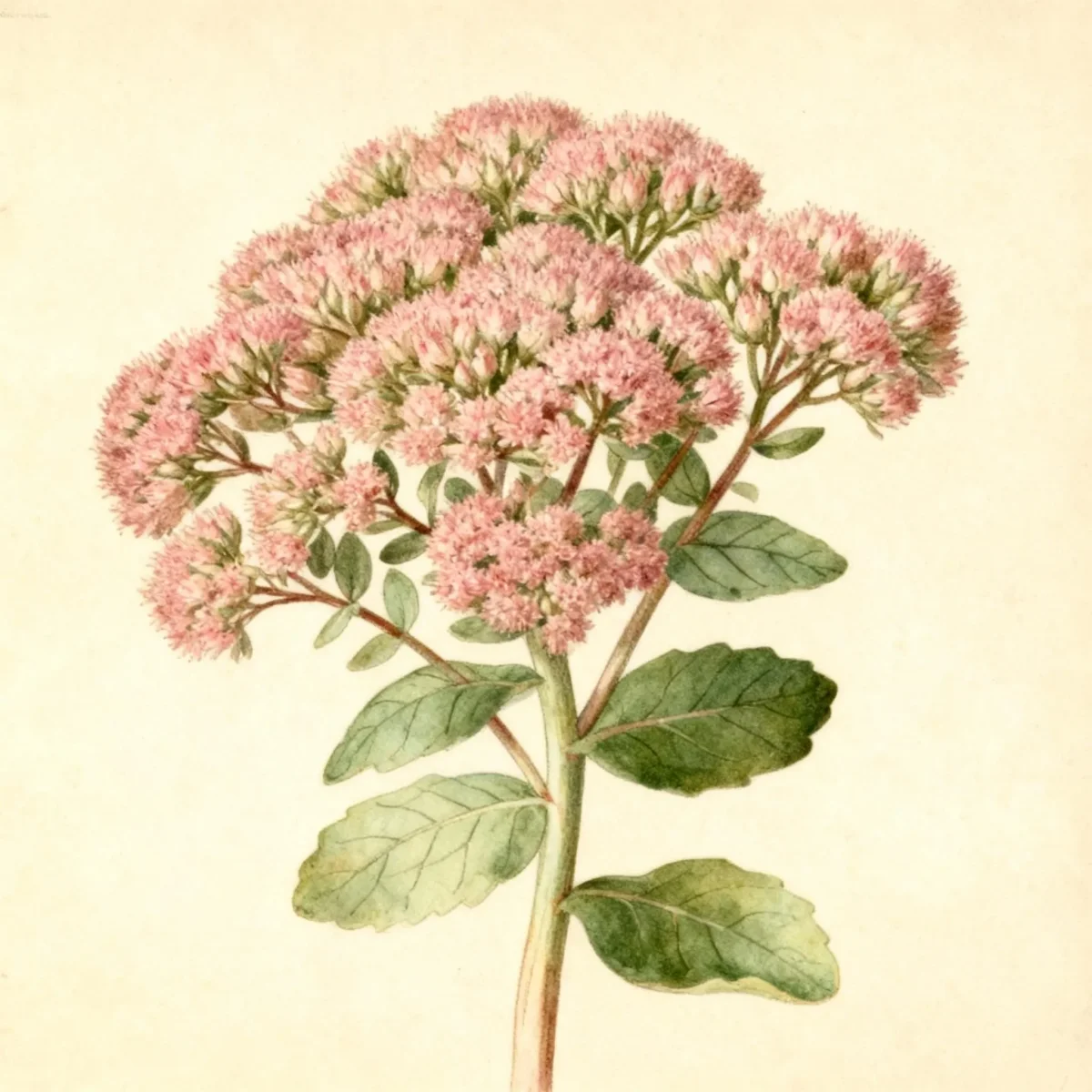
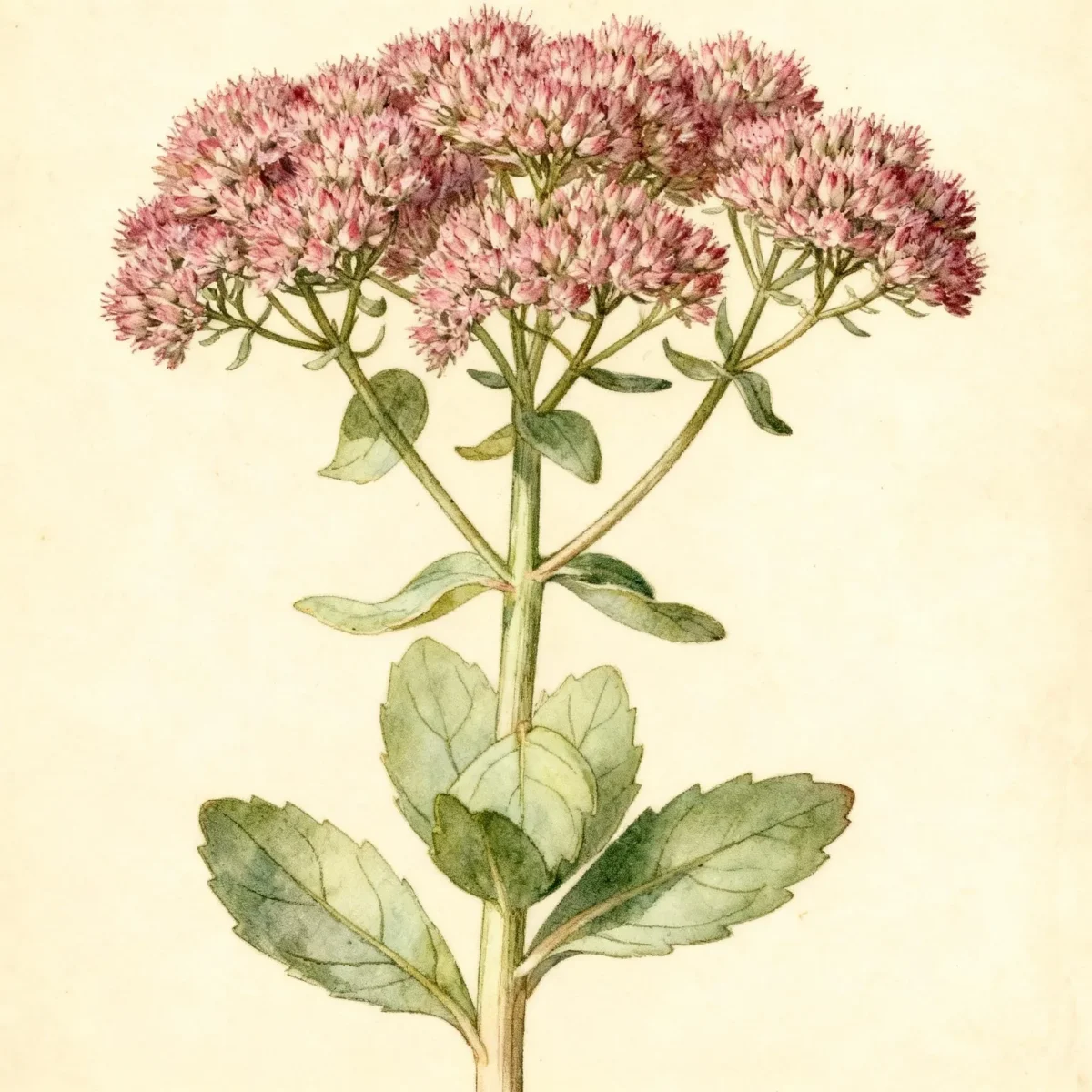
Stonecrop (Hylotelephium 'Lajos' AUTUMN CHARM)
Hylotelephium 'Lajos' AUTUMN CHARM (Stonecrop) is a low-maintenance perennial with variegated leaves and late-season dusky rose flowers.
Scroll down to discover growing tips, care requirements, companion plants, and more
Complete Plant Information
Overview
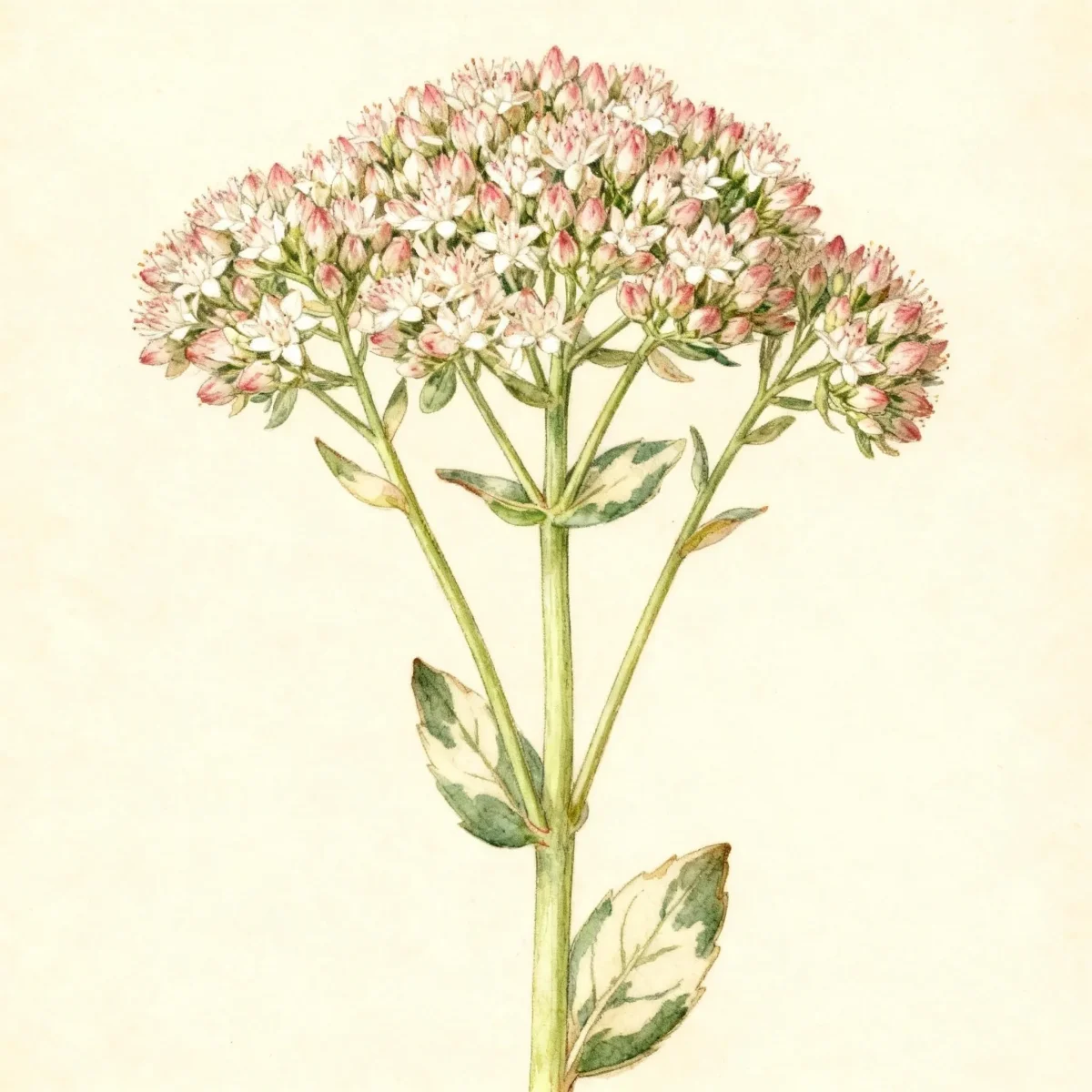
Hylotelephium ‘Lajos’ AUTUMN CHARM, commonly known as Stonecrop, provides rich texture and brilliant late-season color unmatched by many other perennials. This specific cultivar is highly valued for its striking variegated foliage, featuring medium green leaves edged with creamy yellow, which remains attractive throughout the growing season. This upright plant forms neat clumps, offering reliable structure right when many summer flowers begin to fade.
As a drought-tolerant Herbaceous perennial from the Crassulaceae family, Hylotelephium ‘Lajos’ AUTUMN CHARM requires minimal coddling once established. It excels in sunny, well-drained locations, making it an ideal choice for modern, sustainable low-water gardens. Its long blooming period, extending from mid-summer into fall, ensures consistent color and crucial late-season nectar for pollinators.
Often sold under the trade name AUTUMN CHARM, this Stonecrop cultivar brings textural contrast and dependable performance to borders and rockeries. Gardeners appreciate its low maintenance requirements and its robust nature, which prevents the issues of flopping often associated with taller Sedum hybrids.
Fast Facts
- Plant Family: Crassulaceae
- Plant Type: Herbaceous perennial
- Hardiness Zones: USDA Zones 3-9
- Size at Maturity:
- Height: 1-1.5 ft
- Spread: 1-1.5 ft
- Bloom Time: August to October
- Bloom Description: Pink darkening to dusky rose
- Sun Exposure: Full sun
- Water Needs: Dry to medium
- Maintenance Level: Low
How to Grow
The key to success with Hylotelephium ‘Lajos’ AUTUMN CHARM is maximizing sunlight and ensuring excellent drainage. Plant in spring or fall in average to poor soils, thriving particularly well in lean, gravelly, or sandy conditions. While it tolerates some light part shade, too much shade will result in weak, floppy stems, reducing the visual appeal of the variegated leaves.
Water conservatively once established; this Stonecrop variety is inherently drought tolerant. Avoid heavy, rich soils and consistently wet areas, as poor drainage is the primary cause of rot issues. Fertilizing is generally unnecessary, as moderate to low fertility encourages stronger, more compact growth patterns for your Hylotelephium ‘Lajos’ AUTUMN CHARM.
For optimal structure, plants may be pinched back lightly in late spring. This technique encourages bushier, thicker stems, which helps support the flowering heads during their peak. Propagation is simple, utilizing divisions taken in the spring or by rooting stem cuttings taken during the summer.
Landscape Uses
Stonecrops like Hylotelephium ‘Lajos’ AUTUMN CHARM are foundational plants for sun-drenched, low-effort landscapes. Their compact, sturdy habit makes them superb for defining the front of borders or lining pathways where other plants might sprawl. They look fantastic when massed in groups, creating a flowing ribbon of variegated foliage punctuated by pink-to-rose blooms.
These plants are an excellent addition to rock gardens, where their tolerance for shallow, rocky soil mimics their native environments. Furthermore, they perform admirably as reliable specimen plants in containers or mixed plantings, adding textural contrast alongside ornamental grasses or summer-flowering perennials that don’t mind drier soil conditions.
Standout Features
Flower Qualities
- Showy
Noteworthy Characteristics
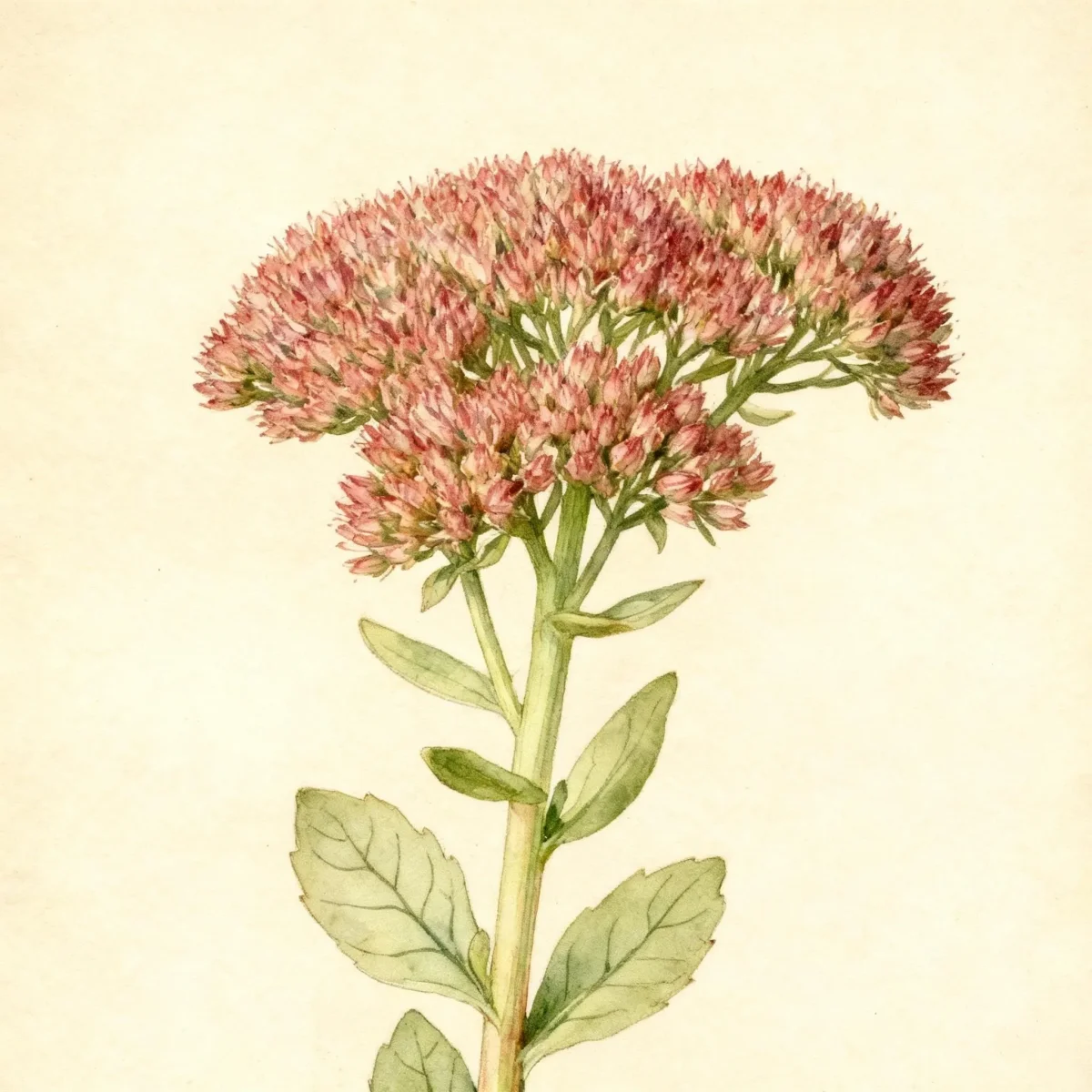
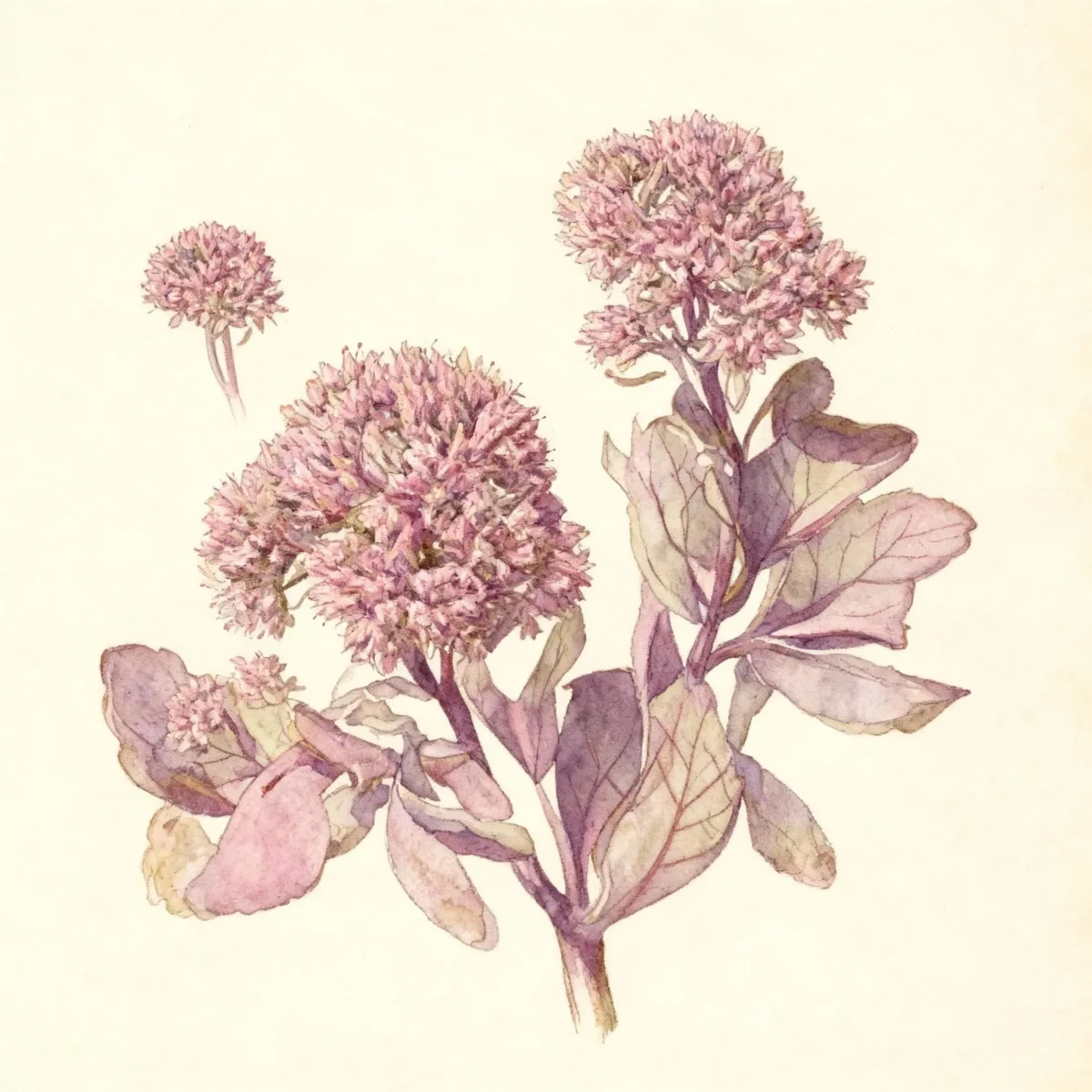
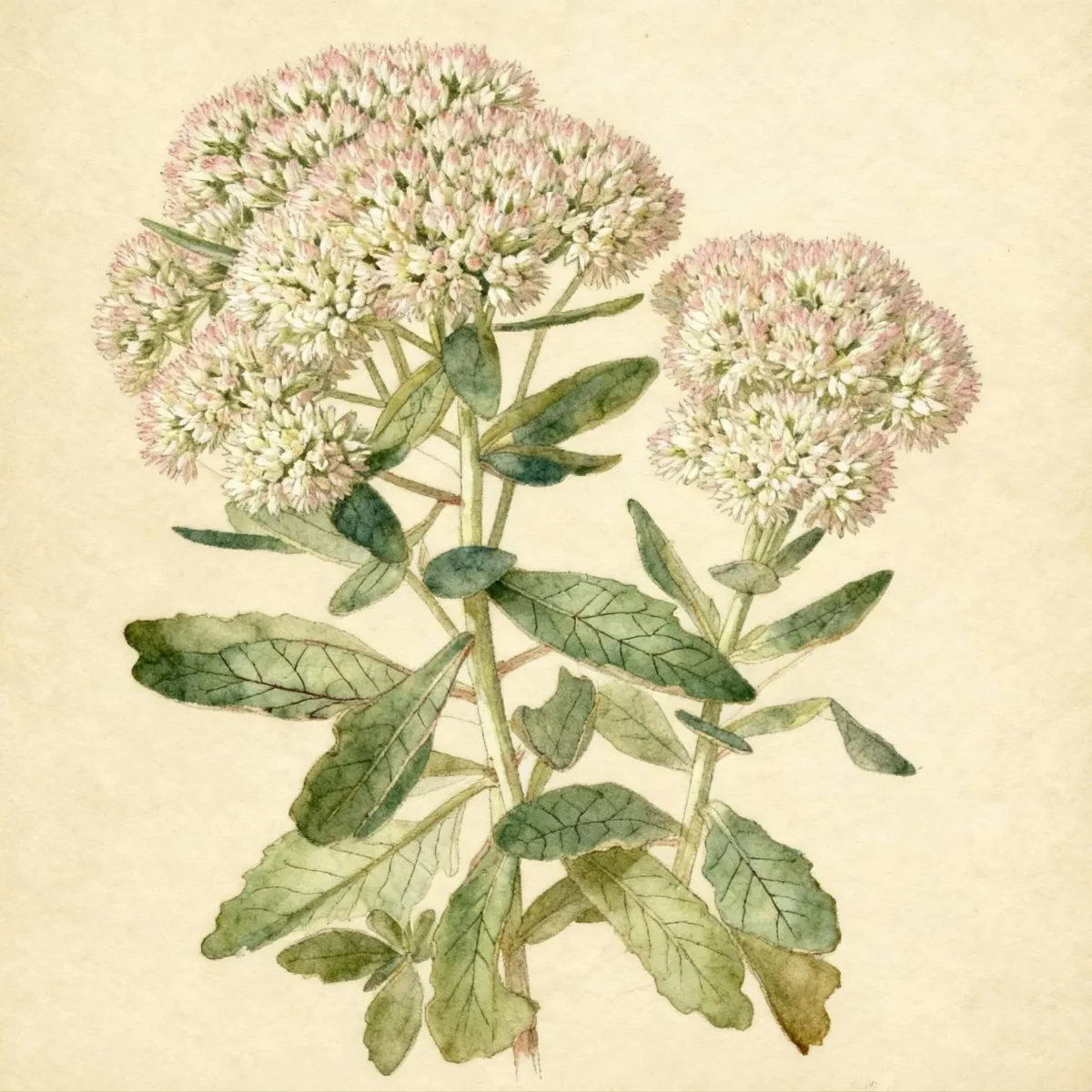
Hylotelephium is a genus of about 33 species of drought-tolerant herbaceous perennials native to Asia, Europe and North America, commonly called stonecrop and excellent for fall gardens. ‘Lajos’ is distinguished by its fleshy variegated leaves of medium green edged with creamy yellow and its deep pink maturing to rose red late summer flowers, a naturally occurring sport of Hylotelephium ‘Herbstfreude’ AUTUMN JOY. Flowers appear in domed cymes atop strong stems over a long summer to fall bloom period, eventually darkening to bronze red by September and attracting butterflies; spent flower heads retain structure for winter interest.
Tolerances
- Drought
- Dry Soil
- Shallow-Rocky Soil
Potential Problems
Taller Sedum hybrids can sometimes struggle with flopping, but Hylotelephium ‘Lajos’ AUTUMN CHARM maintains a more robust form. To prevent flopping entirely, ensure it receives full sun and avoid planting in soils that are overly moist or rich in organic matter. A simple spring pinching technique can also encourage the stems to grow thicker and more compact.
Be vigilant for common pests such as slugs, scale, aphids, and mealybugs, though infestations are usually minor in healthy, well-sited plants. The most significant cultural risk for Stonecrop is root rot, which occurs exclusively in wet or poorly drained soil conditions. Always amend heavy clay heavily with grit or sand to guarantee sharp drainage.
Frequently Asked Questions
What hardiness zones is Stonecrop suitable for?
Hylotelephium ‘Lajos’ AUTUMN CHARM is generally hardy and performs reliably across USDA Zones 3 through 9.
How large does Hylotelephium ‘Lajos’ AUTUMN CHARM grow?
This perennial typically reaches a mature height between 1 and 1.5 feet, with an equal spread of 1 to 1.5 feet.
When does Stonecrop bloom?
Hylotelephium ‘Lajos’ AUTUMN CHARM begins blooming in August and continues producing color through October, with flowers starting pink and darkening to a dusky rose hue.
What sun exposure does Hylotelephium ‘Lajos’ AUTUMN CHARM need?
This plant requires full sun exposure to maintain its compact habit and brilliantly variegated foliage.
Conclusion
Hylotelephium ‘Lajos’ AUTUMN CHARM offers essential late-season beauty through its exceptionally colorful, variegated foliage and reliable blooming period from August through October. This easily managed Stonecrop variety thrives on neglect, requiring minimal water and fertile soil. Before planting, confirm your garden lies within Zones 3-9 and that the site offers the full sun this perennial demands for its best upright performance.
Propagation Tips
Propagating Hylotelephium ‘Lajos’ AUTUMN CHARM is straightforward, offering gardeners many opportunities to expand their patch. The most common method is division, which should be performed in the spring when new growth begins to emerge. Carefully separate rooted sections of the established clump, ensuring each division has sufficient roots to establish quickly in its new location.
Stem cuttings provide another excellent, easy route to new plants, ideally taken during the summer months after the plant has reached about half its mature height. Snip sections of stem about 3-4 inches long, remove the lower leaves, and place them in slightly moist, well-draining potting media—sand or perlite mixed into the soil aids drainage.
This Stonecrop is also unusually forgiving regarding vegetative propagation from foliage. Even detached leaves placed directly on top of the soil surface in a tray can eventually root and produce tiny new plantlets. This characteristic makes Hylotelephium ‘Lajos’ AUTUMN CHARM a favorite for sharing among gardening friends.
Wildlife Benefits
The late-season flower display of Hylotelephium ‘Lajos’ AUTUMN CHARM provides a vital nectar source when many summer bloomers have faded. The tight, domed cymes of dusky rose flowers are particularly attractive to late-season butterflies who need energy for migration or overwintering. Planting drifts of this Stonecrop ensures a dependable food supply when the garden needs it most.
While the primary wildlife benefit comes from pollination support during its August through October bloom time, the plant’s structure continues to contribute to the winter landscape. The spent flower heads dry to an attractive chocolate brown, holding their shape above the foliage. These dried heads offer tactile interest and can provide meager shelter or seeds for birds during colder months.