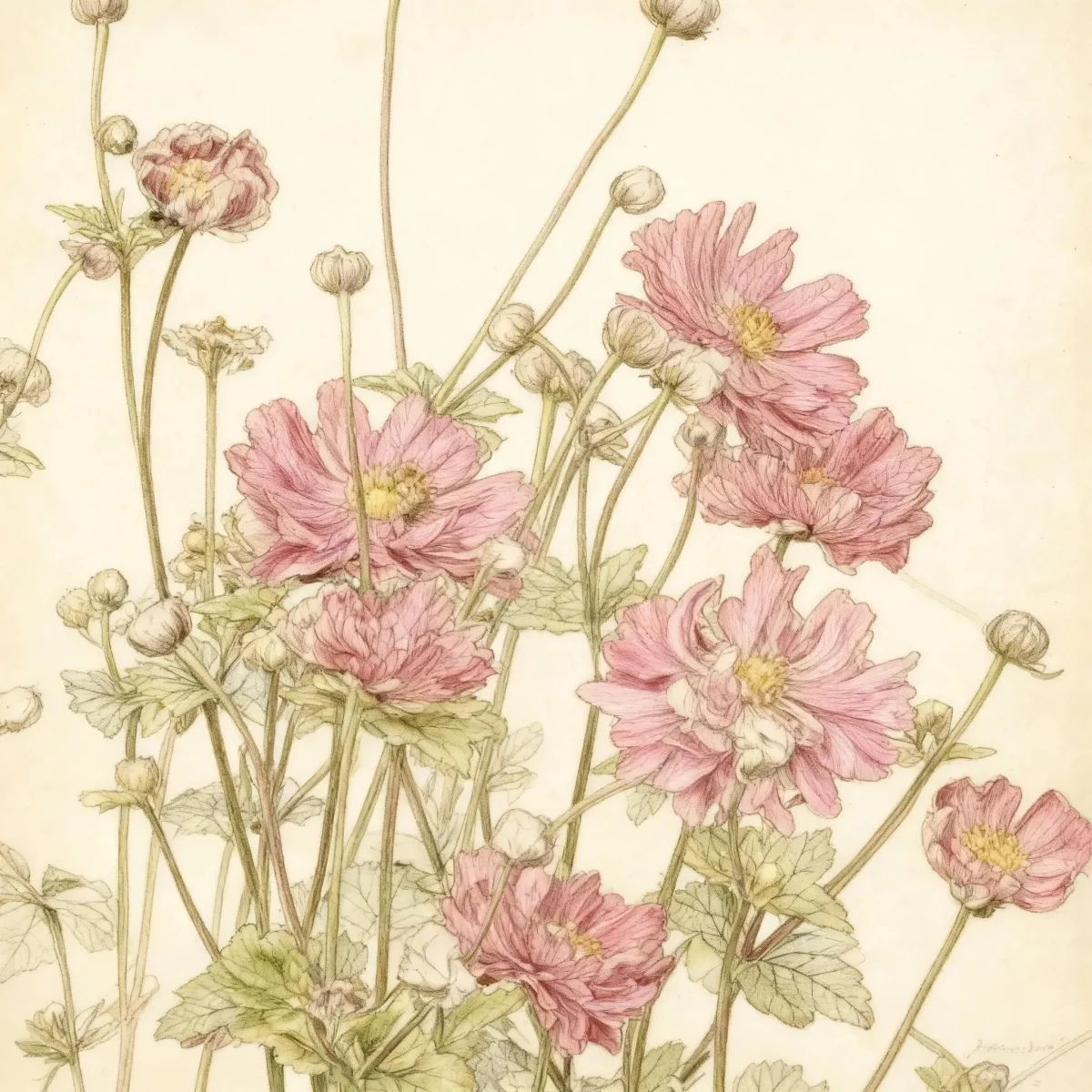
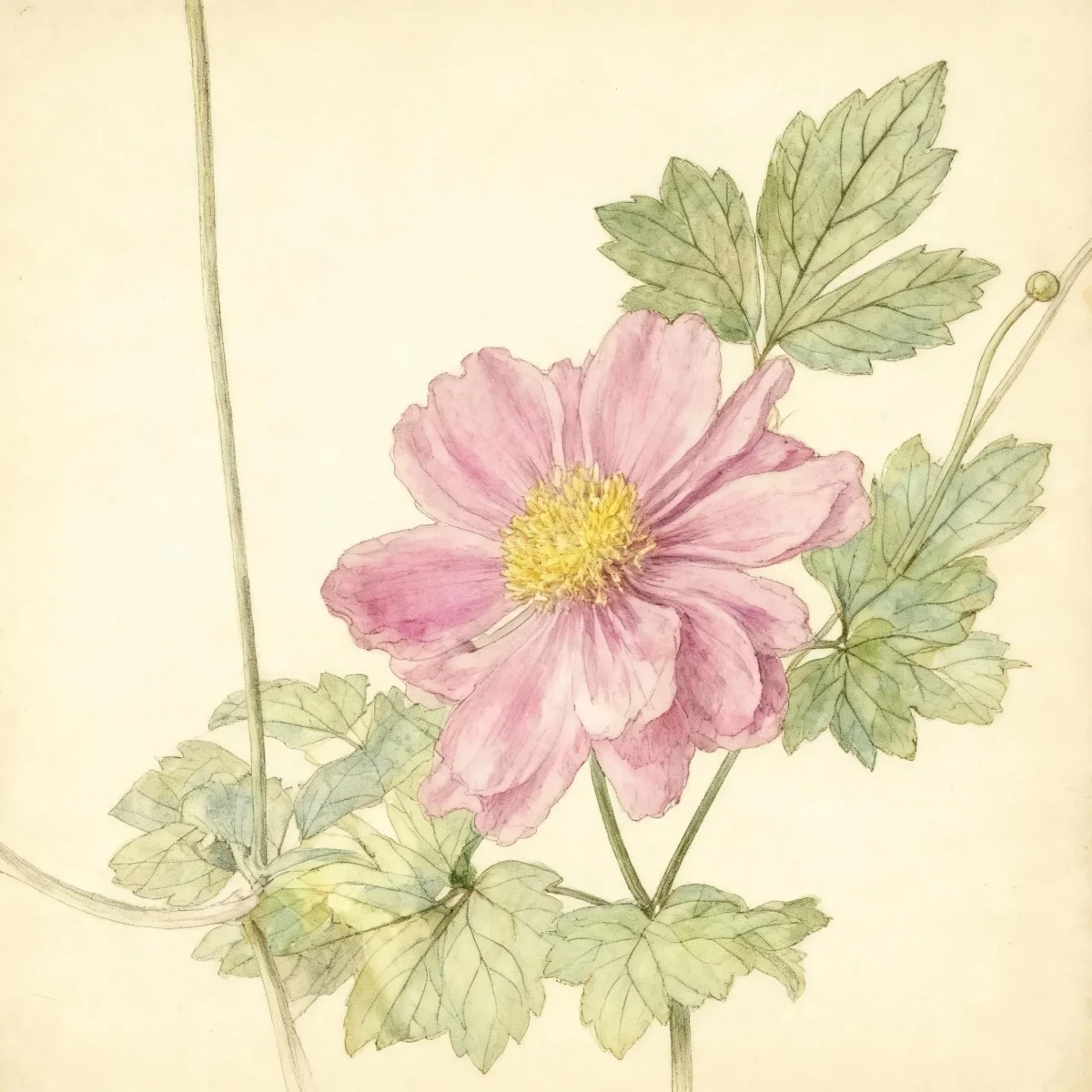
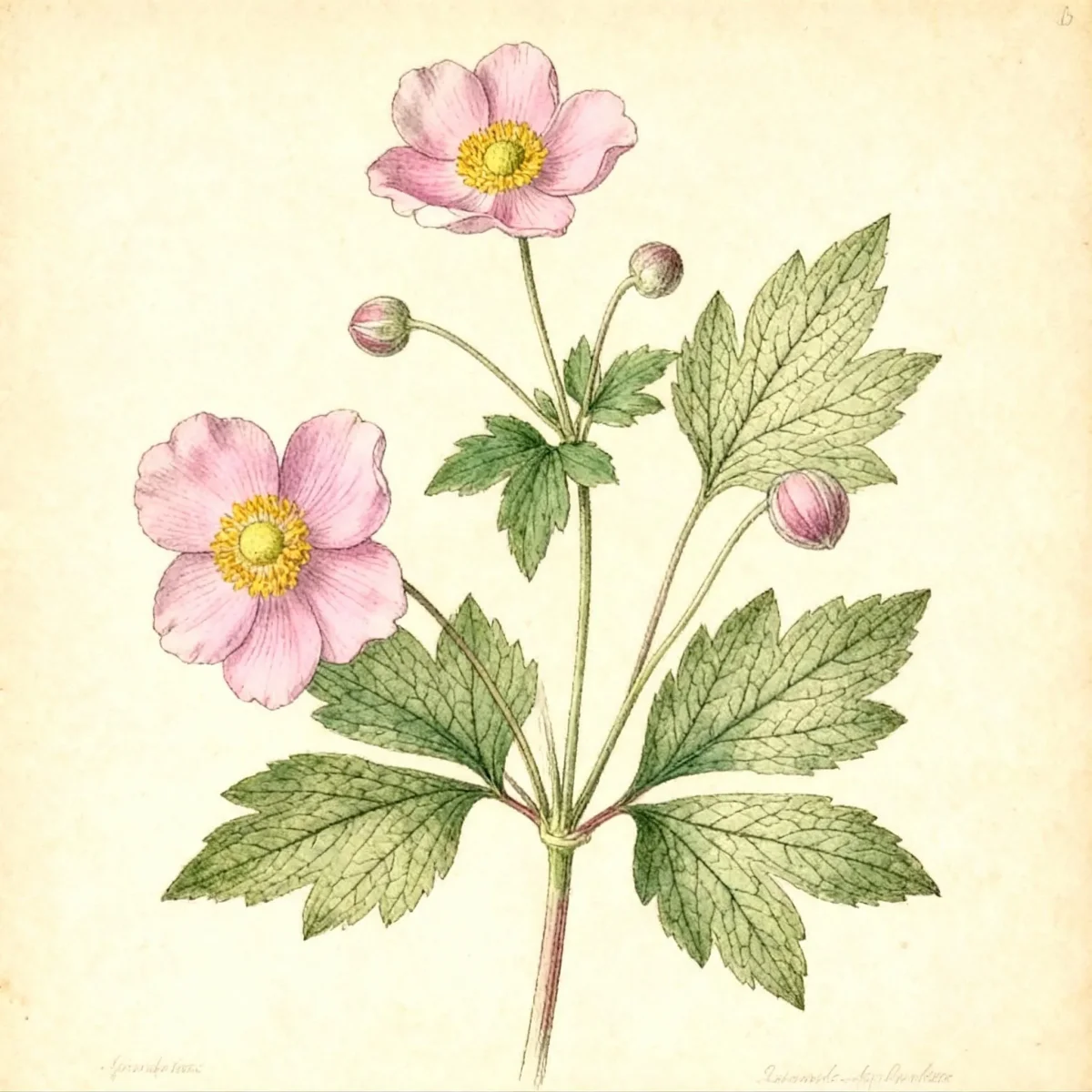
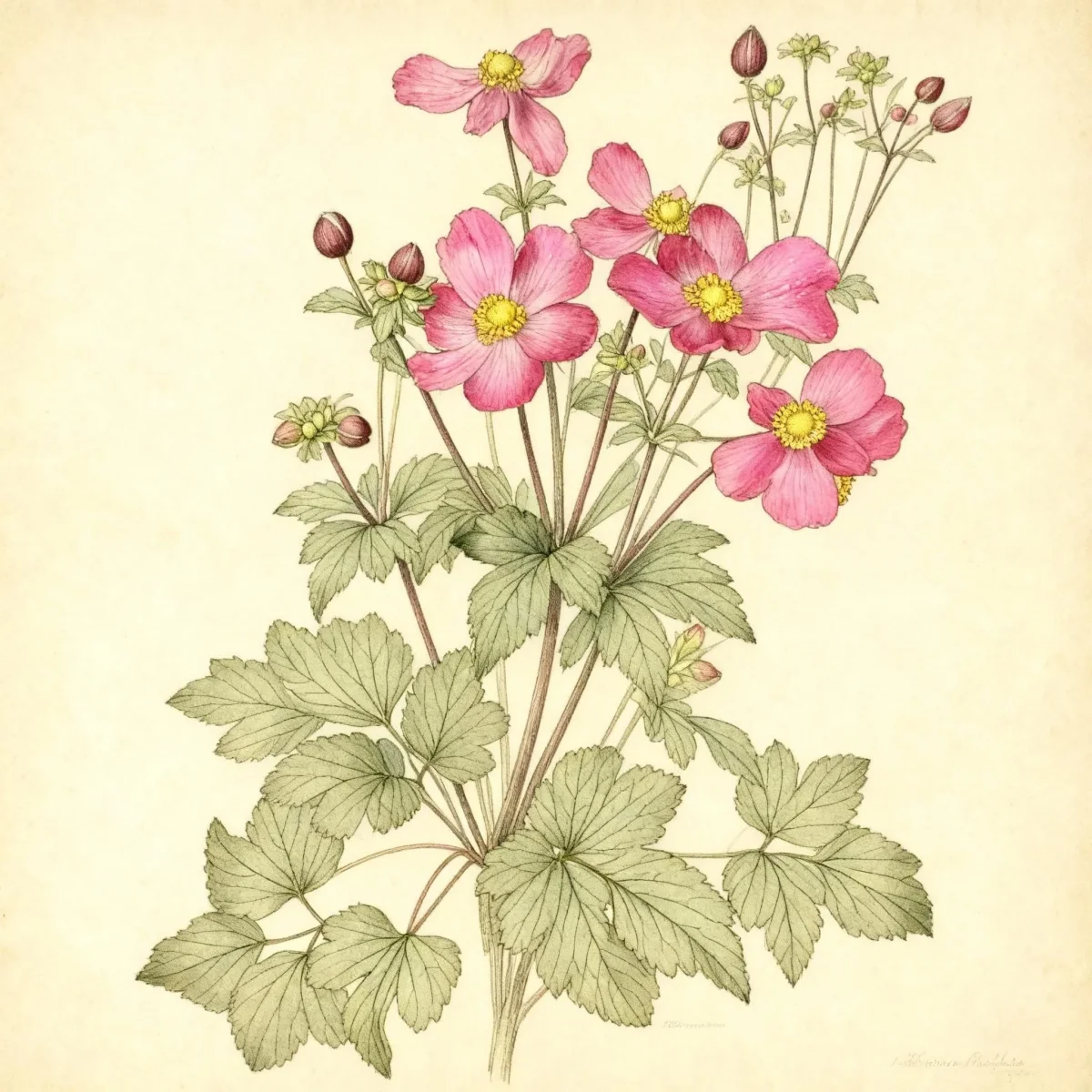
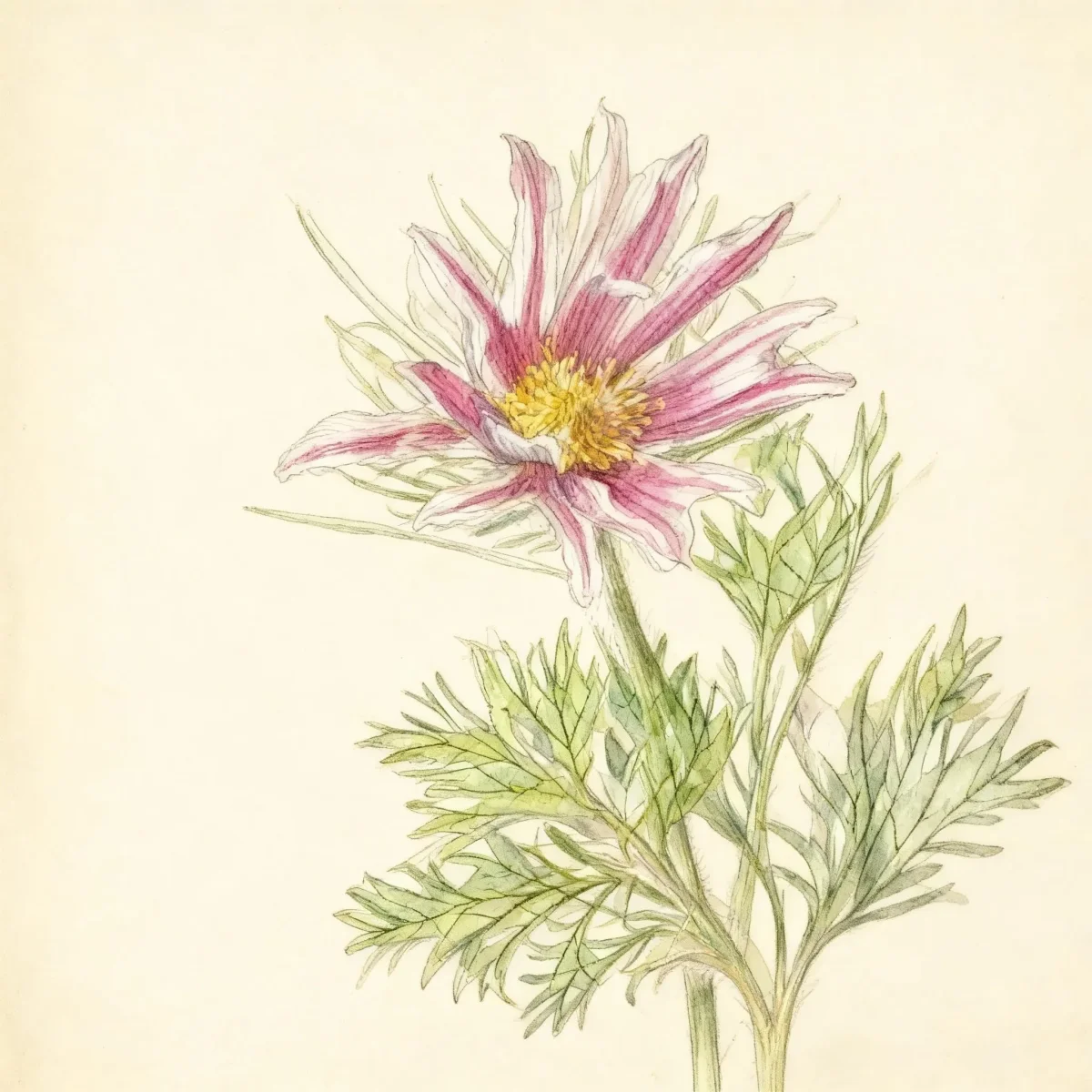
Japanese anemone (Anemone hupehensis 'Hadspen Abundance')
Anemone hupehensis 'Hadspen Abundance' delivers long-lasting, rose-pink fall blooms. This resilient Japanese anemone is low maintenance.
Scroll down to discover growing tips, care requirements, companion plants, and more
Complete Plant Information
Overview
The Anemone hupehensis ‘Hadspen Abundance’, commonly known as the Japanese anemone, is a cherished late-season bloomer, filling late summer and fall gardens with vibrant color. This extremely valuable herbaceous perennial is noted for its gracefully arching stems that display numerous rose-pink, cup-shaped flowers well above the foliage clump. Gardeners value this cultivar for its longevity in the seasonal display, often providing color until the first hard frost.
This robust plant thrives in average to fertile soils, provided they are consistently moist and well-drained. While it tolerates full sun, many gardeners find that providing partial shade protects the foliage from sun scald during hot summers. The inherent vigor of Anemone hupehensis ‘Hadspen Abundance’ allows it to naturalize slowly via fibrous roots, creating beautiful, informal colonies over time.
Adding Anemone hupehensis ‘Hadspen Abundance’ to the landscape ensures consistent interest when summer performance starts to fade. Its structure adds vertical accent, and its low maintenance needs make it an excellent choice for cottage gardens or mixed perennial borders looking for reliable, late-season structure and hue.
Fast Facts
- Plant Family: Ranunculaceae
- Plant Type: Herbaceous perennial
- Hardiness Zones: USDA Zones 5-8
- Size at Maturity:
- Height: 2-3 ft
- Spread: 2-3 ft
- Bloom Time: August to September
- Bloom Description: Rose pink
- Sun Exposure: Full sun to part shade
- Water Needs: Medium
- Maintenance Level: Low
How to Grow
Planting Anemone hupehensis ‘Hadspen Abundance’ should ideally occur in spring, allowing the slow-to-establish root system time to settle before summer heat. Locate these plants where they receive light sun or part shade, ensuring the soil is fertile, humus-rich, and drains perfectly well. While they prefer neutral to slightly alkaline conditions, the absolute priority is consistent moisture; never let the soil completely dry out, especially in sunny spots where foliage can burn.
Care is generally low maintenance. Provide medium, consistent watering, ensuring the soil never becomes soggy, particularly during winter, as wet overwintering conditions can prove fatal. Fertilization is rarely necessary if the soil is already rich. Taller flowering stems may occasionally flop, especially in too much shade or without adequate wind protection, so providing a protected location or light staking can improve presentation.
Prepare plants for winter dormancy by applying mulch in colder zones (5) to buffer against extreme cold. In spring, be mindful of emergence, as Japanese anemones are notoriously slow to start growing. Propagation is best achieved through division of the fibrous suckering roots or via root cuttings taken during the dormant season.
Landscape Uses
The naturalizing habit of the Japanese anemone makes it an excellent anchor for informal designs. Due to the way Anemone hupehensis ‘Hadspen Abundance’ spreads to form colonies, it is perfectly suited for filling space in woodland gardens or softening the edges of perennial borders where a less rigid structure is desired. Mass plantings create a stunning drift of rose-pink color when most other perennials are finished.
For cottage gardens, pair these late bloomers with lower-growing, summer-fading perennials like asters or hardy geraniums, allowing the taller anemone stems to rise above. They look particularly effective when planted near hostas or ferns that appreciate similar moisture and light conditions but offer textural contrast to the delicate, wiry stems of the Japanese anemone. While they can be used in groups, avoid placing them where they might be completely overshadowed or compete with aggressive spreaders.
Standout Features
Flower Qualities
- Showy
Noteworthy Characteristics
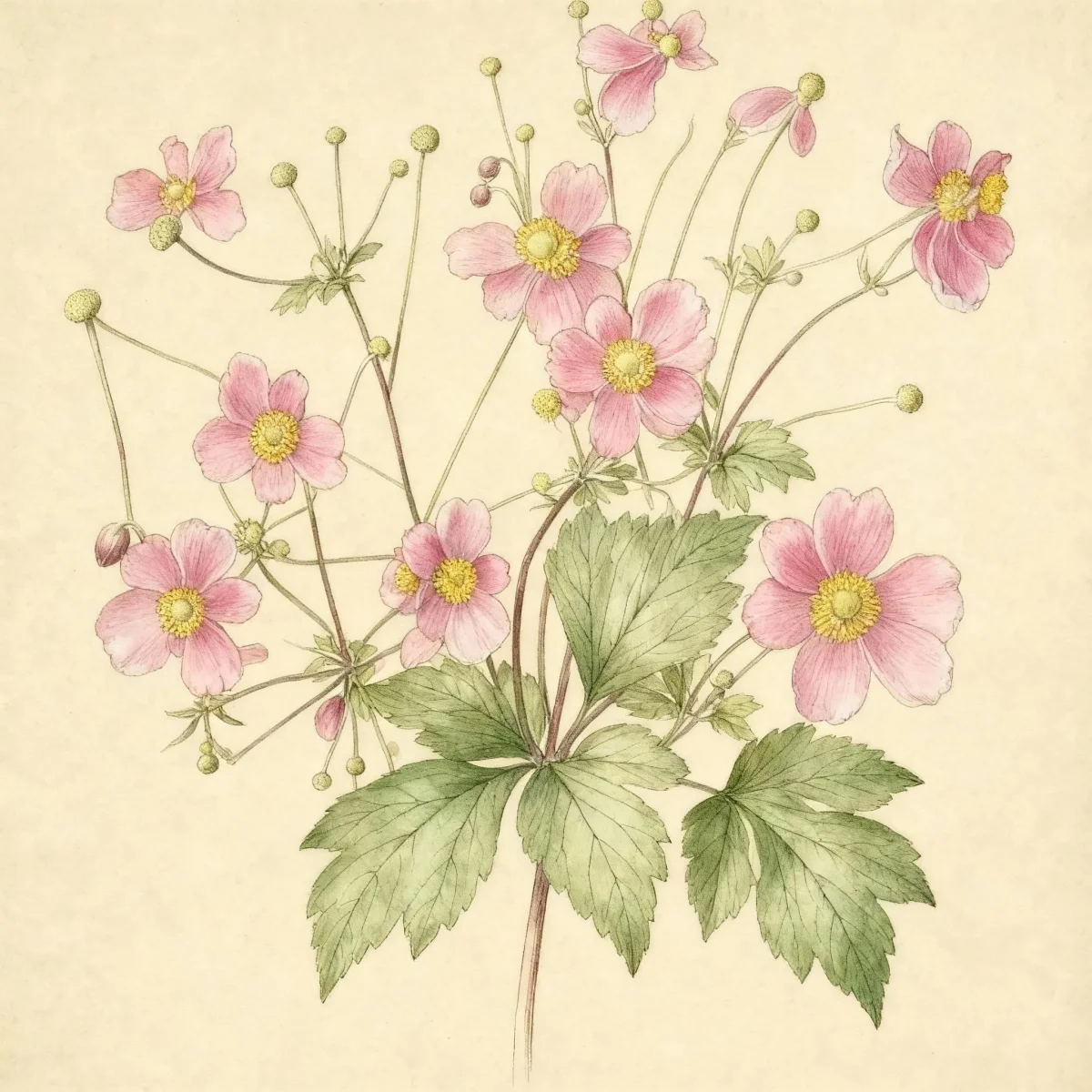
Anemone hupehensis, commonly called Japanese anemone, is a fibrous-rooted, woody-based late summer to fall flowering herbaceous perennial of the buttercup family that typically grows to 2-2 ½’ tall. Although native to scrubs, grassy slopes and streamsides in central and southwestern China, this anemone was cultivated in Japan for many years over which time it escaped gardens and naturalized to the point where it became mistakenly considered to be a Japanese native. Common name of Chinese anemone is sometimes used for this plant in reference to its true native habitat. This plant typically forms a basal foliage clump to 12” tall of 3-parted, dark green leaves on long petioles. Long, upright, wiry-but-graceful, branching flower stems rise well above the foliage clump in late summer to 30” tall bearing single, cup-shaped, apetalous flowers (2-3” diameter). Each flower contains 5-7 showy, rounded, pinkish-white to pale rose-mauve tepals (modified petals) with a contrasting green button-like center surrounded by a ring of yellow stamens. The specific cultivar, ‘Hadspen Abundance’, is prized because its flower tepals are deep pink edged with pale pink, originating at Hadspen Garden in Sommerst, England.
Tolerances
- Deer
Potential Problems
Anemone hupehensis ‘Hadspen Abundance’ generally faces few serious disease or pest issues, which contributes to its low maintenance profile. Gardeners should monitor for foliar nematodes, which feed inside the leaves, causing discoloration. Other potential fungal issues include leaf spot, powdery mildew, and rust, often exacerbated by poor air circulation or excessive summer humidity.
Pest vigilance should be directed toward slugs, weevils, flea beetles, and caterpillars, particularly when the new growth first emerges. Taller plants may occasionally benefit from support if they are exposed to strong winds or planted in heavy shade where stems lengthen excessively. Remember that this plant genus contains toxins, so avoid ingestion by pets or children.
Frequently Asked Questions
What hardiness zones is Japanese anemone suitable for?
The Japanese anemone, Anemone hupehensis ‘Hadspen Abundance’, is reliably hardy in USDA Zones 5 through 8.
How large does Anemone hupehensis ‘Hadspen Abundance’ grow?
This cultivar typically reaches a mature height between 2 and 3 feet tall, with a spread matching its height, maturing between 2 and 3 feet wide.
What sun exposure does Japanese anemone need?
Anemone hupehensis ‘Hadspen Abundance’ performs best in an area receiving full sun to part shade. Be aware that intense, hot, dry sun can cause the foliage to burn.
When does Anemone hupehensis ‘Hadspen Abundance’ bloom?
This perennial provides beautiful blooms from August through September, featuring distinctive rose-pink flowers.
Conclusion
The reliability of Anemone hupehensis ‘Hadspen Abundance’ in delivering a late-season show of deep pink flowers makes it invaluable for extending garden interest past summer’s peak. This low-maintenance Japanese anemone establishes slowly but rewards patient gardeners with spreading colonies of graceful blooms. Before planting, ensure your site provides the medium, consistently moist soil it requires and verify that your USDA zone falls between 5 and 8.
Companion Planting
Selecting appropriate partners is key to maximizing the visual appeal and health of your Japanese anemone planting. Companions should ideally thrive in similar moisture levels and appreciate dappled light, or they should complement the anemone during its dormant period. Consider weaving asters, especially late-blooming varieties like Symphyotrichum novae-angliae, nearby so that when the anemone fades, the aster picks up the color.
For textural contrast, plant Anemone hupehensis ‘Hadspen Abundance’ near bold-leafed plants like Hosta varieties that enjoy shade, or next to ornamental grasses that offer movement. Since the anemone dies back fully in winter, placing groundcovers in front of it can hide any bare spots while the plant is just emerging slowly in the spring.
Seasonal Care Calendar
Spring is the critical time for emerging care; be patient as the Anemone hupehensis ‘Hadspen Abundance’ foliage is often one of the last perennials to break ground. Once growth appears, ensure immediate access to consistent moisture. If you are in a colder climate or the winter was harsh, apply a balanced, slow-release fertilizer around emerging growth to encourage strong stem development.
Summer care is primarily focused on moisture management. Because this plant dislikes drying out, deep, regular watering is essential, particularly during dry spells or heat waves. If stems begin to look weak or too leggy, this suggests they are seeking more light; however, watch out for scorching if moved to full afternoon sun.
In autumn, enjoy the persistent blooms of the Japanese anemone until the first hard frost blackens the stems. Cut back the spent woody stems in late fall or early spring before new growth resumes. Mulching the root zone heavily in late fall is the best way to ensure successful overwintering in Zone 5 gardens.