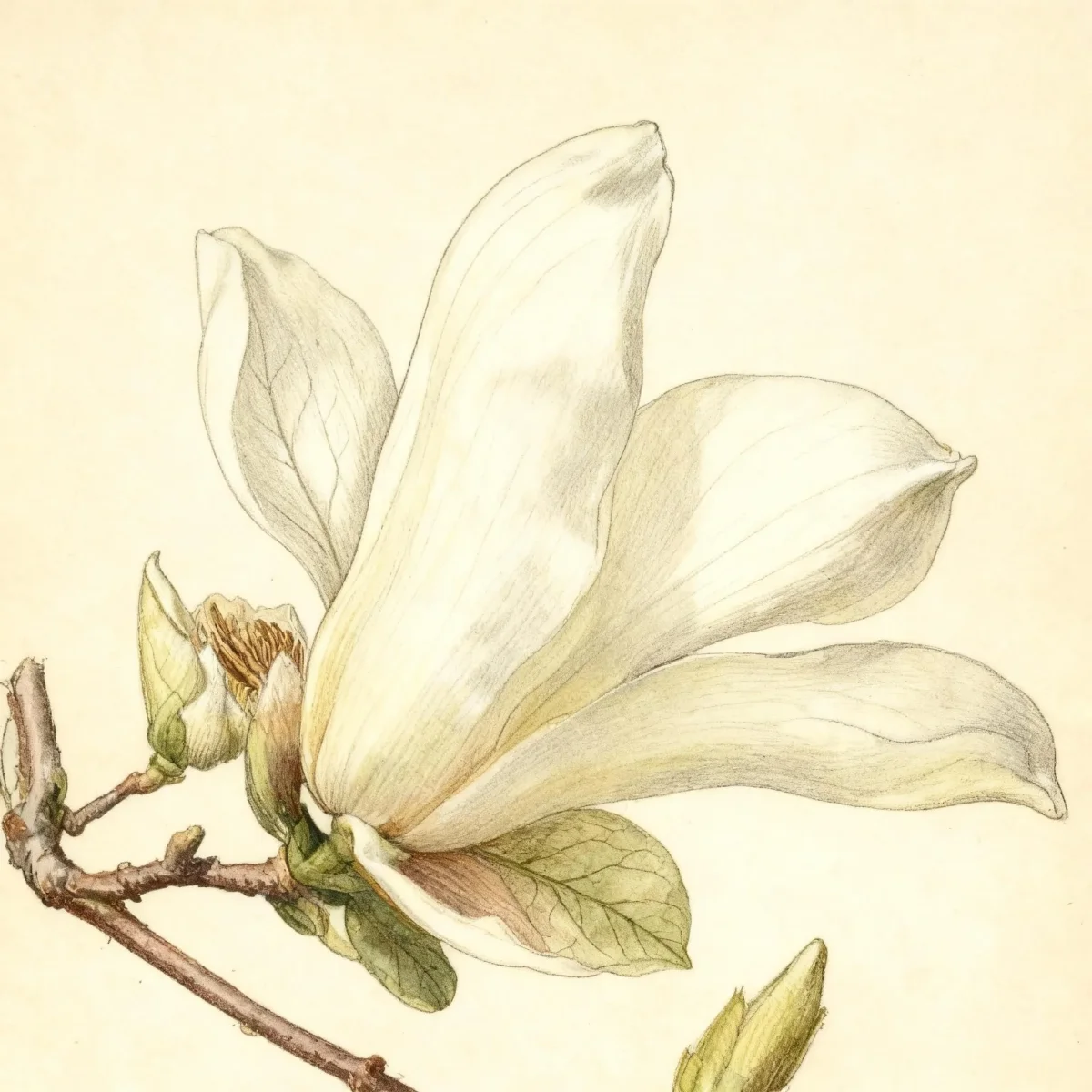
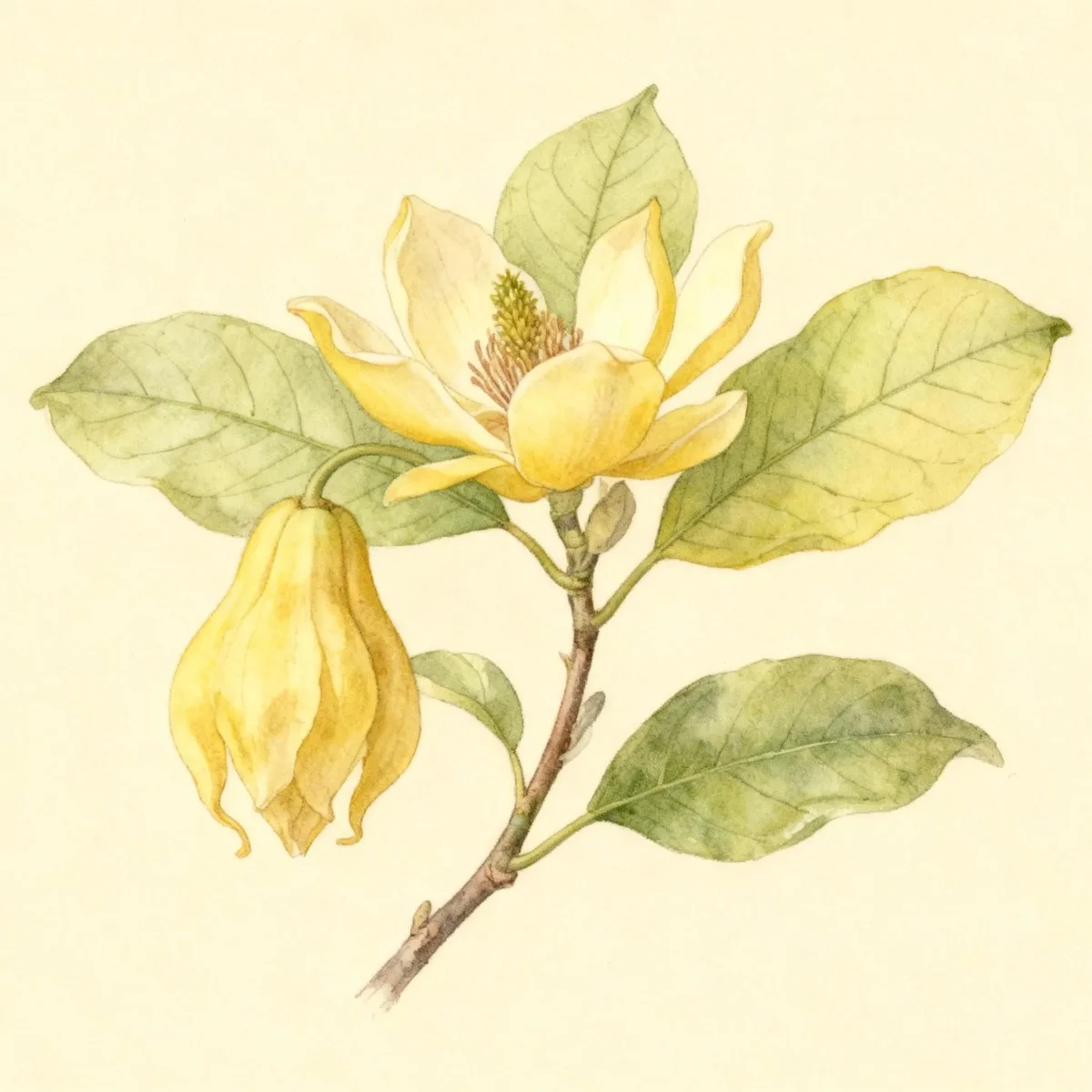
Magnolia (Magnolia 'Daybreak')
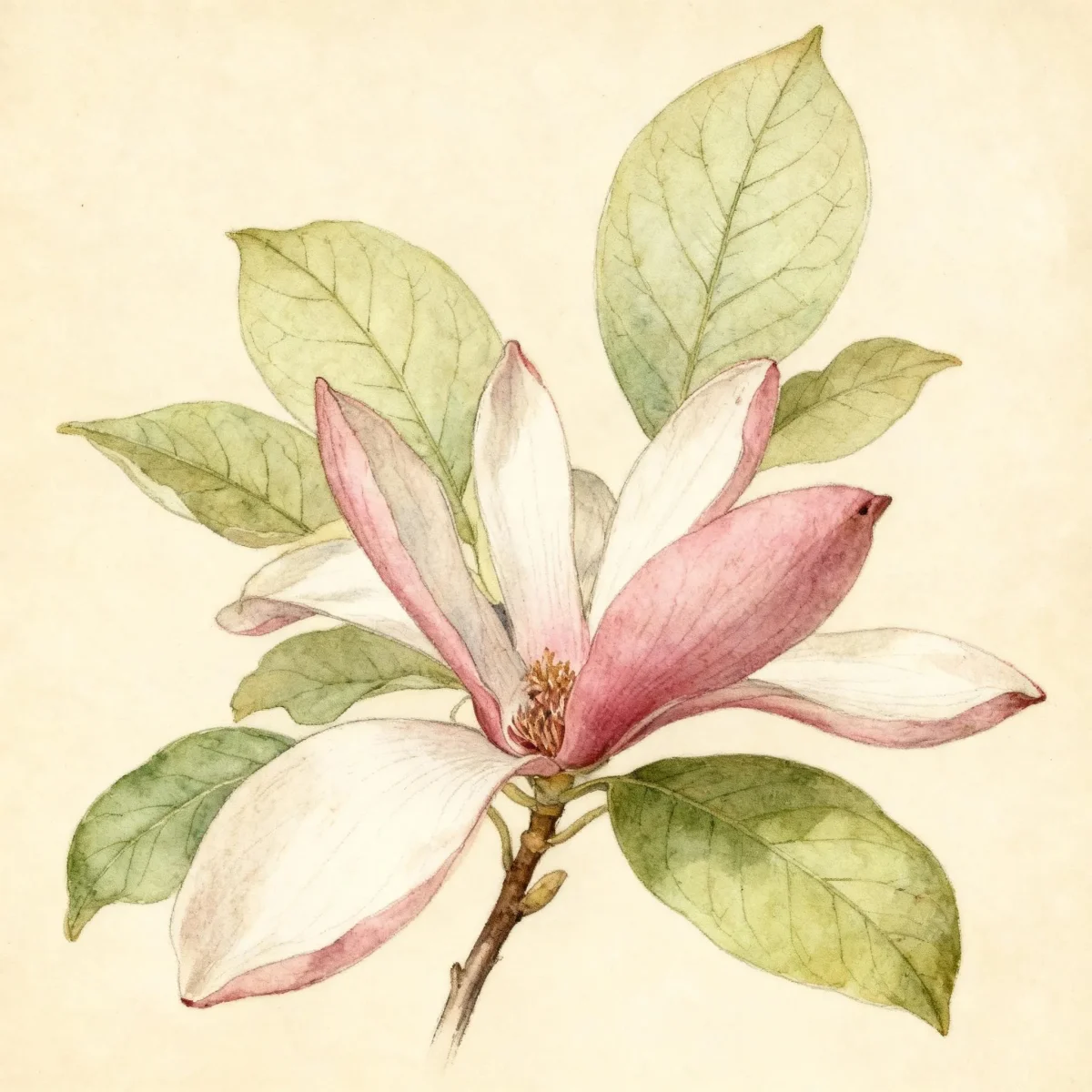
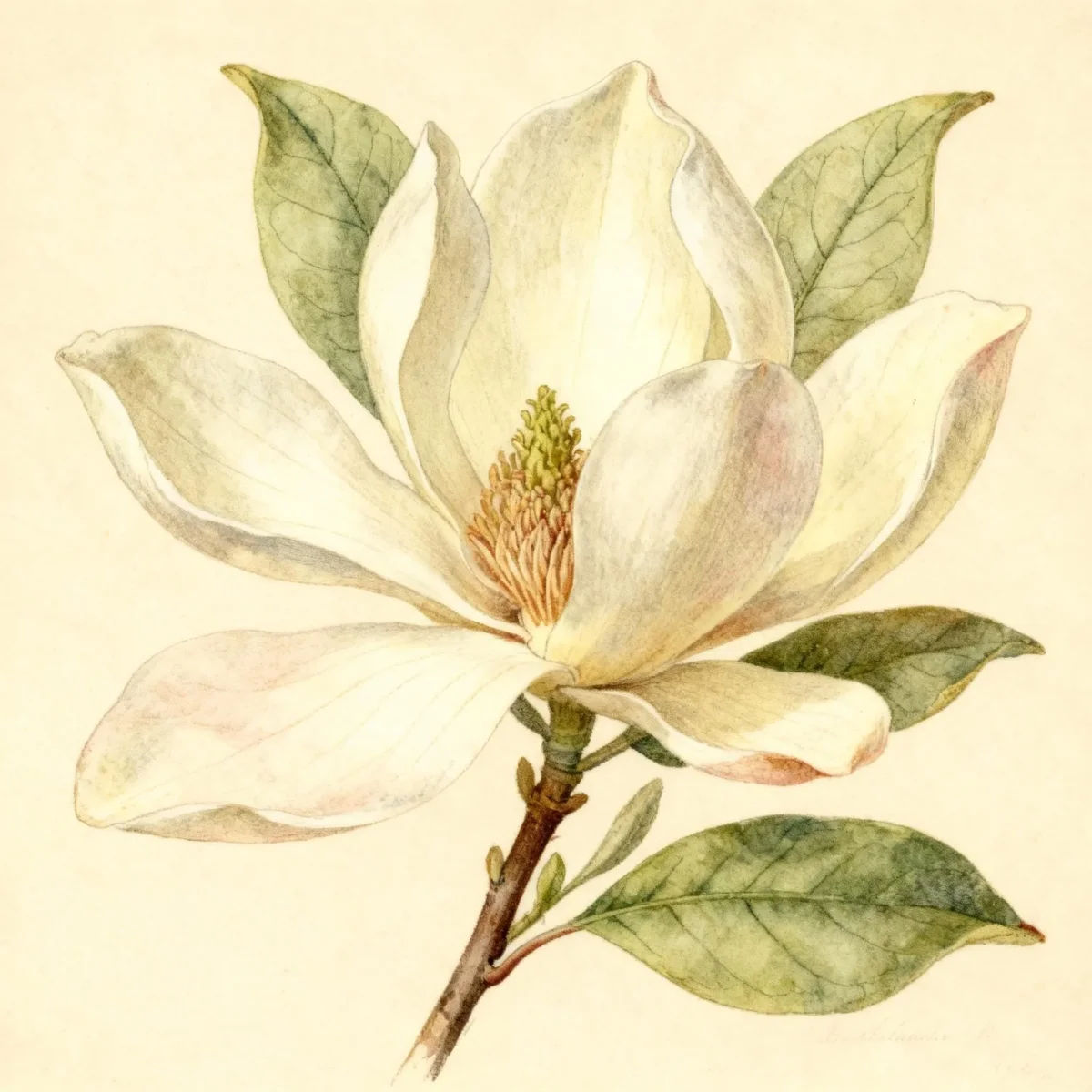
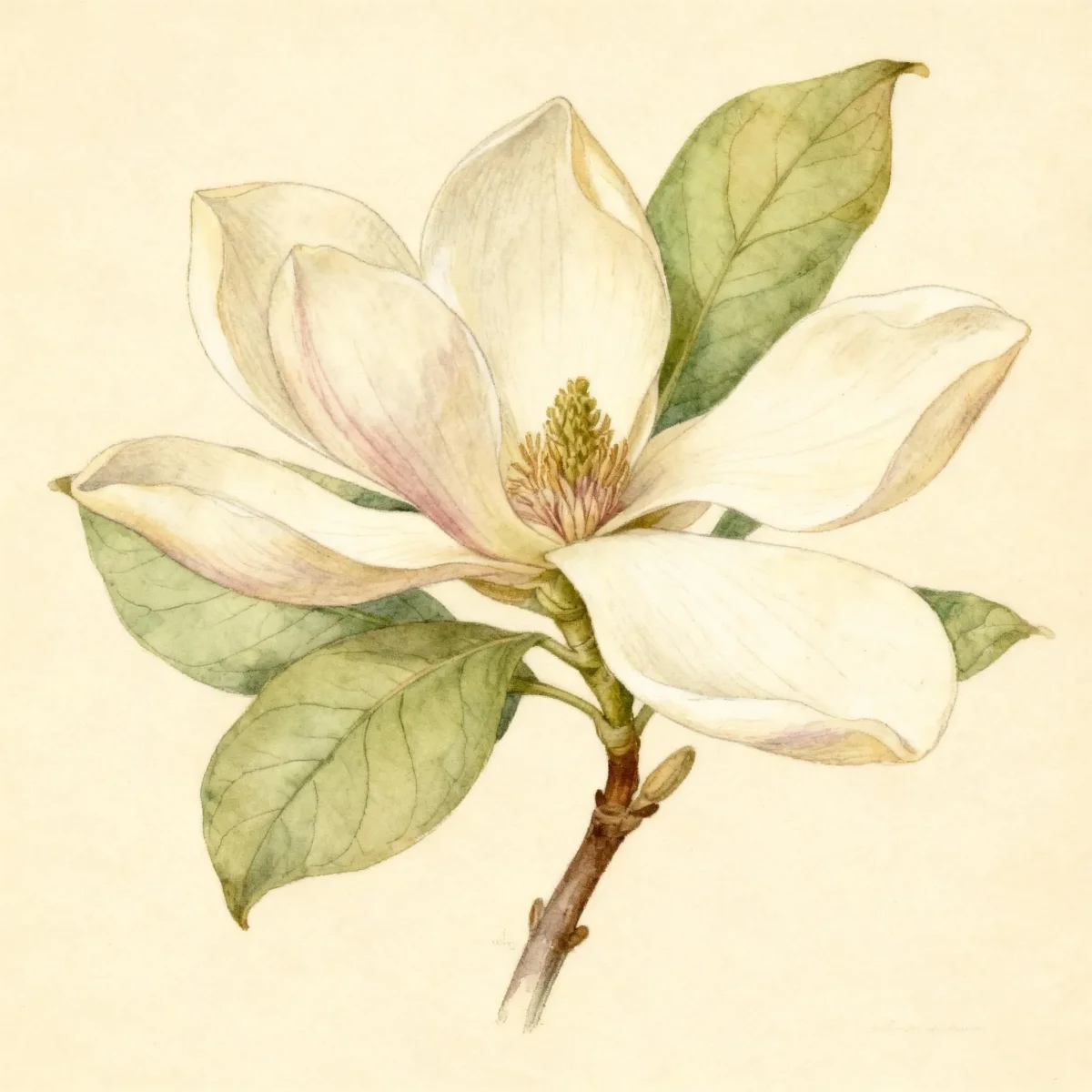
Magnolia 'Daybreak' is a columnar, low-maintenance tree boasting showy, fragrant, pastel pink flowers in spring between USDA Zones 5-8.
Scroll down to discover growing tips, care requirements, companion plants, and more
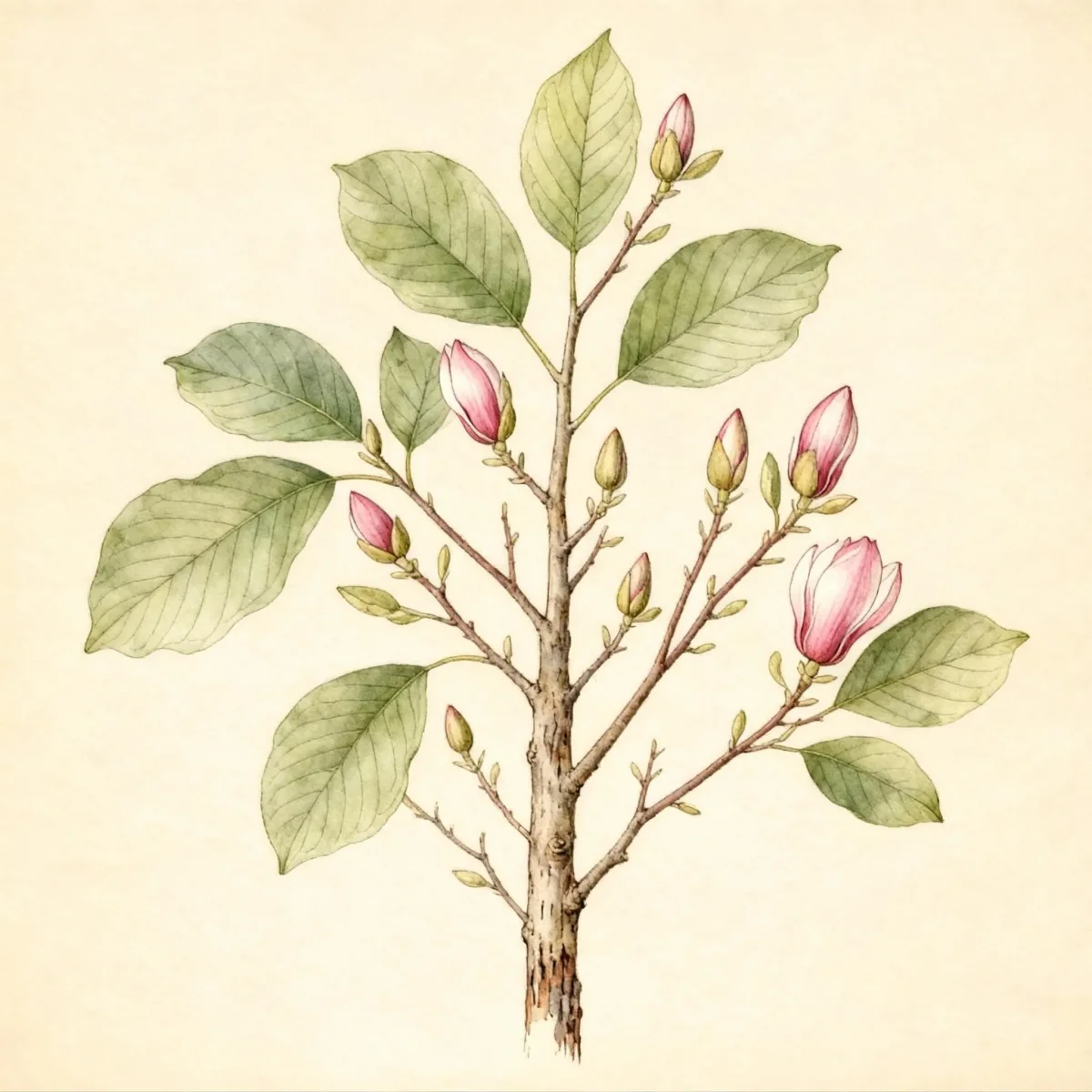
Complete Plant Information
Overview
Magnolia ‘Daybreak’ stands out in the landscape due to its uniquely narrow, columnar habit, a valuable trait among magnolias that usually spread much wider. This hybrid cultivar offers a spectacular display of showy, fragrant, pastel pink flowers emerging in late April to May, often after the risk of hard spring frosts has passed. Gardeners value Magnolia ‘Daybreak’ for its low maintenance requirements and its ability to provide significant vertical architectural interest.
As a deciduous tree in the Magnoliaceae family, this specimen fits well into cultivated settings where its upright branching pattern can be appreciated. It provides seasonal beauty with its spring blooms and attractive medium green foliage throughout the summer months. Successful cultivation of Magnolia ‘Daybreak’ relies on careful site selection to protect its sensitive root system and ensure optimal light exposure.
The cultivar was registered by Dr. August Kehr and is now highly regarded, even earning the Pennsylvania Horticultural Society Gold Medal in 2004. For the best performance, treat this Magnolia as a star specimen where its unique structure and fragrant flowers can be the focus of spring garden appreciation.
Fast Facts
- Plant Family: Magnoliaceae
- Plant Type: Tree
- Hardiness Zones: USDA Zones 5-8
- Size at Maturity:
- Height: 20-25 ft
- Spread: 6-12 ft
- Bloom Time: April to May
- Bloom Description: Pastel pink
- Sun Exposure: Full sun to part shade
- Water Needs: Medium
- Maintenance Level: Low
How to Grow
Planting Magnolia ‘Daybreak’ requires forethought, primarily due to its easily damaged, fleshy root system. Choose an ideal location carefully and avoid transplanting once established, aiming for planting in spring or early fall. This tree thrives best in organically rich, well-drained soils that maintain a neutral to slightly acidic pH level.
Care involves ensuring medium moisture levels, especially during dry periods, and applying a root-zone mulch to help retain soil moisture. It is advantageous to position this Magnolia away from harsh, warm southern exposures, which can encourage premature bud opening, making the flowers vulnerable to frost damage. For structure, the tree appreciates a location sheltered from strong winds.
Pruning for the Magnolia ‘Daybreak’ should be minimal, typically limited to removing only dead or damaged branches. If pruning is necessary for shaping or size control, perform this essential task immediately after the spring flowering period concludes. Mature trees usually require little intervention beyond standard maintenance.
Landscape Uses
The unusual columnar form of Magnolia ‘Daybreak’ makes it an excellent specimen or accent plant, perfectly suited for smaller yards or narrow borders where broader trees would overcrowd the space. Its upright habit allows it to function effectively as a small shade tree without casting an overwhelming shadow. Consider planting groups of these magnolias along property lines or walkways where their spring floral impact can be fully showcased.
Because this tree prefers rich, consistent soil moisture, companion plantings should share similar cultural needs. Consider pairing the Magnolia ‘Daybreak’ with shade-tolerant, moisture-loving shrubs like rhododendrons or azaleas planted strategically out of the immediate root zone, or use low-growing groundcovers that benefit from root-zone mulching.
When designing around this feature tree, maximize visibility of its vase-like structure. Placing it against a backdrop of dark green evergreens can dramatically highlight the pale pink spring blossoms of Magnolia ‘Daybreak’.
Standout Features
Flower Qualities
- Showy
- Fragrant
Noteworthy Characteristics
The genus Magnolia consists of about 100 species (plus numerous additional hybrids and cultivars) of deciduous or evergreen trees and shrubs. Most plants feature large simple leaves and showy, sometimes fragrant flowers (yellow, white, pink or purple) which bloom in early spring before or while the leaves are emerging or in late spring to summer when trees are fully leaved. Genus name honors Pierre Magnol, French botanist (1638-1715). ‘Daybreak’ is a pink-flowered hybrid magnolia registered in 1990 by Dr. August Kehr. It is a deciduous tree with fastigiate branching that typically matures to 20-25’ tall but to only 6-12’ wide, featuring pastel pink, 8-10” diameter flowers that bloom late in spring (late April-May).
Tolerances
Potential Problems
Magnolia ‘Daybreak’ benefits from later flowering, which significantly reduces the risk of spring frost damage compared to earlier blooming magnolias. However, like all magnolias, it can be susceptible to fungal issues such as leaf spots, anthracnose, canker, dieback, and powdery mildew. Good air circulation and avoiding overhead watering can help mitigate these fungal risks.
Potential insect pests include weevils, snails, scale insects, and thrips. Regular monitoring, especially of new growth, allows for early intervention management strategies. Ensuring soil drainage remains excellent will help keep the tree vigorous and more resilient against opportunistic pathogens.
Frequently Asked Questions
What hardiness zones is Magnolia suitable for?
Magnolia ‘Daybreak’ is reliably hardy in USDA Zones 5 through 8. Double-check your local cold hardiness rating before planting this specimen.
How large does Magnolia ‘Daybreak’ grow?
This cultivar typically reaches heights between 20 and 25 feet tall, maintaining a relatively narrow spread of 6 to 12 feet wide, offering excellent vertical accent potential.
When does Magnolia ‘Daybreak’ bloom?
This wonderful Magnolia blooms later than many cultivars, typically from April to May, featuring beautiful pastel pink flowers.
What sun exposure does Magnolia ‘Daybreak’ need?
For the best flowering performance, Magnolia ‘Daybreak’ requires full sun to partial shade conditions.
Conclusion
Magnolia ‘Daybreak’ offers gardeners a rare combination of fragrant, showy spring blooms housed within a desirable columnar habit, minimizing landscape footprint. Ensuring well-drained, organically rich soil and careful site selection are key steps to enjoying this low-maintenance Magnolia for years to come. Before purchasing, verify that your site falls within USDA Zones 5-8 and plan to plant it carefully to protect its sensitive root structure.
Companion Planting
When selecting partners for Magnolia ‘Daybreak’, focus on plants that thrive in similar soil moisture and acidity profiles (neutral to slightly acidic, medium moisture). Acid-loving shrubs like hydrangeas (especially those that tolerate partial shade) make excellent companions near the drip line, provided they do not compete directly with the shallow roots of the Magnolia. Blueberries or azaleas, which prefer slightly acidic conditions, can also frame this specimen beautifully.
For ground cover, avoid overly aggressive spreaders that might compete heavily for surface nutrients. Instead, consider using wood chips or pine needles as mulch—which complements the soil profile required by Magnolia ‘Daybreak’—and allow low-growing shade perennials like Hosta or Astilbe to fill in sparser areas around the base.
Seasonal Care Calendar
Spring is crucial for anticipating the flower buds before they open; protect against unexpected hard freezes if early warming causes premature swelling. Immediately following bloom drop in late spring, you may prune any necessary shaping on the Magnolia. Summer care focuses strictly on consistent, medium watering; mulch application in early summer helps regulate soil temperature and moisture retention around the base.
Autumn is the ideal time for general site cleanup, ensuring leaf litter does not smother the root zone. Avoid applying synthetic fertilizers late in the season, allowing the tree to prepare for winter dormancy naturally. In winter, inspect the branches for signs of winter burn or wind damage, though major pruning should be reserved for post-bloom next spring.