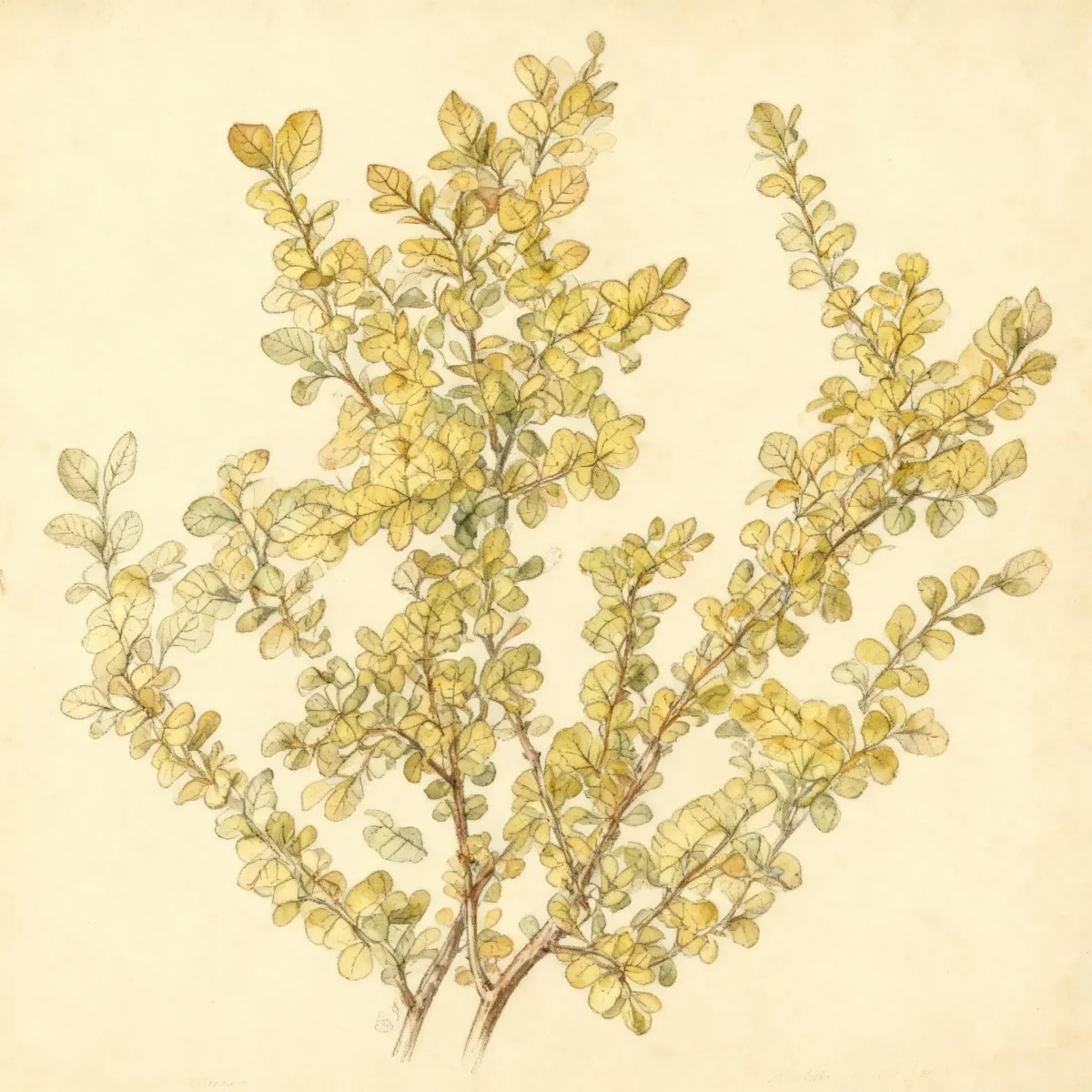
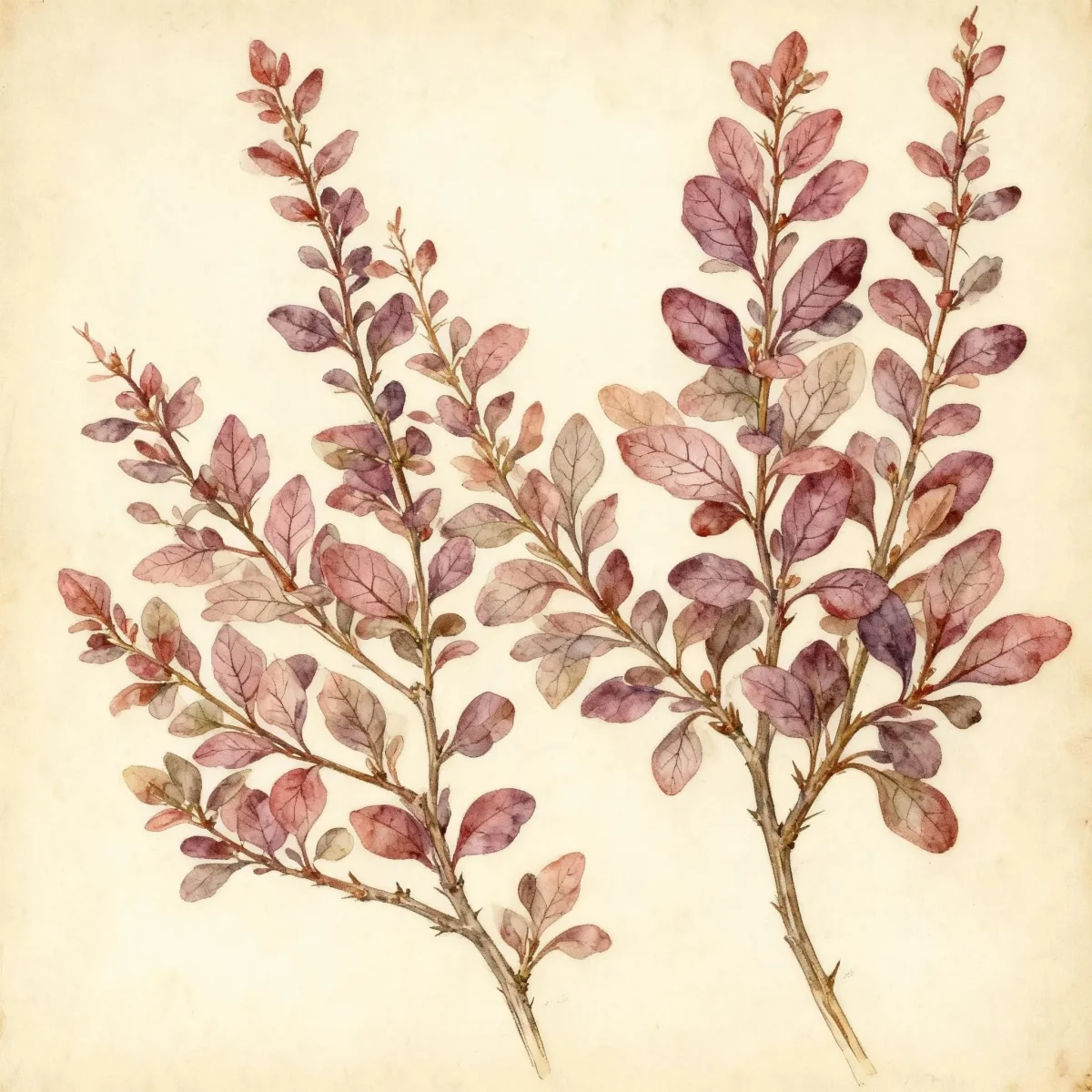
Japanese barberry (Berberis thunbergii 'Talago' SUNJOY GOLD BERET)
Discover Berberis thunbergii 'Talago' SUNJOY GOLD BERET, a dwarf Japanese barberry perfect for small areas. Bright yellow foliage, low maintenance, and drought tolerant.
Scroll down to discover growing tips, care requirements, companion plants, and more
Complete Plant Information
Overview
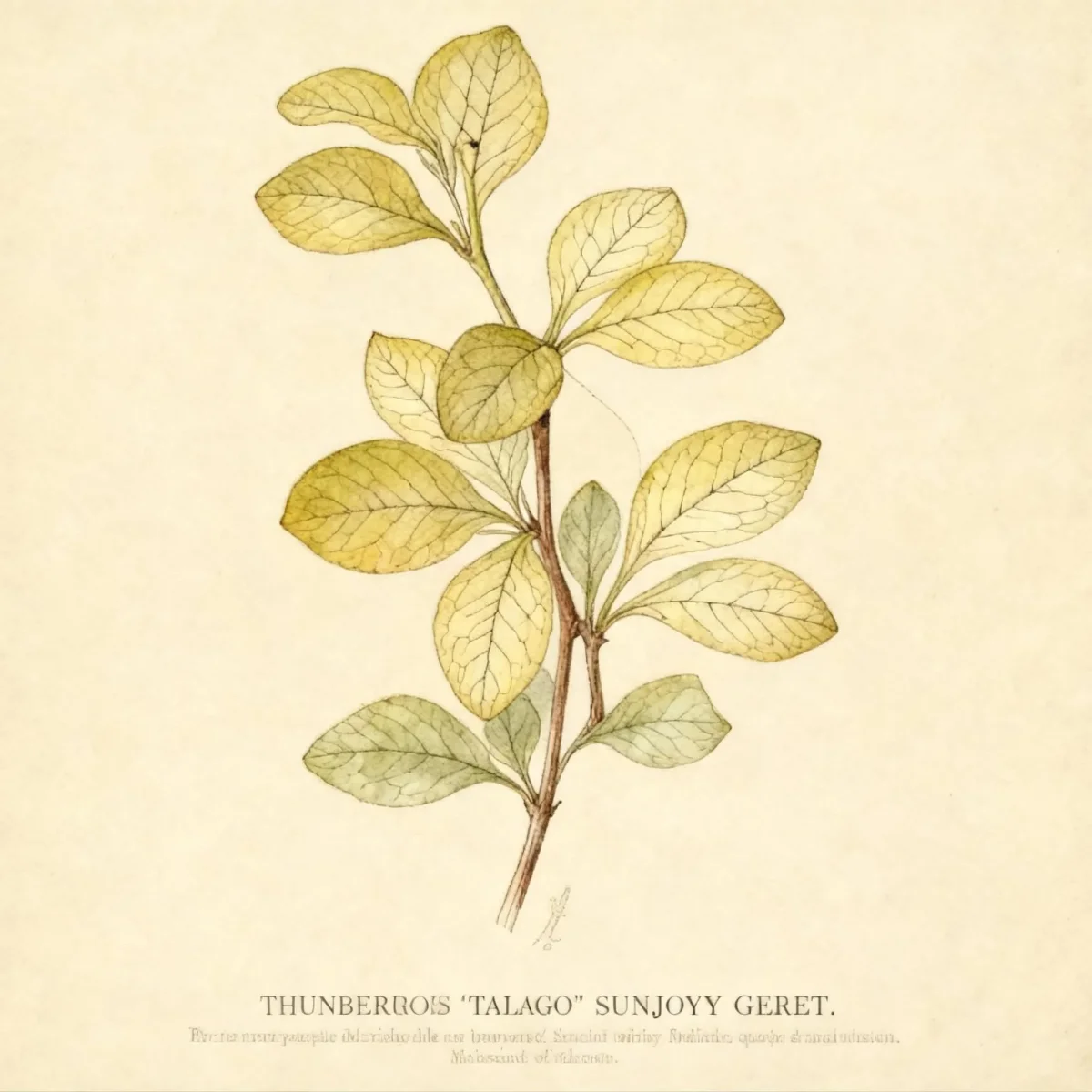
The Berberis thunbergii ‘Talago’ SUNJOY GOLD BERET is a highly desirable dwarf cultivar of the Japanese barberry, celebrated for its compact, rounded form perfect for small gardens or rockeries. This specific variety, known commonly as Japanese barberry, distinguishes itself with striking, almost neon, bright yellow foliage that maintains color well throughout the growing season, contrasting beautifully with glossy red autumn berries. Requiring minimal attention once established, this deciduous shrub offers considerable visual impact with low maintenance requirements, making it a favorite for reliable seasonal color.
The compact nature of Berberis thunbergii ‘Talago’ SUNJOY GOLD BERET ensures it fits neatly into tight spaces, unlike larger standards of Japanese barberry. It thrives best when sited in full sun, which encourages the most vibrant yellow leaf expression, though it possesses enough adaptability to tolerate partial shade. Gardeners value this plant for its year-round structure and resilience against harsh summer conditions.
While offering undeniable aesthetic benefits, gardeners must consider the known invasiveness profile of Japanese barberry in certain regions, particularly Eastern North America, as birds readily disperse the seeds. However, for controlled landscape use, the Berberis thunbergii ‘Talago’ SUNJOY GOLD BERET provides excellent texture, year-round interest, and a low-growing, formal shape.
Fast Facts
- Plant Family: Berberidaceae
- Plant Type: Deciduous shrub
- Hardiness Zones: USDA Zones 4-8
- Size at Maturity:
- Height: 0.5-1 ft
- Spread: 0.5-1 ft
- Bloom Time: April to May
- Bloom Description: Pale yellow
- Sun Exposure: Full sun
- Water Needs: Dry to medium
- Maintenance Level: Low
How to Grow
Planting Berberis thunbergii ‘Talago’ SUNJOY GOLD BERET is best accomplished in spring or fall when plants are dormant or semi-dormant. Ensure the site selected provides excellent drainage, as this adaptable shrub is generally intolerant of poorly-drained, wet soils. Full sun exposure is crucial for developing the best bright yellow foliage color; growth in too much shade results in greener leaves by mid-summer.
Maintenance remains low, fitting well into modern landscape plans. Water regularly to establish the plant, but once mature, this Japanese barberry cultivar exhibits good drought tolerance. Fertilizing is rarely necessary unless the soil is extremely poor; standard slow-release granules applied in early spring are sufficient if needed. Pruning is generally limited to shaping or removing any stray branches that lose their compact, rounded habit.
Be aware that the stems are spiny, which can be an advantage when used as a barrier plant but requires care during maintenance tasks. Propagation of Berberis thunbergii ‘Talago’ SUNJOY GOLD BERET is typically performed via cuttings, as this hybrid needs propagation to maintain its specific characteristics. Note that the plant can spread slowly by creeping roots and some self-seeding occurs via bird activity.
Landscape Uses
The diminutive size of Berberis thunbergii ‘Talago’ SUNJOY GOLD BERET makes it an outstanding accent specimen for small landscape areas where larger shrubs would overwhelm the space. Its vibrant yellow mounds create fantastic contrast when planted against deep green or dark purple foliage, such as dark-leafed Heuchera or deep green conifers. It works exceptionally well as a neat edge along walkways or nestled among foundation plantings where its low profile will not obscure windows.
For textural contrast in shrub borders, employ this dwarf Japanese barberry to break up monochromatic groupings of green shrubs. Due to its tolerance for urban pollution and dry soil, it is reliable for street-side plantings or difficult pockets. Furthermore, its dense, prickly nature makes the Berberis thunbergii ‘Talago’ SUNJOY GOLD BERET an effective, low-growing, spiny barrier plant, especially effective as an informal or low hedge.
Standout Features
Fruit Qualities
- Showy
Noteworthy Characteristics
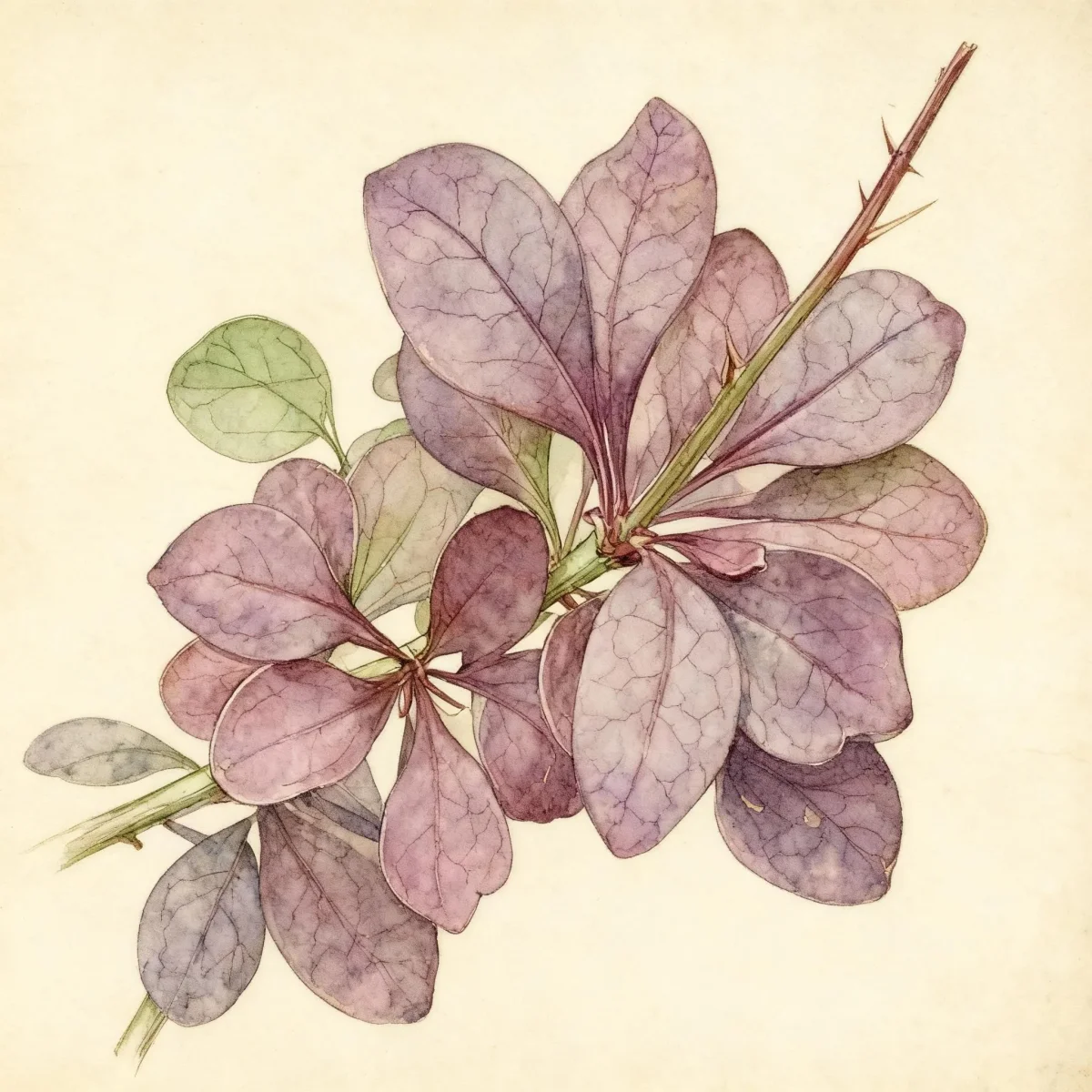
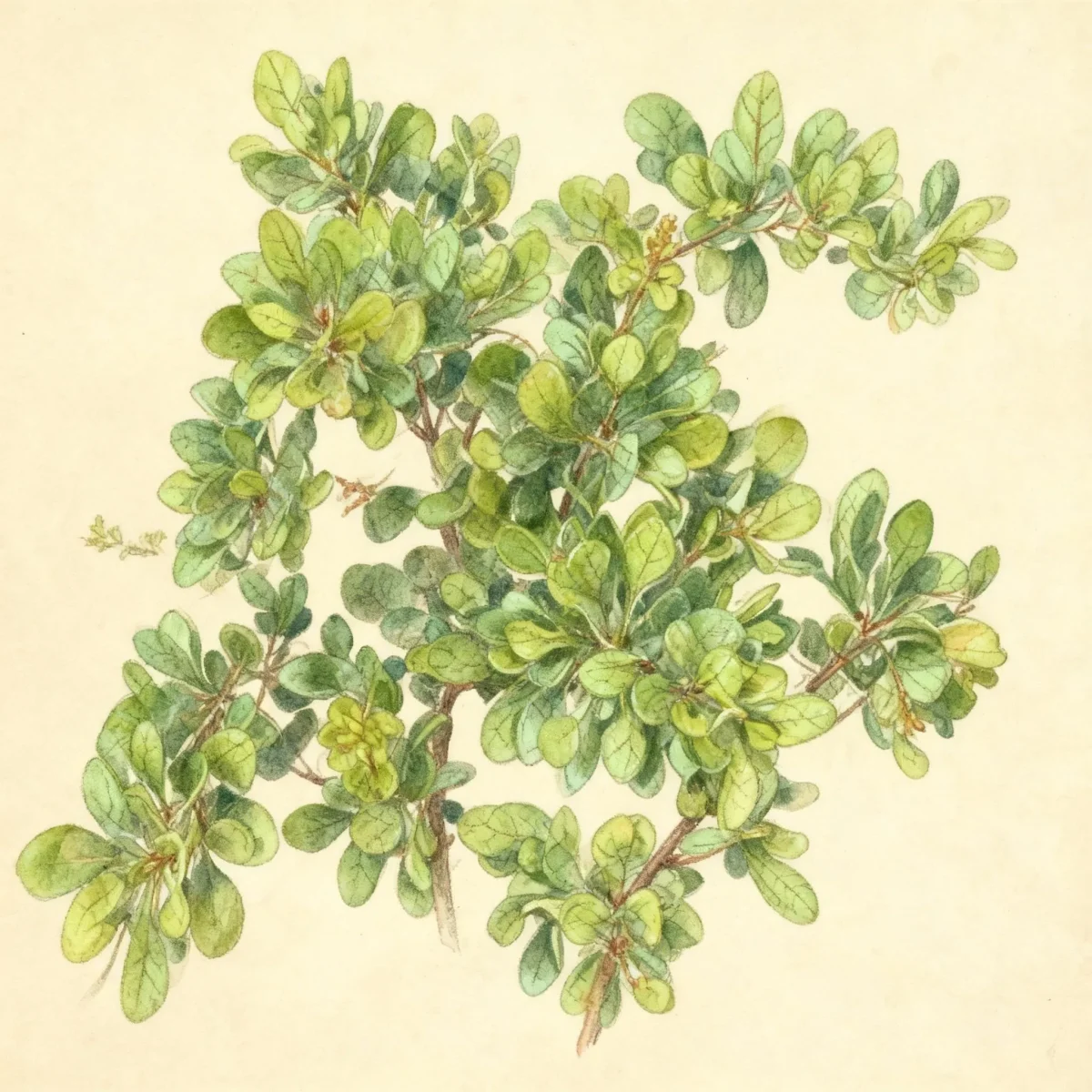
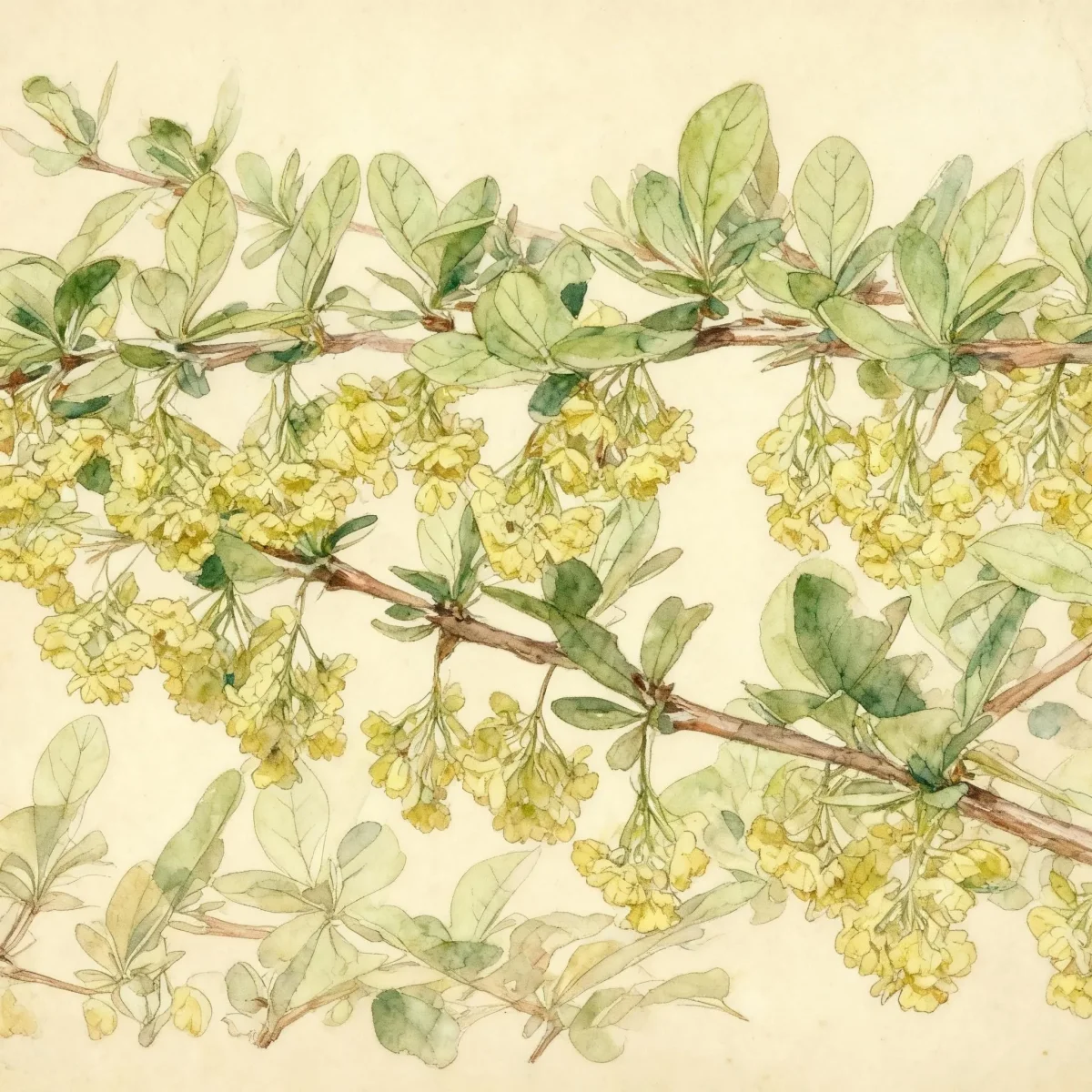
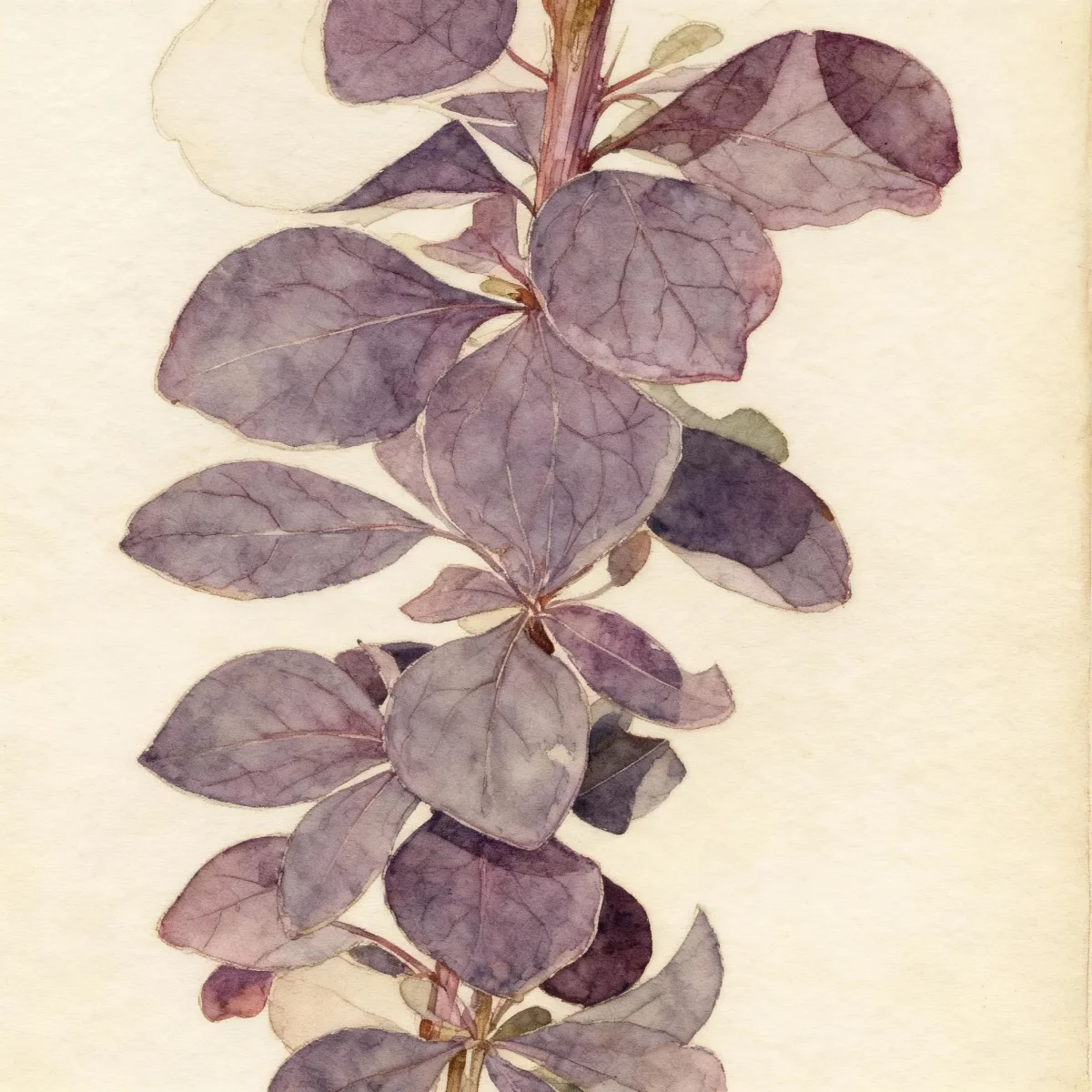
The Berberis thunbergii ‘Talago’ SUNJOY GOLD BERET is genetically distinct within the Japanese barberry species, maturing into a mound only 6–12 inches tall. Its foliage displays an engaging cycle: emerging yellow with subtle red tinges in spring, ripening to brilliant yellow throughout summer, and finishing with intense orange-red coloration in the fall. These fine specimens also produce small, inconspicuous pale yellow flowers followed by glossy, bright red berries in autumn, adding seasonal appeal.
Tolerances
- Deer
- Drought
- Erosion
- Clay Soil
- Dry Soil
Potential Problems
While generally robust, this Japanese barberry cultivar can face some common issues if conditions are not ideal. Susceptibility includes bacterial leaf spot, anthracnose, root rots (especially in wet sites), aphids, and scale insects. Monitor plants closely, particularly during wet springs, for signs of fungal diseases like leaf spot, ensuring good air circulation helps mitigate this risk.
The spiny nature of the stems is useful for security but often results in wind-blown debris, leaves, and litter becoming trapped, requiring periodic cleanup. A more significant horticultural note is the known potential for the parent species to become highly invasive in certain eastern US states, forming dense, shading thickets; therefore, use caution and check local regulations regarding planting any Japanese barberry variety.
Frequently Asked Questions
What hardiness zones is Japanese barberry suitable for?
Berberis thunbergii ‘Talago’ SUNJOY GOLD BERET is reliably hardy in USDA Zones 4 through 8.
How large does Berberis thunbergii ‘Talago’ SUNJOY GOLD BERET grow?
This dwarf cultivar maintains a very small stature, typically reaching only 0.5 to 1 foot in height and spreading a similar distance.
What sun exposure does Japanese barberry need?
This plant performs best when situated in full sun to achieve its signature bright yellow foliage, though it tolerates some part shade.
When does Berberis thunbergii ‘Talago’ SUNJOY GOLD BERET bloom?
Flowering occurs relatively early between April and May, producing tiny, pale yellow blossoms along the stems.
Conclusion
The Berberis thunbergii ‘Talago’ SUNJOY GOLD BERET offers outstanding, low-maintenance color and structure, making it an indispensable dwarf foundation or accent plant for sunny, well-drained sites. Its durable performance across challenging soil types, coupled with its striking year-round leaf interest, cements the value of this Japanese barberry cultivar. Before planting, always confirm that this variety is appropriate for your local growing conditions, especially regarding regional invasiveness concerns.
Companion Planting
When selecting partners for Berberis thunbergii ‘Talago’ SUNJOY GOLD BERET, focus on species that share a preference for full sun and dry to medium moisture levels. Plants with deep purple or dark green foliage create the most dramatic backdrop, enhancing the bright yellow leaves of the Japanese barberry. Consider pairing it with low-growing Sedum varieties or creeping thyme, which appreciate similar dry soil conditions and offer groundcover benefits below the shrub’s canopy.
For slightly taller accents, dwarf varieties of smokebush (Cotinus) or certain evergreen dwarf conifers that contrast in form would complement its mounding habit nicely without competing for light resources needed by the ‘Talago’ cultivar. Since this barberry is somewhat prickly, use it specifically as a protective border against grazers or in areas where you want to discourage foot traffic.
Seasonal Care Calendar
Spring is the ideal time for light shaping or removing any dead wood that occurred over winter, though pruning should be minimal to maintain its natural mound shape. As temperatures rise, monitor for the first appearance of aphids or scale, treating immediately with horticultural oil if necessary, before pest populations explode. Summer care focuses almost entirely on allowing the drought-tolerant plant to establish its root system; supplemental watering should only be needed during prolonged dry spells.
In fall, enjoy the transition of the foliage to rich orange and red tones before the leaves finally drop, revealing the plant’s fine, twiggy structure, which is less visually interesting than the variegated cultivars but still provides textural winter interest. Protect the site from wind and debris accumulation, and plan to check for seedlings spreading nearby if you live in an area where Japanese barberry is noted as invasive.