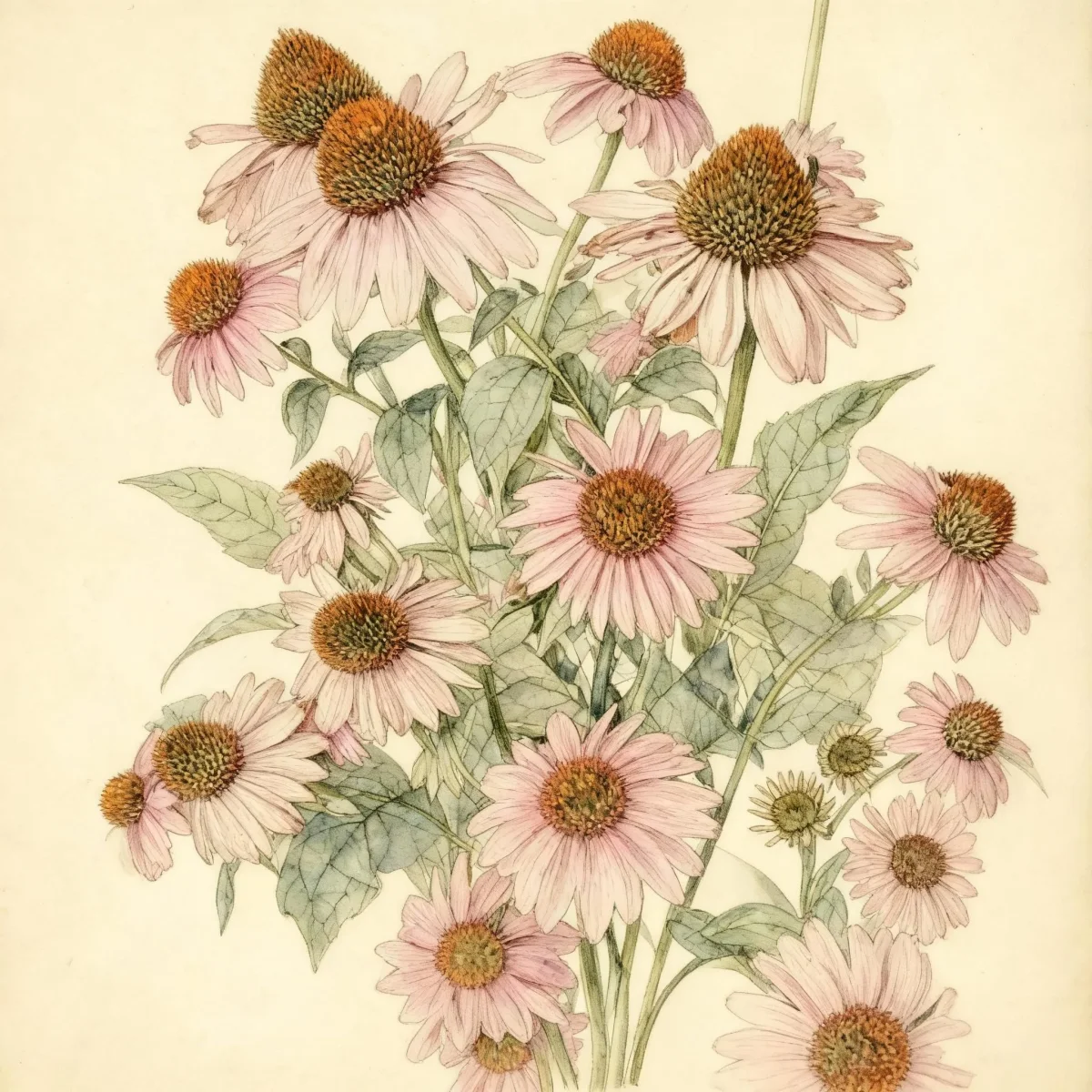
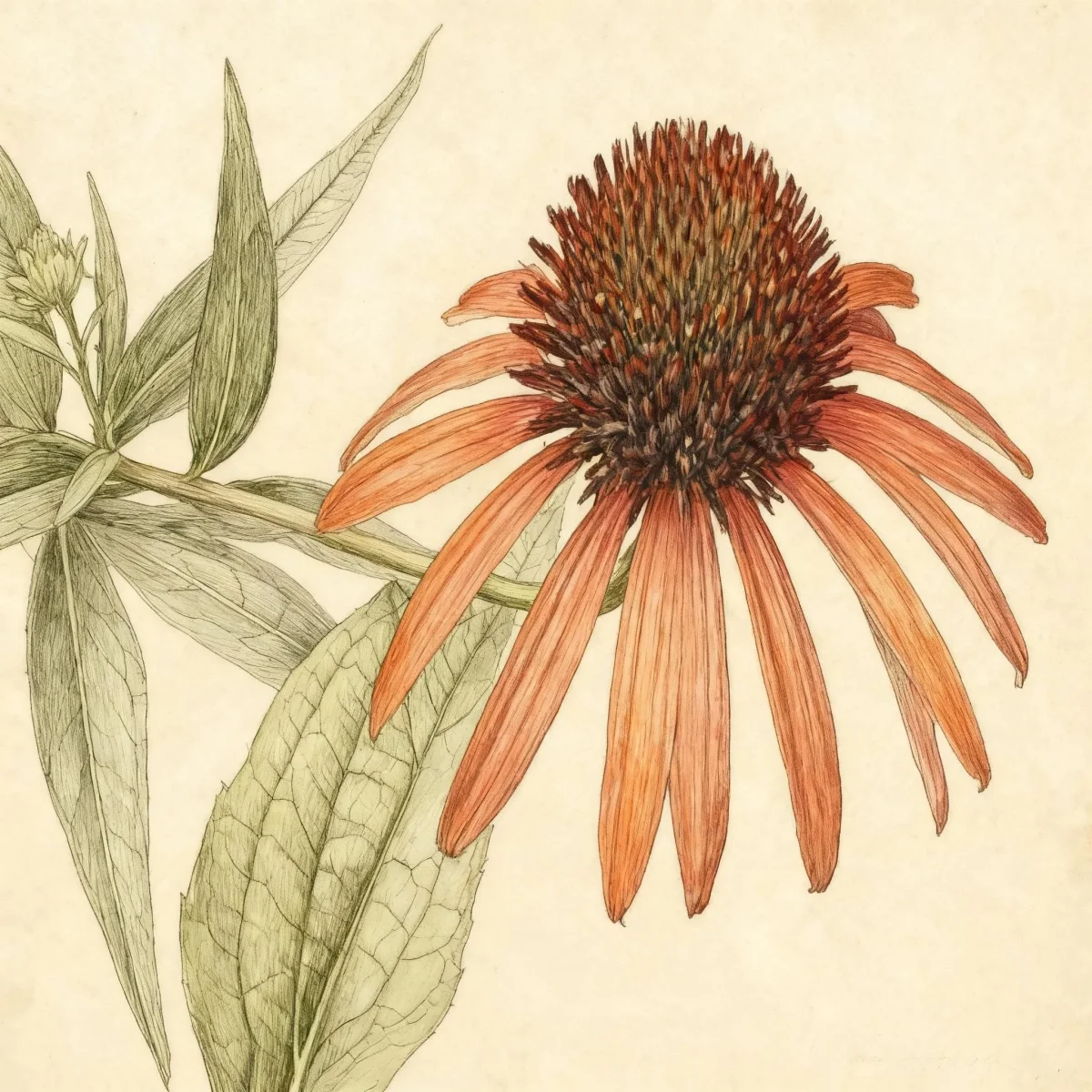
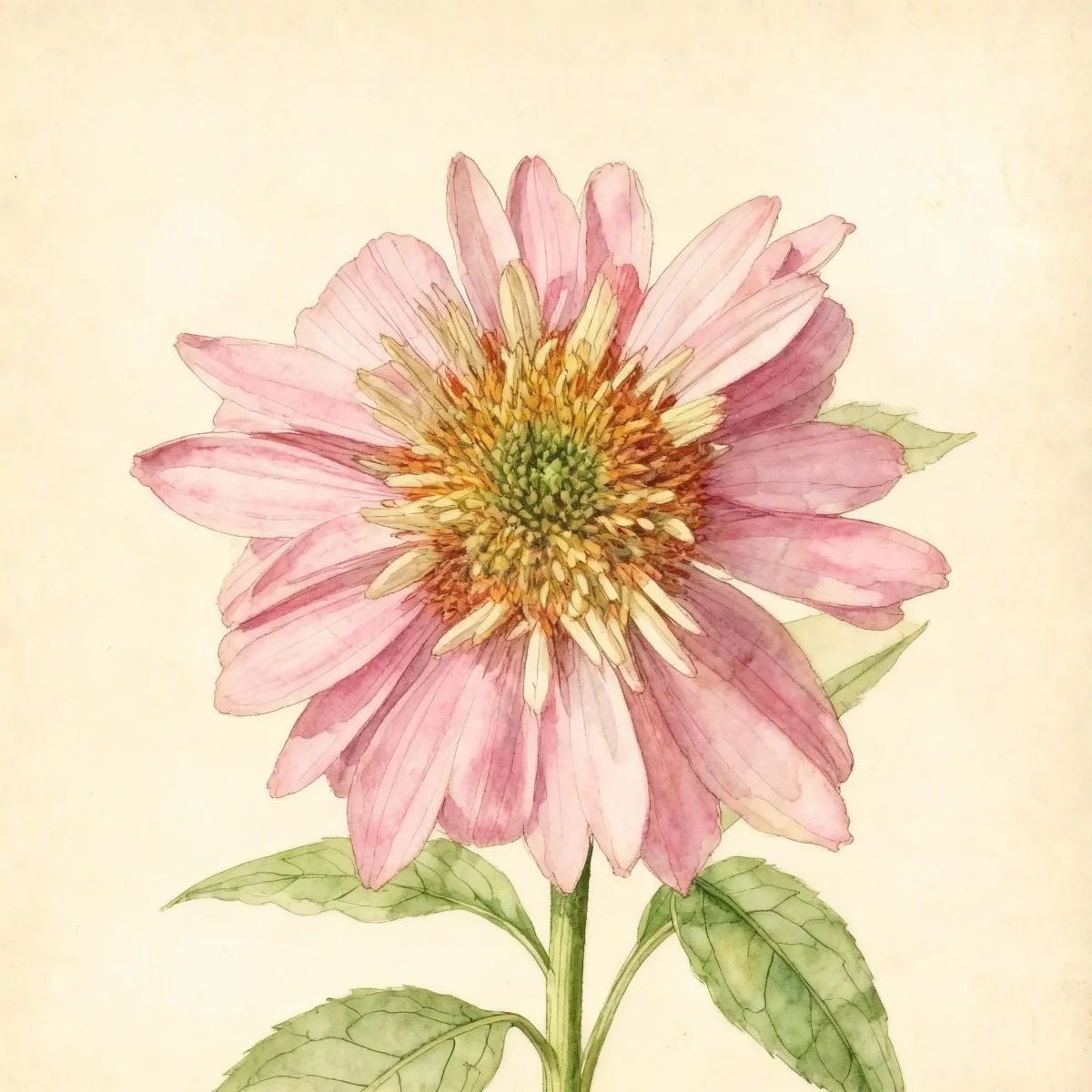
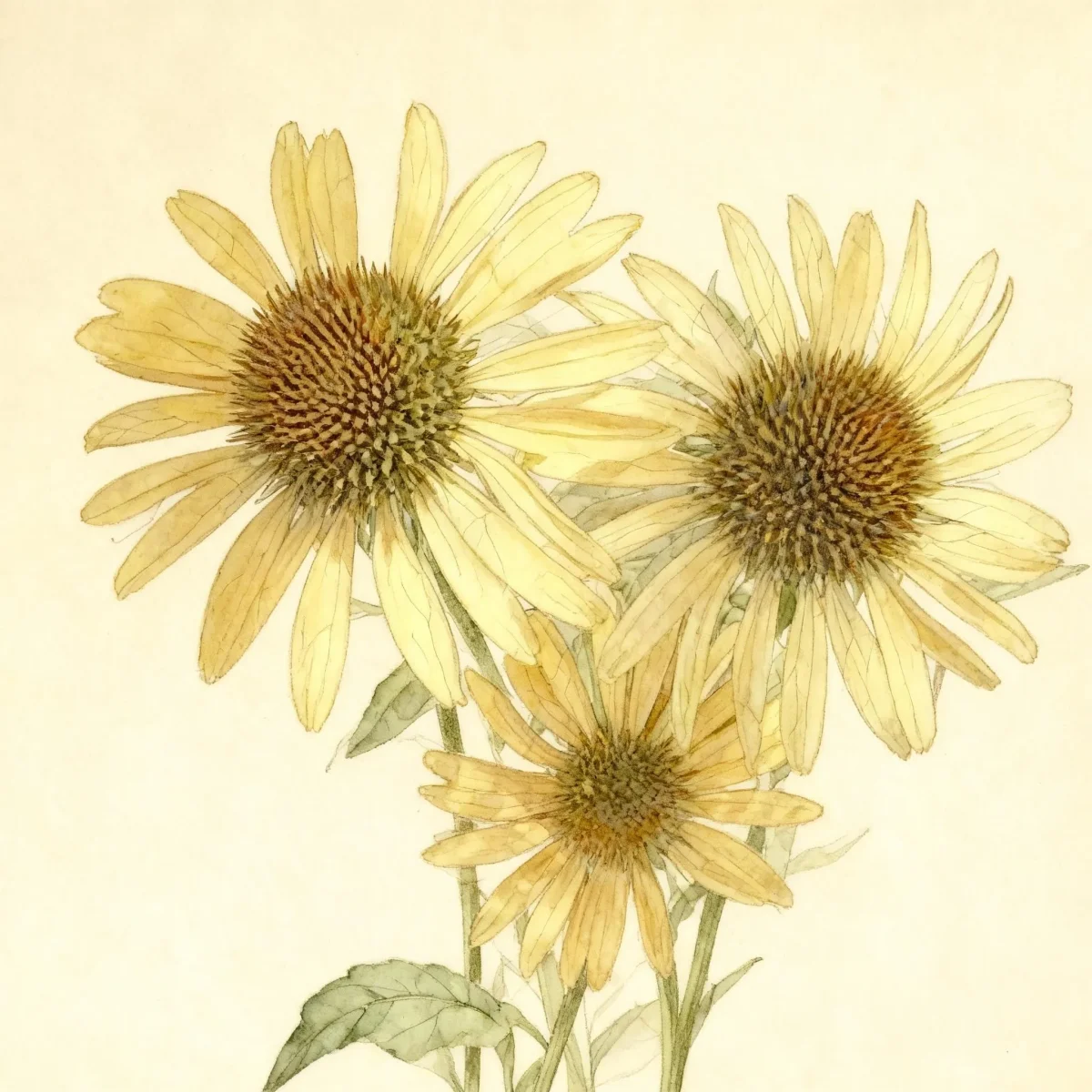
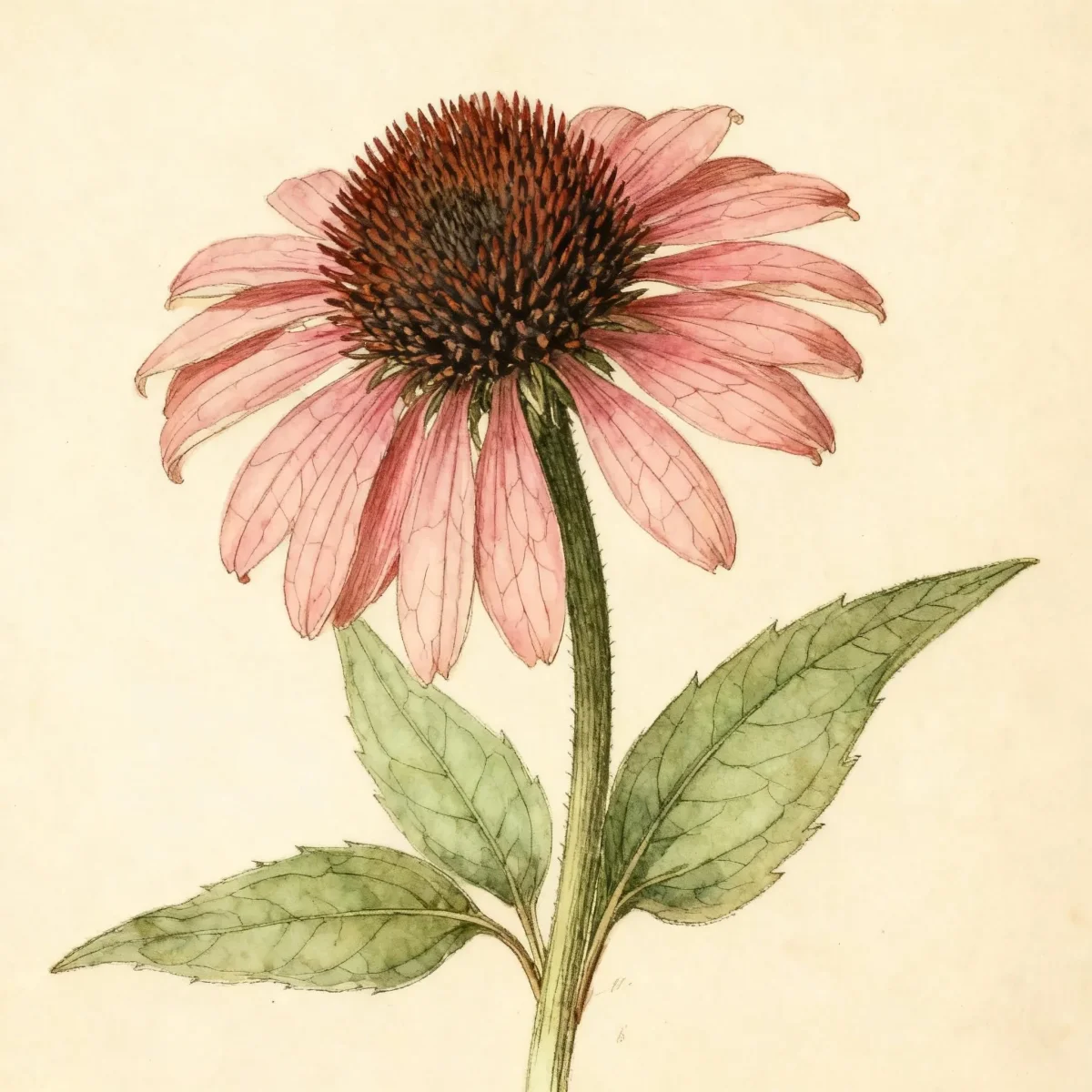
Coneflower (Echinacea purpurea 'Purity')
Echinacea purpurea 'Purity' Coneflower produces showy white flowers on sturdy stems. A low-maintenance, drought-tolerant perennial perfect for borders.
Scroll down to discover growing tips, care requirements, companion plants, and more
Complete Plant Information
Overview
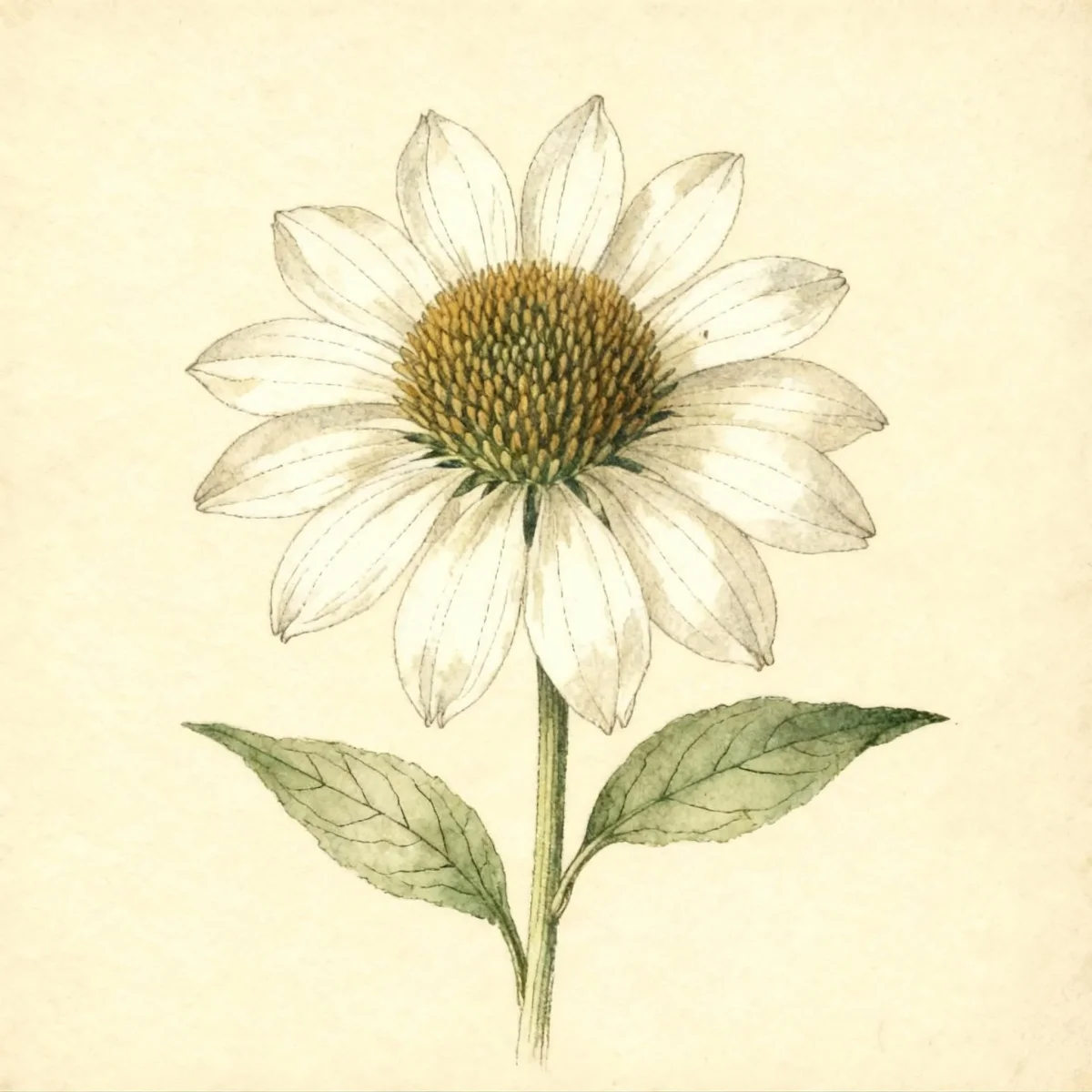
Echinacea purpurea ‘Purity’ is a choice cultivar of the beloved Coneflower, recognizable by its striking white ray petals contrasting with a prominent orange central cone. This herbaceous perennial offers long-lasting summer color, making it a staple in contemporary mixed borders and native gardens. Its compact yet vigorous habit ensures it provides excellent visual impact without becoming overly sprawling.
This specific white-flowered Echinacea purpurea ‘Purity’ is valued for its sturdy stems and improved garden performance compared to some earlier white varieties. It thrives under minimal care, adapting well to various soil conditions once established, provided drainage is adequate.
As a classic late-season bloomer, the Coneflower not only attracts pollinators during its June to August flowering period but also provides lingering visual interest as the central cones persist into winter, often feeding goldfinches. Planting Echinacea purpurea ‘Purity’ guarantees reliable structure and texture in your landscape year after year.
Fast Facts
- Plant Family: Asteraceae
- Plant Type: Herbaceous perennial
- Hardiness Zones: USDA Zones 3-8
- Size at Maturity:
- Height: 1.5-2 ft
- Spread: 1-1.5 ft
- Bloom Time: June to August
- Bloom Description: White
- Sun Exposure: Full sun to part shade
- Water Needs: Dry to medium
- Maintenance Level: Low
How to Grow
The best time for establishing Echinacea purpurea ‘Purity’ is in spring after the danger of frost has passed, or in early fall. Choose a location that receives full sun for the most robust blooms, though it tolerates part shade. This adaptable Coneflower thrives in average, dry to medium, well-drained soil and is notably tolerant of drought, heat, humidity, and poorer soils, including clay.
Water sparingly once established, allowing soil to dry between waterings, as this plant prefers dry to medium moisture levels. Fertilization is generally unnecessary; this resilient perennial rarely requires amendment. Prompt removal of spent flowers can improve the overall look and encourage sporadic rebloom, although plants usually bloom again without deadheading.
To maintain vigor, plan to divide the clumps when they start to become overcrowded, typically every four years. If you wish to encourage winter interest or provide food for birds, leave some of the spent seed heads standing through the winter months. Avoid over-fertilizing, which can lead to weaker stems.
Landscape Uses
Echinacea purpurea ‘Purity’ is an excellent choice for adding enduring height and bright white accents to perennial borders where its sturdy structure shines. Its slightly taller profile makes it ideal positioned in the middle to rear layers of a mixed border, ensuring structure even when neighboring plants fade. Consider massing Echinacea purpurea ‘Purity’ with vibrant yellow Rudbeckias (Black-Eyed Susans) for a classic, high-impact summer display.
This dependable Coneflower also performs admirably in naturalized settings, wildflower gardens, and meadows due to its native heritage and drought tolerance. It integrates seamlessly into native plant gardens, functioning as a reliable anchor plant that supports local insect populations. It is also frequently used as a fresh cut flower in summer arrangements.
Standout Features
Flower Qualities
- Showy
- Good Cut
Noteworthy Characteristics
Echinacea purpurea, commonly called purple coneflower, is a coarse, rough-hairy, herbaceous perennial native to moist prairies and meadows of the central to southeastern United States. The selection ‘Purity’ is a more compact, vigorous cultivar featuring white ray petals surrounding a large, distinctively orange, pin cushion-like central cone, with each flower reaching up to 4 1/2” in diameter. The genus name Echinacea references the Greek word for hedgehog due to the spiny texture of the flower cone.
Tolerances
- Deer
- Drought
- Clay Soil
- Dry Soil
- Shallow-Rocky Soil
Potential Problems
Occasional aesthetic issues may arise, specifically damage from Japanese beetles or susceptibility to leaf spot diseases. Gardeners should also be aware that this Coneflower is susceptible to aster yellows disease, which distorts growth. Ensure good air circulation by spacing plants properly to mitigate fungal issues like leaf spot, and monitor for beetle activity early in the season.
Frequently Asked Questions
What hardiness zones is Coneflower suitable for?
Echinacea purpurea ‘Purity’ is reliably hardy in USDA Zones 3 through 8.
How large does Coneflower grow?
This variety typically reaches a height of 1.5 to 2 feet tall with a spread between 1 and 1.5 feet wide.
What sun exposure does Echinacea purpurea ‘Purity’ need?
For best results, plant this Coneflower in full sun, although it will tolerate conditions ranging into part shade.
When does Echinacea purpurea ‘Purity’ bloom?
The primary bloom period for this white coneflower is from June through August, often providing sporadic late-season color.
Conclusion
Echinacea purpurea ‘Purity’ offers gardeners a low-maintenance, resilient flowering perennial with exceptional white blooms perfect for integrating into diverse garden styles. Recognizing the inherent adaptability of this Coneflower, plan your planting schedule now to take advantage of its summer color display within its suitable hardiness zones.
Companion Planting
When designing a summer border featuring Echinacea purpurea ‘Purity’, focus on companions that share similar light and drought tolerance requirements. Russian Sage (Perovskia atriplicifolia) complements the height and provides a soft, silvery backdrop, contrasting nicely with the bold foliage of the Coneflower. Similarly, pairing this white variety with yellow-flowering perennials like Coreopsis or Rudbeckia creates beautiful complementary color schemes that maximize the mid-summer visual appeal.
Wildlife Benefits
The prominent central cones of the Coneflower are a crucial feature for attracting garden wildlife, particularly long after the white petals have faded. These aged seed heads provide a vital food source for goldfinches and other seed-eating birds throughout the late fall and winter. Furthermore, the daisy-like flowers are highly attractive to a wide range of summer pollinators, including bees and butterflies, supporting local ecosystem health.