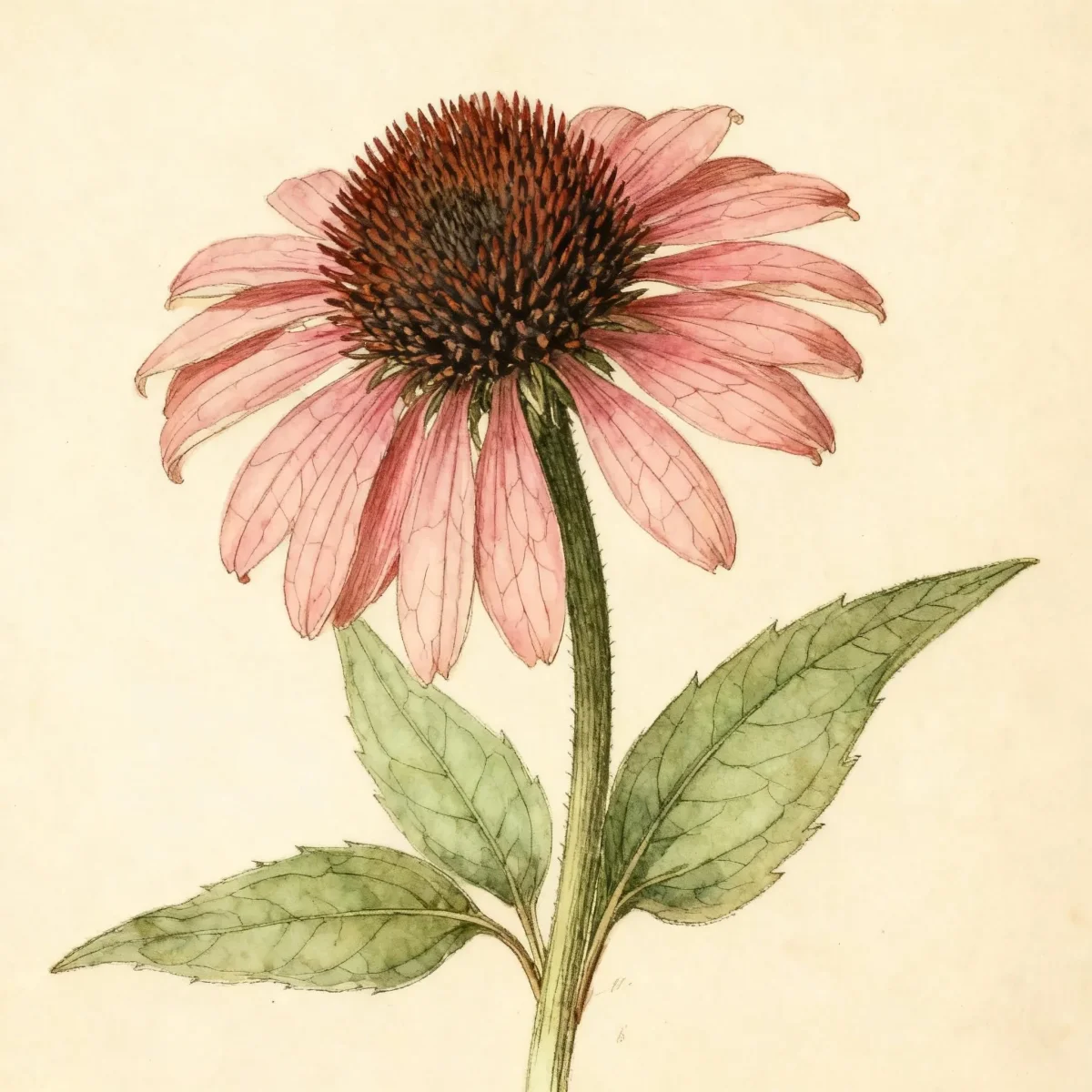
Coneflower (Echinacea 'Tiki Torch')
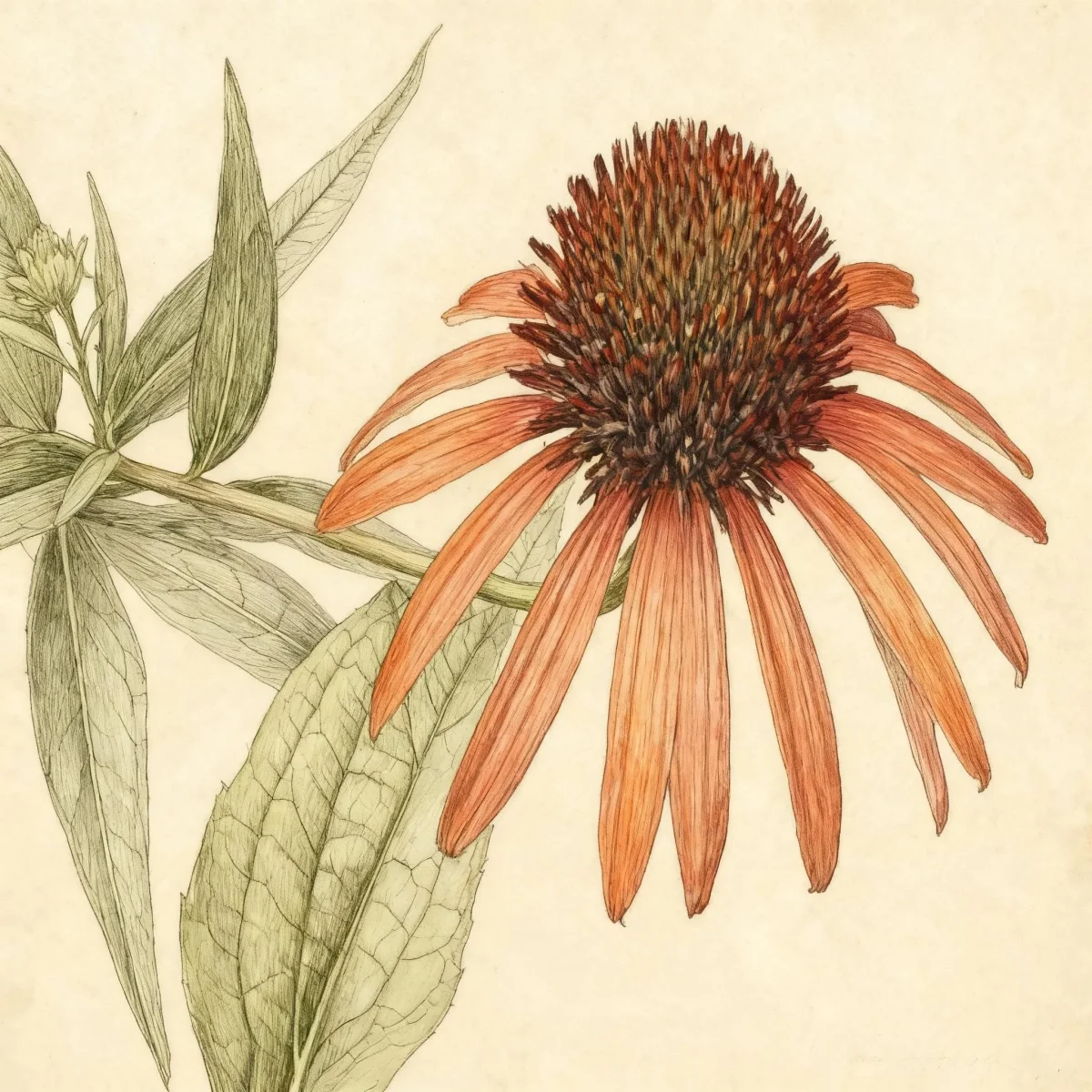
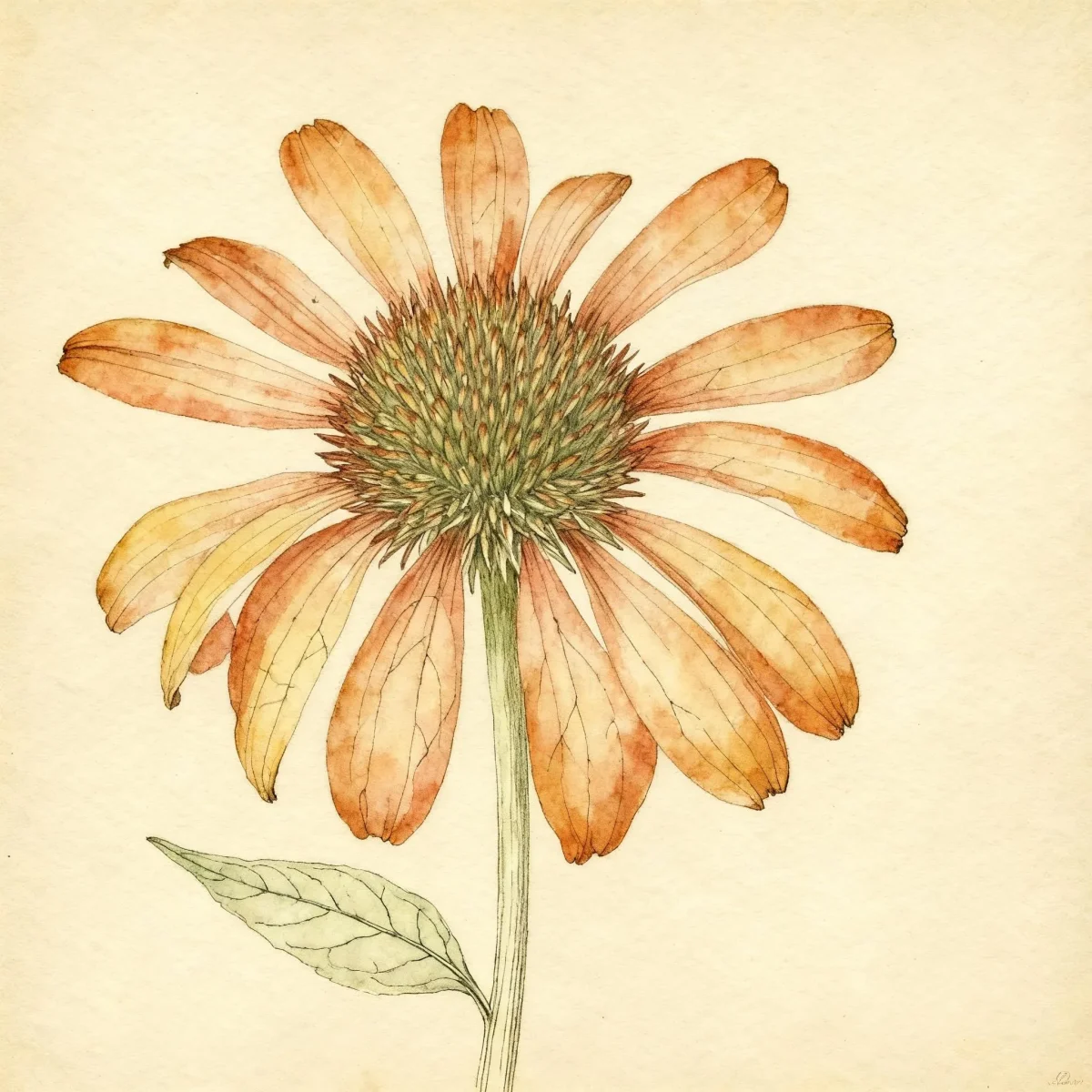
Vibrant orange Echinacea 'Tiki Torch' Coneflower, a low-maintenance perennial thriving in full sun and dry conditions.
Scroll down to discover growing tips, care requirements, companion plants, and more
Complete Plant Information
Overview
Echinacea ‘Tiki Torch’ is a sensational, upright herbaceous perennial valued for its vibrant, eye-catching blooms throughout the summer months. This specific cultivar of Coneflower stands out with its brilliant orange ray petals that droop slightly around a prominent, reddish-brown central cone, making it a spectacular addition to any sunny border. As an adaptable plant originating from North American natives, this variety thrives despite heat, humidity, and somewhat poorer soils, establishing itself as a reliable cornerstone in perennial gardens.
Growing typically between two and three feet tall on sturdy stems, Echinacea ‘Tiki Torch’ is bred for structure and requires minimal staking. Its beauty extends beyond the summer show; the dried seed heads provide winter interest and offer valuable foraging opportunities for goldfinches. This reliable producer of showy flowers is an excellent choice for gardeners seeking low-maintenance color that benefits local wildlife.
Fast Facts
- Plant Family: Asteraceae
- Plant Type: Herbaceous perennial
- Hardiness Zones: USDA Zones 3-8
- Size at Maturity:
- Height: 2-3 ft
- Spread: 1.5-2 ft
- Bloom Time: June to August
- Bloom Description: Orange rays with reddish-brown center cone
- Sun Exposure: Full sun to part shade
- Water Needs: Dry to medium
- Maintenance Level: Low
How to Grow
Plant Echinacea ‘Tiki Torch’ during the spring or fall in a location receiving full sun for the best performance, though it can tolerate part shade. This Coneflower prefers average soil that is well-drained, but it is highly adaptable and proves tolerant of clay, dry soil, and drought once established. Avoid overly rich or constantly wet planting sites, as good drainage is key to long-term health in the perennial bed.
Water Echinacea ‘Tiki Torch’ deeply but infrequently, especially after the initial establishment period, given its dry soil tolerance. Fertilizing is generally unnecessary; this plant performs best when its cultural needs are met primarily through appropriate sun and soil conditions. While the plant reblooms well without intervention, promptly deadheading spent flowers encourages continuous blooming from June through August and maintains a tidy appearance.
Clumps of this perennial should be divided approximately every four years when they begin to look overcrowded. This division process helps rejuvenate the plant and maintains vigorous flowering. Spent stems, if left standing, provide excellent vertical interest and winter texture, often attracting winter birds to feed on the seed cones.
Landscape Uses
The striking color and upright habit of Echinacea ‘Tiki Torch’ make it an excellent mid-border plant where it won’t be obscured by taller neighbors. Due to its robust nature and tolerance for difficult soil conditions, it performs splendidly when planted in groups or massed together to create bold swaths of orange color in the landscape. Consider using this Coneflower in rock gardens where drainage is excellent, or softened woodland settings under high, dappled shade.
This perennial serves wonderfully as an attractive specimen or accent plant when positioned near pathway edges where its structure can be appreciated up close. It pairs well with summer bloomers that share similar drought tolerance, such as Ornamental Grasses, Salvia, or Rudbeckia, creating a tapestry of hot colors that mimic a late summer prairie. When used in mass plantings, the structural presence of Echinacea ‘Tiki Torch’ anchors beds beautifully.
Standout Features
Flower Qualities
- Showy
- Good Cut
- Good Dried
Noteworthy Characteristics
Echinacea ‘Tiki Torch’ is the result of intentional breeding, featuring drooping, deep orange rays contrasted sharply against rounded, reddish-brown center cones. This tough East/Central North American native genus is highly attractive to numerous insect pollinators throughout its long bloom season. The strong, sturdy stems help it maintain a desirable upright form, making this orange coneflower a standout selection in modern perennial gardens.
Tolerances
- Deer
- Drought
- Clay Soil
- Dry Soil
- Shallow-Rocky Soil
Potential Problems
Like many members of the Asteraceae family, the reliability of Echinacea ‘Tiki Torch’ can occasionally be challenged by pests or disease. All coneflowers are susceptible to aster yellows, a serious disease that causes unnatural, sterile growth, and various fungal or bacterial leaf spots, which usually manifest in overly humid or crowded conditions. Gardeners should scout regularly for early signs of infestation, particularly watching for the appearance of erythroid mites or damage caused by Japanese beetles feeding on the foliage and flowers.
Preventative care focuses primarily on air circulation and correct watering; ensure plants are spaced adequately to allow breezes to dry foliage quickly after rain or irrigation. If leaf spots appear, promptly remove the affected leaves from the garden area to reduce pathogen spread before the next season.
Frequently Asked Questions
What hardiness zones is Coneflower suitable for?
Echinacea ‘Tiki Torch’ is reliably cold-hardy and suitable for USDA Zones 3 through 8.
How large does Coneflower grow?
This variety typically achieves a mature height between 2 and 3 feet, with a spread ranging from 1.5 to 2 feet wide.
When does Echinacea ‘Tiki Torch’ bloom?
This Coneflower starts blooming in June and continues its display through August, featuring vivid orange rays with reddish-brown center cones.
What sun exposure does Echinacea ‘Tiki Torch’ need?
For the most robust flowering and healthiest structure, Echinacea ‘Tiki Torch’ requires full sun, though it will tolerate light to partial shade.
Conclusion
Echinacea ‘Tiki Torch’ offers gardeners a low-maintenance, high-impact solution for sunny borders, delivering brilliant orange color from mid-summer onward. Its outstanding drought tolerance and appeal to pollinators solidify this Coneflower’s status as a modern gardening essential. Before planting, confirm that your garden site aligns with USDA Zones 3-8 and benefits from full sun exposure.
Wildlife Benefits
Hardy coneflowers are foundational plants for supporting local ecosystems, hosting a wide variety of essential pollinators throughout their peak season. The central cones of Echinacea ‘Tiki Torch’ are richly supplied with seeds that become a critical food source in the fall and winter, especially for goldfinches and other seed-eating birds. Including this plant ensures a continuous, multi-season benefit for the insects and birds visiting your landscape.
Propagation by Division
The most common and effective way to propagate established clumps of Echinacea ‘Tiki Torch’ is through division. This process should best be undertaken in the spring just as new growth begins to emerge or in early autumn before the ground freezes hard. Carefully dig up the entire clump, gently separate it into sections ensuring each new piece has a portion of the root structure and several healthy buds, and promptly replant these divisions at the same depth they were previously growing.