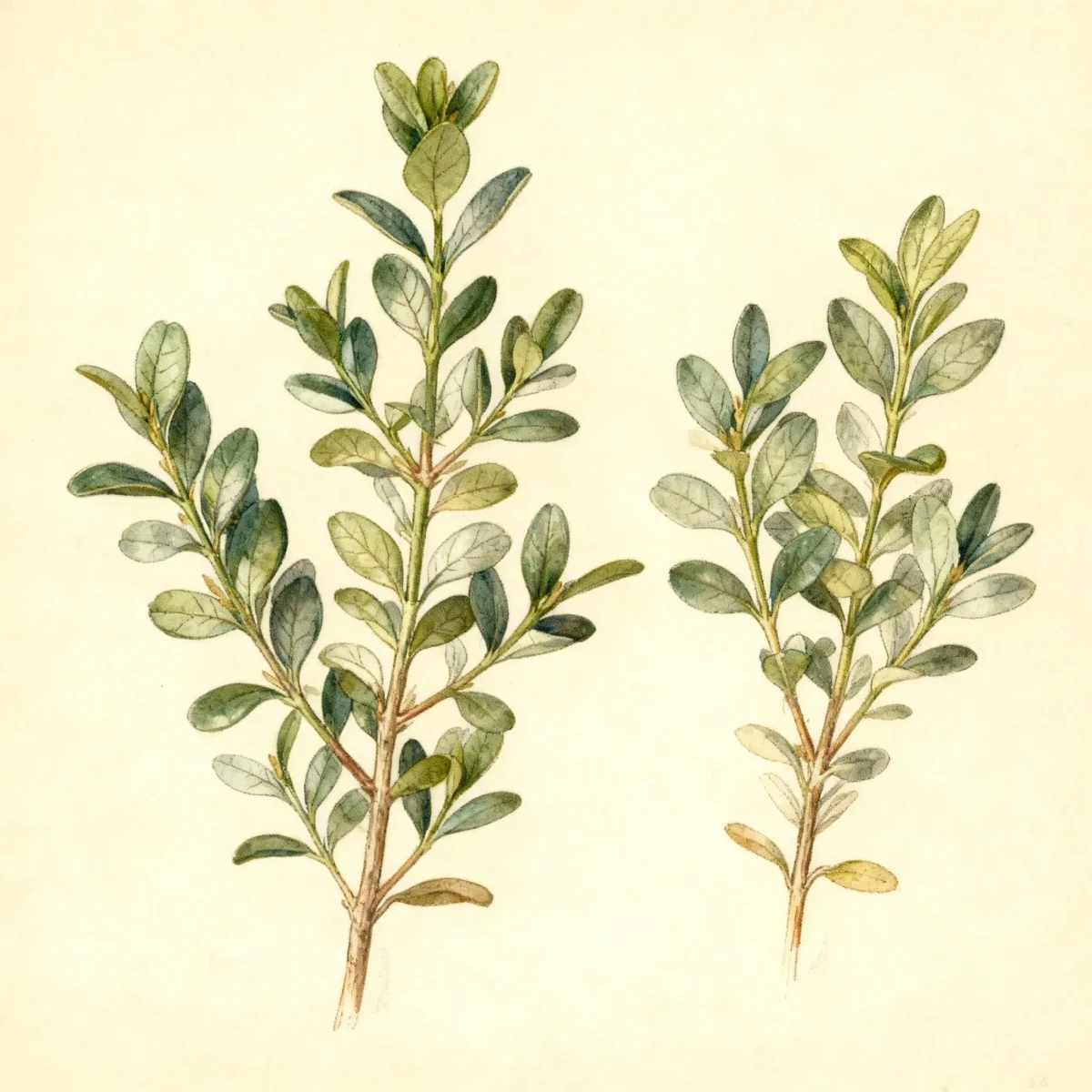
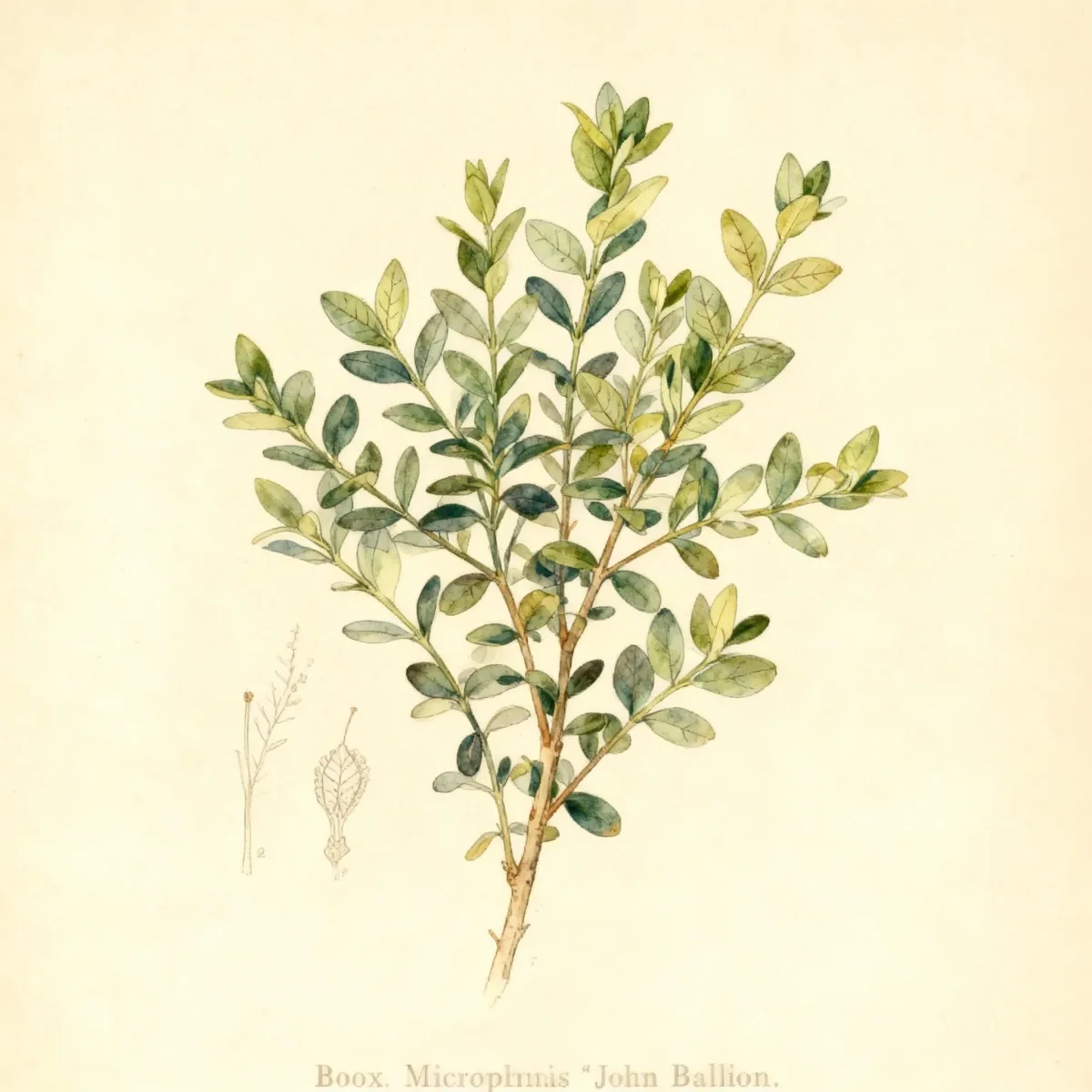
Boxwood (Buxus sempervirens 'Saint Genevieve')
Buxus sempervirens 'Saint Genevieve' Boxwood offers dense, compact pyramidal form ideal for hedges. A medium-maintenance broadleaf evergreen thriving in zones 5-8.
Scroll down to discover growing tips, care requirements, companion plants, and more
Complete Plant Information
Overview
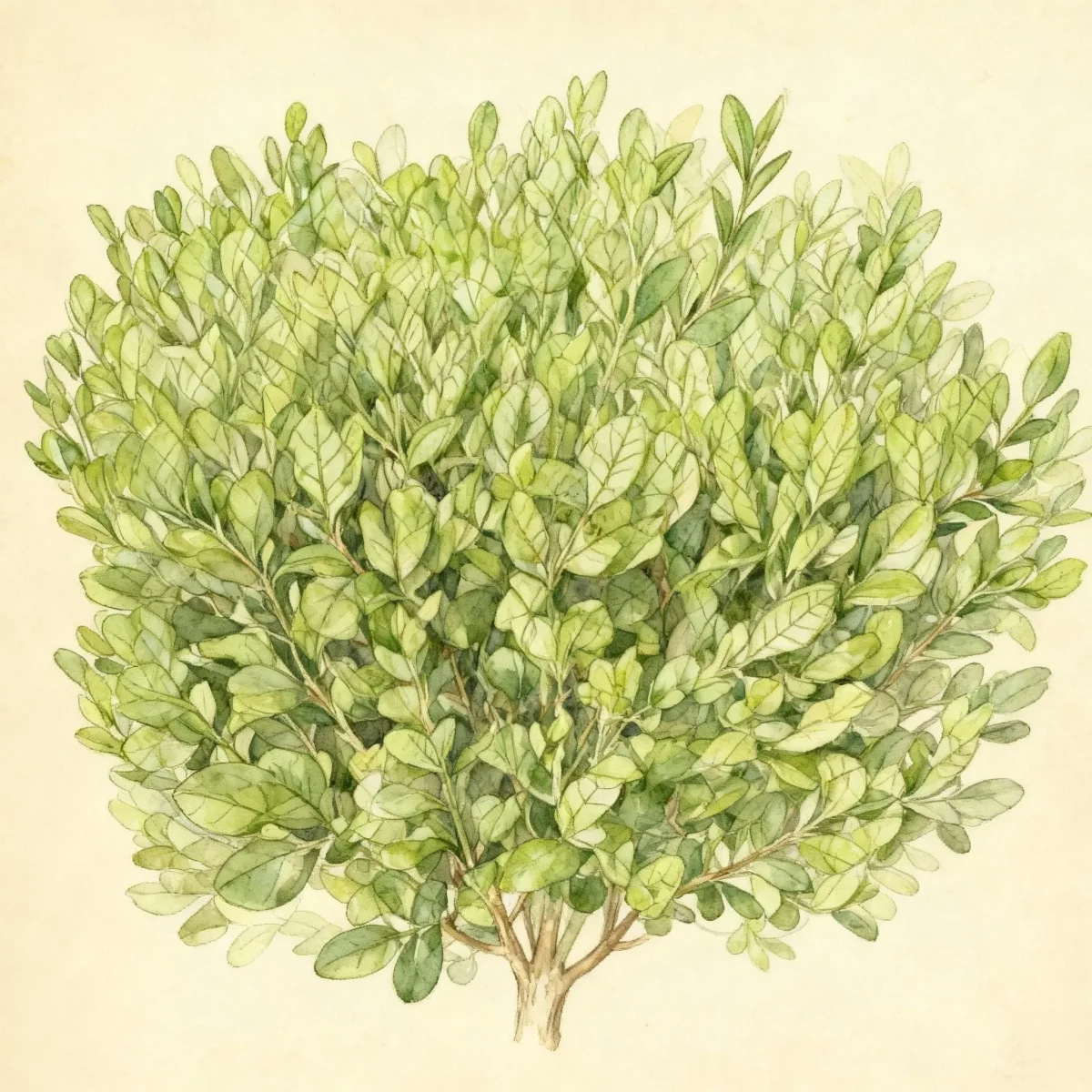
The Buxus sempervirens ‘Saint Genevieve’ is a highly refined cultivar of the common Boxwood, valued for its dense, compact pyramidal growth habit. This broadleaf evergreen provides year-round structure and deep green color, making it an indispensable plant for formal landscape designs. It typically maintains a manageable size, reaching 2 to 4 feet tall, though unpruned specimens can grow significantly larger over decades.
Gardeners appreciate the Boxwood for its relative hardiness and versatility in shaping tasks. Though its flowers are insignificant, they possess a subtle fragrance when they appear in spring. This particular selection, Buxus sempervirens ‘Saint Genevieve’, offers reliable performance in USDA Zones 5 through 8 when cultural requirements are met.
As a cornerstone shrub, this Boxwood cultivar provides excellent solid structure against hardscaping or as a defined border element. Its evergreen nature ensures visual interest even during harsh winter months, though key siting considerations must be addressed to prevent foliage bronzing.
Fast Facts
- Plant Family: Buxaceae
- Plant Type: Broadleaf evergreen
- Hardiness Zones: USDA Zones 5-8
- Size at Maturity:
- Height: 2-4 ft
- Spread: 3-5 ft
- Bloom Time: April to May
- Bloom Description: Greenish yellow
- Sun Exposure: Full sun to part shade
- Water Needs: Medium
- Maintenance Level: Medium
How to Grow
For optimal establishment, plant Buxus sempervirens ‘Saint Genevieve’ during the cooler seasons—spring or fall—to minimize transplant shock. This Boxwood thrives best in evenly moist, well-drained loams, such as a sand-clay mixture. Ensure the site receives full sun to part shade; while it tolerates light shade, deep shade results in less vigorous growth and sparser foliage density. The preferred soil pH ranges from slightly acidic to slightly alkaline.
Watering should be consistent, meeting its medium water needs, especially for new plantings. Avoid cultivating deeply around Boxwood plants, as they possess shallow roots that are easily damaged. Instead, apply 1 to 2 inches of organic mulch, like bark or compost, to conserve moisture and regulate soil temperature.
Pruning and shearing are tolerated well by this cultivar, but timing is critical. Never prune prior to the last spring frost date, as new, tender growth initiated too early can be severely damaged by a late freeze. Annual thinning, removing dead or damaged branches, helps improve air circulation, which is vital for disease prevention. Siting plants where they are sheltered from strong winter winds and reflected winter sun will help prevent foliage dehydration, known as bronzing.
Landscape Uses
The compact, pyramidal structure of the Buxus sempervirens ‘Saint Genevieve’ makes it exceptionally useful across various formal and informal landscape designs. It excels as a vertical specimen or accent plant, perfect for framing entryways or punctuating foundation plantings where a defined, neat appearance is desired. If massed together, this Boxwood creates a spectacular narrow hedge, offering sharp lines unmatched by many other evergreens.
Beyond hedging, the relative resistance of ‘Saint Genevieve’ to common Boxwood pests allows for bolder applications in mixed borders and Mediterranean-style gardens. It is also suitable for shaping into topiary forms when meticulous care is applied. In large containers, this shrub provides reliable, evergreen structure that anchors seasonal rotation plantings.
Standout Features
Flower Qualities
- Fragrant
- Insignificant
Noteworthy Characteristics
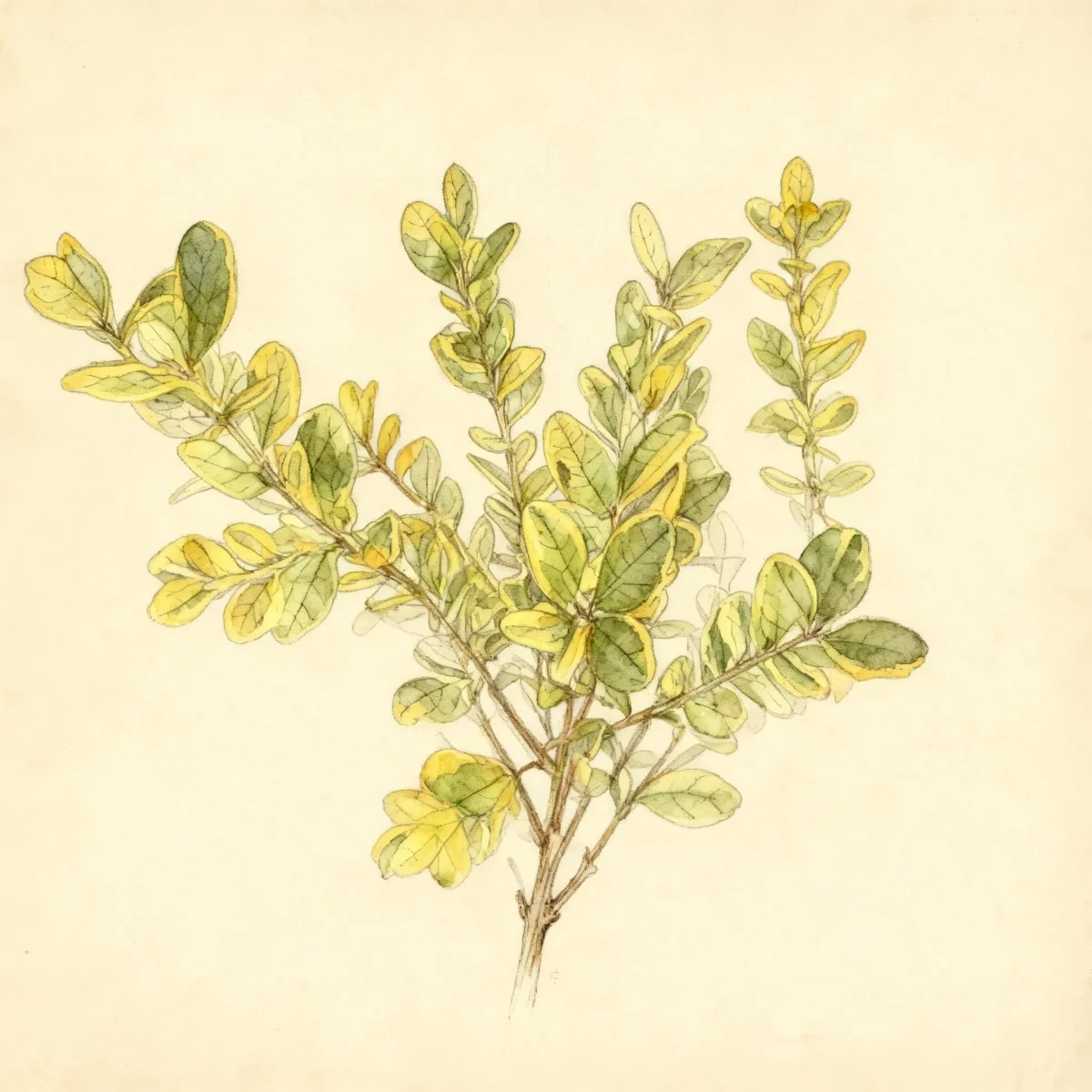
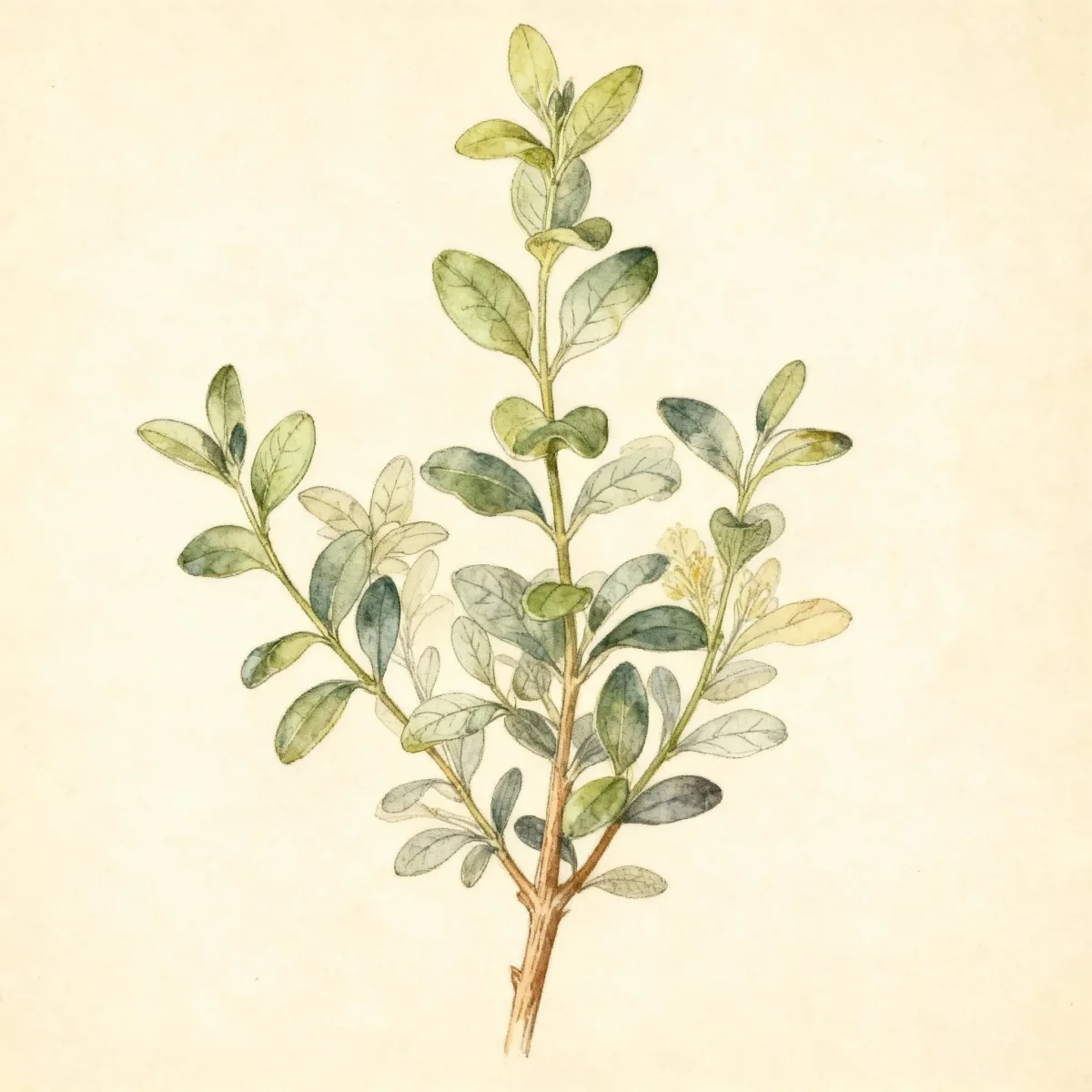
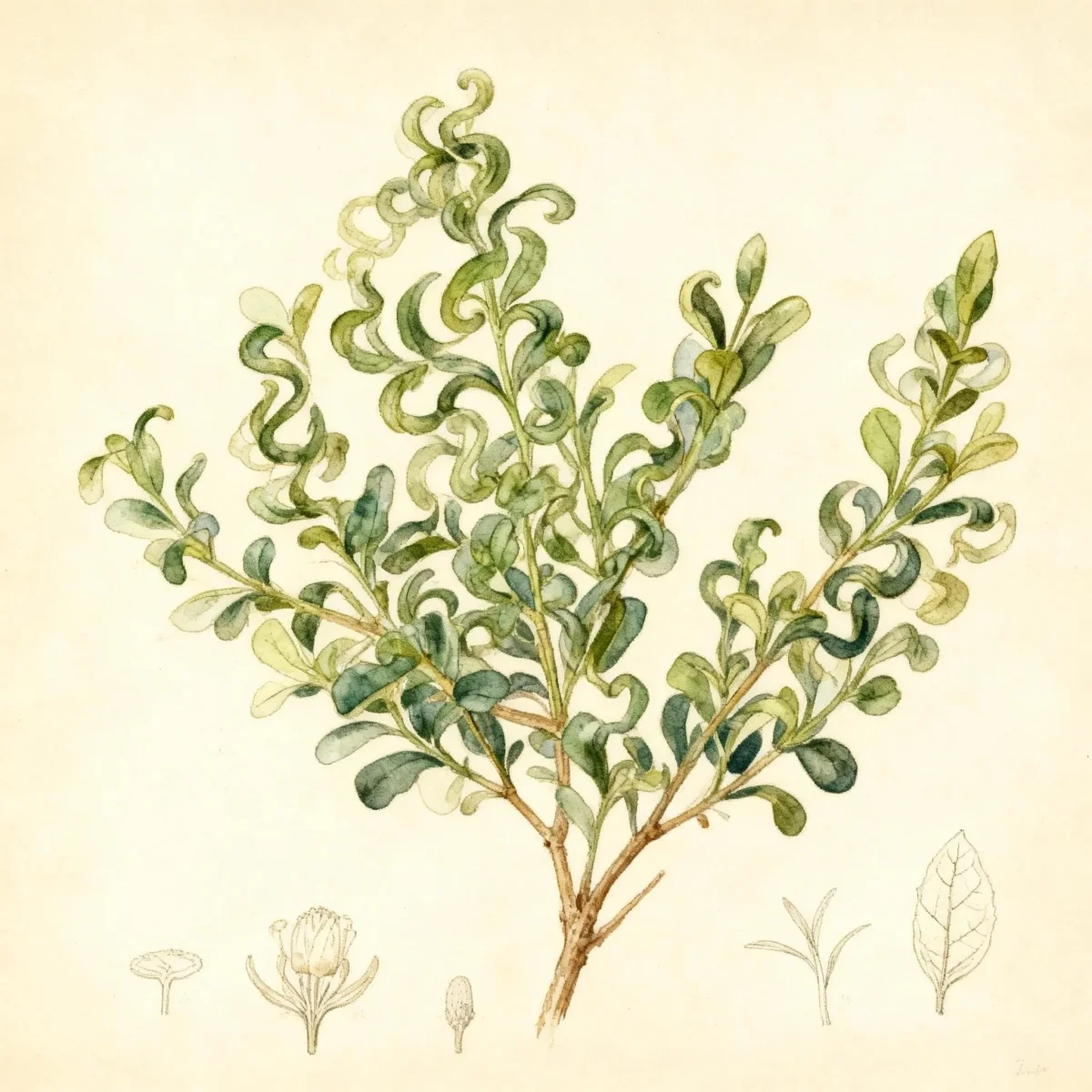
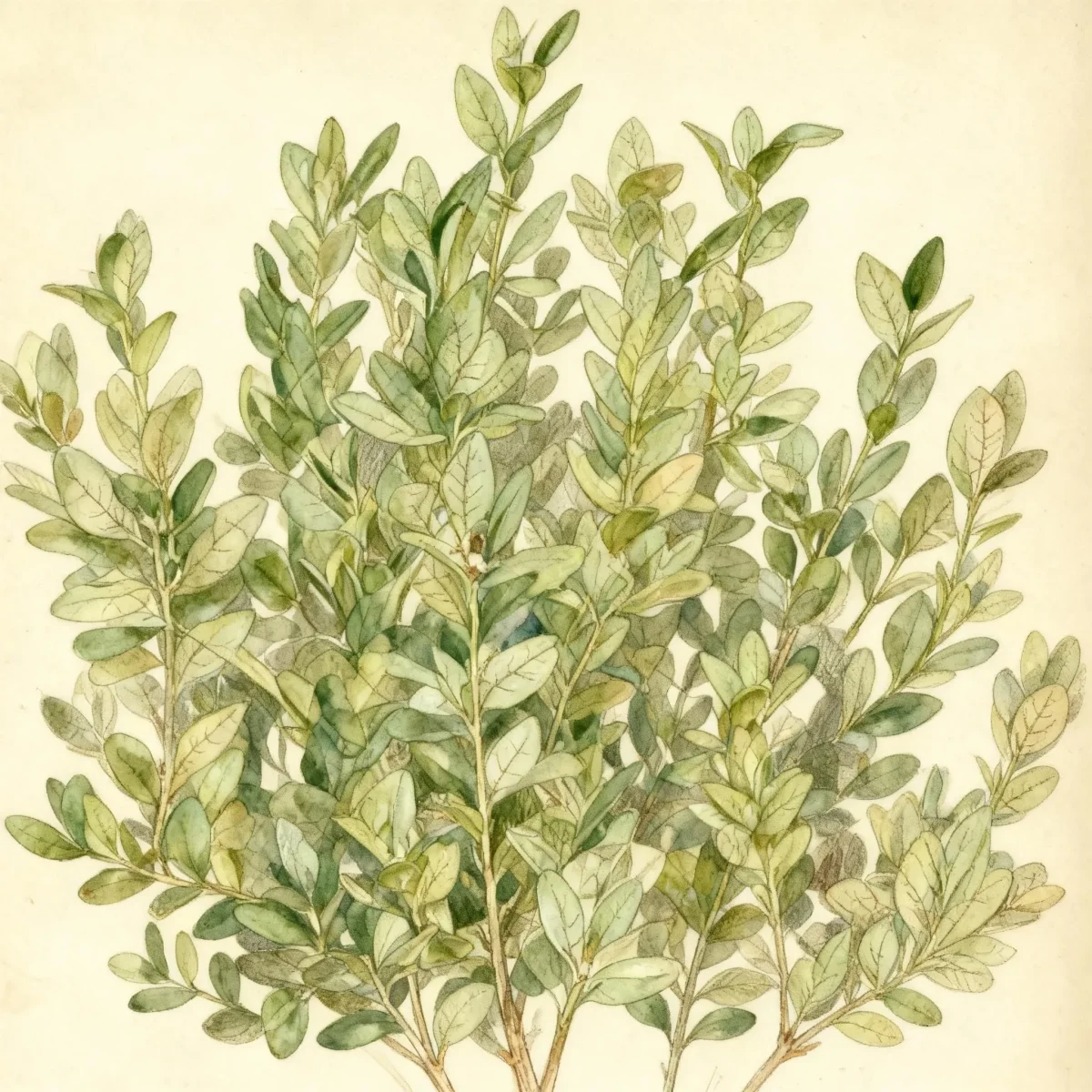
Buxus sempervirens is fundamentally a dense, compact, pyramidal evergreen shrub that exhibits fast growth, sometimes reaching 4 inches annually. It features small, lanceolate, medium green leaves that are typically up to 3/4 inch long. Inconspicuous flowers appear in spring; though they are insignificant visually, they release a pleasant fragrance.
Tolerances
- Rabbit
- Deer
Potential Problems
Boxwood foliage is susceptible to discoloration, commonly known as bronzing, which appears as an unattractive brownish-yellow in harsh winters, typically when exposed to full sun and drying winter winds. Cultivars like ‘Saint Genevieve’ show good resistance to common insect pests such as the boxwood leafminer, psyllids, and mites, offering an advantage over older varieties. Gardeners must also watch for fungal issues like boxwood blight and leaf spot, as well as root rot in poorly draining conditions. Management involves sited plants away from harsh winter exposure and ensuring excellent aeration around the shallow root system.
Frequently Asked Questions
What hardiness zones is Boxwood suitable for?
This Boxwood, Buxus sempervirens ‘Saint Genevieve’, performs reliably in USDA Hardiness Zones 5 through 8.
How large does Buxus sempervirens ‘Saint Genevieve’ grow?
Typically, this cultivar matures as a shrub 2 to 4 feet in height and spreads between 3 and 5 feet wide, although it can grow larger if left unpruned.
What sun exposure does Boxwood need?
Buxus sempervirens ‘Saint Genevieve’ prefers full sun to part shade conditions for the best foliage density and vigor.
When does Boxwood bloom?
The flowering period for this Boxwood is generally April through May, producing small, greenish yellow blooms.
Conclusion
The Buxus sempervirens ‘Saint Genevieve’ stands out as a dependable, dense evergreen, providing superb formal structure with added protection against several common Boxwood pests. Its compact shape makes it a gardener’s favorite for low-maintenance evergreen definition. Always confirm your local USDA zone compatibility before planning placement for your new Boxwood.
Companion Planting
When selecting companions for Buxus sempervirens ‘Saint Genevieve’, focus on materials that contrast well with its fine texture and dense structure, while sharing similar cultural needs for well-drained, average soil. Perennials like Hosta (in shadier spots) or low-growing, colorful groundcovers such as Thymus serpyllum (Creeping Thyme) work well at the base. For seasonal contrast, consider incorporating spring bulbs like Narcissus or late-season bloomers like Sedum on sunny edges.
The dark, glossy green foliage of this Boxwood serves as an excellent backdrop for plants with bright variegation or strongly colored flowers, enhancing their visual pop. Avoid planting moisture-loving plants too closely, as the Boxwood requires consistent drainage to prevent root issues.
Design Ideas for Formal Gardens
The pyramidal habit of Buxus sempervirens ‘Saint Genevieve’ makes it perfect for establishing strong vertical elements in structured landscapes. Use pairs symmetrically to flank an entrance, providing a grand, formal welcome year-round. In larger beds, massing these shrubs allows you to create low, defined block hedges that organize the space.
Because it responds well to shearing, this variety is excellent for low knot gardens or geometric parterres where precision topiary defines the overall design. Even when left in a natural pyramidal form, mass plantings create a rich, textured screen that offers privacy without becoming overly tall or dense like some larger tree forms of standard Buxus sempervirens.