Sweet coneflower (Rudbeckia subtomentosa 'Henry Eilers')
Rudbeckia subtomentosa 'Henry Eilers' is a low-maintenance, showy Sweet coneflower blooming July-Sept in zones 4-8.
Scroll down to discover growing tips, care requirements, companion plants, and more
Complete Plant Information
Overview
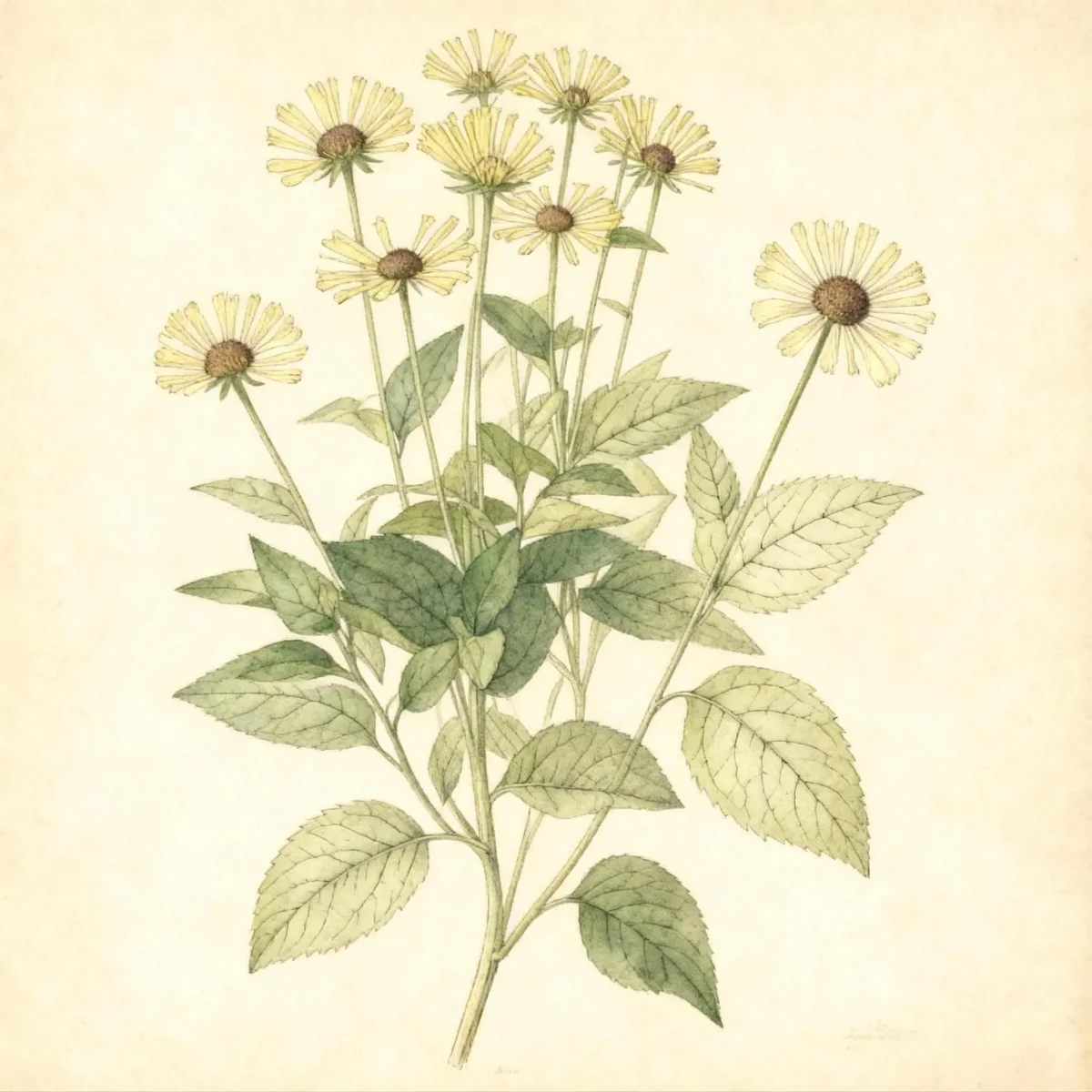
Rudbeckia subtomentosa ‘Henry Eilers’, commonly known as Sweet coneflower, brings vibrant late-season color to gardens across USDA Zones 4 through 8. This cultivar is prized for its strong, erect stems and its unique flower structure where the yellow ray petals roll backward, creating a quilled or swept-back appearance around the dark center disk. As a Missouri native, the Sweet coneflower is wonderfully adapted to various conditions, offering excellent aesthetic value without demanding constant fuss.
This herbaceous perennial typically reaches heights between three to five feet, making it a substantial presence in perennial borders or meadow plantings. Beyond its striking visual appeal, the flowers of Rudbeckia subtomentosa ‘Henry Eilers’ emit a pleasant, mild aroma reminiscent of anise, adding an unexpected sensory layer to summer landscapes. Its resilience against deer and tolerance for poor soils make it a reliable choice for naturalized areas and low-maintenance designs.
For gardeners seeking long-lasting color that supports local ecosystems, Rudbeckia subtomentosa ‘Henry Eilers’ is a superb selection. It provides crucial late-summer bloom necessary for pollinators and offers sturdy structure that persists well into the fall. Its low maintenance requirements cement its status as a workhorse perennial for diverse garden settings.
Fast Facts
- Plant Family: Asteraceae
- Plant Type: Herbaceous perennial
- Hardiness Zones: USDA Zones 4-8
- Size at Maturity:
- Height: 3-5 ft
- Spread: 1-2 ft
- Bloom Time: July to September
- Bloom Description: Yellow rays with brown center disk
- Sun Exposure: Full sun
- Water Needs: Medium
- Maintenance Level: Low
How to Grow
The ideal time to establish Rudbeckia subtomentosa ‘Henry Eilers’ is in the spring after the danger of frost has passed, or in early fall. Plant this Sweet coneflower where it receives full sun exposure; while it tolerates some partial shade, maximum flowering demands unobstructed sunlight. It thrives best in medium moisture soils, ideally well-drained loams, but demonstrates valuable flexibility by tolerating clay, dry soils, and even some drought once established.
Ongoing care for this perennial is minimal, reflecting its low maintenance rating. Water deeply and regularly to maintain medium soil moisture, especially during hot, dry spells, although it handles dryness better than many other garden plants. Fertilization is usually unnecessary unless the soil is extremely poor. Deadheading spent flowers throughout the season is recommended—this practice encourages the plant to produce more blooms, extending the prolific July to September flowering period for your Rudbeckia subtomentosa ‘Henry Eilers’.
In terms of structure, this particular cultivar features stiff, upright stems, but taller specimens grown near their shade limits may benefit from staking support. Appreciating good air circulation helps mitigate the very minor risk of powdery mildew, which can occasionally appear. No significant winter preparation is required; simply cut back the dried stems in late winter or early spring before new growth begins.
Landscape Uses
The upright, architectural presence of the Sweet coneflower makes it perfectly suited for the rear of perennial borders or cottage gardens where it can provide a backdrop for shorter blooms. Thanks to its tolerance for moist conditions, it excels as an anchor plant in rain gardens, effectively managing runoff while providing season-long interest. Its native heritage also makes it an excellent component for creating authentic meadows or naturalized areas where minimal intervention is desired.
Furthermore, the distinct daisy-like blossoms of Rudbeckia subtomentosa ‘Henry Eilers’ are excellent for cutting. They hold up well in arrangements, bringing that unique quilled texture indoors. When integrating this plant, consider pairing it with other sun-loving, mid-to-late-summer bloomers such as ornamental grasses, asters, or salvias, which share similar cultural needs and complementary textures.
Using this plant in native plant gardens ensures sustainability and supports local wildlife food webs. The long bloom time ensures nectar sources are available well into early fall, long after many spring ephemerals have faded from the garden scene.
Standout Features
Flower Qualities
- Showy
- Good Cut
Noteworthy Characteristics
Rudbeckia subtomentosa, commonly called sweet coneflower, is a Missouri native, nonrhizomatous perennial which occurs on moist prairies, along streambanks and in low areas throughout the state. The cultivar ‘Henry Eilers’ is particularly noted because its yellow rays are rolled instead of flat, giving the flower a beautiful quilled effect around the dome-shaped brown center disk. Flowers bloom in clusters atop strong stems from mid-summer into fall and possess a mild sweet aroma.
Tolerances
- Deer
- Drought
- Clay Soil
- Dry Soil
Potential Problems
Rudbeckia subtomentosa ‘Henry Eilers’ is generally robust and rarely suffers from serious insect or disease issues in optimal full-sun conditions. The most commonly reported minor issue is the potential appearance of powdery mildew, particularly in areas with high humidity and poor air circulation, or if the plant is situated in partial shade. To prevent mildew, ensure adequate spacing between plants to promote airflow. Should mildew occur, improve air circulation or treat the foliage with a fungicide as needed. Taller plants might require some supportive staking, especially in windy locations or when competing against nearby, denser plantings.
Frequently Asked Questions
What hardiness zones is Sweet coneflower suitable for?
Rudbeckia subtomentosa ‘Henry Eilers’ is reliably hardy in USDA Zones 4 through 8, making it adaptable across a wide range of climates.
How large does Sweet coneflower grow?
This perennial typically reaches a mature height between 3 to 5 feet tall, with a relatively narrow spread ranging from 1 to 2 feet wide.
When does Sweet coneflower bloom?
The primary bloom period for Rudbeckia subtomentosa ‘Henry Eilers’ lasts from July all the way through September, displaying yellow rays with a distinctive brown center disk.
What sun exposure does Sweet coneflower need?
For the best performance and most prolific flowering, this plant requires full sun exposure throughout the growing season.
Conclusion
The unique, quilled flowers and robust, low-maintenance nature establish Rudbeckia subtomentosa ‘Henry Eilers’ as an outstanding choice for late-season garden structure and color. This resilient Sweet coneflower thrives even when conditions are less than perfect, including drought or heavier clay soils. Before planting, confirm your garden falls within USDA Zones 4-8 and select a site offering full, bright sun to maximize the beauty of this dependable perennial.
Companion Planting
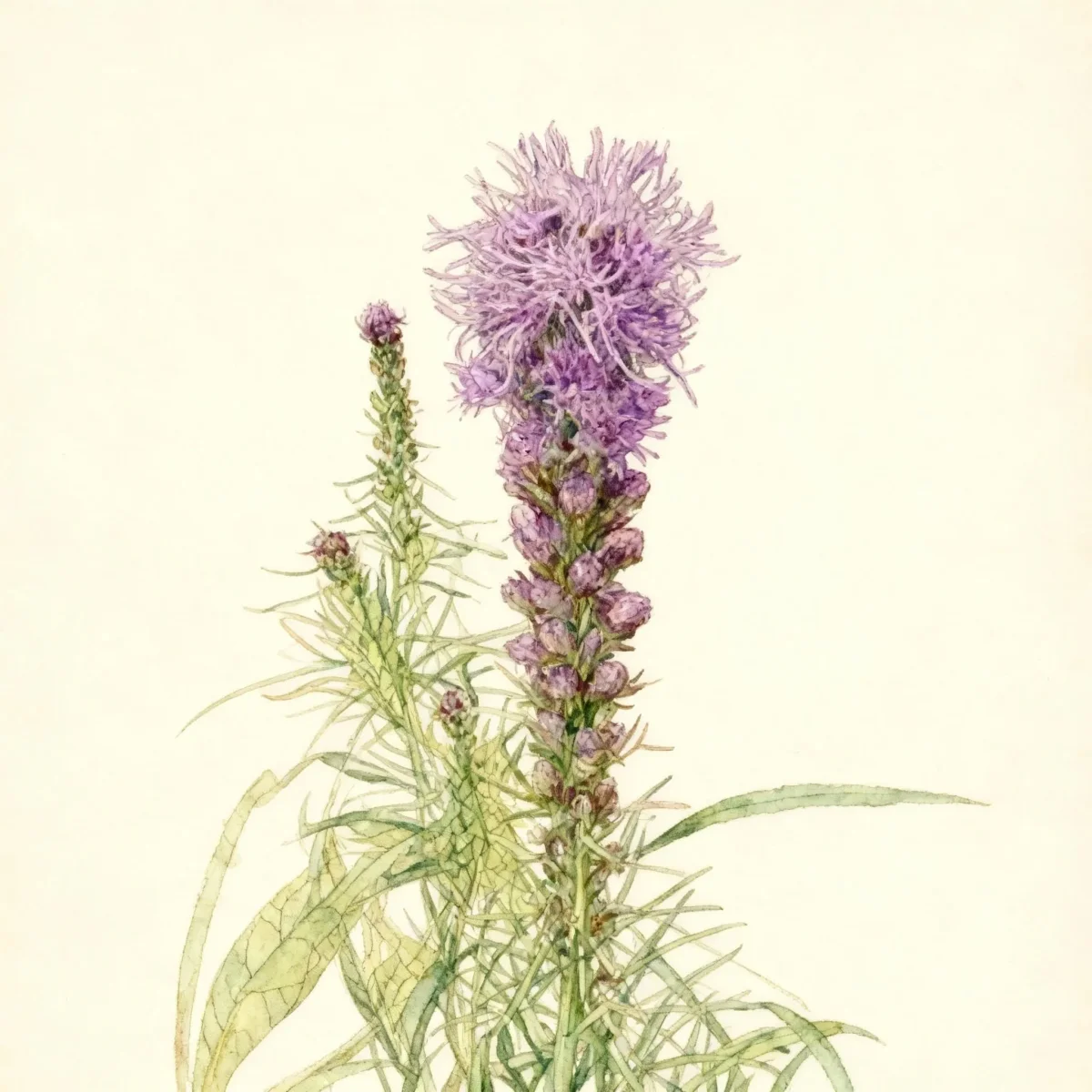
When designing habitats alongside Rudbeckia subtomentosa ‘Henry Eilers’, focus on plants that share similar full-sun and medium-water requirements. Companion planting short grasses or silver-leaved companions can accentuate the bright yellow of the coneflower heads. Excellent partners include plants like Purple Coneflower (Echinacea purpurea), various native Sedums, or Blazing Star (Liatris species). These combinations create visually harmonious drifts that bloom sequentially or concurrently, maintaining interest throughout the summer and fall landscape.
Wildlife Benefits
Sweet coneflower offers significant ecological value, particularly toward the end of the growing season when many other flowers are finishing. The large central disks are rich in nectar and pollen, attracting a wide variety of bees, butterflies, and other beneficial insects looking for fuel before winter. Furthermore, the seed heads left standing over winter provide critical food sources and shelter for various songbirds. Choosing Rudbeckia subtomentosa ‘Henry Eilers’ directly supports biodiversity in your garden ecosystem.