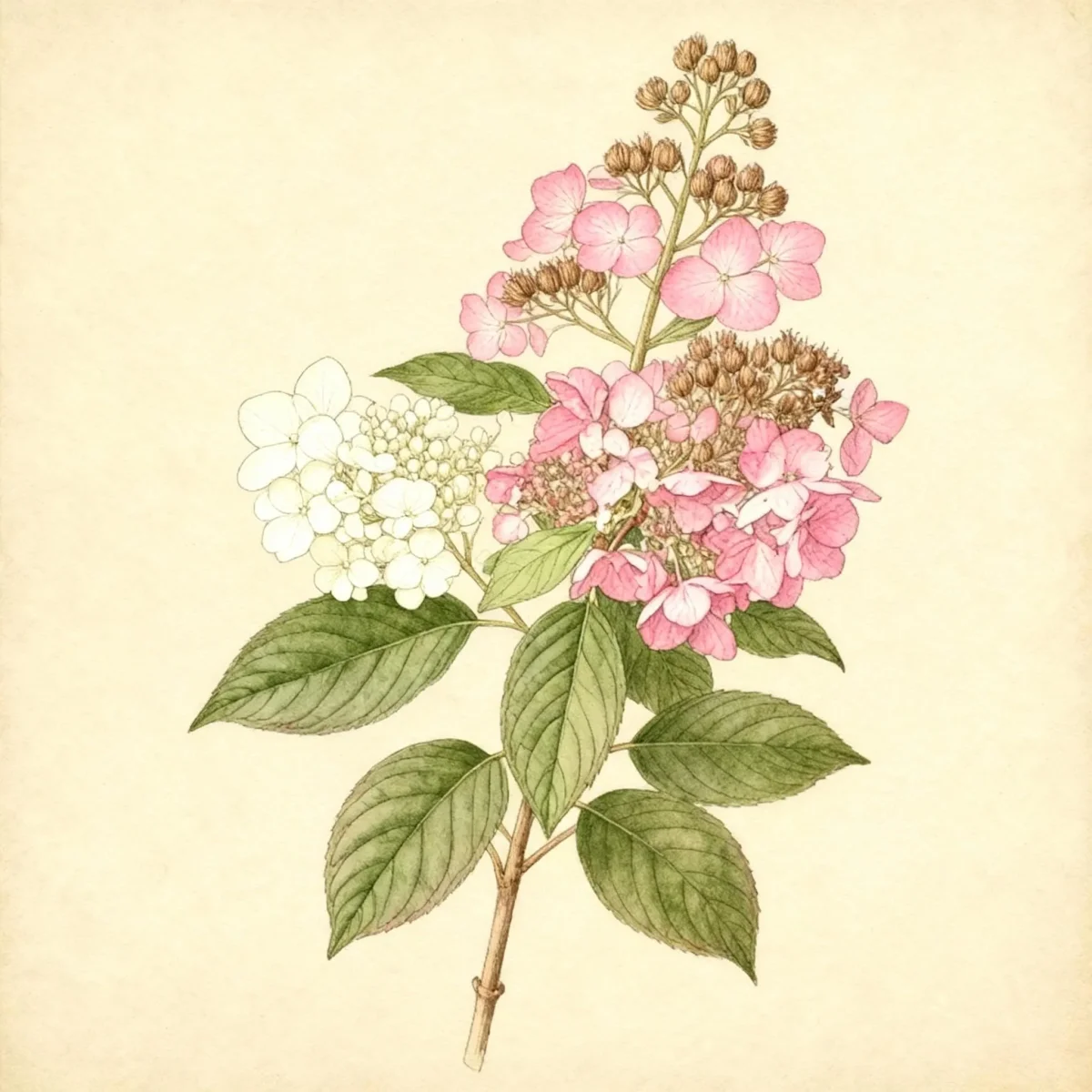
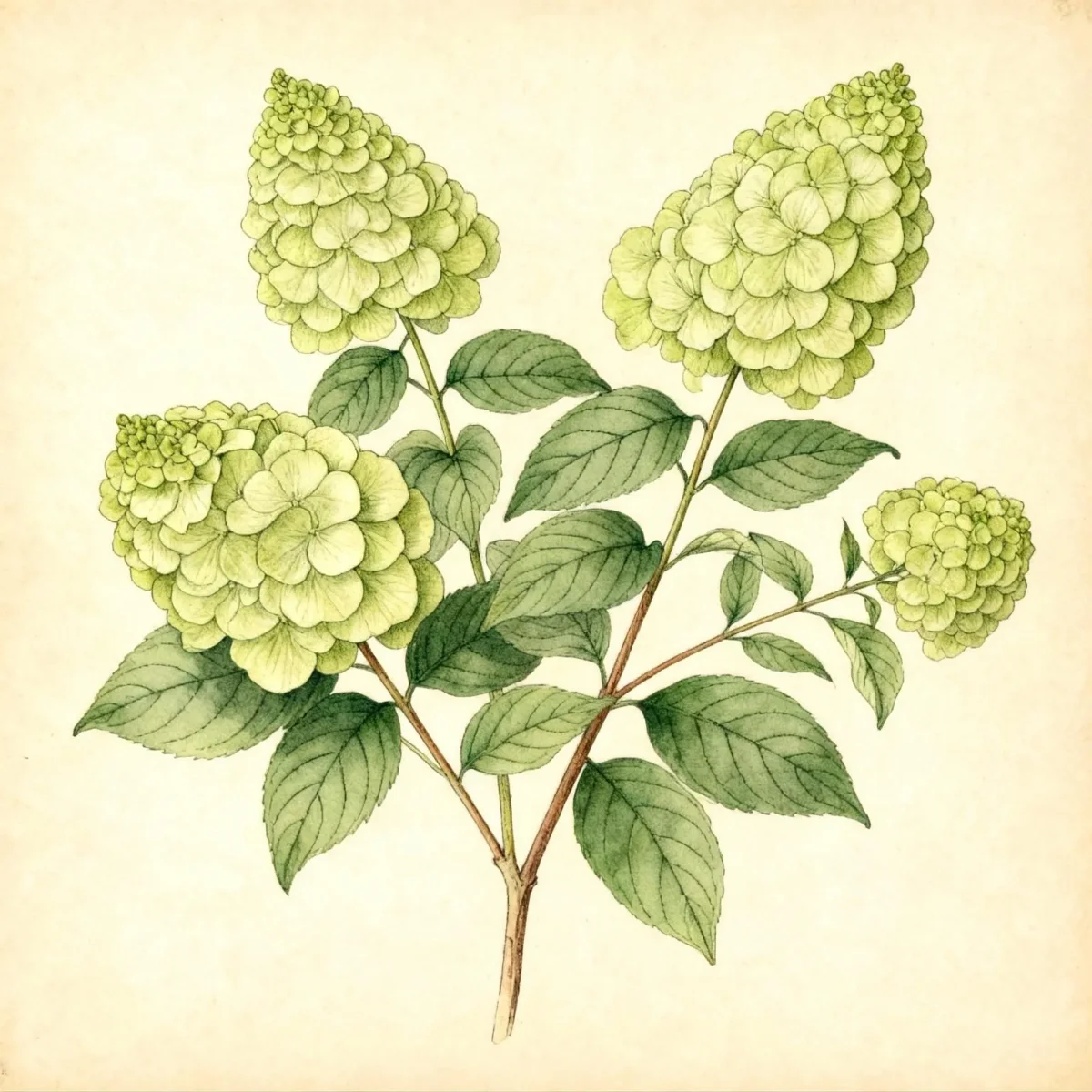
Panicle hydrangea (Hydrangea paniculata 'Dvppinky' PINKY-WINKY)
The Hydrangea paniculata 'Dvppinky' PINKY-WINKY Panicle hydrangea offers spectacular two-toned blooms from July to September on tough, adaptable shrubs.
Scroll down to discover growing tips, care requirements, companion plants, and more
Complete Plant Information
Overview
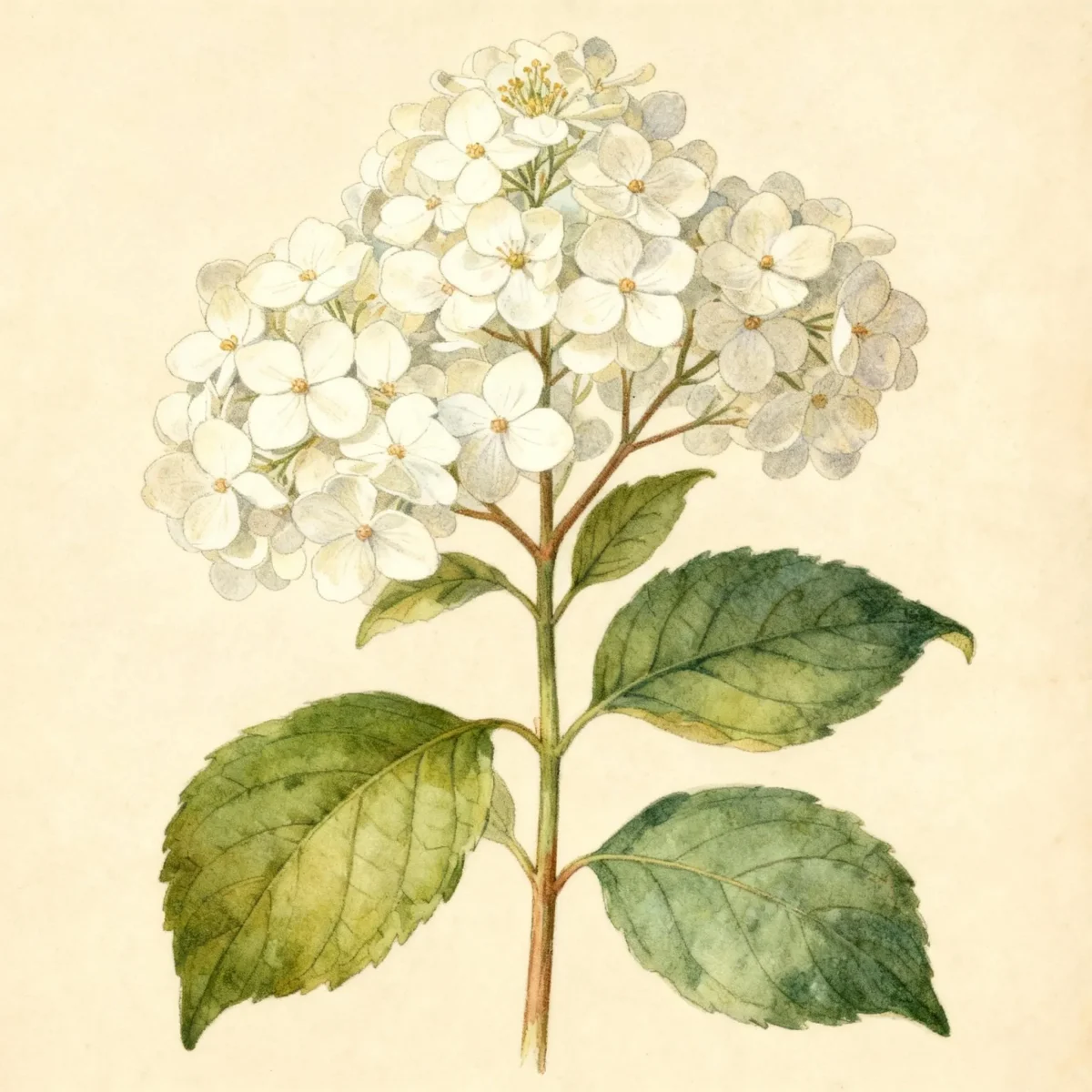
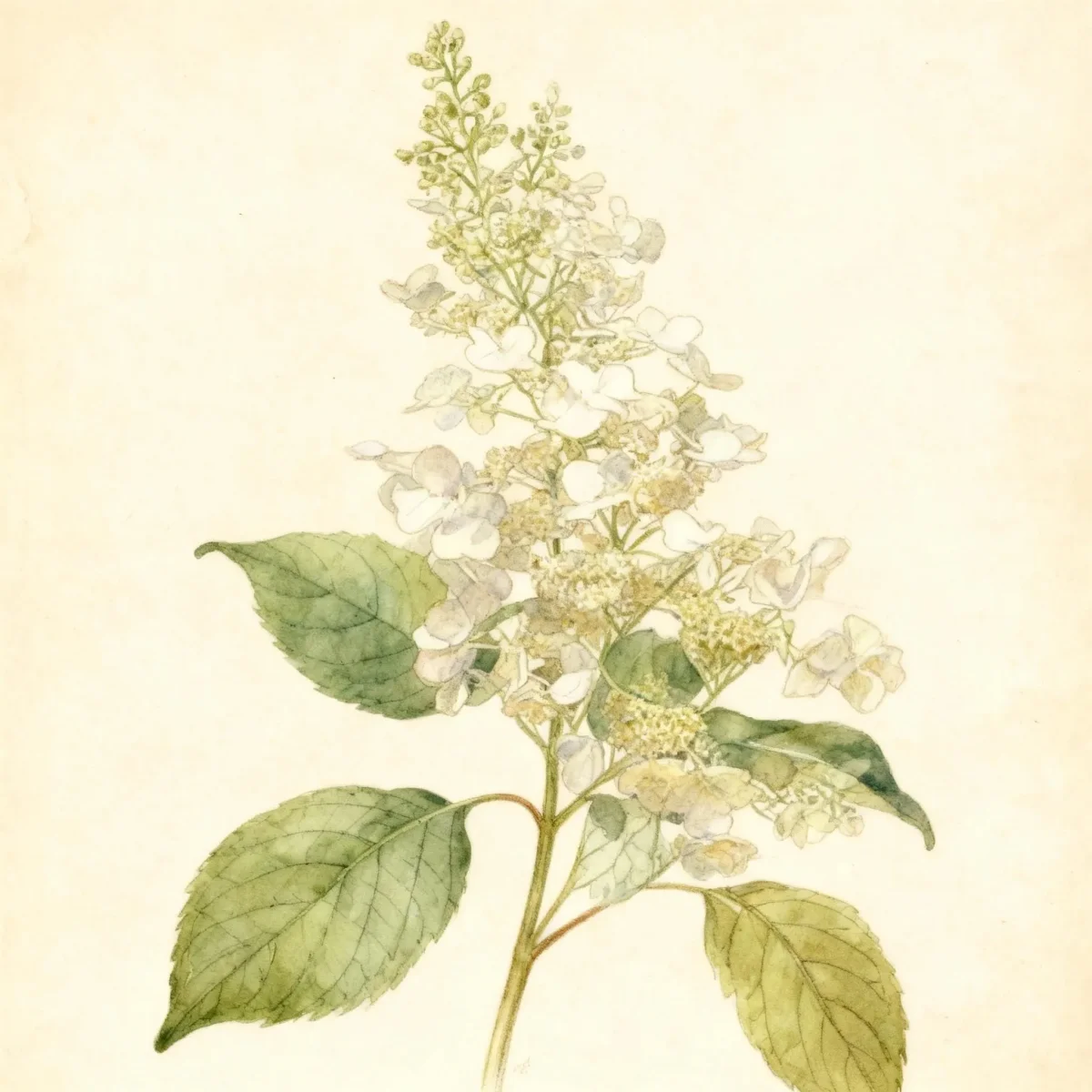
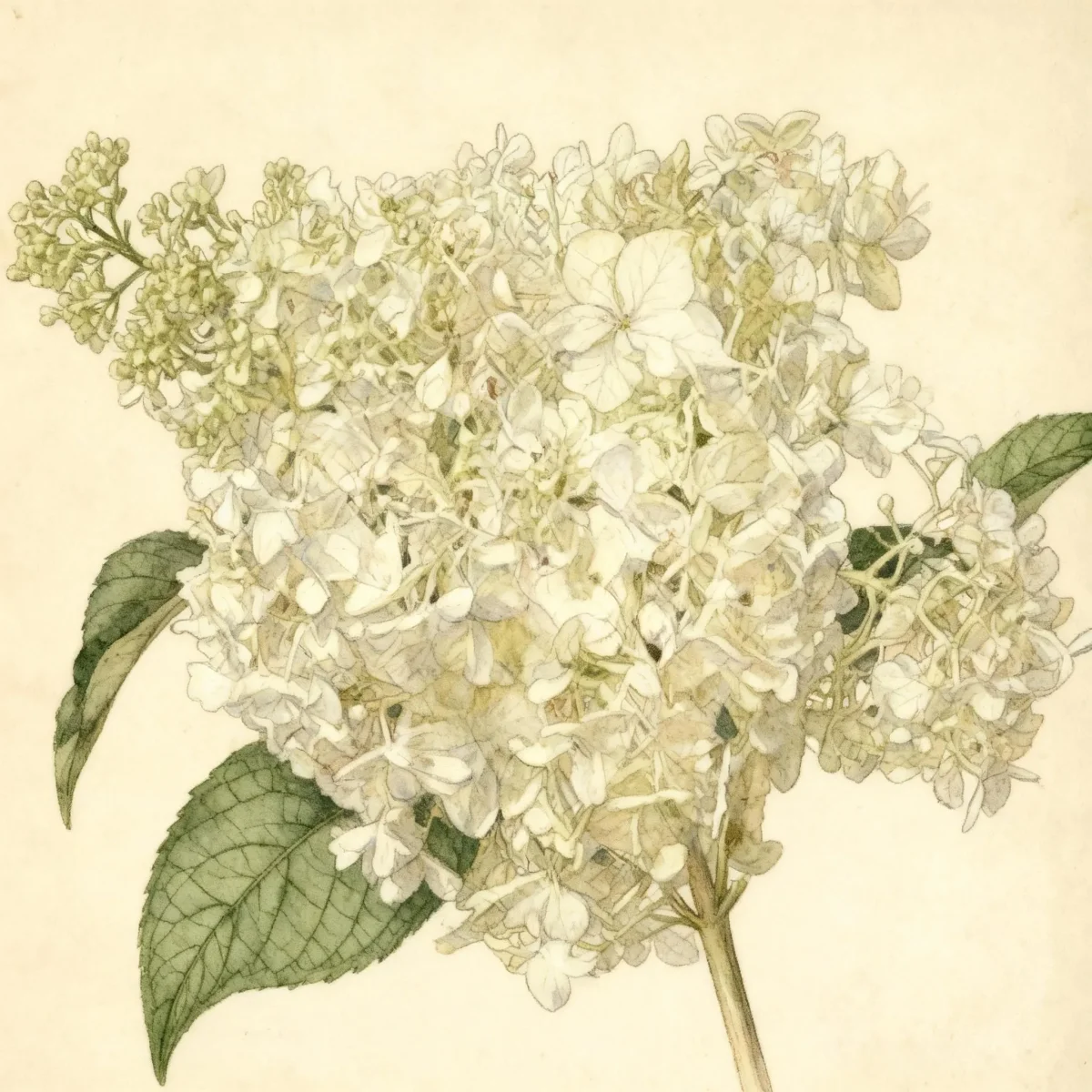
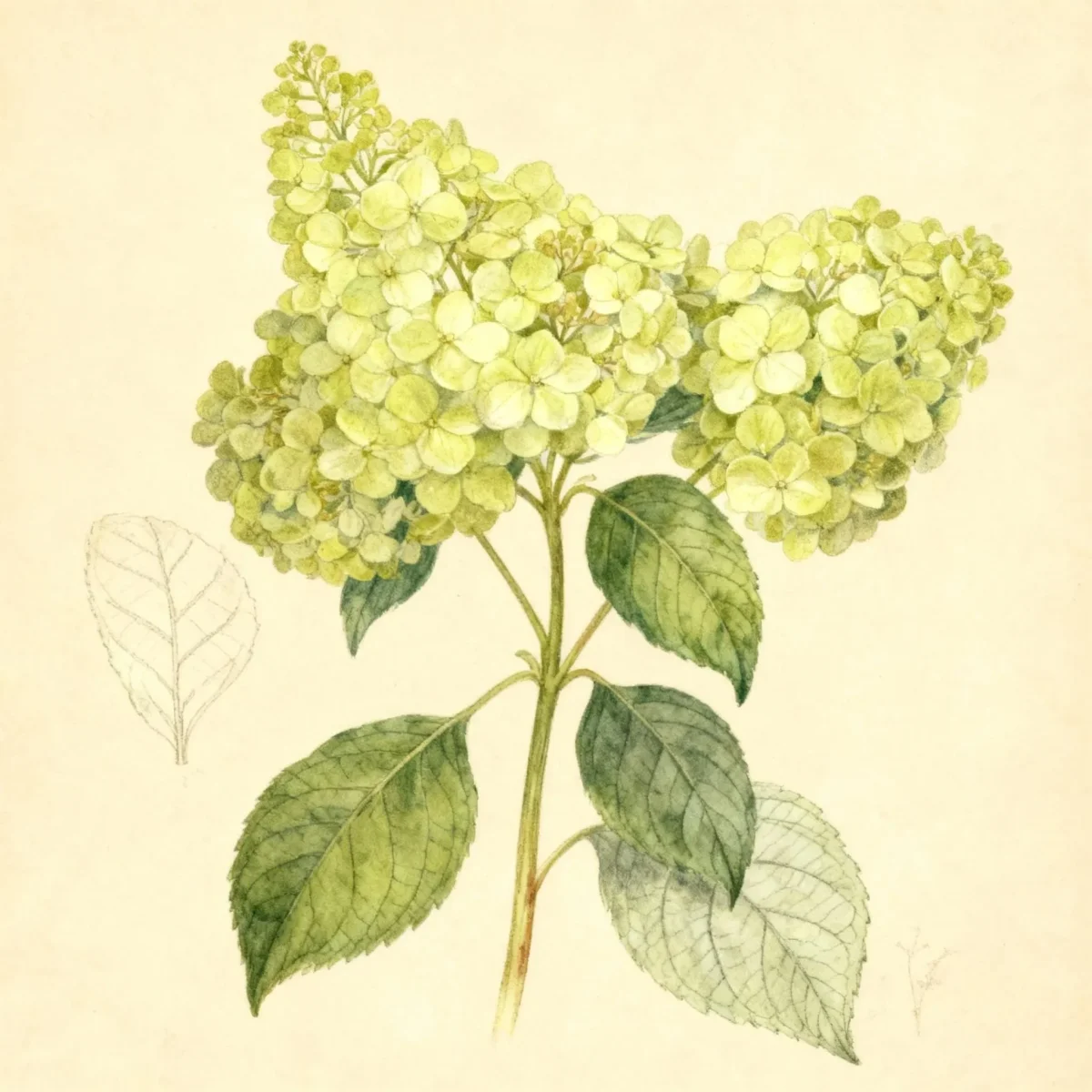
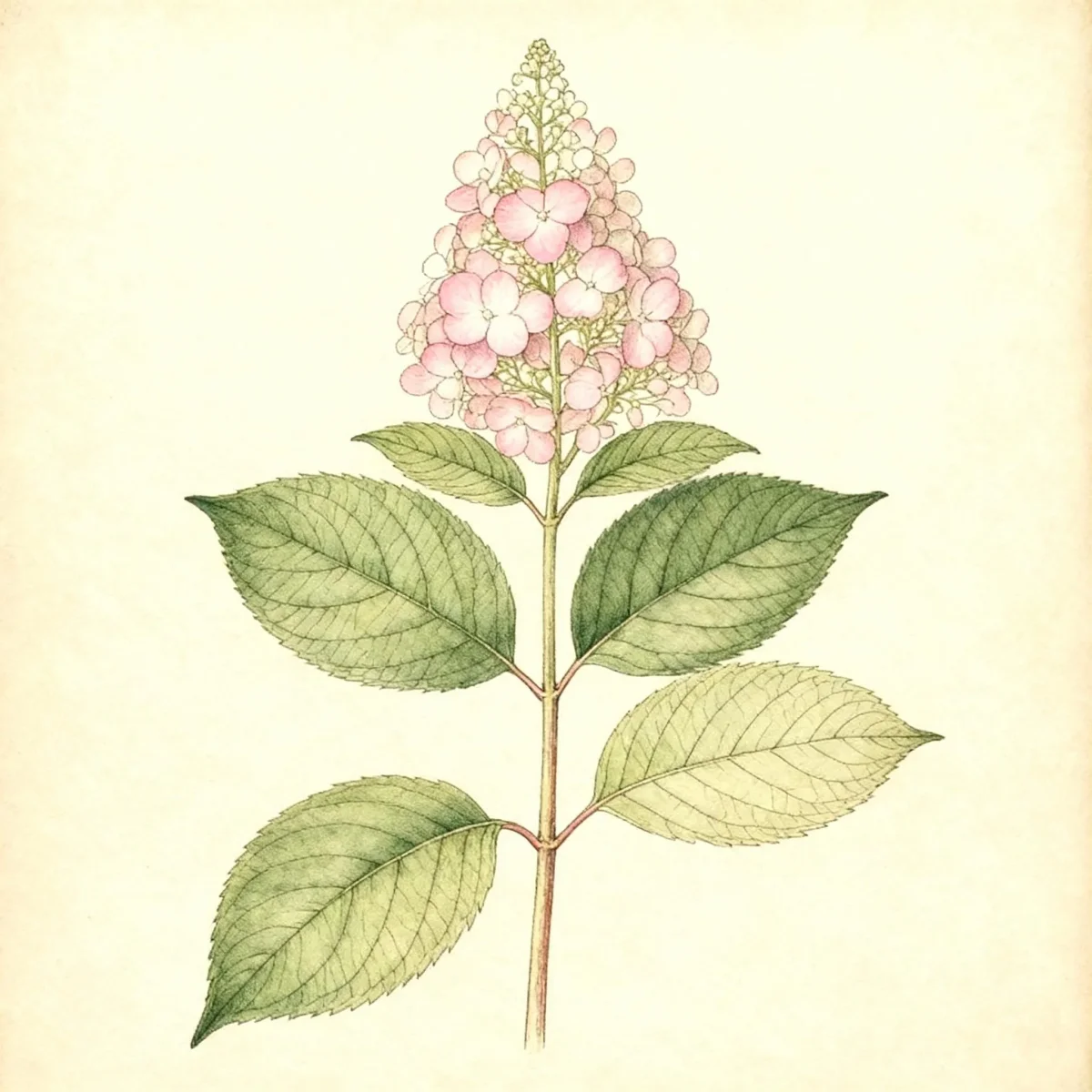
Hydrangea paniculata ‘Dvppinky’ PINKY-WINKY, commonly known as Panicle hydrangea, stands out due to its vigorous growth and impressively dense, cone-shaped flower panicles that transform dramatically throughout the season. These blooms emerge white and age to a rich, dark pink, offering extended color interest when many other shrubs are fading—typically from mid-summer through early fall. This cultivar is highly valued for its strong, upright stems, ensuring the heavy flowers are held prominently without drooping.
As one of the most winter-hardy hydrangeas, Hydrangea paniculata ‘Dvppinky’ PINKY-WINKY proves remarkably adaptable to various garden settings, thriving even in urban environments. It offers significant vertical structure, reaching heights between 6 and 8 feet, making it an excellent choice for screens, specimen planting, or structure in mixed borders. Gardeners appreciate its reliable performance and the fact that it blooms enthusiastically on new wood.
The visual impact of this Panicle hydrangea is superb, provided it receives adequate moisture and sun. Its adaptability, combined with the spectacular two-toned effect of the flower clusters, cements its place as a staple for gardeners seeking reliable, late-season impact and robust performance across USDA Zones 3 through 8.
Fast Facts
- Plant Family: Hydrangeaceae
- Plant Type: Deciduous shrub
- Hardiness Zones: USDA Zones 3-8
- Size at Maturity:
- Height: 6-8 ft
- Spread: 5-6 ft
- Bloom Time: July to September
- Bloom Description: Two-toned white and pink
- Sun Exposure: Full sun to part shade
- Water Needs: Medium
- Maintenance Level: Medium
How to Grow
Plant Hydrangea paniculata ‘Dvppinky’ PINKY-WINKY in the spring or fall when temperatures are moderate. This deciduous shrub performs best when situated in organically rich, well-drained soils that maintain medium moisture levels. While it tolerates part shade, achieving the best bloom production often requires placement in areas receiving at least six hours of direct sun, though afternoon protection may be beneficial in the hottest climates.
Care for your Panicle hydrangea requires moderate effort. Ensure consistent watering, especially during establishment or dry spells, as Hydrangea paniculata ‘Dvppinky’ PINKY-WINKY prefers consistently moist soil. Pruning should be managed in late winter or early spring, as flowering occurs on current season’s growth. For optimal garden structure, prune major branches, or thin the shrub to 5–10 primary shoots to encourage larger flower panicles.
This variety is notably winter hardy, reducing the need for extensive winter protection in its hardiness range. If you wish to train Hydrangea paniculata ‘Dvppinky’ PINKY-WINKY into a small, single-trunk tree form, consistent shaping is required; however, it naturally excels as a large, multi-stemmed shrub, which often displays the best form. Be aware that the weight of the mature flowers may cause branches to arch gently, creating a beautiful effect.
Landscape Uses
The robust nature and upright habit of this Panicle hydrangea make it exceptionally versatile in landscape design. It serves wonderfully as a formal or informal hedge, providing a tall, flowering screen from July through September. For mass plantings, group several Hydrangea paniculata ‘Dvppinky’ PINKY-WINKY specimens together to create a sweeping border filled with texture and color transition.
Beyond hedging, this shrub excels as a structural accent or lawn specimen, drawing the eye with its large blooms. It is also highly effective when integrated into mixed shrub borders or allowed to develop naturally in an open woodland garden setting, where its bloom time fills a crucial gap in the late summer palette. Consider pairing it with late-blooming perennials or evergreens that offer contrasting foliage texture.
If you harvest the flower panicles for fresh arrangements or drying, you can manage the overall size and encourage denser development for the following season. Whether used formally or informally, Hydrangea paniculata ‘Dvppinky’ PINKY-WINKY provides reliable, colorful structure throughout the warm months, making it a dependable choice for late-season visual interest.
Standout Features
Flower Qualities
- Showy
Noteworthy Characteristics
Hydrangea paniculata, commonly called panicle hydrangea, is a vigorous, upright, rapid-growing, somewhat coarsely textured, deciduous shrub that is native to China and Japan. The cultivar ‘Dvppinky’, sold as PINKY-WINKY, is noted for producing dense, cone-shaped, exceptionally large panicles (up to 12 inches long) of mostly sterile, two-toned flowers that emerge white but mature to dark pink. Strong stiff stems hold these prominent flower panicles upright, though the sheer weight in full bloom can cause a gentle downward arching of the branches.
Tolerances
- Air Pollution
Potential Problems
This Panicle hydrangea exhibits general hydrangea susceptibility to several fungal issues, including leaf spot, rust, and mildew. Care should also be taken to inspect for bud blight and bacterial wilt, though the cultivar is generally tough. Occasional insect pressure from aphids and mites may occur, necessitating routine monitoring. Promote good air circulation through proper pruning to mitigate dampness-related diseases, and promptly remove any infected foliage.
Frequently Asked Questions
What hardiness zones is Panicle hydrangea suitable for?
The Hydrangea paniculata ‘Dvppinky’ PINKY-WINKY Panicle hydrangea is suitable for USDA Zones 3-8.
How large does Hydrangea paniculata ‘Dvppinky’ PINKY-WINKY grow?
This shrub typically reaches a mature height of 6-8 feet and spreads 5-6 feet wide.
What sun exposure does Panicle hydrangea need?
Optimal growth and flowering occur in locations receiving full sun to part shade.
When does Hydrangea paniculata ‘Dvppinky’ PINKY-WINKY bloom?
It reliably blooms from July through September, featuring characteristic two-toned white and pink flower clusters.
Conclusion
The Hydrangea paniculata ‘Dvppinky’ PINKY-WINKY offers gardeners exceptional value through its hardy nature and stunning, long-lasting floral display that shifts appealingly from white to deep pink. As a reliable Panicle hydrangea variety, it provides structure and color late in the season. Before planting, confirm your site is within USDA Zones 3-8 and provides the necessary medium moisture and sun exposure for this outstanding shrub to thrive.
Companion Planting
Choosing companions that share cultural needs enhances the overall garden design around your Hydrangea paniculata ‘Dvppinky’ PINKY-WINKY. Look for plants that also prefer organically rich, well-drained soil and tolerate full sun or light shade. Excellent partners include perennial grasses, which offer contrasting movement and fine texture against the shrub’s coarser leaves and large blooms. Consider pairing it with plants that provide good yellow or burgundy fall color, as the Panicle hydrangea itself offers only muted autumn foliage.
Solid evergreen foundation plants placed behind the Pinky Winky hydrangea anchor the design during winter. Alternatively, pairing it with other large, late-blooming shrubs like Russian Sage (Perovskia atriplicifolia) or Clethra (Summersweet) ensures continuous interest across the border while maintaining similar moisture requirements.
Seasonal Care Calendar
Late Winter/Early Spring: This is the prime time to prune Hydrangea paniculata ‘Dvppinky’ PINKY-WINKY. Remove any dead or crossing wood. Thin the plant by cutting back to 5-10 strong, primary canes to encourage the largest flower heads next season.
Late Spring/Early Summer: Focus on watering consistency as new growth emerges and buds swell. Apply a balanced, slow-release fertilizer if soil tests indicate nutrient deficiency, but avoid excessive nitrogen, which promotes foliage over flowers. Monitor for early signs of pests like mites or aphids.
Mid to Late Summer: Enjoy the primary bloom period as panicles emerge white. Ensure medium water delivery during dry spells to support the heavy flower load. If branches show arching, this is normal, but be mindful not to place heavy objects near them.
Fall: The spectacular color transition to pink occurs now. Panicles can be cut for drying throughout the fall. Minimal pruning is needed; general cleanup of fallen leaves is sufficient.