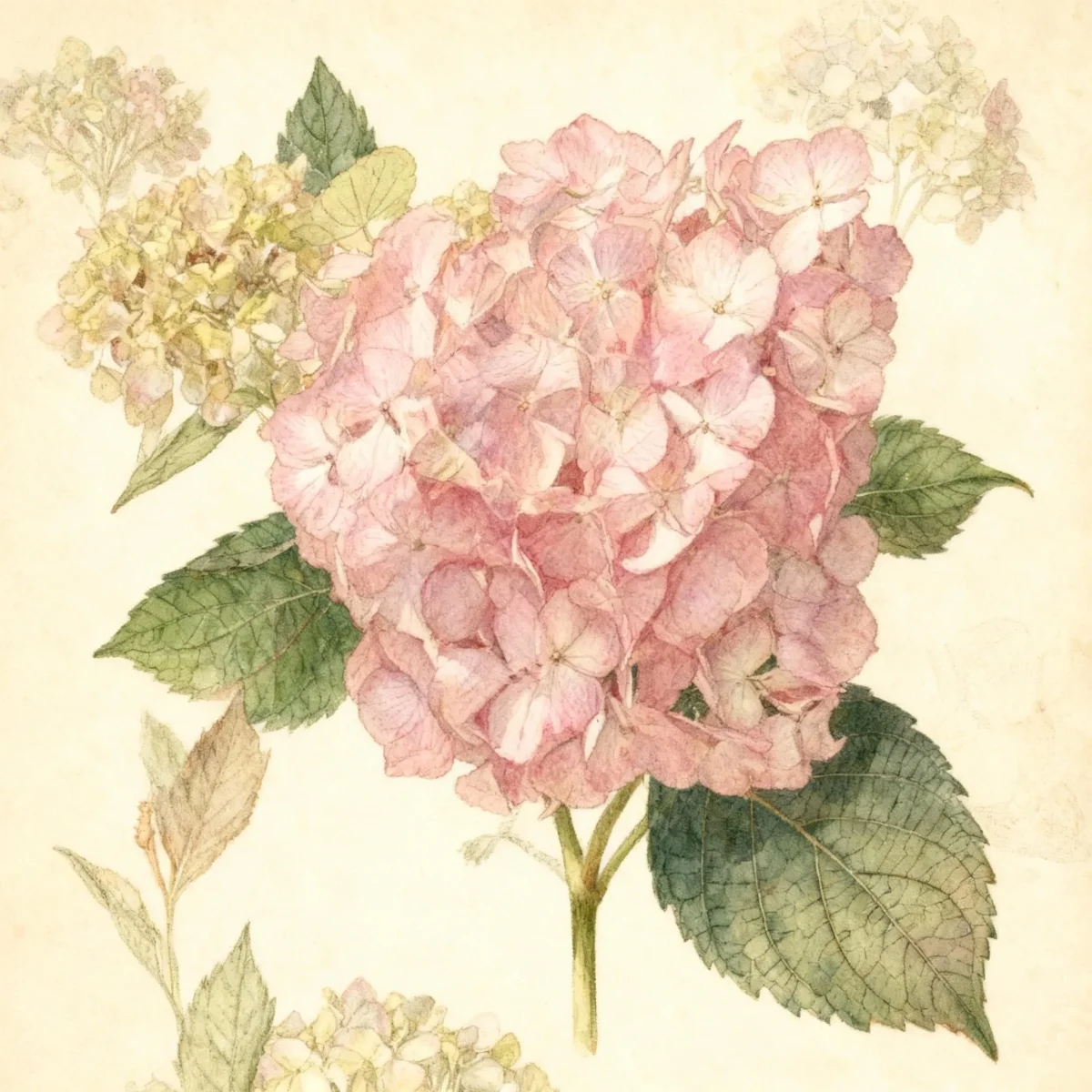
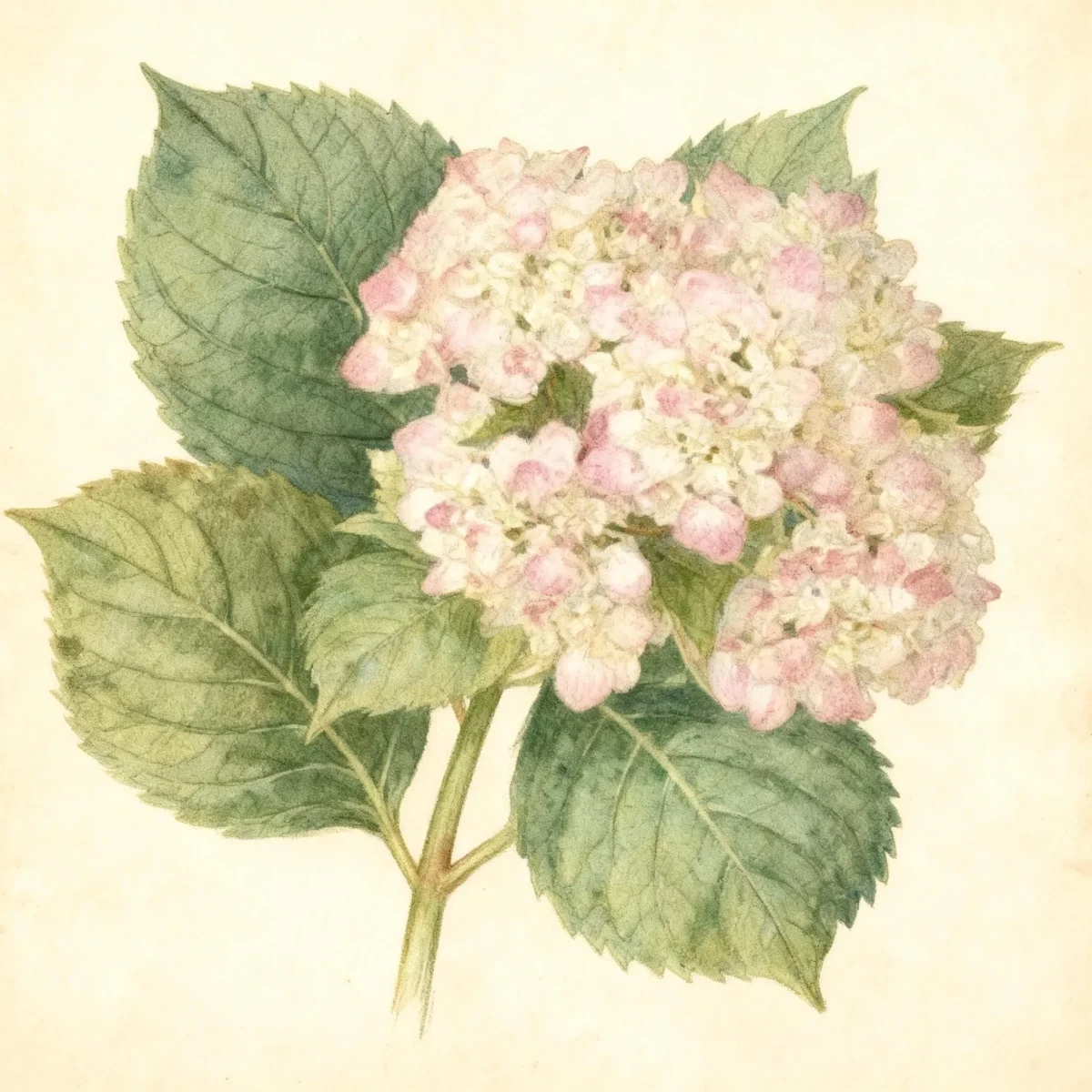
Bigleaf hydrangea (Hydrangea macrophylla 'Sonmarie' PINK SHIRA)
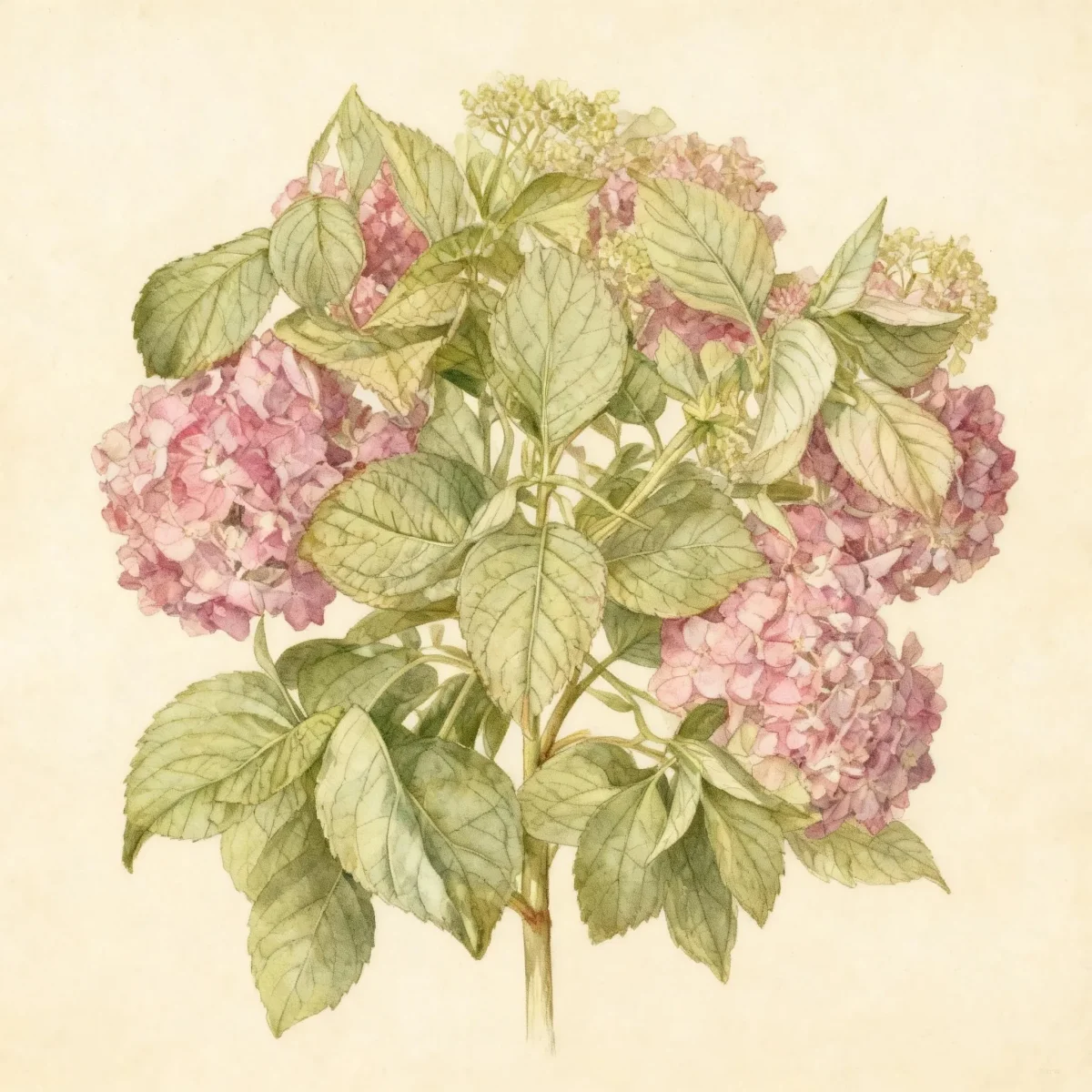
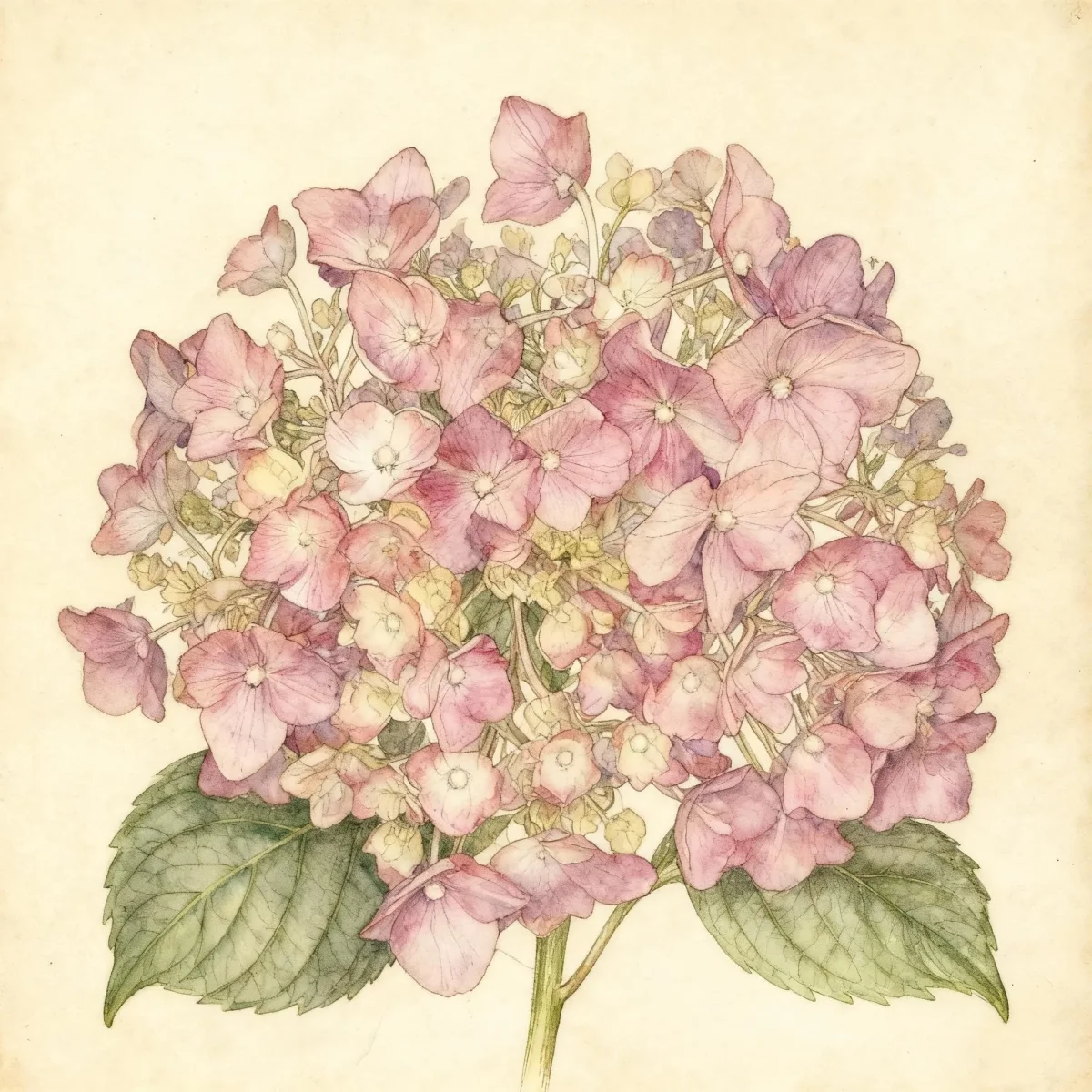
Hydrangea macrophylla 'Sonmarie' PINK SHIRA is a striking Bigleaf hydrangea producing huge clusters of pink flowers from July to August.
Scroll down to discover growing tips, care requirements, companion plants, and more
Complete Plant Information
Overview
Hydrangea macrophylla ‘Sonmarie’ PINK SHIRA, commonly known as Bigleaf hydrangea, is valued in the landscape for its substantial, long-blooming summer flowers, typically presenting in a vibrant pink hue. This deciduous shrub offers a classic, rounded habit, making it a reliable choice for foundation plantings and garden borders. Gardeners appreciate the predictable size of the Hydrangea macrophylla ‘Sonmarie’ PINK SHIRA, which generally matures between three and five feet tall and wide.
This cultivar thrives best when provided with rich, well-drained soil and protection from intense afternoon sun. While it tolerates more sun if moisture is constantly supplied, part shade positioning usually ensures the healthiest foliage and best flowering performance for this reliable Bigleaf hydrangea. Successful cultivation involves understanding its soil chemistry needs, as pH significantly influences the resulting flower color, shifting the blooms toward blue in acidic conditions or keeping them pink in more alkaline environments.
For those seeking robust summer color without demanding constant fuss, Hydrangea macrophylla ‘Sonmarie’ PINK SHIRA provides excellent aesthetic payoff. Its large mophead-like clusters ensure high visual impact throughout the mid-summer season. When planted correctly in suitable hardiness zones (5-9), this shrub becomes a foundational element in any established garden design.
Fast Facts
- Plant Family: Hydrangeaceae
- Plant Type: Deciduous shrub
- Hardiness Zones: USDA Zones 5-9
- Size at Maturity:
- Height: 3-5 ft
- Spread: 3-5 ft
- Bloom Time: July to August
- Bloom Description: Pink
- Sun Exposure: Part shade
- Water Needs: Medium
- Maintenance Level: Medium
How to Grow
The ideal planting scenario for Hydrangea macrophylla ‘Sonmarie’ PINK SHIRA involves rich, well-drained soil amended with organic matter. Plant during the cooler seasons—late autumn or early spring—to allow establishment before summer heat sets in. While it prefers part shade, it can tolerate full sun if you commit to maintaining medium soil moisture consistency throughout the growing season.
Water needs are medium, requiring consistent moisture, especially when young or during dry spells. Mulching annually with about three inches of shredded bark or compost helps retain soil moisture and moderate root temperatures. Pruning is generally minimal; if necessary, prune immediately after flowering concludes by cutting back the stems to a healthy pair of buds. Remove any winter-damaged or weak stems typically in late winter or early spring before new growth starts.
Gardeners in Zone 5 should take extra care, placing Hydrangea macrophylla ‘Sonmarie’ PINK SHIRA in sheltered spots to protect buds from harsh winter fluctuations. While extensive winter wrapping is available, often the best strategy is simply selecting a well-protected microclimate. Remember that inevitable winter occurrences may still cause some bud loss, leading to less abundant blooms in some years, regardless of protection efforts.
Landscape Uses
The versatility of the Bigleaf hydrangea makes it suitable for numerous landscape applications. Hydrangea macrophylla ‘Sonmarie’ PINK SHIRA excels when massed or grouped to create significant drifts of color along shrub borders, providing a soft, textural backdrop for smaller perennials. Its uniform size also makes it an excellent specimen plant near patios or entryways where its large blooms can be appreciated up close.
As a suggested use is hedge material, several plants can be placed strategically to form a medium-height screen or soft dividing line within the garden architecture. Furthermore, this cultivar performs well when grown in a large container, provided the container is substantial enough to accommodate its 3 to 5-foot spread and drainage is excellent. Companion planting should focus on species that share the need for consistent moisture and partial shade, such as astilbes, hostas, or shade-tolerant ferns.
Standout Features
Flower Qualities
- Showy
Noteworthy Characteristics
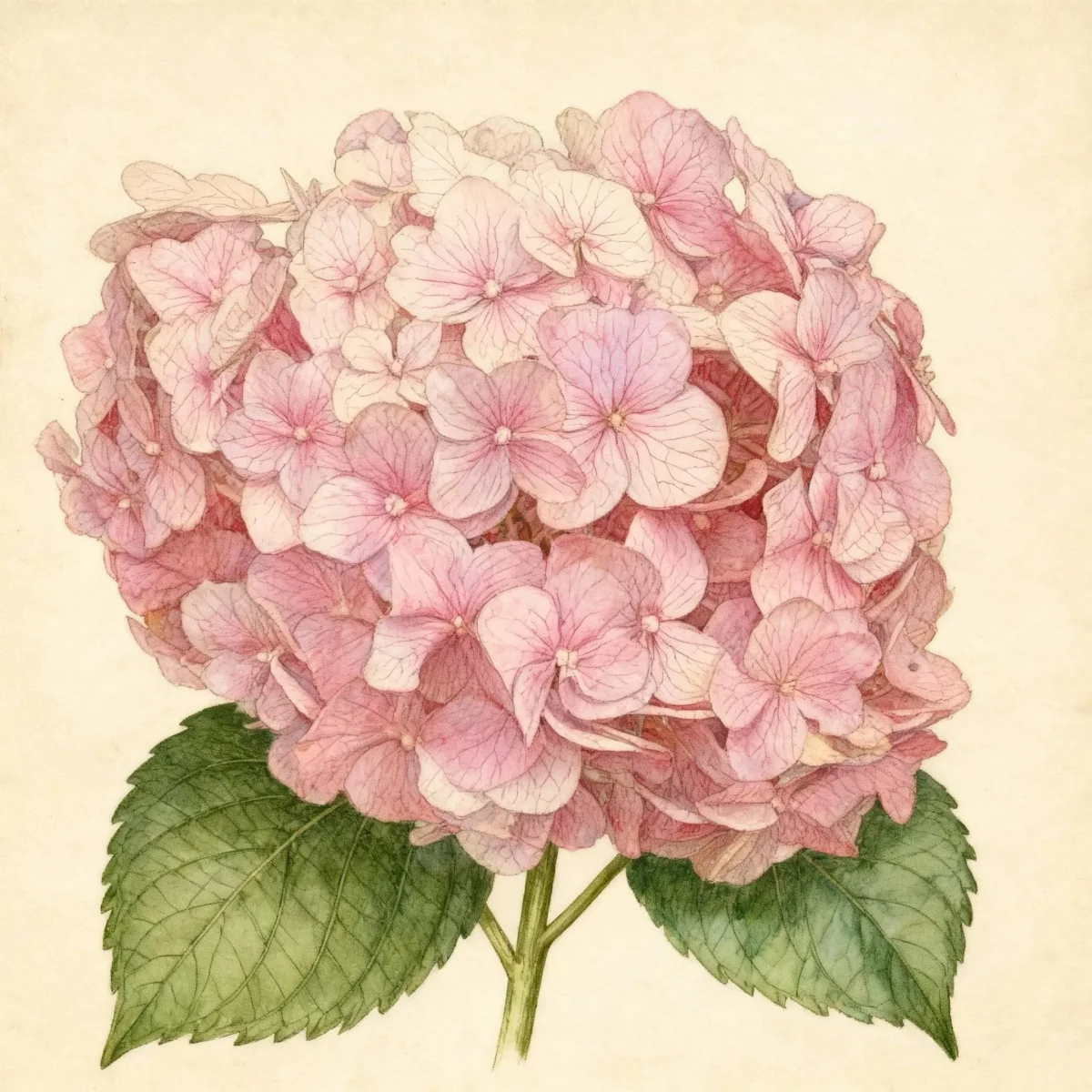
The genus name Hydrangea comes from hydor meaning “water” and aggeion meaning “vessel,” referencing the cup-like capsular fruit. Specific epithet macrophylla comes from the Greek words makros meaning large and phyllon meaning leaf, noting the substantial leaves (4-8” long). ‘Sonmarie’, sold as PINK SHIRA, is a mophead-like cultivar featuring huge spherical clusters of pink sterile florets that bloom for up to two months starting in early July.
Tolerances
Potential Problems
Bigleaf hydrangeas, including Hydrangea macrophylla ‘Sonmarie’ PINK SHIRA, exhibit some susceptibility to common fungal and bacterial issues. Watch for signs of bud blight, bacterial wilt, leaf spot, and mildew; ensuring good air circulation through proper spacing is key to prevention. Aphids are occasional pests that can be managed with strong water sprays or insecticidal soap if infestations become heavy. Avoid over-fertilizing, as excessive vigor can sometimes invite stress-related problems.
Frequently Asked Questions
What hardiness zones is Bigleaf hydrangea suitable for?
This variety, Hydrangea macrophylla ‘Sonmarie’ PINK SHIRA, is reliably hardy in USDA Zones 5 through 9.
How large does Bigleaf hydrangea grow?
It typically reaches a height between 3 and 5 feet, with a corresponding spread of 3 to 5 feet at maturity, unless significantly damaged by severe winter weather.
When does Bigleaf hydrangea bloom?
The spectacular blooming period for the Hydrangea macrophylla ‘Sonmarie’ PINK SHIRA generally spans from July through August, displaying attractive pink flowers.
What sun exposure does Bigleaf hydrangea need?
The preferred environment for this shrub is part shade, though it can tolerate more sun if the soil remains consistently medium in moisture.
Conclusion
Hydrangea macrophylla ‘Sonmarie’ PINK SHIRA provides gardeners with a dependable source of large, spherical pink blooms throughout mid-summer in zones 5 through 9. This Bigleaf hydrangea easily integrates into diverse landscape settings, whether used for massing in borders or as a feature specimen. Verify your site conditions meet its part shade and medium water needs, and enjoy the beautiful, manageable structure this cultivar offers.
Companion Planting for Hydrangeas
Selecting appropriate companions is crucial for creating a harmonious and healthy garden environment for your Bigleaf hydrangea. Because Hydrangea macrophylla ‘Sonmarie’ PINK SHIRA requires consistent moisture and prefers filtered light, pairing it with other woodland or shade-loving plants enhances the overall aesthetic. Consider using shade perennials like Hosta, which offer contrasting leaf texture, or Astilbe, which provides feathery plumes of color during the summer when the hydrangea is at its peak.
Another excellent pairing involves early-season bloomers that fade as the rich pink hue of the Hydrangea macrophylla ‘Sonmarie’ PINK SHIRA emerges in July. Spring bulbs, followed by late-blooming woodland phlox, ensure continuous interest in the garden bed. Always ensure that companion plants do not aggressively compete for water or nutrients, maintaining the rich medium soil preferred by the hydrangea.
Seasonal Care Calendar
Managing your Hydrangea macrophylla ‘Sonmarie’ PINK SHIRA effectively requires a focus on seasonal tasks rather than frequent intervention. In late winter or early spring, focus on pruning out any stems that show significant die-back from winter cold, cutting these back to healthy wood near the base. Spring is the ideal time to begin any soil amendment treatments if you wish to adjust flower color slightly toward pinker tones (by adding lime).
Throughout summer, the primary focus is maintaining those medium water needs, especially during heat waves. A fresh layer of mulch applied in late spring helps conserve this moisture. Fall is when you should prepare for winter protection, particularly in colder Zone 5 locations, though heavy mulching is often sufficient. Avoid heavy late-season fertilization, which encourages tender new growth that is highly susceptible to early frosts.