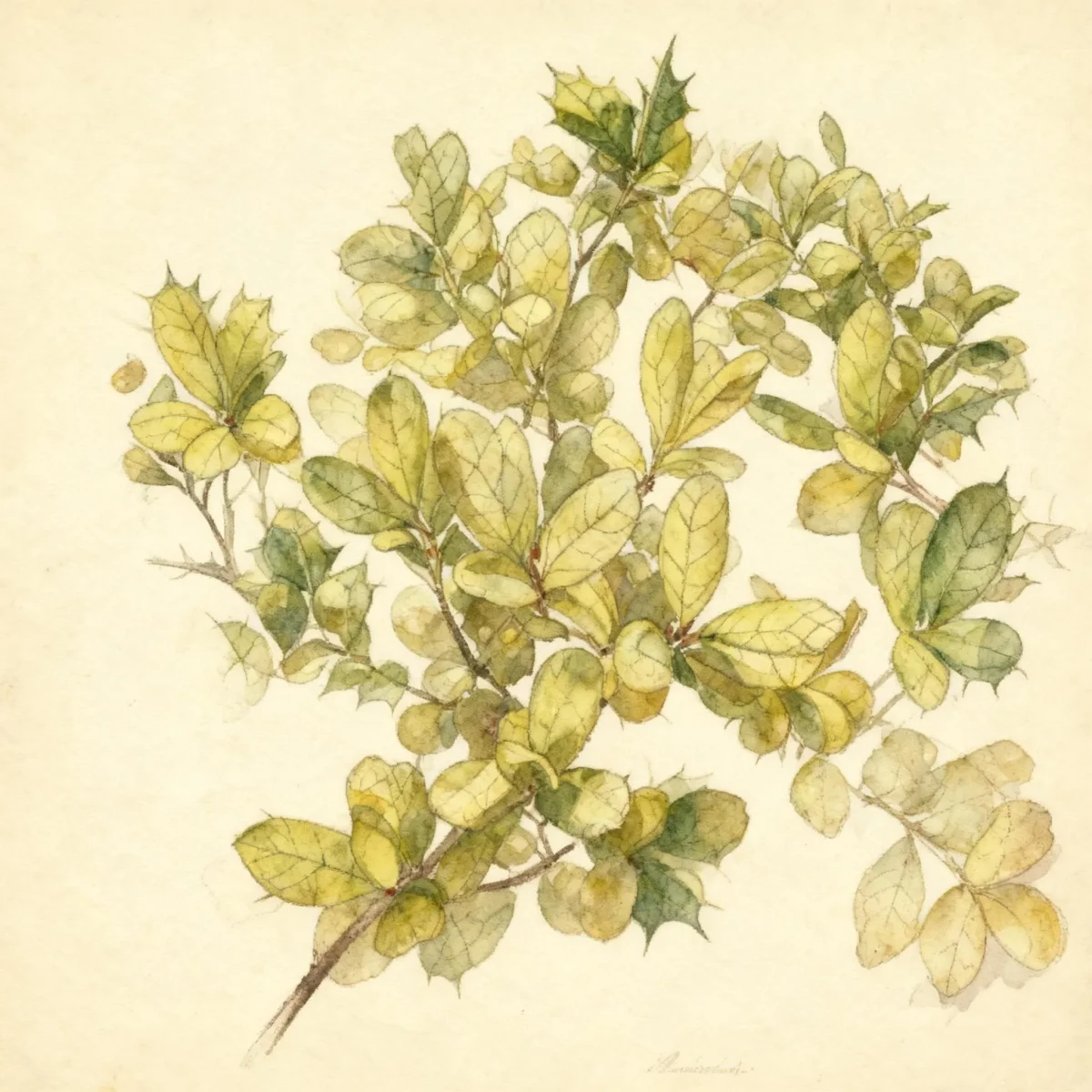
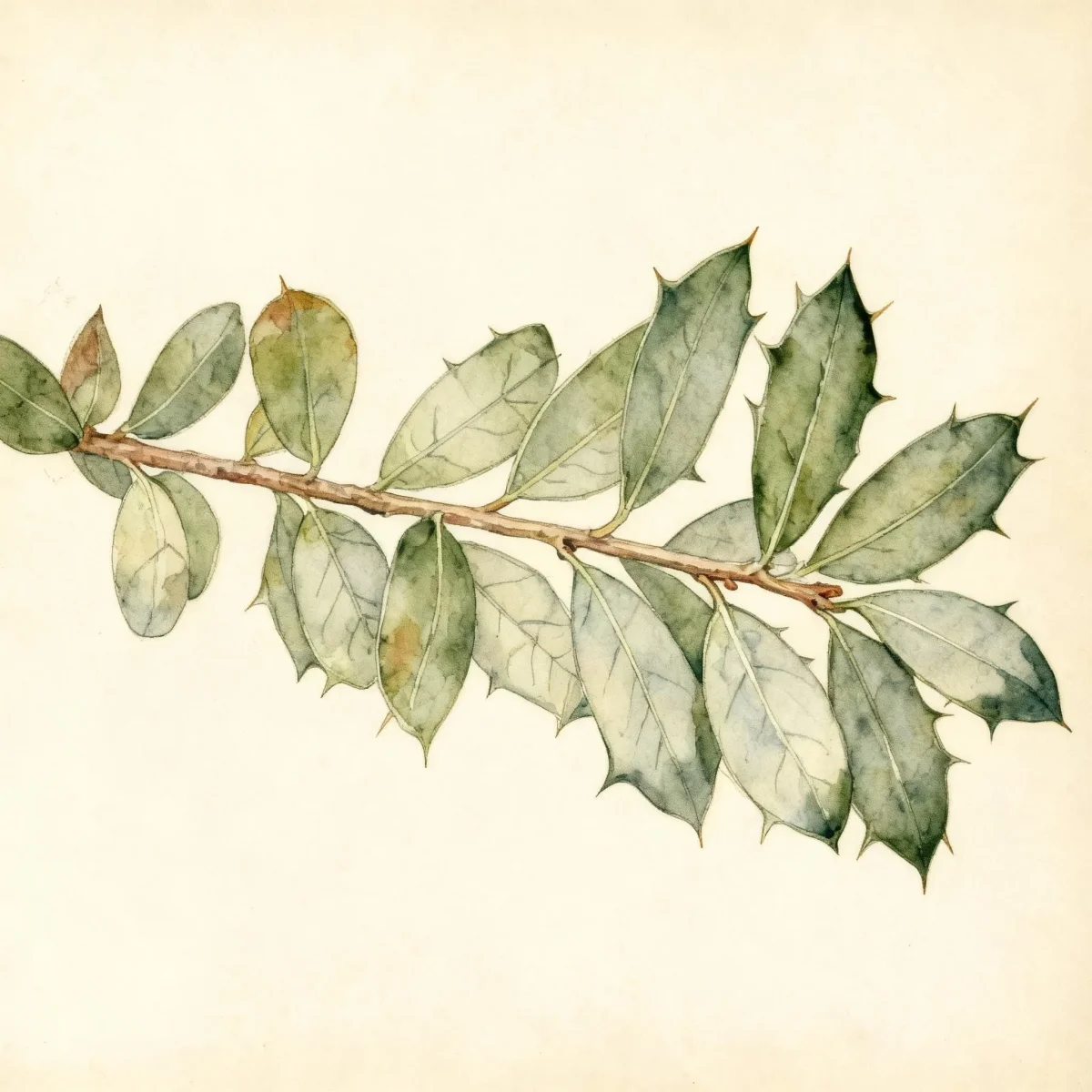
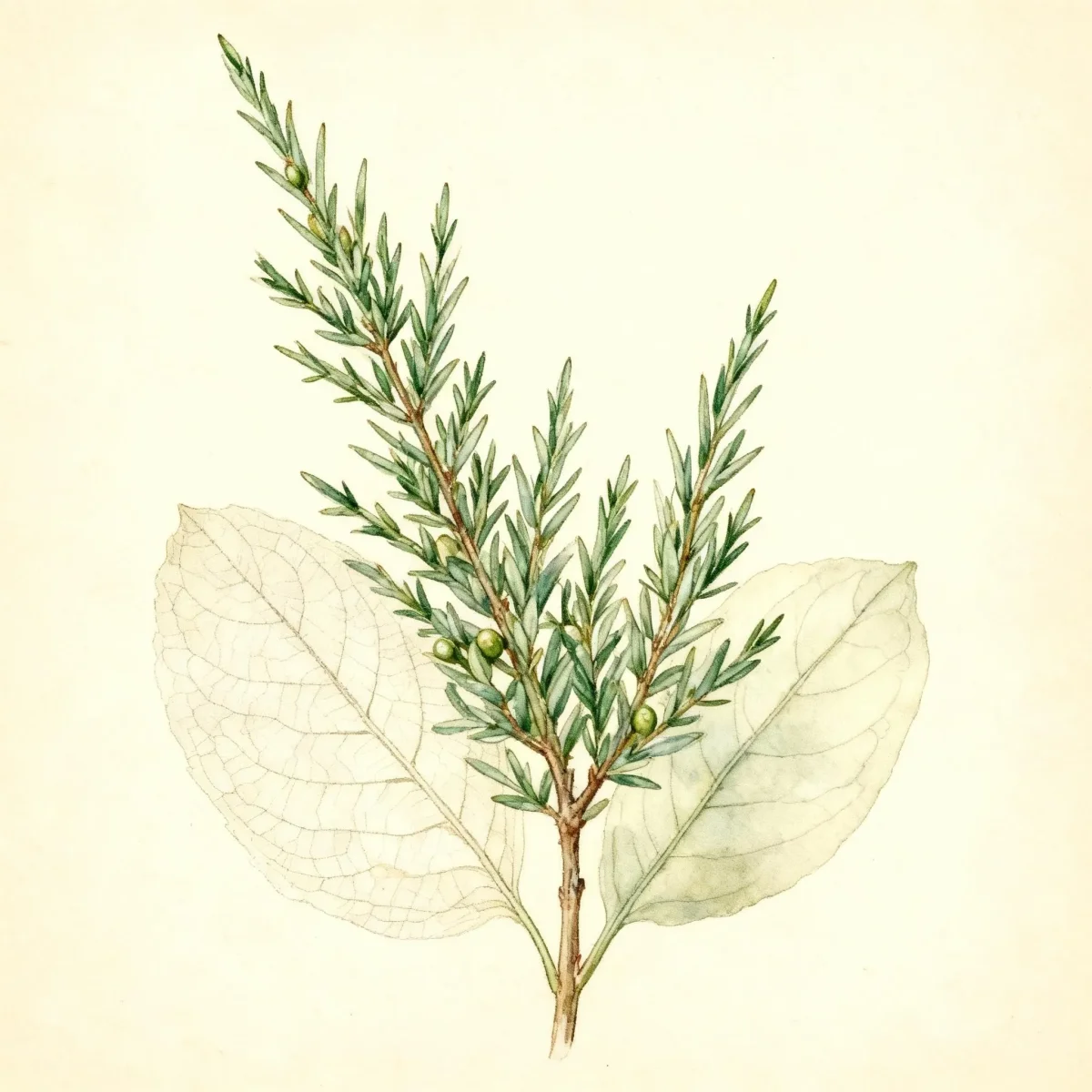
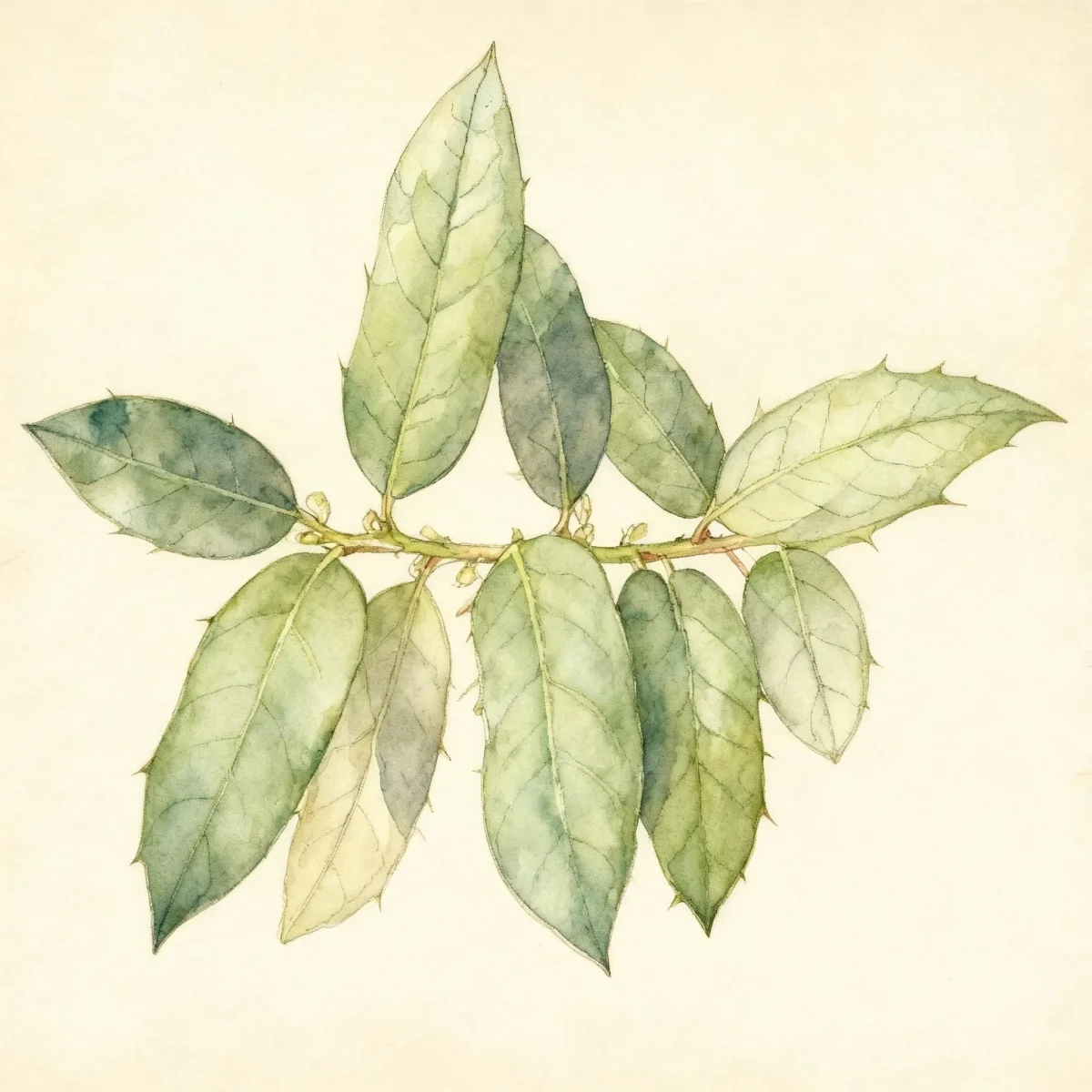
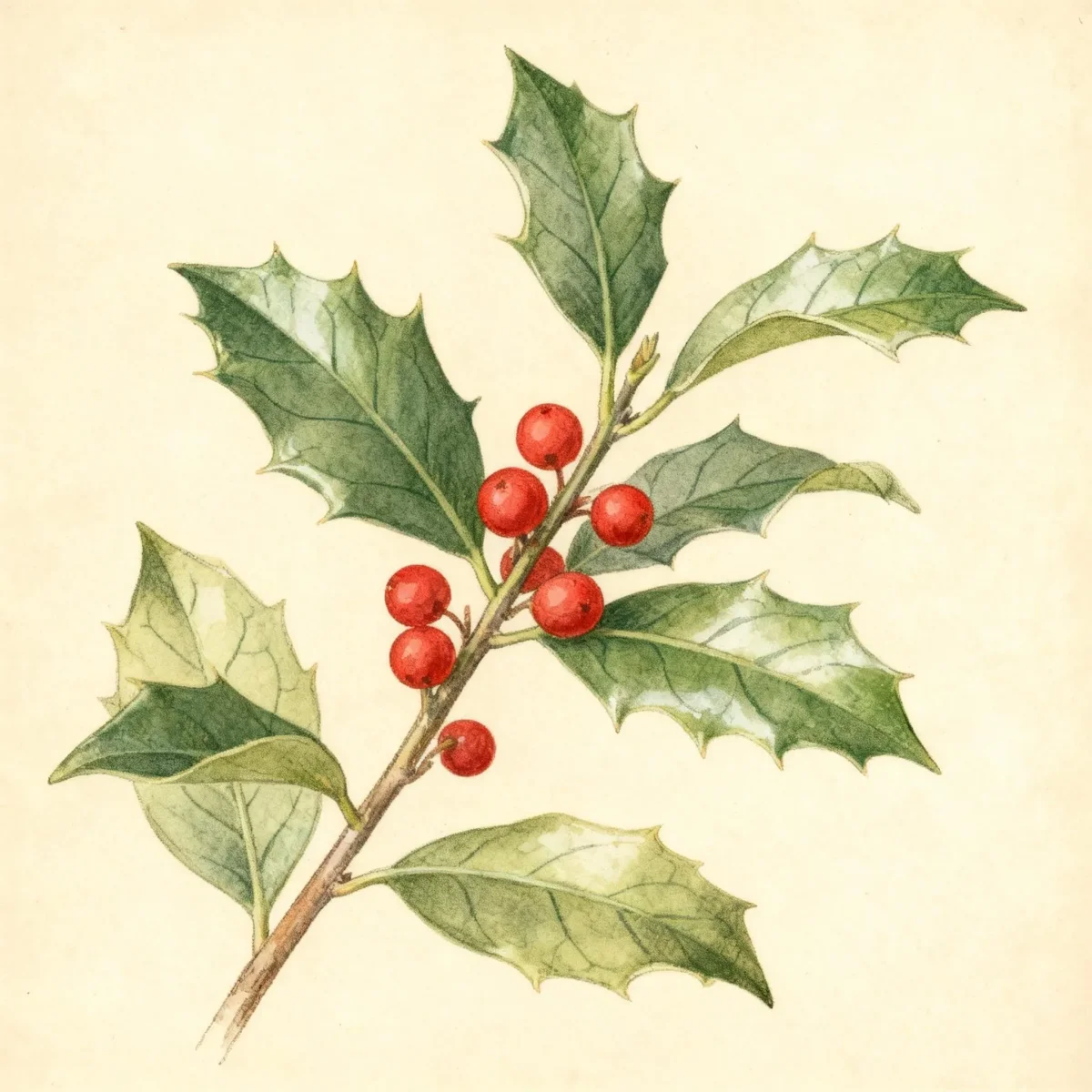
Koehne holly (Ilex × koehneana 'San Jose')
Ilex × koehneana 'San Jose' (Koehne holly) is a large, narrow-pyramidal evergreen ideal for screens, prized for its glossy leaves and showy red winter berries.
Scroll down to discover growing tips, care requirements, companion plants, and more
Complete Plant Information
Overview
The Koehne holly (Ilex × koehneana ‘San Jose’) is a striking broadleaf evergreen hybrid, resulting from a cross between I. Aquifolium and I. Latifolia. It is highly valued in landscapes for its erect, narrow-pyramidal form, making it an excellent architectural element or privacy screen. Gardeners appreciate this plant for its dense branching and glossy, dark green foliage that retains excellent color throughout the year.
This evergreen provides significant visual interest, especially in winter when the female cultivars, such as Ilex × koehneana ‘San Jose’, bear plentiful, showy red drupes. While the flowers are inconspicuous, they are surprisingly fragrant, adding a subtle sensory layer in late spring. Its upright habit allows it to fit well into tighter spaces compared to more spreading holly species.
For successful cultivation, placing the Koehne holly where it receives full sun to partial shade is crucial, though protection from harsh winter winds is recommended in the cooler parts of its range. This hybrid tolerates heat better than some traditional hollies, offering robust performance as a specimen or taller hedge where vertical structure is needed.
Fast Facts
- Plant Family: Aquifoliaceae
- Plant Type: Broadleaf evergreen
- Hardiness Zones: USDA Zones 6-9
- Size at Maturity:
- Height: 20-25 ft
- Spread: 12-15 ft
- Bloom Time: May
- Bloom Description: Greenish-white
- Sun Exposure: Full sun to part shade
- Water Needs: Medium
- Maintenance Level: Medium
How to Grow
Planting Ilex × koehneana ‘San Jose’ should occur when soil conditions are moderate, ensuring the plant establishes before extreme weather hits. This hybrid thrives in average, well-drained soils, though it possesses the tolerance to manage clay soils adequately. Ensure the planting site offers protection from severe winter winds, especially if situated near the colder Zone 6 margins.
Watering requirements remain medium; maintain consistent moisture, particularly during dry periods, avoiding waterlogged conditions which can harm the root system. Pruning, if necessary to maintain shape or size, is best performed during the winter months. As a dioecious hybrid, remember that Ilex × koehneana ‘San Jose’ is a female cultivar and absolutely requires the presence of a male pollinator nearby to ensure the production of its desirable red berries.
If you are gardening in areas prone to cold snaps, such as Zone 6A, site this Koehne holly in a location that benefits from afternoon shade during intense summer heat but remains sheltered from drying winter blasts. Proper soil drainage is paramount for long-term health.
Landscape Uses
The strong, upright, narrow-pyramidal shape of the Ilex × koehneana ‘San Jose’ makes it invaluable for structured landscape design where height and narrow width are required. It excels when used as a formal screen, quickly establishing density between properties or blocking undesirable views. Furthermore, taller Koehne holly specimens serve well as strong vertical accents or corner plantings near building foundations.
When massed, these hollies create an impressive, year-round tapestry of dark green speckled with bright red fruit in the dormant season. Because they provide excellent vertical contrast, they pair nicely with lower-growing, mounding shrubs or perennials that offer contrasting foliage texture or color during the growing season. Consider using them in conjunction with deciduous trees for an interesting transition from high structure to seasonal interest.
The effectiveness of Ilex × koehneana ‘San Jose’ as a tall hedge cannot be overstated, offering structure and wildlife food long after many other plants have faded. Use them to define property lines or border major walkways where a substantial evergreen presence is desired.
Standout Features
Flower Qualities
- Fragrant
- Insignificant
Fruit Qualities
- Showy
Noteworthy Characteristics
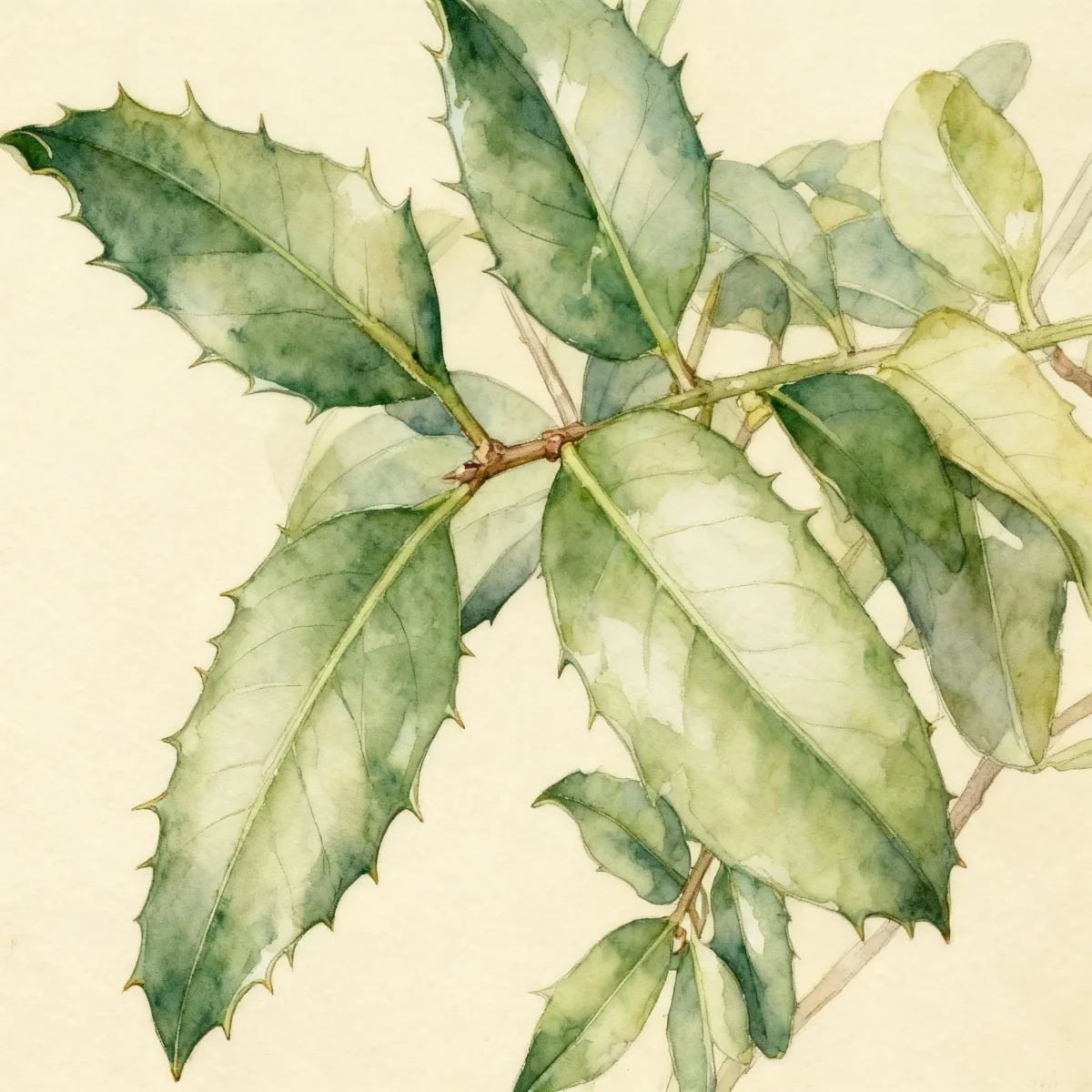
Ilex × koehneana, commonly called Koehne holly, is a successful cross between I. Aquifolium and I. Latifolia, resulting in an erect, densely-branched, large, hybrid evergreen perfect for pyramidal shaping. Its stiff branches are fully clad with glossy, spiny-margined, dark green leaves measuring 2-3 inches long. Female plants, like the ‘San Jose’ cultivar, offer brilliant red drupes that mature in the fall and persist well into winter, providing valuable color and attracting birds.
Tolerances
- Clay Soil
Potential Problems
Gardeners should be aware of several potential insect issues that can affect the health and appearance of Ilex × koehneana ‘San Jose’. Common insect pests requiring monitoring include holly leaf miner, scale insects, whiteflies, and spider mites. Management often requires timely topical applications or horticultural oils when populations begin to surge.
Disease pressure involves fungal issues such as leaf spot, tar spot, and powdery mildew, especially in areas with poor air circulation or high humidity. Additionally, this plant is susceptible to environmental damage, including leaf scorch from intense sun or wind, and leaf drop. Chlorosis, which manifests as yellowing leaves, often signals that the plant is growing in high pH soils, suggesting a need for soil amendment to improve nutrient availability.
Frequently Asked Questions
What hardiness zones is Koehne holly suitable for?
The Ilex × koehneana ‘San Jose’ is generally hardy and adaptable to USDA growing zones 6 through 9, though extra protection from harsh winter wind is recommended in the colder end of that spectrum.
How large does Ilex × koehneana ‘San Jose’ grow?
This cultivar develops into a substantial evergreen, typically reaching mature heights between 20 to 25 feet tall, with a corresponding spread of 12 to 15 feet wide, maintaining a relatively narrow, pyramidal profile.
What sun exposure does Koehne holly need?
This handsome holly performs best when sited in locations that receive full sun to partial shade. In hotter summer climates, providing some afternoon shade can help prevent leaf scorch and ensure the best possible appearance for your Koehne holly.
When does Ilex × koehneana ‘San Jose’ bloom?
The inconspicuous flowers of the Koehne holly appear in May. While small, these blooms are noted for being fragrant, preceding the development of the vibrant red berries.
Conclusion
The Ilex × koehneana ‘San Jose’ provides excellent vertical structure, dense evergreen screening, and vibrant winter interest via its red fruit, making it a powerhouse for year-round landscape appeal. If you desire an upright, somewhat formal holly that offers resilience, incorporate this cultivar into your design. Always check your local USDA zone compatibility and ensure you have a male pollinator nearby to maximize the stunning berry display of your female Koehne holly.
Wildlife Benefits
The primary wildlife benefit offered by the female Ilex × koehneana ‘San Jose’ is the provision of winter food. The berry-like red drupes that appear after successful pollination ripen in the fall and persist into the winter months, serving as a crucial food source for various native bird species when other sustenance is scarce. Planting this holly contributes directly to local biodiversity.
Design Ideas
Due to its narrow-pyramidal habit, this cultivar excels in formal settings that require vertical accents without excessive sprawl. Use Ilex × koehneana ‘San Jose’ as repeating elements flanking an entryway or flanking a central feature like a fountain or pergola. In more relaxed settings, use it as a singular specimen where its year-round texture can anchor a mixed border planting, contrasting well with softer, deciduous shrubs.